Losar Festival Sikkim: Dates, Monasteries, and Travel Guide
Experience Losar Festival Sikkim with our essential guide covering Tibetan New Year dates, Rumtek Cham masked dances, Guthuk feasts, and travel tips.
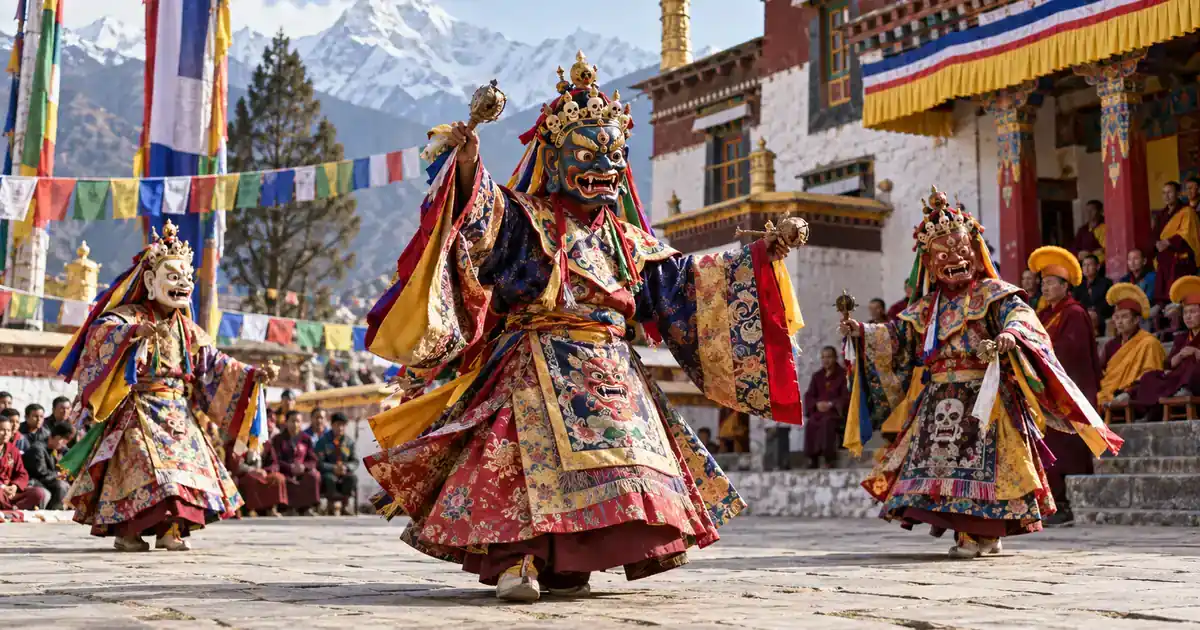
Ceremonial drums, long brass horns, and prayer chants echo across the eastern Himalayas during the Tibetan New Year. In the mountain state of Sikkim, this sacred occasion is celebrated as the Losar Festival in Sikkim, marking the arrival of spring.
Devout families clean their households, monastic courtyards fill with masked lamas, and communities gather to share winter feasts across misty Himalayan towns.
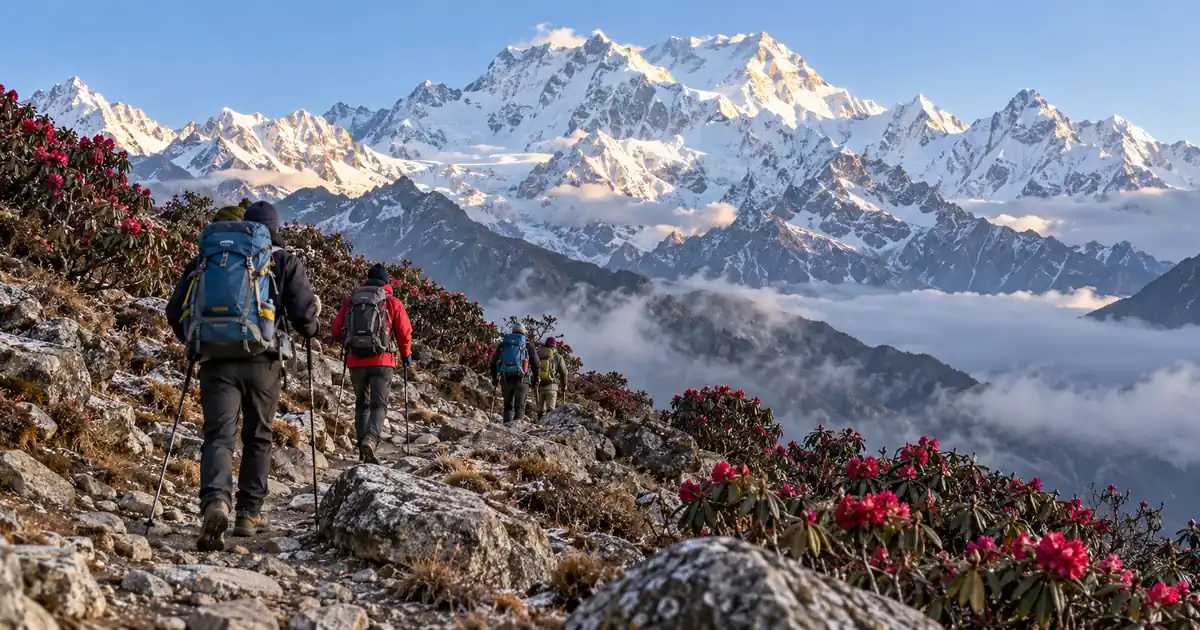
Travelers visiting the state during February or March experience a living heritage that blends ancient agricultural folk customs with Buddhist philosophy. From majestic mountain monasteries overlooking snow-capped peaks to colorful street processions in local bazaars, shared hospitality fills the region with cultural pageantry.
Festival Highlights & Key Dates
- Losar Festival marks the traditional Tibetan lunisolar New Year, celebrated across Sikkim during late winter between February and March.
- Monastic courtyard festivities feature sacred Gutor masked Cham dances, traditional brass radung horns, and symbolic effigy burnings.
- Traditional celebratory dining centers around steaming bowls of nine-ingredient Guthuk noodle soup, fried Khapse pastries, and butter tea.
- Major observation centers include Rumtek Monastery near Gangtok, Pemayangtse Monastery in Pelling, and Phodong Monastery in North Sikkim.
- Monasteries offer free public viewing from open courtyard seating galleries, with morning rituals typically starting by 7:30 AM.
Cultural Significance and Tibetan Lunar Traditions of Losar
Losar represents the Tibetan lunisolar New Year, celebrated prominently across Sikkim during February or March. The festival spans fifteen days, with the initial three days observing intensive monastic prayers, community blessings, and symbolic household purification rituals.
Rooted in pre-Buddhist agricultural celebrations that gave thanks to local nature spirits for bountiful winter survival, Losar evolved over centuries into a profound Buddhist observance. For travelers planning a comprehensive journey through local mountain culture, our guide to the annual festivals of Sikkim provides valuable regional context on how seasonal events align across the Buddhist lunisolar calendar.
Lunisolar Calendar Dates and Astrological Timing
Losar commences on the first day of the first month in the Tibetan lunar calendar, typically aligning with Gregorian dates in February or March. Monastic astrologers calculate the precise dates annually based on lunar planetary alignments.
Because the celebration follows celestial rhythms rather than the Gregorian solar calendar, festival dates shift each year. Monastic calendars announce official observation days months ahead, enabling pilgrims and travelers to coordinate highland transport and winter accommodations.
Spiritual Meaning of Household Purification Rituals
Families undertake comprehensive domestic cleaning prior to Losar to dispel misfortune and prepare living spaces for good fortune. Altars receive freshly prepared grain offerings, butter lamps, and eight auspicious Buddhist symbols painted in white flour.
On the final nights of the departing year, families perform purification rituals inside their kitchens and courtyards. Small dough figures representing lingering illness and domestic disputes are cast away into crossroads, ensuring the new year starts with unburdened positivity.
| Festival Phase | Traditional Day | Key Ritual Observances | Primary Focus |
|---|---|---|---|
| Gutor Eve | 29th Day of 12th Month | Masked monastic dances, effigy burning, Guthuk soup | Dispelling negative energies of the old year |
| First Day (Lama Losar) | 1st Day of 1st Month | Dawn prayers, family altars, white scarf offerings | Homage to spiritual teachers and elders |
| Second Day (King’s Losar) | 2nd Day of 1st Month | Civic greetings, community visits, monastery tours | Honoring community leadership and mutual ties |
| Third Day (Chok-Kyong Losar) | 3rd Day of 1st Month | Hoisting new prayer flags, mountain incense offerings | Invocations to local protective deities |
Sacred Cham Masked Dances and Monastic Ritual Sequences
Sacred Cham dances are ritualistic masked performances executed by Buddhist lamas in monastery courtyards during the Gutor days preceding Losar. These choreographed dances depict the historic triumph of Dharma over malevolent forces accompanied by traditional horns and cymbals.
The courtyard transforms into an open-air sacred theater as lamas enter wearing ornate silk brocade and painted wooden deity masks. Devotees gather along stone perimeters, watching the rhythmic footwork that sanctifies the ground and cleanses attendees of karmic impurities.
Gutor Rites and the Ritual Banishment of Evil
On the twenty-ninth day of the twelfth lunar month, monasteries perform Gutor rites culminating in the ceremonial burning of an effigy. This symbolic act incinerates the lingering negative obstacles, illnesses, and conflicts of the departing year.
Lamas circle the courtyard with drawn wooden swords, ceremonial daggers, and sacred vajras to corner malevolent influences. The ritual concludes as a large straw and paper effigy is carried out to a perimeter bonfire, where flames consume every symbolic obstacle.
Deity Masks, Robes, and Monastic Orchestra Instruments
Lamas wear heavy wooden masks portraying wrathful protective deities, accompanied by rich silk brocade robes. The performance is guided by resonant monastic orchestra instruments, including long radung brass horns, cymbals, and handheld damaru drums.
Each movement corresponds to precise philosophical doctrines preserved in monastic dance manuals. The slow, circular spins and sudden stamping gestures symbolize the suppression of ego and the establishment of enlightened peace throughout the Himalayan watershed.
Note
Cham dances are solemn religious liturgies rather than theatrical folk entertainment. Spectators should remain seated quietly along visitor galleries and refrain from walking across the central stone performance mandala during active dances.
Traditional Festive Cuisine, Guthuk Soup, and Home Celebrations
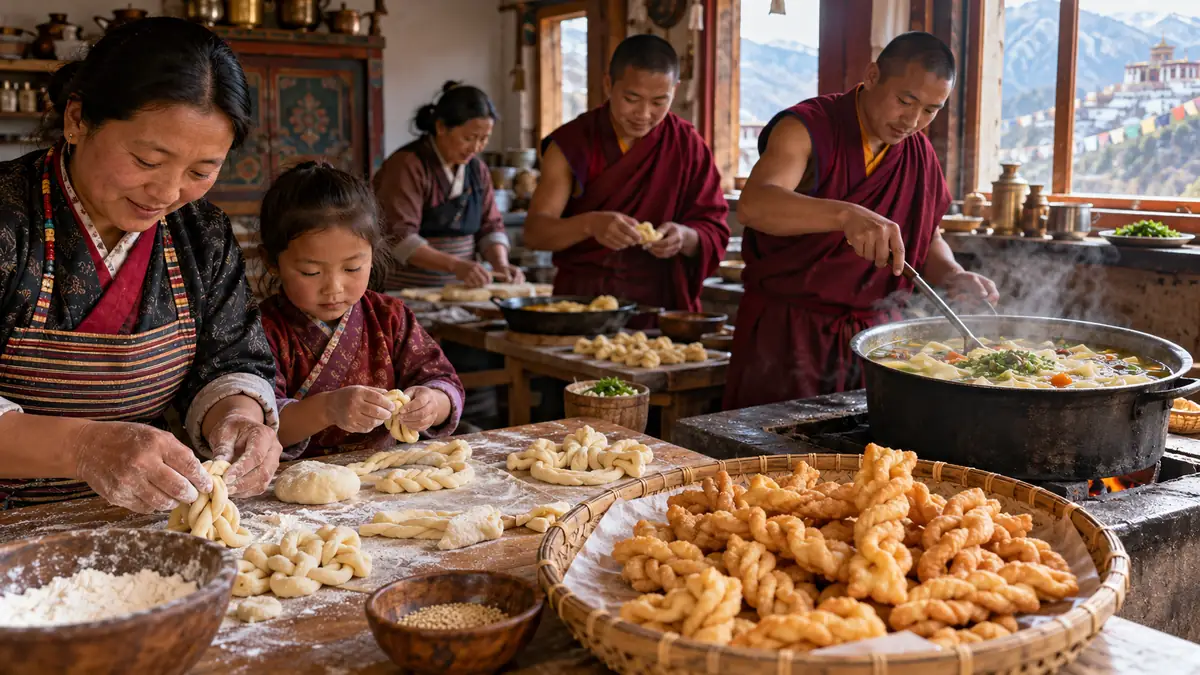
Culinary customs during Losar emphasize communal feasting centered on traditional Sikkimese and Tibetan heritage recipes. Key celebratory dishes include Guthuk noodle soup with symbolic dough fillings, twisted sweet Khapse pastries, butter tea, and locally brewed millet beer.
Preparation starts days in advance as households mill barley flour, knead sweet dough, and churn fresh yak butter. Sharing food during the new year reaffirms kinship bonds and extends hospitality to neighboring families and traveling guests.
Guthuk Noodle Soup and Symbolic Dough Fortunes
Guthuk is a hearty nine-ingredient broth served on the eve of Losar featuring hand-rolled wheat noodles and dough balls. Each dough ball conceals a symbolic item like salt, charcoal, or wool revealing playful insights into the diner’s character.
Ingredients traditionally incorporate radishes, dried peas, ginger, yak meat or wild mushrooms, and fragrant mountain herbs. Uncovering charcoal inside a dough ball jokingly suggests a dark mind, while wool indicates a soft and gentle disposition, bringing laughter to family dinner tables.
Khapse Pastries, Chemar Offerings, and Butter Tea
Deep-fried twisted wheat pastries named khapse are prepared in immense batches alongside savory butter tea. Devotees offer chemar, a wooden box filled with roasted barley flour and butter, as a gesture of auspicious prosperity.
Guests entering a Sikkimese home during Losar take a pinch of chemar from the decorated box, tossing it into the air three times as an offering before tasting a morsel. Steaming wooden bowls of po cha, made by churning strong black tea with yak butter and rock salt, provide comforting warmth against winter morning chills.
Top Monasteries in Sikkim to Witness Losar Festivities
The major monasteries hosting prominent Losar celebrations in Sikkim include Rumtek Monastery near Gangtok, Pemayangtse Monastery in Pelling, and Phodong Monastery in North Sikkim. Each monastic complex conducts intricate masked dance sequences and public prayer congregations.
Selecting the right monastic destination depends on whether travelers prefer majestic large-scale assemblies or quiet highland settings. Road access and local accommodation availability vary between urban Gangtok corridors and remote mountain villages.
Rumtek Monastery Celebrations Near Gangtok
Rumtek Monastery serves as the focal hub for Karma Kagyu ceremonies, hosting vast courtyard gatherings for sacred masked Cham dances. Located 24 kilometers from Gangtok, it accommodates sizable assemblies of visiting pilgrims and cultural spectators.
The central courtyard offers expansive multi-tiered galleries where travelers can witness full-day dance liturgies. Monks display giant painted silk thangkas unfurled across the monastery facade, revealing sacred figures rarely exhibited outside festival periods.
Pemayangtse and Tashiding Monasteries in West Sikkim
Pemayangtse Monastery near Pelling offers intimate Nyingma tradition ceremonies framed against clear panoramas of Mount Kanchenjunga. Nearby Tashiding Monastery conducts sacred holy water rites and spiritual blessing circuits along forested hillside ridges.
West Sikkim provides an exceptionally scenic festival base, allowing travelers to combine monastery rituals with panoramic excursions to historical destinations and viewpoints in Pelling. Clear winter weather in late February affords unobstructed morning vistas of high Himalayan summits behind ancient gilded gopuram pinnacles.
| Monastery | Location | Monastic Tradition | Key Festival Features | Spectator Access |
|---|---|---|---|---|
| Rumtek Monastery | East Sikkim (24 km from Gangtok) | Karma Kagyu | Grand Gutor Cham dances, large courtyard galleries | Sizable stone viewing terrace, arrive by 7:30 AM |
| Pemayangtse Monastery | West Sikkim (near Pelling) | Nyingma | Intimate masked dances, views of Mount Kanchenjunga | Open courtyard, limited perimeter benches |
| Phodong Monastery | North Sikkim (38 km from Gangtok) | Karma Kagyu | Historic ritual choreography, spirited community attendance | Ground-level courtyard perimeter |
| Tashiding Monastery | West Sikkim (near Yuksom) | Nyingma | Sacred Bhumchu holy water rites, butter lamp offerings | Hilltop monastery complex reached by walking trail |
Visiting Hours, Monastery Rules, and Photography Etiquette
Monastery courtyards typically open to visitors from 6:00 AM to 5:00 PM during Losar ceremonies, with seated morning rituals beginning early around 7:30 AM. Entry to monastery grounds is generally free, though respectful dress and silent conduct are strictly mandatory.
Devotees and visitors gather early to secure unobstructed viewing positions along perimeter walls. Because mountain temperatures remain brisk throughout the day, bringing layered woolen clothing and thermal seating cushions ensures comfort during extended outdoor liturgies.
Monastery Dress Codes and Footwear Regulations
Visitors must wear modest clothing covering shoulders, arms, and knees when attending monastic grounds. Footwear, leather headwear, and sunglasses must be removed prior to stepping inside prayer halls and inner relic sanctums.
Thick woolen socks are highly advisable, as monastery stone flagstones become bitterly cold in February. Travelers should avoid wearing flashy party clothing or offensive prints, opting instead for subdued, dignified mountain apparel that respects the sacred monastic environment.
Photography Guidelines and Sanctum Restrictions
Photography is widely permitted in open outdoor monastery courtyards during Cham dances without tripods blocking procession pathways. Photography is strictly prohibited inside the main sanctum sanctorum housing sacred thangkas and golden Buddha statues.
Monks and local worshippers should never be photographed at uncomfortably close range without verbal permission. Drone operations require strict defense clearances and are strictly banned over all monastery properties and border areas across the state.
Important
Always circumambulate Buddhist shrines, prayer wheels, and chortens in a clockwise direction. Never point feet toward altars, monks, or sacred statues when seated on monastery courtyard floors.
How to Reach Sikkim for Losar: Transit Routes and Travel Permits
Travelers reach Sikkim via Bagdogra International Airport or New Jalpaiguri Railway Station in West Bengal, followed by a scenic four to five-hour road drive to Gangtok. Indian citizens require standard government photo identification, while foreign nationals must obtain an Inner Line Permit.
Highland road journeys trace the roaring Teesta River along National Highway 10, climbing gradually into misty coniferous forests. For complete planning resources covering regional seasons and road corridors, consult our complete Sikkim state travel guide. Travelers extending their winter vacation can explore frozen high-altitude landmarks with appropriate regional defense permits.
Air and Rail Transit via Bagdogra and New Jalpaiguri
Bagdogra Airport (IXB) sits 124 kilometers south of Gangtok, offering daily flight links with major Indian transit hubs. New Jalpaiguri Junction (NJP) connects regular express trains from Kolkata, Delhi, and Guwahati.
Pre-paid taxi counters operate outside the terminal gates at both Bagdogra and New Jalpaiguri. Travelers can book direct private taxis or shared Sumo vehicles to Gangtok, Rangpo, or Pelling, with journey times ranging between four and six hours depending on traffic flow.
Inner Line Permits and Winter Road Conditions
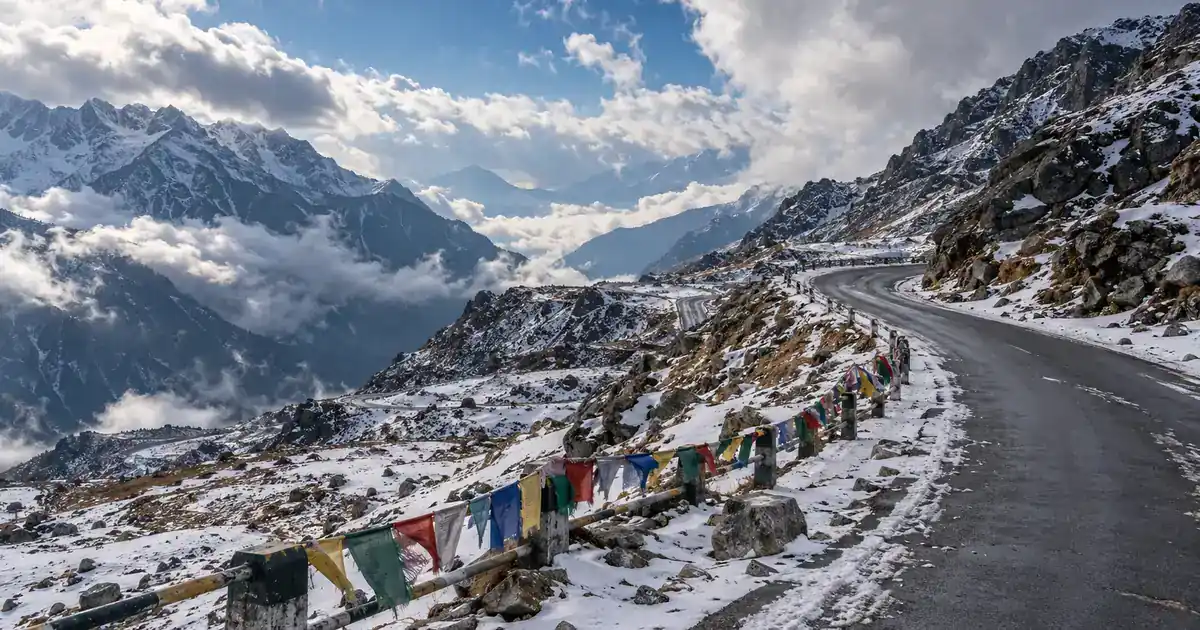
Foreign tourists can obtain an Inner Line Permit online or at Rangpo border checkposts upon presenting valid passports and Indian visas. Winter mountain roads between Siliguri and Gangtok require four-wheel drive vehicles during sudden snowfall across higher passes.
Official travel updates, permit verification counters, and regional tourist assistance are accessible via the Sikkim Tourism & Civil Aviation Department. National travel guidelines can also be reviewed through the Incredible India Official Portal, while train bookings are managed on the IRCTC Official Portal.
| Transit Mode | Terminal Point | Distance to Gangtok | Typical Travel Time | Notes & Booking Advice |
|---|---|---|---|---|
| Flight | Bagdogra International Airport (IXB) | 124 km | 4.5 to 5 hours by road | Daily flights from Delhi, Kolkata, Mumbai, and Bengaluru |
| Train | New Jalpaiguri Junction (NJP) | 120 km | 4 to 4.5 hours by road | Direct Shatabdi, Rajdhani, and Vande Bharat connectivity |
| Road (Shared) | Siliguri SNT Bus Stand | 114 km | 4.5 hours | Shared jeeps depart regularly between 6:00 AM and 2:00 PM |
| Road (Private) | Bagdogra / NJP Taxis | 120–124 km | 4 to 5 hours | Private SUVs cost ₹3,500 to ₹5,500 depending on vehicle class |
Frequently Asked Questions About Losar Festival in Sikkim
Is Losar festival celebrated in Sikkim?
Yes, Losar is widely celebrated across Sikkim as the official Tibetan New Year by the Bhutia, Sherpa, and Tibetan communities. Major Buddhist monasteries across the state conduct sacred masked dances and community feasts during the festival.
What are the opening timings of monasteries during Losar in Sikkim?
Monastery courtyards generally open to the public from 6:00 AM to 5:00 PM throughout the festival period. Masked Cham dances and communal ritual prayers typically commence in the morning around 7:30 AM.
How much is the entry ticket fee for Losar Festival in Sikkim?
Admission to monastery courtyards to observe public Losar dances and prayer rituals is completely free. Small museum tickets ranging from ₹20 to ₹50 apply only when entering select monastery heritage artifact halls.
What is the best time of year to visit Sikkim for Losar?
The ideal period to visit is late winter between mid-February and early March, depending on the annual Tibetan lunar calendar. Days are crisp and sunny, while early mornings require warm thermal clothing.
How do travelers reach Sikkim for the Losar festival?
Visitors fly to Bagdogra Airport or take express trains to New Jalpaiguri Railway Station in West Bengal. From either transport hub, licensed taxis provide scenic road connectivity to Gangtok within four to five hours.
Do international tourists need a permit to attend Losar in Sikkim?
Foreign nationals require an Inner Line Permit to enter Sikkim, which is issued free of charge online or at the Rangpo border checkpost. Indian travelers need standard government-issued photo identification to travel across the state.