15 Best Festivals of Sikkim: Dates, Traditions & Guide
Explore the 15 major festivals of Sikkim, including Losar, Saga Dawa, and Pang Lhabsol, with authentic monastery traditions, calendar dates, and travel tips.
Sikkim preserves one of the most distinctive cultural calendars in the eastern Himalayas, shaped by centuries of coexisting Lepcha, Bhutia, and Nepali ethnic communities. With more than 200 registered Buddhist monasteries crowning forested mountain ridges, the state comes alive throughout the year with sacred monastic masked dances, harvest rituals, and folk gatherings.
Sikkim Festival & Cultural Essentials
- Sikkim celebrates a multi-ethnic calendar rooted in Lepcha, Bhutia, and Nepali traditions across its four historic districts.
- Major Buddhist monastery festivals such as Losar, Saga Dawa, and Pang Lhabsol align with the Tibetan lunar calendar between February and December.
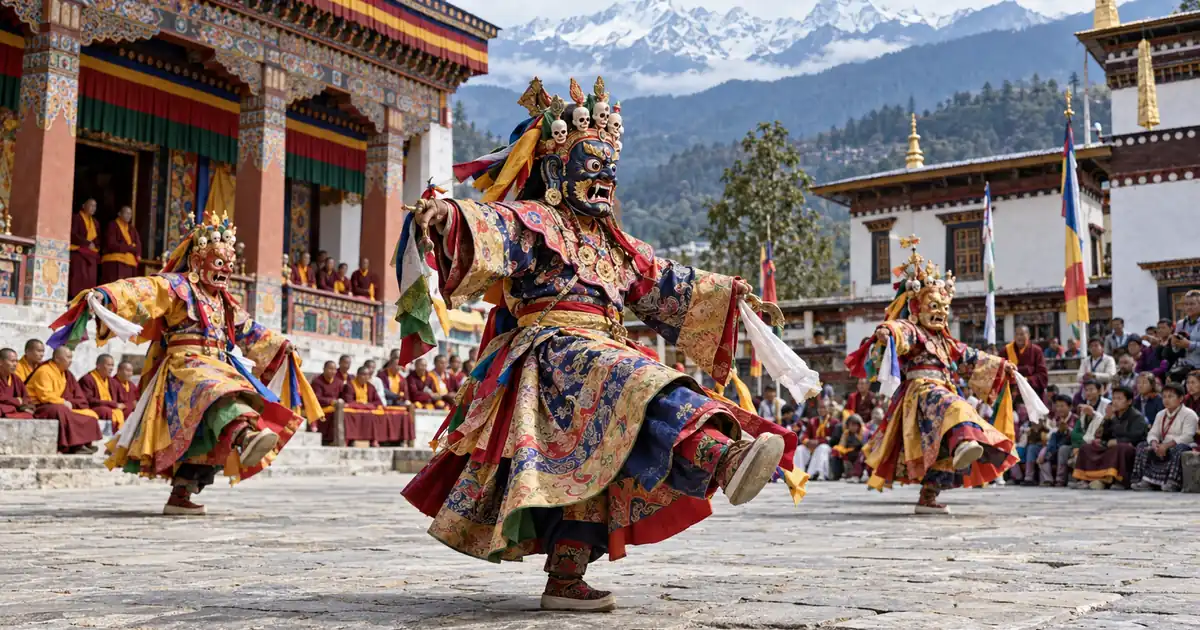
- Sacred Cham monastic mask dances are performed by lamas in full silk brocade attire at Rumtek, Enchey, and Pemayangtse monasteries.
- Travelers attending winter festivals like Losoong and Maghe Sankranti should plan travel around Gangtok and Jorethang between December and January.
Travelers exploring the eastern Himalayas frequently pair these cultural events with broader state sightseeing itineraries outlined in our guide to the best places to visit in Sikkim.
Sikkim Festivals Calendar and Location Matrix
The following matrix outlines the fifteen major festivals celebrated across Sikkim, indicating community heritage, typical timing, and key monastic venues:
| Festival Name | Community Heritage | Typical Calendar Window | Primary Venues | Signature Highlights |
|---|---|---|---|---|
| Losar | Bhutia / Tibetan | February – March | Rumtek, Pemayangtse | Monastic Cham dances, Guthor rituals |
| Saga Dawa | Buddhist Community | May – June (Full Moon) | Gangtok, Enchey | Holy relic processions, butter lamps |
| Pang Lhabsol | Sikkimese State | August – September | Tsuklakhang Palace, Pemayangtse | Kanchenjunga worship, Pangtoed warrior dance |
| Losoong & Namsoong | Bhutia / Lepcha | December – January | Phodong, Rumtek | Traditional archery, harvest offerings |
| Maghe Sankranti | Nepali Community | January (Mid-month) | Jorethang, Teesta Confluence | Riverbank holy dips, traditional food stalls |
| Sonam Lochar | Tamang Community | January – February | Ravangla, Namchi | Damphu drum performances, folk music |
| Tendong Lho Rum Faat | Lepcha Community | August | Mount Tendong, Damthang | Mount Tendong pilgrimage, nature prayers |
| Drukpa Tshechi | Mahayana Buddhist | July – August | Muguthang, Gangtok | Celebration of Buddha’s First Sermon |
| Guru Rinpoche’s Tshechu | Nyingma Order | July | Samdruptse Hill, Namchi | Cham dances honoring Padmasambhava |
| Sakewa | Rai Community | April – May | South and West Sikkim | Silili dance, Bhoomi Puja ceremonies |
| Kagyed Dance | Tibetan Buddhist | December | Tsuklakhang, Old Rumtek | Black Hat dance, ceremonial effigy burning |
| Lhabab Dhuechen | Mahayana Buddhist | October – November | Monasteries statewide | Celebration of Buddha’s celestial descent |
| Indrajatra | Newar Community | September | Gangtok MG Marg | Kumari procession, Lakhey masked street dance |
| Tamu Lochar | Gurung Community | Late December | Namchi, Gangtok | Traditional Rodhi dance, ethnic feasts |
| Barahimizong | Mangar Community | December | Mangshila, West Sikkim | Ancestor remembrance, agricultural rites |
1. Losar: Tibetan New Year Festivities
Losar marks the traditional Tibetan New Year, celebrated enthusiastically by Sikkim’s Bhutia and Tibetan communities during February or early March. The holiday spans fifteen days, with the primary rituals observed over the first three days following the Tibetan lunar calendar.
Monasteries conduct special purification rituals called Guthor two days prior to the new year, culminating in the burning of dough effigies to dispel past misfortunes. On the first day of Losar, families offer barley grains and butter sculptures in their home altars before exchanging ceremonial khada scarves.
Courtyards at Rumtek and Phodong monasteries host lively mask dances accompanied by long brass horns, cymbals, and drums. For complete details on travel preparations and daily schedules, consult our specialized Losar Festival in Sikkim guide.
2. Saga Dawa: Triply Sacred Buddhist Full Moon
Saga Dawa is considered the holiest day in the Mahayana Buddhist calendar, falling on the full moon day of the fourth Tibetan lunar month between late May and early June. The sacred occasion commemorates three landmark events in the life of Gautama Buddha: his birth, his enlightenment under the Bodhi tree, and his attainment of Mahaparinirvana.
Monks and lay devotees assemble in large numbers at Tsuklakhang Palace Monastery and Enchey Monastery in Gangtok. Devotees carry the Kangyur and Tengyur holy scriptures on their heads through the streets of the capital in an elaborate religious procession.
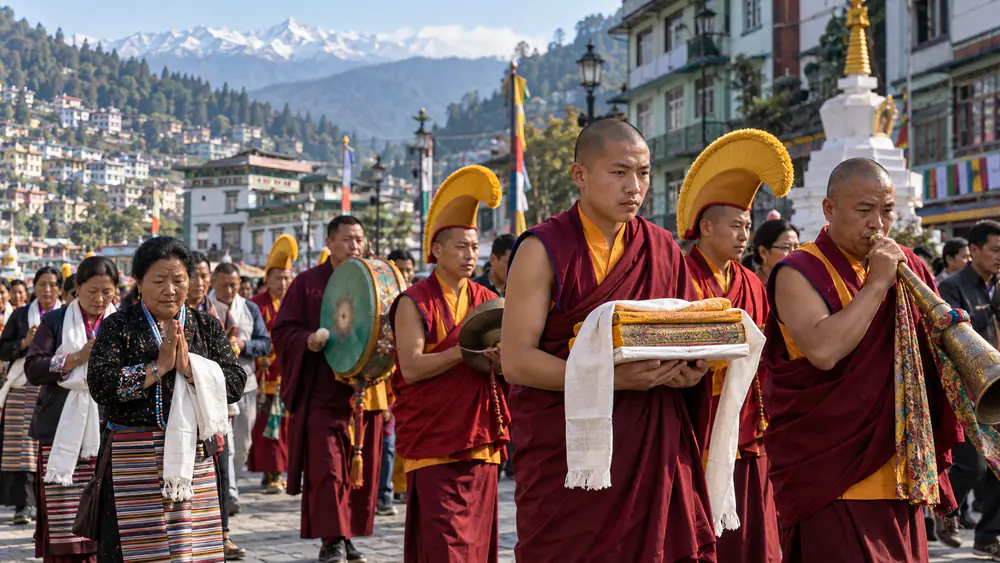
Throughout the sacred month, followers observe vegetarian diets and release caged animals to generate spiritual merit. Monastery grounds glow with hundreds of flickering butter lamps as monks chant sutras late into the evening.
3. Pang Lhabsol: Worship of Mount Kanchenjunga
Pang Lhabsol is unique to Sikkim, commemorating the historic blood brotherhood pact sworn between the indigenous Lepcha leader Thekong Tek and the Bhutia chieftain Khye Bumsa in the 13th century. The festival honors Mount Kanchenjunga, which rises to 8,586 meters as the world’s third-highest peak and is revered as the state’s divine protector.
The festival takes place on the 15th day of the 7th Tibetan month, usually during late August or September. The ceremony features the dramatic Pangtoed warrior dance, where performers in armored attire and helmets carry swords and shields to represent the mountain guardian’s terrestrial army.
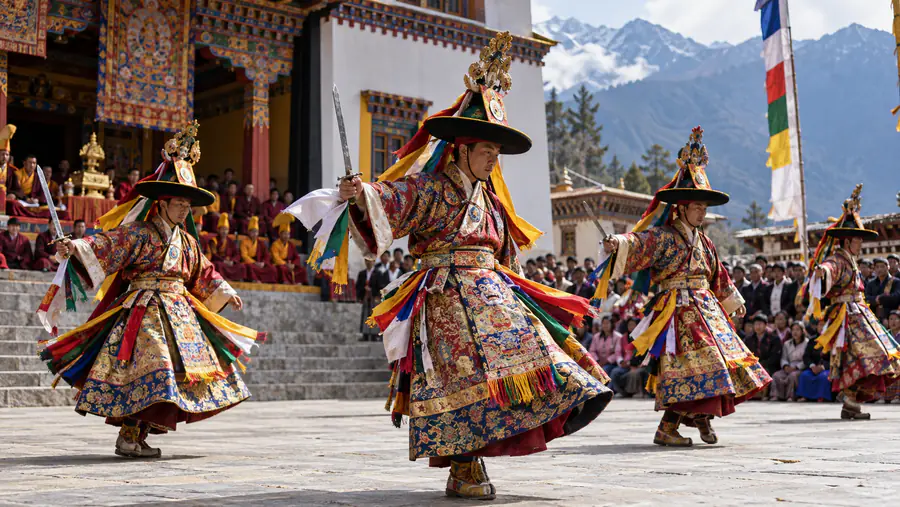
The main public performance takes place at the Tsuklakhang Palace monastery courtyard in Gangtok and at Pemayangtse Monastery near Pelling, which sits at an elevation of 2,085 meters. Travelers staying in West Sikkim can explore the historical ruins detailed in our guide to places to visit in Pelling.
4. Losoong and Namsoong: Sikkimese Harvest Celebrations
Losoong marks the conclusion of the autumn harvest season and the arrival of the traditional Sikkimese New Year. The festival corresponds with the 10th month of the Tibetan lunar calendar in December, celebrated by the Bhutia community as Losoong and by the Lepcha community as Namsoong.
Farmers thank the tutelary deities for bountiful crops while making barley flour and fermented millet wine offerings. The public festivities feature competitive archery matches between rival villages on open meadow ranges.
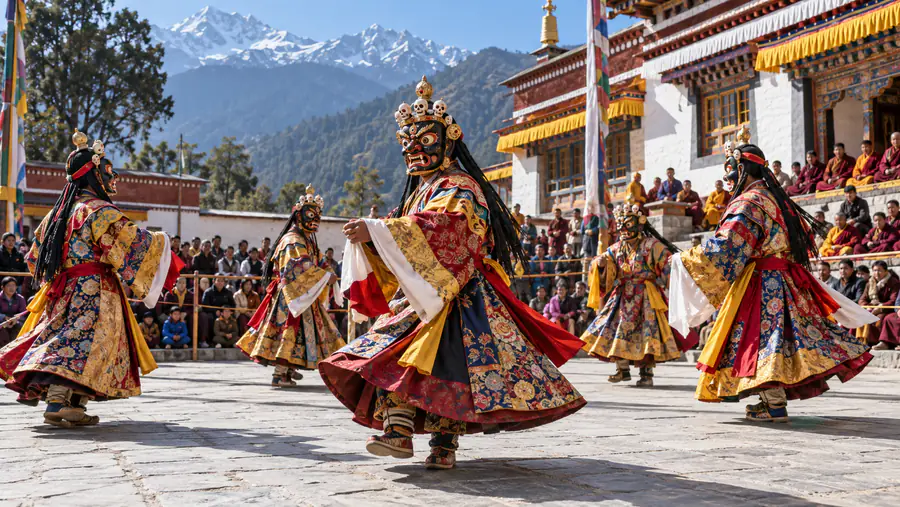
Monasteries including Phodong, Rumtek, and Ralang stage sacred Chaam masked dances where lamas represent protective deities subjugating negative forces. Traditional folk rituals and calendar schedules are officially registered on the Ecclesiastical Affairs Department Government of Sikkim monastery directory.
5. Maghe Sankranti: Jorethang Riverbank Fair
Maghe Sankranti is celebrated in mid-January, marking the winter solstice and the sun’s transition into Capricorn. The festival holds deep agricultural and religious significance for Sikkim’s Nepali community, heralding warmer days and approaching spring sowing seasons.
Pilgrims gather at sacred river confluences such as the Triveni Sangam, where the Rangeet and Teesta rivers meet near Melli, to take ritual cleansing baths at sunrise. Families consume traditional winter foods including sweet potatoes, sesame ladoos, and beaten rice mixed with curd.
The largest regional celebration centers around the Jorethang Maghe Mela in South Sikkim, held along the stony bed of the Rangeet River. The fair hosts traditional food kiosks, organic farming displays, archery contests, and river rafting demonstrations.
6. Sonam Lochar: Tamang Community New Year
Sonam Lochar marks the start of the New Year for the Tamang community, celebrated on the first new moon of the twelfth lunar month between January and February. Community members clean their homesteads, install fresh prayer flags, and worship household deities.
Men and women wear traditional Tamang costumes crafted from hand-woven fabrics, accessorized with turquoise jewelry and amber beads. Celebrations center on the energetic beats of the Damphu, a round wooden hand-drum played while performing the Tamang Selo folk dance.
Public cultural programs take place in community halls across Namchi, Ravangla, and Gangtok. The state government recognizes Sonam Lochar as a gazetted public holiday, allowing widespread community participation and feasts.
7. Tendong Lho Rum Faat: Lepcha Mountain Thanksgiving
Tendong Lho Rum Faat is one of the oldest recorded indigenous festivals of the Lepcha people, celebrated annually on August 8. According to Lepcha oral folklore, a catastrophic prehistoric deluge once submerged Mayal Lyang (Sikkim), and Mount Tendong miraculously rose higher to provide refuge for surviving humanity.
During the festival, Lepchas create miniature clay models of Mount Tendong outside their houses, offering wild fruits, flowers, and local grains. Traditional priests called Boongthings conduct solemn prayers seeking protection from natural disasters, earthquakes, and landslides.
A dedicated pilgrimage takes place up the dense oak and rhododendron slopes of Mount Tendong in South Sikkim, climbing up to an elevation of 2,600 meters. Trekkers ascending to the summit ridge can combine the journey with high-altitude walking trails featured in our Goechala Trek itinerary.
8. Drukpa Tshechi: Buddha’s First Sermon
Drukpa Tshechi commemorates the auspicious day when Shakyamuni Buddha delivered his first discourse to his initial five ascetic disciples at the Deer Park in Sarnath. The sermon outlined the Four Noble Truths and the Eightfold Path, establishing the foundations of Buddhist doctrine.
The festival falls on the fourth day of the sixth Tibetan lunar month, usually in late July or early August. Devotees visit local gompas early in the morning to circumambulate the main sanctum while reciting the sacred mantra Om Mani Padme Hum.
At higher monastic settlements like Muguthang in North Sikkim, nomadic yak herders join local monks for special prayers and yak racing contests. Travelers taking the route can also schedule a Tsomgo Lake excursion when exploring high-altitude glacial valleys.
9. Guru Rinpoche’s Thrungkar Tshechu
Guru Rinpoche’s Thrungkar Tshechu celebrates the birth anniversary of Padmasambhava, the 8th-century master who established Tantric Buddhism across Tibet and the Himalayan kingdoms. The celebration falls on the 10th day of the fifth lunar month, typically in July.
Devotees hold Guru Rinpoche in supreme reverence as the second Buddha who sanctified Sikkim as a sacred hidden valley, or Beyul Demazong. Prayers and ritual offerings seek blessings for health, agricultural abundance, and spiritual liberation.
A major gathering centers on the colossal 135-foot statue of Padmasambhava atop Samdruptse Hill in South Sikkim. Monks perform sacred dances depicting the eight manifestations of Guru Rinpoche, wearing brocade robes and gilded masks.
10. Sakewa: Rai Community Bhoomi Puja
Sakewa is an important nature worship festival observed by the Kirat Rai community, falling on the full moon day of Baisakh between April and May. The ritual serves as a collective homage to Mother Earth (Bhoomi Devi) before the commencement of annual agricultural sowing operations.
The Mangpa (traditional shaman) conducts solemn outdoor rites at the sacred Manghim shrine, offering ginger, rice, water, and traditional millet brew. Devotees pray for fertile soil, timely monsoon rains, and protection against pestilence.
Following the rituals, community members perform the Silili folk dance, imitating the natural movements of birds, forest animals, and agricultural activities. The festival concludes with shared communal feasts featuring ethnic Rai cuisine.
11. Kagyed Dance: Pre-Losar Monastic Chaam
Kagyed Dance is a sacred two-day monastic masked dance festival staged on the 28th and 29th days of the 10th Tibetan month, approximately a week before Losoong. The annual event occurs primarily at Enchey, Phodong, and Tsuklakhang Palace monasteries.
The ritual dance enacts the philosophical victory of good over negative forces and the subjugation of spiritual ignorance. Lamas dressed in ornate animal and deity masks execute slow, rhythmic movements to the resonant sounds of cymbals, conch shells, and monastery drums.
The ceremony culminates on the second afternoon with the burning of an elaborate three-dimensional dough structure called the Tor-gyak. This symbolic destruction clears negative planetary influences before the arrival of the new farming cycle.
12. Lhabab Dhuechen: Buddha’s Descent from Heaven
Lhabab Dhuechen commemorates the celestial occasion when Gautama Buddha returned to the earthly realm from the Trāyastriṃśa heaven after teaching the Dharma to his mother, Queen Mayadevi. The festival falls on the 22nd day of the ninth Tibetan month in October or November.
Monks paint the exterior walls of monastery buildings with fresh coats of white lime, symbolizing pure welcoming pathways for the Buddha’s return. The interior prayer halls are cleaned and decorated with silk thangka banners.
Devotees light thousands of butter lamps in monasteries statewide, believing that religious deeds performed on this sacred date generate multiple times their regular merit. Official festival announcements and seasonal timings are regularly updated on the Sikkim Tourism Festivals Portal.
13. Indrajatra: Nepali Cultural Street Carnival
Indrajatra is an ancient harvest festival originally rooted in the Kathmandu Valley, brought to Sikkim by the Nepali Newar community. Celebrated during September, the eight-day event honors Lord Indra, the god of rain and king of heaven.
A towering chariot carrying the living goddess Kumari is paraded through the center of Gangtok along MG Marg. Dancers wearing fierce wooden masks perform the famous Lakhey masked dance, leaping dynamically to traditional Newari percussive rhythms.
Visitors line pedestrian avenues to receive blessings and taste traditional Newari sweets including samay baji and yomari. Cultural pageants feature historic martial arts, flute melodies, and traditional Newar jewelry.
14. Tamu Lochar: Gurung Community New Year
Tamu Lochar marks the festive New Year for the Gurung community, celebrated annually on December 30. The community follows an ancient astrological cycle where each year corresponds to a specific animal sign, similar to the Tibetan lunar calendar.
Gurung families gather in ancestral villages wearing traditional hand-woven attire: men in cross-tied bhangra waistcoats and women in velvet cholo blouses with coral necklaces. Festivities feature the rhythmic Rodhi dance and musical storytelling.
Community associations organize large public gatherings at playgrounds in Namchi and Gangtok. The celebrations include ethnic cooking competitions, traditional archery contests, and the recognition of community elders.
15. Barahimizong: Mangar Community Ancestor Worship
Barahimizong is celebrated by the Mangar community on the fifth day of the full moon of Poush in late December. The festival combines thanksgiving for successful harvests with deep veneration for departed ancestors.
Traditional Mangar priests conduct elaborate outdoor prayers invoking river and mountain spirits for community harmony and agricultural fertility. Offerings include newly harvested paddy, ginger, root vegetables, and traditional homemade drinks.
Communal celebrations feature energetic folk dances accompanied by traditional flutes and madal drums. Travelers exploring harvest celebrations across the wider eastern region can also experience the exuberant spring dances and feasting traditions of the Bihu Festival in Assam. Guests from neighboring communities are invited to join the banquet, exemplifying the region’s welcoming communal spirit.
Monastic Festival Etiquette and Travel Logistics
Attending a sacred monastic festival in Sikkim requires practical advance planning to ensure a respectful and rewarding journey.
-
Courtyard Etiquette: Dress modestly with covered shoulders and knees when entering monastery premises. Remove footwear before stepping into inner sanctums.
-
Photography Rules: Courtyard photography of Cham dances is generally permitted, but avoid flash photography inside prayer halls. Always ask permission before taking portraits of monks or elderly pilgrims.
-
High-Altitude Excursions: Several monasteries sit at elevated heights where winter winds remain sharp. Obtain necessary inner line permits via our Nathula Pass permit guide when exploring nearby alpine passes.
-
Calendar Verification: Dates for lunar festivals shift annually on the Gregorian calendar. Confirm current dates with verified state tourism authorities on the Incredible India Official Tourism Portal before finalizing flights.
Frequently Asked Questions About Sikkim Festivals
Which is the main festival of Sikkim?
Pang Lhabsol and Losar stand as the two most prominent state festivals celebrated across Sikkim. Pang Lhabsol commemorates the treaty of brotherhood between the Lepchas and Bhutias while revering Mount Kanchenjunga as the state’s guardian deity.
What is the mask dance called in Sikkim festivals?
The sacred mask dance performed by Buddhist monks in Sikkim is known as Cham. Monks dress in elaborate silk robes and wrathful animal masks to enact moral allegories that drive away negative energies.
When is Losoong festival celebrated in Sikkim?
Losoong takes place during December at the end of the agricultural harvesting season, corresponding to the 10th month of the Tibetan lunar calendar. It marks the traditional Sikkimese New Year for the Bhutia and Lepcha communities with archery contests and monastic Chaam dances.
Can tourists photograph Cham dances inside Sikkim monasteries?
Monasteries permit photography in outer courtyard areas where public Chaam performances take place, though flash photography remains prohibited. Visitors should avoid photographing monks in private prayer halls and maintain respectful silence during sacred rituals.
How do Sikkim’s cultural festivals compare with other Northeast celebrations?
While Sikkim’s festivals center around Vajrayana Buddhist monastic rituals and Himalayan mountain worship, neighboring states offer contrasting cultural traditions, such as the famous Hornbill Festival in Nagaland, which celebrates the warrior heritage, music, and crafts of seventeen indigenous Naga tribes every December.