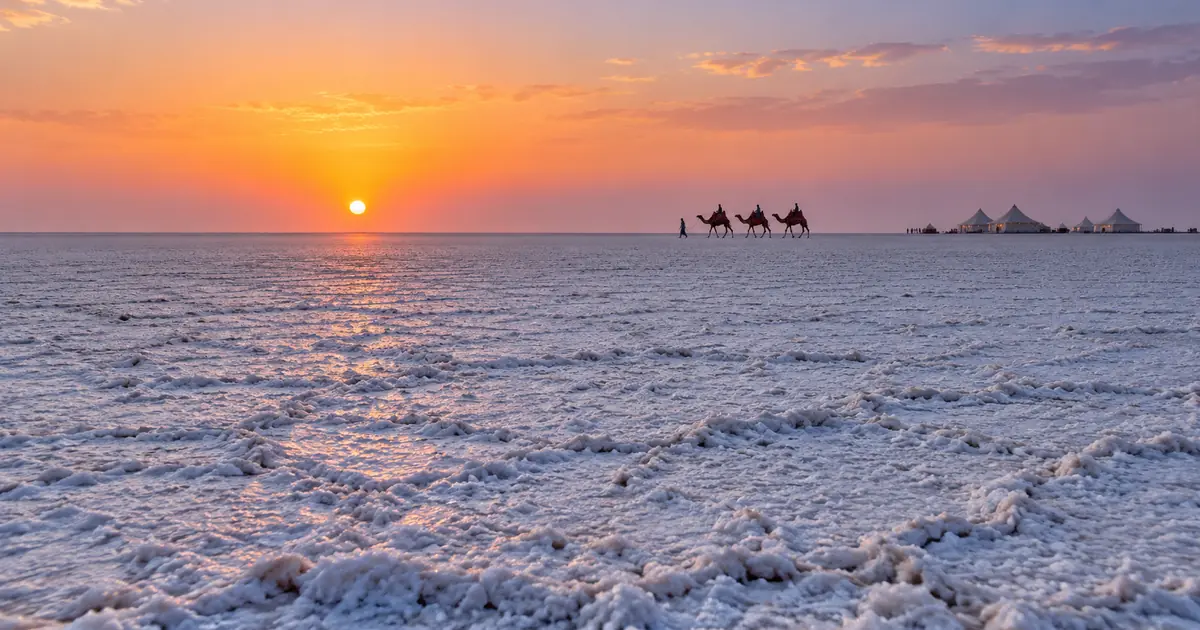
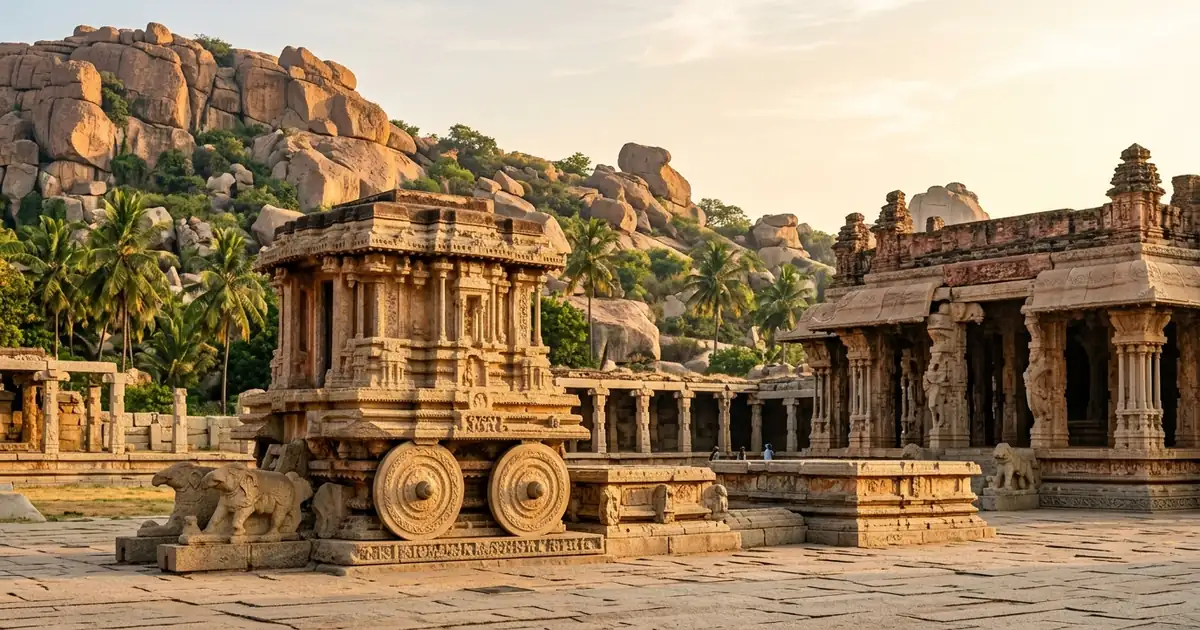
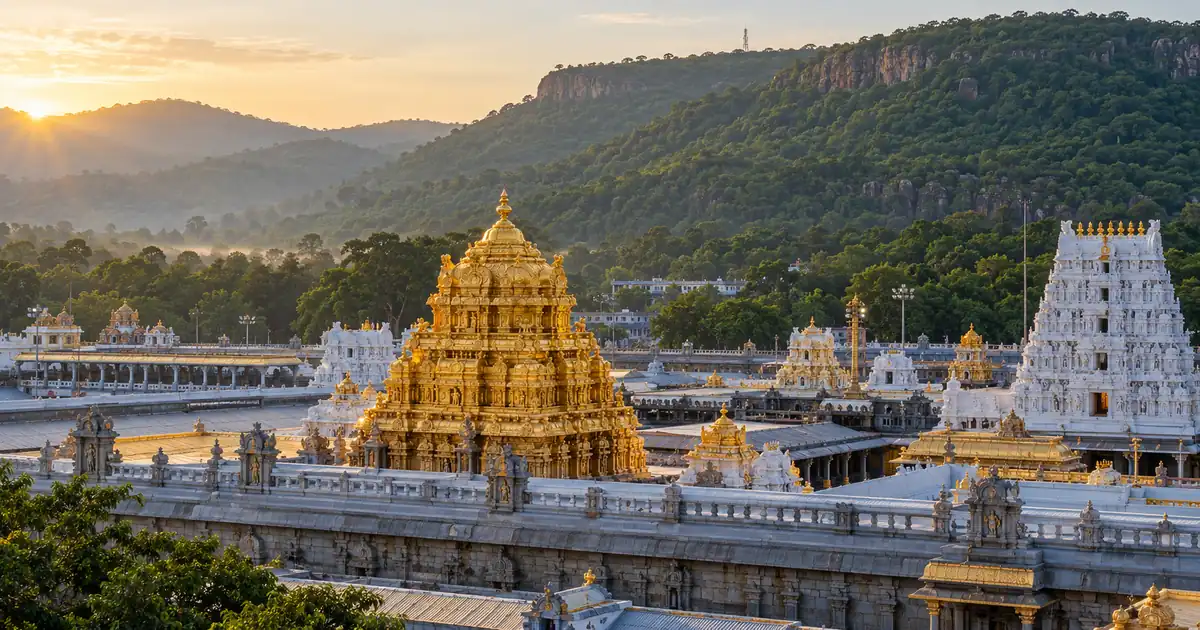
Best Places to Visit in India: Top Destinations & Circuits
Explore the best places to visit in India, from Rajasthan's royal palaces to Kerala's tranquil backwaters and the Himalayas, with curated travel circuits.
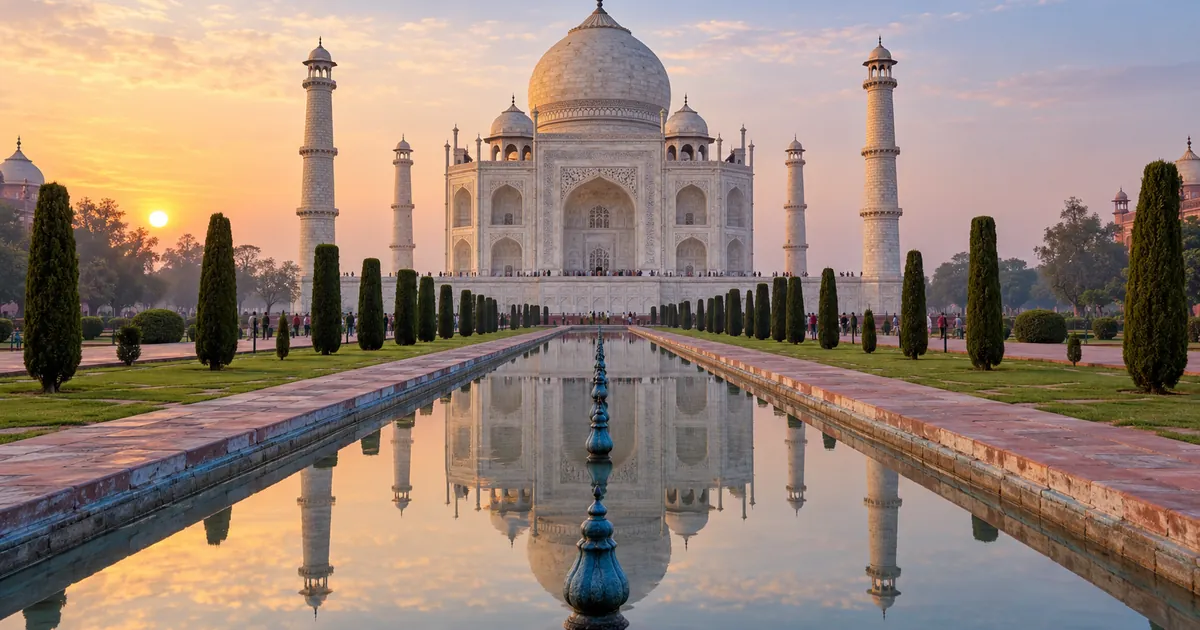
India presents one of the most culturally layered and geographically diverse travel landscapes on earth, extending from the glacial passes of the Himalayas to the tropical lagoons of the Indian Ocean. Encompassing 28 states and eight union territories, the country contains 42 UNESCO World Heritage Sites, thousands of ancient temple complexes, and distinct regional cuisines.
India Travel & Circuit Essentials
- India encompasses 28 states and 8 union territories, connected by the world’s fourth-largest railway network and over 140 operational commercial airports.
- The prime nationwide travel season runs from October to March when cooler, dry weather prevails across northern plains, deserts, and southern coasts.
- Signature travel circuits divide into the northern Golden Triangle (Delhi-Agra-Jaipur), Himalayan routes (Ladakh, Himachal), and southern coastal circuits (Kerala, Goa).
- First-time international visitors typically allocate 10 to 14 days to explore one major regional corridor without excessive transit fatigue.
Travelers seeking spiritual journeys frequently combine historic cultural centers with the ancient Char Dham Yatra in India pilgrimage route across the Himalayas and coastal corners.
Top India Destinations Master Matrix
The following table summarizes the signature destinations across India, detailing their regional circuits, ideal travel windows, and principal transit gateways:
| Destination | State / UT | Region / Circuit | Primary Highlights | Nearest Airport / Rail Gateway |
|---|---|---|---|---|
| Agra & Delhi | UP / Delhi | Golden Triangle | Taj Mahal, Red Fort, Qutub Minar | Delhi IGI Airport / Agra Cantt |
| Jaipur | Rajasthan | Golden Triangle | Amer Fort, City Palace, Hawa Mahal | Jaipur International Airport |
| Varanasi | Uttar Pradesh | Ganga Heritage | Kashi Vishwanath, Ganga Aarti, Ghats | Lal Bahadur Shastri Airport |
| Goa | Goa | Western Coast | Panaji Latin Quarter, Anjuna, Forts | Dabolim / Mopa (GOX) Airport |
| Alleppey | Kerala | South Backwaters | Vembanad Houseboats, Kuttanad Canals | Cochin International Airport |
| Leh Ladakh | Ladakh | Trans-Himalaya | Pangong Lake, Nubra Valley, Khardung La | Kushok Bakula Rimpochee Airport |
| Amritsar | Punjab | Northern Heritage | Golden Temple, Wagah Border, Langar | Sri Guru Ram Dass Jee Airport |
| Srinagar | Jammu & Kashmir | Kashmir Valley | Dal Lake Shikaras, Mughal Gardens | Srinagar International Airport |
| Munnar | Kerala | Western Ghats | Kannan Devan Tea Hills, Eravikulam | Cochin International Airport |
| Havelock Island | Andaman & Nicobar | Bay of Bengal | Radhanagar Beach, Scuba Diving | Port Blair Veer Savarkar Airport |
| Pondicherry | Puducherry | Coromandel Coast | White Town French Quarter, Promenade | Chennai International Airport |
| Darjeeling | West Bengal | Eastern Himalaya | Kanchenjunga Vistas, Toy Train | Bagdogra Airport (IXB) |
1. Lakshadweep: Coral Atolls and Lagoons
Lakshadweep forms India’s smallest union territory, comprising an archipelago of 36 islands scattered across 32 square kilometers of the Arabian Sea. The territory includes 12 atolls, three submerged reefs, and five sand banks situated 200 to 440 kilometers west of the Kerala coast.
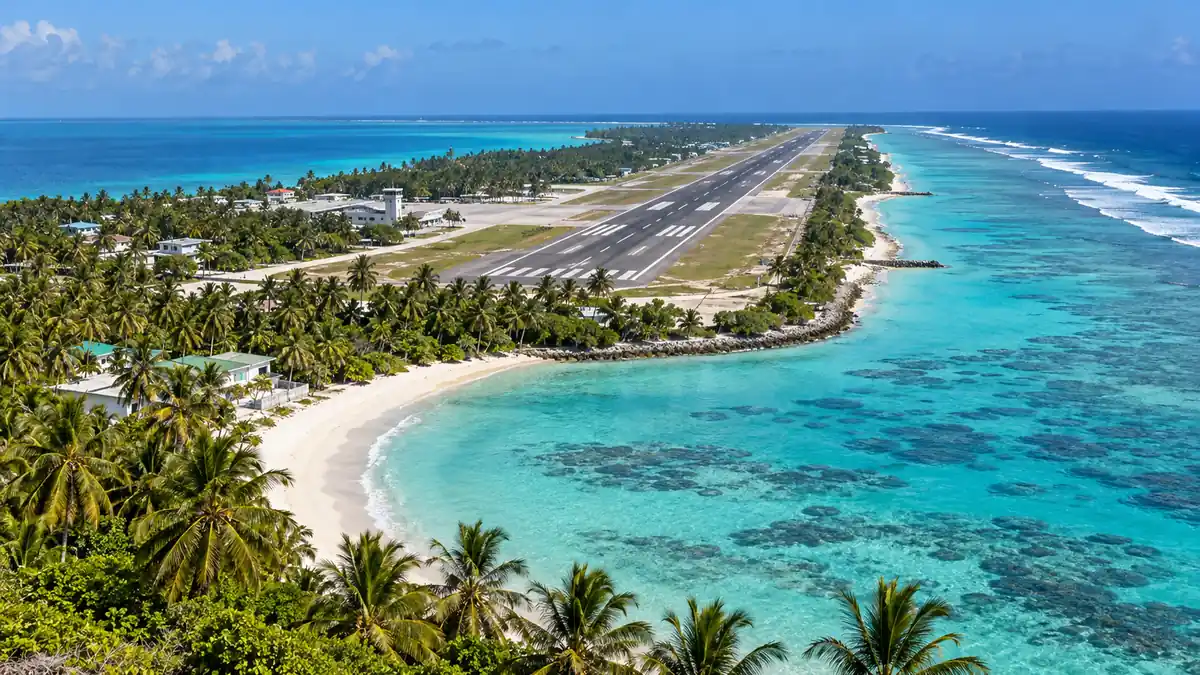
Agatti Island functions as the aviation hub with an airstrip surrounded by turquoise lagoons. Bangaram and Kadmat islands provide scuba diving centers where visibility underwater regularly exceeds 20 meters, revealing intact coral reefs, sea turtles, and manta rays.
- Permit Rules: All non-resident visitors must secure an Inner Line Permit before arrival.
- Flight Connections: Daily Alliance Air flights link Kochi directly to Agatti Airport.
- Detailed Planning: Review island regulations in our Lakshadweep Tourism Guide.
2. Leh Ladakh: High-Altitude Passes and Monasteries
Leh sits at an altitude of 3,500 meters in the high-altitude cold desert of Ladakh, enclosed by the Karakoram and Zanskar mountain ranges. The region features centuries-old Tibetan Buddhist monasteries perched dramatically on granite bluffs, including Thiksey, Hemis, and Diskit.
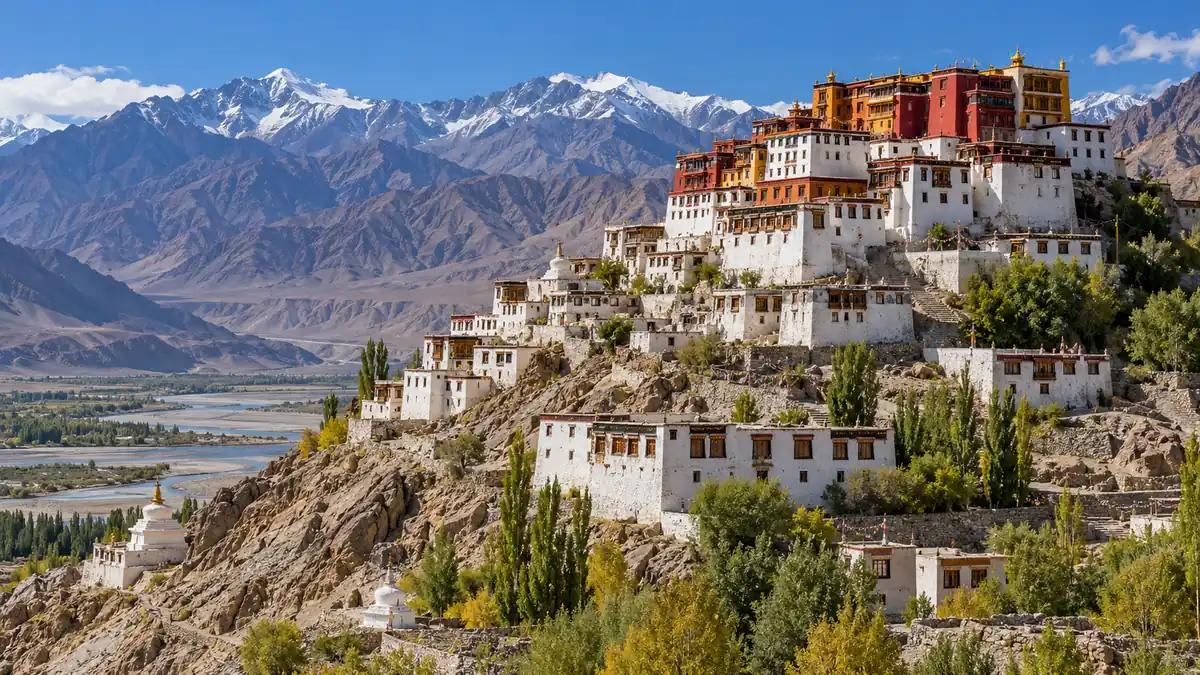
- Signature Passes: Khardung La (5,359 m) and Chang La (5,360 m) provide access to the Nubra Valley and Pangong Tso lake.
- Acclimatization Standard: Arriving travelers must rest completely for 48 hours in Leh town to prevent acute mountain sickness.
- Best Season: June through September when mountain passes remain free of heavy snow.
- Detailed Planning: Explore route circuits, permits, and transit in our complete Ladakh travel guide.
3. Gokarna: Om Beach and Coastal Temple Town
Gokarna is located in the Uttara Kannada district of Karnataka, combining an ancient Shaivite temple settlement with five consecutive crescent beaches. The Mahabaleshwar Temple houses an Atmalinga reverently worshipped according to puranic traditions.
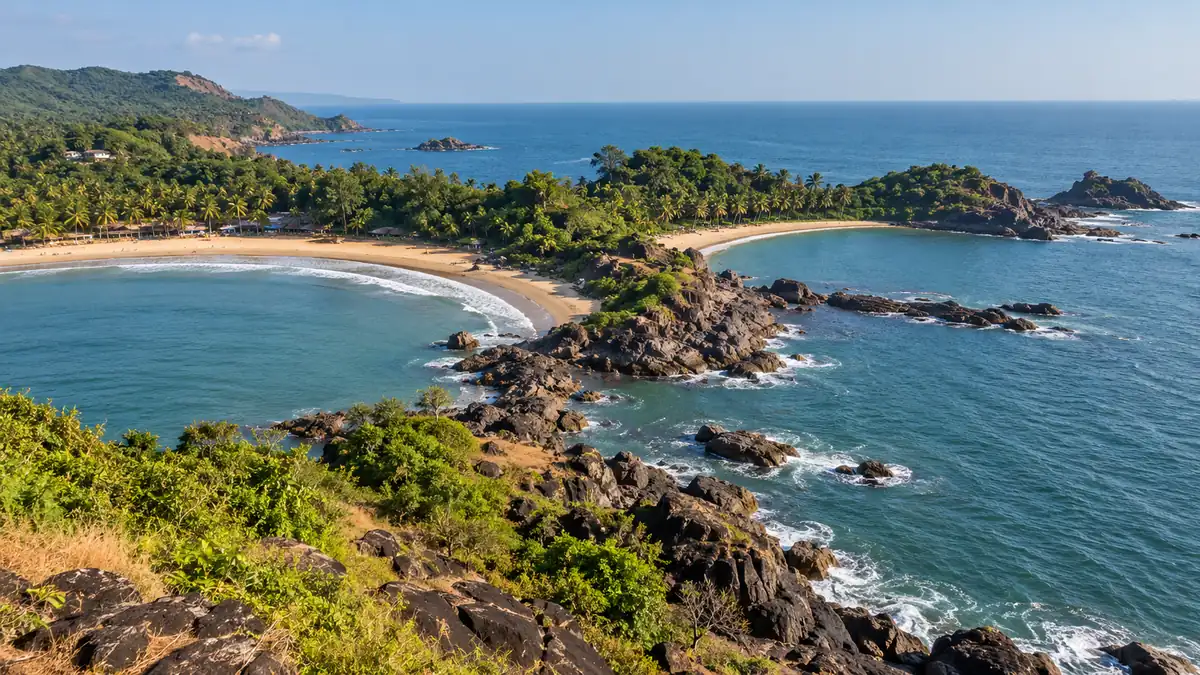
- Coastal Trek: A scenic six-kilometer cliffside walking trail connects Kudle Beach, Om Beach, Half Moon Beach, and Paradise Beach.
- Atmosphere: Gokarna provides an unhurried, low-density alternative to commercial beach resorts along the central Konkan coast.
- Access Route: Connected via Gokarna Road railway station (Konkan Railway) or Goa Dabolim Airport (140 km).
4. Srinagar: Dal Lake Houseboats and Mughal Gardens
Srinagar is the summer capital of Jammu and Kashmir, situated at 1,585 meters in the Kashmir Valley along the banks of the Jhelum River. Dal Lake and Nigeen Lake feature fleets of carved cedar wood houseboats and flat-bottomed shikara passenger boats.
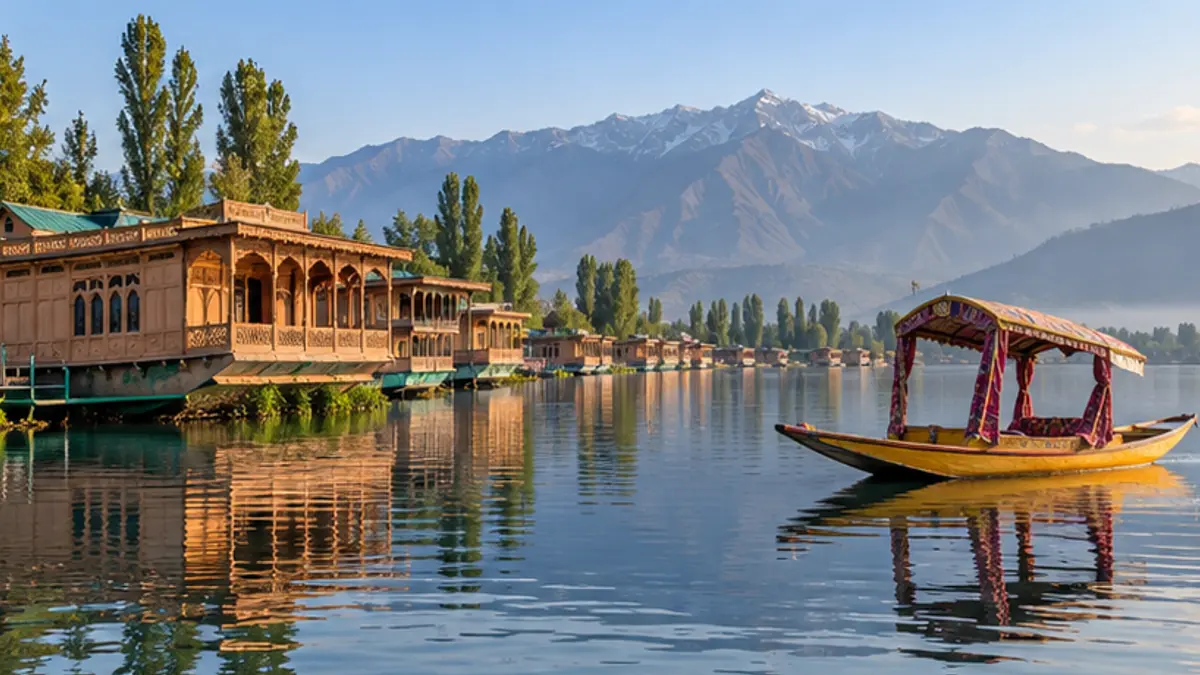
- Mughal Heritage: Terraced formal gardens built during the 17th century include Shalimar Bagh, Nishat Bagh, and Chashme Shahi.
- Floating Markets: Early-morning vegetable markets operate daily on Dal Lake from wooden canoes between 5:00 AM and 7:00 AM.
- Winter Attractions: Snowfall between December and February transforms the surrounding Pir Panjal range into a winter sports landscape.
5. Havelock Island: Radhanagar Beach and Coral Reefs
Havelock Island, officially designated as Swaraj Dweep, lies 70 kilometers northeast of Port Blair in the Andaman archipelago. The island is world-renowned for Radhanagar Beach (Beach No. 7), framed by tall mahua forest canopies and powdery white sands.
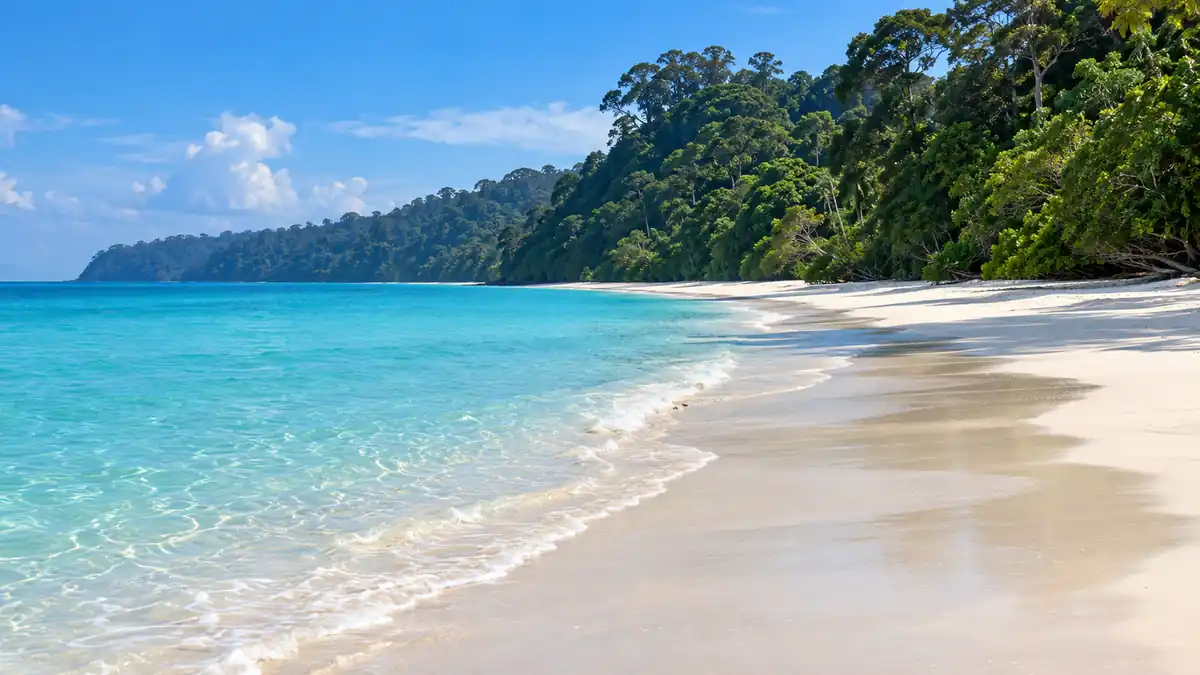
- Marine Sports: Elephant Beach provides shallow reef snorkeling and sea-walking excursions.
- Scuba Certification: PADI dive centers operate year-round around South Button Island and Dixon’s Pinnacle.
- Catamaran Transit: High-speed private catamarans connect Port Blair to Havelock harbor in 90 minutes.
Plan multi-day island hopping routes, private ferry transfers, and scuba dive courses with our complete Andaman and Nicobar travel guide.
6. Pondicherry: French Quarter and Promenade Beach
Pondicherry, officially Puducherry, preserves a distinct French colonial urban plan divided into White Town (the French Quarter) and Black Town (the Tamil Quarter) by a historic canal. White Town features mustard-yellow villas, wrought-iron balconies, and bougainvillea-framed streets.
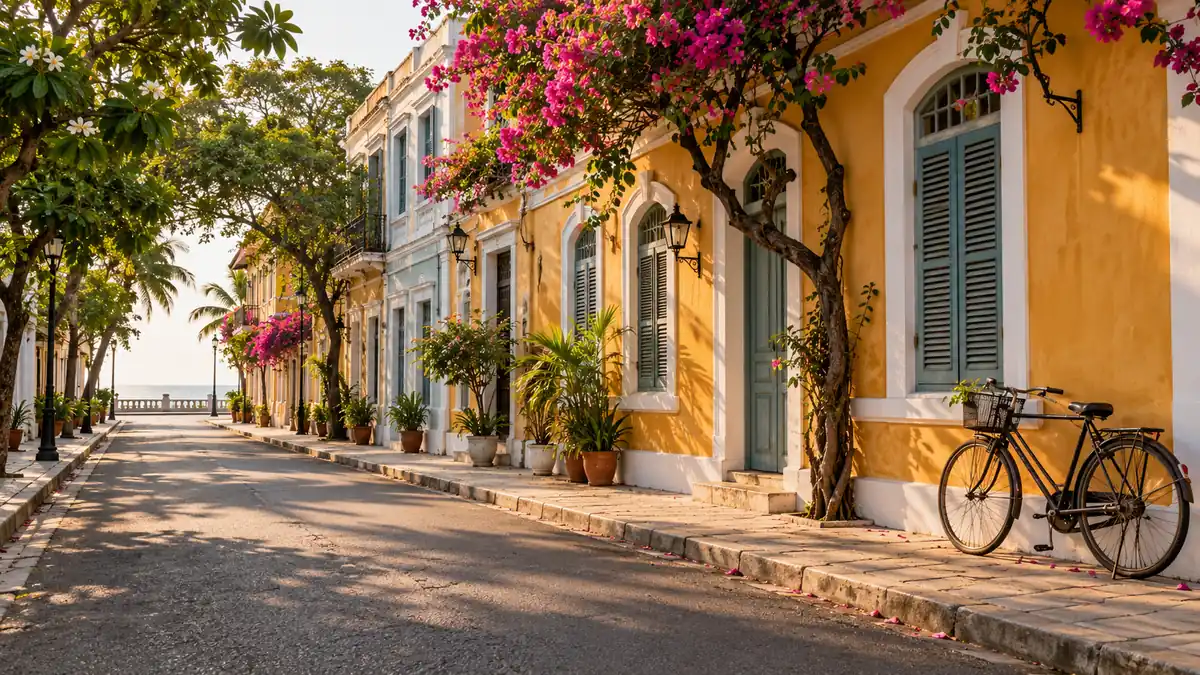
- Promenade Stretch: Goubert Avenue closes to motor vehicles each evening along 1.5 kilometers of coastline.
- Spiritual Centers: The Sri Aurobindo Ashram and the experimental township of Auroville draw international seekers for meditation and architecture.
- Gastronomy: French bakeries and fusion creperies line the streets of Rue Suffren and Rue Romain Rolland.
Explore detailed villa walking trails, beach boat schedules, and cafe maps in our comprehensive guide to places to visit in Pondicherry.
7. Goa: Portuguese Heritage, Golden Beaches, and Nightlife
Goa borders 105 kilometers of coastline in Western India, offering a distinct blend of Portuguese colonial architecture and coastal leisure. Old Goa preserves monumental 16th-century basilicas including the Basilica of Bom Jesus, which houses the relics of St. Francis Xavier.
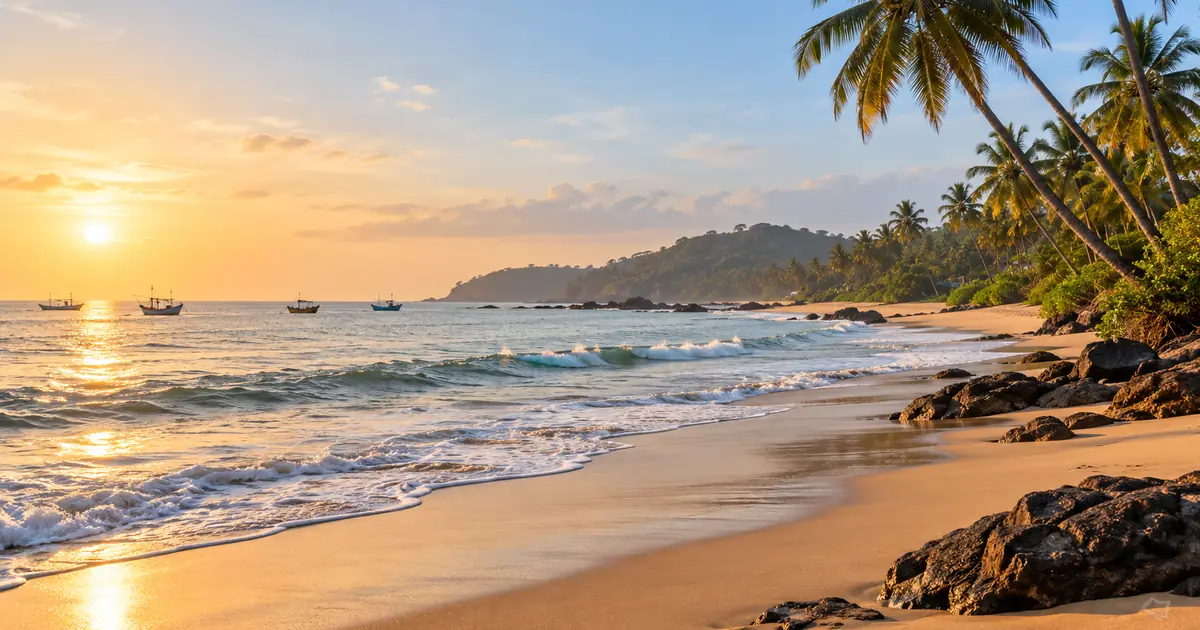
North Goa centers on active beach communities like Baga, Calangute, and Anjuna with popular weekly flea markets. South Goa offers quieter coastal bays like Palolem, Agonda, and Benaulim backed by coconut groves and boutique resorts.
- Culinary Specialties: Traditional Goan fish curry, pork vindaloo, and layered bebinca dessert.
- Heritage Walking: The Fontainhas Latin Quarter in Panaji features preserved 19th-century Portuguese homes.
- Complete Silo Guide: Explore dedicated regional itineraries in our places to visit in Goa overview.
8. Manali: Solang Valley and Himalayan Gateways
Manali rests at an elevation of 2,050 meters in the Beas River valley of Himachal Pradesh. The town serves as the primary gateway for high-altitude transit through the 9.02-kilometer Atal Tunnel beneath Rohtang Pass into Lahaul and Spiti.
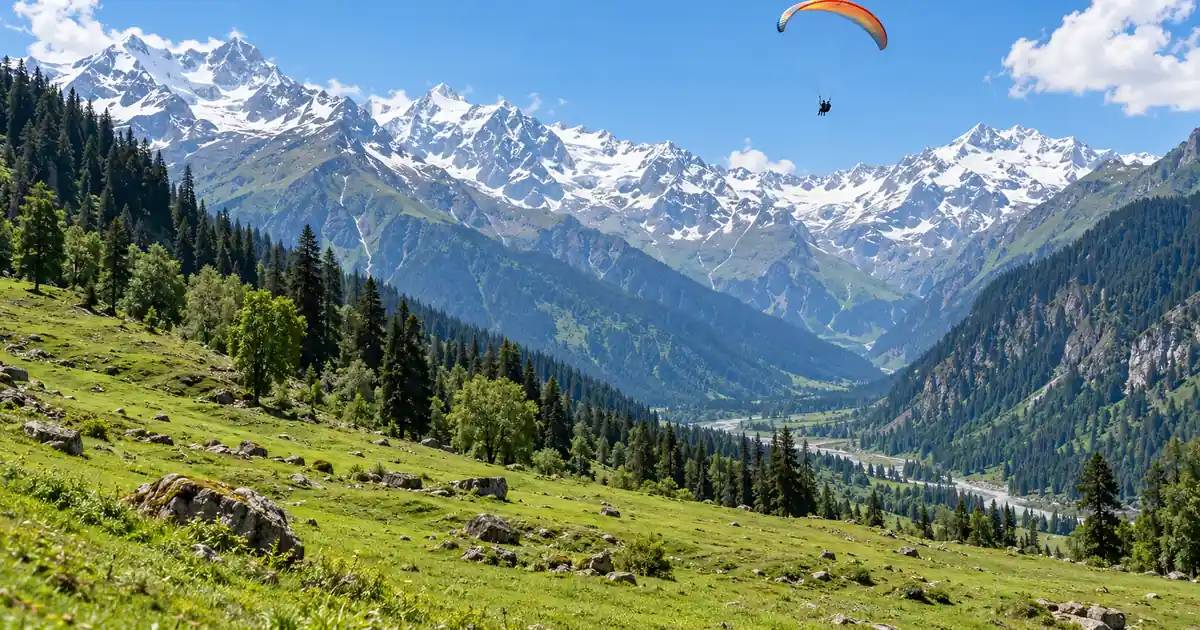
- Adventure Activities: Solang Valley hosts paragliding, zorbing, and quad-biking during summer, and skiing throughout winter.
- Cultural Landmarks: The 1553 wooden Hadimba Temple stands within a dense deodar cedar forest in Dhungri.
- Old Manali: Riverside cafes and apple orchards draw backpackers and trekking groups heading toward the Hampta Pass.
9. Alleppey: Vembanad Backwaters and Houseboat Cruises
Alappuzha, or Alleppey, is the central hub of Kerala’s vast 900-kilometer backwater network. Converted wooden rice barges known as kettuvallams cruise through tranquil canals connecting small farming villages along Vembanad Lake.
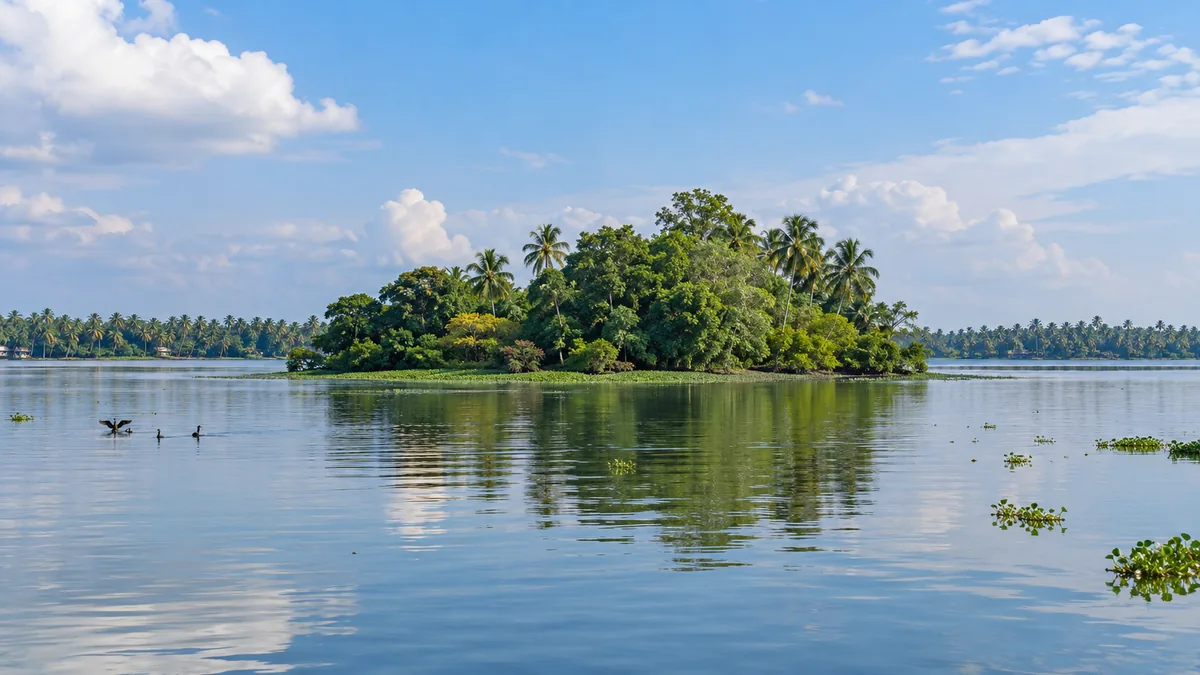
- Unique Agriculture: The Kuttanad region is one of the few places in the world where farming occurs below sea level.
- Houseboat Boarding: Vessels typically depart at noon from Punnamada Jetty, offering fresh pearl spot fish (karimeen) meals onboard.
- Detailed Guide: Review routes and village stops in our places to visit in Alleppey itinerary.
10. Varkala: Red Laterite Sea Cliffs and Mineral Springs
Varkala lies along the southern coastline of Kerala, distinguished by its steep red laterite cliffs rising directly above the Arabian Sea. Designated as a geological monument, the clifftop pathway features cafes, yoga schools, and craft shops overlooking the ocean surf.
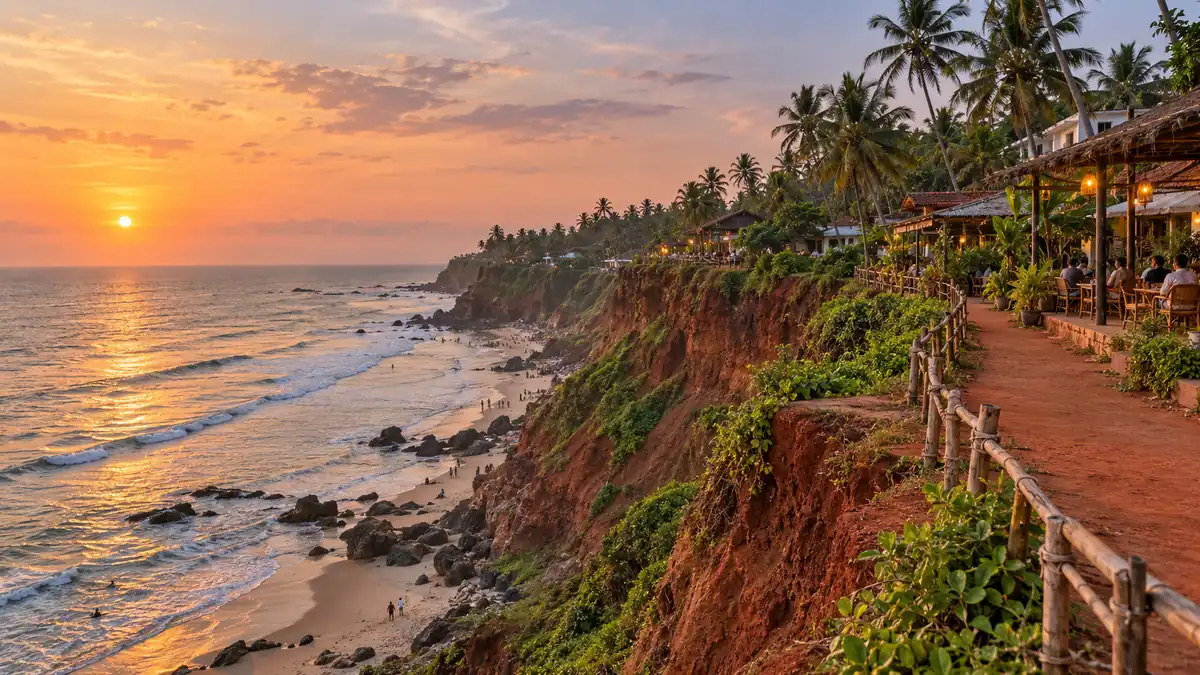
- Healing Springs: Natural mineral springs discharge along the sand at Papanasam Beach below the cliff.
- Ancient Shrine: The 2,000-year-old Janardhana Swamy Temple stands at the entrance to the southern beach.
- Travel Tips: Check seasonal beach conditions in our places to visit in Varkala guide.
11. Amritsar: Golden Temple and Wagah Border Ceremony
Amritsar is the spiritual heart of Sikhism in Punjab, centered on Sri Harmandir Sahib (the Golden Temple). For daily timings, Langar operations, and Sarovar holy dip rules, consult our in-depth Golden Temple Amritsar guide. The central sanctum, covered in 750 kilograms of pure gold, sits within the holy Amrit Sarovar pool surrounded by white marble colonnades.
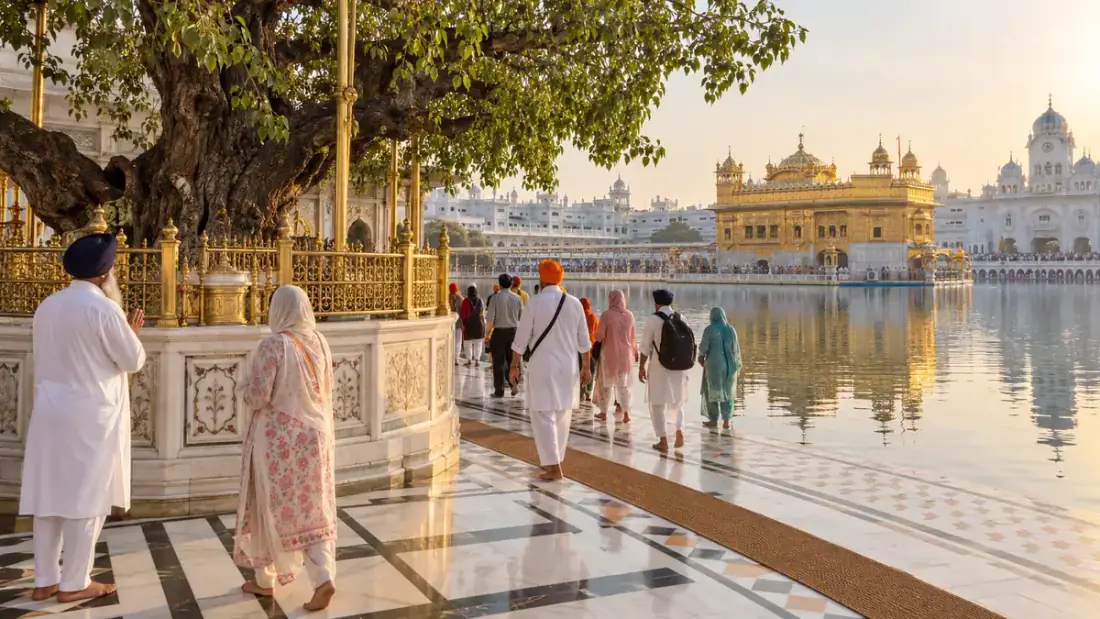
- Community Kitchen (Langar): The temple’s Guru Ram Das Langar serves free hot vegetarian meals to over 100,000 pilgrims daily regardless of religion or caste.
- Wagah Border: Located 30 kilometers west, the daily sunset military lowering-of-the-flags ceremony draws thousands of patriotic spectators.
- Historical Sites: Jallianwala Bagh memorial stands a five-minute walk from the temple complex.
- Grand Trunk Road Circuit: Travelers driving or taking trains between Delhi and Punjab along NH44 frequently pause at sacred tirthas highlighted in our guide to places to visit in Kurukshetra. Pilgrims continuing north toward Jammu can reference our detailed Vaishno Devi Katra yatra guide for helicopter booking rules and RFID access cards.
12. Ooty: Nilgiri Mountain Railway and Botanical Gardens
Udhagamandalam, commonly known as Ooty, is located at an altitude of 2,240 meters in the Nilgiri Hills of Tamil Nadu. The town was founded as a summer resort for the Madras Presidency in the early 19th century.
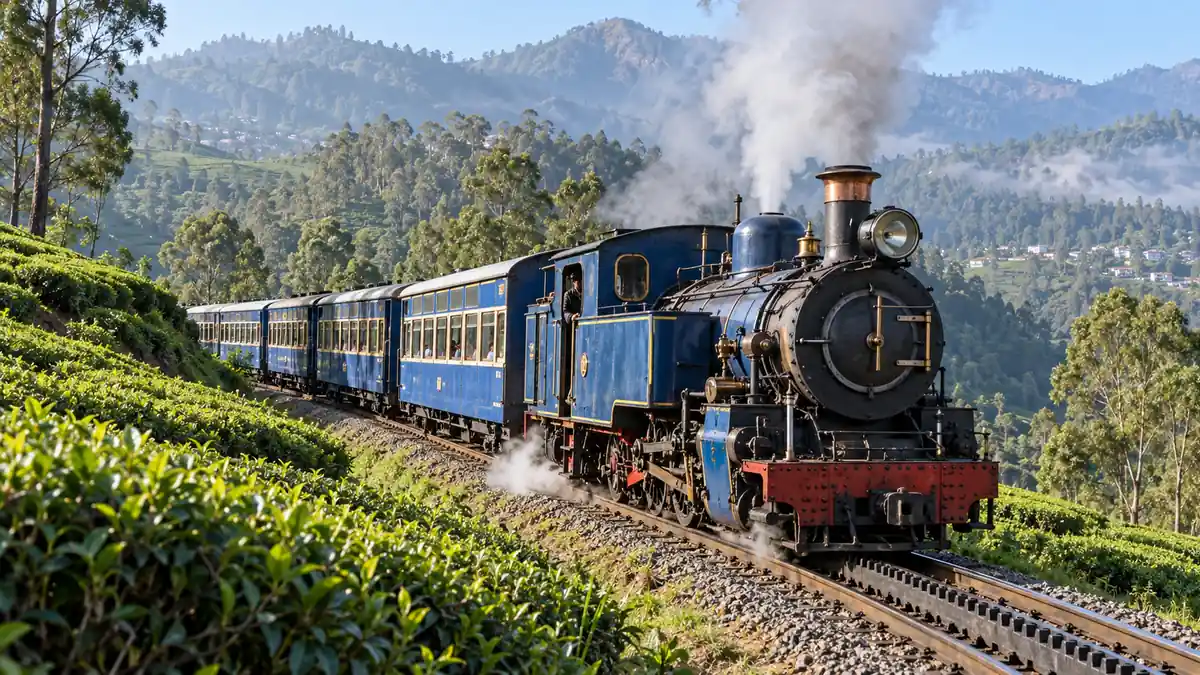
- Toy Train: The UNESCO-listed Nilgiri Mountain Railway utilizes a rack-and-pinion track system between Mettupalayam and Ooty.
- Key Attractions: The Government Botanical Garden displays over a thousand plant species across 22 hectares of terraced grounds.
- Doddabetta Peak: Rises to 2,637 meters as the highest point in the Nilgiri range, providing views of the Coimbatore plains.
- Coimbatore Spiritual Hub: Travelers descending from Ooty into the Coimbatore plains frequently visit the iconic 112-foot statue and meditation spaces at Isha Yoga Center in Coimbatore before connecting to regional trains or flights.
13. Coorg: Western Ghats Coffee Plantations and Waterfalls
Kodagu, widely referred to as Coorg, occupies the eastern slopes of the Western Ghats in Karnataka. The district produces significant quantities of India’s robusta and arabica coffee beneath shaded native tree canopies.
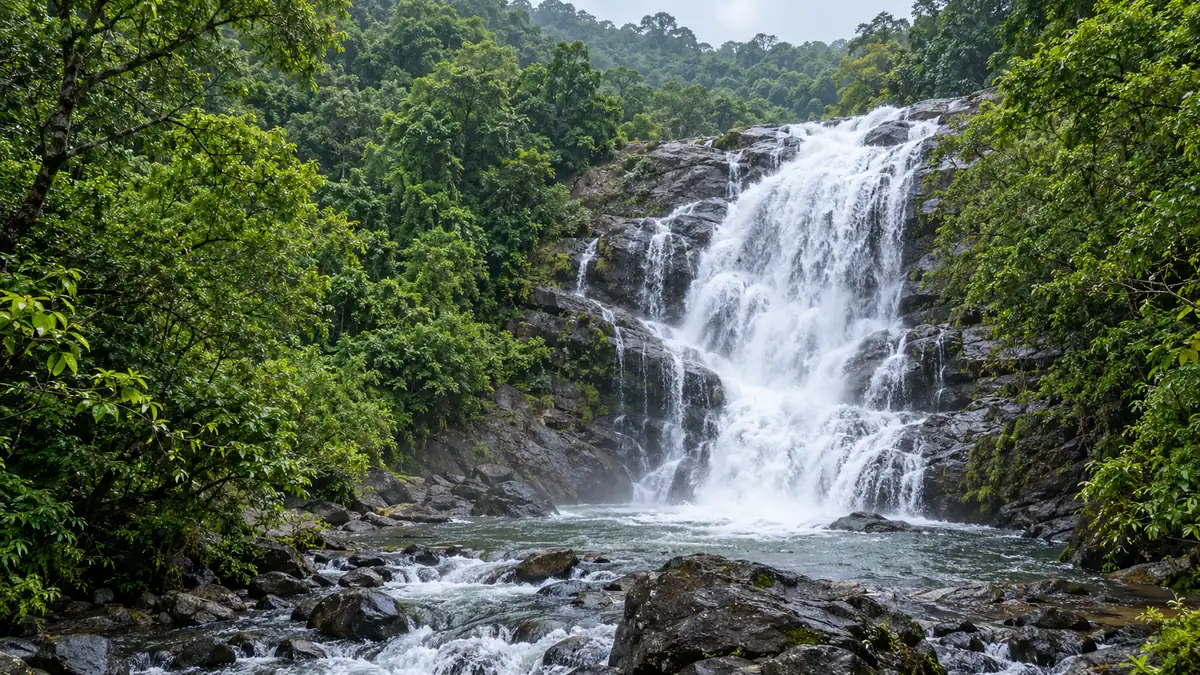
- Natural Cascades: Abbey Falls drops into a private coffee estate gorge near Madikeri, while Iruppu Falls tumbles along the Brahmagiri boundary.
- Tibetan Settlement: Bylakuppe houses the Namdroling Monastery (Golden Temple), the second-largest Tibetan settlement outside the Himalayas.
- Regional Guide: Discover plantation homestays in our places to visit in Coorg guide.
14. Ujjain: Ancient Sacred City and Mahakaleshwar Temple
Ujjain stands along the banks of the sacred Shipra River in Madhya Pradesh, recognized as one of the seven holy cities (Sapta Puri) of Hinduism. The city serves as one of the four host locations for the grand Kumbh Mela gathering held every twelve years.
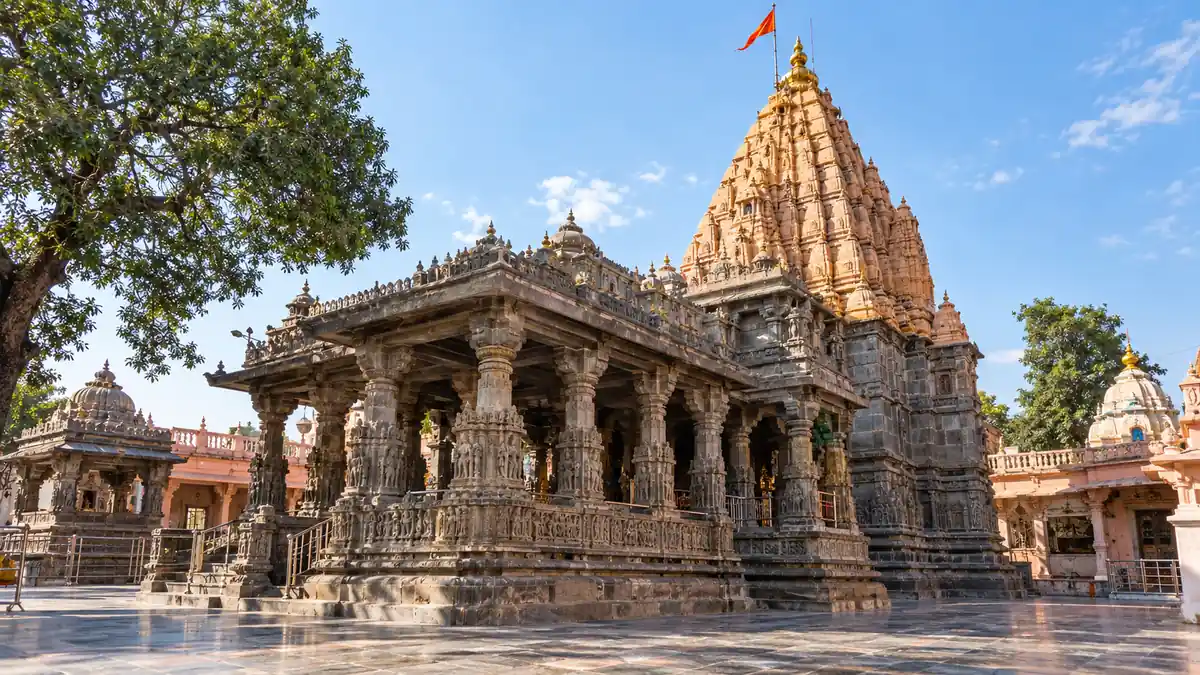
- Dakshinamurti Idol: The Mahakaleshwar Jyotirlinga is uniquely south-facing, renowned for the daily 4:00 AM Bhasma Aarti ceremony.
- Astronomy Heritage: The 18th-century Vedh Shala observatory features large stone instruments built by Maharaja Jai Singh II.
- Spiritual Booking: Travelers can review online rituals via the Shri Kashi Vishwanath Special Area Development Board or Somnath portal networks.
15. Mount Abu: Dilwara Temples and Nakki Lake
Mount Abu is the sole hill station in Rajasthan, resting on a rocky granite plateau at 1,220 meters in the Aravalli Range. The town offers a temperate climate and cool mountain air contrasting with the surrounding Thar Desert plains.
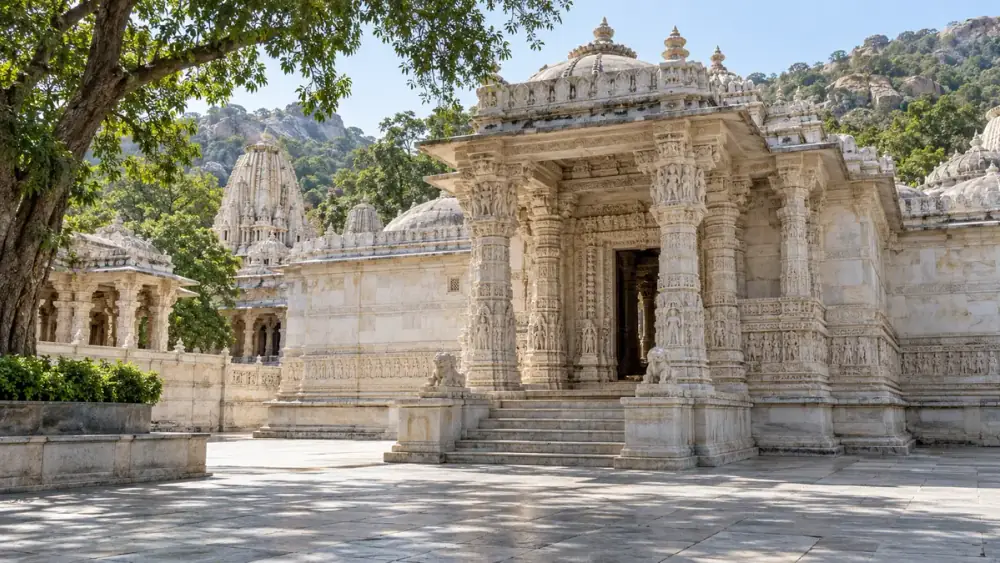
- Dilwara Jain Temples: Built between the 11th and 13th centuries under Chaulukya ministers, these shrines display exquisite marble filigree carving that mirrors the subterranean stone craftsmanship at Rani ki Vav in Patan.
- Nakki Lake: According to myth, the lake was scooped out using divine fingernails; it now offers pedal boating beneath Toad Rock.
- Highest Elevation: Guru Shikhar reaches 1,722 meters as the highest summit in Rajasthan.
16. Chikmagalur: Mullayanagiri Peak and Coffee Hills
Chikmagalur is situated in the Baba Budan Giri hills of southwestern Karnataka, recognized as the historic cradle where coffee was first introduced to India in 1670. The region features steep mountain ridges and sprawling coffee estates.
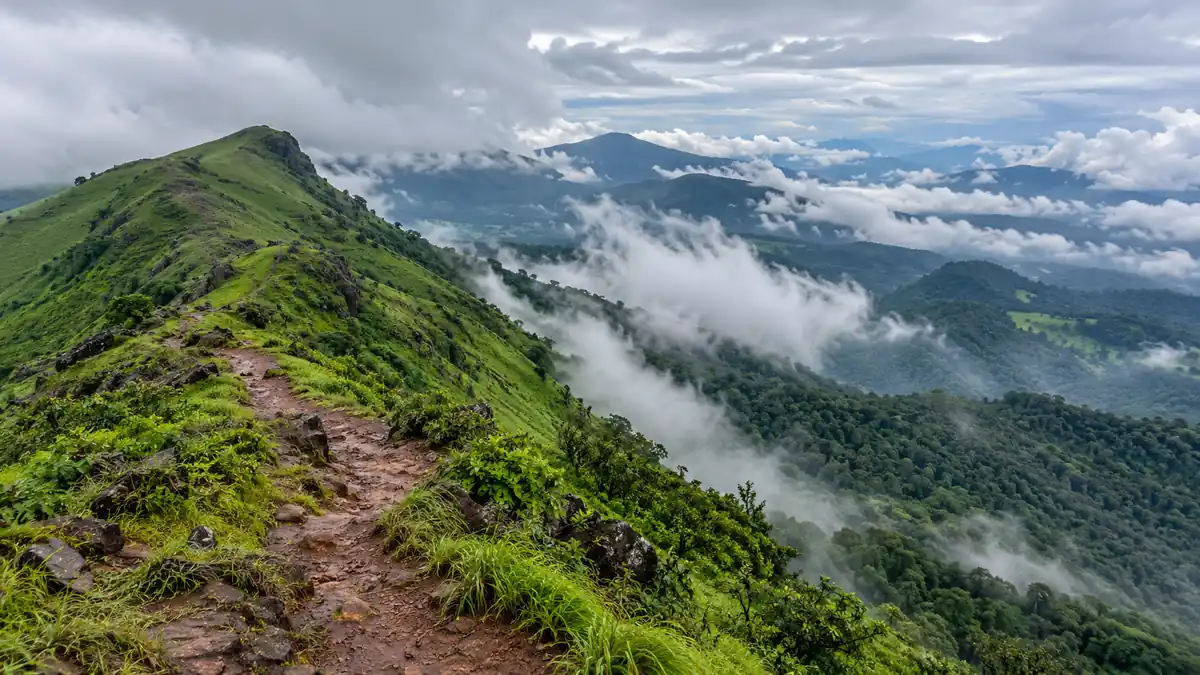
- Mullayanagiri: Stands at 1,930 meters as the highest mountain summit in Karnataka, accessible via a stepped footpath.
- Hebbe Falls: A two-tiered forest waterfall plunging 168 meters down an interior coffee valley.
- Wildlife Reserves: Bhadra Wildlife Sanctuary shelters tigers, black panthers, and elephant herds 35 kilometers north.
17. Rameshwaram: Pamban Bridge and Sacred Theerthams
Rameshwaram occupies Pamban Island in the Gulf of Mannar, linked to the mainland of Tamil Nadu by a historic two-kilometer cantilever rail bridge. The island represents a core destination of both the 12 Jyotirlingas and the Char Dham pilgrimage.
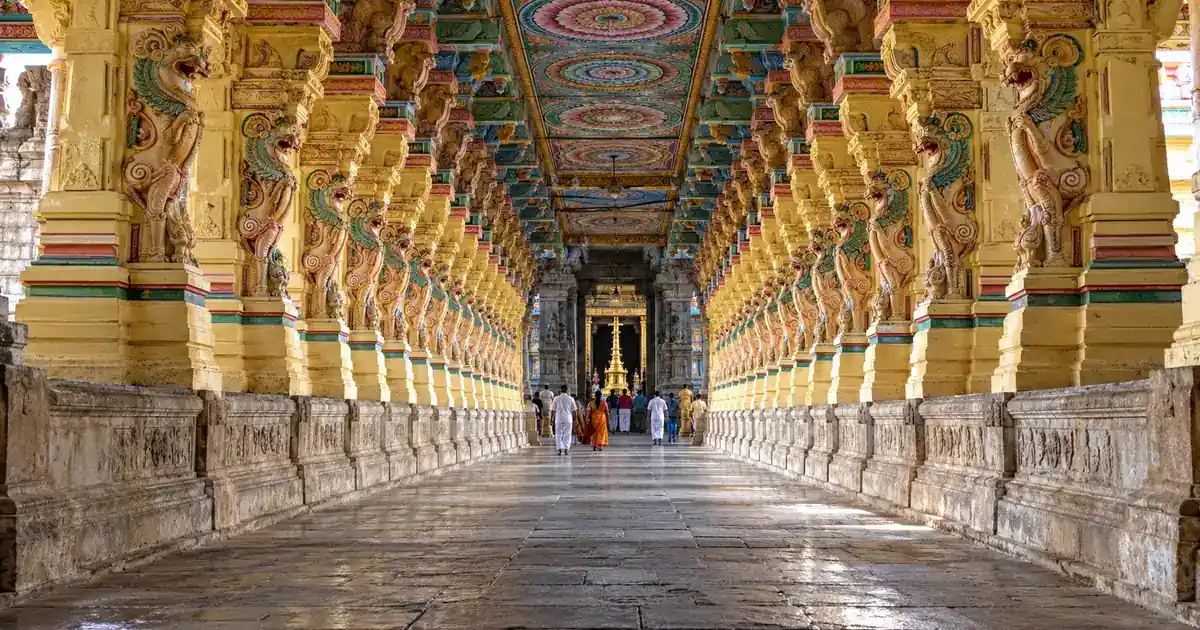
- Ramanathaswamy Temple: Features 1,212 sculpted granite pillars forming the longest temple corridor in Asia.
- 22 Wells: Pilgrims bathe sequentially in 22 holy freshwater theertham wells situated within the temple outer walls.
- Dhanushkodi: The abandoned ghost town at the island’s eastern sandspit sits just 24 kilometers from the coast of Sri Lanka.
18. Rajasthan: Desert Fortresses, Palaces, and Havelis
Rajasthan is India’s largest state by land area, encompassing the Thar Desert, the historic Shekhawati region, and the royal capitals of Jaipur, Jodhpur, Udaipur, and Jaisalmer. The state contains six hill forts inscribed collectively as UNESCO World Heritage Sites.
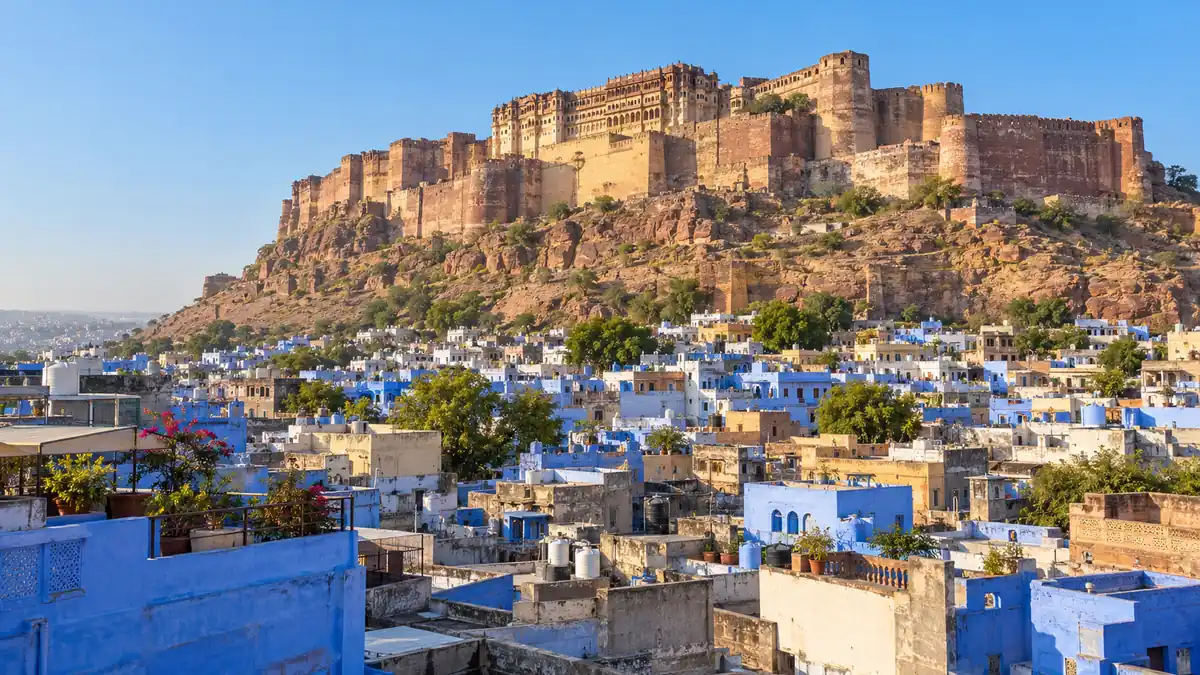
- Jaipur (Pink City): Features the sprawling hilltop Amer Fort, City Palace, and the celestial Jantar Mantar observatory.
- Udaipur (City of Lakes): Centers on Lake Pichola, the City Palace complex, and heritage island boat rides.
- Jaisalmer (Golden City): Built entirely from yellow sandstone, containing a living fort where thousands of residents reside within medieval ramparts.
- Complete Silo Guide: Read detailed desert itineraries in our places to visit in Rajasthan master guide.
19. Munnar: Western Ghats Tea Hills and Eravikulam
Munnar sits at 1,600 meters in the High Ranges of Kerala, surrounded by thousands of acres of tea plantations across the Kannan Devan Hills. The town offers cool mountain temperatures and hiking routes.
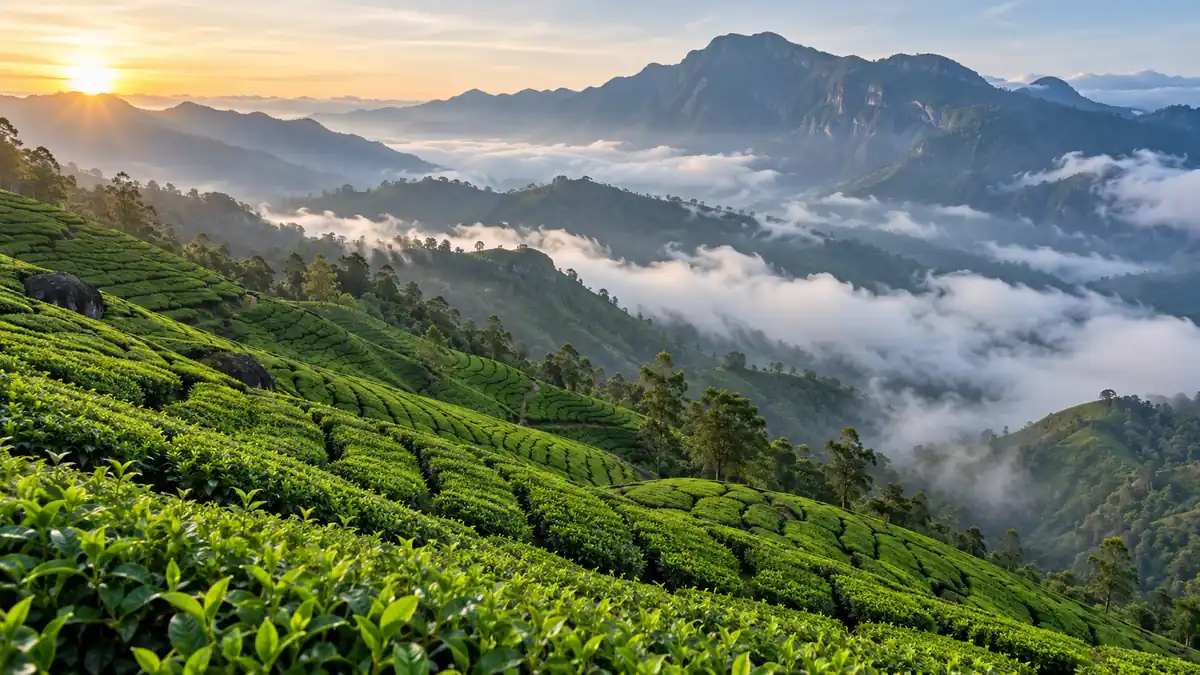
- Endangered Wildlife: Eravikulam National Park protects the largest surviving population of the endangered Nilgiri Tahr mountain goat.
- Tea Heritage: The KDHP Tea Museum at Nallathanni demonstrates orthodox tea production from green leaf to packaged tea.
- Panoramic Views: Top Station, situated on the Tamil Nadu border, provides 360-degree views of the Western Ghats.
20. Darjeeling: Kanchenjunga Vistas and Himalayan Toy Train
Darjeeling sits at an altitude of 2,042 meters in the Lesser Himalayas of West Bengal. The town is globally famous for producing Darjeeling orthodox black tea, recognized with India’s first Geographical Indication (GI) tag in 2004.
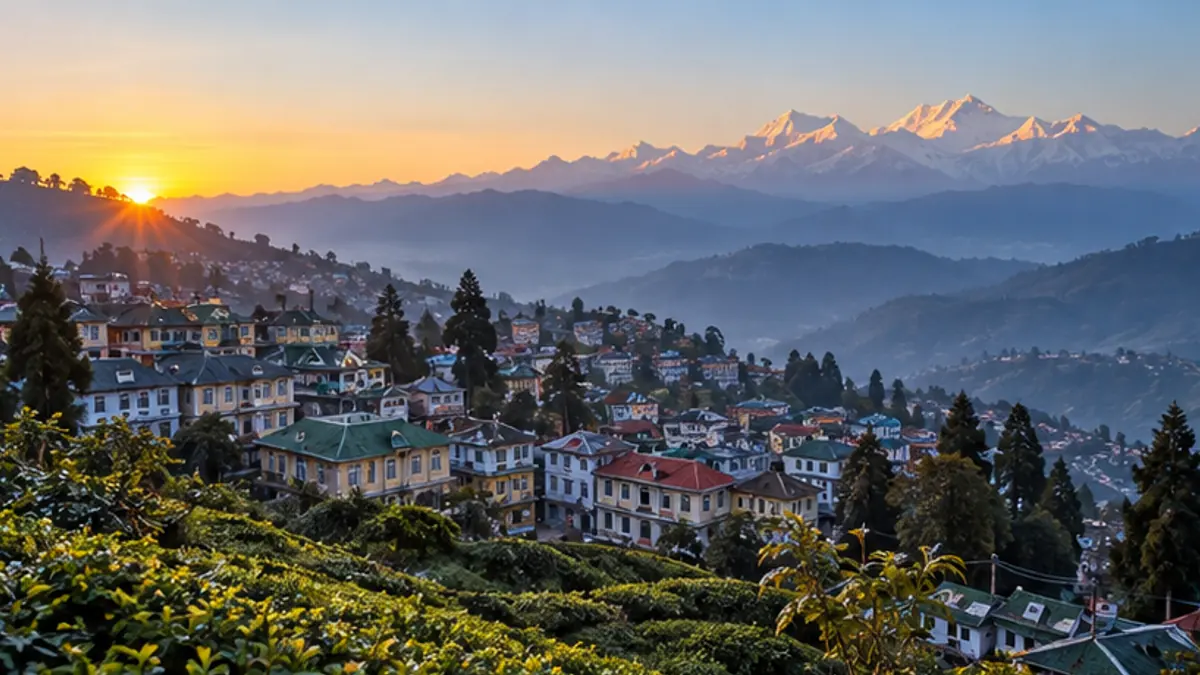
The Darjeeling Himalayan Railway, opened in 1881, operates narrow-gauge steam trains through mountain switchbacks and loop tracks inscribed as a Wildlife Institute of India UNESCO World Heritage Sites Portal asset. Tiger Hill, located 11 kilometers south, delivers views of Mount Kanchenjunga (8,586 m) illuminated at dawn.
- Zoological Conservation: Padmaja Naidu Himalayan Zoological Park successfully breeds red pandas and snow leopards in captivity.
- Tea Tours: Happy Valley Tea Estate, founded in 1854, offers guided factory walks and tasting flights. Travelers transitioning through Kolkata can explore the historic river sanctuaries featured in our Dakshineswar Kali Temple and Belur Math guide.
Top Places to Visit in India During the Winter Months
The winter season from November through February provides the most comfortable travel climate across the Indian subcontinent. Temperatures in northern and central plains range between 10°C and 25°C, making outdoor monument exploration pleasant.
- Rajasthan: Winter provides the optimal window for desert camel safaris in Jaisalmer and attending the Pushkar Camel Fair in November.
- Agra & Mathura: The cooler climate allows visitors to explore the Taj Mahal, Fatehpur Sikri, and spring spectacles such as the historic Lathmar Holi festival in Barsana without intense summer heat.
- Kerala & Goa: Mild coastal temperatures allow travelers to cruise the Alleppey backwaters or relax along South Goa beaches.
Visitors can review comprehensive railway vacation packages and luxury tourist trains through the IRCTC Tourism Pan-India Tour Packages reservation system.
Tourist Places to Visit in India During the Summer Months
When summer temperatures on the northern plains exceed 40°C between April and June, travelers head toward the higher elevations of the Himalayas and the Western Ghats:
- Himachal Pradesh & Uttarakhand: Shimla, Manali, and Rishikesh offer cool mountain air and whitewater rafting along the upper Ganges, highlighted in our guide to the top places to visit in Rishikesh.
- Ladakh: High mountain passes such as Khardung La open for vehicular travel by early June as winter snow melts.
- Southern Hill Stations: Ooty, Kodaikanal, and Munnar provide cool highland temperatures surrounded by tea plantations.
Best States in India for First-Time Travelers
First-time visitors to India often prioritize states with well-developed transport infrastructure and established tourist services:
- Rajasthan: Renowned for royal hospitality, well-maintained heritage hotels, and iconic forts along the classic Golden Triangle.
- Kerala: Delivers a gentle introduction to South India with high literacy rates, clean homestays, and scenic backwater houseboats.
- Himachal Pradesh: Offers safe mountain towns, scenic hiking routes, and accessible high-altitude hill resorts.
Before arrival, overseas travelers should review entry categories and application timelines in our India Tourist Visa visitor overview. Pilgrims seeking sacred seaside monuments can explore the western coast through the Shree Somnath Trust Official Portal in Gujarat or consult our detailed Dwarkadhish Temple and Bet Dwarka guide.
Frequently Asked Questions About Visiting India
Which is the No. 1 tourist place in India?
The Taj Mahal in Agra is widely regarded as the foremost tourist destination in India, attracting over six million domestic and international visitors each year to its 17th-century white marble mausoleum. It serves as the primary anchor of the world-famous Golden Triangle travel circuit alongside Delhi and Jaipur.
What is the prettiest place in India?
The Valley of Flowers National Park in Uttarakhand and the Nubra Valley in Ladakh are often celebrated as India’s most visually striking natural destinations. Travelers seeking tropical landscapes rank the tea-blanketed hills of Munnar and the backwater lagoons of Alleppey equally high for scenic beauty.
Which is the best destination for a first-time trip to India?
The Golden Triangle circuit linking Delhi, Agra, and Jaipur offers the most accessible route for first-time visitors due to excellent high-speed rail connections, iconic monuments, and heritage markets mapped in our Old Delhi Street Food tasting route. Travelers seeking a slower pace often pair this northern route with a week-long journey through Kerala’s coastal backwaters and hill stations.
What are the top ten destinations of India?
The top ten destinations include the Golden Triangle cities of Delhi, Agra, and Jaipur, alongside Goa’s coastal beaches, Varanasi’s spiritual ghats, Kerala’s Alleppey backwaters, Ladakh’s high-altitude monasteries, Udaipur’s palace lakes, Amritsar’s Golden Temple, and the Andaman Islands. This diverse selection spans India’s principal architectural, spiritual, and ecological landscapes.