12 Jyotirlingas in India: Names, Locations, Map & Route
Plan your 12 Jyotirlingas yatra with complete shrine locations, timings, state-wise route itineraries, and official darshan booking links across India.
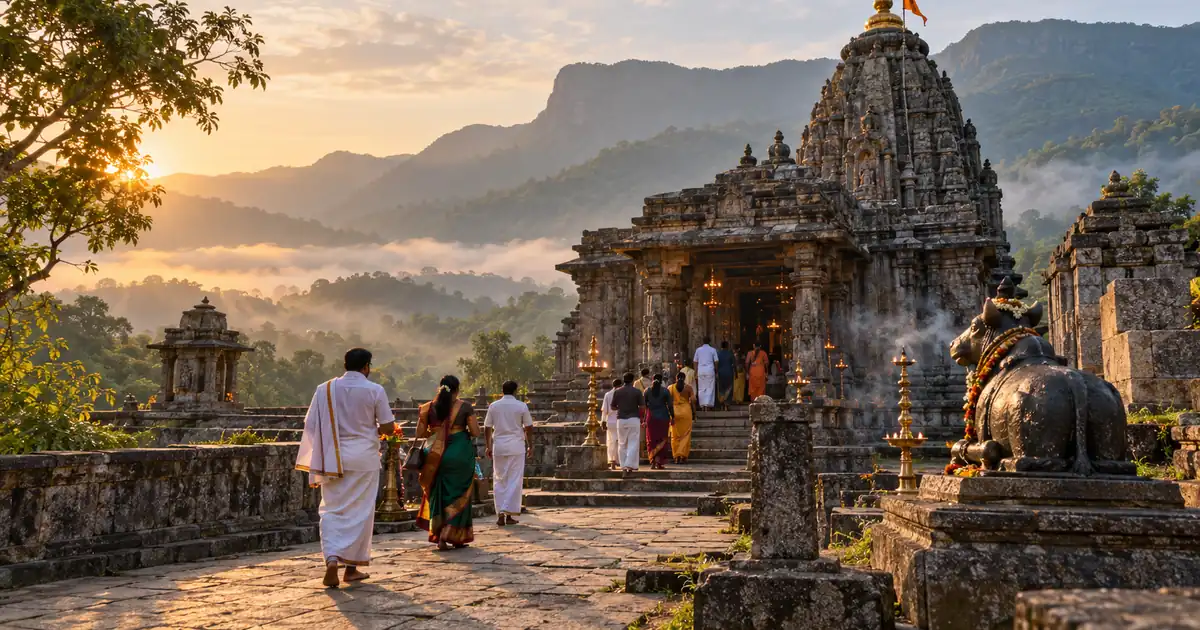
The 12 Jyotirlingas in India represent the supreme manifestations of Lord Shiva, situated across eight states from the Garhwal Himalayas to the Pamban Island coast. Codified in the ancient Shiva Purana and celebrated in the Dvadasa Jyotirlinga Stotram composed by Adi Shankaracharya in the 8th century, these sacred shrines form the core pilgrimage network of Shaivism.
Pilgrim & Circuit Essentials
- The 12 Jyotirlingas span eight Indian states, comprising Gujarat, Andhra Pradesh, Madhya Pradesh, Jharkhand, Maharashtra, Tamil Nadu, Uttarakhand, and Uttar Pradesh.
- Devotees complete the full pilgrimage circuit over 18 to 25 days by train or flight, or join the official IRCTC Tourism Bharat Gaurav Tourist Train circuit.
- Daily sanctum darshan generally begins between 3:00 AM and 6:00 AM, with rituals like the Ujjain Mahakaleshwar Bhasma Aarti requiring dedicated advance reservations.
- October through March offers the most comfortable travel temperatures nationwide, while the Himalayan shrine at Kedarnath opens only from late April through early November.
Each Jyotirlinga marks an episode where Shiva appeared as an infinite pillar of cosmic light (jyoti) to settle disputes between cosmic powers or protect righteous seekers. Visiting all 12 shrines spans roughly 8,500 kilometers across diverse geographic terrain, from coastal plains to high-altitude mountain passes.
Pilgrims often combine this sacred circuit with the Char Dham Yatra in India to cover the four cardinal spiritual outposts of the subcontinent.
12 Jyotirlingas in India with Their Location and States
The 12 canonical shrines are distributed across western, central, northern, and southern India:
| Jyotirlinga Shrine | State | Nearest Railway Station / Airport | Sanctum Opening Hours |
|---|---|---|---|
| Somnath | Gujarat | Veraval (5 km) / Diu Airport (85 km) | 6:00 AM to 9:30 PM |
| Mallikarjuna | Andhra Pradesh | Markapur Road (84 km) / Hyderabad Airport (200 km) | 4:30 AM to 10:00 PM |
| Mahakaleshwar | Madhya Pradesh | Ujjain Junction (2 km) / Indore Airport (55 km) | 4:00 AM to 11:00 PM |
| Omkareshwar | Madhya Pradesh | Omkareshwar Road (12 km) / Indore Airport (86 km) | 5:00 AM to 9:30 PM |
| Baidyanath | Jharkhand | Jasidih Junction (7 km) / Deoghar Airport (8 km) | 4:00 AM to 9:00 PM |
| Bhimashankar | Maharashtra | Pune Junction (110 km) / Pune Airport (105 km) | 4:30 AM to 9:30 PM |
| Ramanathaswamy | Tamil Nadu | Rameswaram (1 km) / Madurai Airport (175 km) | 5:00 AM to 9:00 PM |
| Nageshwar | Gujarat | Dwarka (16 km) / Jamnagar Airport (137 km) | 6:00 AM to 9:00 PM |
| Kashi Vishwanath | Uttar Pradesh | Varanasi Junction (4 km) / Varanasi Airport (25 km) | 3:00 AM to 11:00 PM |
| Trimbakeshwar | Maharashtra | Nashik Road (38 km) / Shirdi Airport (105 km) | 5:30 AM to 9:00 PM |
| Kedarnath | Uttarakhand | Rishikesh (216 km) / Dehradun Jolly Grant (238 km) | 4:00 AM to 9:00 PM (May–Nov) |
| Grishneshwar | Maharashtra | Aurangabad (30 km) / Aurangabad Airport (32 km) | 5:30 AM to 9:30 PM |
- Somnath Jyotirlinga, Gujarat: Located in Prabhas Patan near Veraval, Somnath stands directly on the western coastline as the first recognized Jyotirlinga.
- Mahakaleshwar Jyotirlinga, Madhya Pradesh: Situated in Ujjain along the Shipra River, this shrine features a rare south-facing (Dakshinamurti) Shivalinga.
- Omkareshwar Jyotirlinga, Madhya Pradesh: Located on Mandhata Island in the Narmada River, the island’s natural geography resembles the sacred syllable Om.
- Mallikarjuna Jyotirlinga, Andhra Pradesh: Set within the Nallamala Hills of Srisailam, Mallikarjuna serves as both a Jyotirlinga and a Maha Shakti Peetha.
- Baidyanath Jyotirlinga, Jharkhand: Located in Deoghar, the temple complex centers on Baba Baidyanath alongside 21 historic shrines.
- Kedarnath Jyotirlinga, Uttarakhand: Positioned at 3,583 meters in the Garhwal Himalayas near the Mandakini River, Kedarnath opens for roughly six months annually.
- Nageshwar Jyotirlinga, Gujarat: Situated along the Dwarka coast, Nageshwar symbolizes divine protection against negativity and poisons.
- Trimbakeshwar Jyotirlinga, Maharashtra: Located near Nashik at the foothills of Brahmagiri mountain, Trimbakeshwar marks the origin of the sacred Godavari River.
- Bhimashankar Jyotirlinga, Maharashtra: Located in the northern Sahyadri Range near Pune, this temple serves as the headwaters of the Bhima River.
- Rameshwaram Jyotirlinga, Tamil Nadu: Set on Pamban Island, Ramanathaswamy Temple features the longest pillared temple corridors in India.
- Grishneshwar Jyotirlinga, Maharashtra: Located adjacent to the UNESCO World Heritage Ellora Caves in Chhatrapati Sambhaji Nagar district, Grishneshwar is the 12th and concluding shrine of the canonical circuit.
- Kashi Vishwanath, Uttar Pradesh: Positioned along the western bank of the Ganges River in Varanasi, Kashi Vishwanath anchors the spiritual core of Northern India.
1. Somnath Jyotirlinga, Gujarat
Somnath Jyotirlinga stands directly on the Arabian Sea coastline in Prabhas Patan, Gujarat. Revered as the Adi Jyotirlinga (the first among the twelve), the temple represents centuries of architectural reconstruction, culminating in the current Chalukya-style sandstone edifice completed in 1951.
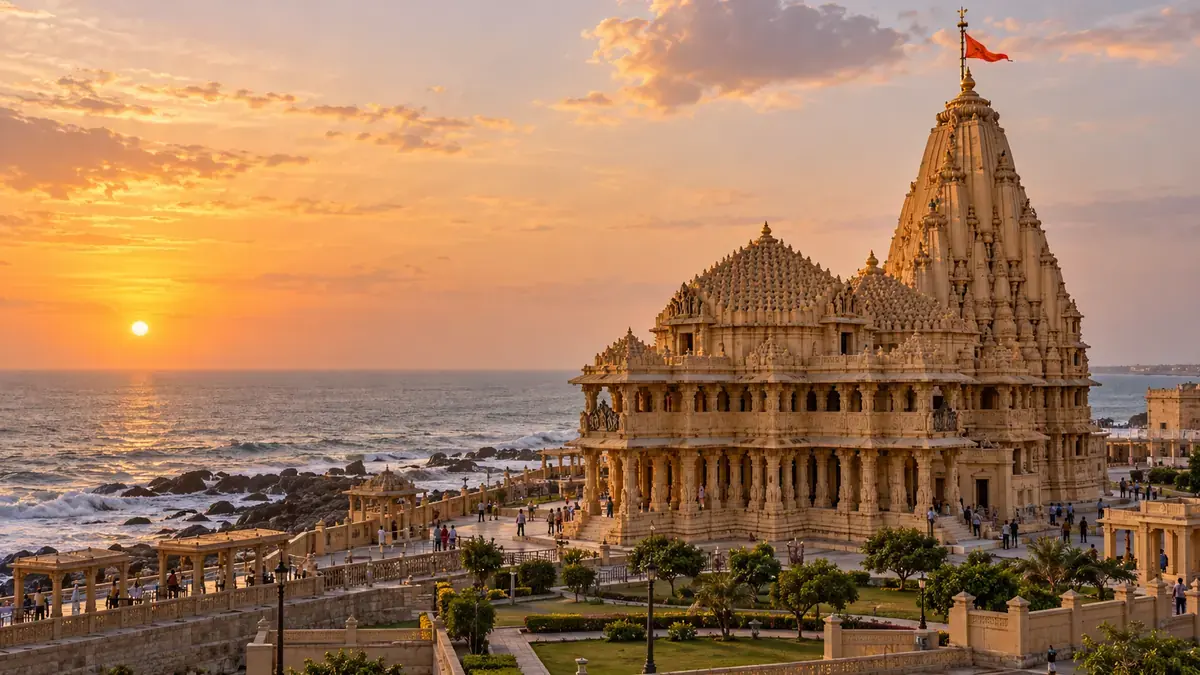
The temple complex includes the historic Baan Stambh (Arrow Pillar), which points along a direct unobstructed sea route from Prabhas Patan to Antarctica. Daily light and sound shows narrate the temple’s rich history every evening at 8:00 PM.
- Location: Somnath Mandir Road, Veraval, Gir Somnath District, Gujarat 362268
- Sanctum Timings: 6:00 AM to 9:30 PM daily (Aarti at 7:00 AM, 12:00 PM, and 7:00 PM)
- Official Trust: Shree Somnath Trust Official Portal
Visitors can review detailed transit connections and darshan passes in the Somnath Temple timings and history guide.
2. Mallikarjuna Jyotirlinga, Andhra Pradesh
Mallikarjuna Jyotirlinga rests atop Srisailam mountain along the banks of the Krishna River in Andhra Pradesh. The temple is unique across the subcontinent because it functions simultaneously as one of the 12 Jyotirlingas and one of the 18 Maha Shakti Peethas (representing the seat of Goddess Bhramaramba).
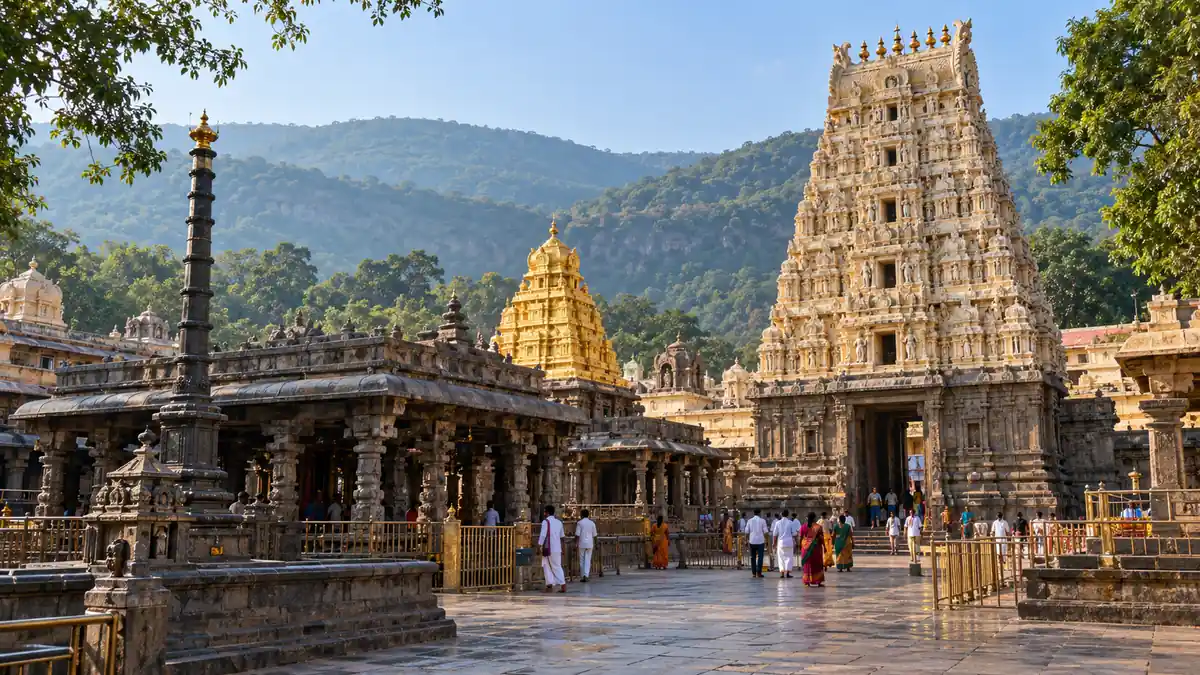
The complex features Dravidian-style stone gopurams constructed by Vijayanagara rulers during the 14th century. The surrounding Srisailam plateau forms part of the Nagarjunasagar-Srisailam Tiger Reserve, the largest tiger conservation reserve in India.
- Location: Srisailam, Nandyal District, Andhra Pradesh 518101
- Sanctum Timings: 4:30 AM to 10:00 PM daily
- Official Administration: Srisailam Devasthanam Official Portal
Travelers can prepare their route through the Nallamala hills using the Mallikarjuna Jyotirlinga Temple Srisailam comprehensive guide.
3. Mahakaleshwar Jyotirlinga, Madhya Pradesh
Mahakaleshwar Jyotirlinga anchors the ancient city of Ujjain along the banks of the sacred Shipra River. Recognized for its unique south-facing orientation (Dakshinamurti), the idol sits within a three-tiered subterranean sanctum where Lord Shiva is worshipped as the master of time and death.
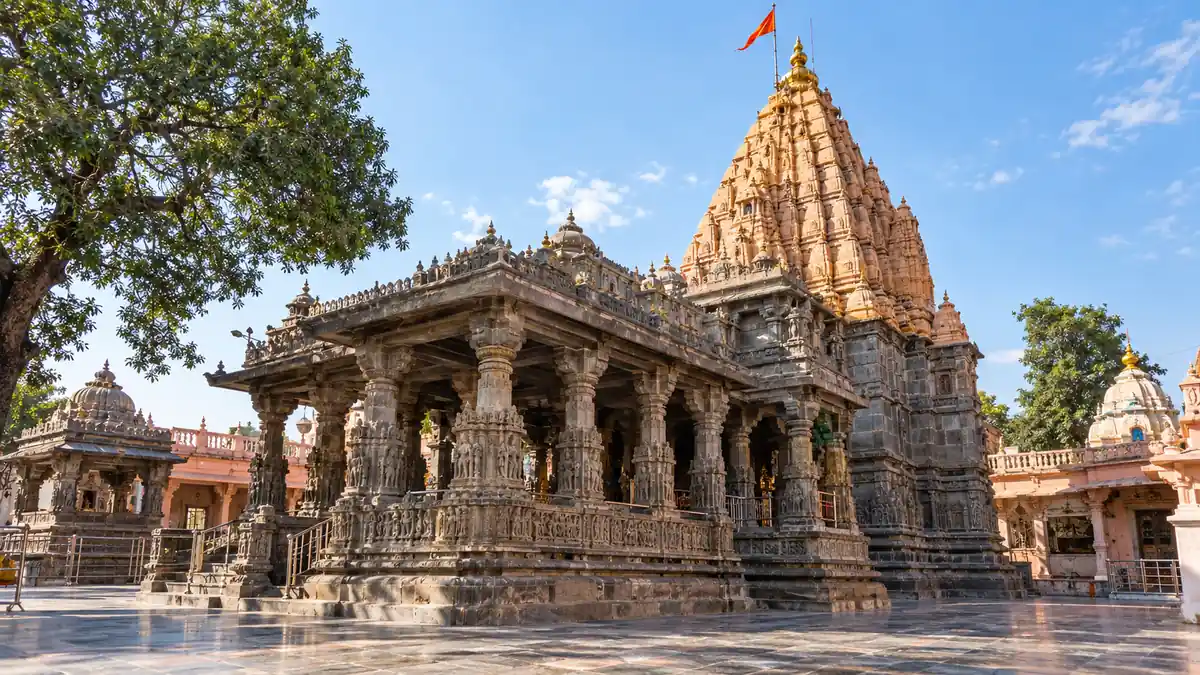
The temple’s signature ritual is the early-morning Bhasma Aarti, performed daily at 4:00 AM using sacred cow-dung ash. The newly developed 900-meter Shri Mahakal Lok corridor features 108 grand stone pillars depicting Shiva’s cosmic legends.
- Location: Jaisinghpura, Ujjain, Madhya Pradesh 456006
- Sanctum Timings: 4:00 AM to 11:00 PM daily
- Administration: Governed by the Ujjain District Administration and Shree Mahakaleshwar Temple Trust.
Find step-by-step token reservation procedures in the Ujjain Mahakal Mandir Darshan and Bhasma Aarti visitor overview.
4. Omkareshwar Jyotirlinga, Madhya Pradesh
Omkareshwar Jyotirlinga is situated on the sacred island of Mandhata in the Khandwa district of Madhya Pradesh. When viewed from above, the natural topography of the island and the flowing channels of the Narmada River conform to the visual shape of the Om symbol.
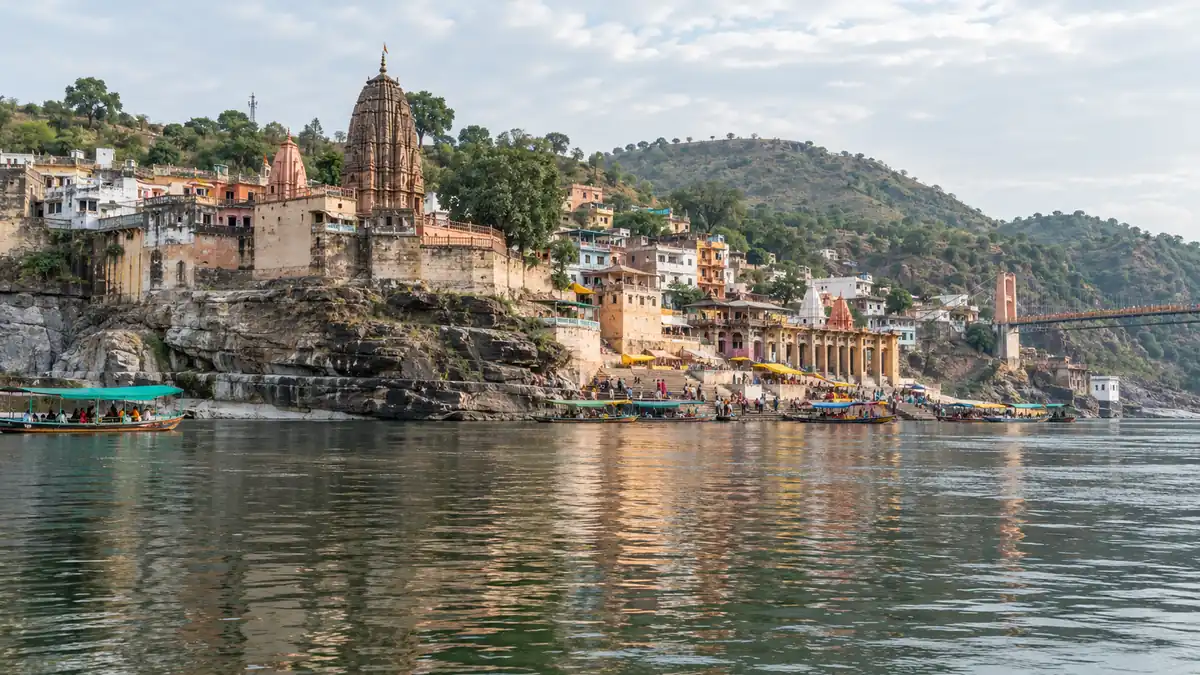
Pilgrims traditionally cross the suspension footbridge to the island and undertake the 7-kilometer Omkareshwar Parikrama path around Mandhata hill. The ritual circuit also includes darshan at the nearby Mamleshwar Temple on the southern river bank to complete the pilgrimage.
- Location: Mandhata Island, Khandwa District, Madhya Pradesh 450595
- Sanctum Timings: 5:00 AM to 9:30 PM daily
- Access Route: Connected via the Omkareshwar Road railway station and Indore Airport (86 km).
Explore ferry schedules and walking circuits in the Omkareshwar Jyotirlinga Temple guide.
5. Baidyanath Jyotirlinga, Jharkhand
The Baba Baidyanath Temple complex in Deoghar, Jharkhand, comprises the main Jyotirlinga shrine alongside 21 smaller shrines dedicated to various deities. Also known as Vaidyanath, Shiva is revered here in the healer aspect (Vaidya), following legends of Ravana’s penance.
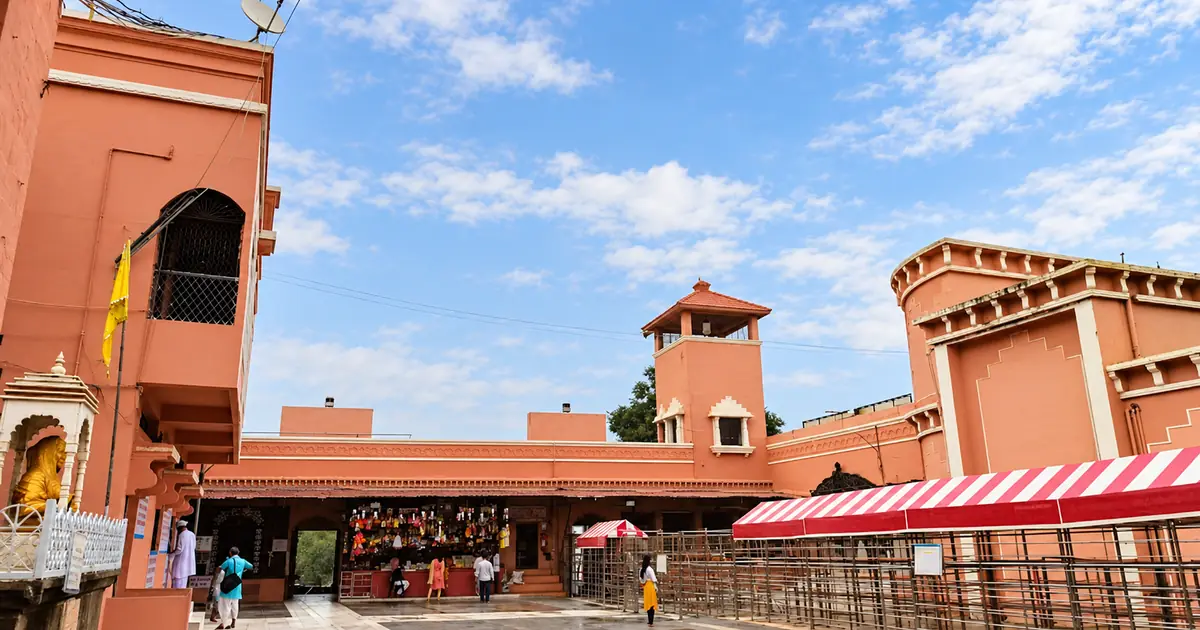
During the sacred month of Shravan (July and August), the shrine hosts the world-famous Kanwar Yatra. Over five million pilgrims carry holy Ganga water on foot from Sultanganj in Bihar over a 105-kilometer walking route to perform jalabhishek.
- Location: Shivganga Muhalla, Deoghar, Jharkhand 814112
- Sanctum Timings: 4:00 AM to 9:00 PM daily (doors close briefly between 3:30 PM and 6:00 PM)
- Transport Links: Served directly by Jasidih Junction railway station and Deoghar Airport.
For VIP darshan passes, Shravani Mela Kanwariya logistics, and accommodation rules, consult our in-depth Baidyanath Dham Deoghar guide. Devotees can also review rituals at Maharashtra’s revered counterpart, Parli Vaijnath.
6. Bhimashankar Jyotirlinga, Maharashtra
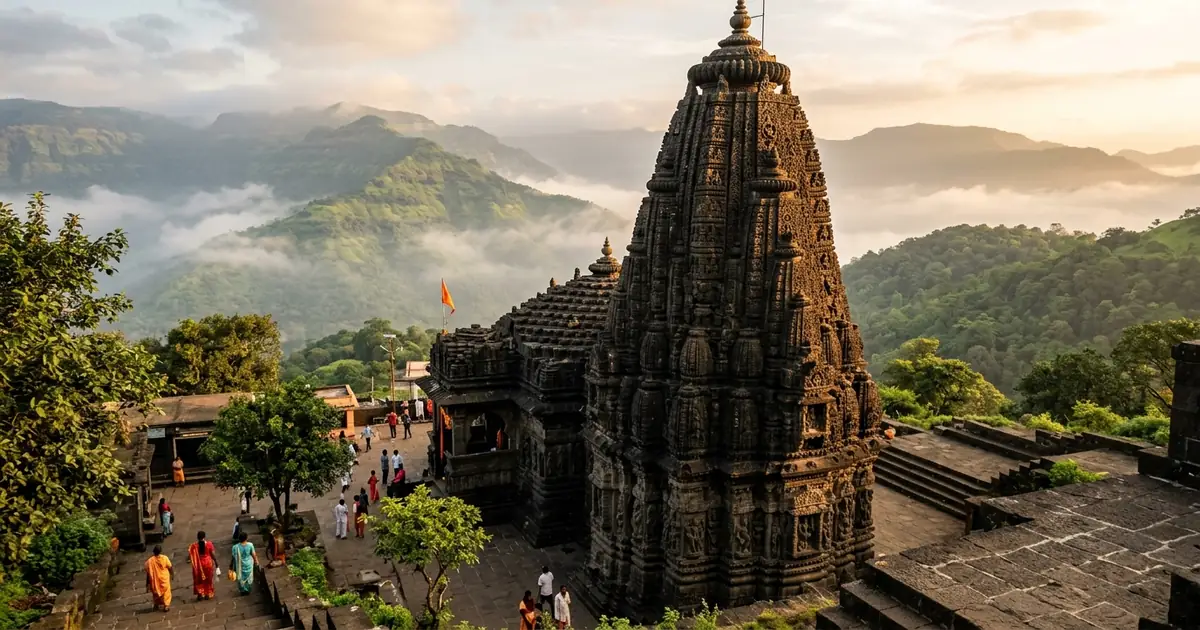
Bhimashankar Jyotirlinga stands at an elevation of 3,296 feet in the Sahyadri mountains of Pune district, Maharashtra. Constructed in the Nagara architectural style with Maratha stone detailing, the temple marks the geographical origin of the sacred Bhima River.
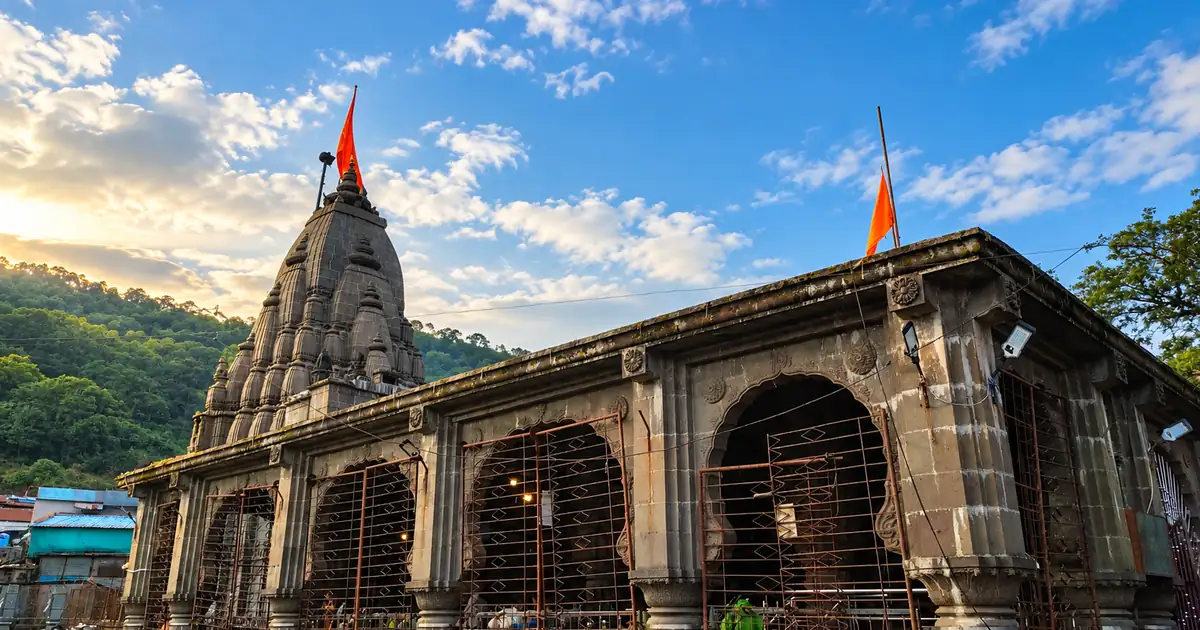
The surrounding dense forests form the Bhimashankar Wildlife Sanctuary, a protected habitat for the Indian Giant Squirrel (Shekru), the state animal of Maharashtra. The temple’s Sabha Mandap houses an antique brass bell installed by Maratha general Chimaji Appa following his 1739 victory over Portuguese forces.
- Location: Bhorgiri, Khed Taluka, Pune District, Maharashtra 410505
- Sanctum Timings: 4:30 AM to 9:30 PM daily
- Trek Routes: Accessible via road from Pune (110 km) or scenic trekking routes from Khandas village.
Read full transit and lodging options in the Bhimashankar Jyotirlinga Temple overview.
7. Rameshwar Jyotirlinga, Tamil Nadu
Ramanathaswamy Temple on Pamban Island in Tamil Nadu houses the southernmost Jyotirlinga, established according to the Ramayana by Lord Rama before his march to Lanka. The temple features the grandest architectural scale in South India, with over 1,200 meters of sculpted outer pillared corridors.
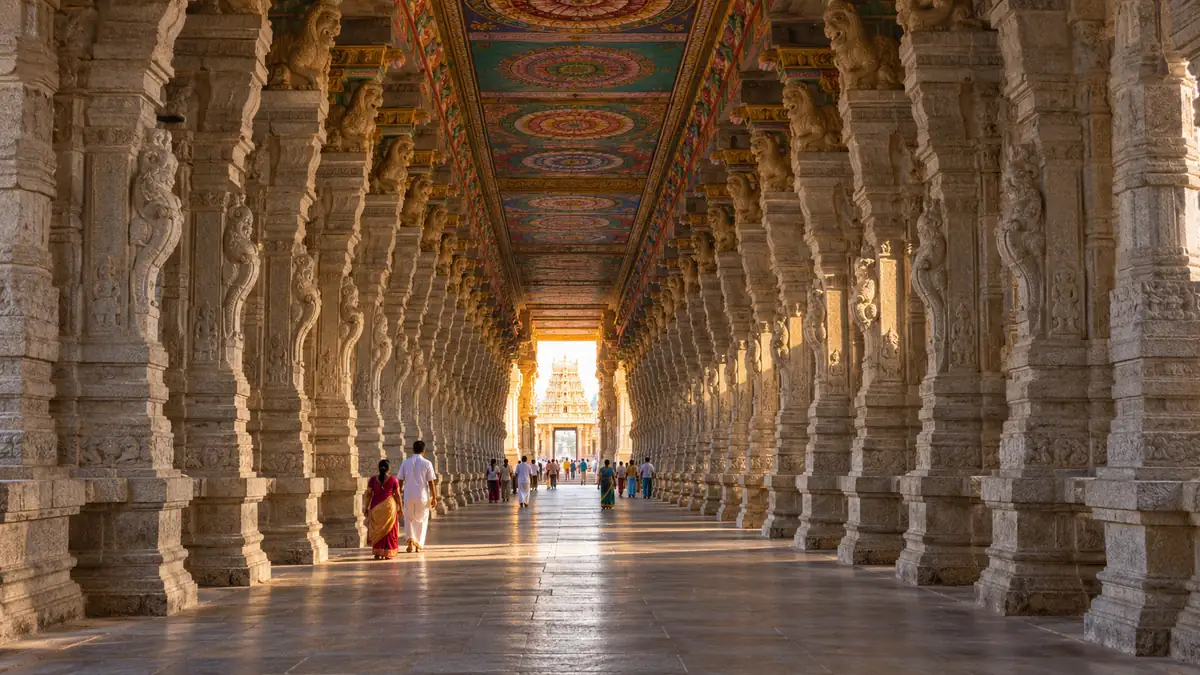
Pilgrims observe the sacred tradition of bathing in the Agni Theertham sea front before proceeding inside the temple walls to take holy baths across 22 consecutive freshwater temple wells (theerthams). The sanctum houses two lingams: the Ramalingam shaped from sand by Sita, and the Vishwalingam brought from the Himalayas by Hanuman.
- Location: Rameswaram Island, Ramanathapuram District, Tamil Nadu 623526
- Sanctum Timings: 5:00 AM to 1:00 PM and 3:00 PM to 9:00 PM daily
- Corridor Dimensions: 1,212 granite pillars with heights reaching over 22 feet.
Review detailed bathing rituals and rail bridge access in the Rameshwaram Jyotirlinga Temple guide.
8. Nageshwar Jyotirlinga, Gujarat
Nageshwar Jyotirlinga is situated 16 kilometers northeast of Dwarka along the Saurashtra coast of Gujarat. The temple commemorates Shiva as the lord of serpents (Nageshwara), protecting devotees against poisonous toxins and earthly troubles according to ancient puranic lore.
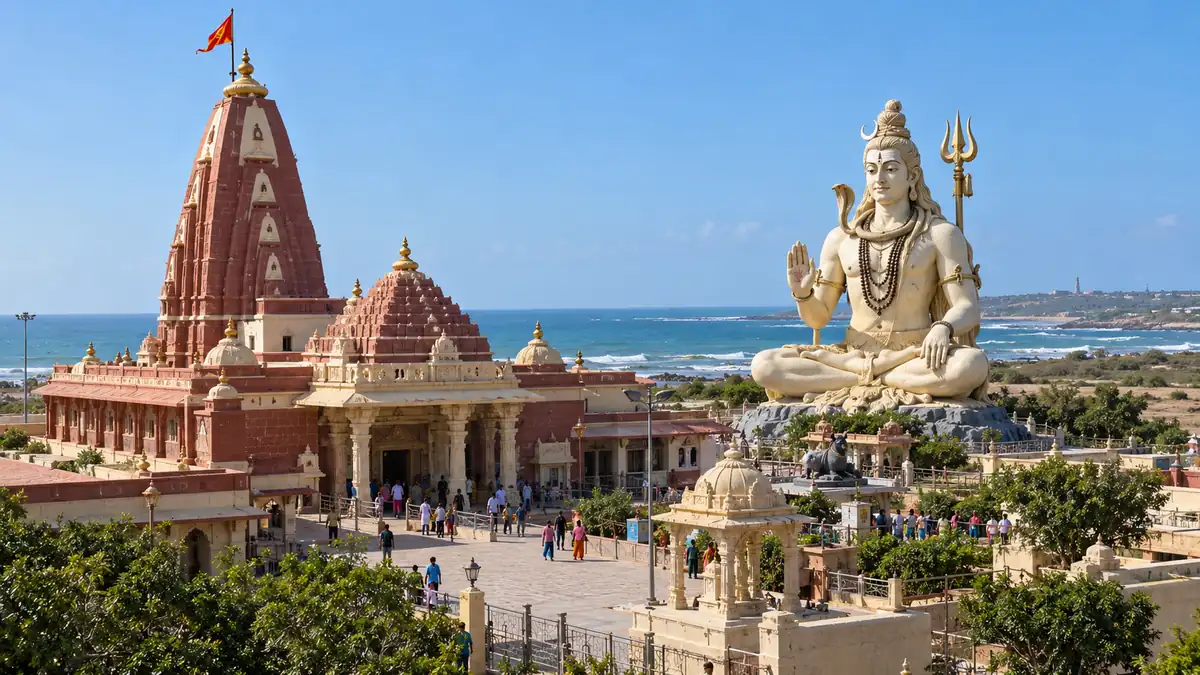
The temple compound is instantly recognizable by a giant 85-foot seated statue of Lord Shiva overlooking the surrounding grasslands. Inside the underground sanctum, the lingam faces south and is crafted from a distinctive round stone (Dwarka Shila) marked with auspicious whorls.
- Location: Dahegaon, Dwarka, Devbhumi Dwarka District, Gujarat 361335
- Sanctum Timings: 6:00 AM to 9:00 PM daily
- Nearby Hub: Often visited in tandem with the holy town of Bet Dwarka and the coastal city of Jamnagar.
Check local taxi fares and festival dates in the Nageshwar Jyotirlinga Temple guide.
9. Kashi Vishwanath, Varanasi
Kashi Vishwanath Temple stands on the western bank of the Ganges River in Varanasi, Uttar Pradesh. Revered across centuries as the spiritual heartbeat of Northern India, the temple represents the center of spiritual liberation (moksha), where Shiva whispers the saving Taraka mantra into the ear of departing souls.
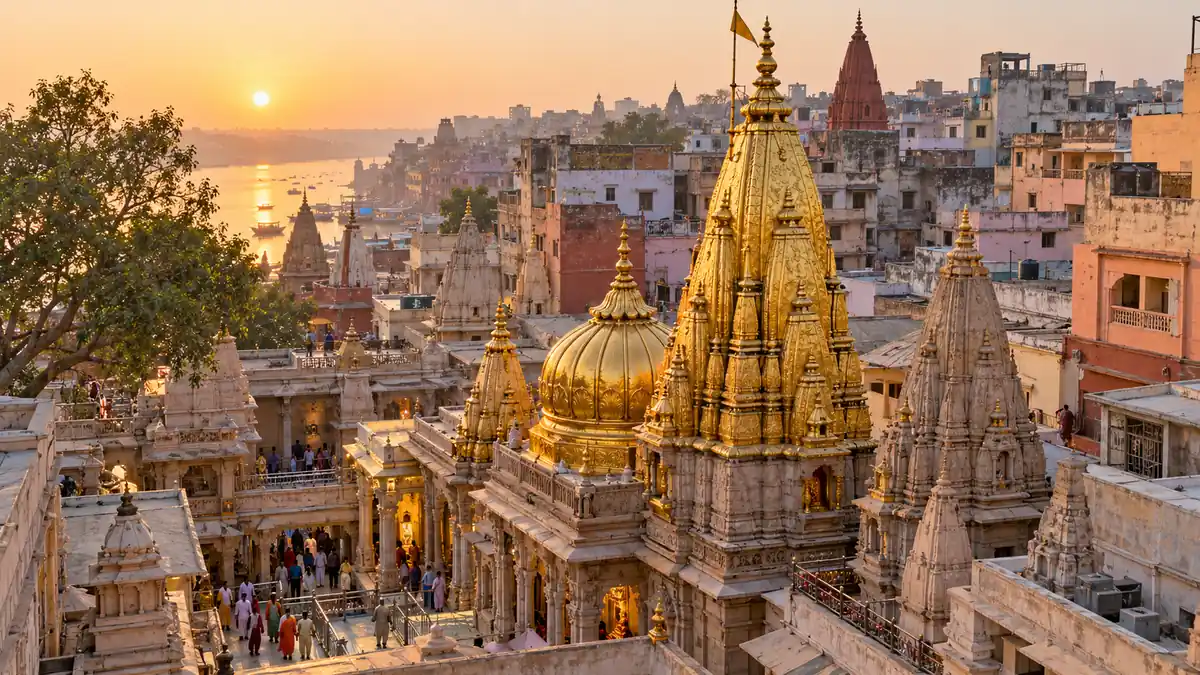
The current stone structure was built in 1780 by Queen Ahilyabai Holkar of Indore, and its shikhara was plated with 800 kilograms of pure gold by Maharaja Ranjit Singh in 1839. The 2021 Kashi Vishwanath Dham corridor expansion connects the sanctum directly to the Manikarnika and Lalita ghats along the Ganges.
- Location: Lahori Tola, Varanasi, Uttar Pradesh 221001
- Sanctum Timings: 3:00 AM to 11:00 PM daily
- Official Portal: Shri Kashi Vishwanath Special Area Development Board
Find booking schedules for Sugam Darshan and Mangala Aarti in the Kashi Vishwanath Temple guide.
10. Trimbakeshwar Jyotirlinga, Nasik
Trimbakeshwar Jyotirlinga is situated 28 kilometers southwest of Nashik in Maharashtra, at the base of the Brahmagiri hills. The temple is unique among all 12 Jyotirlingas because the lingam features three distinct faces representing the Hindu trinity: Brahma, Vishnu, and Shiva (Tridev).
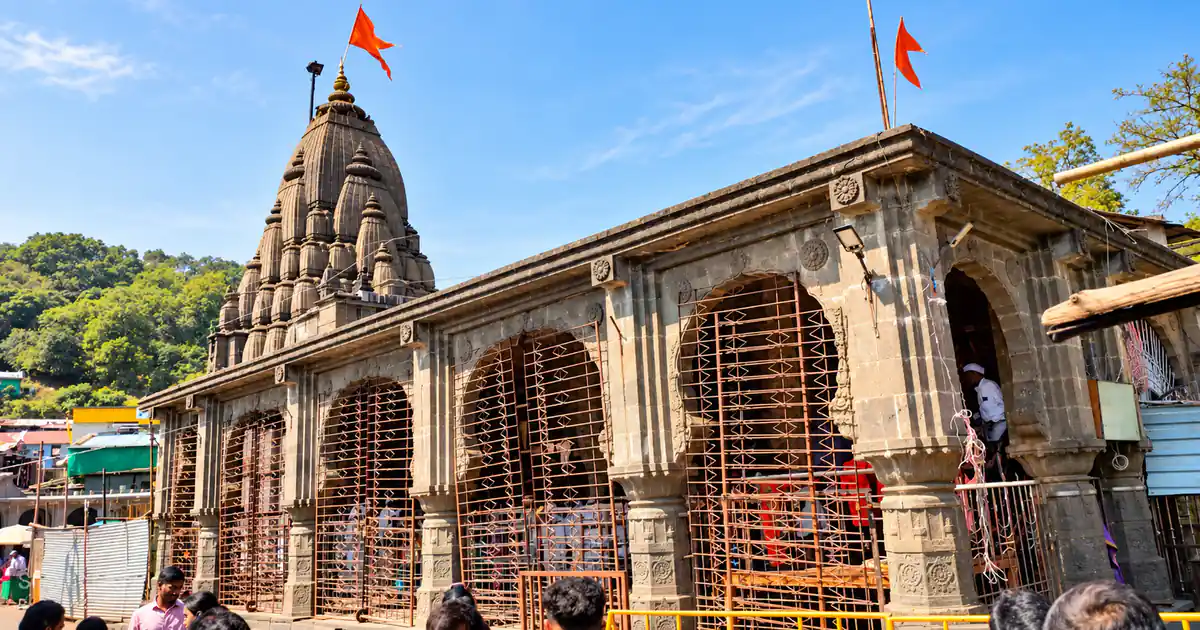
Constructed from black basalt stone by Peshwa Balaji Baji Rao between 1755 and 1786, the temple grounds house the holy Kushavarta kunda. This pond receives the waters of the Godavari River and serves as the primary bathing pool for millions of ascetics during the Nashik Simhastha Kumbh Mela held once every 12 years.
- Location: Trimbak, Nashik District, Maharashtra 422212
- Sanctum Timings: 5:30 AM to 9:00 PM daily
- Special Rituals: Primary center for Narayan Nagbali, Kalsarpa Shanti, and Tripindi Shraddha ceremonies.
Plan your travel route and ritual bookings using the Trimbakeshwar Jyotirlinga Temple guide.
11. Kedarnath Jyotirlinga, Uttarakhand
Perched at an elevation of 3,583 meters above sea level near the Chorabari Glacier and the Mandakini River, Kedarnath is the highest and most remote of the 12 Jyotirlingas. According to the Mahabharata, the Pandavas constructed the initial shrine to seek redemption from Shiva following the Kurukshetra war.
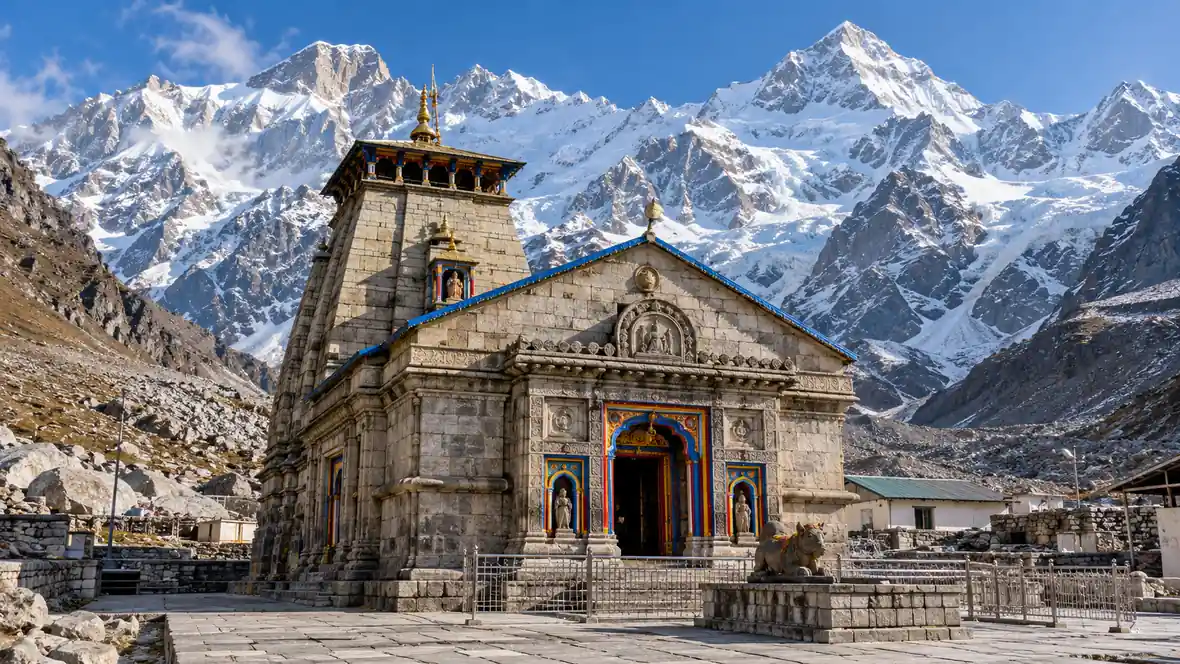
The temple structure is composed of massive grey granite slabs held together with interlocking stone joints, built without mortar. Due to severe winter snowfall, the shrine closes on Bhai Dooj in November, with the presiding deity moving to Omkareshwar Temple in Ukhimath for six months of winter worship before reopening on Akshaya Tritiya in late April or early May.
- Location: Rudraprayag District, Garhwal Himalayas, Uttarakhand 246445
- Operating Months: Late April or May through early November
- Access Route: Requires a 16-kilometer uphill trek from Gaurikund or pre-booked helicopter shuttles from Phata, Guptkashi, or Sirsi.
- Official Portal: Uttarakhand Tourism Development Board Kedarnath Portal
Read comprehensive mountain trekking and helicopter booking rules in the Kedarnath Jyotirlinga Temple guide.
12. Ghrishneshwar Jyotirlinga, Aurangabad
Ghrishneshwar Jyotirlinga, also known as Grishneshwar, is situated in the village of Verul near Chhatrapati Sambhaji Nagar (Aurangabad), Maharashtra. Located less than one kilometer from the world-renowned Ellora Caves, this 18th-century temple marks the traditional 12th and final stop in the canonical Jyotirlinga circuit.
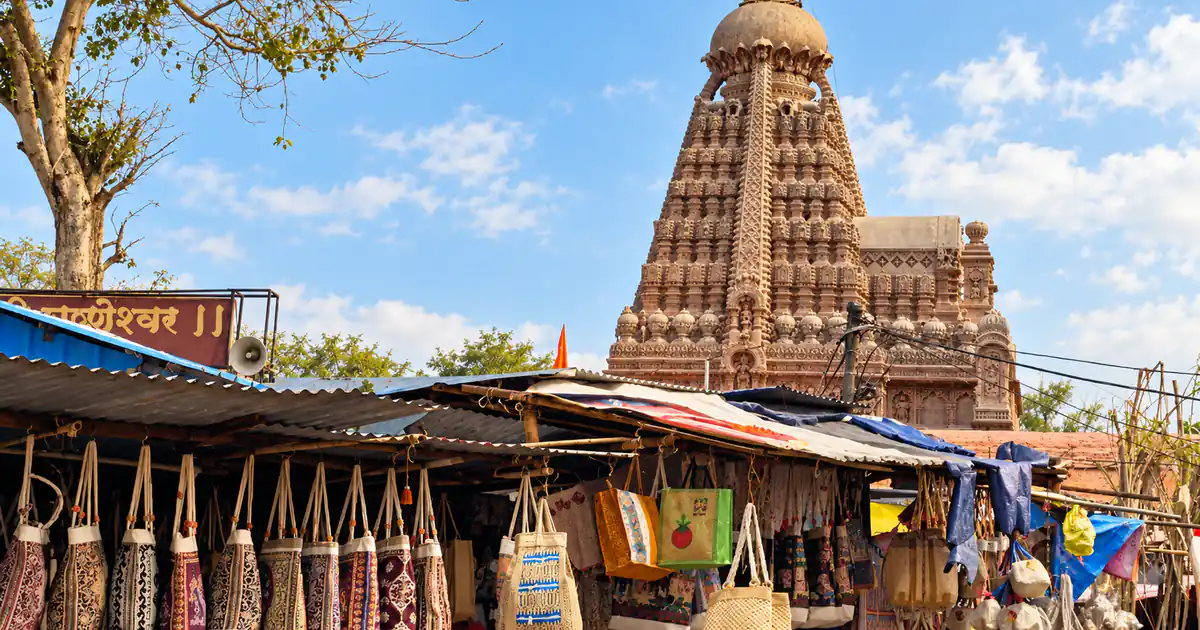
Rebuilt in red sandstone by Queen Ahilyabai Holkar in the late 18th century, the temple features a five-tiered South Indian shikhara and intricate relief carvings depicting scenes from the epics. In accordance with strict local traditions, male devotees must remove upper-body garments before stepping into the inner sanctum.
- Location: Verul Village, Khuldabad Taluka, Chhatrapati Sambhaji Nagar, Maharashtra 431102
- Sanctum Timings: 5:30 AM to 9:30 PM daily
- UNESCO Neighbor: Positioned just 500 meters from Cave 16 (Kailasa Temple) at Ellora.
Find nearby heritage itineraries and photo guidelines in the Grishneshwar Jyotirlinga Temple guide.
Why Should You Visit All 12 Jyotirlingas?
Visiting the 12 Jyotirlingas offers a comprehensive spiritual and geographic journey through India’s ancient cultural geography. Each shrine represents a distinct aspect of Shiva’s cosmic role, allowing devotees to experience regional architectural traditions ranging from Chalukya stone temples to Dravidian pillared halls.
In Hindu tradition, completing the full circuit cleanses accumulated karmic burdens and assists the soul in its journey toward spiritual liberation (moksha). Undertaking the pan-India journey also connects travelers with historic pilgrim routes that have unified diverse linguistic regions for over a thousand years.
How to Plan a Jyotirlinga Yatra: Tips, Routes, and Itineraries
Planning a complete 12 Jyotirlinga yatra requires structured regional grouping to avoid unnecessary transit backtracking across India. The most efficient nationwide itinerary divides the pilgrimage into four geographic sectors:
- Western Sector (Gujarat & Maharashtra): Begin at Somnath and Nageshwar, then proceed south into Maharashtra to cover Trimbakeshwar, Bhimashankar, and Grishneshwar.
- Central Sector (Madhya Pradesh): Travel east to Ujjain for Mahakaleshwar, followed by Omkareshwar along the Narmada River.
- Eastern & Northern Sector (UP, Jharkhand, Uttarakhand): Visit Kashi Vishwanath in Varanasi, Baba Baidyanath in Deoghar, and proceed to Kedarnath during the summer opening season.
- Southern Sector (Andhra Pradesh & Tamil Nadu): Conclude with Mallikarjuna at Srisailam and Ramanathaswamy at Rameswaram.
The ideal travel window falls between October and March, when pleasant daytime temperatures prevail across Gujarat, Maharashtra, and Southern India. For Kedarnath, travel must occur between May and October before mountain access closes for the winter season.
Train tickets on the Indian Railways network should be booked 60 to 120 days in advance, especially during the peak festive seasons of Shravan and Maha Shivaratri. Dharamshalas and official temple trust guesthouses offer clean, affordable lodging near every shrine.
12 Jyotirlingas in India and Their Representation in Hindu Scriptures
The Shiva Purana (Koti Rudra Samhita, Chapter 32) recounts that Brahma and Vishnu once contested supremacy over the cosmos. To resolve their dispute, Shiva manifested as a boundless pillar of fiery radiance (Jyotirlinga) penetrating the three worlds.
Vishnu conceded that he could not locate the pillar’s base, while Brahma falsely claimed to have discovered its apex. Shiva’s true form emerged from the pillar, establishing that truth alone commands eternal worship and setting the sanctified locations where this light touched the earth.
Each of the twelve shrines commemorates this boundless cosmic pillar in a specific sacred locale:
- Somnath: Restored the light of the Moon God Chandra following Daksha’s curse.
- Mallikarjuna: United Shiva and Parvati on Srisailam mountain to comfort Kartikeya.
- Mahakaleshwar: Protected the city of Ujjain against the demon Dushana.
- Omkareshwar: Blessed Mount Vindhya after intense penance along the Narmada.
- Kedarnath: Accepted the penance of the Pandavas in the high Himalayas.
- Bhimashankar: Defeated the demon Bhima to safeguard the sages of Sahyadri.
- Kashi Vishwanath: Anchored the supreme seat of cosmic liberation in Varanasi.
- Trimbakeshwar: Brought the sacred Godavari River to earth at the hermitage of Sage Gautama.
- Baidyanath: Healed Ravana and granted blessings in the Chhitabhoomi of Deoghar.
- Nageshwar: Rescued the devotee Supriya from the subterranean demon Daruka.
- Rameshwar: Absolved Lord Rama following the battle against Ravana.
- Grishneshwar: Restored the son of the devout woman Kusuma in Verul.
These scriptural narratives connect the temples from regional heritage structures into unified spiritual landmarks across India.
Frequently Asked Questions on 12 Jyotirlingas in India
Where are the 12 Jyotirlingas located in India?
The 12 Jyotirlingas are distributed across eight Indian states: Gujarat, Andhra Pradesh, Madhya Pradesh, Jharkhand, Maharashtra, Tamil Nadu, Uttarakhand, and Uttar Pradesh. They range from the high Himalayan peaks of Kedarnath to the southern coastal island of Rameswaram.
What are the 12 Shivling names?
The 12 Jyotirlingas are named Somnath, Mallikarjuna, Mahakaleshwar, Omkareshwar, Kedarnath, Bhimashankar, Kashi Vishwanath, Trimbakeshwar, Baidyanath, Nageshwar, Rameshwaram, and Grishneshwar. Devotees recite these twelve names daily through the sacred Dvadasa Jyotirlinga Stotram composed by Adi Shankaracharya.
How to visit 12 Jyotirlinga in order?
Travelers commonly begin at Somnath in Gujarat and travel clockwise through central, northern, eastern, and southern India before finishing at Grishneshwar in Maharashtra. Dedicated tour options like the IRCTC Bharat Gaurav tourist train also provide all-inclusive travel packages across the primary circuit.
Which Jyotirlinga is most powerful?
All 12 Jyotirlingas possess equal scriptural sanctity, representing direct manifestations of Lord Shiva rather than man-made installations. Kashi Vishwanath in Varanasi and Mahakaleshwar in Ujjain are often visited first because of their deep association with moksha and time transcendence.
Which festival draws the largest pilgrim crowds to the 12 Jyotirlingas?
Maha Shivratri draws millions of devotees across all twelve shrines, with unprecedented celebrations at Mahakaleshwar in Ujjain and Kashi Vishwanath in Varanasi, detailed in our dedicated Maha Shivratri celebrations guide.