Grishneshwar Jyotirlinga Temple: Timings, Ellora & Guide
Plan your visit to Grishneshwar Jyotirlinga Temple with daily darshan timings, sanctum dress codes for men, Ahilyabai Holkar history, and Ellora routes.
Verul · Maharashtra
Grishneshwar Jyotirlinga
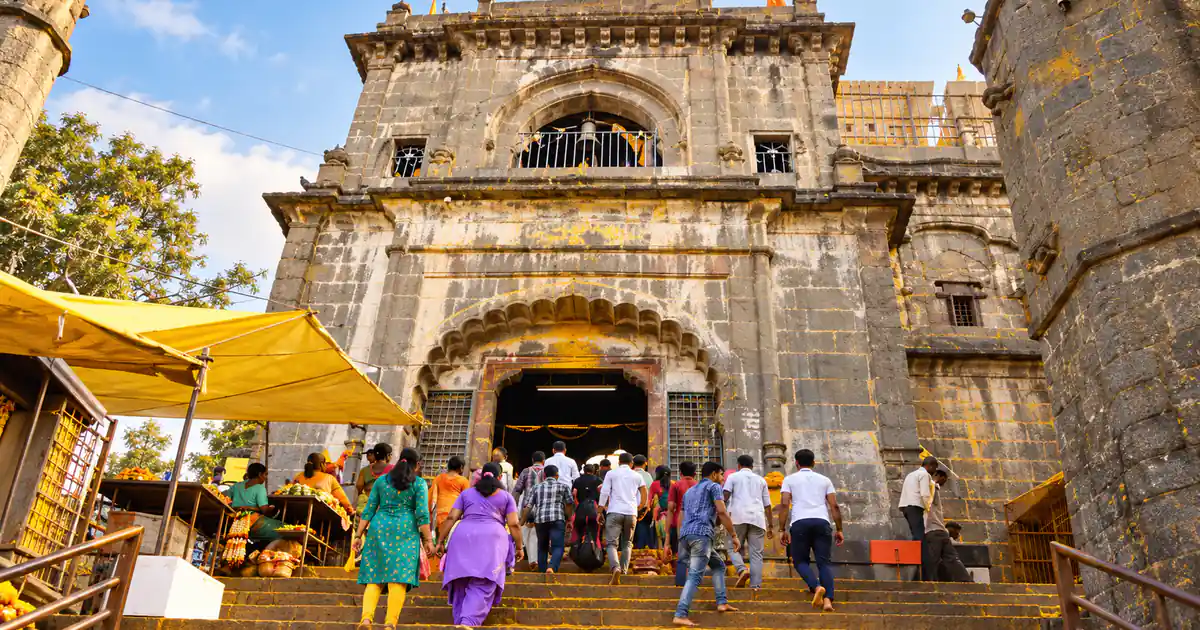
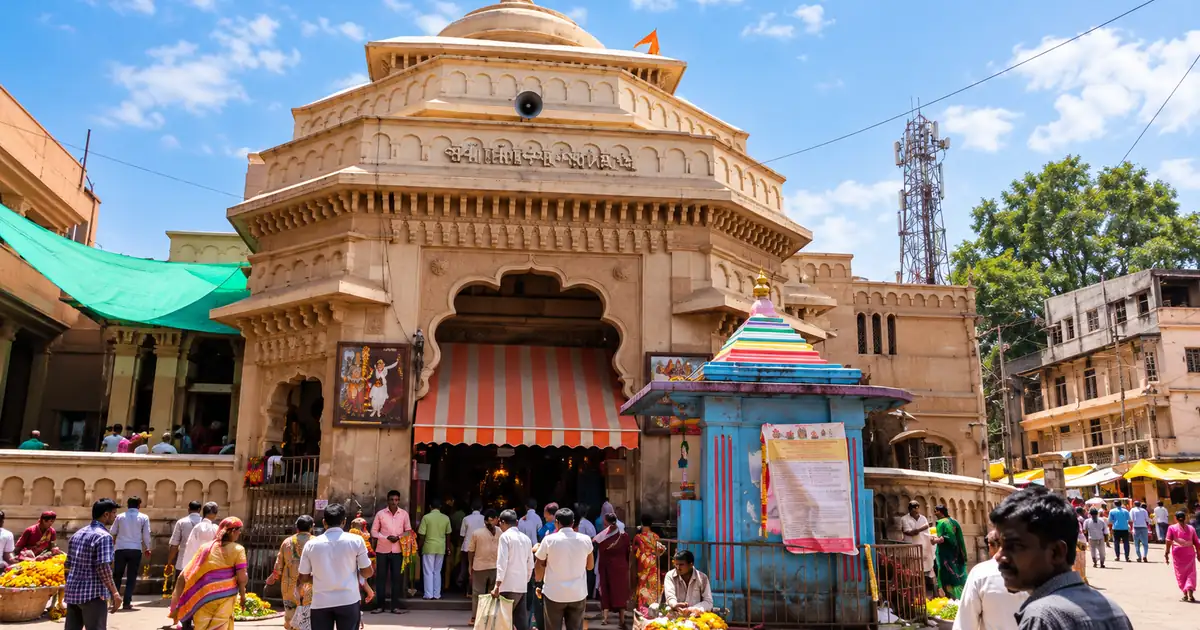
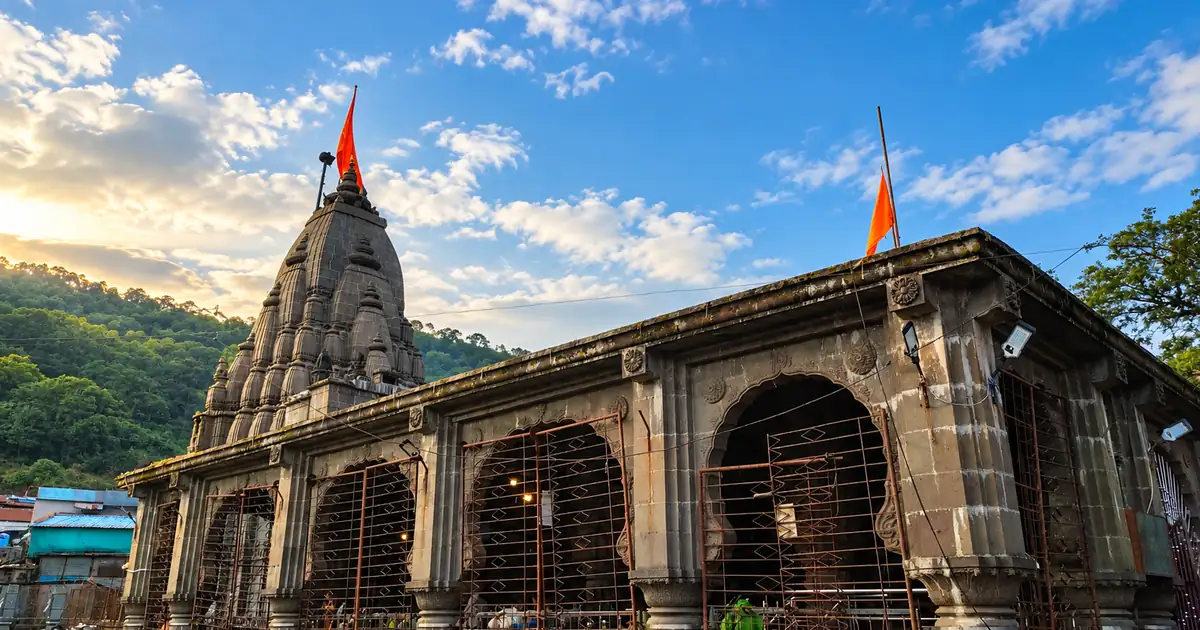
Grishneshwar Jyotirlinga Temple stands in Verul village in the Chhatrapati Sambhajinagar (Aurangabad) district of Maharashtra, less than one kilometer from the world-famous Ellora Caves. Revered in ancient scriptures as the twelfth and final Jyotirlinga of Lord Shiva, it marks the completion point of the canonical pan-Indian Shiva pilgrimage.
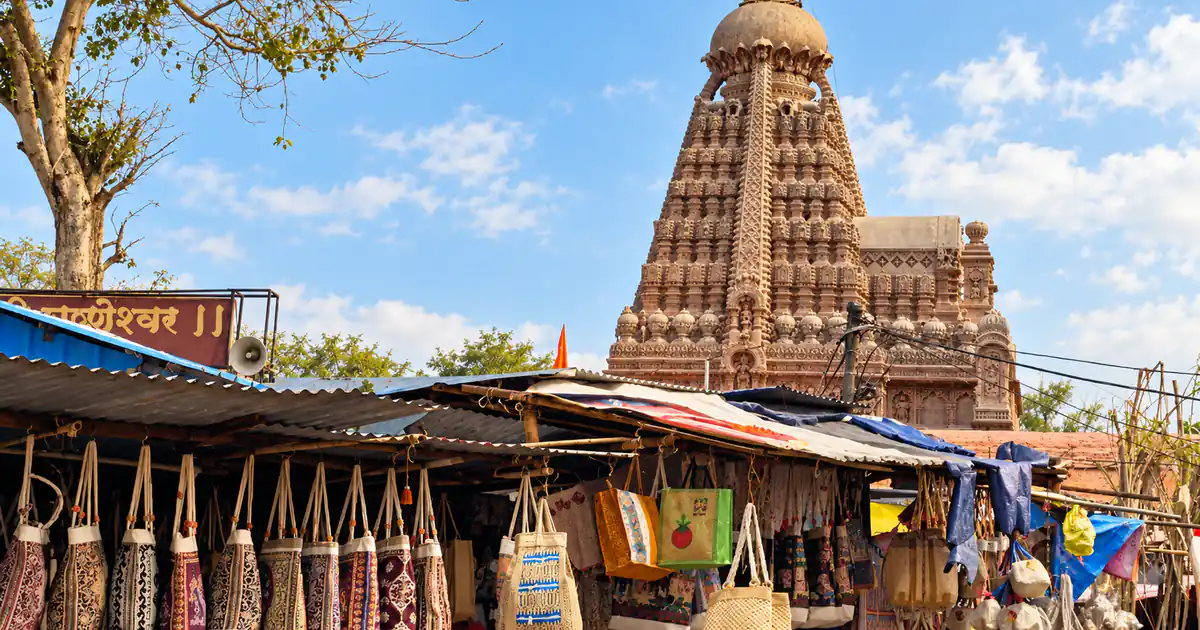
Devotees revere Grishneshwar as a key pillar among the 12 Jyotirlingas of Lord Shiva. Built from local red basalt stone, the shrine combines Maratha and South-Indian architectural elements with a storied royal restoration legacy.
Darshan & Heritage Essentials
- Grishneshwar Jyotirlinga is situated in Verul village, less than one kilometer from Ellora Caves and 30 kilometers northwest of Chhatrapati Sambhajinagar (Aurangabad).
- Revered as the twelfth and final Jyotirlinga of Lord Shiva, the current red basalt temple was restored in the 18th century by Maharani Ahilyabai Holkar of Indore.
- General public darshan operates daily from 5:30 AM to 9:30 PM, with no entrance fee charged for general queues.
- Male pilgrims must remove upper garments (shirts and vests) and deposit leather items to enter the inner garbhagriha for direct sparsh darshan.
Grishneshwar Temple Darshan Timings and Daily Puja Schedule
What are the operating hours and aarti times at Grishneshwar Temple? The temple opens each morning at 5:30 AM and closes at 9:30 PM following the night Shayan Aarti, with no general admission charge. Detailed festival arrangements are maintained by the Maharashtra Tourism Development Corporation Grishneshwar Directory.
The daily prayer schedule follows an established sequence:
| Ritual / Schedule | Timing | Pilgrim Details |
|---|---|---|
| Temple Opening & Mangal Aarti | 5:30 AM – 6:00 AM | Sanctum doors open for day |
| Morning Jalabhishek & Sparsh Darshan | 6:00 AM – 11:30 AM | Direct touching of lingam permitted |
| Madhyahna Bhog (Sanctum Closed) | 11:30 AM – 12:00 PM | Brief pause for food offering |
| Afternoon General Darshan | 12:00 PM – 7:30 PM | Continuous queue access |
| Sandhya Aarti | 7:30 PM – 8:00 PM | Evening musical aarti |
| Night Shayan Aarti & Closing | 9:00 PM – 9:30 PM | Final prayers before sanctum shut |
During the sacred month of Shravan and Maha Shivratri, the temple remains open for extended hours from 3:00 AM until 11:00 PM to accommodate the surge of pilgrims. Devotees also visit nearby regional shrines like Parli Vaijnath Jyotirlinga in Beed during this festive period.
Sacred Origins and Legend of Ghushma
The Shiva Purana attributes the origins of the shrine to a devout woman named Ghushma, who worshipped Lord Shiva by molding one hundred and one clay lingams daily and immersing them in a nearby lake. Her sister Sudeha, consumed by jealousy over Ghushma’s blessed son, murdered the child and threw him into the same lake.
Unshaken in her devotion, Ghushma continued her daily Shiva worship and immersion prayers without anger. Pleased by her unwavering faith, Lord Shiva restored her son to life and chose to reside permanently at the site as Ghushmeshwar (the Lord of Ghushma), later known as Grishneshwar.
The sacred pond where Ghushma immersed her daily lingams, known as Shivalaya Tirth, sits a short walk from the temple complex. Devotees visit the water reservoir to offer prayers before entering the temple gates.
Red Basalt Stone Architecture and Ahilyabai Holkar Restoration
The temple presents classic medieval architecture constructed using local reddish-brown basalt stone blocks fitted together with precision. Historical accounts compiled by the District Administration Chhatrapati Sambhajinagar Tourism Portal document that Maloji Bhosale, the grandfather of Chhatrapati Shivaji Maharaj, reconstructed the temple in the late 16th century after earlier regional conflicts.
In the 18th century, Queen Ahilyabai Holkar of Indore, renowned for rebuilding sacred temples across Varanasi, Ujjain, and the historic shoreline shrine at Somnath Temple in Gujarat, undertook extensive renovations that produced the five-tiered carved shikhara seen today.
The stone spire rises roughly 30 meters, adorned with intricately sculpted friezes depicting musicians, dancers, apsaras, and manifestations of Lord Shiva. A grand Nandi bull sculpted from black stone rests inside the sabha mandap facing the sunken garbhagriha.
Inner Sanctum Dress Code and Pilgrim Protocols
What rules must visitors follow when stepping inside the inner sanctum? Grishneshwar follows strict traditional decorum to maintain the sanctity of the garbhagriha:
- Dress Code for Men: Men wishing to step down into the sanctum to touch the lingam or perform abhishek must remove their shirts and undershirts, entering bare-chested wearing traditional dhotis, pyjamas, or plain trousers.
- Dress Code for Women: Women must dress in modest traditional attire such as sarees or salwar kameez. Western wear and short dresses are discouraged inside the inner enclosure.
- Footwear and Belts: Leather belts, leather wallets, and footwear must be removed and stored at the free cloakroom counters located outside the temple gate.
- Electronics: Mobile phones and camera gear are strictly prohibited inside the inner temple hall. Lockers are available outside the primary entrance gate.
Circuit Itinerary: Combining Grishneshwar with Ellora Caves and Daulatabad Fort
Because Grishneshwar Temple is located in Verul village, travelers can conveniently combine temple darshan with world-class historic monuments in a single well-paced day trip. Official conservation guidelines for the archaeological perimeter are overseen by the Archaeological Survey of India Aurangabad Circle Ellora Portal.
A practical day itinerary includes:
- Morning (7:00 AM – 8:30 AM): Arrive at Grishneshwar Temple early to complete darshan and Jalabhishek before tour bus queues arrive.
- Mid-Morning to Afternoon (9:00 AM – 2:30 PM): Walk or drive one kilometer to the UNESCO World Heritage Ellora Caves. Spend three to four hours exploring Cave 16 (the monolithic rock-cut Kailasa Temple) alongside Buddhist and Jain cave excavations.
- Late Afternoon (3:30 PM – 5:30 PM): Drive 15 kilometers back toward Aurangabad to tour Daulatabad Fort, climbing the historic 12th-century hill fortress and dark defense maze (Bhool Bhulaiya).
Travelers completing the five Jyotirlingas of Maharashtra frequently continue their route toward Trimbakeshwar Jyotirlinga in Nashik or Bhimashankar Jyotirlinga near Pune.
How to Reach Grishneshwar from Aurangabad, Pune, and Mumbai
How do pilgrims travel to Grishneshwar Temple by rail, air, and road? Grishneshwar connects smoothly to central Maharashtra transit corridors via the Chhatrapati Sambhajinagar highway network.
- From Chhatrapati Sambhajinagar (Aurangabad): The temple sits 30 kilometers northwest of the city center. Hired taxis make the trip in 40 to 50 minutes along the Aurangabad-Ellora highway. Regular MSRTC state buses run from the Central Bus Stand directly to Verul village.
- By Train: Chhatrapati Sambhajinagar Railway Station (AWB) is 30 kilometers away, connecting directly to Mumbai, Pune, Hyderabad, and Delhi.
- By Air: Chhatrapati Sambhajinagar Airport (IXU) sits 37 kilometers away, offering scheduled commercial flights from Mumbai, Delhi, and Bengaluru.
- From Shirdi: Pilgrims visiting the sacred pilgrimage town of Shirdi can reach Grishneshwar via a direct 105-kilometer drive taking approximately two and a half hours via Vaijapur.
Frequently Asked Questions About Grishneshwar Jyotirlinga
What are the daily darshan timings at Grishneshwar Jyotirlinga Temple?
The temple opens daily at 5:30 AM for morning prayers and closes at 9:30 PM after the night aarti. During the holy month of Shravan and Maha Shivratri, the temple operates on extended hours from 3:00 AM to 11:00 PM.
What is the dress code for entering the sanctum at Grishneshwar Temple?
Men entering the inner garbhagriha to perform sparsh darshan or abhishek must remove their shirts and vests to enter bare-chested wearing traditional dhotis or trousers. Women must dress in modest traditional attire such as sarees or salwar kameez.
How far is Grishneshwar Temple from Ellora Caves?
Grishneshwar Temple sits less than one kilometer from the main entrance of the UNESCO World Heritage Ellora Caves. Pilgrims can walk between the two monuments in roughly ten minutes or take a short auto-rickshaw ride. For ticket rules, closed days, and cave highlights, review our planning a visit to Ajanta and Ellora Caves.
Is an entry fee required to visit Grishneshwar Jyotirlinga?
General entry to Grishneshwar Temple is completely free for all domestic and international visitors. Devotees may choose to make voluntary donations or purchase special ritual materials from counters outside the temple.