Pandharpur Vitthal Temple: Timings, History & Visiting Guide
Discover Pandharpur Vitthal Temple timings, daily aarti rituals, history, and travel directions. Plan your sacred pilgrimage to this revered Varkari shrine.
Pandharpur · Maharashtra
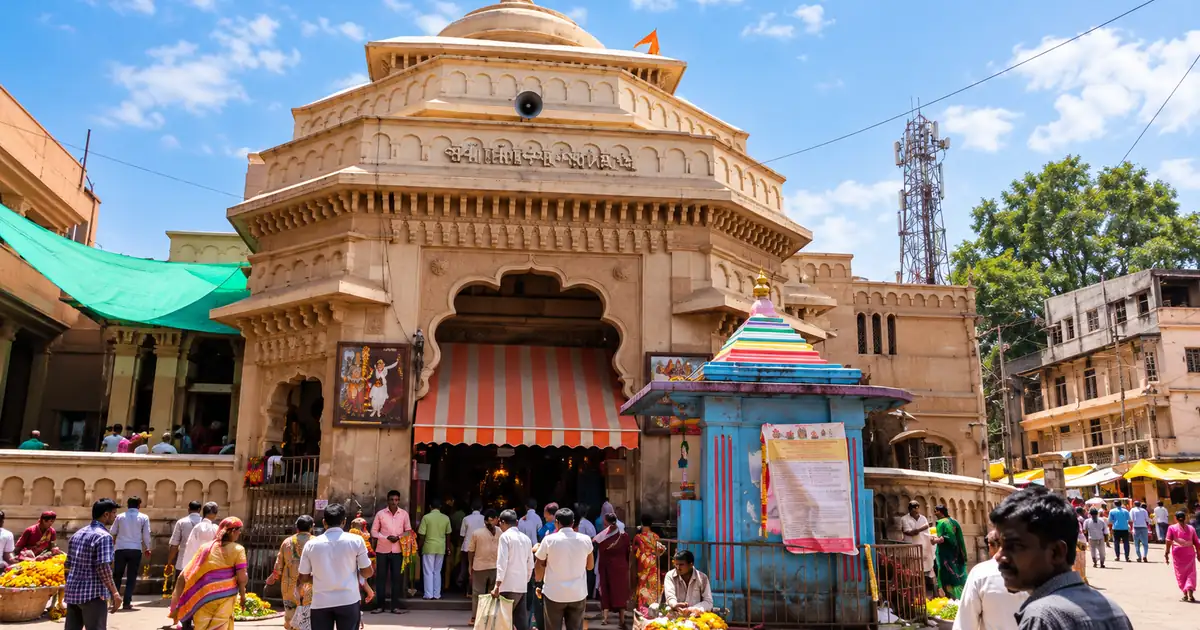
Pandharpur Vitthal Temple
Pandharpur Vitthal Temple Essentials
- Mandir Operating Hours: 4:00 AM to 11:00 PM daily, beginning with Kakad Aarti and concluding with Shejaarti.
- Sacred Location: West bank of the Chandrabhaga River, Pandharpur, Solapur District, Maharashtra 413304.
- Darshan Systems: Charansparsh Darshan (touching the deity’s lotus feet, 4-8 hours) and Mukh Darshan (viewing queue, 1-2 hours).
- Central Deity: Lord Vitthal (Vithoba, an avatar of Lord Krishna) and divine consort Goddess Rukmini.
- Connectivity: Pandharpur Railway Station (2 km away); regular state buses connect from Solapur (72 km) and Pune (210 km).
The Shri Vitthal Rukmini Temple in Pandharpur serves as the supreme spiritual center of the Varkari tradition in western India. Standing on the sacred curving banks of the Chandrabhaga River, this ancient sanctuary brings together millions of devotees each year who revere Lord Vitthal as an accessible friend and divine protector.
The town fills with rhythmic cymbals and devotional abhang chants composed by Maharashtra’s great poet-saints. Devotees traveling between coastal cities and central Maharashtra frequently coordinate visits alongside prayers at Siddhivinayak Temple in Mumbai.
Opening Times, Aarti Timings and Best Time to Visit Pandharpur Vitthal Temple
The temple gates open every morning at 4:00 AM for the holy Kakad Aarti and close around 11:00 PM following the night Shejaarti. Two separate queue arrangements operate throughout the day to meet the diverse needs of pilgrims.
Charansparsh Darshan permits worshippers to touch the divine feet of Lord Vitthal, a deeply emotional privilege that requires four to eight hours in peak queues. Mukh Darshan provides a faster moving queue line designed for pilgrims who wish to view the deity from the outer mandapa hall.
| Daily Ritual / Seva | Scheduled Timing | Darshan Line | Devotional Importance |
|---|---|---|---|
| Kakad Aarti (Dawn Awakening) | 4:00 AM - 4:30 AM | Both Queues Open | Morning prayer with devotional chimes and bells |
| Panchamrit Pooja & Snan | 4:30 AM - 5:30 AM | Charansparsh Paused | Ceremonial bath of the deity with sacred liquids |
| Morning Darshan Resumes | 6:00 AM onwards | Charansparsh & Mukh | Regular public queue movement across corridors |
| Afternoon Naivedhya Bhog | 11:30 AM - 12:15 PM | Short Intermission | Traditional midday food offering to the deity |
| Sandhya Aarti (Evening Light) | 7:00 PM - 7:30 PM | Moving Queue | Twilight lamp lighting and community chanting |
| Shejaarti (Night Rest Ritual) | 10:30 PM - 11:00 PM | Final Entry | Bedtime rituals followed by sanctum closing |
Weekday visits between November and February offer the most comfortable climate for extended queue standing. In contrast, the monsoon months of July and November see vast foot traffic during annual Ekadashi celebrations.
Pilgrim safety protocols, online queue passes, and yatra transit updates are provided on the District Administration Solapur Pandharpur Portal.
Location and How to Reach Pandharpur Vitthal Temple
Pandharpur is situated along National Highway 65 in the western part of Solapur district, approximately 360 kilometers southeast of Mumbai. The holy Chandrabhaga River bends like a crescent moon along the eastern edge of the historic old town.
Pandharpur Railway Station (station code PVR) links directly with Solapur, Miraj, Kurduvadi, and Pune through regular express and passenger services. Local auto-rickshaws wait outside the railway exit, transporting arriving pilgrims to the temple gates in under ten minutes.
State transport buses run around the clock from major terminals across Maharashtra. Regular MSRTC air-conditioned Shivshahi and ordinary buses link Pune’s Swargate stand with Pandharpur in roughly four and a half hours.
Travelers exploring religious circuits often head eastward toward Marathwada after completing their Pandharpur rites to visit the Tuljapur Bhavani Temple pilgrimage guide.
Architecture, History, and Cultural Importance of Pandharpur Vitthal Temple
Epigraphical records indicate that worship at Pandharpur dates back to at least the sixth century, with the current stone structure expanded under the Yadavas of Devagiri in the late twelfth century. Additional mandapas and pillared corridors were added by Hoysala monarchs and later Vijayanagara kings.
The black basalt image of Lord Vitthal stands twenty-eight inches high upon a square stone brick with arms placed upon his hips. Mythological legends tell of Pundalik, a dedicated son who tossed a brick for Lord Krishna to stand upon while finishing service to his parents.
Unlike many orthodox medieval shrines, the sanctum at Pandharpur historically welcomed devotees of every caste and social background to touch the deity. This radical spiritual democracy formed the philosophical core of the Bhakti movement led by Saint Dnyaneshwar, Saint Namdev, and Saint Tukaram.
Academic studies detailing the historical evolution of the pilgrimage are maintained in the Sahapedia Varkari Tradition and Pandharpur Pilgrimage Archive.
Festivals and Events at Pandharpur Vitthal Temple
The annual Ashadhi Ekadashi pilgrimage in June or July forms the grandest religious gathering in Maharashtra. Hundreds of thousands of Varkaris walk hundreds of miles from Alandi and Dehu carrying the sacred silver footprints (padukas) of Sant Dnyaneshwar and Sant Tukaram.
Kartiki Ekadashi in November marks the autumn harvest celebrations with similar fervor, gathering agrarian families along the riverside sands. Additional significant observances include Maghi Ekadashi and Chaitra Ekadashi.
During these massive yatras, pilgrims sing rhythmic abhangs and dance in circle formations called Fugdi along the riverbank sands. The profound sense of unity echoes the spiritual warmth found across the saint traditions preserved at Shirdi Sai Baba Temple.
Accommodation and Facilities Near Pandharpur Vitthal Temple
Pandharpur features numerous residential facilities managed by the Shri Vitthal Rukmini Mandir Samiti, charitable trusts, and private hoteliers:
- Bhakta Niwas Complexes: The Temple Trust operates multi-story pilgrim rest houses offering clean double rooms and family dormitories at subsidized tariffs.
- Private Hotels and Lodges: Station Road and Shivaji Chowk feature mid-scale air-conditioned hotels with modern amenities.
- Community Dharamshalas: Traditional community-run lodging houses provide basic bedding, luggage storage, and communal kitchen spaces for large pilgrim groups.
- Temple Annachhatra: The trust runs a dedicated community dining hall serving wholesome prasad meals twice daily to all visitors without fee.
District accommodations and travel maps are coordinated through the Maharashtra Tourism Development Corporation Solapur Guide.
Dos and Don’ts for Visiting Pandharpur Vitthal Temple
Following practical pilgrimage etiquette guarantees a respectful and orderly visit to the temple:
- Participate in River Rites: Many pilgrims take a holy dip in the Chandrabhaga River and offer prayers at the riverside Pundalik Temple before entering the main shrine.
- Choose the Right Queue: Select Mukh Darshan if traveling with young children or elders who cannot stand in multi-hour lines.
- Wear Modest Clothing: Traditional Indian attire such as dhotis, kurtas, or sarees is recommended; shorts and sleeveless clothing are discouraged.
- Leave Electronics Safely: Mobile phones and cameras must remain packed away inside bags; photography inside the inner sanctum is strictly prohibited.
- Maintain Quiet Demeanor: Keep voices lowered and follow instructions given by security volunteers inside the barricaded corridors.
Devotees touring regional sacred sites often continue northwest toward the turmeric-covered hill shrine of Jejuri Khandoba Temple on their return journey.
Places to Visit near Pandharpur Vitthal Temple
Pandharpur sits at the crossroads of several historic pilgrimage destinations across southern and western Maharashtra:
- Pundalik Temple: Situated on the sandy banks of the Chandrabhaga River, marking the resting place of the saint whose filial devotion brought Vitthal to Pandharpur.
- Vishnupad Temple: Located a mile upstream, where stones on the riverbed preserve impressions believed to be Lord Krishna’s footprints.
- Goddess Rukmini Mandir: Housed within the main temple complex, dedicated to Vitthal’s divine consort who receives independent daily worship.
- Mahalaxmi Temple in Kolhapur: Situated 180 kilometers southwest, this ancient Shakti Peetha represents one of Maharashtra’s most venerated mother shrines, detailed in our Mahalaxmi Temple in Kolhapur guide.
Pilgrims traveling north toward Pune can also explore the ancient Sahyadri jyotirlinga shrine at Bhimashankar.
FAQs About Visiting Pandharpur Vitthal Temple
What are the daily opening and closing hours of Pandharpur Vitthal Temple?
The temple opens at 4:00 AM with the morning Kakad Aarti and remains accessible until approximately 11:00 PM after Shejaarti. Darshan lines operate continuously throughout the day with short intermissions for deity offerings.
What is the difference between Charansparsh and Mukh Darshan?
Charansparsh Darshan allows devotees to touch their forehead to the feet of Lord Vitthal, usually requiring four to eight hours of queue standing. Mukh Darshan offers a faster viewing line where pilgrims view the deity from the mandapa hall in one to two hours.
Can visitors book online darshan passes for Pandharpur?
Yes, the Shri Vitthal Rukmini Mandir Samiti operates an official online portal where devotees can reserve time-slot tokens to expedite entry. Booking in advance is recommended during weekends and festival seasons.
When does the annual Pandharpur Wari take place?
The historic Pandharpur Wari pilgrimage culminates on Ashadhi Ekadashi during June or July each year. Millions of walking pilgrims arrive in town after journeying for three weeks from Alandi and Dehu.
What railway station connects closest to the temple?
Pandharpur Railway Station sits approximately two kilometers from the temple entrance. Frequent trains connect the town with major regional railway junctions including Solapur, Kurduvadi, and Pune.
Is photography permitted inside the sanctum sanctorum?
No, photography and video recording are strictly prohibited inside the inner sanctum to protect the sanctity of the deity. Visitors can take photographs of the temple spires and outer courtyard areas.