Top 20 Places to Visit in Rajasthan: Itineraries & Guide
Explore the top 20 best places to visit in Rajasthan with verified 3 to 10-day itineraries, royal forts, desert safaris, lake palaces, and travel tips.
Rajasthan spans 342,239 square kilometers across northwestern India, representing roughly 10.4% of the nation’s total land surface. Bordering Pakistan to the west and five Indian states to the north and east, this desert realm preserves medieval Rajput strongholds, arid wildlife reserves, and centuries of architectural history.
State Travel & Circuit Essentials
- Rajasthan covers 342,239 square kilometers in northwestern India, anchored by transit hubs at Jaipur International Airport and major North Western Railway junctions.
- Peak tourist season runs from October through March, offering dry daytime temperatures between 18°C and 28°C across desert outposts and lake cities.
- Major travel circuits split into the Eastern Heritage Triangle (Jaipur, Ajmer, Pushkar), Southern Lake Country (Udaipur, Mount Abu, Chittorgarh), and Western Desert Belt (Jodhpur, Jaisalmer, Bikaner).
- A standard introductory itinerary takes 5 to 7 days to cover Jaipur, Jodhpur, and Udaipur by express train or road.
The state connects to national highways and broad-gauge rail corridors managed by North Western Railway. Travelers planning wider itineraries across the subcontinent frequently compare these desert routes with coastal circuits featured in our iconic Indian destinations for first-time visitors guide.
Rajasthan Top 20 Destinations Master Matrix
The following matrix categorizes Rajasthan’s top 20 destinations by geographic cluster, recommended duration, and primary transit gateways:
| Destination | Region / Circuit | Ideal Duration | Signature Highlights | Nearest Airport / Rail Hub |
|---|---|---|---|---|
| Jaipur | Eastern Heritage | 2–3 Days | Amer Fort, Hawa Mahal, City Palace | Jaipur Airport (13 km) |
| Udaipur | Southern Lakes | 2–3 Days | Lake Pichola, City Palace, Jag Mandir | Maharana Pratap Airport (22 km) |
| Jodhpur | Marwar Belt | 2 Days | Mehrangarh Fort, Jaswant Thada, Blue City | Jodhpur Airport (5 km) |
| Jaisalmer | Thar Desert | 2–3 Days | Sonar Qila, Sam Sand Dunes, Patwon Haveli | Jaisalmer Airport (15 km) |
| Bikaner | Northern Desert | 1–2 Days | Junagarh Fort, Karni Mata, Camel Research | Jodhpur Airport (250 km) |
| Ranthambore | Sawai Madhopur | 2 Days | Tiger Safaris, Ranthambore Fort | Jaipur Airport (160 km) |
| Pushkar | Central Oasis | 1–2 Days | Brahma Temple, Holy Lake, Camel Fair | Kishangarh Airport (45 km) |
| Mount Abu | Aravalli Hills | 2 Days | Dilwara Temples, Nakki Lake, Sunset Point | Udaipur Airport (185 km) |
| Ajmer | Central Plains | 1 Day | Dargah Sharif, Ana Sagar Lake, Taragarh Fort | Kishangarh Airport (30 km) |
| Chittorgarh | Mewar Heartland | 1 Day | Chittorgarh Fort, Vijay Stambh, Kirti Stambh | Udaipur Airport (95 km) |
| Bharatpur | Eastern Gateway | 1 Day | Keoladeo National Park, Bird Watching, Lohagarh | Agra Airport (55 km) |
| Alwar | NCR Border | 1–2 Days | Sariska Tiger Reserve, Bhangarh, Bala Quila | Delhi Airport (145 km) |
| Kumbhalgarh | Rajsamand | 1 Day | 36 km Fort Wall, Badal Mahal, Wildlife | Udaipur Airport (100 km) |
| Shekhawati | Heritage Belt | 2 Days | Painted Mansions, Nawalgarh, Fatehpur | Jaipur Airport (140 km) |
| Bundi | Hadoti Region | 1–2 Days | Taragarh Fort, Raniji ki Baori, Stepwells | Kota Railway Station (36 km) |
| Neemrana | Delhi-Jaipur Corridor | 1 Day | Neemrana Fort Palace, Ancient Baori, Zipline | Delhi Airport (105 km) |
| Ranakpur | Pali District | 1 Day | 1,444 Carved Marble Pillars, Jain Temple | Udaipur Airport (95 km) |
| Nathdwara | Banas Basin | 1 Day | Shrinathji Temple, Pichwai Art, Annakutta | Udaipur Airport (60 km) |
| Garadia Mahadev | Kota Gorge | 1 Day | Chambal River Canyon, Cliffside Temple | Kota Railway Station (30 km) |
| Sam Sand Dunes | Thar Desert | 1–2 Days | Desert Camping, Camel Treks, Sunset Dunes | Jaisalmer Airport (45 km) |
1. Jaipur: The Pink City and Royal Strongholds
Jaipur serves as the state capital and forms the western corner of India’s famed Golden Triangle travel circuit. Established in 1727 by Maharaja Sawai Jai Singh II, the city was planned according to ancient Vastu Shastra principles and painted terracotta pink in 1876 to welcome the Prince of Wales.
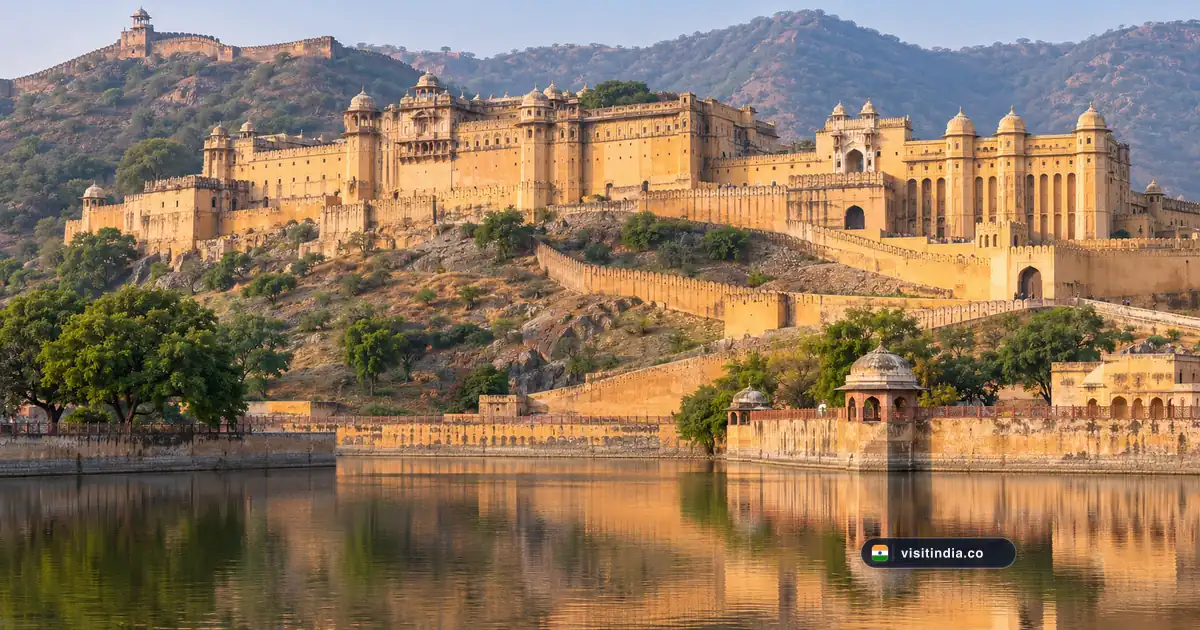
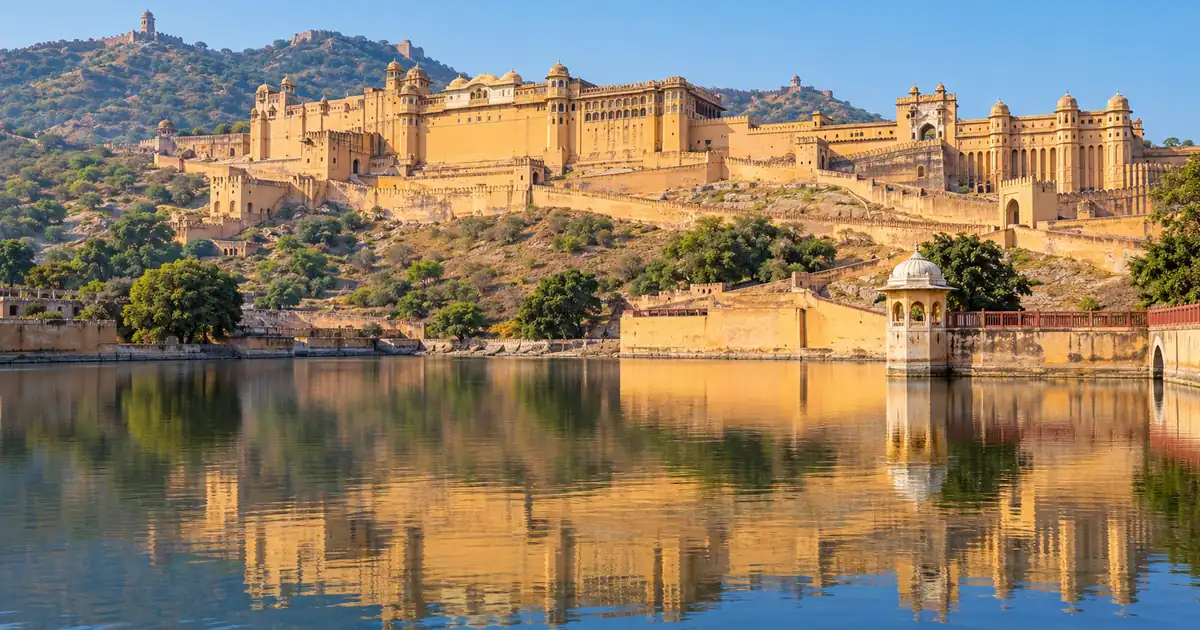
The city features remarkable hilltop strongholds, including the UNESCO-inscribed Amer Fort, Jaigarh, and Nahargarh, which overlook Maota Lake and the surrounding Aravalli range. Detailed ticketing hours and route maps are outlined in our dedicated planning a sightseeing trip to Jaipur guide.
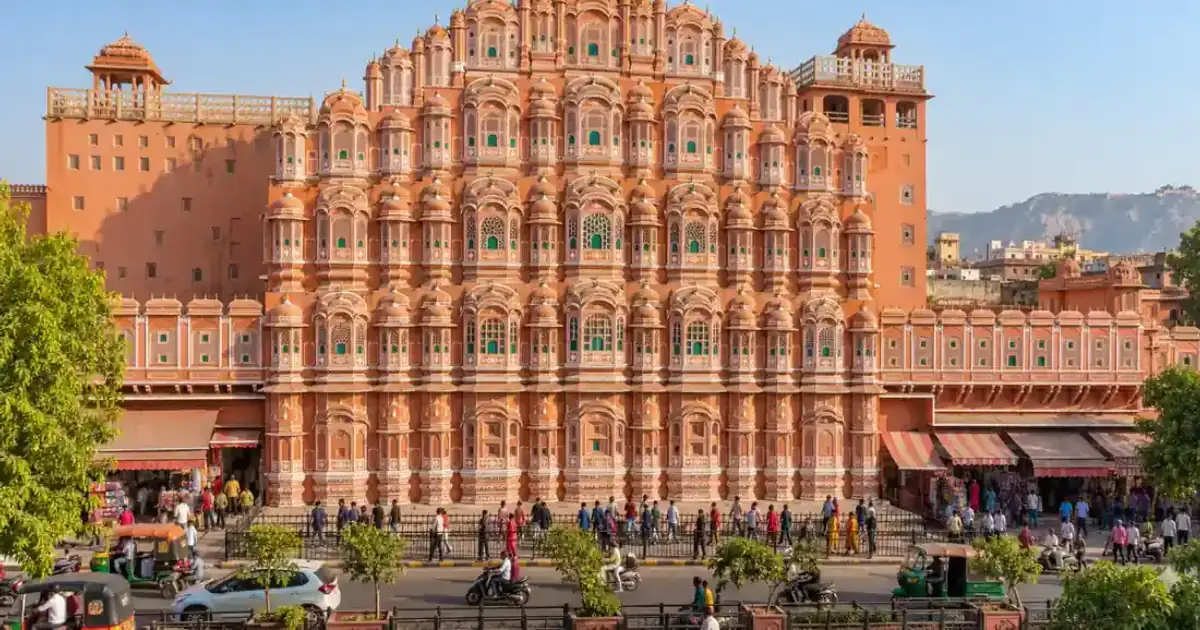
Key monuments in the historic core include the City Palace complex, the astronomical instruments of Jantar Mantar, and the honeycomb facade of Hawa Mahal. Visitors can verify official entrance fees through the Department of Tourism Government of Rajasthan Jaipur Circuits portal.
2. Udaipur: City of Lakes and Palaces
Udaipur was founded in 1559 by Maharana Udai Singh II as the new capital of the Mewar kingdom following the siege of Chittorgarh. Encircled by the Aravalli hills, the city centers on Lake Pichola, Fateh Sagar Lake, and Swaroop Sagar.
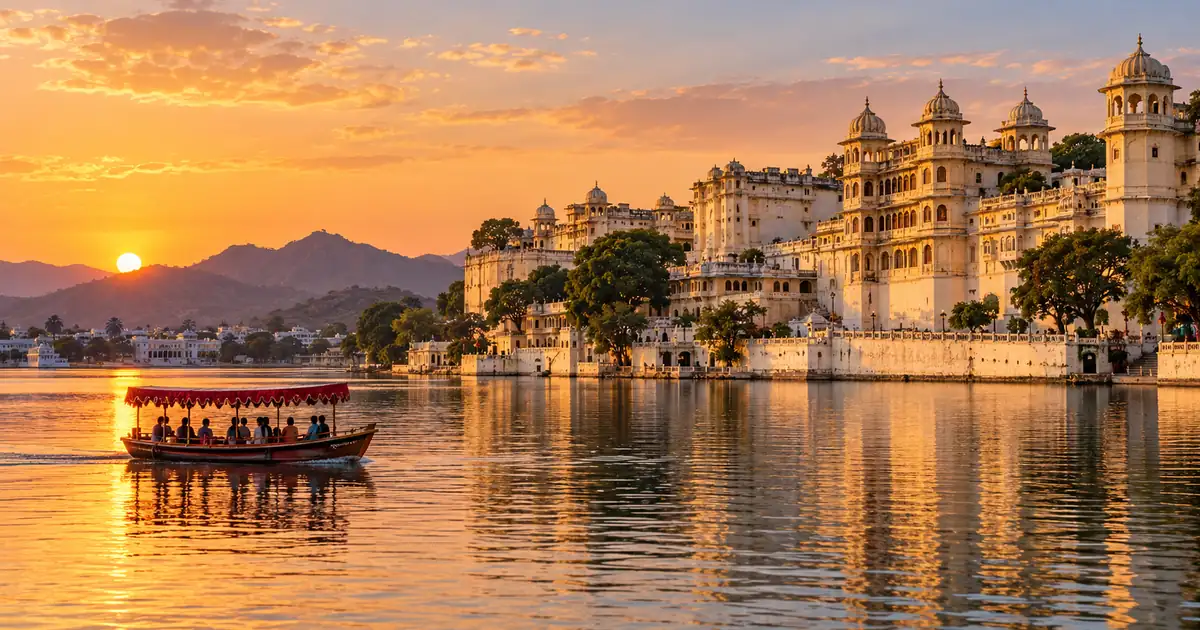
The grand City Palace complex extends along the eastern bank of Lake Pichola, showcasing granite and marble towers connected by hanging gardens and elevated courtyards. Government boat cruises depart from Rameshwar Ghat toward the island palace of Jag Mandir.
Additional cultural stops include Bagore Ki Haveli on Gangaur Ghat, Saheliyon Ki Bari, and Sajjangarh Monsoon Palace. Sajjangarh stands at an elevation of 944 meters on Bansdara Peak, providing sweeping panoramic sunset views over the southern lake district. For complete museum timings, sunset boat ride rates, and a 3-day travel plan, read our dedicated guide to key landmarks and neighborhoods in Udaipur.
3. Jaisalmer: The Golden City of the Thar Desert
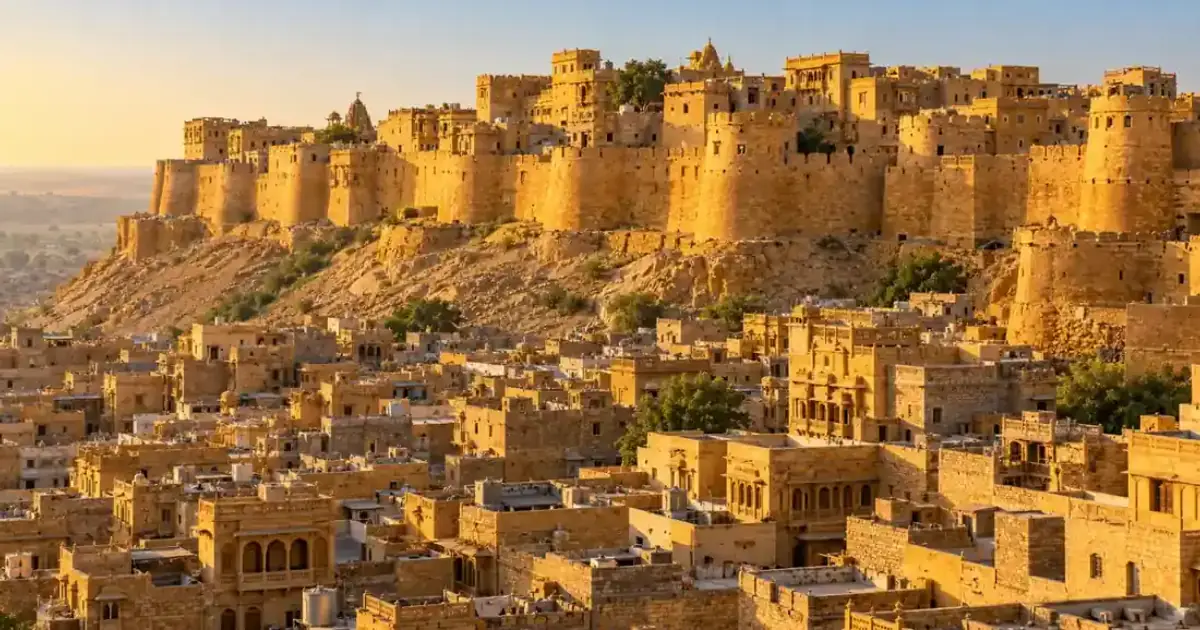
Jaisalmer rises out of the yellow sandstone ridges of the Thar Desert, situated 560 kilometers west of Jaipur. Founded in 1156 CE by Rawal Jaisal, the city developed as a strategic trading post along trans-Eurasian camel caravan routes.
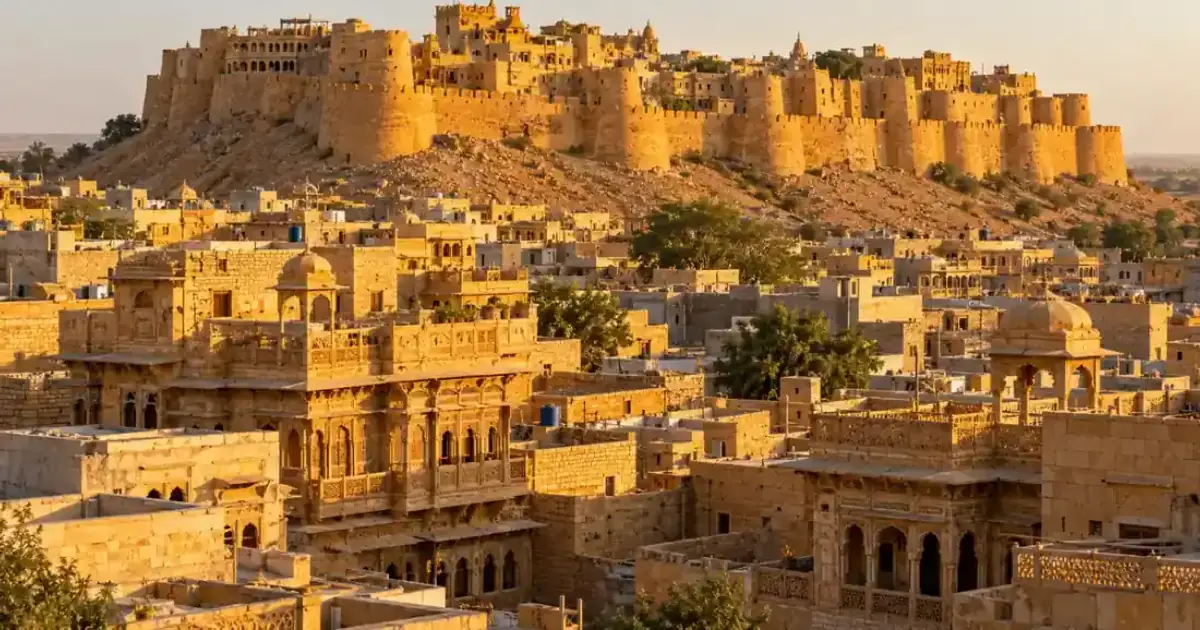
Sonar Qila, or Jaisalmer Fort, remains one of the world’s few fully functioning living forts, housing roughly 4,000 residents within its medieval walls. Visitors can find detailed walking routes and entry fees in our places to visit in Jaisalmer directory.
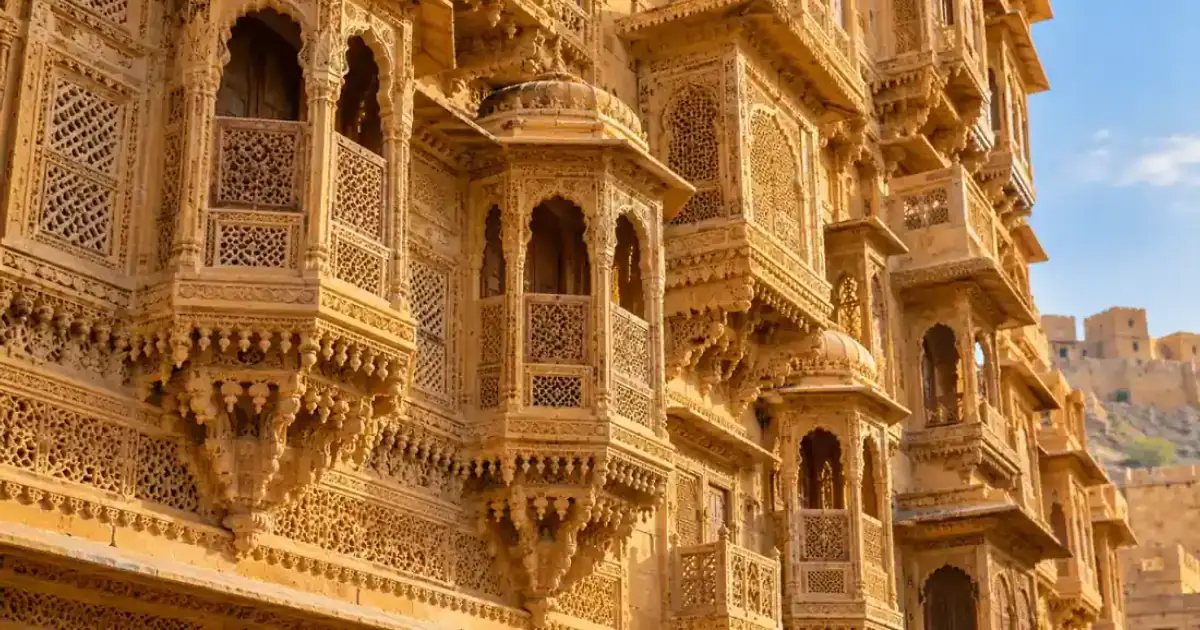
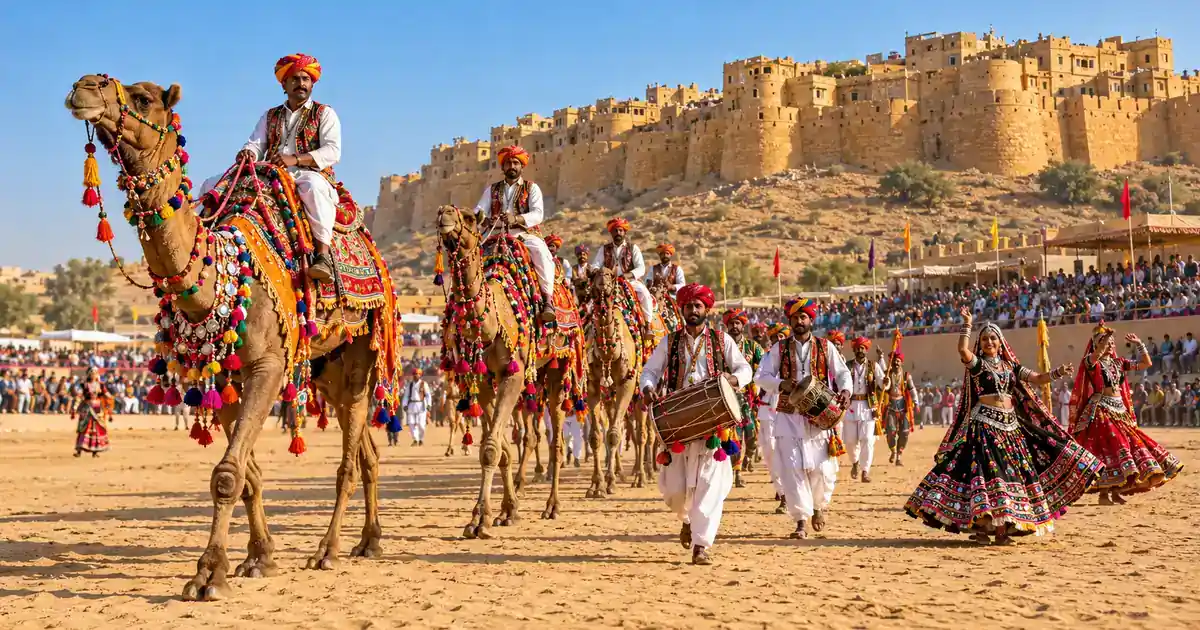
Caravan wealth financed ornate multi-storied mansions such as Patwon Ki Haveli, Salim Singh Ki Haveli, and Nathmal Ki Haveli. During winter, travelers gather to experience folk music, turban tying, and desert activities in the city center.
4. Jodhpur: The Blue City and Mehrangarh Fort
Jodhpur was established in 1459 by Rao Jodha as the capital of Marwar, marked by thousands of indigo-washed stone houses spreading below Mehrangarh Fort. The city sits on the edge of the Thar Desert and connects directly to Delhi and Mumbai by daily express trains.
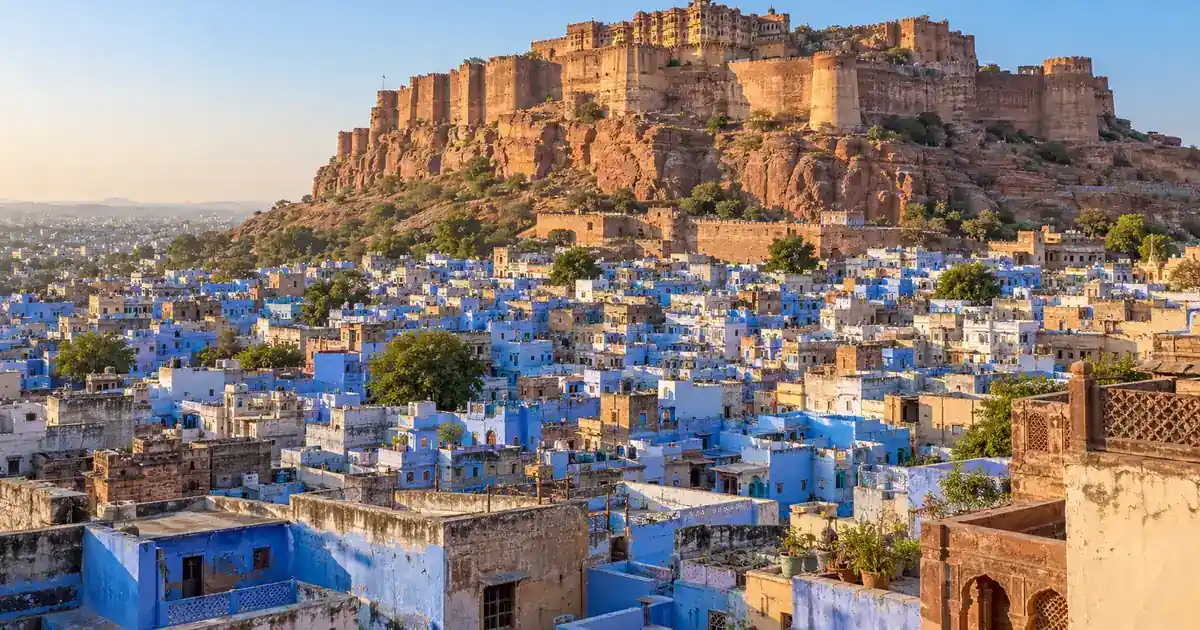
Mehrangarh Fort crowns a perpendicular cliff 125 meters above the city skyline, protected by seven massive entry gates including Jai Pol and Fateh Pol. Inside, the fort museum preserves royal palanquins, miniature paintings, and the gilded chambers of Phool Mahal.
Below the fort ramparts lies Jaswant Thada, a white marble memorial built in 1899 for Maharaja Jaswant Singh II. The surrounding desert plateau transitions into golden dunes where operators run camel excursions and desert safaris. For full fortress admission rates, Blue City walking tours, and Umaid Bhawan Palace guides, consult our key landmarks and neighborhoods in Jodhpur travel plan.
5. Bikaner: Camel Country and Junagarh Fort
Bikaner was established in 1488 by Rao Bika and grew as an oasis trading settlement in northern Rajasthan. Unlike many regional fortresses built on steep hills, Junagarh Fort stands directly on flat plains, protected by a deep moat and red sandstone ramparts.
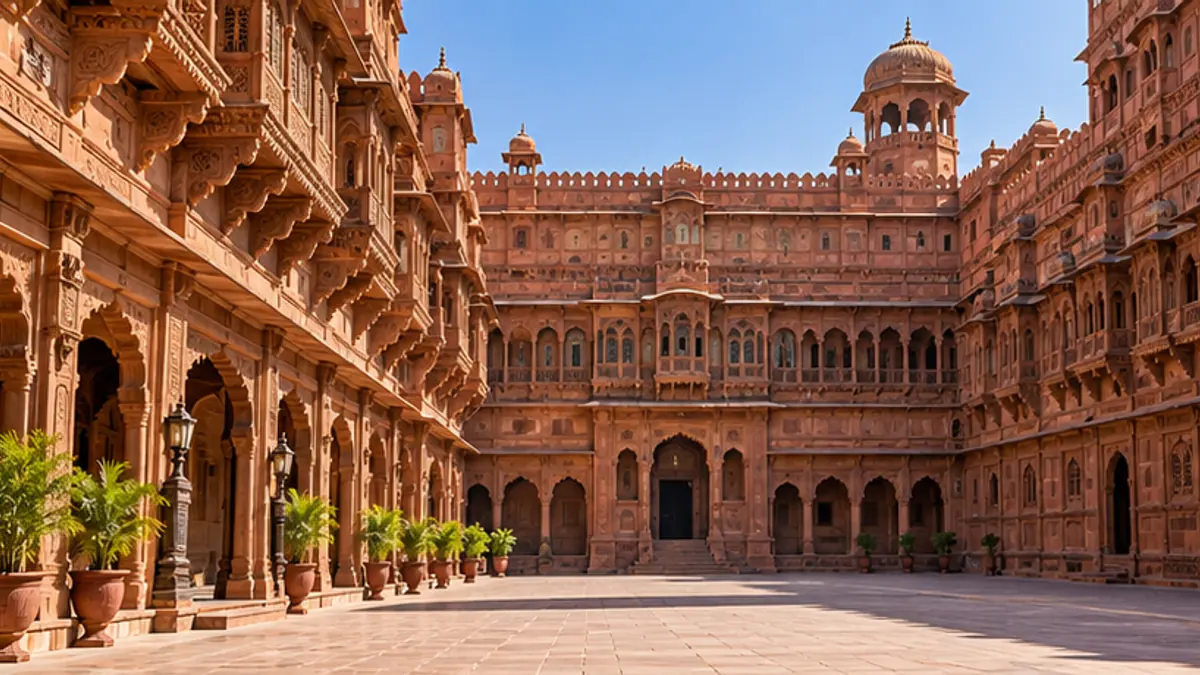
Junagarh Fort features ornate palace interiors, including Anup Mahal, Chandra Mahal, and the Badal Mahal rain pavilion with painted cloud murals. The complex preserves a rare World War I de Havilland aircraft presented to the royal family.
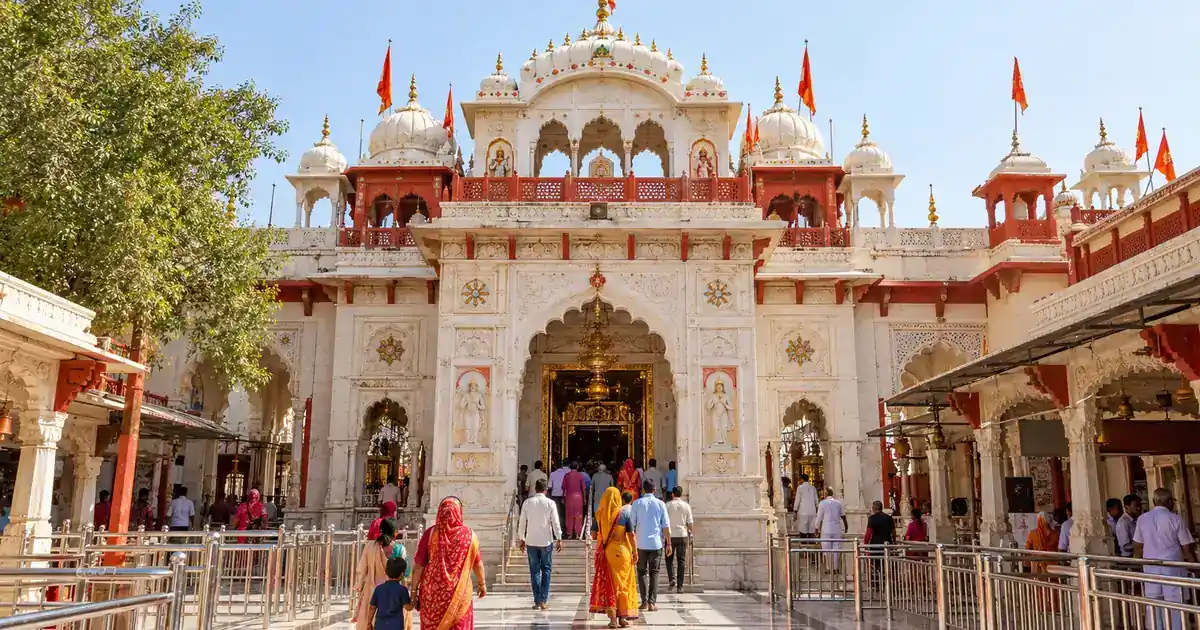
Roughly 30 kilometers south at Deshnoke, the Karni Mata Temple attracts pilgrims with its population of over 25,000 sacred black rats. On the eastern perimeter, the National Research Centre on Camel operates selective breeding programs and serves camel milk delicacies.
6. Ranthambore National Park: Royal Bengal Tiger Reserve
Ranthambore National Park covers 1,334 square kilometers across Sawai Madhopur district, where the Aravalli and Vindhya geological systems intersect. Originally the private hunting grounds of Jaipur Maharajas, the reserve was declared a Project Tiger sanctuary in 1973.
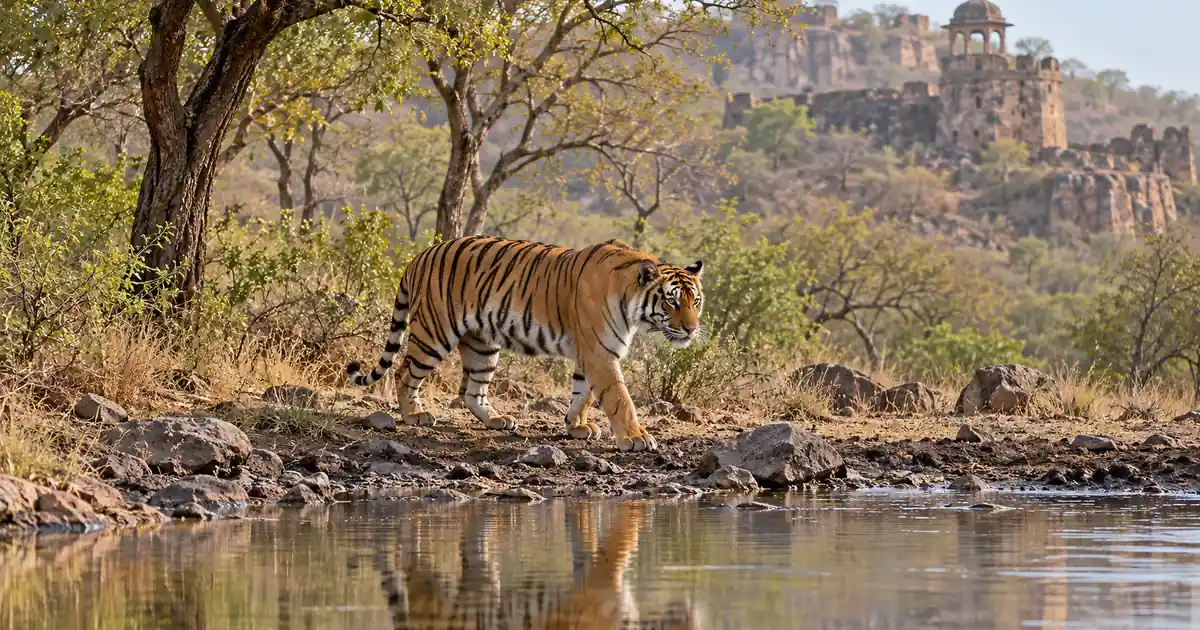
The park splits into 10 safari zones operated with morning and afternoon jeep and canter permits. Deep inside Zone 3 stands the 10th-century Ranthambore Fort, a UNESCO World Heritage monument documented by the Archaeological Survey of India Jaipur Circle Monuments.
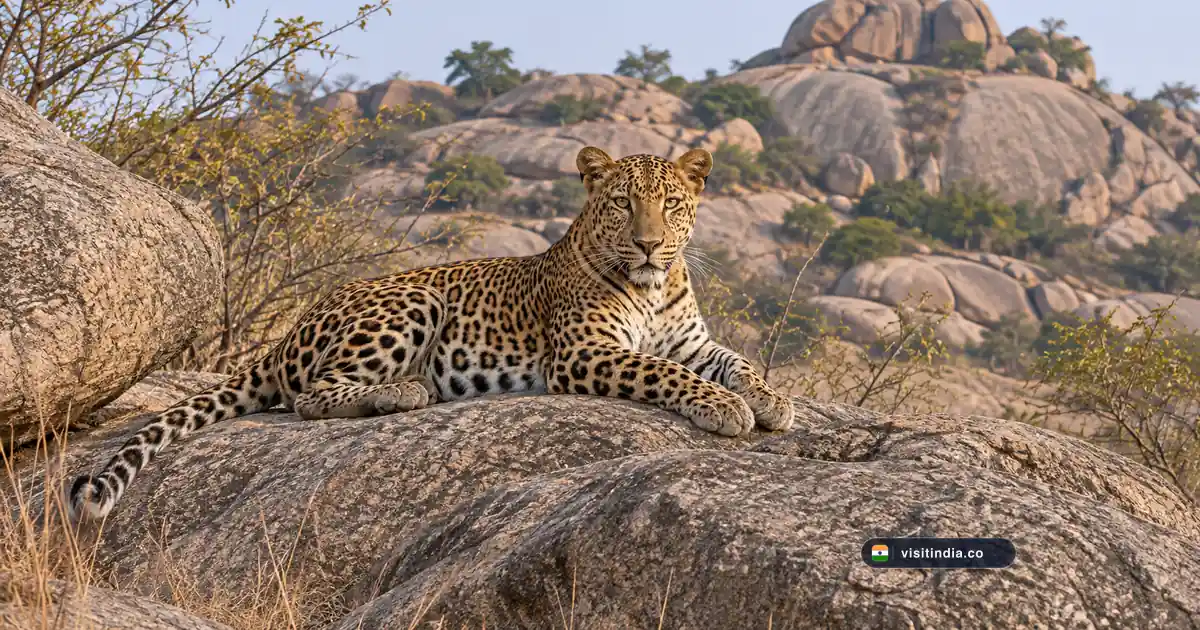
Lakes like Padam Talab and Rajbagh host crocodiles, chital, sambar deer, leopards, and over 300 bird species. Visitors can review zone strategies and permit booking steps in our Ranthambore safari booking guide.
7. Pushkar: Sacred Lake and Brahma Temple
Pushkar is an ancient pilgrimage town located 14 kilometers northwest of Ajmer, set around a sacred lake flanked by 52 bathing ghats. Hindu tradition reveres Pushkar as one of the oldest existing holy settlements in India.
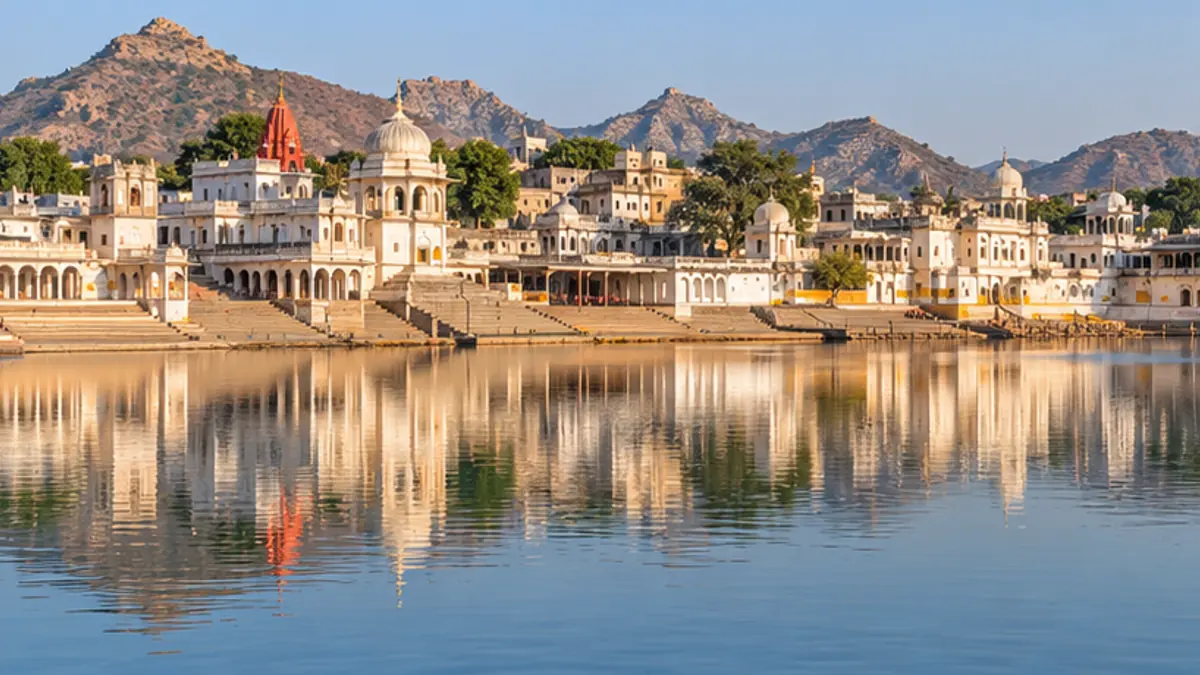
The town houses the Jagatpita Brahma Mandir, constructed in the 14th century with stone steps leading to a silver coin-inlaid sanctum. Pilgrims climb Ratnagiri Hill to visit the Savitri Temple, which overlooks the desert basin and surrounding hills.
Every autumn during the Kartik Purnima full moon, the town hosts the international Pushkar Camel Fair. Livestock herders trade tens of thousands of camels, horses, and cattle alongside folk dance competitions and handicraft markets.
8. Mount Abu: Hill Station and Dilwara Temples
Mount Abu stands as the sole hill station in Rajasthan, located at an altitude of 1,220 meters on a granite plateau in Sirohi district. The town provides cool respite from desert heat, with lush forested slopes and natural springs.
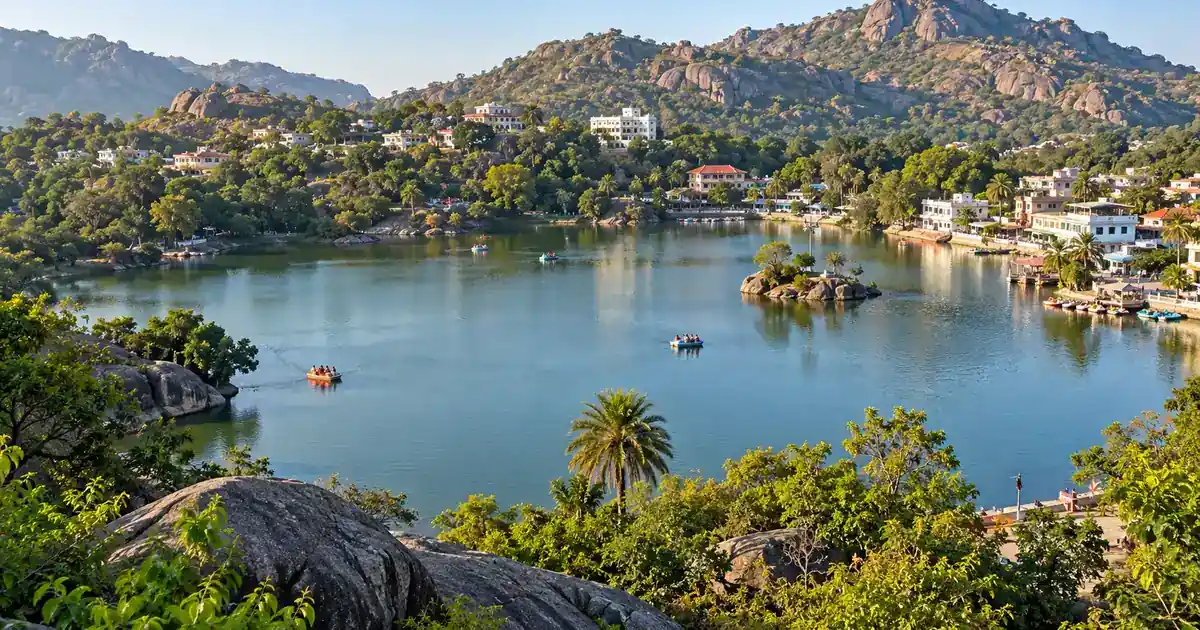
The primary architectural treasure here is the Dilwara Jain Temples, built between the 11th and 13th centuries. The marble carving in Vimal Vasahi and Luna Vasahi reveals translucent stone ceilings, lotus pendants, and ornamental pillar friezes.
Travelers can enjoy pedal boats on Nakki Lake, explore the toad-shaped Toad Rock, or hike to Guru Shikhar, the highest peak in the Aravallis at 1,722 meters. For complete temple darshan hours, pedal boat fees, and mountain viewpoints, consult our comprehensive guide to places to visit in Mount Abu. The Mount Abu Wildlife Sanctuary protects leopards, sambar deer, and Indian pangolins across rugged forest ravines.
9. Ajmer: Sacred Dargah Sharif and Taragarh Fort
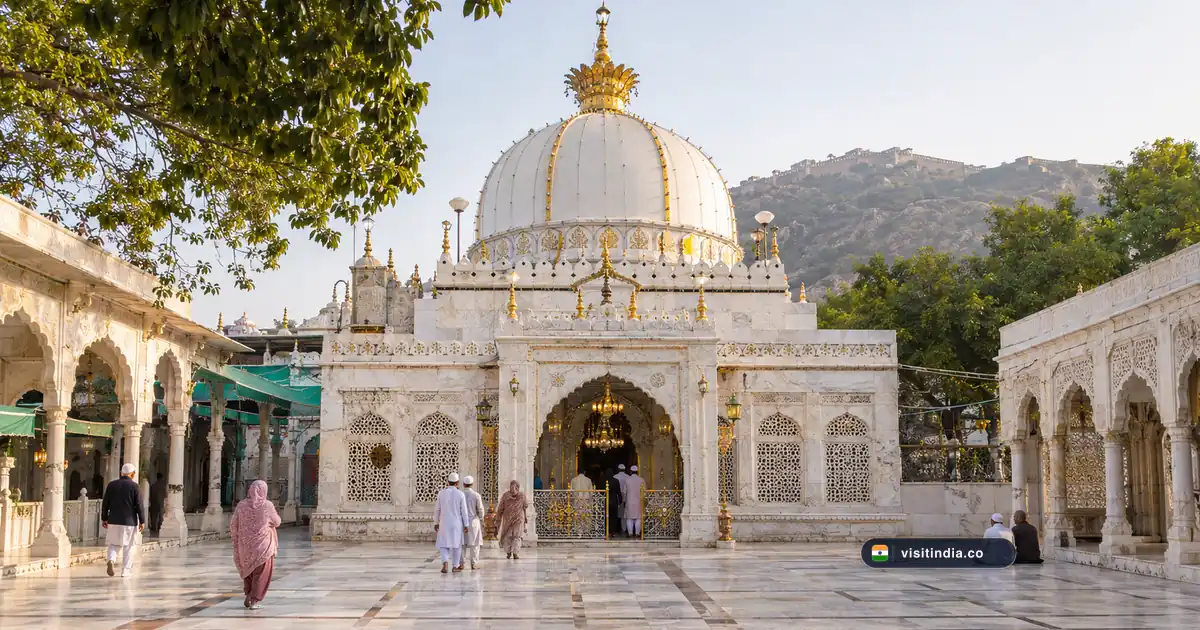
Ajmer lies at the foot of Taragarh Hill, roughly 130 kilometers southwest of Jaipur. The city is revered internationally as the burial site of Sufi saint Hazrat Khwaja Moinuddin Chishti, whose dargah attracts millions of pilgrims of all faiths annually.
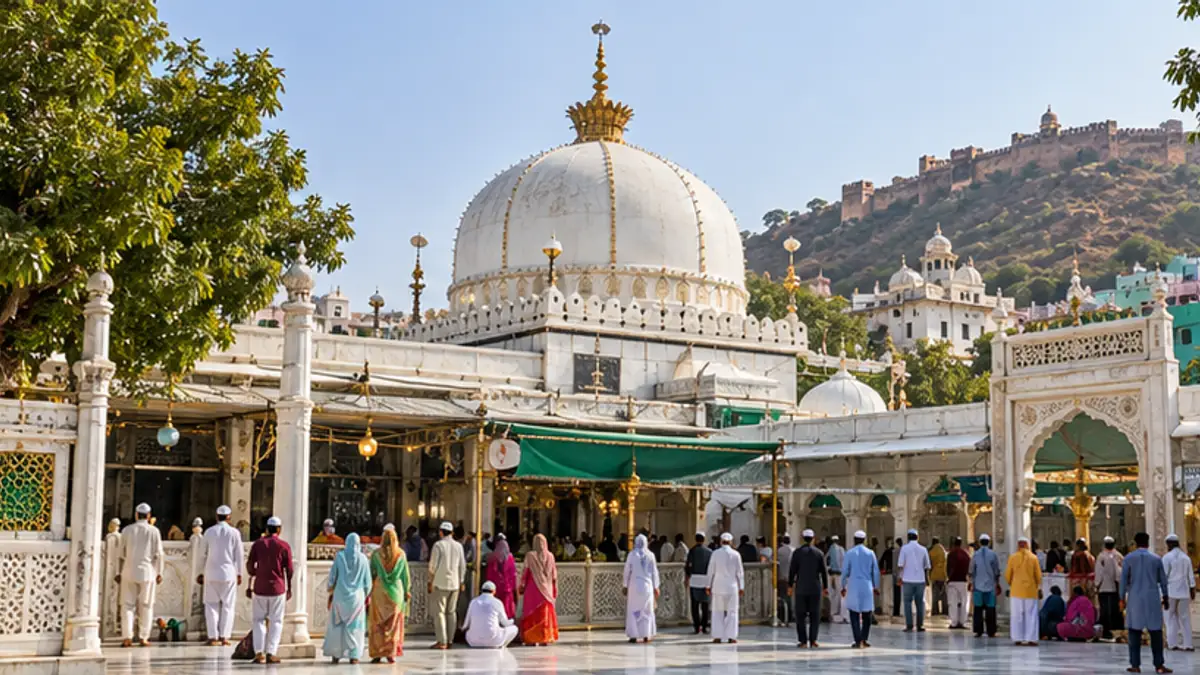
The Dargah Sharif complex contains white marble courtyards, massive cauldrons known as deghs for community cooking, and silver-plated gates donated by Mughal emperors Akbar and Shah Jahan. Visitors regularly attend evening qawwali performances in the mehfil khana.
Above the city stands Taragarh Fort, built in the 12th century by Chauhan ruler Ajaypal. Nearby, Adhai Din Ka Jhonpra displays intricate 12th-century calligraphy carved upon pillars repurposed from early Hindu and Jain structures. Plan your visit with gate schedules, evening qawwali hours, and hillside routes in our Ajmer Sharif Dargah and Taragarh Fort guide.
10. Chittorgarh: Hill Fort of Mewar Valour
Chittorgarh Fort sits atop a 180-meter high rocky hill, spanning 700 acres as the largest fortification complex in India. The fortress endured three major historic sieges by Alauddin Khilji, Bahadur Shah, and Akbar, remembered for legendary acts of Rajput resistance and Jauhar.
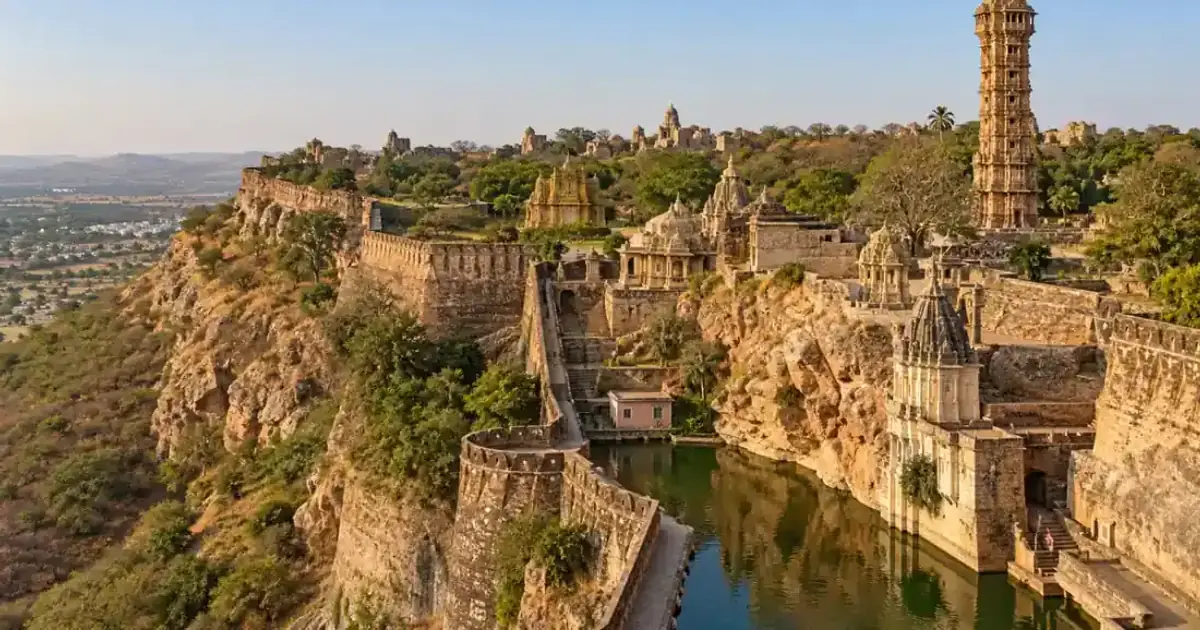
The ramparts contain Vijay Stambh, a nine-story victory tower built by Rana Kumbha in 1448 CE, standing 37 meters tall with sculptures of Hindu deities. Nearby stands Kirti Stambh, a 22-meter Jain tower dedicated to Adinatha.
Travelers can explore Padmini Palace surrounded by a water moat, Rana Kumbha Palace ruins, and the ancient Meera Bai Temple. Check our Chittorgarh Fort sightseeing itinerary for detailed walking maps and photography points.
11. Bharatpur: Keoladeo National Bird Sanctuary
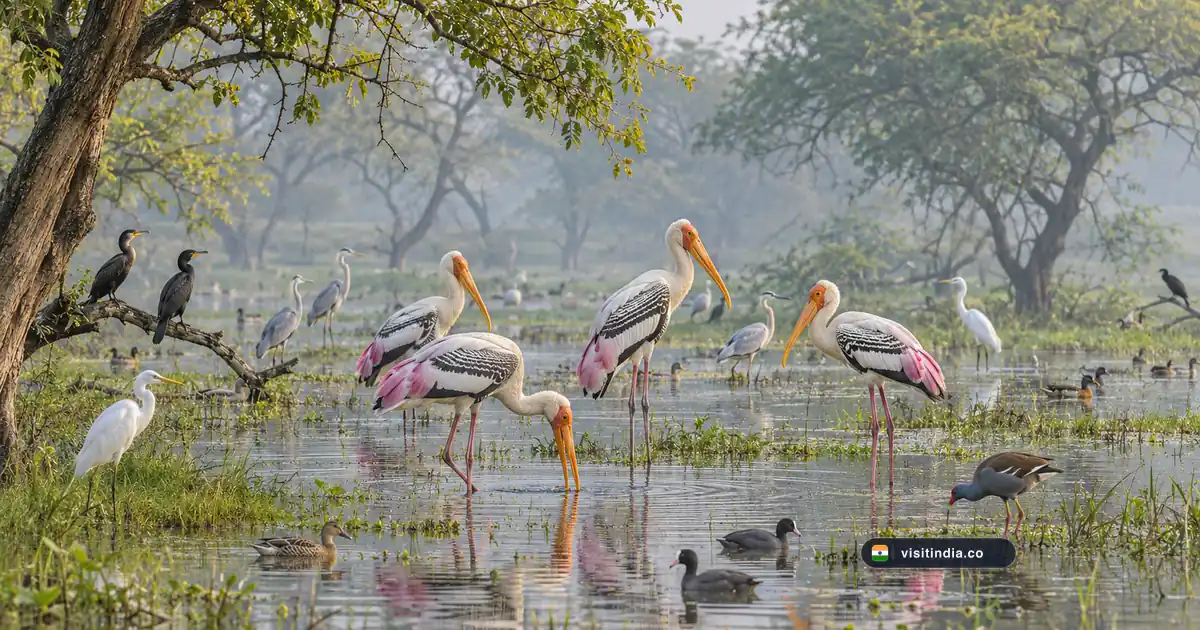
Bharatpur serves as Rajasthan’s eastern gateway, situated 55 kilometers west of Agra in the fertile Yamuna basin. The city is celebrated for Keoladeo National Park, a UNESCO World Heritage bird sanctuary covering 29 square kilometers of artificial wetlands and woodland marshes.
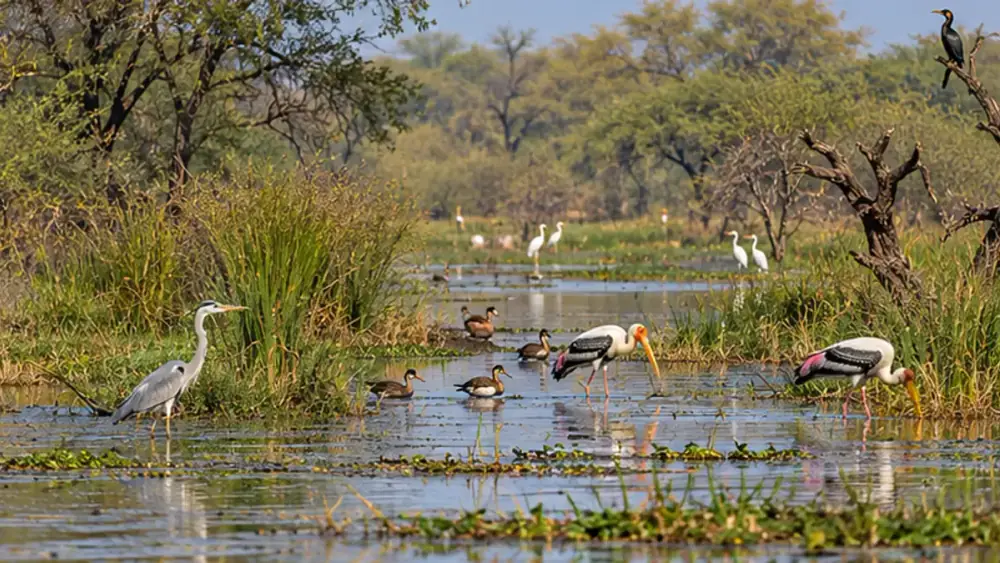
The park hosts over 370 resident and migratory bird species, including painted storks, spoonbills, and pelicans during winter breeding months. Practical rickshaw tariffs, gate opening hours, and nearby Chambal riverboat safaris are detailed in our Keoladeo Bharatpur and Chambal gharial safari guide, where visitors explore paved trails on cycle rickshaws guided by certified local naturalists.
Within Bharatpur town, Lohagarh Fort stands as one of the few forts in India to withstand repeated British military sieges, protected by thick mud bastions and a deep water moat. The Government Museum inside preserves stone sculptures and armaments from regional excavation sites.
12. Alwar: Sariska Tiger Reserve and Bhangarh Fort
Alwar lies in the northern Aravalli corridor, roughly 150 kilometers south of New Delhi. Founded in 1049 CE, the city offers accessible wildlife reserves, Rajput fortifications, and lakeside palaces.
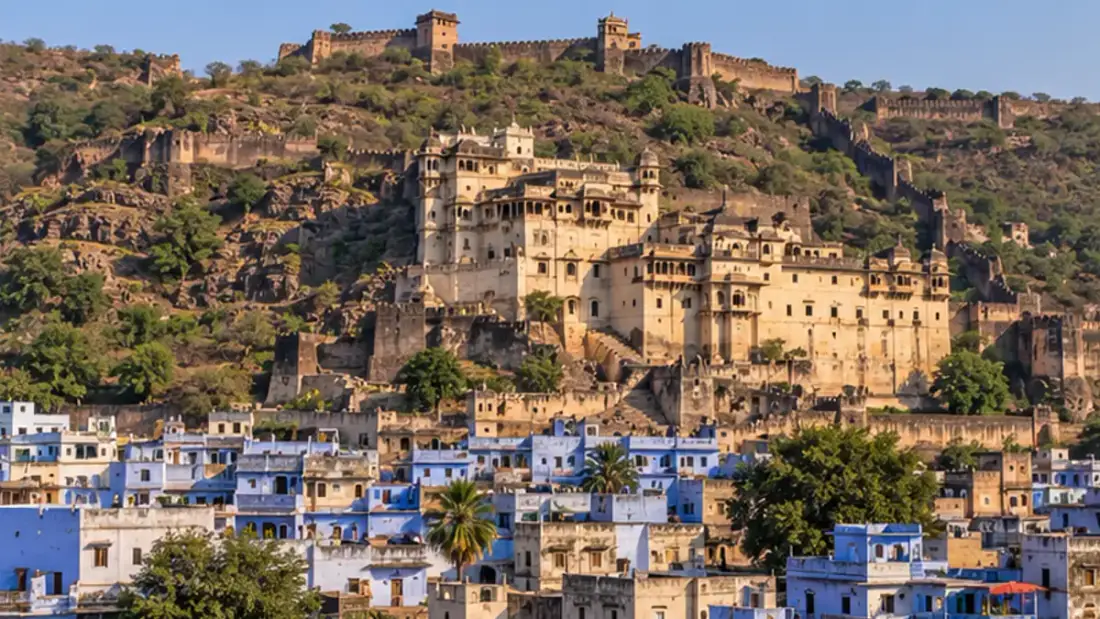
Bala Quila, or Alwar Fort, crowns a 300-meter cliff above town, featuring six historical entry gates and sweeping views over the surrounding valleys. Below the fort, the City Palace and Moosi Maharani Ki Chhatri display double-tiered marble cenotaphs beside a stepped water tank.
Sariska Tiger Reserve lies 35 kilometers south, where visitors can track Royal Bengal tigers, striped hyenas, and leopards across dry deciduous valleys. Nearby, the ruined 17th-century settlement of Bhangarh Fort attracts heritage enthusiasts with its abandoned market streets and stone gateways.
13. Kumbhalgarh: The Great Wall of India
Kumbhalgarh Fort sits in the Rajsamand district, 85 kilometers north of Udaipur. Built in the 15th century by Maharana Kumbha, the fort provided an invincible mountain stronghold for the rulers of Mewar during times of war.
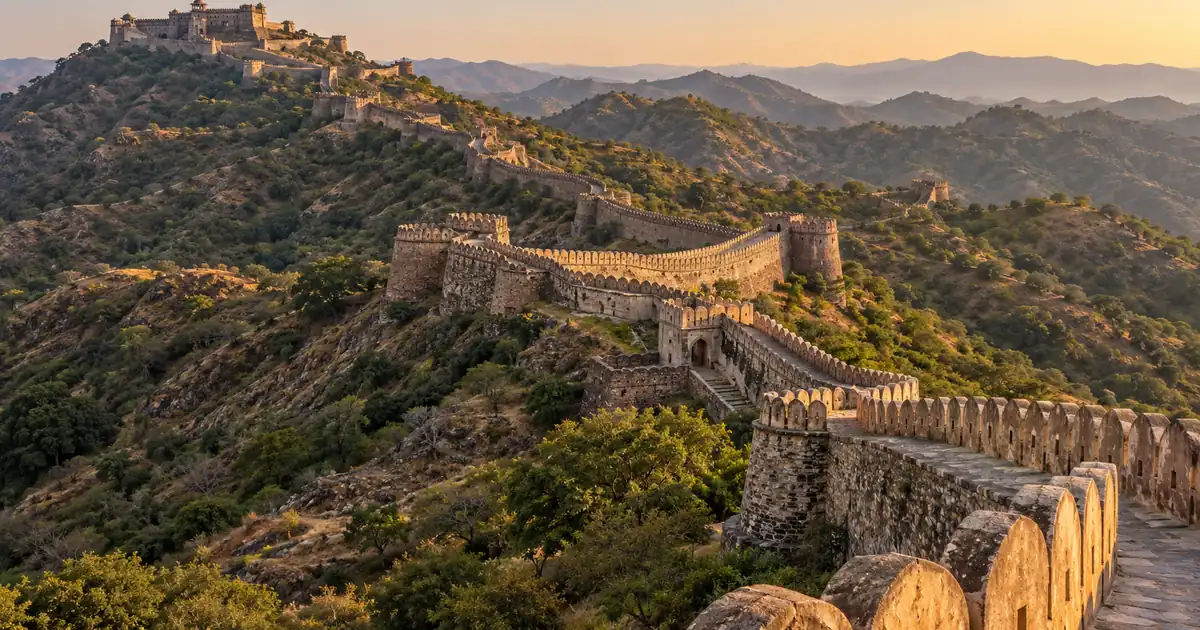
The fort is famous for its defensive perimeter wall, which stretches continuously for 36 kilometers along the Aravalli ridges, ranking as the second-longest unbroken wall in the world. The battlements are up to 15 feet thick, designed to accommodate horse-mounted patrol squadrons.
Inside the fort walls lie over 360 ancient temples, including the grand Neelkanth Mahadev Temple. Badal Mahal sits at the highest point of the fortress, featuring decorated chambers where Mewar ruler Maharana Pratap was born in 1540 CE.
14. Shekhawati: Painted Mansions and Havelis
Shekhawati covers a semi-arid cultural region comprising Sikar, Jhunjhunu, and Churu districts in northern Rajasthan. Prosperous Marwari merchant families constructed hundreds of elaborate residential mansions, or havelis, throughout the 18th and early 20th centuries.
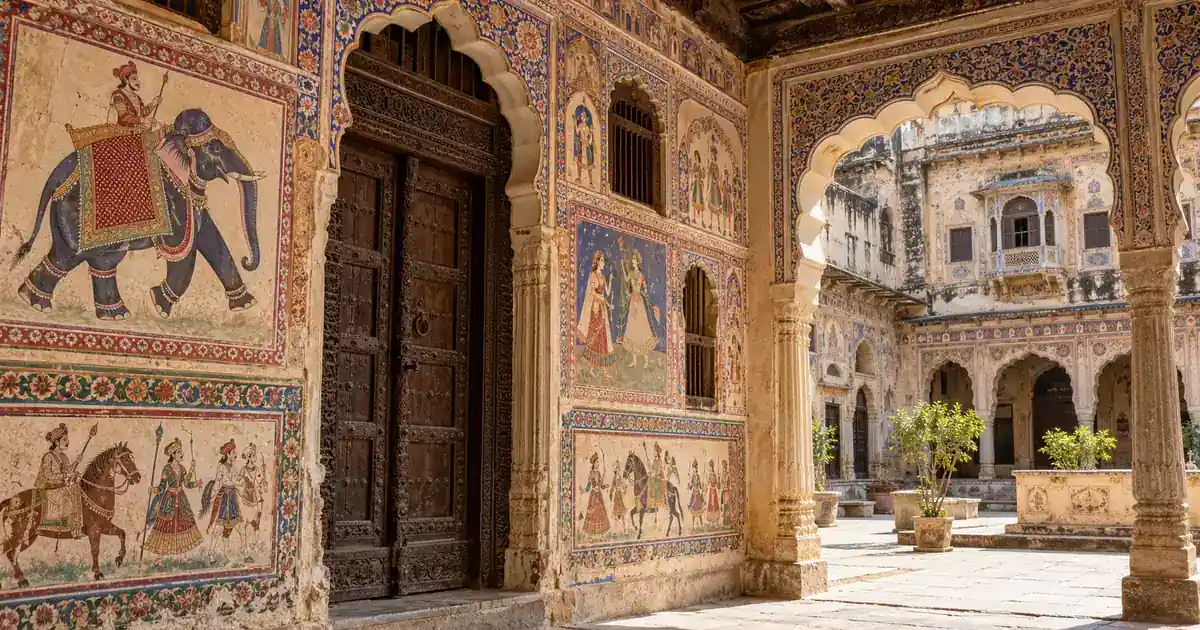
The towns of Nawalgarh, Mandawa, and Fatehpur operate as an open-air art gallery, with walls adorned with natural vegetable-dye frescoes. Artists depicted traditional mythological epics alongside curious early-20th-century European innovations such as motorcars, trains, and gramophones.
Notable properties include Podar Haveli Museum and Morarka Haveli in Nawalgarh, alongside the painted mansions of Ramgarh. For town walking circuits, fresco history, and heritage hotel stays, consult our comprehensive Shekhawati Havelis guide.
15. Bundi: Stepwells, Blue Alleys, and Taragarh
Bundi sits in the Hadoti region of southeastern Rajasthan, celebrated for its quiet blue-washed houses, hilltop citadel, and ornate stepwells. Unlike busier tourist hubs, Bundi preserves an unhurried atmosphere within its medieval defensive walls.
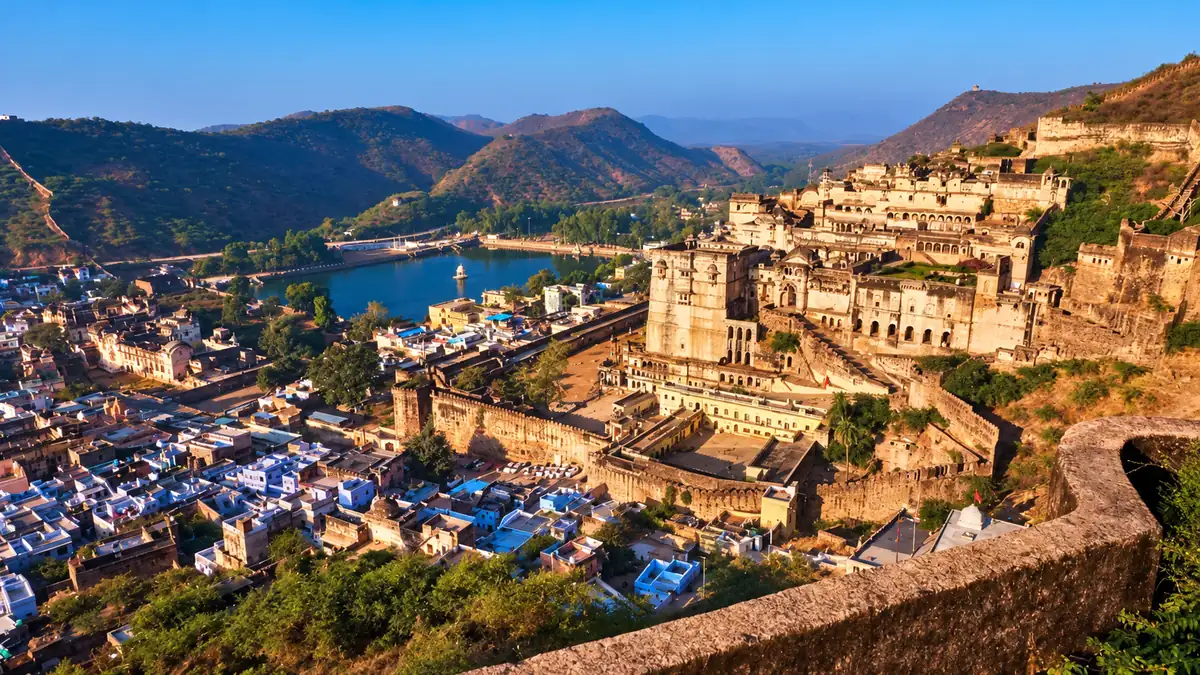
Taragarh Fort crowns a steep hillside above town, while Bundi Palace sits lower on the slope, containing the famous Chhatr Mahal and Chitrashala art gallery with miniature murals. The paintings depict scenes from the life of Lord Krishna, courtly darbars, and hunting parties.
Bundi is also known as the City of Stepwells, featuring more than 50 historical water monuments including Raniji ki Baori and Dabhai Kund. The nearby 84-Pillared Cenotaph stands on an elevated marble plinth, commemorating Rao Raja Anirudh Singh’s trusted general.
16. Neemrana: Ancient Stepwells and Heritage Fort Palace
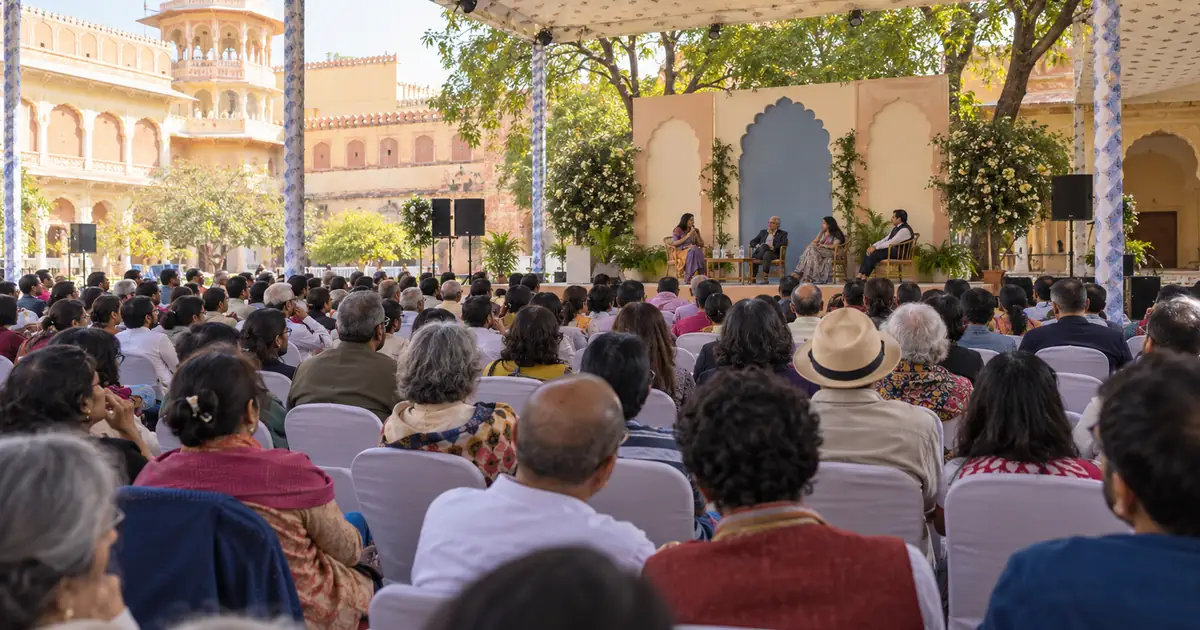
Neemrana lies along the Delhi-Jaipur highway in Kotputli-Behror district, approximately 120 kilometers from Indira Gandhi International Airport. Travelers motoring between Delhi and the state capital for winter cultural gatherings like the Jaipur Literature Festival often make Neemrana a scenic overnight transit stop.
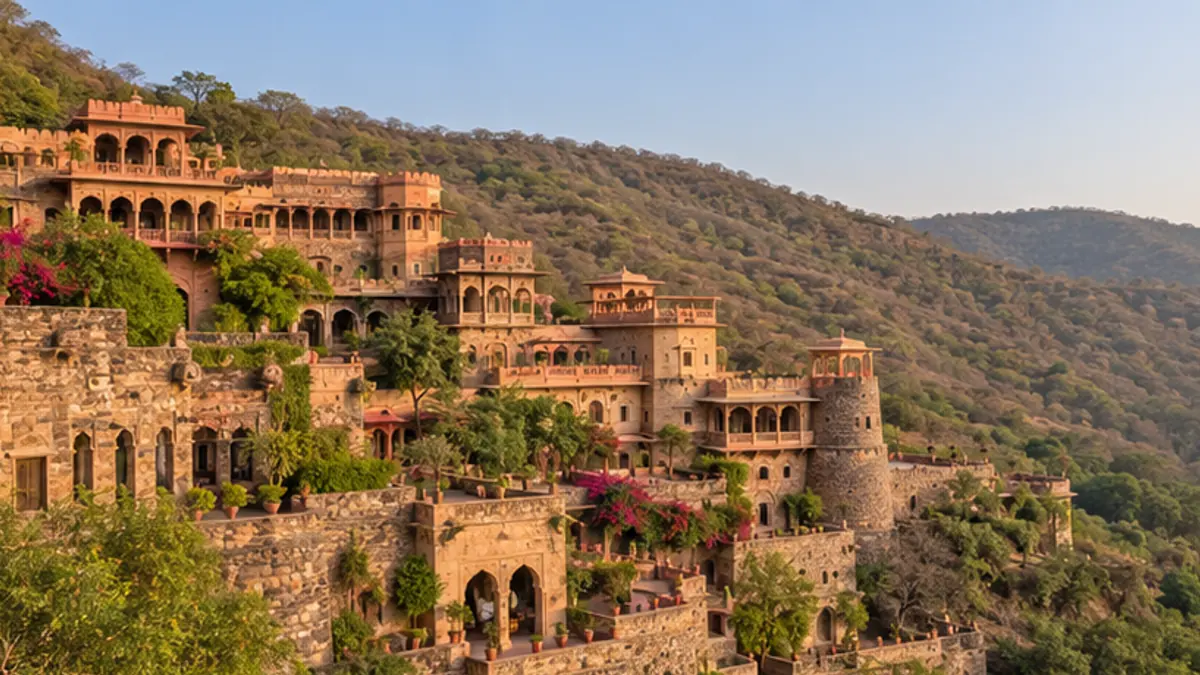
The property operated as the ancestral seat of descendants of Prithviraj Chauhan before being restored as a notable heritage hotel. Guests can take aerial zipline tours across the fort battlements with views over the Aravalli foothills.
A short walk from the fort complex leads to Neemrana Baori, a massive nine-story underground stepwell constructed in the 18th century for desert travelers. The subterranean structure drops 250 feet underground with carved galleries designed to collect monsoon rainwater.
17. Ranakpur: Jain Temple of 1,444 Marble Pillars
Ranakpur rests in a tranquil forested valley of Pali district on the western slopes of the Aravalli range. The complex is celebrated globally for the 15th-century Chaumukha Temple, dedicated to Adinatha, the first Jain Tirthankara.
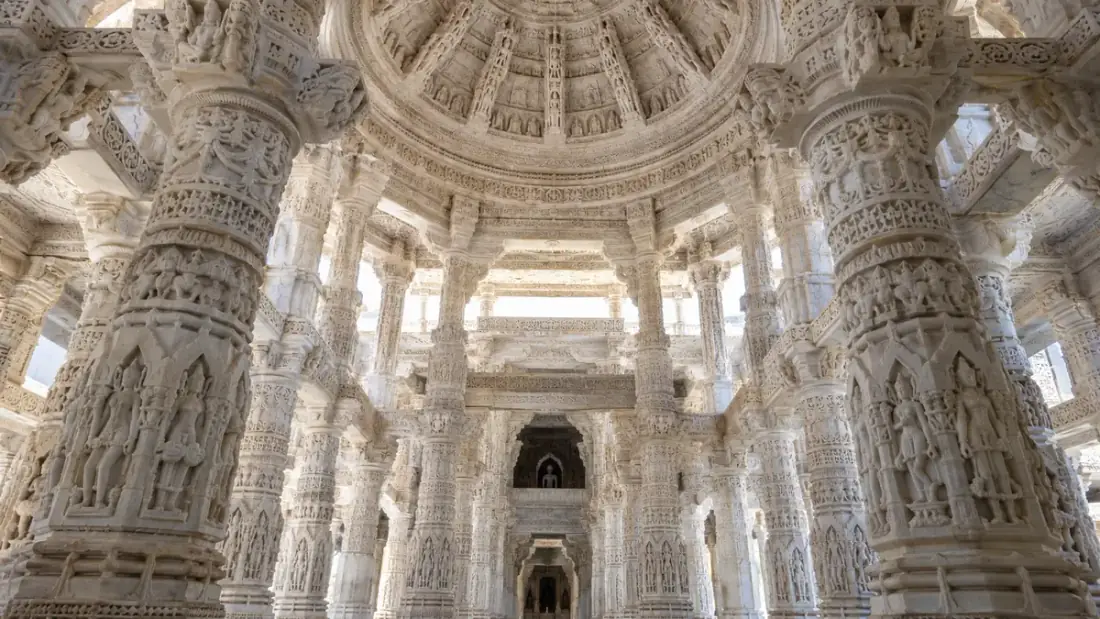
The temple complex is supported by 1,444 uniquely carved marble pillars, with no two pillars sharing identical ornamentation. The central sanctum is designed to admit natural sunlight from all four directions through soaring vaulted domes.
Local temple regulations enforce modest attire, requiring covered shoulders and legs, and prohibit leather accessories inside the complex. Visitors can explore surrounding foothill trails where gray langurs and spotted deer inhabit the adjoining forest reserve.
18. Nathdwara: Sacred Banas Basin and Shrinathji Temple
Nathdwara sits along the banks of the Banas River in Rajsamand district, 45 kilometers northeast of Udaipur. The pilgrimage center is famous for the 17th-century Shrinathji Temple, which enshrines a sacred black marble deity of Lord Krishna brought from Govardhan in 1672.
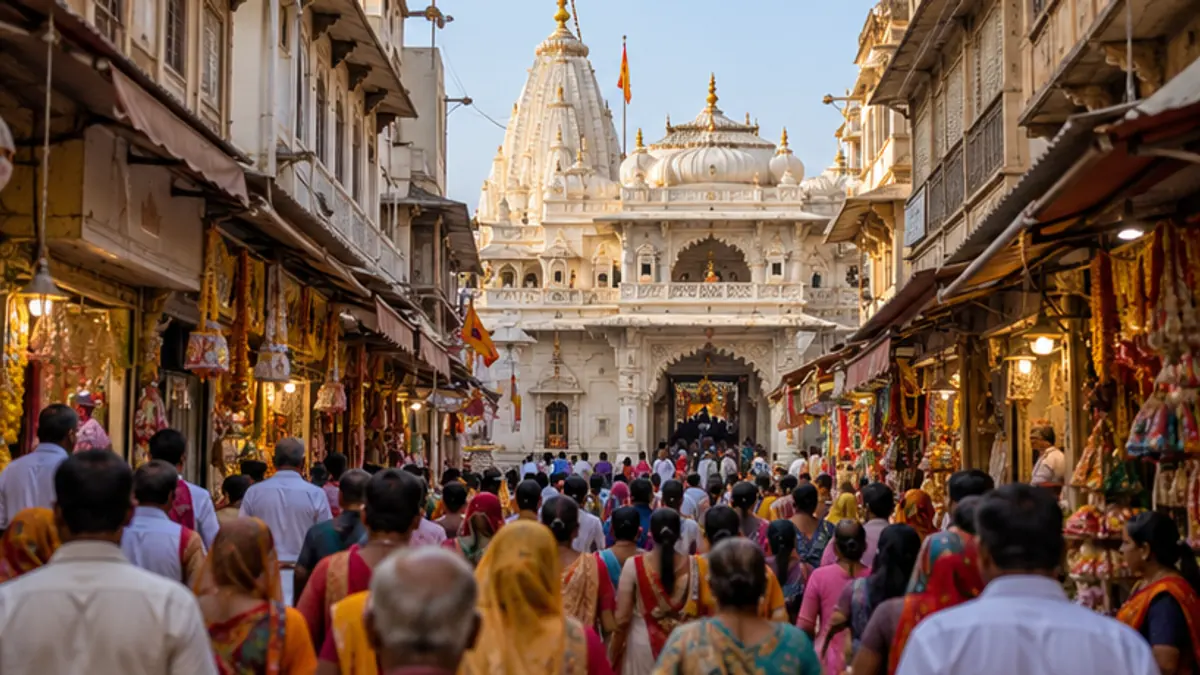
The temple functions as the spiritual headquarters of the Pushtimarg Vaishnava sect, drawing large crowds during Annakutta, Janmashtami, and Holi festivals. Local bazaars are renowned for authentic Pichwai paintings depicting Krishna’s childhood pastoral pastimes on cloth backdrops.
Visitors can also explore the 369-foot Vishwas Swaroopam (Statue of Belief) Shiva statue nearby, which ranks among the tallest statues in the world. Express buses connect the town directly to Udaipur and Ahmedabad.
19. Garadia Mahadev: Chambal River Canyon
Garadia Mahadev lies 30 kilometers south of Kota in the Hadoti region, where the Chambal River carves a dramatic U-shaped horseshoe gorge through sandstone cliffs. The site features an ancient Shiva shrine located on a rocky promontory 500 feet above the river gorge.
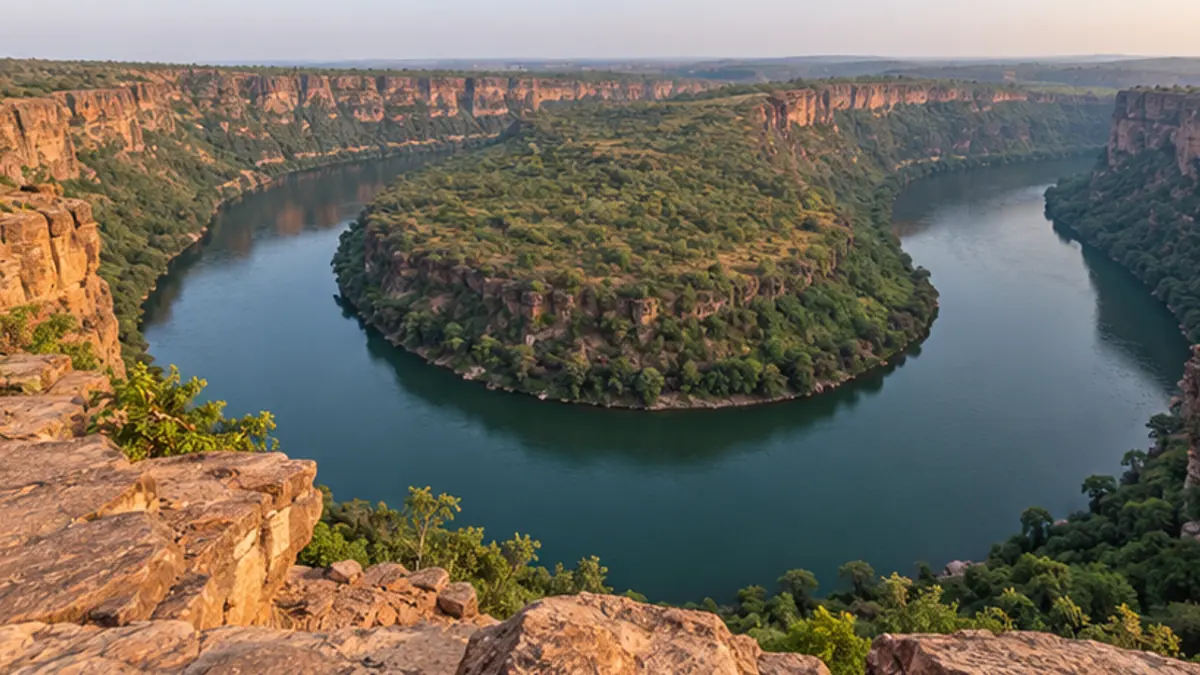
The viewpoint overlooks the flowing waters of the National Chambal Sanctuary, an aquatic habitat protecting endangered gharials, mugger crocodiles, and Gangetic river dolphins. The site provides unobstructed views of desert flora, sandstone cliffs, and migratory birds.
The state forest department maintains visitor ticketing counters, railings, and parking spaces at the sanctuary gate. Sunset hours offer the most dramatic light as golden rays illuminate the gorge walls.
20. Sam Sand Dunes: Thar Desert Wilderness
The Sam Sand Dunes lie 45 kilometers west of Jaisalmer town, featuring sweeping 30-meter high shifting sand ridges along the Thar Desert border. These desert flats provide the primary base for traditional camel treks, jeep safaris, and overnight Swiss tent camps.
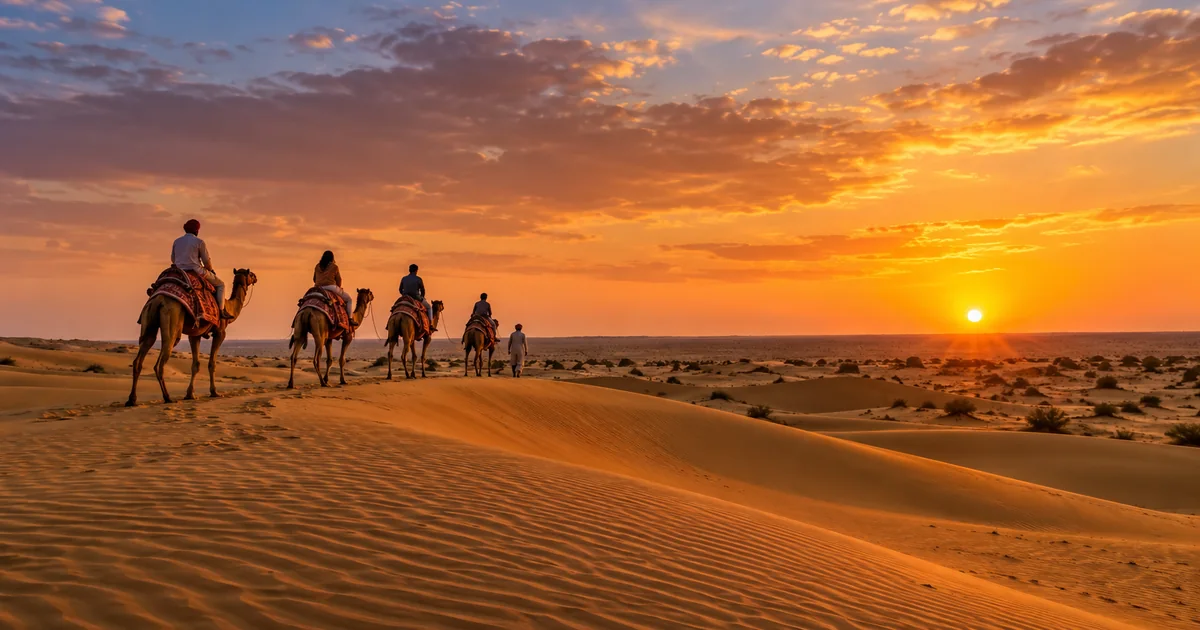
Visitors can arrange 4x4 dune bashing tours across remote ridges, followed by evening Rajasthani folk performances featuring Kalbelia dancers and Manganiyar musicians. Detailed safari rates and camp packages are reviewed in our Sam Sand Dunes in Jaisalmer guide.
Travelers seeking quieter desert landscapes can visit Khuri Dunes, located 50 kilometers southwest of Jaisalmer. Detailed booking tips and packing recommendations help ensure a smooth excursion across the sands.
Curated 3-Day, 5-Day, 7-Day, and 10-Day Rajasthan Itineraries
3-Day Itinerary: The Jaipur Heritage Classic
- Day 1: Arrive in Jaipur, explore City Palace, Jantar Mantar, and Hawa Mahal.
- Day 2: Morning excursion to Amer Fort, Jaigarh Fort, and evening sunset at Nahargarh Fort.
- Day 3: Albert Hall Museum, Johari Bazaar handicraft shopping, and evening departure.
5-Day Itinerary: Golden Triangle to Mewar Lakes
- Days 1–2: Jaipur fort circuit, City Palace, and local textile markets.
- Day 3: Morning express train or private cab to Jodhpur; tour Mehrangarh Fort and Jaswant Thada.
- Days 4–5: Drive to Udaipur via Ranakpur Jain Temple; enjoy Lake Pichola boat cruise and City Palace.
7-Day Itinerary: The Royal Rajasthan Triangle
- Days 1–2: Jaipur monuments and heritage walks.
- Days 3–4: Jodhpur Mehrangarh Fort, blue city alley walks, and Mandore Gardens.
- Days 5–6: Udaipur City Palace, Bagore Ki Haveli, and Saheliyon Ki Bari.
- Day 7: Excursion to Chittorgarh Fort or Kumbhalgarh before departure.
10-Day Itinerary: Grand Desert and Heritage Grand Tour
- Days 1–3: Jaipur, Ajmer Dargah, and Pushkar holy lake circuit.
- Days 4–5: Bikaner Junagarh Fort, Karni Mata Temple, and camel research center.
- Days 6–7: Jaisalmer living fort, Patwon Ki Haveli, and overnight camping at Sam Sand Dunes.
- Days 8–9: Jodhpur Mehrangarh Fort and scenic drive south to Udaipur.
- Day 10: Udaipur lake cruise, Sajjangarh Monsoon Palace, and farewell dinner.
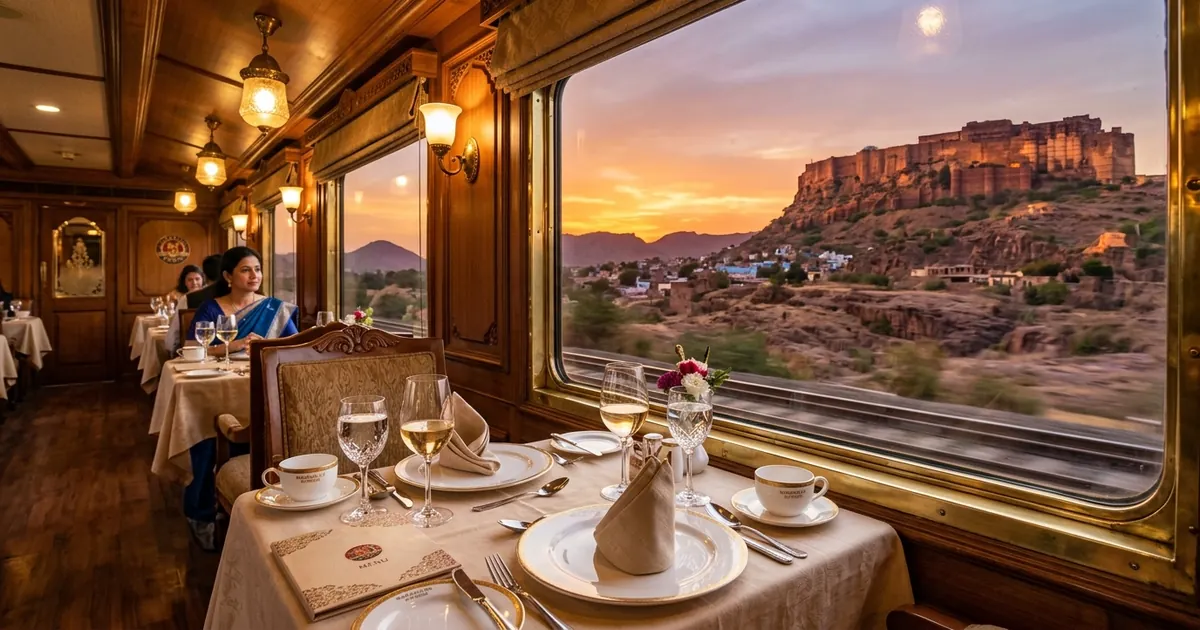
Travelers can verify connecting train timetables and luxury tourist rail journeys such as the Palace on Wheels through the IRCTC Tourism Official Portal and Incredible India Official Tourism Portal. International visitors planning a journey should also consult our India tourist visa application guide before finalizing flight reservations.
Frequently Asked Questions About Visiting Rajasthan
Which is the most visited place in Rajasthan?
Jaipur stands as the most visited destination in Rajasthan, attracting millions of travelers annually with Amer Fort, Hawa Mahal, and City Palace. Its proximity to Delhi within the classic Golden Triangle tourist route makes it the state’s busiest entry point.
How many days are enough for a Rajasthan trip?
A 7-day trip provides adequate time to experience the signature trio of Jaipur, Jodhpur, and Udaipur at a comfortable pace. Travelers seeking to include the desert dunes of Jaisalmer or tiger safaris at Ranthambore should allocate 10 to 12 days.
What is the best time to visit Rajasthan?
The best travel window for Rajasthan spans October through March when cool winter weather allows comfortable daytime monument exploration. Summer months between April and June bring intense heat with temperatures frequently surpassing 42°C across desert districts.
Which city is better to visit, Jaipur or Udaipur?
Jaipur is ideal for visitors seeking massive hilltop fortifications, active gemstone bazaars, and rapid connectivity from Delhi. Udaipur appeals to travelers looking for quiet lakeside promenades, sunset boat cruises on Lake Pichola, and scenic palace architecture.
What are the top pilgrimage shrines in northern Rajasthan?
Northern Rajasthan features major devotional centers including Khatu Shyam Ji in Sikar and the unique bearded Hanuman shrine in Churu district, detailed in our Salasar Balaji Temple guide.