Jaisalmer Fort Guide: Timings, Entry Fees, History & Havelis
Explore Jaisalmer Fort with updated visiting hours, museum ticket fees, living quarters, Jain temples, havelis, and desert travel tips in Rajasthan.
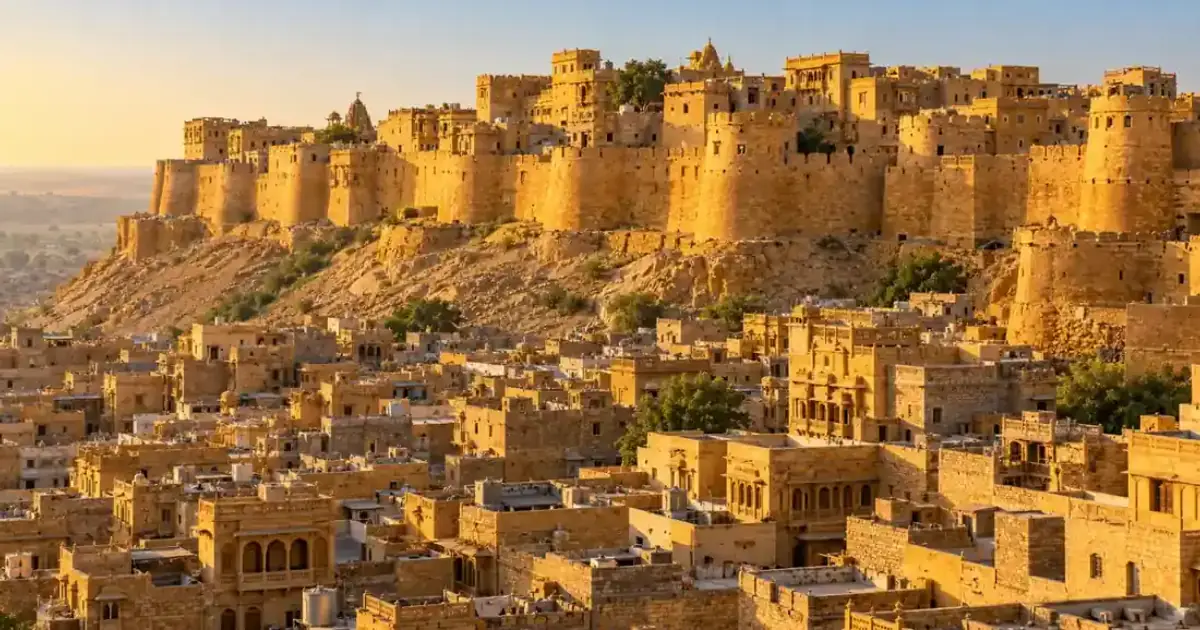
Jaisalmer Fort stands as one of the world’s few surviving fully inhabited desert bastions in western Rajasthan. Known locally as Sonar Quila, its massive ramparts blend into the Thar Desert sands and shelter ancient palaces, carved Jain shrines, and multi-generational family homes. A cornerstone of any comprehensive sightseeing in Jaisalmer, the citadel thrives as an active community rather than a quiet museum.
Heritage & Visitor Essentials
- Jaisalmer Fort stands atop Trikuta Hill in central Jaisalmer, Rajasthan, rising 76 meters above the surrounding Thar Desert plain.
- Fort walking gates and residential street alleys remain accessible 24 hours daily, while the Raj Mahal Palace Museum opens from 9:00 AM to 6:00 PM.
- General walking admission to the living fort is completely free, while entry to the Raj Mahal Palace Museum costs ₹100 for Indian nationals and ₹250 for foreign tourists.
- October through March provides comfortable desert travel weather with daytime temperatures averaging between 15°C and 28°C.
Jaisalmer Fort Timings and Museum Entry Fees
Walking through the public gates, bazaars, and residential alleys of Jaisalmer Fort is entirely free of charge at all hours. Because more than 4,000 residents live inside the citadel, public thoroughfares remain open around the clock.
Special attraction sections inside the citadel operate on set visitor schedules. The seven historic Jain temples welcome community devotees from 8:00 AM to 12:00 PM and open to non-Jain tourists from 12:00 PM to 6:00 PM. The primary royal residence, Raj Mahal, houses the official palace museum and operates under administrative oversight from the Rajasthan Tourism Development Corporation Jaisalmer Guide.
| Section or Service | Operating Hours | Indian Citizens | Foreign Visitors |
|---|---|---|---|
| Living Fort Public Gates | Open 24 Hours Daily | Free Entry | Free Entry |
| Raj Mahal Palace Museum | 9:00 AM to 6:00 PM | ₹100 | ₹250 |
| Jain Temples Complex | 12:00 PM to 6:00 PM (Tourists) | ₹50 | ₹100 |
| Audio Guide Rental (Raj Mahal) | 9:00 AM to 5:00 PM | ₹150 | ₹250 |
| Still Camera Fee | Museum Hours | ₹50 | ₹100 |
| Evening Light & Sound Show | 6:30 PM (Hindi) / 7:45 PM (English) | ₹100 | ₹200 |
Pro Tip
Hire an authorized government guide at the Akshya Pol entrance gate to navigate the labyrinthine alleys, and carry cash in small denominations because digital payment networks can be intermittent inside thick stone chambers.
History of Sonar Quila: Rao Jaisal and the Great Sieges
Jaisalmer Fort was founded in 1156 AD by the Bhati Rajput ruler Maharawal Jaisal, following advice from a local hermit to relocate his capital from Lodhruva to the defensible summit of Trikuta Hill. The citadel was constructed at the strategic crossroads of major trans-Eurasian trade routes, connecting northern Indian mercantile centers with Persia, Arabia, and Central Asia.
Protected by triple rings of yellow sandstone walls, the stronghold features 99 defensive bastions constructed between 1633 and 1647 to repel invaders. Historical documentation preserved by the Archaeological Survey of India Jodhpur Circle Monument Register chronicles the legendary 1299 AD siege by Alauddin Khalji of the Delhi Sultanate, which lasted eight years before culminating in the historic rite of Jauhar.
The fort remained the direct administrative seat of the Bhati rulers until the mid-20th century. Following Indian independence in 1947, the royal family transitioned administrative oversight of public squares to civic authorities while maintaining ownership of key palace wings.
Inside the Living Fort: Palaces, Havelis, and Jain Temples
Unlike uninhabited historical citadels like the hill fortress of Chittorgarh, Jaisalmer Fort houses approximately 4,000 permanent residents who run generational shops, loom workshops, and cafes. Its winding stone alleys are paved with smooth flagstones that stay cool during scorching afternoons.
Key interior monuments warranting dedicated exploration include:
- Raj Mahal (Palace Museum): The seven-storied royal residence features carved jharokha balconies, the royal coronation throne, armoury exhibits, and silver royal palanquins.
- Seven Interconnected Jain Temples: Built between the 12th and 15th centuries using interlocking yellow limestone without mortar, these temples are dedicated to Tirthankaras including Sambhavnath and Parshvanath.
- Laxminath Temple: Dedicated to Lord Vishnu and Goddess Lakshmi, this 14th-century temple serves as the spiritual heart for Hindu residents of the fort.
- Historic Havelis: The merchant mansions inside the citadel, including branch residences of Patwon Ki Haveli, display filigreed lattices and wooden ceilings inlaid with glass.
Best Viewpoints and Sunset Spots on the Bastions
Canon Point and the rooftop terraces near the southern ramparts offer panoramic views across the golden desert city. From these elevated ledges, travelers can look down upon the old quarter of Jaisalmer where flat-roofed houses are painted in soft desert tones.
During late afternoon, the setting sun hits the yellow sandstone walls and turns the masonry into deep amber shades, earning the monument its cinematic title Sonar Quila. Many travelers spend late afternoons here before journeying westward to witness the desert dunes at Sam Sand Dunes.
How to Reach Jaisalmer Fort from the Airport and Railway Station
Jaisalmer Fort sits directly in the center of the old town and is reachable by train, flight, or roadway services across Rajasthan. According to transport updates from the District Administration Jaisalmer Tourism Directory, auto-rickshaws and battery-operated e-rickshaws provide the primary direct transfer to the base of the citadel.
- By Train: Jaisalmer Railway Station is located just 2 kilometers east of the main entrance gate. Prepaid auto-rickshaws cost between ₹50 and ₹100, reaching the fort entrance in less than ten minutes.
- By Air: Jaisalmer Airport operates seasonal commercial flights roughly 15 kilometers southeast of the city center. Taxis from the airport terminal to the citadel cost between ₹400 and ₹600.
- By Road: Jaisalmer connects smoothly with Jodhpur (280 km) and Bikaner (330 km) via National Highway 11. Private vehicles must park in municipal lots outside Gopa Chowk, as private cars are strictly barred inside the ramparts.
- Local Connectivity: Desert expeditions and Thar Desert safari expeditions arrange passenger pickups directly from hotels located outside the fort gates.
Best Season and Weather for Visiting the Golden Fort
October through March marks the ideal window to visit Jaisalmer Fort, when winter temperatures stay mild between 12°C and 27°C. Clear skies and gentle breezes make climbing the steep fortified inclines comfortable during mid-morning and early afternoon.
Summer months between April and June bring intense heat with daytime temperatures frequently topping 44°C, making outdoor exploration strenuous. Travelers visiting in early February can also attend the celebrated annual Jaisalmer Desert Festival, where folk dancers and musicians stage cultural events beneath the historic walls as part of broader Rajasthan heritage circuits.
Frequently Asked Questions About Jaisalmer Fort
Is entry to Jaisalmer Fort free?
Walking through the public gates, residential quarters, and markets of Jaisalmer Fort is completely free of charge. Separate entry tickets of ₹100 for Indian nationals and ₹250 for foreign tourists apply only when entering the Raj Mahal Palace Museum.
What are the visiting hours for Jaisalmer Fort?
The fort alleys and exterior ramparts remain accessible 24 hours daily because thousands of local citizens reside within its walls. The interior Raj Mahal Palace Museum and heritage Jain temples operate strictly between 9:00 AM and 6:00 PM.
Why is Jaisalmer Fort called a living fort?
Jaisalmer Fort is designated a living fort because approximately 4,000 descendants of the original royal court, soldiers, and merchants continue living permanently inside its historic ramparts. These residents run heritage guesthouses, artisan shops, handicraft stalls, and multi-generational rooftop cafes along its cobblestone pathways.
How much time is required to visit Jaisalmer Fort?
A thorough exploration of Jaisalmer Fort typically requires between three and four hours to tour the Raj Mahal, visit the intricate Jain temples, and walk the perimeter bastions. Visitors who wish to enjoy rooftop dining or browse handicraft shops should budget a half-day excursion.