Jaisalmer Desert Safari Guide: Cost, Timings, Camps & Dunes
Plan the ultimate Jaisalmer desert safari with verified rates, camel ride costs, 4x4 dune bashing timings, luxury Swiss camps, and Sam vs Khuri tips.
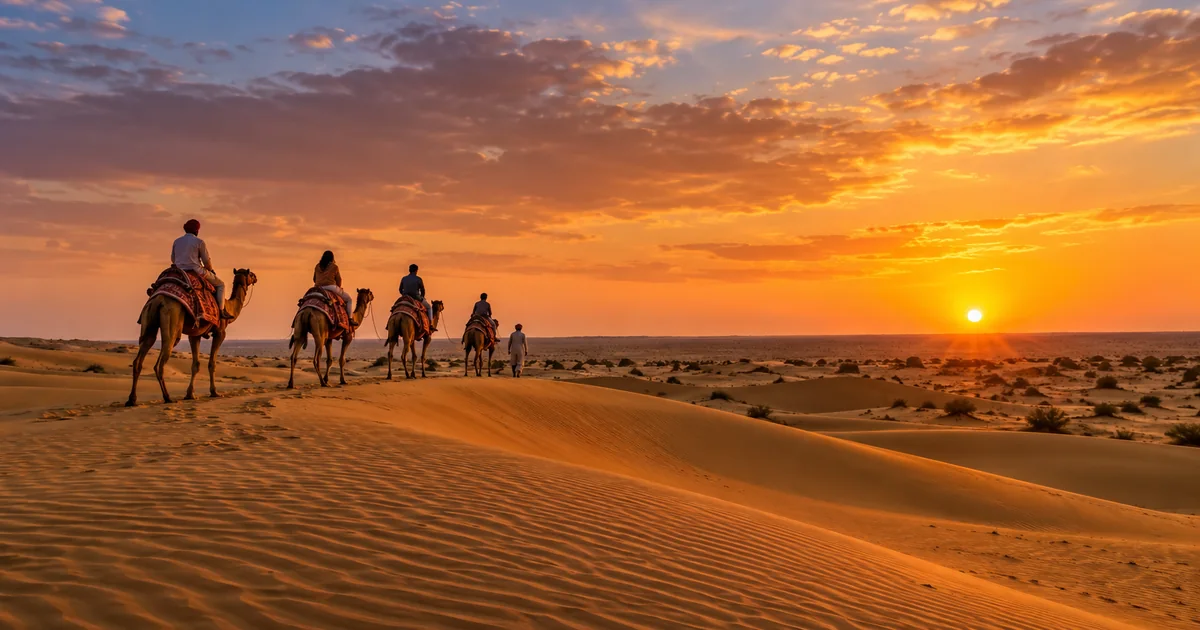
The golden sand dunes of the Thar Desert surrounding Jaisalmer represent one of the most celebrated outdoor experiences in western India. Stretching toward the international border in western Rajasthan, these shifting ripples of fine yellow sand provide an expansive playground for adventure sports and cultural exploration. Every winter, thousands of travelers journey into the desert to witness spectacular sunsets, ride camel caravans, and sleep under brilliant starry skies.
Desert safaris in Jaisalmer are centered around two primary dune fields: the active Sam Sand Dunes and the quieter village dunes of Khuri. Visitors can choose between high-speed motorized thrill rides and traditional camel treks that recall ancient Silk Road trading routes. Understanding pricing structures, seasonal weather variations, and camp facilities guarantees a well-planned desert expedition.
Jaisalmer Desert Safari Essentials
- Primary Dune Clusters: Sam Sand Dunes (42 km west, adventure sports and glamping) and Khuri Dunes (48 km southwest, peaceful and authentic).
- Expedition Timetable: Sunrise safari operates from 5:30 AM to 7:30 AM; sunset safari runs from 4:30 PM to 7:00 PM.
- Activity Costs: Camel safaris range from ₹400 to ₹600 per rider; private 4x4 dune bashing costs ₹1,500 to ₹2,500 per vehicle.
- Camp Stays: Overnight Swiss tent packages cost ₹2,500 to ₹4,000 for standard tents and up to ₹8,500 for luxury glamping.
- Ideal Travel Window: October to March provides mild daytime sunshine and crisp, chilly desert nights.
Sam Sand Dunes vs Khuri: Choosing the Right Desert Experience
Choosing between Sam and Khuri defines your entire Thar desert experience. Sam Sand Dunes is situated 42 kilometres west of Jaisalmer, renowned for sweeping thirty-metre-high sand waves and an energetic carnival atmosphere. For detailed dune layouts and seasonal activities, travelers consult our dedicated guide to Sam Sand Dunes near Jaisalmer.
Official state guidelines and regional highlights are maintained on the Rajasthan Tourism official Jaisalmer destination guide. Sam is packed with dozens of desert resorts offering luxury canvas living, folk dances, and fast-paced motorized desert sports.
Khuri Sand Dunes sits 48 kilometres southwest of the city, surrounded by traditional mud-walled villages and desert vegetation. It offers a contrasting experience centered on quiet camel walks, home-cooked local meals, and peaceful night skies free from loud music and vehicle headlights.
Sam Sand Dunes: The Adventure and Glamping Hub
Sam is the definitive center for organized desert tourism in Rajasthan. The wide expanse of treeless sand waves allows high-octane 4x4 dune bashing and quad bike excursions across steep sand ridges.
Scores of tented resorts line the peripheral road behind the dunes. These properties offer comfortable Swiss tents, evening buffet dining, and folk music shows, making Sam ideal for first-time visitors and family groups seeking structured entertainment.
Khuri Sand Dunes: Peaceful Heritage and Village Stays
Khuri appeals to travelers seeking silence, untouched sand crests, and authentic desert culture. The village preserves traditional round mud cottages known as jhumpas, decorated with white lime wash and colorful mirror work.
Because commercial camps are limited here, visitors enjoy tranquil walks across the sands without crowds of vendors. The sunset at Khuri is quiet and reflective, accompanied only by the soft jingling of camel bells and desert breezes.
Safari Activities: Camel Treks, Jeep Dune Bashing, and Quad Biking
A complete desert safari combines traditional animal-led treks with modern motorized sports across the dunes. Tour operators provide varied packages that can be tailored for slow-paced sightseeing or high-speed excitement. During winter, these activities often tie in with the colorful spectacles of the Jaisalmer Desert Festival celebration.
All motorized activities operate in designated zones supervised by experienced local drivers. Guests should verify safety gear and agree on clear ride durations before boarding vehicles at the dune roadhead.
Traditional Camel Safaris to Sunset Ridges
Camel treks remain the classic way to explore the Thar Desert. Accompanied by local handlers who lead the animals by rein, riders mount broad padded saddles and travel across shifting sand valleys toward the highest ridge lines.
A standard camel ride lasts between forty-five minutes and an hour, costing between ₹400 and ₹600 per person. The elevated vantage point allows travelers to observe desert flora, distant windmills, and panoramic golden horizons as the afternoon cools down.
4x4 Jeep Dune Bashing and Quad Biking Thrills
For travelers seeking high adrenaline, custom-built 4x4 Mahindra Thar jeeps offer thrilling dune bashing sessions. Skilled desert drivers power up steep forty-degree sand inclines and slide smoothly down soft sand faces at thrilling angles.
A private jeep session typically lasts thirty minutes and costs between ₹1,500 and ₹2,500 for up to five passengers. For solo thrills, quad bikes (all-terrain vehicles) provide fifteen-minute circuits across monitored sand courses for ₹800 to ₹1,200 per rider.
| Safari Activity or Package | Typical Duration | Approximate Cost (INR) | Inclusions and Highlights |
|---|---|---|---|
| Sunset Camel Safari | 45 to 60 minutes | ₹400 to ₹600 per person | Guided trek to sunset dune crest |
| 4x4 Jeep Dune Bashing | 30 minutes | ₹1,500 to ₹2,500 per jeep | High-speed thrill across sand crests |
| Quad Biking (ATV Ride) | 15 minutes | ₹800 to ₹1,200 per rider | Self-driven track with safety marshal |
| Parasailing over Dunes | 10 minutes | ₹800 to ₹1,500 per flight | Tethered high-altitude desert flight |
| Standard Camp Package | Overnight stay | ₹2,500 to ₹4,000 per couple | Swiss tent, dinner, folk dance, breakfast |
| Luxury Glamping Tent | Overnight stay | ₹5,000 to ₹8,500 per couple | AC tent, gourmet buffet, private bonfire |
Daily Safari Timings: Sunrise vs Sunset Expeditions
Timing your safari correctly ensures optimal comfort and lighting conditions across the sand dunes. Visitors balancing multiple sights can coordinate their desert trip using our curated places to visit in Jaisalmer guide.
Because midday temperatures in the desert remain intense even during winter, safaris are concentrated in the early morning and late afternoon windows. Each timing window offers distinct advantages for photography and sightseeing.
The Sunset Safari Phenomenon
Sunset safaris running from 4:30 PM to 7:00 PM represent the peak visiting window. Travelers depart Jaisalmer city by 3:30 PM to reach the dunes as the harsh afternoon glare softens into warm honey hues.
As the sun descends toward the horizon, the sand turns deep amber and shadows lengthen across dune hollows. Hundreds of camel carts line the crests, creating classic silhouette photo opportunities before travelers head to evening camp celebrations.
The Serenity of Sunrise Safaris
Sunrise safaris between 5:30 AM and 7:30 AM provide a starkly different, tranquil experience. Arriving at the dunes in the pre-dawn twilight reveals untouched sand ripples sculpted by overnight desert winds.
The morning air is crisp and invigorating, with temperatures often hovering around ten degrees Celsius. Watching the first rays of sunlight illuminate the cool sand in quiet stillness rewards early risers with uninterrupted photographic clarity.
Evening Desert Camps, Swiss Tents, and Rajasthani Cultural Programs
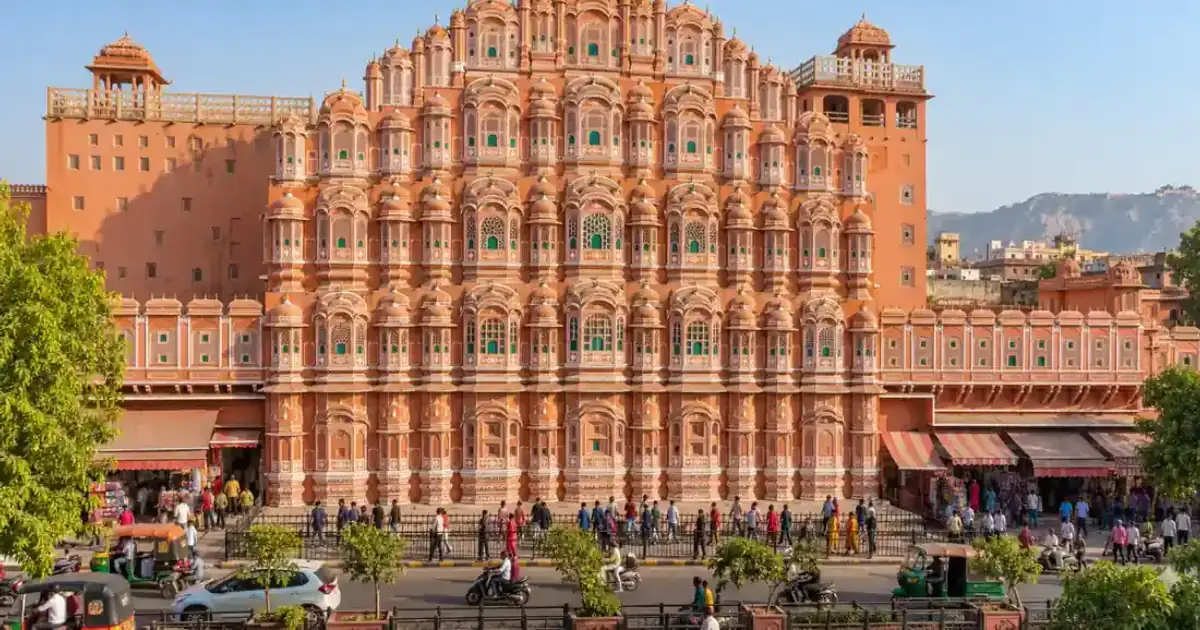
Spending a night in a desert camp allows visitors to experience the legendary hospitality of Marwar under open starry skies. Many travelers admire the city’s ornate sandstone carvings of Patwon Ki Haveli before heading into the desert for their overnight glamping stay.
Camps are laid out in semicircular compounds featuring central performance arenas surrounded by white canvas tents. The evening atmosphere blends traditional hospitality with festive regional entertainment.
Camp Hospitality and Swiss Tent Living
Standard desert camps feature spacious Swiss cottage tents built with double-layered waterproof canvas. Each tent contains a furnished bedroom area with twin or king mattresses, power outlets, electric lighting, and an attached tiled bathroom with running water.
Luxury glamping resorts take comfort further by providing air conditioning and heating units, handcrafted teakwood furnishings, and private open-air sit-outs facing the desert. Prices range from ₹2,500 to ₹4,000 for standard tents and up to ₹8,500 for luxury suites per night.
Folk Performances and Authentic Cuisine
Camp evenings commence around 7:00 PM with traditional welcome rituals involving tilak application, floral garlands, and rhythmic dhol beats. Guests gather around a glowing wood bonfire to witness mesmerizing folk performances.
Manganiyar musicians play the khartal, dholak, and sarangi, while Kalbelia dancers in black mirror-embroidered costumes perform acrobatic dances. Dinners are served as extensive buffets featuring traditional specialties like dal baati churma, gatte ki sabzi, ker sangri, and hot bajra rotis.
How to Reach the Desert Safari Hubs from Jaisalmer
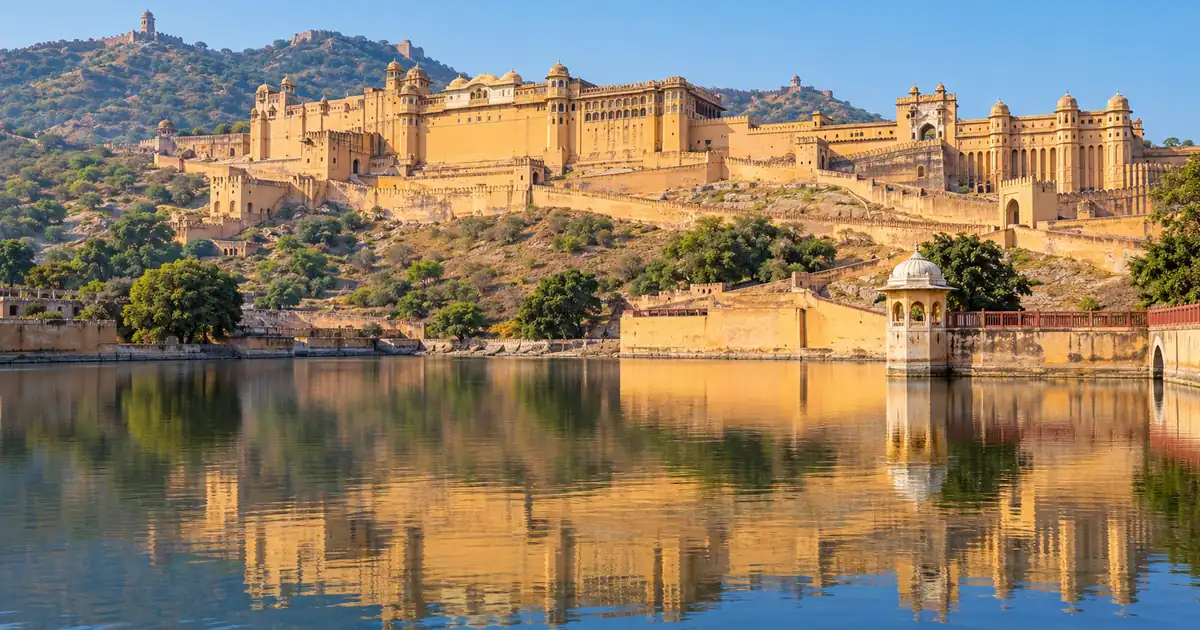
Reaching the desert dunes from Jaisalmer city is simple and scenic along wide, well-maintained tarmac roads. After touring the living citadel of Jaisalmer Fort, travelers can arrange private vehicles or group transfers directly to their designated camp.
Verified state travel guidelines and transit details are published on the Rajasthan Tourism official Sam Sand Dunes guide. The drive through the arid desert landscape provides an engaging introduction to rural Rajasthan.
Private Taxi and Shared Shuttles to Sam
Sam Sand Dunes lies 42 kilometres west of Jaisalmer along Sam Road. The drive takes approximately forty-five minutes in a private taxi or car, passing wind turbine fields and scattered acacia groves.
Hired taxis from Jaisalmer city charge approximately ₹1,500 to ₹2,500 for a round-trip journey that includes waiting time during your evening safari. Most desert camp packages include complimentary round-trip transfers from Jaisalmer railway station or city hotels.
Self-Drive Routes and Transit to Khuri
Travelers driving to Khuri follow the road southwest for 48 kilometres, reaching the village in roughly fifty minutes. The highway is quiet and in good condition, passing historical cenotaphs and small pastoral settlements.
Rental motorbikes and self-drive cars are readily available in Jaisalmer for independent travelers. Drivers should ensure their vehicles have sufficient fuel, as filling stations are scarce once you travel beyond the city perimeter.
Best Season, Desert Outfits, and Essential Packing Guidelines
The desert climate is characterized by dramatic diurnal temperature swings that require thoughtful preparation. National cultural and climatic overviews are accessible on the Incredible India official Jaisalmer Thar desert portal.
Understanding what to wear and pack prevents discomfort caused by blowing sand, intense afternoon sunshine, and chilly night breezes.
Seasonal Windows and Weather Changes
The optimal season for a desert safari runs from October through March. During these winter months, daytime temperatures range comfortably between 20°C and 28°C under clear sunny skies.
From April through June, summer brings extreme conditions with temperatures frequently exceeding 42°C, causing most desert camps to close. The monsoon from July to September brings occasional brief showers and high humidity, though rainfall in the Thar remains very low.
Desert Clothing and Footwear Advice
During daytime safaris, wear loose, lightweight cotton clothing with long sleeves to shield your skin from sun exposure and blowing sand. Earthy tones, bright reds, and yellows look striking against golden sand backgrounds in photographs.
Pack warm clothing including fleece jackets, woolen caps, and shawls for evening camp stays, as desert temperatures drop rapidly after dark to below eight degrees Celsius. Closed walking shoes or sneakers are strongly advised over open sandals to keep sand out while climbing the dunes.
Frequently Asked Questions About Jaisalmer Desert Safari
How much does a desert safari cost in Jaisalmer?
A standard camel safari costs between ₹400 and ₹600 per rider, while a 30-minute private 4x4 jeep dune bashing ride costs ₹1,500 to ₹2,500. Full overnight camp packages with Swiss tent accommodations, dinner, and cultural programs range from ₹2,500 to ₹8,500 per couple.
Which is better between Sam Sand Dunes and Khuri?
Sam Sand Dunes is ideal for travelers wanting active adventure sports, jeep dune bashing, quad biking, and glamping resorts with cultural shows. Khuri is preferable for those seeking a quiet, traditional experience with untouched sand dunes and peaceful rural homestays.
What is the best time of day to do a desert safari in Jaisalmer?
The sunset safari from 4:30 PM to 7:00 PM is the most popular due to warm golden light and lively evening camp celebrations. The sunrise safari from 5:30 AM to 7:30 AM is ideal for travelers seeking quiet, unprinted sands and cool morning breezes.
How far are the sand dunes from Jaisalmer railway station?
Sam Sand Dunes is located approximately 42 kilometres west of Jaisalmer railway station, requiring around forty-five minutes of driving. Khuri Sand Dunes sits 48 kilometres southwest of the city, taking about fifty minutes by taxi.
What should travelers wear on a Jaisalmer desert safari?
Wear breathable cotton clothing with long sleeves, sunglasses, and a wide-brimmed sun hat for daytime rides across the dunes. Bring a heavy jacket, woolen sweater, or warm shawl for evening campfire programs, as desert nights become very cold.
Is advance booking necessary for Jaisalmer desert camps?
Advance booking is strongly recommended during the peak winter months from November to February and during the annual Desert Festival. Booking ahead ensures quality tent selection, guaranteed activity slots, and clear package pricing.