Ranthambore Safari Booking Guide: Zones, Canter vs Gypsy & Tatkal
Plan your Ranthambore tiger safari with our complete guide covering Zones 1 to 10, Gypsy vs Canter vehicle choice, SSO Tatkal booking, and timings.
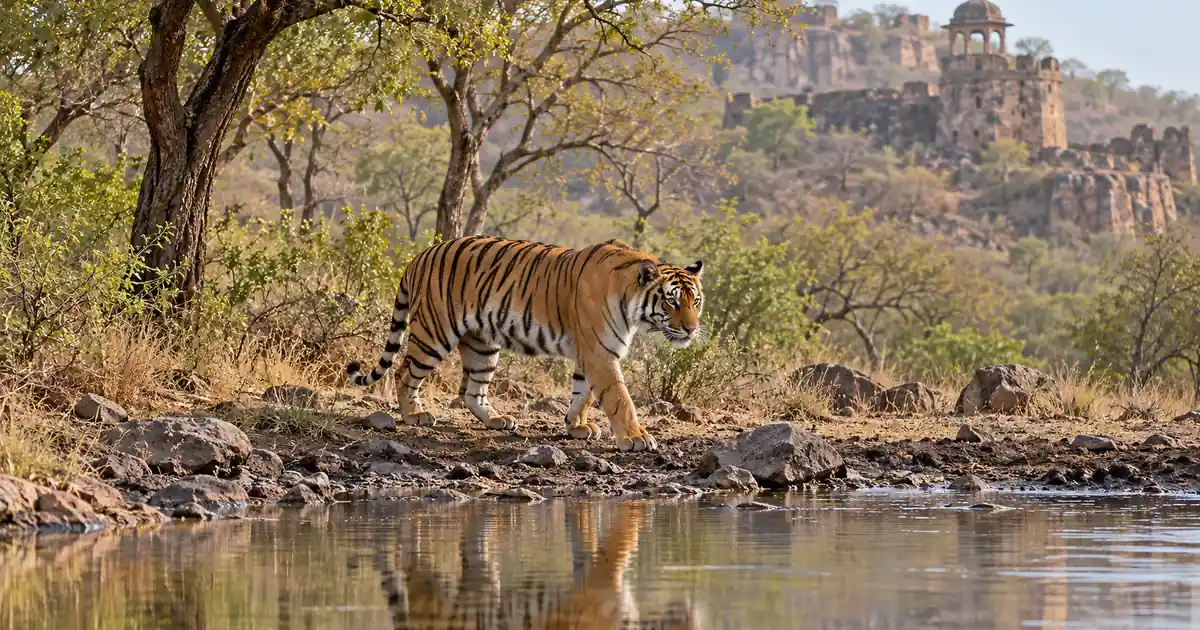
Ranthambore National Park occupies 1,334 square kilometers of rugged dry deciduous forest where the ancient Aravalli and Vindhya mountain ranges converge in southeastern Rajasthan. Once the private royal hunting reserve of the Maharajas of Jaipur, the sanctuary was designated under Project Tiger in 1973 and has grown into one of the world’s most renowned locations for wild tiger tracking and photography.
Ranthambore Safari Essentials
- Top Wildlife Attraction: Diurnal Royal Bengal tigers, leopards, sloth bears, marsh crocodiles, and sambar deer.
- Zone Structure: Ten designated safari zones; Zones 1 to 5 encompass historic core lake systems, while Zones 6 to 10 cover hilly buffer woodlands.
- Vehicle Formats: 6-seater 4x4 Maruti Gypsies and 20-seater open Canter buses.
- Booking Window: Advance permits open 365 days ahead via the Rajasthan Single Sign-On (SSO) portal; Tatkal quota opens on the morning prior to the safari date.
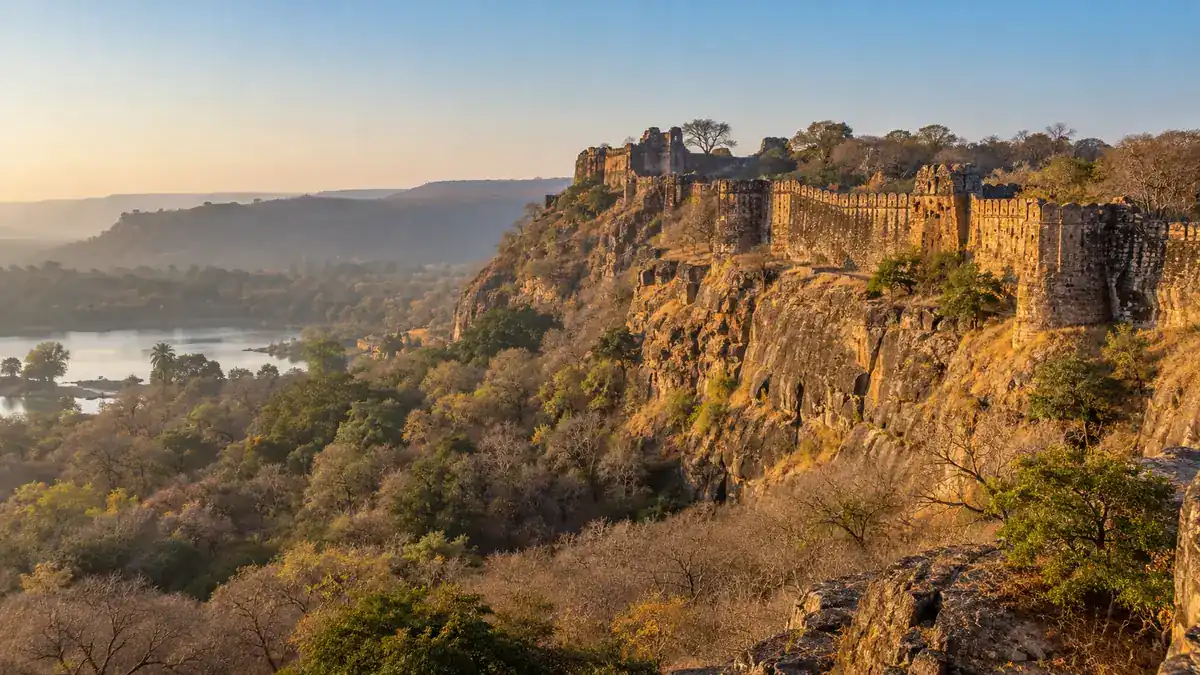
The park’s unique visual identity pairs wild apex predators with medieval stone architecture. Crumbling chhatris (cenotaphs), ancient stepwells, and moss-covered hunting pavilions sit reflected in calm forest lakes beneath the towering ramparts of Ranthambore Fort. Travelers exploring the desert forts and heritage palaces of western India can coordinate this wildlife expedition using our comprehensive Rajasthan travel guide.
Official state tourism updates and regional circuit overviews are published on the Rajasthan Tourism Official Portal.
Core Zones 1 to 5 vs. Buffer Zones 6 to 10: Sighting Dynamics
Ranthambore distributes tourist vehicle traffic across ten numbered zones to balance conservation protection with visitor access. Understanding how these zones differ in topography, territory, and animal movements is vital when planning your safari schedule.
While sightings can happen in every sector, the historic core and the newer outer zones offer distinctly different wilderness atmospheres.
Core Zones 1 to 5: Historical Lakes, Fort Ruins and High Sighting Probability
Zones 1 through 5 constitute the original core area of Ranthambore Tiger Reserve and remain the most fiercely contested permits among wildlife photographers. These sectors encompass the three iconic natural lakes: Padam Talab, Rajbagh Talab, and Malik Talab.
- Zone 1 (Singhdwar): Entered through the Singhdwar checkpoint, this zone features dense dry deciduous forests of dhok (Anogeissus pendula) and seasonal riverbeds. Tigers frequently hunt chital along the water points at Sultanpur-ki-Khui and Tuti Ka Nala.
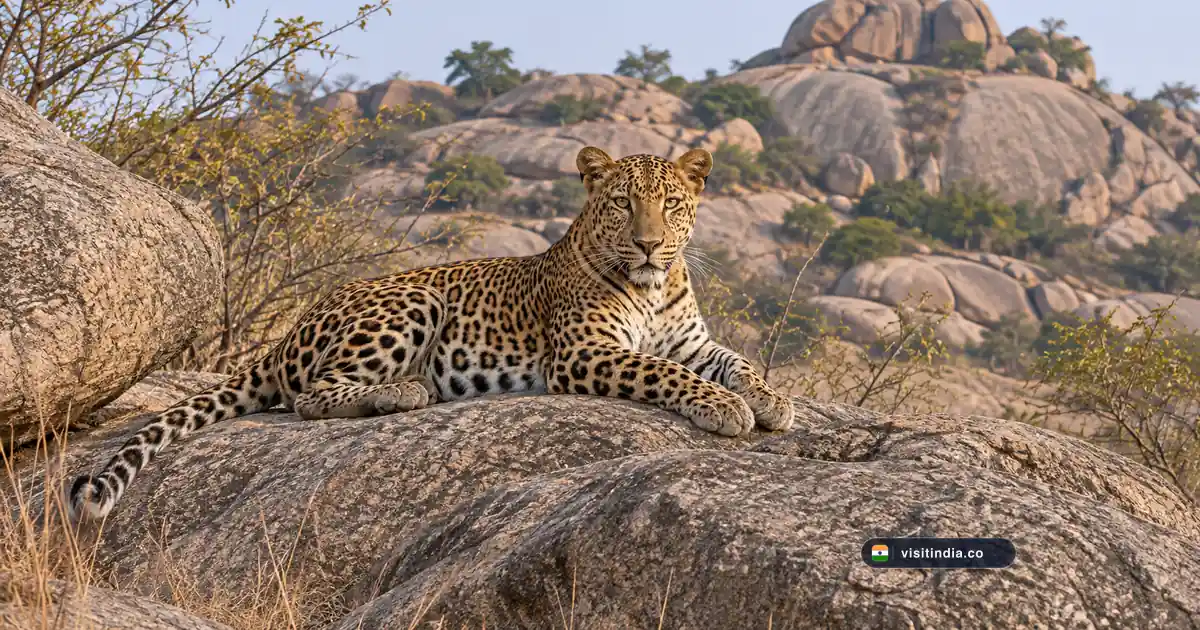
- Zone 2 (Jogi Mahal): One of the most photogenic zones, featuring natural waterholes like Jhalra and Phuta Kot. It offers frequent sightings of leopards, sloth bears, and resident tigers who use the rocky gorges for shelter during warm afternoons.
- Zone 3 (Padam Talab): Widely considered the signature zone of Ranthambore. It features the historic Jogi Mahal pavilion, India’s second-largest banyan tree, and Rajbagh lake ruins. Tigers often hunt along the water’s edge in full view of vehicles.
- Zone 4 (Tamkhan): Encompasses Tamkhan, Lakkad Dah, and Malik Talab. Zone 4 is renowned for supporting territorial tigresses with growing cubs, providing high chances of seeing family interactions.
- Zone 5 (Kachida): Features the scenic valleys of Kachida, Jokha, and Bakola. In addition to tigers, this zone is known for healthy leopard densities inhabiting the higher boulder cliffs.
Buffer Zones 6 to 10: Hilly Woodlands, Valley Tracks and Emerging Territories
Zones 6 through 10 were opened in later years to accommodate growing visitor interest while reducing vehicular congestion inside the sensitive lake sectors. These zones feature rugged ridge terrain, dramatic gorges, and open scrub country.
- Zone 6 (Kala Pani): Shares a common boundary with Zone 1, featuring open meadows, water structures, and the scenic Saran Ka Patthar. Tiger movements are frequent here as young adults establish territories.
- Zone 7 (Chidikho): A dramatic hilly zone featuring steep valley descents, seasonal waterfalls, and natural rock ledges where leopards frequently rest.
- Zone 8 (Balas): Characterized by rocky cliffs and ravines, Zone 8 is favored by birdwatchers and travelers interested in tracking striped hyenas, sloth bears, and Indian caracals.
- Zone 9 (Qual Ji): Located approximately 45 minutes south of Sawai Madhopur near the banks of the Chambal River, this zone features riverine gorges where tigers share territory with gharials and marsh crocodiles.
- Zone 10 (Aantri): Set across hilly tracks with natural water ponds, this zone has become an increasingly productive sector for observing sub-adult tigers seeking new hunting ranges.
Vehicle Choices: 6-Seater Maruti Gypsy vs. 20-Seater Canter
The Rajasthan Forest Department operates two distinct vehicle types for daytime safaris: 6-seater 4x4 Maruti Gypsies and 20-seater open-roof Canter trucks. Choosing between them depends on your budget, group size, and photographic objectives.
Wildlife travelers can compare these vehicle operations with open jeep regulations in Assam detailed in our jeep safari routes in Kaziranga National Park Safari.
Verified government guest houses and safari lodge directories are accessible through the RTDC Hotel Reservation Portal.
Open 4x4 Gypsy: Agility, Low Angle Photography and Speed
The Maruti Gypsy is an open-top four-wheel-drive vehicle accommodating a maximum of six passengers, one certified forest guide, and an authorized driver. Its narrow wheel track and responsive handling allow it to maneuver swiftly through tight rocky turns, narrow sandy nullahs, and steep hill paths.
For serious wildlife photographers, the Gypsy is the superior choice. Its lower ride height provides an eye-level camera angle with passing animals, creating intimate portraits. Gypsies also generate less engine noise, allowing drivers to stop quietly and follow warning alarm calls without startling skittish prey.
Because Gypsy permits are strictly limited (typically only 20 Gypsies per shift across all zones), they sell out months in advance. Securing a full private Gypsy ensures you can focus on photography without negotiating viewing angles with other passengers.
Open 20-Seater Canter: Elevated Vantage, Economy and Family Groups
The Canter is a large, open-top 20-seater safari bus built on a medium commercial truck chassis. Because Canter seats cost substantially less than Gypsy seats, they provide an affordable option for backpackers, budget families, and large travel groups.
Canters offer one distinct photographic advantage: elevated seating. Passengers sit roughly eight to ten feet above ground level, allowing them to look directly over tall grasslands and roadside shrubs. This height makes it easier to spot tigers resting in deep reed beds that are invisible from lower vehicles.
However, Canters are wider and slower on steep terrain. They cannot access certain narrow dead-end loops in Zones 7 and 8, and the engine noise is noticeably louder. Boarding twenty passengers from different hotels along Ranthambore Road can also take 30 to 45 minutes before entering the forest gate.
How to Book Ranthambore Safaris: Rajasthan SSO Portal and Tatkal Quota
Understanding the official booking mechanism protects you from deceptive third-party aggregator markups and guarantees your entry credentials. The Rajasthan Forest Department manages all permit allotments through its centralized digital platform.
Naturalists comparing multi-state tiger reserve booking procedures can review northern permit lottery rules in our Jim Corbett National Park guide.
Advance Online Booking via Rajasthan Single Sign-On (SSO)
Advance permits open 365 days prior to the safari date on the Rajasthan Single Sign-On (SSO) portal. Travelers must create an individual SSO citizen account using an email address, mobile number, or Google profile.
When booking advance permits, you must select your preferred date, shift (morning or afternoon), vehicle type (Gypsy or Canter), and zone category. You will be asked to enter the full name, gender, age, nationality, and government photo identity details (Aadhaar, Passport, or Voter ID) for every traveler.
The department collects full payment online through credit cards, debit cards, or net banking. Once confirmed, you will receive an official booking voucher containing an allotment barcode. Carry the original physical identity document during your trip, as forest gate staff inspect cards rigorously before vehicle boarding.
Same-Day and Tatkal Quota Booking Counter Protocols
For travelers planning trips on short notice or those who missed advance permits, the forest department reserves a special Tatkal quota. Tatkal permits open online exactly twenty-four hours before the safari shift (at 10:00 AM on the preceding morning).
Tatkal permits carry an additional premium charge of ₹1,000 per passenger for Canters and ₹1,200 per passenger for Gypsies. While more expensive, Tatkal provides access to prime core zones even during peak holiday weekends.
Alternatively, a limited quota of current same-day tickets is issued at the physical booking counter at Shilpgram (the tourist reception center in Sawai Madhopur). Queues at the counter form as early as 4:00 AM for morning shifts, making it physically demanding and uncertain during peak winter periods.
Visitor Information: Safari Timings, Entry Fees and Vehicle Tariffs
Planning your safari budget involves factoring in forest entrance taxes, vehicle rental fees, guide honorariums, and camera levies. Below is a comprehensive tariff summary for both domestic and international visitors.
| Safari Format & Zone | Domestic Tourist (INR) | Foreign Tourist (INR) | Capacity | Recommended Booking Window |
|---|---|---|---|---|
| Gypsy Safari (Zones 1–5) | ₹1,450 – ₹1,800 per seat | ₹3,200 – ₹3,800 per seat | Max 6 passengers | Book 90 to 365 days in advance |
| Gypsy Safari (Zones 6–10) | ₹1,350 – ₹1,650 per seat | ₹2,900 – ₹3,400 per seat | Max 6 passengers | Book 30 to 90 days in advance |
| Canter Safari (Zones 1–5) | ₹850 – ₹1,100 per seat | ₹2,100 – ₹2,500 per seat | 20 passengers | Book 30 to 120 days in advance |
| Canter Safari (Zones 6–10) | ₹750 – ₹950 per seat | ₹1,800 – ₹2,200 per seat | 20 passengers | Book 15 to 60 days in advance |
| Tatkal Gypsy Surcharge | + ₹1,200 per passenger | + ₹1,200 per passenger | Per seat premium | Opens 24 hours prior on SSO portal |
| Full Private Gypsy Hire | ₹9,500 – ₹12,500 total | ₹19,000 – ₹24,000 total | All 6 seats reserved | Ideal for serious photographers |
Note: All tariffs are subject to government service taxes and local union revisions. Vehicle boarding points are arranged from designated resorts along Ranthambore Road.
Seasonal Safari Shift Timings
Safari shift timings shift progressively across the year to account for changing sunrise and sunset hours in Rajasthan:
- October 1 to October 31: Morning 6:30 AM – 10:00 AM | Afternoon 2:30 PM – 6:00 PM
- November 1 to January 31: Morning 7:00 AM – 10:30 AM | Afternoon 2:00 PM – 5:30 PM
- February 1 to March 31: Morning 6:30 AM – 10:00 AM | Afternoon 2:30 PM – 6:00 PM
- April 1 to May 15: Morning 6:00 AM – 9:30 AM | Afternoon 3:00 PM – 6:30 PM
- May 16 to June 30: Morning 5:30 AM – 9:00 AM | Afternoon 3:30 PM – 7:00 PM
Historical Heritage: Ranthambore Fort and Trinetra Ganesha Temple
Rising 700 feet above the forest canopy, the 10th-century Ranthambore Fort is a UNESCO World Heritage Site managed under the Hill Forts of Rajasthan cluster. Built by the Chauhan Rajputs, the fortress withstood historic sieges by Alauddin Khalji and Emperor Akbar.
Travelers exploring royal Rajput architecture across the state can connect this forest fortress with the monumental palaces detailed in our places to visit in Jaipur guide.
Historic monuments, fortress preservation orders, and regional archaeological archives are cataloged on the official Archaeological Survey of India Portal.
Visiting the Hilltop Citadel
The fortress is accessible by private car, taxi, or shared open vehicle along a paved winding road that climbs through the Ganesh Pol and Navlakha Pol gateway arches. Unlike the core safari zones, entry to Ranthambore Fort does not require a safari permit.
Visitors can explore royal ruins including Hammir Mahal, Rani Haveli, and the 32-pillared cenotaph (Battis Khamba Chhatri). From the western battlements, you enjoy panoramas overlooking Padam Talab and the dense canopy of Zone 3 below, where wild tigers and sambar deer frequently emerge along the lake shore.
The Sacred Trinetra Ganesha Shrine
Perched inside the fort walls stands the ancient Trinetra Ganesha Temple, dedicated to the three-eyed form of Lord Ganesha. According to historical tradition, King Hammir Dev Chauhan established the deity in 1299 AD during a grueling battle against Delhi sultan Alauddin Khalji.
The temple holds a unique religious tradition: thousands of wedding invitations, business letters, and personal prayers from across India are mailed daily to “Trinetra Ganesha, Ranthambore Fort.” Local postal workers hand-deliver sacks of letters directly to temple priests, who place them at the deity’s feet. Devotees climb approximately 250 wide stone steps to attend morning and evening aarti ceremonies.
Best Time to Visit Ranthambore and Seasonal Weather Patterns
Ranthambore’s subtropical semi-arid climate creates dramatic seasonal shifts that affect tiger behavior, forest foliage density, and photography conditions.
Peak Season (October to March)
The winter months from October to March represent the most pleasant travel window. Daytime temperatures average between 20°C and 28°C with dry, clear skies.
However, morning safaris in December and January are surprisingly cold, with temperatures regularly dropping to 5°C before dawn. Travelers in open Gypsies must dress in warm layers, thermal gloves, and beanies to counter the biting windchill. By February, rising temperatures encourage tigers to spend morning hours basking along sunny tracks.
Summer Season (April to June)
While summer conditions are brutally hot, with midday temperatures soaring past 42°C, April, May, and June offer the absolute highest probability of sighting Royal Bengal tigers.
The dry deciduous forest sheds its leaves completely, eliminating the thick underbrush that obscures animals in winter. Natural waterholes dry up, forcing tigers, leopards, sloth bears, and deer to congregate around remaining perennial lakes like Padam Talab and artificial saucer ponds. Wildlife photographers willing to brave the scorching desert heat are rewarded with dramatic tracking opportunities.
Monsoon Closure (July to September)
Core Zones 1 through 5 remain strictly closed to all tourists from July 1 through September 30 for animal breeding and road repair during the summer monsoon.
However, Buffer Zones 6 through 10 remain open throughout the monsoon season, subject to daily rainfall and road track conditions. The fort and Trinetra Ganesha Temple also remain open year-round.
How to Reach Ranthambore: Sawai Madhopur Transit Logistics
Sawai Madhopur serves as the gateway railhead and commercial base for exploring Ranthambore, situated just 12 kilometers from the national park gates.
Travelers continuing southward through southeastern Rajasthan can pair their tiger safaris with the historic ramparts highlighted in our Chittorgarh travel guide.
Reaching Ranthambore by Train
Sawai Madhopur Junction (Station Code: SWM) is located on the prime New Delhi to Mumbai main trunk line. The station receives over fifty daily express trains, including premium Rajdhani, Shatabdi, and Superfast express services.
- From New Delhi (360 km / 4 to 5 hours): Fast trains like the Kota Jan Shatabdi, August Kranti Rajdhani, and Golden Temple Mail provide convenient daytime and overnight connections.
- From Jaipur (132 km / 2 hours): Multiple daily intercity passenger and express trains link Jaipur Junction with Sawai Madhopur.
- From Mumbai (1,000 km / 12 to 14 hours): The Mumbai Central to New Delhi Rajdhani Express stops daily at Sawai Madhopur.
Pre-paid auto-rickshaws and taxis wait outside the station platforms to transport guests along Ranthambore Road, where most wildlife resorts are clustered.
Reaching Ranthambore by Road and Air
- By Air: Jaipur International Airport (IATA Code: JAI) is the closest commercial airport, located 160 kilometers northwest. The airport connects to all major Indian metropolitan hubs. Pre-paid airport taxis take approximately three to three and a half hours to reach Sawai Madhopur via State Highway 24 and the Delhi-Mumbai Expressway link.
- By Road: National Highway 552 and the newly opened Delhi-Mumbai Expressway provide smooth multi-lane driving from New Delhi (roughly 5 hours driving time). Jaipur is connected by a scenic three-hour highway drive via Dausa or Chaksu.
Curated 3-Day Ranthambore Safari Itinerary
To maximize your chances of sighting wild tigers, book a minimum of four safari shifts distributed across different core and buffer ranges during your stay.
Travelers planning a broader national tiger circuit can compare zone booking mechanics in our Bandhavgarh National Park safari guide, or continue west across Rajasthan to explore the royal lake palaces featured in our places to visit in Udaipur guide.
Day 1: Arrival, Village Walks and Afternoon Safari
- Morning (8:00 AM to 1:00 PM): Arrive in Sawai Madhopur by morning express train from Delhi or Jaipur. Check into your jungle resort along Ranthambore Road and enjoy a warm Rajasthani lunch.
- Afternoon (2:00 PM to 5:30 PM): Set out on your first open Gypsy safari in a core zone (Zone 2 or 3). Track chital deer along Padam Talab and search for basking marsh crocodiles.
- Evening (6:30 PM to 8:30 PM): Return to your lodge for evening tea, view a wildlife documentary on the legacy of famous tigress Machli, and enjoy dinner beside an open campfire.
Day 2: Double Safari Day and Ranthambore Fort Ascent
- Dawn (6:30 AM to 10:00 AM): Take your morning safari in Zone 4 or 5. Watch morning light filter through dhok forests and track tiger pugmarks along sandy dry riverbeds.
- Midday (11:30 AM to 1:30 PM): Ascend the rocky road to Ranthambore Fort. Seek blessings at the Trinetra Ganesha Temple and take in bird’s-eye views over the forest canopy.
- Afternoon (2:00 PM to 5:30 PM): Venture out for your third safari, exploring buffer Zone 6 or 7 to track sub-adult tigers and agile leopards among sandstone cliffs.
- Evening (6:30 PM to 9:00 PM): Browse handcrafted camel leather crafts and local block-printed textiles at the Dastkar Ranthambore women’s cooperative center.
Day 3: Final Dawn Safari and Onward Departure
- Dawn (6:30 AM to 10:00 AM): Complete your fourth safari shift in Zone 1 or 3, taking final photos of wild peacocks, sambar stags, and waterhole wildlife.
- Afternoon (11:30 AM onward): Enjoy a relaxed brunch, pack your luggage, and transfer to Sawai Madhopur railway station for your afternoon train toward Jaipur, Delhi, or Agra.
Frequently Asked Questions About Ranthambore Safari Booking
How many months in advance should I book Ranthambore safari?
Advance bookings open 365 days prior on the Rajasthan SSO portal. For peak travel months (November to March), Gypsy permits for core Zones 1 to 5 sell out 90 to 120 days ahead. Canter permits and buffer zone slots typically remain available until 30 to 45 days prior.
Can I choose my preferred safari zone when booking?
Yes, when booking online through the SSO portal, you can select your preferred zone from available quotas. However, during high demand periods, available slots may be restricted to buffer zones (6 to 10). The forest department reserves the right to alter routes for administrative reasons.
What is the difference between core zones and buffer zones?
Core zones (1 to 5) represent the original sanctuary interior containing natural lakes (Padam, Rajbagh, Malik) and historical monuments, offering high tiger sighting probability. Buffer zones (6 to 10) feature rugged hills and valley ravines, offering good sightings of emerging sub-adult tigers and leopards with lower vehicle density.
Which is better for seeing tigers: Gypsy or Canter?
Both vehicle types follow identical designated tracks inside each assigned zone, so animal sighting probability is equal. However, the 6-seater Gypsy provides better maneuverability, lower camera angles, and less noise compared to the 20-seater Canter.
Is Ranthambore National Park open during the monsoon?
Core Zones 1 to 5 are completely closed from July 1 through September 30 every year. However, Buffer Zones 6 through 10 remain open for daytime safaris throughout the monsoon, subject to local weather and road conditions.