Jawai Leopard Safari Rajasthan: Booking, Cost & Bera Guide
Discover Jawai leopard safari booking, gypsy costs, and Bera granite hills. Learn about year-round tracking, Rabari culture, and easy routes from Udaipur.
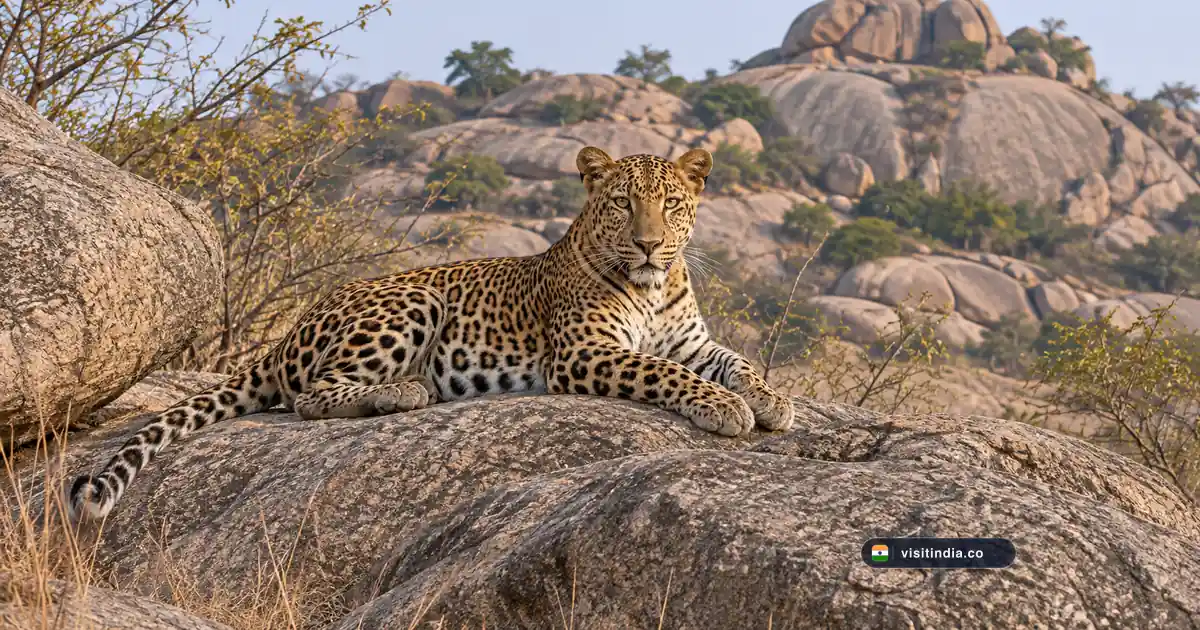
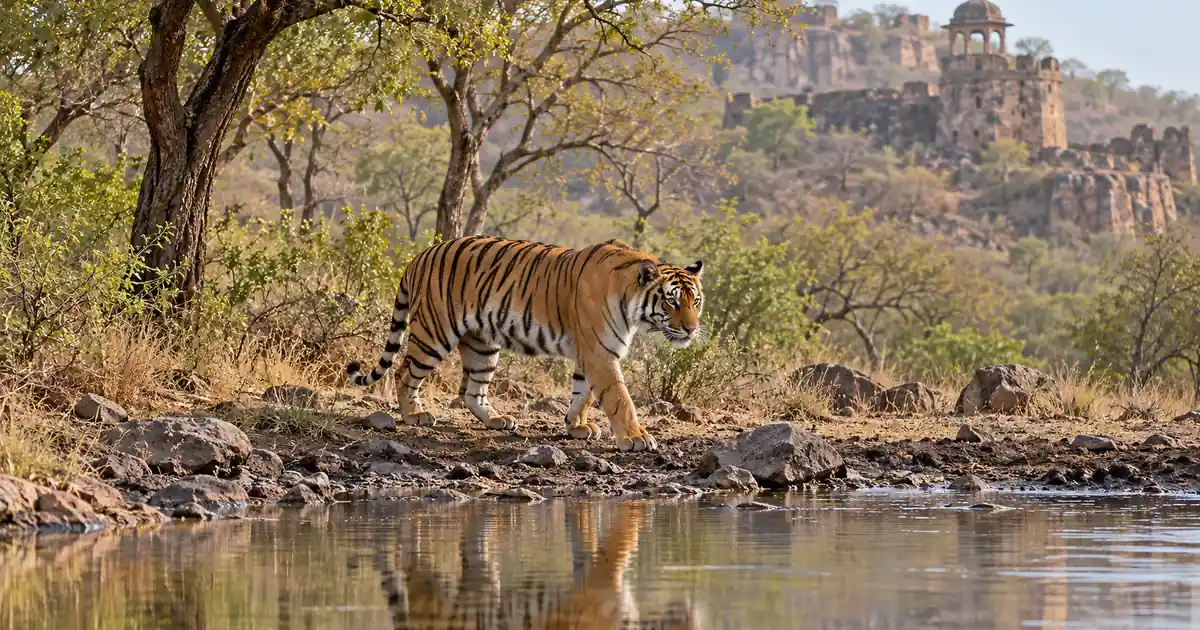
Rising majestically from the desert plains of southern Rajasthan, ancient granite formations create a striking sanctuary where apex predators thrive alongside rural villages. Securing an authentic jawai leopard safari booking cost udaipur experience opens the door to one of the most remarkable wildlife spectacles in Asia, where wild leopards roam freely across rugged boulder hills without fences or national park boundaries.
Unlike standard government tiger reserves bound by restrictive seasonal closures and digital ticket lotteries, Jawai operates under a unique community conservation model. Here, experienced local trackers guide open 4x4 vehicles across private granite hills, rocky riverbeds, and pastoral grazing lands where wild cats and red-turbaned Rabari herdsmen have coexisted peacefully for generations.
Jawai Leopard Safari Essentials
- Core Geographic Base: Bera, Sena, and Jawai Bandh villages in Pali district, southern Rajasthan.
- Daily Safari Shifts: Morning departures from 05:45 AM to 08:45 AM; evening departures from 04:15 PM to 07:15 PM.
- Typical Vehicle Tariffs: Private 4x4 open Gypsy safaris cost ₹3,500 to ₹5,500 per vehicle, seating up to six travelers.
- Operational Season: Accessible 365 days a year with zero monsoon closures due to granite rock terrain.
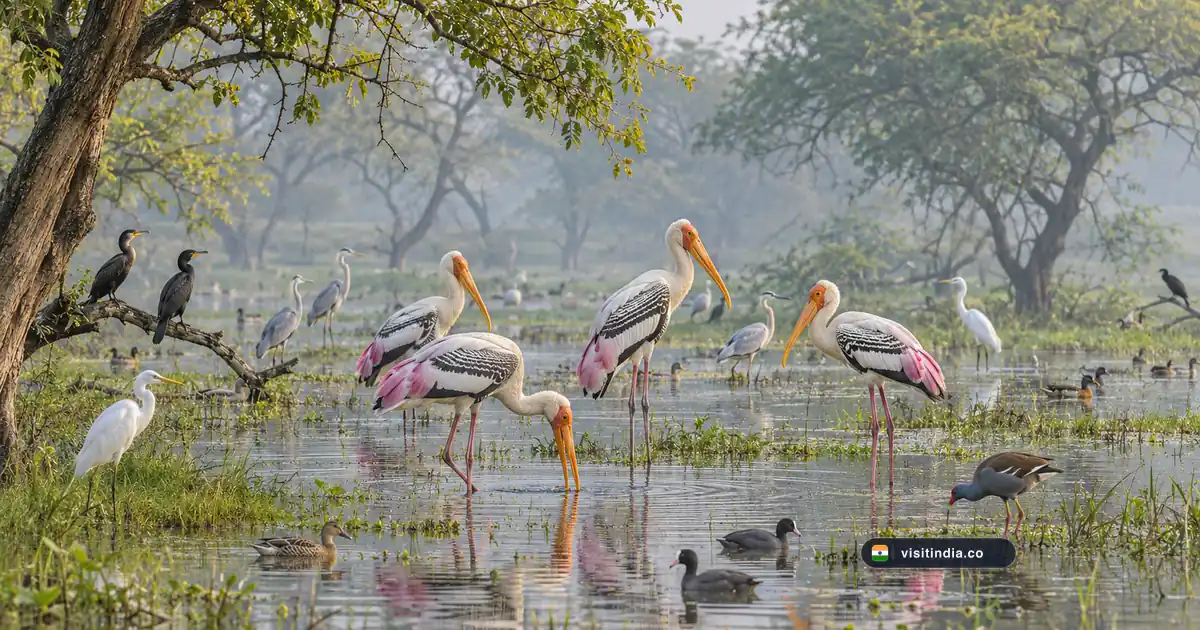
- Key Co-Attractions: Over three hundred marsh mugger crocodiles, thousands of winter migratory birds, and hilltop cave temples.
Understanding the Jawai Bera Landscape and Community Model
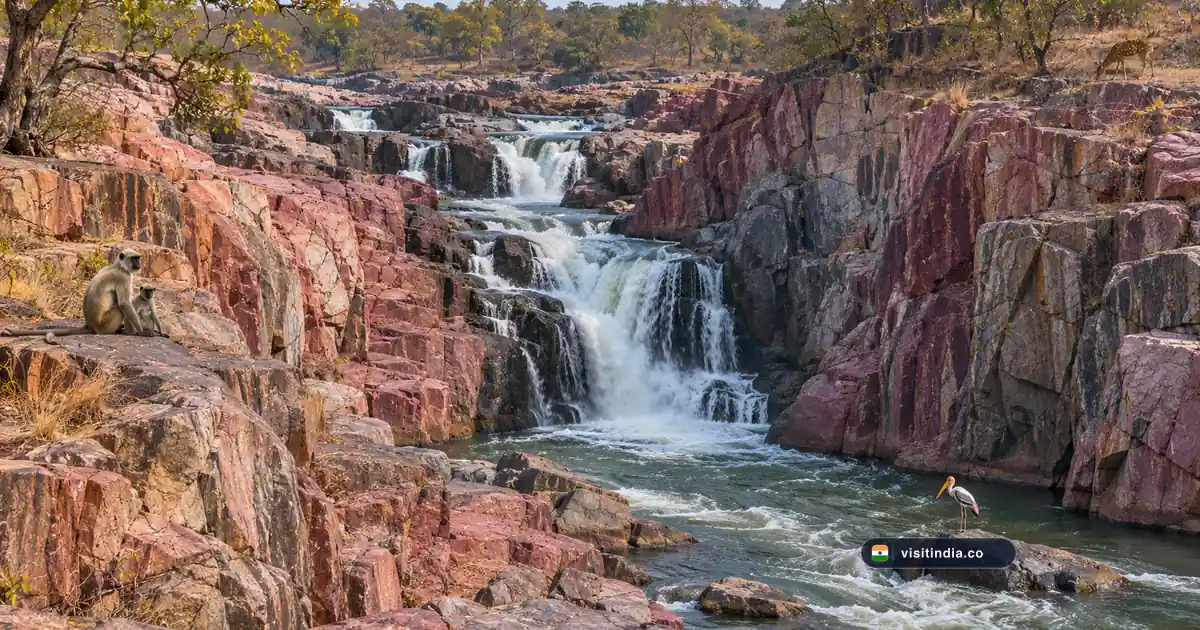
Jawai is a rugged semi-arid river basin in southern Rajasthan’s Pali district, renowned for hundreds of massive granite rock formations. Its thriving population of over sixty leopards lives in complete harmony alongside pastoral Rabari villages rather than inside an enclosed government national park.
The region lies situated in the southern Aravalli foothills, where centuries of wind and water erosion have sculpted colossal plutonic rocks into cavernous granite mounds. Because these natural stone formations provide elevated vantage points and sheltered hollows, wild leopards have established permanent territories within sight of village homes across Rajasthan.
Granite Monoliths, Caves, and Aravalli Topography
Dating back millions of years, Jawai’s weathered plutonic granite boulders are riddled with natural caverns and crevices that offer cool, sheltered dens for leopard families. The lack of dense forest foliage allows visitors to view cats resting completely out in the open on sun-warmed rocks.
Unlike dense jungle parks where visibility is blocked by thick brush, Jawai presents dramatic, unobstructed sightlines. Modern safari vehicles can drive across expansive sandy riverbeds and climb gentle granite slopes to observe leopards lounging on stone ridges fifty to one hundred meters above the valley floor.
The Community Conservation Model: No Government Forest Gates
Unlike traditional tiger reserves subject to strict Forest Department gate quotas, Jawai functions as an open pastoral conservation landscape managed cooperatively by local village panchayats and eco-trackers. There are no rigid entry gates, no zoning barriers, and no bureaucratic ticket counters.
Instead, local village youths trained as professional naturalists operate custom 4x4 Gypsies across community common lands, private hills, and revenue areas. This decentralized structure ensures tourism revenue directly benefits the local agrarian community, motivating residents to safeguard leopards and protect natural denning hills.
Jawai Leopard Safari Booking Cost Udaipur Route: Pricing & Gypsy Mechanics
A private 4x4 Gypsy safari in Jawai costs between ₹3,500 and ₹5,500 per vehicle for a three-hour drive, accommodating up to six travelers. Shared seats cost approximately ₹1,000 to ₹1,500 per person, booked directly through local safari operators or eco-lodges.
Because tariffs are calculated per vehicle rather than per passenger, traveling with family or fellow photographers makes Jawai substantially more affordable than standard central Indian safari circuits. The pricing structure covers the 4x4 Gypsy, fuel, an expert local driver, and a dedicated field tracker.
| Safari Format | Duration | Approximate Tariff | Capacity | Booking Advantage |
|---|---|---|---|---|
| Private 4x4 Gypsy | 3 to 3.5 Hours | ₹3,500 to ₹5,500 per vehicle | Up to 6 guests | Complete itinerary flexibility & private photography space |
| Shared Gypsy Seat | 3 Hours | ₹1,000 to ₹1,500 per passenger | 1 to 2 seats | Budget-friendly option for solo travelers |
| Full-Day Dual Safari | Morning & Evening | ₹7,500 to ₹10,000 per vehicle | Up to 6 guests | Maximizes dawn and dusk sightings across different hill clusters |
| Luxury Lodge Package | 24-Hour Stay | ₹15,000 to ₹40,000+ per room | 2 guests | Includes boutique luxury stay, all meals, and private safaris |
Vehicle Pricing: Private 4x4 Gypsy vs Shared Seats
Safari charges are priced per vehicle rather than per seat, ensuring private groups enjoy full flexibility to linger at active leopard caves without competing for viewpoints. Open-top Maruti Gypsies are specifically modified with tiered seating to guarantee clear viewing lines for all passengers.
Budget travelers can coordinate with local safari operators based around Bera or Falna to join shared vehicles. However, serious wildlife photographers typically choose private charters to mount telephoto lenses and maneuver vehicles for optimal sun angles.
Booking Channels: Direct Operators vs Resort Packages
Travelers can book drives directly with registered Bera village drivers or book comprehensive packages through experiential wilderness lodges that include meals, tracker fees, and transfers. Independent operators maintain real-time phone and WhatsApp booking channels with flexible payment methods.
Resorts in the region range from heritage homestays to high-end glamping tented camps. Booking your safari through your chosen lodge provides direct door-to-door vehicle pickup from the property, eliminating early-morning rendezvous points in village centers.
Comparing Jawai Costs with Standard Indian Tiger Reserves
Jawai eliminates bureaucratic online permit lottery hurdles and steep government zone fees, delivering higher big-cat visibility per rupee spent than crowded central Indian reserves. Travelers avoid complex identity verification portals that sell out months in advance.
Furthermore, because vehicles are not restricted to designated park tracks, drivers can reposition across different hill faces based on live radio updates from local village spotters. This adaptive tracking approach results in an exceptionally high sighting success rate exceeding ninety percent over a two-day stay.
Daily Safari Schedule: Morning and Evening Tracking Windows
Jawai safaris operate twice daily: morning drives start between 05:30 AM and 06:15 AM, while evening drives run from 04:00 PM to 07:15 PM depending on season. Leopards routinely emerge onto open rock faces during sunrise and sunset to regulate body temperature.
Because cats avoid the intense midday sun, safaris are strategically scheduled around thermal transition hours when granite boulders absorb or release daytime warmth.
| Season | Morning Safari Window | Evening Safari Window | Ideal Focus & Light Conditions |
|---|---|---|---|
| Winter (Oct to Mar) | 06:15 AM to 09:15 AM | 03:45 PM to 06:45 PM | Leopards sunning on rocks, golden morning backlight, crisp air |
| Summer (Apr to Jun) | 05:30 AM to 08:30 AM | 04:30 PM to 07:30 PM | Dawn stalking around water points, late-evening silhouette shots |
| Monsoon (Jul to Sep) | 06:00 AM to 09:00 AM | 04:00 PM to 07:00 PM | Dramatic stormy cloudscapes, lush green valleys, cave perches |
Morning Safari Dynamics: Dawn Granite Basking
Morning drives catch leopards stretching on sun-warmed granite domes after night hunts, providing crisp front-lighting for high-resolution wildlife photography. As the first sunbeams illuminate the granite peaks, leopards climb out from deep subterranean crevices to bask atop smooth stone slabs.
During winter, temperatures frequently drop to 8°C at night, forcing leopards to remain on east-facing boulders until 9:00 AM to warm their bodies. This stationary basking behavior allows photographers to capture intimate behavioral portraits from stable ground positions.
Evening Safari Dynamics: Sunset Vantage Points and Night Spotting
Evening drives capture silhouetted cats descending boulder ridges as darkness falls, often concluding with brief, ethical searchlight scans across rock crevices. As the sun sinks below the horizon, granite hills glow in fiery shades of crimson and amber.
As daylight fades, leopards awaken from afternoon naps, stretch their limbs, and begin descending toward the valleys to hunt nocturnal prey. Responsible operators use handheld searchlights sparingly for brief moments, avoiding direct eye beams while illuminating cats crossing open fields.
The Rabari Herdsmen and Sacred Hill Temples
The Rabari pastoralists consider leopards sacred emissaries of their folk deities, accepting occasional livestock losses as divine offerings without retaliatory violence. This deep cultural reverence has sustained conflict-free coexistence across Bera’s granite hills for generations.
The Rabari tribe has inhabited the Thar desert margins for centuries, following transhumant pastoral routes with their sheep, goats, and camels. Their spiritual relationship with the apex predator forms the cornerstone of Jawai’s conservation triumph.
Pro Tip
Ethical Village Etiquette: When visiting Rabari settlements or photographing elders in traditional red turbans, always ask permission through your local guide. Never enter private domestic courtyards uninvited, and support local village artisans by purchasing handmade camel-wool textiles directly.
Devgiri Temple and Leopard-Shared Shrines
At shrines like Devgiri Temple and Kambeshwar Mahadev, Hindu priests and visiting pilgrims climb granite steps daily past caves where wild leopards calmly slumber. The Devgiri Temple, dedicated to the mother goddess, is carved directly into a massive granite hill inhabited by a resident mother leopard and her cubs.
Local priests ring brass bells, perform evening aartis, and walk down dark stairs without weapons, confident in the protective guardianship of the divine feline. Pilgrims visiting the sacred hill temples described on Incredible India Rajasthan frequently observe leopards resting mere yards from sanctum doorways without displaying aggression.
Rabari Cultural Traditions and Herding Heritage
Rabari men dressed in clean white cotton dhotis and scarlet turbans guide camel and goat herds across valleys where apex predators hunt wild peafowl and hare. Women wear ornate silver tribal jewelry, heavy brass anklets, and black embroidered veils that reflect ancient nomadic desert traditions.
When a leopard occasionally preys upon a goat from a herd, the owner views the incident with acceptance rather than hostility, believing the goddess has taken her share. The state government also provides compensation funds to offset pastoral losses, reinforcing local goodwill, which pairs naturally with the historic hill fortifications of Kumbhalgarh and Ranakpur.
Jawai Dam: Crocodiles, Flamingos, and Wetland Ecology
Constructed in 1957 across the Jawai River, the Jawai Dam reservoir harbors over three hundred marsh mugger crocodiles and serves as a vital winter refuge for thousands of migratory birds, including demoiselle cranes, bar-headed geese, and greater flamingos. If you want to add wildlife viewing to the same regional loop, Bhitarkanika Crocodile Safari & Gahirmatha safari zones and timings breaks down gate timings and booking steps.
Commissioned by Maharaja Umaid Singh of Jodhpur, the dam forms western Rajasthan’s largest water storage body. The resulting sprawling lake creates a rich wetland contrast against the arid, rocky surroundings.
Mugger Crocodile Basking Along Dam Shores
Reptile enthusiasts can observe massive twelve-foot marsh crocodiles basking on granite islands and sandbars along the reservoir edge during midday sun. As ambient temperatures warm between 11:00 AM and 2:00 PM, dozens of crocodiles haul themselves out of the water onto sunlit rocks to regulate their core temperature.
Custom boat rides and elevated cliff lookouts provide safe vantage points to photograph these prehistoric reptiles without causing disturbance. Marsh crocodiles in Jawai thrive on abundant carp and catfish populations inhabiting the deep reservoir channels.
Winter Migratory Birding Spectacle
From November to February, the reservoir shoreline fills with flocks of migratory demoiselle cranes, flamingos, pelicans, and raptors wintering from Central Asia. Demoiselle cranes, known locally as kurjan, arrive in tens of thousands, filling the sky with resonant bugling calls as they feed in adjacent mustard and chickpea fields.
Raptors such as tawny eagles, steppe eagles, and osprey patrol the water’s edge, while painted storks and black-headed ibises nest in shoreline trees. Combining a morning leopard drive with a midday birding safari along Jawai Dam offers a comprehensive wildlife day.
Year-Round Operation: Seasonal Weather and Visit Windows
Yes, Jawai remains open 365 days a year because its solid granite boulder terrain avoids the deep mud bogging that forces seasonal monsoon closures across central Indian national parks. Winter from October to March offers the most comfortable weather for travel.
Unlike clay-soil reserves such as Ranthambore or Kanha where monsoon rains wash out dirt tracks, Jawai’s 4x4 vehicles navigate firm gravel riverbeds and solid bedrock ridges without difficulty.
Important
Seasonal Gear Advisory: Winter mornings from December through February can feel surprisingly frigid in an open 4x4 Gypsy due to windchill. Pack a windproof jacket, fleece layers, woolen beanie, and gloves for morning safaris, as temperatures often hover between 8°C and 12°C before sunrise.
| Travel Season | Months | Temperature Range | Highlights & Photography Conditions |
|---|---|---|---|
| Peak Winter | October to March | 10°C to 28°C | Optimal weather, active migratory bird flocks, daytime rock basking |
| Dry Summer | April to June | 24°C to 42°C | Sparse scrub vegetation, high cat visibility near water sources |
| Verdant Monsoon | July to September | 22°C to 34°C | Dramatic green landscapes, stormy skies, zero crowds, fully accessible |
How to Reach Jawai from Udaipur and Jodhpur: Transit Circuits
Jawai is located 140 kilometers northwest of Udaipur (approx. 3 hours by car via NH-27) and 150 kilometers south of Jodhpur (approx. 3.5 hours via NH-62). Jawai Bandh and Falna railway stations provide direct train connections from Delhi, Mumbai, and Jaipur.
Its central geographic position makes Jawai an ideal wilderness retreat linking Rajasthan’s southern and western heritage cities.
Driving Routes and Private Taxi Tariffs
A private taxi from Udaipur to Jawai costs approximately ₹3,500 to ₹4,500 one-way, following well-paved national highways through the rugged Aravalli foothills. Travelers departing from the royal palaces and lakes of Udaipur take National Highway 27 west toward Pindwara before turning north on State Highway 62 toward Bera.
Those arriving from Jodhpur travel south along NH-62 via Pali and Sanderao, reaching Jawai in roughly three and a half hours. For heritage travelers, official regional tourism infrastructure and road safety guidelines are detailed on the Incredible India Jodhpur Destination Guide and Incredible India Udaipur Guide.
Integrating Jawai with Ranakpur and Kumbhalgarh
Jawai seamlessly pairs with the marble marvels of Ranakpur Jain Temple located 55 km away and the ancient mountain fortress of Kumbhalgarh situated 85 km east. A popular three-day itinerary involves touring the grand City Palace of Udaipur on Day 1, driving through Ranakpur’s intricate 1,444 marble pillars on Day 2, and spending two nights in Jawai for morning and evening leopard safaris.
From Jawai, travelers can either continue northwest to explore Jodhpur’s Mehrangarh Fort or head north toward the golden desert sands of Jaisalmer, creating a diverse Rajasthan holiday combining royal heritage with raw wilderness.
Frequently Asked Questions About Jawai Leopard Safari
How much does a leopard safari cost in Jawai?
A private 4x4 open Gypsy safari in Jawai costs between ₹3,500 and ₹5,500 per vehicle per drive, accommodating up to six passengers along with a driver and local tracker. Shared seats are also available through local operators for approximately ₹1,000 to ₹1,500 per person.
Is Jawai leopard safari open during the monsoon season?
Yes, Jawai remains open 365 days a year without the mandatory summer monsoon closures enforced in government national parks. The region’s durable granite terrain and gravel riverbeds permit safe 4x4 vehicle movement even during rainy months.
How far is Jawai from Udaipur and what is the best travel route?
Jawai is located approximately 140 kilometers northwest of Udaipur, requiring a driving time of roughly three hours via National Highway 27 and State Highway 62. Private chauffeured taxis from Udaipur to Bera or Jawai Bandh cost between ₹3,500 and ₹4,500 one-way.
Why do leopards in Jawai not attack Rabari villagers?
The Rabari pastoralists share a deep cultural and spiritual reverence for leopards, considering them sacred guardians connected to local Hindu deities like Devgiri Mata. Decades of peaceful non-retaliatory coexistence have created wild leopards that are accustomed to human presence without viewing people as prey.
Which is better: morning or evening leopard safari in Jawai?
Both safari windows offer excellent tracking success, but morning drives provide soft front-lighting as leopards warm themselves on granite rock faces after cold desert nights. Evening drives feature dramatic sunset lighting across boulder ridges and provide opportunities to watch cats wake and start nocturnal hunting patrols.
What wildlife can you see in Jawai besides leopards?
Beyond wild leopards, visitors can see over three hundred marsh mugger crocodiles along the shores of Jawai Dam, striped hyenas, jackals, jungle cats, and Indian rock pythons. During the winter months from November to February, thousands of migratory demoiselle cranes, flamingos, and raptors also congregate along the reservoir.