Golden Triangle India Itinerary: 5 to 7 Day Travel Guide
Plan your Delhi, Agra, and Jaipur Golden Triangle tour with daily itineraries, Gatimaan and Vande Bharat train advice, monument tickets, and stays.
The Golden Triangle is India’s most celebrated tourist circuit, connecting the national capital of Delhi, the Mughal imperial seat of Agra, and the royal Rajput city of Jaipur. Tracing roughly 720 kilometers across the geographic heart of northern India, this route offers first-time international visitors and domestic travelers an unmatched introduction to the subcontinent’s architecture, imperial history, and culinary traditions. For a complete capital overview before setting out, review our in-depth Delhi travel guide.
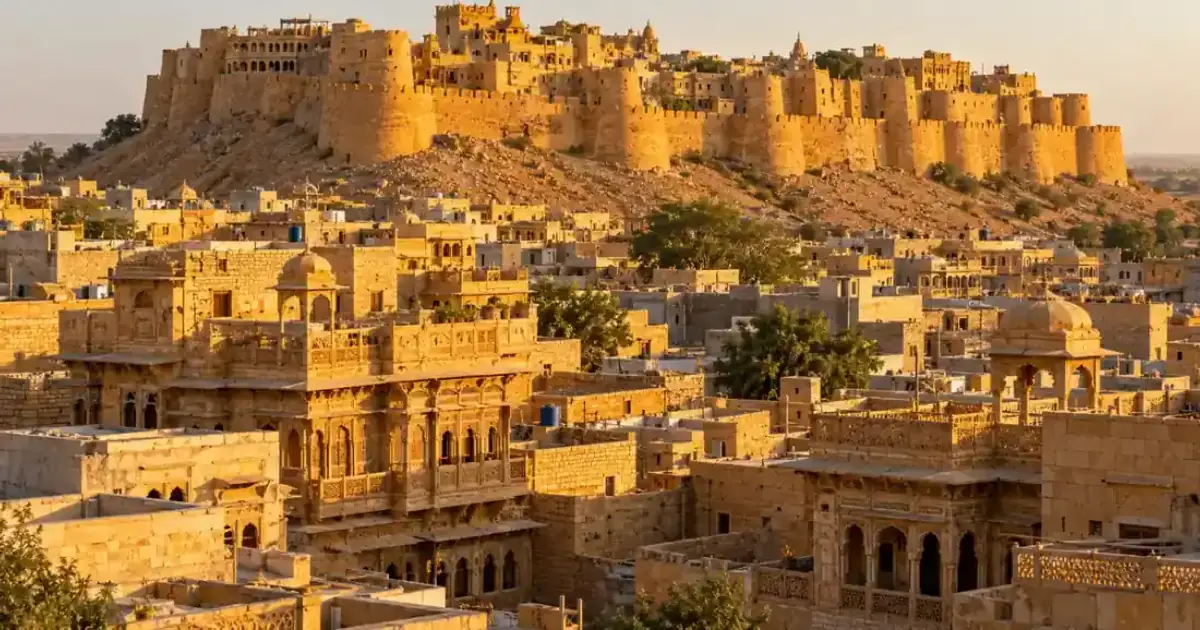
Each point on the triangle represents a distinct civilization epoch. Delhi exhibits seven medieval cities alongside British imperial planning, Agra contains the pinnacle of Mughal marble symmetry, and Jaipur reflects the mathematical urban planning and pink sandstone palaces of the Kachhwaha Rajputs.
Golden Triangle Circuit Essentials
- Total Route Distance: Approximately 720 kilometers (Delhi to Agra: 210 km, Agra to Jaipur: 240 km, Jaipur to Delhi: 270 km).
- Recommended Duration: 5 nights and 6 days (2 nights Delhi, 1 night Agra, 2 nights Jaipur).
- Key UNESCO Sites: Red Fort, Qutub Minar, Humayun’s Tomb, Taj Mahal, Agra Fort, Fatehpur Sikri, Amer Fort, and Jantar Mantar.
- Primary Transit Modes: Gatimaan Express, Vande Bharat Express, and private expressway cars via the Yamuna and Delhi-Mumbai Expressways.
- Best Season to Visit: October through March when cool, sunny winter conditions ensure pleasant walking through open fort courtyards.
- Monument Ticket Rule: Most central monuments require digital ticket booking online via the official ASI portal before queuing.
Understanding the Classic Circuit: Geography and Flow
The Golden Triangle forms a rough equilateral triangle across the states of Delhi, Uttar Pradesh, and Rajasthan. The eastern leg from Delhi to Agra follows the fertile Yamuna River basin, crossing vast mustard and wheat farmlands along the high-speed Yamuna Expressway.
From Agra, the southern leg cuts west toward Jaipur across eastern Rajasthan, passing through the abandoned red sandstone capital of Fatehpur Sikri and the arid fringes of the Aravalli hills. The western leg returns north from Jaipur to Delhi along the modern Delhi-Mumbai Expressway corridor.
Travelers can complete this journey by hiring a private chauffeur-driven vehicle for the entire week, or by pairing express trains like the Gatimaan Express and Vande Bharat with local city taxis. Within Delhi, exploring the World Heritage landmarks detailed in our Delhi UNESCO Monuments visitor overview establishes the cultural foundation before driving south.
Official tourism guidelines, e-visa advice, and seasonal cultural event schedules can be reviewed through Incredible India to assist international journey planning.
Recommended Tour Length: 5 Days vs 6 Days vs 7 Days
Determining how many days to allocate depends on your available vacation time and travel pace.
A 5-day itinerary represents the absolute minimum timeframe, spending one day in Delhi, one day in Agra, two days in Jaipur, and one travel day. While efficient, this pace requires early morning starts and leaves little time for relaxed bazaar exploration.
A 6-day itinerary (2 nights Delhi, 1 night Agra, 2 nights Jaipur) is considered the gold standard for most leisure travelers. It provides adequate breathing room to tour Old Delhi’s labyrinthine food alleys, watch sunrise over the Taj Mahal, explore Fatehpur Sikri at an unhurried pace, and spend two full days uncovering Jaipur’s hilltop fortresses.
A 7-day or 8-day itinerary allows travelers to add scenic side excursions. Popular additions include the birdwatching paradise of Keoladeo National Park in Bharatpur, the historic painted mansions of Shekhawati, or tiger safaris in Ranthambore National Park.
Day 1: Historic Old Delhi and Imperial New Delhi
Begin your exploration in the historic heart of Shahjahanabad, constructed in 1648 by Mughal Emperor Shah Jahan. Start at the magnificent red sandstone citadel of the Red Fort, walking past the Lahori Gate before venturing into the narrow, lively streets of Chandni Chowk.
Renting a traditional cycle-rickshaw allows you to navigate the sensory alleys with ease. Stop at Jama Masjid, one of India’s largest mosques, climbing its southern minaret for panoramic views across the crowded rooftops.
After exploring the bazaar, set out on an authentic culinary excursion with our where to try authentic Old Delhi Street Food. Sample deep-fried stuffed parathas in Paranthe Wali Gali, sweet jalebis fried in pure desi ghee at Dariba Kalan, and spiced fruit chaat near the spice market of Khari Baoli.
In the afternoon, transition south into the spacious, tree-lined boulevards of New Delhi designed by Edwin Lutyens and Herbert Baker in the 1920s. Drive down Kartavya Path past India Gate and the Rashtrapati Bhavan. Conclude the afternoon at Humayun’s Tomb, the 16th-century Persian garden tomb that served as the architectural inspiration for the Taj Mahal. Stay overnight in Delhi.
Day 2: Delhi Landmarks and Morning Train to Agra
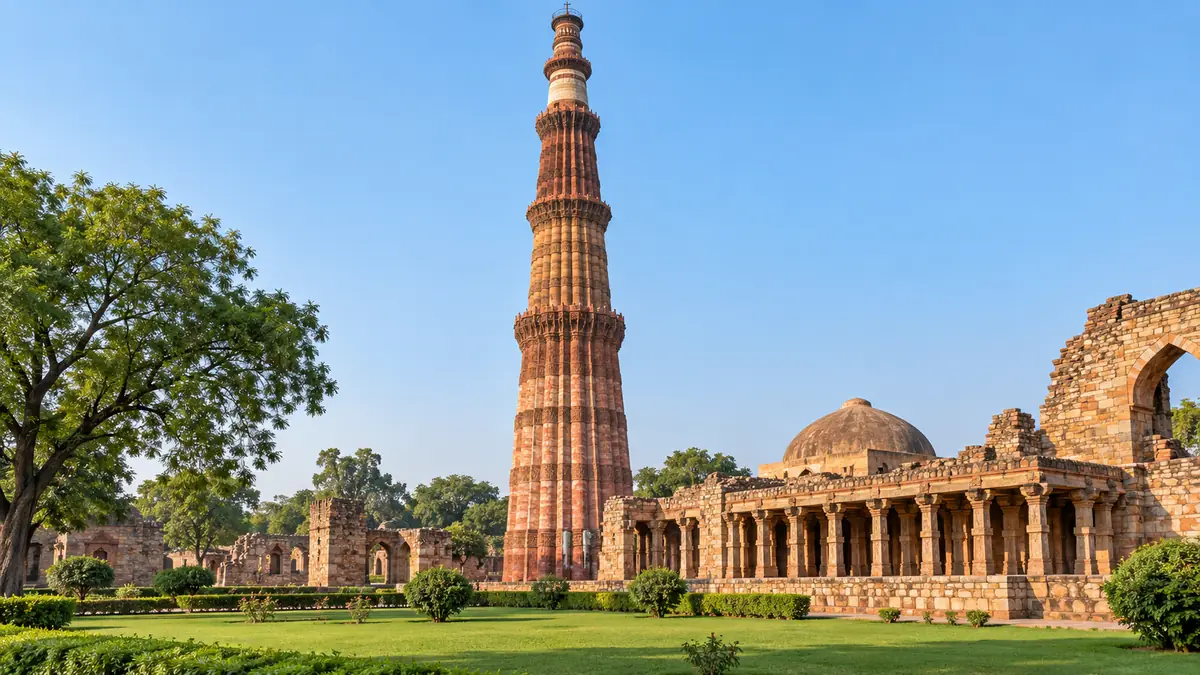
Start your second morning with a visit to Akshardham Temple Delhi or the southern Qutub Minar complex. Explore the 73-meter fluted sandstone minaret built by Qutb-ud-din Aibak in 1199 CE and the rust-resistant 4th-century Iron Pillar of Chandragupta II.
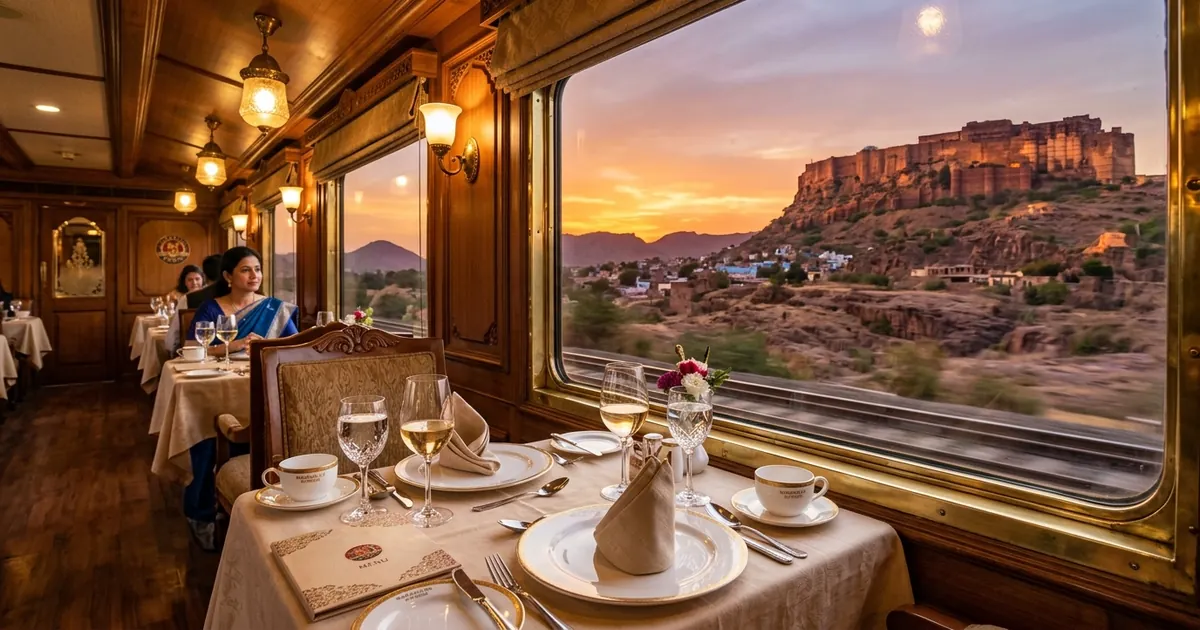
Return to your hotel, pack your luggage, and head to Hazrat Nizamuddin railway station by 7:30 AM. Board the Gatimaan Express (Train 12050), India’s high-speed luxury train departing at 8:10 AM. Traveling at speeds up to 160 km/h, the train covers the 188 kilometers to Agra Cantt in just 100 minutes, featuring air-conditioned comfort, broad windows, and served meals.
Arrive in Agra by 9:50 AM, meet your pre-booked chauffeur, and check into your hotel. In the early afternoon, visit Agra Fort, a UNESCO World Heritage citadel of red sandstone where Emperor Shah Jahan spent his final years imprisoned by his son Aurangzeb, gazing out at the Taj Mahal across the Yamuna River.
At 5:00 PM, cross the river to Mehtab Bagh (the Moonlight Garden). This 16th-century Mughal riverfront garden offers an exceptional viewpoint to watch the setting sun bathe the white marble dome of the Taj Mahal in soft pastel pink and gold hues across the water. Rest overnight in Agra.
Day 3: Sunrise at the Taj Mahal in Agra
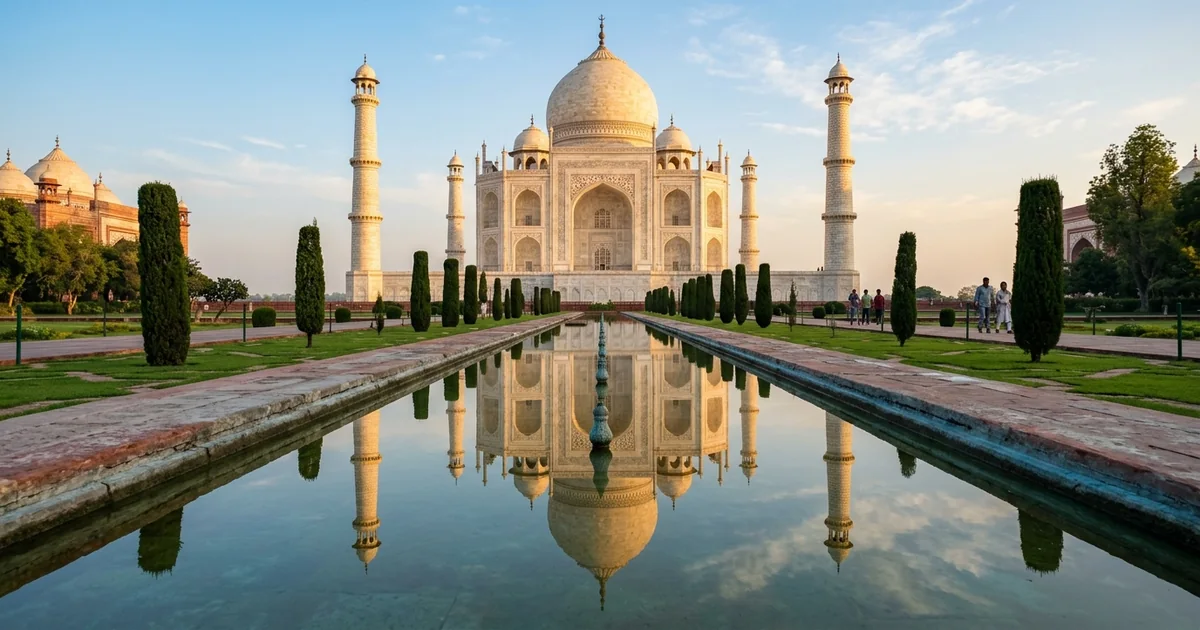
Wake before dawn to arrive at the Eastern Gate of the Taj Mahal by 5:45 AM. Viewing the monument at sunrise is unforgettable: the cool morning mist rises from the Yamuna River, casting an ethereal glow over the Makrana white marble, inlaid semi-precious stones, and reflective water canals.
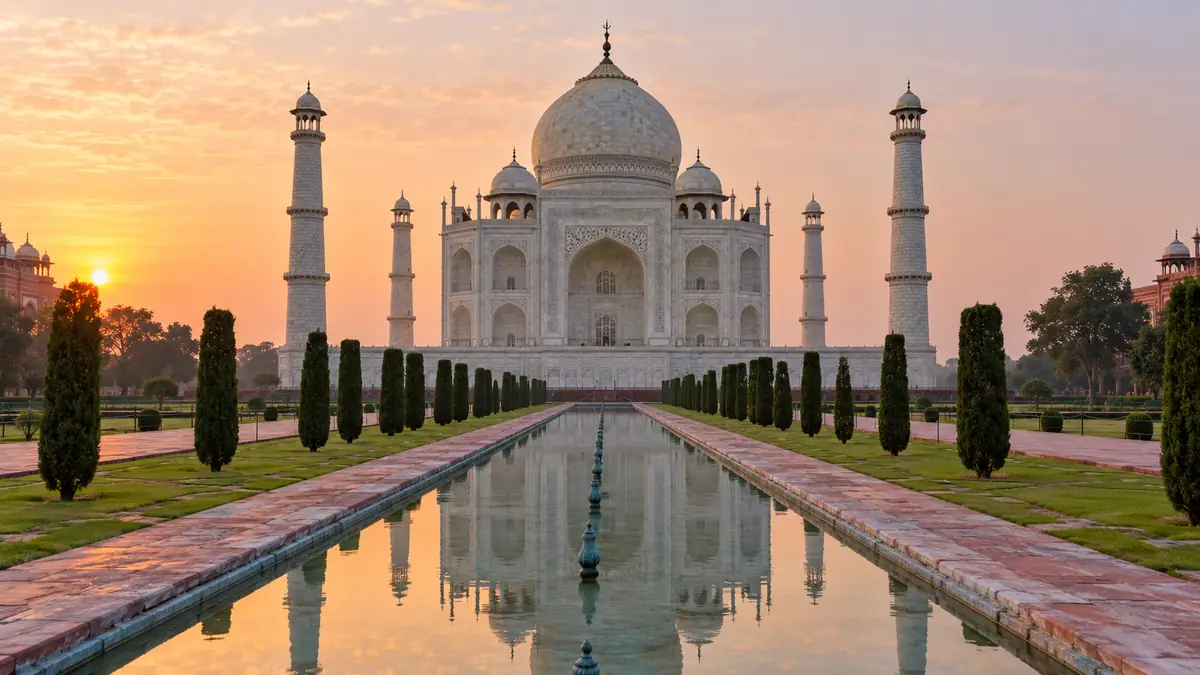
Spend two hours examining the pietra dura floral inlay work, calligraphy bands, and symmetrical four-part Charbagh gardens. Return to your hotel for a hearty breakfast and check out by 10:00 AM to begin the westward drive toward Rajasthan.
Afternoon Transit via Fatehpur Sikri to Jaipur
Depart Agra by private car for the 240-kilometer drive to Jaipur. After 40 kilometers, stop at the ghost city of places to visit in Fatehpur Sikri. Built by Emperor Akbar in 1571 as the capital of the Mughal Empire, the complex was abandoned just fourteen years later due to water shortages.
Walk through the grand Buland Darwaza (Gate of Magnificence), the white marble tomb of Sufi saint Sheikh Salim Chishti, and the multi-tiered Panch Mahal palace. Continue west across the Rajasthan border along NH 21, stopping at the 9th-century stepwell of Chand Baori in Abhaneri village. Arrive in Jaipur by 6:00 PM and check into your heritage hotel.
Day 4: Royal Amer Fort, Hawa Mahal, and Jaipur City Palace
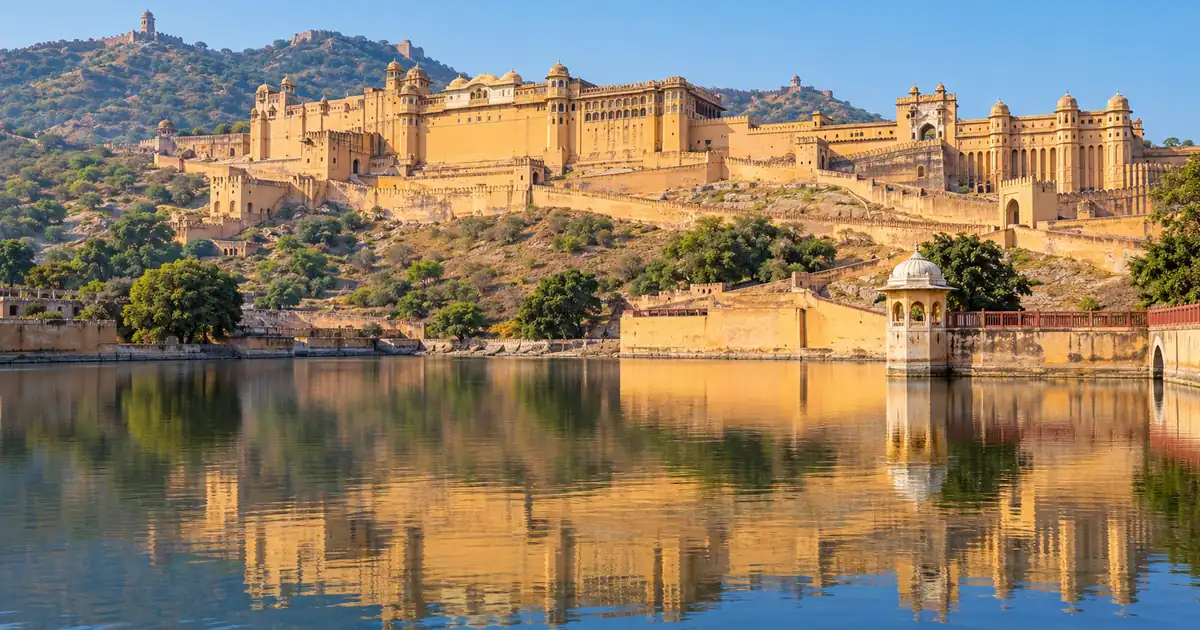
Devote your fourth day to the royal Rajput landmarks detailed in our master guide to Jaipur sightseeing guide. Start at 8:00 AM by driving 11 kilometers north to Amer Fort, the hilltop palace stronghold of the Kachhwaha kings perched over Maota Lake.
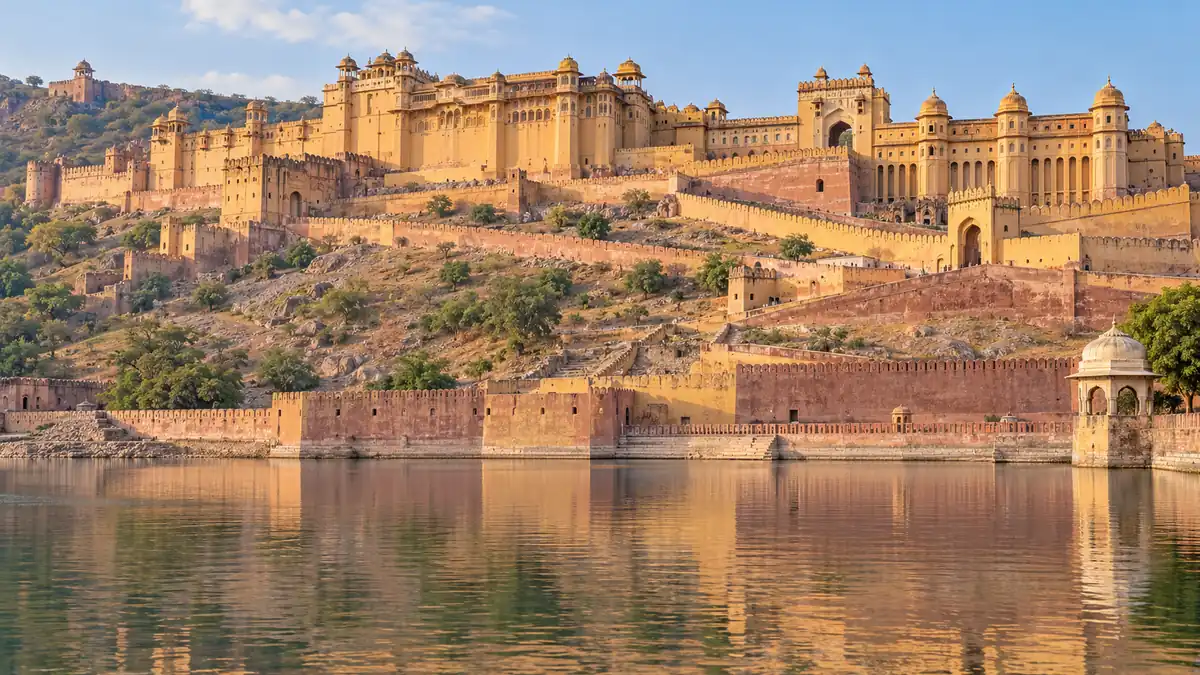
Walk up the cobblestone ramparts or take an authorized tourist jeep to the Suraj Pol (Sun Gate). Inside, tour the dazzling Sheesh Mahal (Mirror Palace), where thousands of concave Belgian mirrors reflect flickering candlelight, the Diwan-i-Aam, and the quiet Zenana courtyards.
Descend into the old Pink City by midday. Pause for photographs outside Hawa Mahal (Palace of Winds), whose 953 honeycombed jharokha balconies allowed royal women to observe city street processions unseen.
After lunch, visit the City Palace complex, which remains the residence of the titular Maharaja of Jaipur. Tour the textile museum, armoury hall, and the Pritam Niwas Chowk peacock courtyards. Adjacent to the palace lies Jantar Mantar, the 18th-century stone astronomical observatory built by Sawai Jai Singh II, featuring the world’s largest stone sundial. In the evening, browse the gemstone and textile markets of Johari Bazaar and Bapu Bazaar.
Day 5: Nahargarh Sunset and Return to Delhi
Spend your final morning visiting the royal marble cenotaphs of Gaitore Ki Chhatriyan, tucked peacefully beneath the northern hills, followed by a visit to the water palace of Jal Mahal resting in the center of Man Sagar Lake.
By 2:30 PM, begin your return journey to Delhi. Travelers can choose between two convenient transit methods:
- By High-Speed Train: Board the afternoon Vande Bharat Express from Jaipur Junction, arriving at New Delhi in under four hours; explore other scenic rail journeys in our guide to the Vande Bharat Express tourist routes.
- By Private Taxi: Drive north along the newly constructed Delhi-Mumbai Expressway (NE4), completing the 270-kilometer route in approximately four to four and a half hours over smooth six-lane pavement.
Arrive in Delhi by evening to transfer directly to Indira Gandhi International Airport (DEL) for your international departure flight, or check into an aerocity hotel for a restful night.
Transport Modes: Trains, Private Taxis, and Expressways
Choosing the appropriate transport mode directly impacts your travel comfort and schedule efficiency across the Golden Triangle.
High-Speed Rail Connections
Indian Railways operates modern, reliable train connections between all three cities. The Gatimaan Express (Delhi to Agra) and Vande Bharat Express (Delhi to Jaipur) offer air-conditioned Executive Chair Car and Chair Car coaches with reserved seating, large panoramic windows, and complimentary meals.
For comprehensive monument ticketing, booking rules, and heritage preservation details, consult the Archaeological Survey of India official portal.
| Sector | Distance | Best Train Route | Train Travel Time | Highway Driving Time |
|---|---|---|---|---|
| Delhi to Agra | 210 km | Gatimaan Express (Train 12050) | 1 hour 40 minutes | 3.5 hours (Yamuna Exp) |
| Agra to Jaipur | 240 km | Af Aii Intercity / Shatabdi | 4.0 to 4.5 hours | 4.5 hours (NH 21) |
| Jaipur to Delhi | 270 km | Vande Bharat / Ajmer Shatabdi | 3 hours 45 minutes | 4.0 hours (NE4 Expressway) |
Private Chauffeur and Rental Cars
Hiring a private car with an experienced English-speaking driver for the full 6-day circuit remains the most popular option for international travelers. A private car provides convenient door-to-door transit, flexible departure times, and easy detours to roadside attractions like Fatehpur Sikri and Chand Baori stepwell.
Ensure your driver carries commercial permits across Delhi, Uttar Pradesh, and Rajasthan, and request a vehicle equipped with working air conditioning and luggage space. Travelers with extra time can extend their northern road trip eastward toward Awadh’s grand monuments and world-famous kebab culture; see our detailed Lucknow Awadhi food trail.
State travel brochures and verified hotel networks can also be referenced at Uttar Pradesh Tourism for official regional itineraries.
Monument Entry Fees, Timings, and Digital Tickets
Virtually all major monuments across Delhi, Agra, and Jaipur require digital e-tickets purchased in advance. Carrying cash to monument ticket windows is no longer recommended, as counters often encourage scanning QR codes via mobile portals.
Major Monument Ticket Fees and Timings
| Monument Name | City | Opening Hours | Indian Citizen Fee | Foreign Visitor Fee | Weekly Closure Day |
|---|---|---|---|---|---|
| Red Fort | Delhi | Sunrise to Sunset | ₹50 | ₹600 | Closed Mondays |
| Humayun’s Tomb | Delhi | Sunrise to Sunset | ₹40 | ₹600 | Open Daily |
| Qutub Minar | Delhi | Sunrise to 9:00 PM | ₹40 | ₹600 | Open Daily |
| Taj Mahal | Agra | Sunrise to Sunset | ₹50 (+₹200 mausoleum) | ₹1,100 (+₹200) | Closed Fridays |
| Agra Fort | Agra | Sunrise to Sunset | ₹50 | ₹650 | Open Daily |
| Fatehpur Sikri | Agra | Sunrise to Sunset | ₹50 | ₹610 | Open Daily |
| Amer Fort | Jaipur | 8:00 AM to 5:30 PM | ₹100 | ₹550 | Open Daily |
| City Palace | Jaipur | 9:30 AM to 5:00 PM | ₹300 | ₹1,000 | Open Daily |
Note that the Taj Mahal is strictly closed to the general public every Friday for prayers. Ensure your itinerary does not place your Agra day on a Friday.
Best Time of Year to Visit the Golden Triangle
Northern India experiences distinct seasons that dramatically alter the travel experience across Delhi, Agra, and Jaipur.
Winter (October to March): Recommended Travel Period
Winter is the undisputed peak travel season for the Golden Triangle. Daytime temperatures are mild and sunny, ranging from 18°C to 26°C, creating ideal conditions for exploring expansive open-air fortresses and palaces. However, travelers should note that December and January can bring dense morning radiation fog, which may occasionally delay morning trains or highway drives.
Summer (April to June): Extreme Heat
Summer temperatures across the plains regularly exceed 42°C to 45°C. Open stone courtyards at Amer Fort and Fatehpur Sikri absorb heat rapidly, making afternoon walking physically exhausting. If you must travel in summer, schedule all monument visits during early morning hours (6:00 AM to 9:30 AM) and rest during the midday heat.
Monsoon (July to September): Humid Weather and Rains
Monsoon rains bring pleasant cloud cover and cooler breezes, turning the Aravalli hills around Jaipur emerald green. However, high humidity and sudden downpours can make sightseeing sticky. Crowds at monuments are noticeably smaller, and luxury heritage hotels frequently offer attractive off-season rates.
Practical Travel Tips: Scams, Touts, and Dining Advice
Navigating India’s Golden Triangle requires sensible precautions to ensure an enjoyable and trouble-free vacation.
Avoiding Common Touts and Commission Scams
- Unauthorized Guides: At monument gates, hire only government-licensed tour guides carrying official photo identity cards issued by the Ministry of Tourism. Agree on fixed fees beforehand.
- Marble and Gemstone Workshops: Drivers and touts frequently attempt to direct tourists to specific marble inlay showrooms or gemstone dealers, claiming special government discounts. These visits often involve inflated prices and heavy driver commissions; decline politely if you are not interested in shopping.
- Prepaid Taxis: At airports and railway stations, always use official pre-paid taxi booths or ride-hailing apps like Uber and Ola rather than accepting unsolicited offers from drivers inside the terminal.
Health, Water, and Street Food Safety
- Bottled Water: Drink exclusively bottled mineral water from sealed, reputable brands. Check the cap seal before drinking, and use bottled water for brushing teeth.
- Fresh Food: Eat freshly cooked, steaming-hot meals from busy eateries with steady customer turnover. Avoid peeled raw fruits, salads, and drinks with open ice cubes from roadside stalls.
- Clothing: Dress modestly with shoulders and knees covered, especially when visiting active religious shrines like Jama Masjid, Gurudwara Bangla Sahib, or temple complexes.
Frequently Asked Questions About the Golden Triangle India
How many days are ideal for the Golden Triangle tour?
Six days (5 nights) is the ideal duration for the classic Golden Triangle tour, allowing two nights in Delhi, one night in Agra, and two nights in Jaipur without feeling rushed.
Which direction is best: Delhi to Agra to Jaipur, or Delhi to Jaipur to Agra?
Traveling clockwise from Delhi to Agra first, then to Jaipur, and back to Delhi is the most popular and efficient route. Taking the fast Gatimaan Express to Agra allows you to reach the Taj Mahal quickly, while the newly opened expressway ensures a smooth return from Jaipur to Delhi.
Is the Taj Mahal open every day of the week?
No, the Taj Mahal is closed to the general public every Friday. Plan your itinerary carefully so that your Agra visit falls on a Saturday through Thursday.
Is the Golden Triangle safe for solo women travelers?
Yes, the Golden Triangle is well-traveled and safe when following basic precautions. Solo women travelers should consider hiring private chauffeured cars, booking reputable 4-star and heritage hotels, dressing modestly, and avoiding unlit, isolated alleys after dark.