Vande Bharat Express Tourist Routes India: Passes & Booking
Explore top scenic Vande Bharat Express tourist routes from Katra and Goa to Varanasi and Udaipur, plus CC vs EC/EV coach rules and 120-day IRCTC booking.
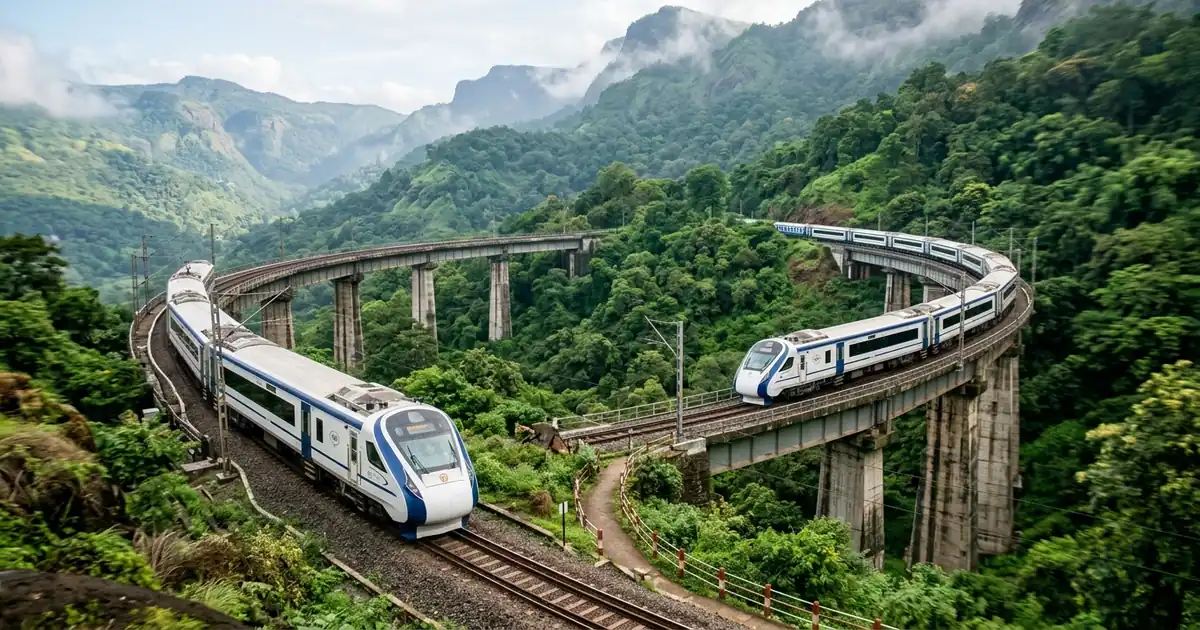
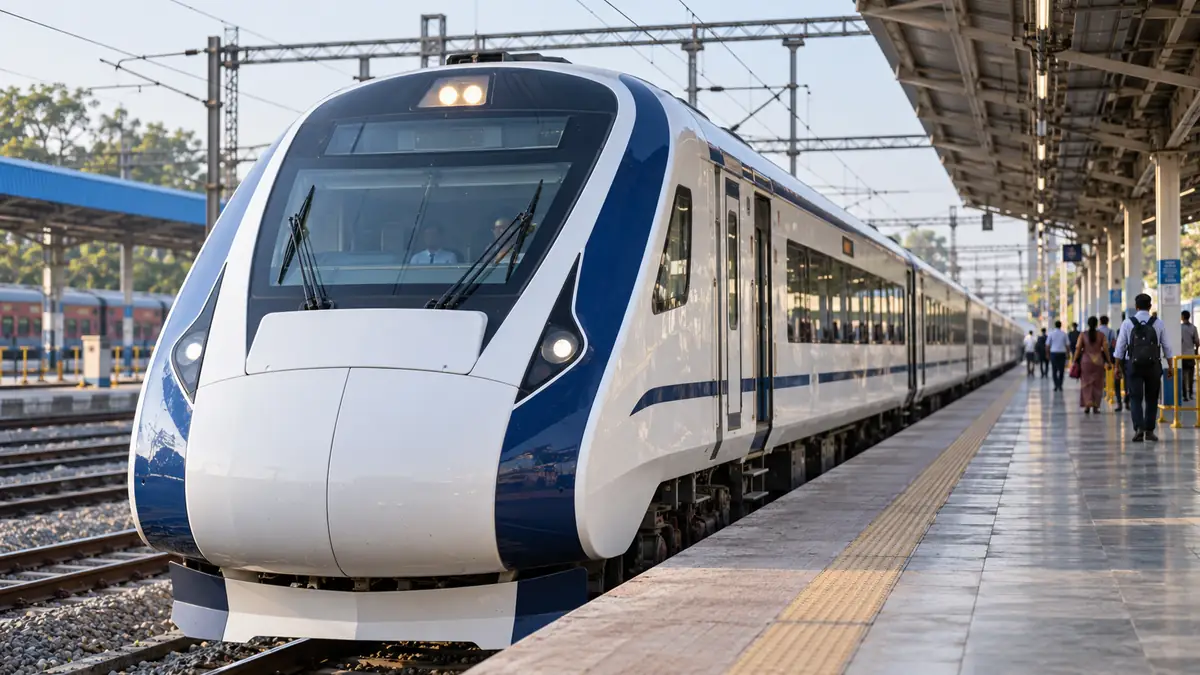
Cutting daytime travel times between India’s historic cities by nearly a third, Vande Bharat Express semi-high-speed trainsets pair broad sealed picture windows with zero-loco-change turnaround speed across coastlines, mountain viaducts, and heritage plains. Instead of waiting overnight on slow sleeper mail trains, leisure travelers now link Delhi, Varanasi, Goa, Udaipur, and Himalayan railheads comfortably inside a single sunny morning or afternoon run.
However, picking the scenic direction, understanding IRCTC’s confusing CC, EC, and EV coach codes, and toggling catering options cleanly changes both comfort and ticket cost noticeably.
Vande Bharat Tourist Planning Essentials: Know coach categories and scenic sectors before locking IRCTC seats.
- Top Scenic Corridors: Katra-Srinagar (Chenab Bridge), Mumbai CSMT-Madgaon (Konkan waterfalls), Udaipur-Asarva (Aravalli ridges), and New Delhi-Varanasi.
- CC vs. EC vs. EV: Standard Vande Bharat rakes carry AC Chair Car (CC, 3+2) and rotating Executive Chair Car (EC, 2+2); EV designates glass-roofed Vistadome AC coaches on select scenic trains rather than regular Vande Bharat sets.
- IRCTC Advance Booking: Tickets open 120 days prior across General, Tatkal, and Foreign Tourist quotas with optional meal opt-out.
- Baggage & Accessibility: Overhead racks fit standard cabin bags cleanly, with accessible wide sliding automatic doors and wheelchair-ready lavatories in select coaches.
Most Scenic Vande Bharat Express Tourist Routes in India
Across India’s rapidly growing orange-and-blue semi-high-speed network, five corridors stand out specifically for landscape drama alongside practical weekend sightseeing schedules. Checking seasonal highlights ensures you catch monsoon Konkan cascades or snow-lined northern viaducts at peak clarity.
| Scenic Vande Bharat Corridor | Key Scenic Highlights | Approximate Journey | Practical Season Tip |
|---|---|---|---|
| Katra (SVDK) - Srinagar (SINA) | Chenab Rail Bridge (359 m high), Anji Khad Bridge, Pir Panjal tunnels | ~3 to 3.5 hrs | Winter snow ridges (Dec-Mar) & bright alpine summer |
| Mumbai CSMT - Madgaon (Goa) | 90+ Konkan Railway tunnels, Dudhsagar foothills & monsoon cascades | ~7.5 to 8 hrs | June to October lush green waterfalls (window right) |
| New Delhi (NDLS) - Varanasi (BSB) | Prayagraj Ganga plains & straight morning link to ancient ghats | ~8 hrs | October to March cool winter festival circuit |
| Udaipur City - Asarva / Jaipur | Ancient Aravalli rock hills & historic Mewar-Rajasthan countryside | ~5.5 to 6.5 hrs | Clear morning sunshine across desert hills |
| New Jalpaiguri (NJP) - Howrah / Guwahati | Mahananda plains & Teesta foothills gateway toward Darjeeling & Sikkim | ~6 to 7.5 hrs | Clear pre-winter morning visibility (Oct-Dec) |
Northern mountain travelers timing rail connections onto Kashmir’s historic Chenab crossing can review station specifics in our Kashmir Vande Bharat and Chenab Rail Bridge report. Official route schedules and corridor announcements appear on the Indian Railways Official Portal.
Explaining Chair Car (CC), Executive Class (EC), and Vistadome (EV)
Many rail passengers booking via IRCTC search specifically for what EV stands for alongside CC and EC on Vande Bharat screens. Knowing exact seat widths, rotation mechanics, and coach deployment stops frustrating last-minute boarding surprises.
AC Chair Car (CC) vs. Executive Chair Car (EC)
- AC Chair Car (CC): Features comfortable airline-style rows arranged in a 3+2 seating configuration per column, individual tray tables, under-seat charging sockets, and GPS speed-and-station digital screens. Ideal for solo budget travelers or quick 4-hour hops where fixed forward/backward orientation hardly matters.
- Executive Chair Car (EC): Configured in a spacious 2+2 seating layout featuring cushioned footrests and 180-degree rotating seats that rotate manually at terminal turnarounds or during transit so groups sit face-to-face or look straight toward scenic vistas. Worth the 70-90% fare premium along mountain viaducts and Konkan ghat drops.
What Is EV Class in Indian Rail Booking?
On IRCTC drop-downs, EV stands for Vistadome AC Coach (equipped with 360-degree glass skylights, wide anti-glare side windows, and rear observation lounge decks), deployed extensively on Jan Shatabdi, Kalka-Shimla, Nilgiri, and Mumbai-Madgaon heritage routes. Standard aerodynamic Vande Bharat trainsets operate exclusively with CC and EC classes featuring oversized sealed horizontal windows rather than glass roofs, while heritage luxury loops remain covered in our luxury rail tours across India guide.
Northern capital schedules and regional tourism rail connections are maintained alongside the Indian Railways Official Portal and the Incredible India Delhi Destination Hub.
IRCTC Booking Rules, 120-Day Window, and Catering Opt-Out
Booking Vande Bharat tickets smoothly requires registering cleanly on IRCTC Rail Connect well before popular Friday/Sunday weekend departures sell out on tourist sectors like Goa and Katra. Unlike conventional night expresses, zero general unreserved tickets exist; every passenger requires an assigned digital seat.
- 120-Day Advance Window & Tatkal: Open IRCTC up to 120 days ahead for General Quota bookings, or try Tatkal quota opening at 10:00 AM sharp one day before departure if weekend EC seats vanish early.
- Using No-Catering Opt-Out: Every base Vande Bharat ticket bundles regional breakfast, evening tea, and hot lunch meals automatically into the fare; toggling “No Food Option” at checkout trims INR 150 to INR 380 off your ticket cleanly while letting you pack fresh local snacks onboard.
- Choosing Window Seats: Select WS (Window Side) preference cleanly during booking; along Mumbai-Madgaon Konkan crossings and Udaipur-Asarva hills, left/right sun orientation flips, yet oversized sealed panes keep glare manageable across every row.
Religious travelers timing the flagship New Delhi-Varanasi run can easily stitch dawn arrivals together using our Varanasi Ayodhya Prayagraj rail route blueprint.
Station Accessibility, Luggage Limits, and Onboard Amenities
Every Vande Bharat trainset features pressurized sealed sliding entry doors, automatic gangway dividers, vacuum bio-toilets, and continuous overhead luggage racks designed to simplify day trips for families and senior citizens. Boarding remains smoother than older express trains because low-step pneumatic gangways minimize platform gaps at major junctions.
- Luggage Rack Capacity: Each coach holds sleek metallic overhead shelves fitted comfortably for standard 55 cm cabin rollers and backpacks; oversized 28-inch suitcases rest near designated end-of-coach luggage niches.
- Accessible Washrooms & Wheelchairs: Disabled-friendly lavatories with braille signage and wide wheelchair spaces sit near end coach entries on modern 8-car and 16-car rakes.
- Wi-Fi Infotainment & Sockets: Individual 3-pin power outlets sit tucked cleanly under pairs of seats across both CC and EC rows, keeping phones and cameras charged across full eight-hour daytime runs.
Travelers pairing high-speed Agra or Jaipur runs with longer cultural circuits often anchor weekend routes around Golden Triangle India.
Pairing Vande Bharat Corridors With India’s Classic Circuits
Using fast daytime trains lets travelers skip short domestic airport security queues and reach city-center stations directly near monuments:
- Eastern Himalayan Foothill Express: Arrive comfortably at New Jalpaiguri (NJP) via Howrah or Guwahati Vande Bharat Express by midday before ascending uphill toward mountain trails covered in our Gangtok and North Sikkim guide.
- Kalka & Foothill Hops: Step cleanly off Chandigarh or Amb Andaura Vande Bharat links onto Himalayan mountain taxis bound for Shimla or Kullu valleys.
- Western Ghat Weekend Escapes: Board the morning Mumbai CSMT departure straight down into Goa by mid-afternoon without wasting a full overnight sleep cycle.
Broad multi-state passenger guidance and rail tourism passes are indexed on the Incredible India National Portal.
Frequently Asked Questions About Vande Bharat Tourist Routes
Which is the most scenic Vande Bharat Express route in India?
The Katra-Srinagar route crossing the 359-meter Chenab Rail Bridge ranks first for high Himalayan engineering drama, while the Mumbai CSMT-Madgaon route through Konkan Railway tunnels and monsoon waterfalls ranks first for lush tropical scenery.
What is EV class vs EC class in Indian Railways and Vande Bharat booking?
EC stands for Executive Chair Car featuring 2+2 seating and 180-degree rotating seats on Vande Bharat trains. EV stands for Vistadome AC Coach with transparent glass ceilings and viewing decks, found on select scenic trains such as Jan Shatabdi and Araku routes rather than standard Vande Bharat rakes.
Can you choose whether to include food on Vande Bharat Express?
Yes, IRCTC lets passengers choose “Veg,” “Non-Veg,” or “No Food” during online checkout. Opting out of catering saves roughly INR 150 to INR 380 depending on journey length.
How far in advance do Vande Bharat Express tickets open?
General reservations on IRCTC open 120 days in advance. Last-minute Tatkal seats release at 10:00 AM one day before the train originates, though popular weekend Goa and Varanasi routes sell out rapidly.
Are there sleeper berths on Vande Bharat Express tourist trains?
Daytime Vande Bharat Express runs use seated AC Chair Car (CC) and Executive Chair Car (EC) layouts designed for 4 to 8 hour trips, with separate Vande Bharat Sleeper rakes gradually entering select long overnight corridors.