Kashi Ayodhya Prayagraj Itinerary: 5-Day Spiritual Tour Guide
Plan your 5-day spiritual circuit across Kashi, Ayodhya, and Prayagraj with darshan timings, Vande Bharat trains, boat rides, and daily travel routes.
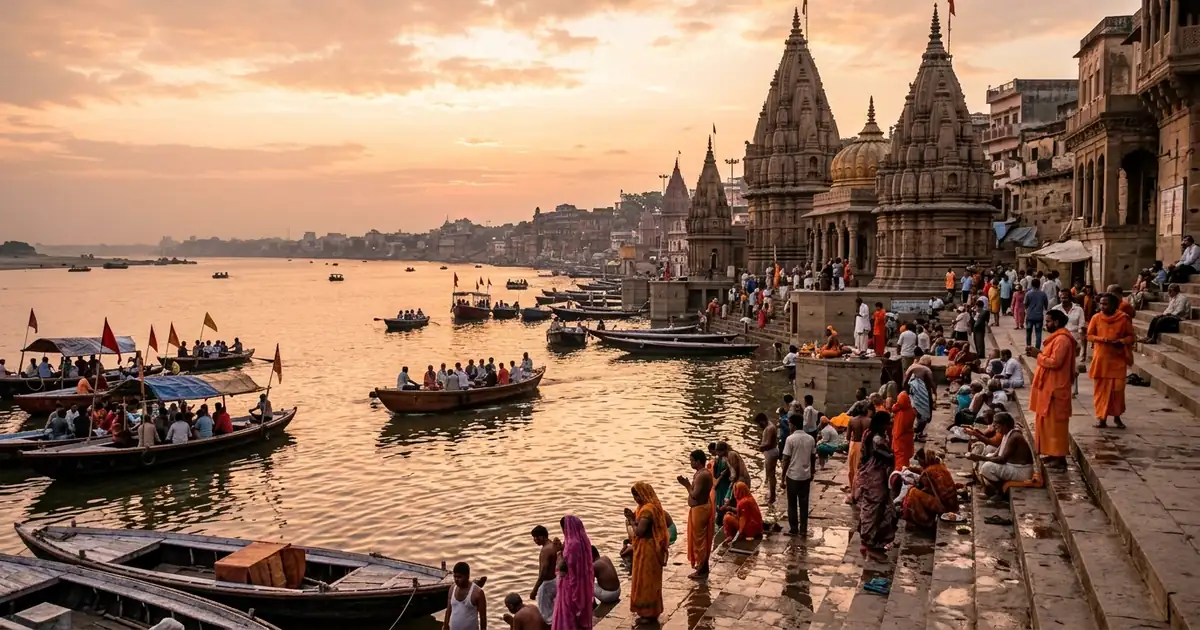
The sacred triangle formed by Varanasi (Kashi), Ayodhya, and Prayagraj represents the spiritual core of Northern India. Spanning the fertile Gangetic plains of Uttar Pradesh, this classic pilgrimage circuit unites the ancient Shaivite center of Lord Shiva in Kashi, the sacred birthplace of Lord Rama on the banks of the Saryu in Ayodhya, and the holy confluence of the Ganga, Yamuna, and mythical Saraswati at the Triveni Sangam in Prayagraj.
In recent years, dramatic infrastructure upgrades including the Kashi Vishwanath Corridor, the Ram Janmabhoomi complex, modern expressway corridors, and high-speed Vande Bharat rail connections have made this revered journey far more accessible. What once required exhausting multi-week journeys over congested state highways can now be completed smoothly in five well-planned days.
Kashi Ayodhya Prayagraj Circuit Essentials
- Total Distance: Approximately 450 to 500 kilometers across the three holy cities.
- Recommended Duration: 4 nights and 5 days (2 nights Varanasi, 1 night Ayodhya, 1 night Prayagraj).
- Primary Transit Modes: Vande Bharat Express trains, intercity electric cabs, and four-lane national highways (NH 19 and NH 330).
- Main Religious Centers: Shri Kashi Vishwanath Dham, Shri Ram Janmabhoomi Mandir, and Triveni Sangam.
- Peak Travel Season: October through March when cool, dry winter weather makes riverside rituals and temple walks comfortable.
- Luggage Guidance: Security rules across all three centers prohibit mobile phones, smartwatches, and leather goods inside core sanctums.
Sacred Geography of the Purvanchal Spiritual Triangle
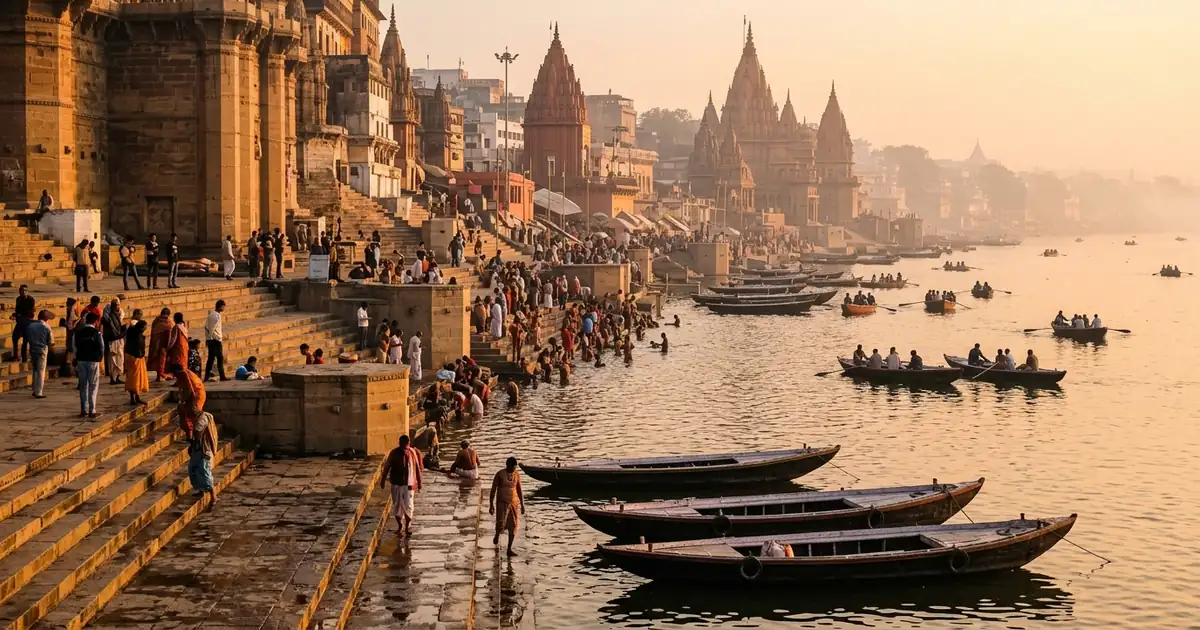
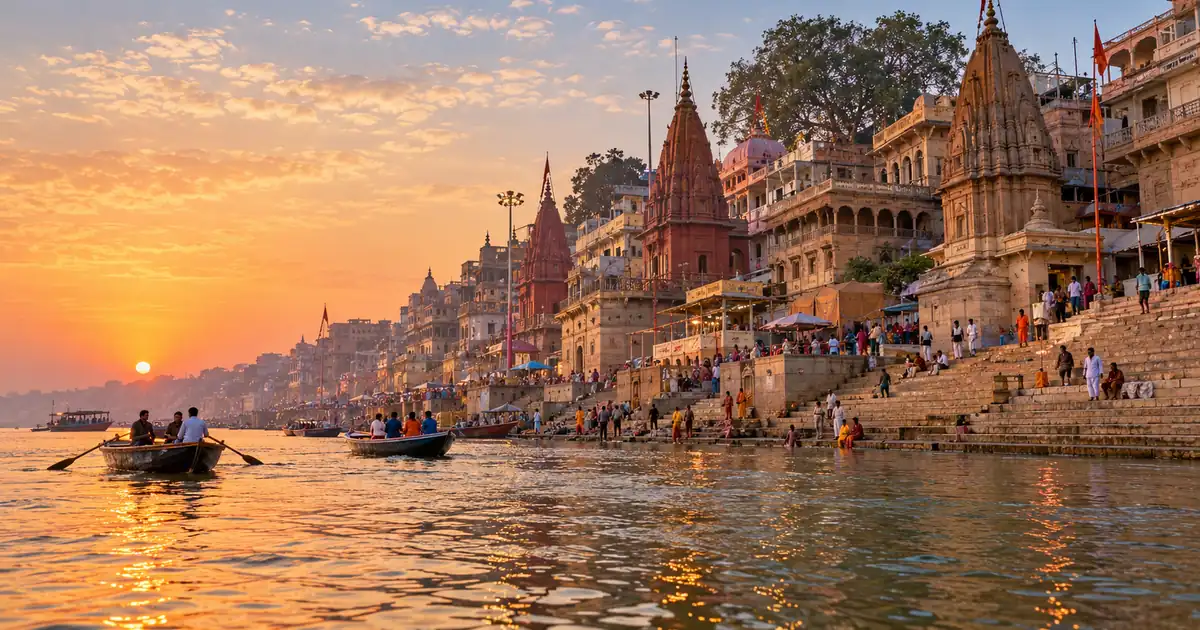
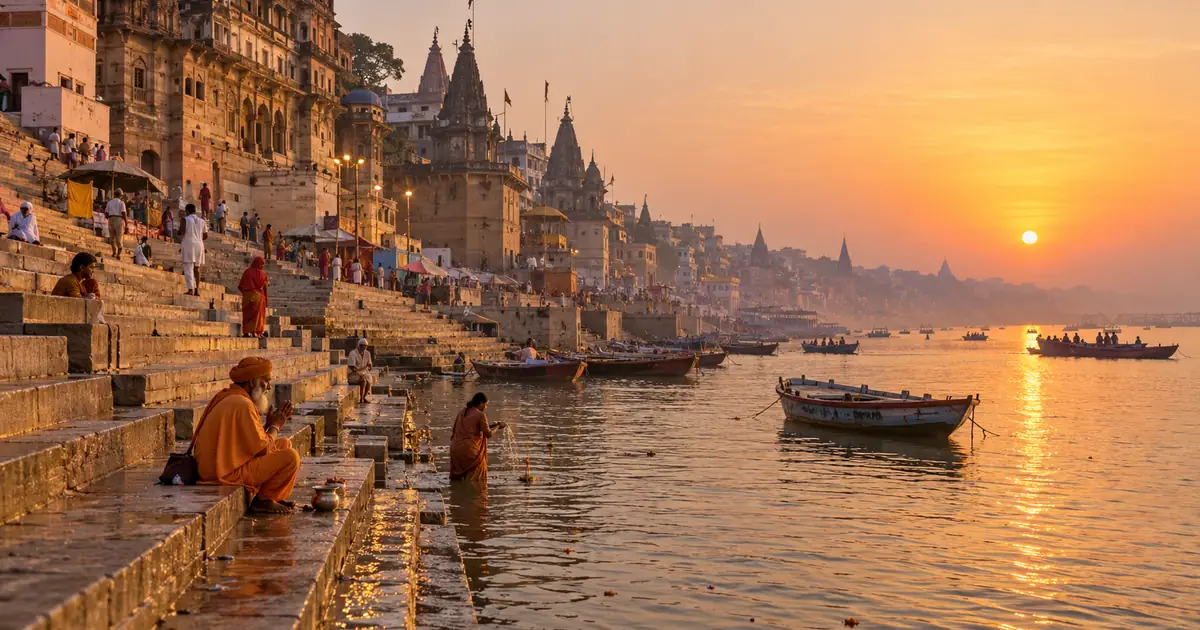
Each vertex of this holy triangle holds a distinct place in Hindu theological tradition and Indian cultural history. Varanasi, known traditionally as Kashi, is celebrated in ancient texts as the eternal city of light where Lord Shiva grants liberation (moksha) to departing souls. The continuous chain of 84 stone ghats bordering the sacred crescent of the Ganga forms one of humanity’s oldest living cultural landscapes.
One hundred and twenty kilometers to the west, Prayagraj anchors the sacred Triveni Sangam. Here, the muddy waters of the Ganga meet the deep blue expanse of the Yamuna, alongside the invisible currents of the subterranean Saraswati. The city is the historic host of the Kumbh Mela, the largest religious gathering on earth, where taking a holy dip is believed to wash away lifetimes of accumulated karmic burden.
One hundred and thirty kilometers north of Prayagraj, Ayodhya rises along the peaceful banks of the Saryu River. Revered in the Ramayana as the capital of the Ikshvaku dynasty and the earthly kingdom of Lord Rama, the city has emerged into a global spiritual destination anchored by the grand stone nagara architecture of the new Ram Janmabhoomi temple.
Official civic resources and heritage preservation notes can be verified directly through the Uttar Pradesh Tourism Portal for city guidelines and state travel updates.
Choosing the Best Route Direction: Varanasi or Lucknow Entry
Determining where you arrive and depart shapes your travel comfort. The two most effective ways to complete this circuit depend on your flight or railway bookings.
The most popular option is the Varanasi In, Varanasi Out loop. Travelers arrive at Lal Bahadur Shastri International Airport (VNS) or Varanasi Junction (BSB), spend two nights exploring Kashi, take an early train to Ayodhya for one night, drive southwest to Prayagraj for a morning holy dip, and return to Varanasi for their return flight.
An equally efficient alternative is the Lucknow In, Varanasi Out linear route. Travelers land at Chaudhary Charan Singh International Airport (LKO) in Lucknow, take a morning express train or cab eastward to Ayodhya (135 km, 2.5 hours), travel south to Prayagraj (165 km, 3.5 hours), and conclude eastward in Varanasi (125 km, 2.5 hours). This linear route eliminates backtracking entirely and minimizes highway hours. If you choose the Lucknow gateway, spend an evening exploring the nawabi kebabs and dum biryani documented in our Lucknow Awadhi food trail.
For the purpose of this comprehensive guide, we follow the circular Varanasi-Ayodhya-Prayagraj-Varanasi itinerary, which remains the preferred route for most domestic and overseas travelers.
Day 1: Arrive in Varanasi, Old City Lanes, and Evening Ganga Aarti
Arrive in Varanasi by early afternoon. Check into your hotel or heritage riverside haveli. Because vehicular traffic is restricted in the narrow medieval lanes of the old city, arrange for your hotel staff to meet your taxi at Godowlia crossing or Maidagin to assist with luggage.
By 4:00 PM, begin exploring the historic alleys surrounding Dashashwamedh Ghat. The lanes are filled with traditional silk weavers, brassware artisans, and fragrance vendors selling pure sandalwood and rose attar.
Head down to Dashashwamedh Ghat by 5:30 PM to secure a vantage point for the famous evening worship ceremony detailed in our Ganga Aarti Varanasi guide. Seven young priests clad in saffron robes perform synchronized fire rituals with multi-tiered brass lamps, accompanied by the blowing of conch shells, beating of brass bells, and resonant Vedic chanting.
You can view the ceremony from the broad stone steps of the ghat or by renting a shared wooden boat on the river. Following the aarti, float a small earthen leaf boat carrying marigold flowers onto the gentle currents of the Ganga. Have a traditional dinner featuring hot kachori sabzi and sweet rabdi malai in the Godowlia bazaar before resting overnight.
Day 2: Kashi Vishwanath Darshan, Sunrise Boat Ride, and Sarnath
Wake at 5:15 AM for a sunrise boat ride along the Ganga. Board a private wooden rowboat at Assi Ghat and float slowly northward toward Manikarnika Ghat. The morning sun casts a golden glow over centuries-old stone palaces, maratha pavilions, and bathing pilgrims performing surya namaskar in the river mist.
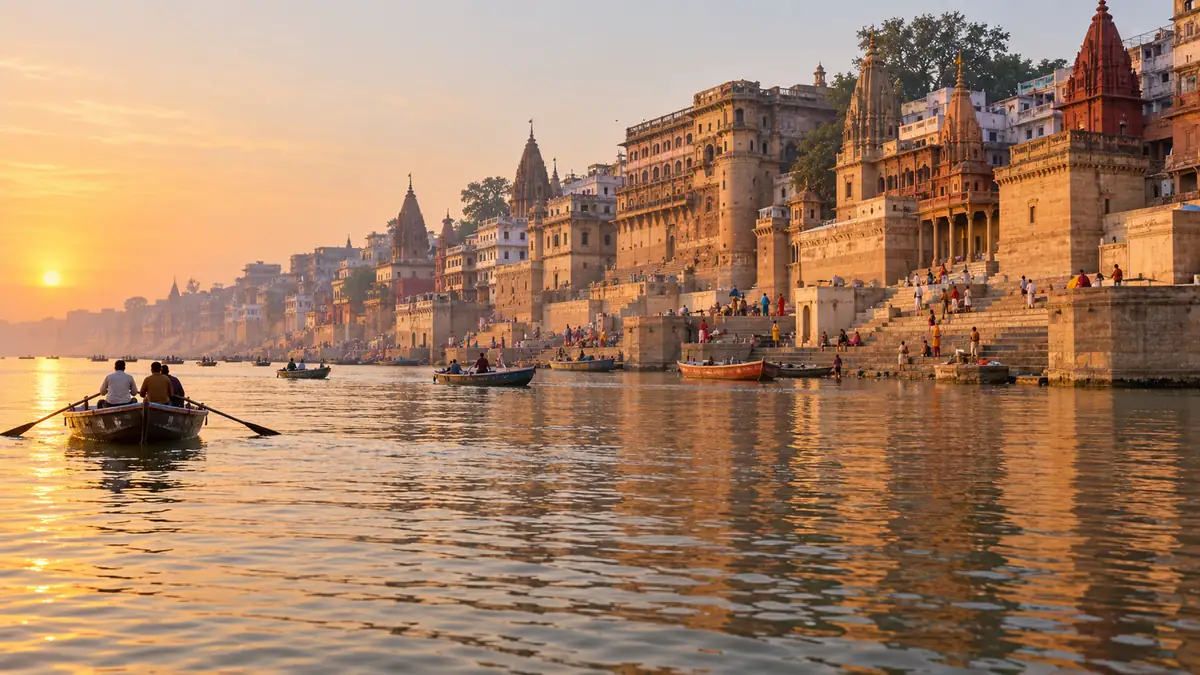
Disembark at Dashashwamedh Ghat and proceed directly through Gateway 4 of the transformed Kashi Vishwanath Corridor. Entering the sanctum of Kashi Vishwanath, offer sacred bilva leaves and Ganga water to the swayambhu Jyotirlinga. The new corridor seamlessly links the riverfront directly to the gilded temple, eliminating the claustrophobic bottlenecks of past decades.
After completing darshan, walk next door to the historic Annapurna Temple to receive morning prasad. Return to your hotel for breakfast and rest during the warm midday hours.
At 2:30 PM, hire an auto-rickshaw or taxi for the 10-kilometer drive northeast to the historic deer park at Sarnath. Sarnath is the sacred deer grove where Gautama Buddha delivered his first sermon, known as the Dhammacakkappavattana Sutta, after attaining enlightenment at Bodh Gaya.
Visit the imposing 5th-century Dhamek Stupa, the ruins of the Mulagandhakuti vihara, and the Sarnath Archaeological Museum, which houses the original polished sandstone Lion Capital of Ashoka adopted as the national emblem of India. Return to Varanasi by 7:00 PM and enjoy a relaxed dinner.
Day 3: Varanasi to Ayodhya, Ram Janmabhoomi, and Saryu Aarti
Check out of your Varanasi hotel early and board the morning Vande Bharat Express or hire a private cab for the journey to Ayodhya. The 200-kilometer drive along NH 330 passes through Jaunpur and Sultanpur, taking approximately four hours over smooth four-lane toll highways.
Arrive in Ayodhya by 11:30 AM and check into your hotel. The city has witnessed extensive beautification, featuring wide boulevards decorated with sun-themed lampposts along Ram Path and Dharma Path.
After lunch, head toward the grand complex of Ayodhya Ram Mandir. Constructed entirely of pink Bansi Paharpur sandstone from Rajasthan without using structural steel or iron, the temple rises across three magnificent storeys in the traditional Nagara architectural style.
Complete darshan of Ram Lalla in the inner sanctum. The sanctum features intricately carved stone pillars displaying incarnations of Vishnu, celestial dancers, and decorative floral panels. Follow the designated pedestrian walkways through the expansive temple grounds.
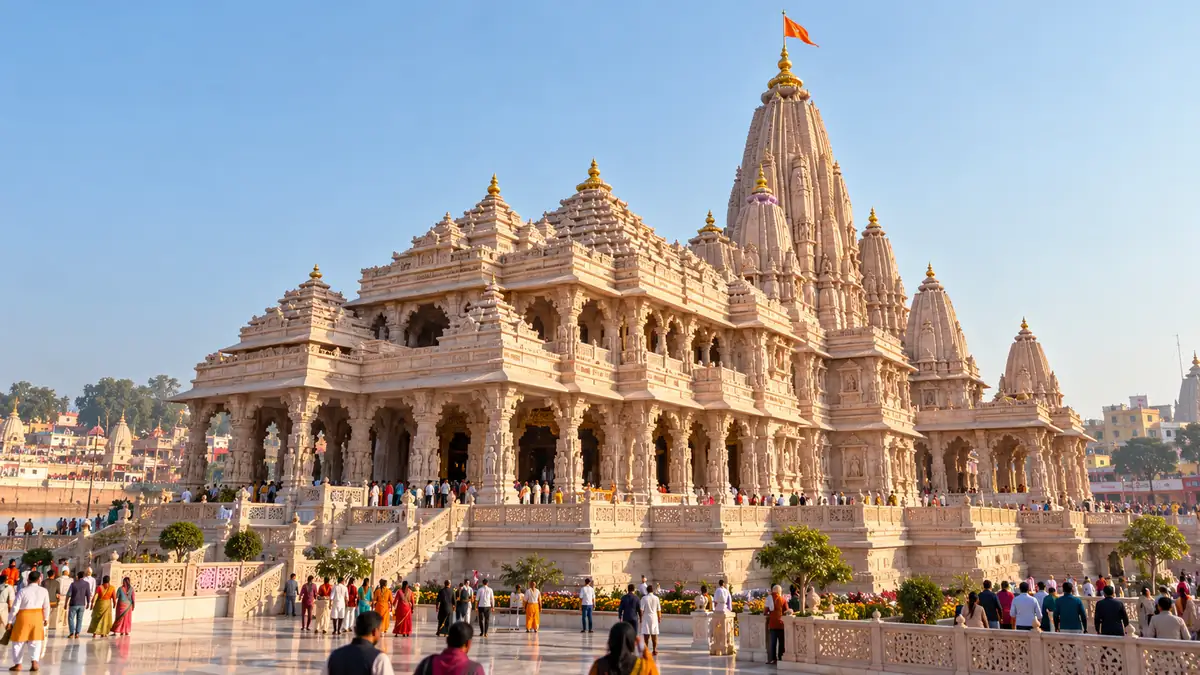
By 4:30 PM, visit the elevated fortress temple of Hanuman Garhi. Tradition mandates that pilgrims must seek the blessing of Lord Hanuman, the guardian of the city, before entering Rama’s royal court. Climb the 76 stone steps to the fortified temple courtyard to offer laddoos.
As dusk descends, proceed to Ram Ki Paidi along the embankments of the Saryu River. The riverside is illuminated with thousands of lights as priests conduct the evening Saryu Aarti. Watch the reflections ripple across the water and visit Naya Ghat before retiring for the night.
Day 4: Ayodhya to Prayagraj, Triveni Sangam, and Anand Bhavan
Begin the day with an early visit to Kanak Bhawan, an ornate palace temple gifted to Sita by Queen Kaikeyi according to local legend. Admire the arched courtyards and gilded ceilings before having breakfast and checking out of your hotel by 9:00 AM.
Depart Ayodhya for Prayagraj, driving south along NH 330 via Pratapgarh. The 165-kilometer journey takes roughly three and a half hours through green agricultural plains.
Arrive in Prayagraj by 1:00 PM and check into your hotel near Civil Lines. After a light lunch, proceed directly to the sacred Triveni Sangam Prayagraj. Hire an authorized motorized wooden boat from the Sangam ghats to reach the exact point of the confluence.
At the confluence, the contrasting waters create a striking natural visual: the silt-laden, pale green current of the Ganga merges visibly with the deep, clear azure of the Yamuna. Pilgrims perform their ritual holy bath on moored wooden platforms positioned securely over the shallow waters.
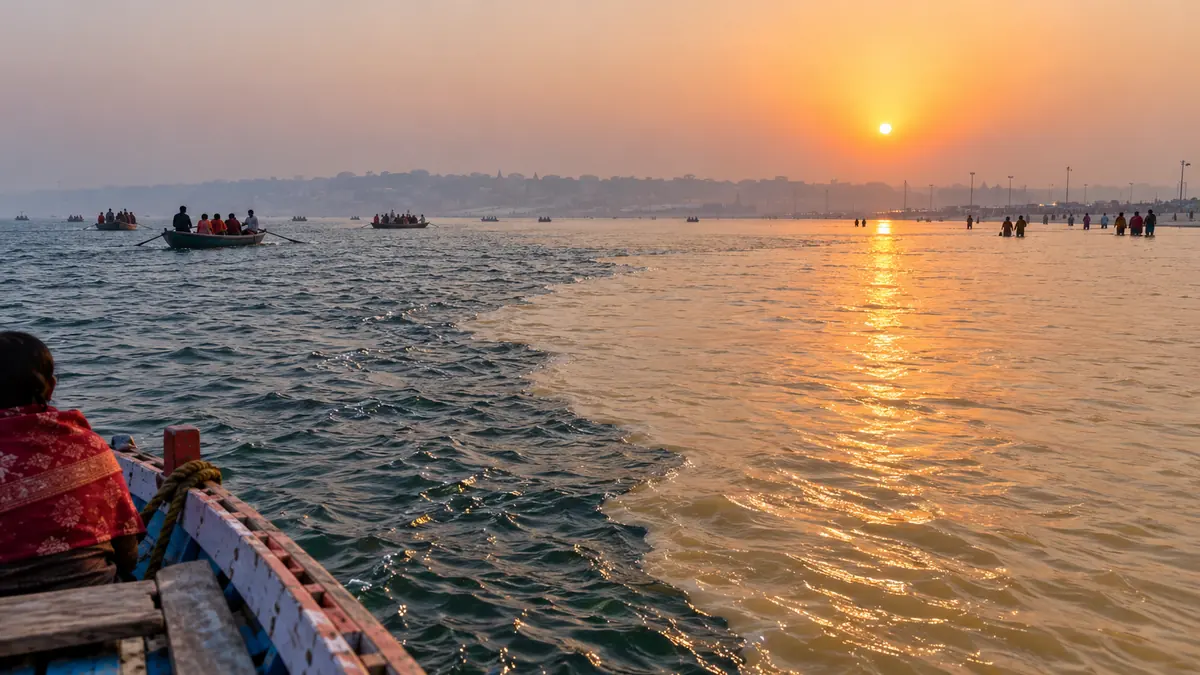
After your boat trip, visit the subterranean Bade Hanuman Temple near the riverbank, housing a rare reclining idol of Lord Hanuman submerged by the river waters each monsoon. Continue to the historic Anand Bhavan, the ancestral home of the Nehru-Gandhi family set within manicured gardens, which displays historic exhibits from India’s independence struggle. Rest overnight in Prayagraj.
Day 5: Prayagraj to Varanasi Return and Departure
On your final morning, visit the historic Chandrashekhar Azad Park and the Victorian sandstone structures of Allahabad High Court and Muir Central College. Alternatively, visit the sacred Alopi Devi Temple, one of the 51 Shakti Peethas where a wooden swing is worshipped in place of an idol.
Check out of your hotel by 10:30 AM and begin the return journey to Varanasi along the smooth six-lane corridor of NH 19 (the historic Grand Trunk Road). The 125-kilometer drive takes just two and a half hours.
Arrive back in Varanasi by 1:30 PM. If your train or flight departs in the evening, celebrate the conclusion of your spiritual yatra with an authentic culinary walk guided by our local dishes and food walks in Varanasi Street Food. Savor Banarasi tamatar chaat at Kashi Chaat Bhandar, crisp kachori sabzi in Thatheri Bazaar, and thick malai-topped lassi served in traditional earthen kulhads.
Head to Lal Bahadur Shastri Airport or Varanasi Junction railway station for your onward journey home, having completed a transformative pilgrimage across the three holiest cities of northern India.
Transportation Logistics, Train Routes, and Highway Tips
Moving smoothly between Varanasi, Ayodhya, and Prayagraj requires selecting the right combination of rail and road transport.
Train Options and Vande Bharat Connections
The Indian Railways network connects all three cities with regular superfast and express trains. The Vande Bharat Express operates between Gorakhpur, Ayodhya, Lucknow, and Prayagraj, offering air-conditioned Executive Chair Car comfort with large panoramic windows and onboard catering. For a comprehensive overview of executive rail services across India, explore our dedicated guide to the Vande Bharat Express tourist routes.
For exact train schedules, booking rules, and heritage monument access across the country, check the national portal of Incredible India and the IRCTC official railway ticketing network.
| Sector Route | Distance | Best Train Options | Travel Time | Highway Driving Time |
|---|---|---|---|---|
| Varanasi to Ayodhya | 200 km | Vande Bharat / Intercity Express | 3.5 to 4.5 hours | 4.0 hours (NH 330) |
| Ayodhya to Prayagraj | 165 km | Saryu Express / Cab | 3.5 hours | 3.5 hours (NH 330) |
| Prayagraj to Varanasi | 125 km | Vande Bharat / Kamayani Exp | 1.5 to 2.5 hours | 2.5 hours (NH 19) |
Highway and Cab Hire Advice
Hiring a dedicated air-conditioned taxi for the entire 5-day circuit from Varanasi provides maximum flexibility, allowing you to stop at roadside temples and dhabas at your own pace. Ensure the cab operator possesses an all-Uttar Pradesh commercial permit (yellow plate) to avoid interstate tax delays.
Road conditions on NH 19 (Varanasi-Prayagraj) are superb, featuring six lanes with broad paved shoulders. NH 330 (Varanasi-Ayodhya and Ayodhya-Prayagraj) is a well-surfaced four-lane highway with moderate commercial truck movement.
Pilgrim Dress Codes, Security Rules, and Sanctum Etiquette
Each of the three cities maintains rigorous security protocols and traditional behavioral standards that all visitors must observe.
Sanctum Attire Guidelines
- Modest Attire Mandatory: While stitched garments are permitted for general darshan at Kashi Vishwanath, Ram Janmabhoomi, and Bade Hanuman Mandir, clothing must be conservative. Avoid shorts, three-quarter pants, miniskirts, or sleeveless tops.
- Traditional Attire for Rituals: Male devotees performing specialized Abhishek ceremonies inside the Kashi Vishwanath sanctum are required to wear unstitched cotton or silk dhotis, while women must wear traditional sarees or modest salwar suits.
High-Security Checkpoints and Prohibited Items
Security protocols at Shri Ram Janmabhoomi and Shri Kashi Vishwanath are among the most stringent in the nation, managed by paramilitary forces and specialized state police commands.
- Prohibited Items: Mobile phones, digital cameras, smartwatches, fitness bands, earphones, power banks, lighters, matchboxes, tobacco products, and leather items (belts and wallets) are strictly forbidden past the outer security scanners.
- Cloakroom Facilities: Both temple complexes provide free, secure electronic locker facilities where you can deposit mobile devices and personal bags before joining the physical queue. Retain your barcode token safely.
For additional architectural preservation and monument guidelines in the region, refer to the Archaeological Survey of India official guidelines.
Best Time to Plan the Spiritual Golden Triangle
Weather across the Gangetic plains follows three distinct climatic cycles that greatly influence the comfort of outdoor rituals and riverside walks.
Winter (October to March): Peak Pilgrimage Season
Winter offers the most pleasant conditions for this journey. Daytime temperatures hover between 18°C and 25°C with clear blue skies and mild sunshine. Morning boat rides on the Ganga and Saryu are atmospheric, though early morning fog in December and January can occasionally delay highway drives and early trains.
Summer (April to June): Intense Heat
Summer brings extreme temperatures across Uttar Pradesh, with mercury regularly touching 42°C to 45°C. The stone steps of the ghats and open temple courtyards become scorching hot by mid-morning. If visiting in summer, schedule all outdoor temple visits between 5:30 AM and 9:00 AM or after 6:00 PM.
Monsoon (July to September): Swollen Rivers and High Water
Monsoon rains bring relief from summer heat, but the Ganga, Yamuna, and Saryu swell significantly. During peak flood weeks in August, boat rides on the Ganga are often suspended by district authorities for public safety, and river water rises up the steps to submerge lower temple platforms.
Accommodation and Dining Recommendations
Selecting centrally located hotels ensures easy access to temple corridors and dining hubs throughout the journey.
Recommended Lodging Areas
- Varanasi: Stay near Godowlia or Cantonment. Cantonment offers spacious, upscale hotels with quiet gardens, located four kilometers from the river. Godowlia and Assi Ghat offer authentic heritage havelis within walking distance of the Ganga.
- Ayodhya: Choose modern hotels and boutique dharmashalas along Ram Path, Dharma Path, or near Ayodhya Dham Junction. Numerous state-managed tourist lodges offer clean, comfortable amenities.
- Prayagraj: Civil Lines represents the favored neighborhood for hotels, featuring reputable chain properties, multi-cuisine restaurants, and broad tree-lined avenues located six kilometers from Triveni Sangam.
Food and Hygiene Practices
All three cities offer exceptional vegetarian culinary traditions. In Ayodhya, try traditional satvik thalis prepared without onion and garlic. In Prayagraj, do not miss the hot samosas, chhole bhature, and dehati rasgullas near Civil Lines. Always drink bottled mineral water from sealed containers, avoid raw cut fruits from open roadside stalls, and patronize busy eateries with high customer turnover.
Frequently Asked Questions About the Kashi Ayodhya Prayagraj Circuit
How many days are needed to cover Kashi, Ayodhya, and Prayagraj?
A minimum of five days is ideal to comfortably experience the major shrines and rituals across all three cities without feeling rushed. A five-day itinerary provides two nights in Varanasi, one night in Ayodhya, and one night in Prayagraj.
Is it possible to cover Prayagraj and Ayodhya as day trips from Varanasi?
While Prayagraj can be visited as a long day trip from Varanasi (2.5 hours each way), visiting Ayodhya as a day trip is exhausting (4 hours each way, totaling 8 hours of driving). Staying overnight in Ayodhya allows you to attend the evening Saryu Aarti and avoid dangerous nighttime highway travel.
How do I book boat rides at Triveni Sangam?
Authorized boat booking counters are operated by the Prayagraj Mela Authority at the Qila Ghat and Saraswati Ghat riverfronts. Negotiate fixed round-trip fares before boarding, and ensure every passenger receives an approved life jacket before departing for the confluence.
Are mobile phones permitted inside the Ram Mandir and Kashi Vishwanath?
No, mobile phones and electronic devices are strictly prohibited inside the main sanctum complexes of both Ram Mandir in Ayodhya and Kashi Vishwanath in Varanasi. Visitors must store their devices in the secure locker facilities provided outside the security gates.