Kashi Vishwanath Temple: Timings, Aarti & Darshan Guide
Plan your visit to Kashi Vishwanath Temple in Varanasi with verified darshan timings, Sugam Darshan tickets, corridor access, aarti rates, and history.
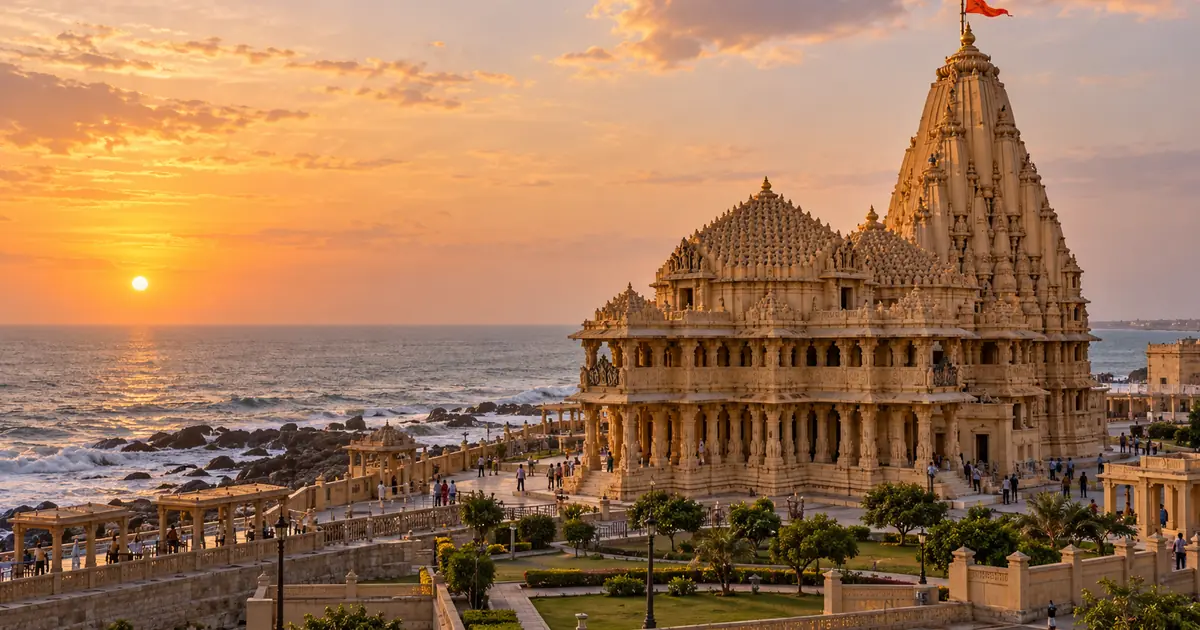
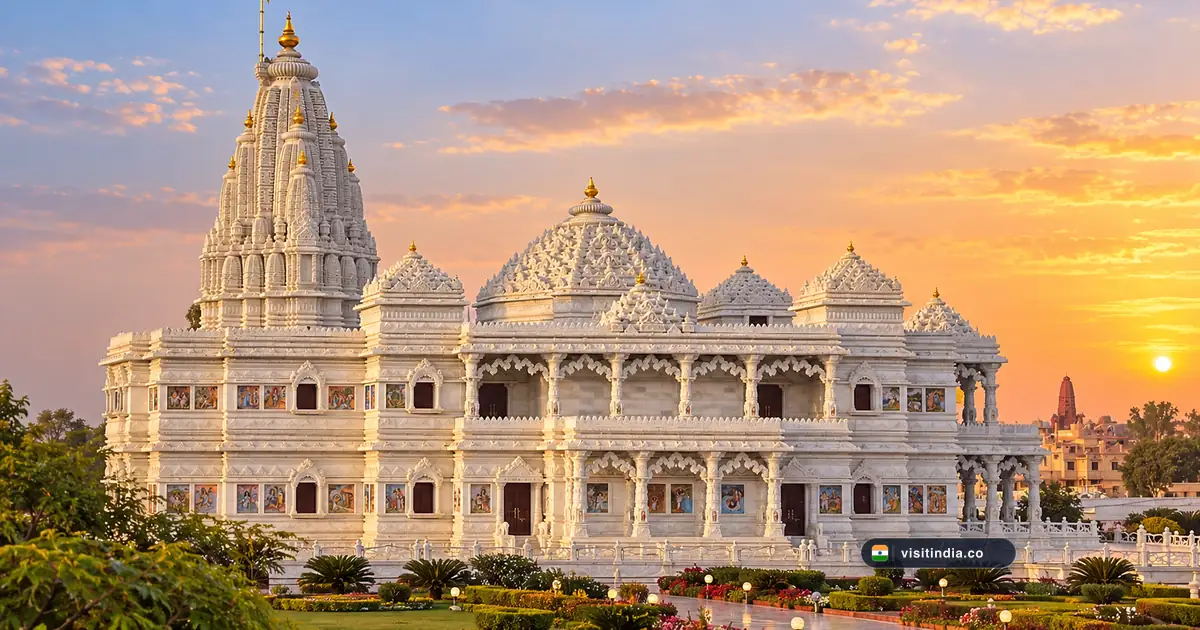
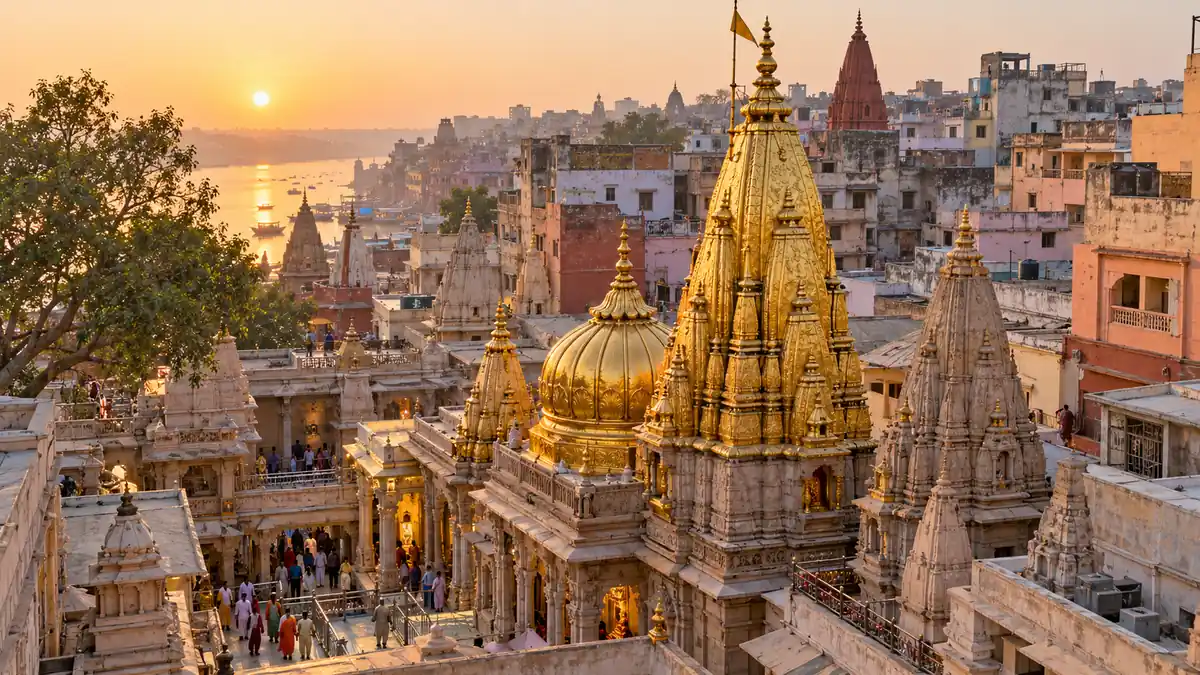
Kashi Vishwanath Temple stands on the western bank of the holy river Ganga in Varanasi, Uttar Pradesh, revered as one of the twelve sacred Jyotirlinga shrines dedicated to Lord Shiva. Known traditionally as the Vishweshwara or Vishwanath shrine, meaning Ruler of the Universe, this spiritual center anchors over two millennia of documented Hindu pilgrimage.
Darshan Essentials
- Kashi Vishwanath Temple stands in Lahori Tola along the sacred Ganges River in Varanasi, Uttar Pradesh, housing one of the twelve venerated Jyotirlingas of Lord Shiva.
- The temple opens daily at 3:00 AM for Mangala Aarti and concludes with Shayan Aarti at 11:00 PM, maintaining general darshan between 4:00 AM and 11:00 PM.
- General queue entry is free of charge, while expedited Sugam Darshan passes cost ₹300 per devotee when booked online through the shrine board portal.
- Electronic devices, leather accessories, pens, and metal items are strictly prohibited inside the inner security perimeter and must be stored at free temple cloakrooms.
Hindu scriptures state that a single pilgrimage to Kashi confers spiritual liberation (moksha), absolving lifetimes of accumulated karmic debt. The shrine forms the crown jewel among the sacred Shaivite sanctuaries detailed in our master guide to the 12 Jyotirlingas in India.
Kashi Vishwanath Daily Aarti and Darshan Schedule
Verified daily ritual schedules, ticket pricing, and visitor protocols regulated by the temple trust:
-
Mangala Aarti (3:00 AM to 4:00 AM): The pre-dawn awakening ceremony with tickets priced from ₹350 to ₹500; requires advance online reservation and mandatory traditional attire.
-
Morning General Darshan (4:00 AM to 11:15 AM): Free access via general queues with physical touch darshan permitted during designated early hours.
-
Bhog and Madhyahna Aarti (11:15 AM to 12:20 PM): Afternoon food offering rituals costing ₹180; the sanctum remains closed to general visitors during the offering.
-
Afternoon Darshan (12:20 PM to 7:00 PM): Free general admission offering viewing darshan from outside the sanctum silver railings.
-
Sandhya Aarti (7:00 PM to 8:15 PM): Evening twilight camphor waving ritual with ticketed entry priced at ₹180.
-
Shringar and Ratri Aarti (9:00 PM to 10:15 PM): Night ornamentation ceremony featuring sandalwood and floral decoration with entry at ₹180.
-
Sugam Darshan Priority Pass (6:00 AM to 6:00 PM): Fast-track access priced at ₹300 per devotee with entry managed through Gate 4.
Spiritual Significance and Jyotirlinga Heritage
According to the Shiva Purana, Lord Shiva manifested as an infinite column of cosmic light (Jyotirlinga) to resolve a dispute between Brahma and Vishnu regarding supremacy. Shiva pierced the three worlds as an endless pillar of fire, with Kashi recognized as the original site where that celestial column first touched the earth.
Devotees believe that Varanasi rests on the tip of Shiva’s trident (Trishula) and remains indestructible even during cosmic dissolution (pralaya). Pilgrims traditionally draw holy water from the Ganges to offer Jalabhishek directly upon the smooth black stone lingam housed within a silver plinth.
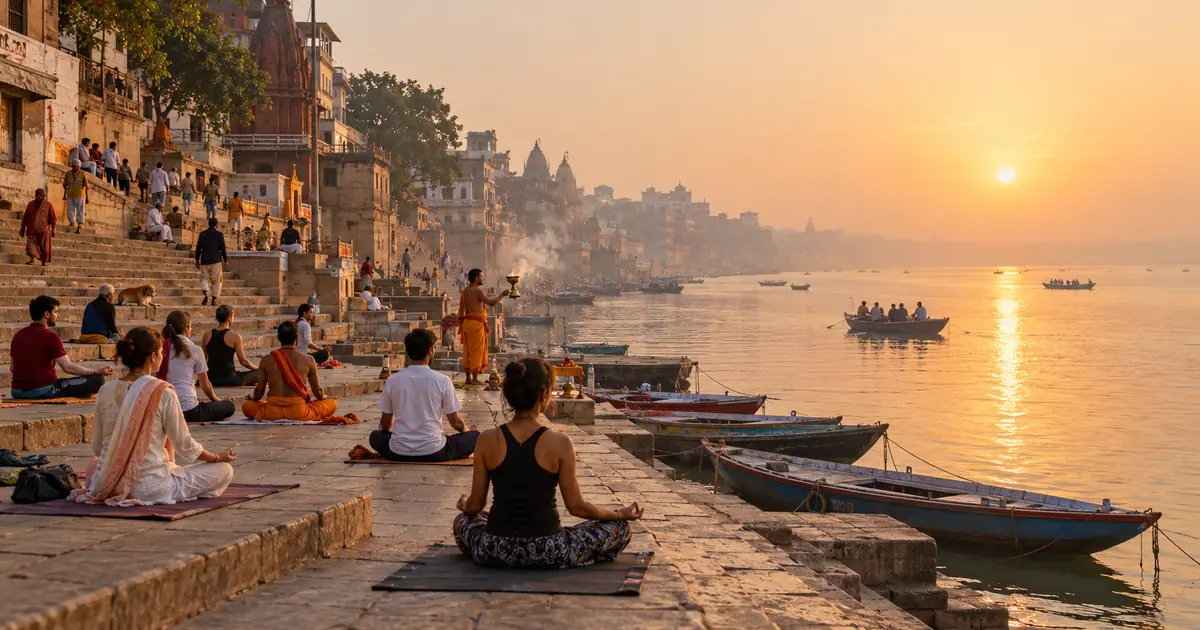
The shrine’s sacred geography connects with nearby riverside ghats where ancient funeral rites and morning pujas take place, past the sacred riverbanks and the eternal pyres at Manikarnika Ghat cremation steps.
Daily Aarti Timings, Ticket Prices, and Ritual Schedules
The daily spiritual cycle begins at 3:00 AM with the Mangala Aarti, an auspicious dawn awakening ritual featuring Vedic recitations and conch blowing. Because space within the inner sanctum is limited, the temple trust issues a fixed quota of passes online through the Shri Kashi Vishwanath Temple Trust Official Portal.
Following Mangala Aarti, the doors open for general morning darshan at 4:00 AM, allowing devotees to enter the sanctum for sparsh darshan (touching the lingam) until 11:15 AM. The temple then closes briefly for the Madhyahna Bhog Aarti, when cooked delicacies are presented to the deity.
Evening hours feature the Sandhya Aarti at 7:00 PM and the Ratri Shringar Aarti at 9:00 PM, during which priests decorate the Jyotirlinga with bilva leaves and marigold garlands. The final Shayan Aarti concludes at 11:00 PM, after which the main sanctum is secured for the night. Many devotees spend the quiet late hours walking along the historic Ghats of Varanasi facing the illuminated riverbank.
Sugam Darshan Booking, Pass Quotas, and VIP Protocol
To avoid waiting in standard public queues that can stretch for several hours during peak holiday weekends, travelers can book priority Sugam Darshan passes. Passes cost ₹300 per devotee and must be booked in advance via the shrine board website or purchased at designated facilitation counters near Gate 4.
The Sugam Darshan pass grants entry through dedicated queue lanes, bypassing general crowd barricades and reducing wait times to approximately 30 to 45 minutes. The booking package includes a temple guide escort, access to shoe deposit counters, and prasad packets upon departure.
Devotees planning special ceremonies such as Rudrabhishek or Mahamrityunjaya Japa can schedule dedicated priests through the temple trust office. Special ritual slots require booking several weeks ahead, particularly during the monsoon month of Shravan and on Maha Shivratri.
Historical Origins and Ahilyabai Holkar’s 1780 Reconstruction
The temple has endured multiple demolitions and reconstructions throughout its turbulent medieval history. Ancient structures documented by 7th-century Chinese traveler Xuanzang were demolished during successive invasions by Qutb-ud-din Aibak in 1194 CE and the Sharqi Sultans of Jaunpur in the 15th century.
The present sanctum was constructed in 1780 CE by Maharani Ahilyabai Holkar of Indore, who financed the red sandstone temple adjacent to the historic Gyanvapi compound. In 1835 CE, Maharaja Ranjit Singh of Punjab donated roughly 800 kilograms of pure gold to plate the twin shikhara spires.
Subsequent additions included a large Nandi bull statue gifted by the King of Nepal and silver-plated sanctum doors provided by regional royal patrons. Official archival records and heritage documentation are maintained on the District Administration Varanasi Official Portal. Travelers extending their itinerary along this spiritual corridor can review Ayodhya Ram Mandir Pran Pratishtha darshan and timings for queue hours, dress code, and entry rules.
Architectural Grandeur and the Vishwanath Dham Corridor
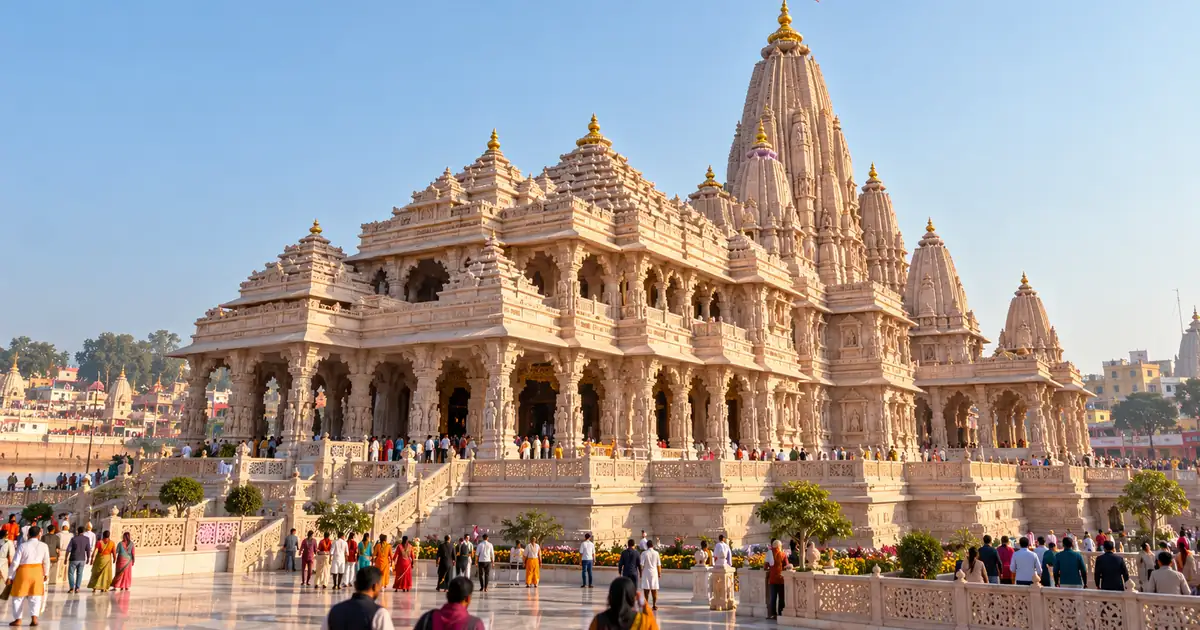
Historically, access to Kashi Vishwanath was restricted through a maze of congested alleyways barely two meters wide. The completion of the expanded Shri Kashi Vishwanath Dham Corridor transformed, transforming the surrounding area into an open 500,000-square-foot pedestrian esplanade.
The grand corridor connects the temple complex directly to Manikarnika Ghat, Jalasen Ghat, and Lalita Ghat on the riverfront, allowing pilgrims to collect Ganga water and walk directly into the shrine without navigating narrow city lanes. The architectural complex features Chunar sandstone arcades, central plazas, museum galleries, and Vedic libraries.
The pedestrian plaza includes pilgrim facilitation centers, multi-tiered security checkposts, medical clinics, and passenger escalators for elderly visitors. This expanded complex has increased daily visitor capacity from 5,000 to over 75,000 pilgrims and anchors the spiritual circuits featured in our Uttar Pradesh travel guide.
Dress Code, Prohibited Items, and Security Regulations
Security inside the Kashi Vishwanath complex is strictly enforced by Central Reserve Police Force (CRPF) and state police personnel. Devotees must pass through metal detectors and full-body frisking booths before entering the inner courtyard.
- Mandatory Attire for Sanctum Entry: Traditional Indian clothing is strictly required for morning sparsh darshan: a dhoti and kurta for men, and a saree or salwar suit for women. Devotees in western attire are permitted entry for viewing only from the outer railings.
- Prohibited Electronics: Mobile phones, digital smartwatches, cameras, power banks, and electronic car keys are completely banned inside the temple.
- Leather and Metal Goods: Leather belts, wallets, shoes, cigarettes, and metal pocket knives must be deposited at official cloakroom counters before joining the queue.
- Free Cloakrooms: The temple trust maintains complimentary locker counters at Gate 4 (Chhatrapati Shivaji Giri Gate) and the riverfront Lalita Ghat entrance.
After completing temple darshan, travelers regularly walk along the riverfront promenade to witness the grand evening ceremonies at Dashashwamedh Ghat evening ceremonies.
How to Reach the Temple by Flight, Train, and River
Varanasi connects directly to major Indian metropolitan centers by comprehensive air, rail, and road networks.
-
By Air: Lal Bahadur Shastri International Airport at Babatpur lies 25 kilometers northwest of the city center. Pre-paid airport taxis take roughly 45 to 60 minutes to reach Godowlia crossing.
-
By Train: Varanasi Junction and Banaras railway stations are located within 4.5 kilometers of the temple. Electric auto-rickshaws run continuously from station exits to Godowlia Chowk.
-
By River Cruise: Electric passenger ferries and wooden boats operate along the river corridor, dropping passengers directly at Lalita Ghat at the base of the Vishwanath Corridor.
Travelers can explore additional transport logistics and comprehensive city circuits in our directory of notable viewpoints and monuments in Varanasi, or plan the entire holy circuit with our 5-day Kashi Ayodhya Prayagraj Itinerary day-by-day stops. Official tourism circuit brochures are available on the Uttar Pradesh Tourism Official Varanasi Portal.
Sacred Sites and Ghats Near Kashi Vishwanath
The historic core of Varanasi preserves dozens of complementary religious landmarks within comfortable walking distance.
-
Annapurna Mandir: Located adjacent to Kashi Vishwanath, this ancient temple is dedicated to the goddess of food and nourishment, where pilgrims receive sacred food prasad.
-
Gyanvapi Well: The well of wisdom sits between the temple sanctum and the adjacent mosque, where the original Shiva lingam was historically safeguarded during medieval sieges.
-
Kaal Bhairav Temple: Dedicated to the fierce guardian deity of Varanasi, situated one kilometer north in Visheshwarganj; local custom dictates seeking Bhairav’s permission before departing Kashi.
-
Riverside Ghat Circuits: In the evening, travelers gather along the riverbanks to observe the famed Ganga Aarti in Varanasi along the main riverfront.
Frequently Asked Questions About Kashi Vishwanath Temple
What is the best time for darshan at Kashi Vishwanath?
Early morning hours between 4:30 AM and 6:30 AM offer the shortest queue times before peak crowd arrivals from morning river cruises. Visiting on weekdays outside the holy month of Shravan significantly reduces queue wait times.
Can we book Kashi Vishwanath VIP darshan online?
Devotees can book the official priority Sugam Darshan ticket online through the Shri Kashi Vishwanath Temple Trust portal for ₹300 per person. The booking voucher provides designated entry via Gate 4 and access through an expedited corridor.
What is the dress code for Kashi Vishwanath sparsh darshan?
Sparsh Darshan (touching the sacred Jyotirlinga) strictly mandates traditional Indian attire: a dhoti-kurta for men and a saree or salwar-kameez for women. Devotees wearing western clothing like jeans or t-shirts are directed to regular Jhanki (viewing) lines.
What items are prohibited inside Kashi Vishwanath temple?
Mobile phones, cameras, leather belts, wallets, bags, cigarettes, and sharp metal objects are strictly forbidden beyond the security checkpoints. Free digital locker counters are provided by the temple trust at each corridor entrance gate.
How is Maha Shivratri celebrated at Kashi Vishwanath?
On Maha Shivratri, Kashi Vishwanath remains open throughout the night for continuous four-prahar pooja and Rudrabhishek ceremonies. Devotees participate in all-night jagrans detailed in our Maha Shivratri celebrations guide, honoring the cosmic wedding of Shiva and Parvati.