Manikarnika Ghat Varanasi: Cremation Rituals & Guide
Explore Manikarnika Ghat in Varanasi with sacred cremation rituals, eternal flame history, Manikarnika Kund, visitor rules, boat tours, and etiquette.
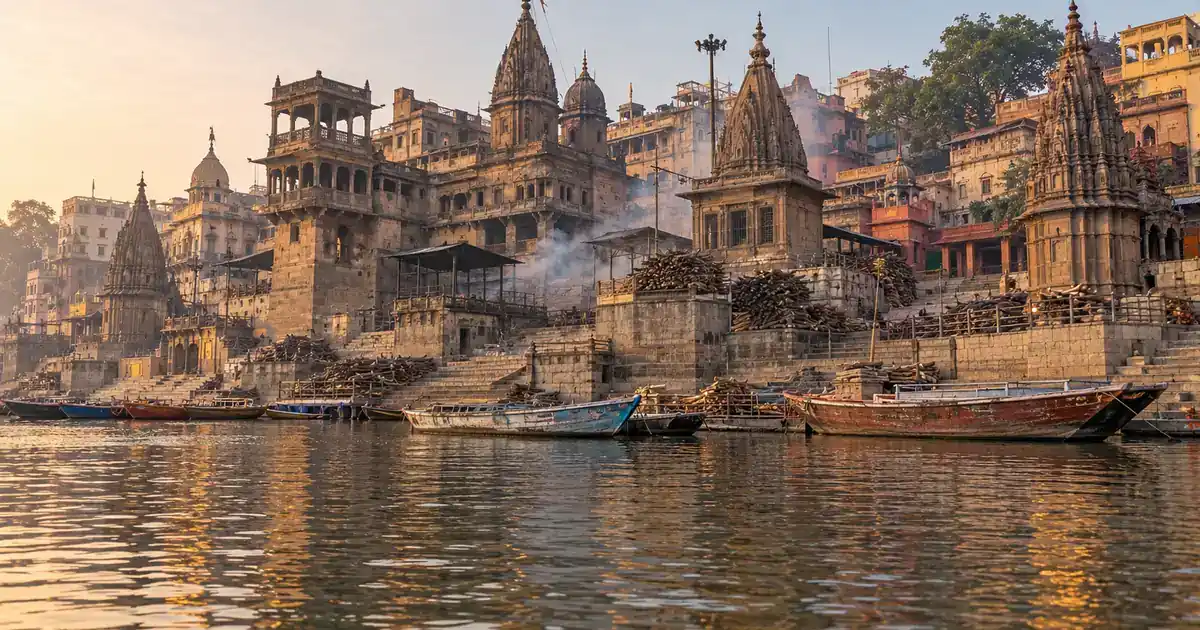
Manikarnika Ghat stands on the western bank of the sacred Ganges River in Varanasi, approximately 500 meters north of Dashashwamedh Ghat. Recognized as the foremost Mahashmashana, or Great Cremation Ground, in the Hindu cosmos, this ancient riverfront terrace witnesses continuous funeral pyres that have burned day and night for millennia.
According to classical Hindu theology, anyone cremated at this embankment receives immediate release from the cycle of rebirth, passing directly into the spiritual realm of Lord Shiva. Millions of pilgrims and observers journey here each year to contemplate mortality, understand traditional Hindu funeral rites, and observe the unceasing rituals that define the spiritual heart of Kashi.
Sacred Ghat & Ritual Essentials
- Manikarnika Ghat is situated on the west bank of the Ganges River in central Varanasi, 500 meters north of Dashashwamedh Ghat.
- Cremation rituals operate continuously 24 hours a day, 365 days a year, as Hinduism’s primary Mahashmashana.
- The sacred fire used to light every funeral pyre is maintained by the hereditary Dom community and has burned without interruption for centuries.
- Photography of burning pyres, mourning families, and dead bodies is strictly prohibited by local custom and administrative law.
- Visitors may observe reverently from passing Ganges boats or upper stone viewing galleries without paying any entry fee or donation.
Cremation Rituals, the Eternal Flame, and the Dom Raja Heritage
Cremation rituals at Manikarnika Ghat occur continuously around the clock, with approximately 80 to 100 bodies consigned to the flames each day. The ritual begins with bathing the deceased in the Ganges, wrapping the body in sacred cloth, and igniting the wood pyre using embers taken directly from the ancient eternal flame tended by the hereditary Dom family.
The Dom community has served as the traditional guardians of the sacred cremation fire for countless generations. The leader of this community, titled the Dom Raja, oversees the distribution of firewood and the ceremonial lighting of every pyre from the central hearth; pilgrims traveling upstream along the Ganga-Yamuna confluence can also consult our Allahabad Fort Prayagraj visitor guide.
Each funeral pyre requires between 300 and 400 kilograms of wood, predominantly banyan, mango, or neem logs, with wealthy families adding fragrant sandalwood sticks. The chief mourner, typically the eldest son, shaves his head, dons white unstitched cotton garments, and circumambulates the pyre five times before lighting the kindling at the head.
Administration protocols for the newly expanded riverfront approach corridor are maintained by the Shri Kashi Vishwanath Temple Administration.
| Ritual Stage | Primary Action Performed | Spiritual Meaning |
|---|---|---|
| Ganga Snan (Purification) | Body immersed in river shallows | Cleanses accumulated earthly sins |
| Shravan & Shringar | Draping in white or red cloth with garlands | Honors the departing atman (soul) |
| Parikrama | Chief mourner circles pyre 5 times | Represents 5 cosmic elements (Pancha Bhoota) |
| Mukhagni (Ignition) | Lighting kindling with sacred fire | Initiates release from physical form |
| Kapala Kriya | Striking the skull with bamboo staff | Releases the vital prana energy toward heaven |
Spiritual Philosophy of Moksha and the Mahashmashana
In Hindu metaphysics, death is viewed not as a tragic termination, but as an ordinary transition of the eternal soul between physical garments. Dying or undergoing cremation within the sacred perimeter of Kashi breaks the cosmic cycle of karma, granting the departed soul ultimate liberation, or moksha.
Puranic texts recount that Lord Shiva sits permanently upon the steps of the Mahashmashana, greeting each departing soul. In the final moment of physical release, Shiva whispers the sacred Taraka mantra into the ear of the deceased, wiping away all karmic residue and admitting the spirit into divine consciousness.
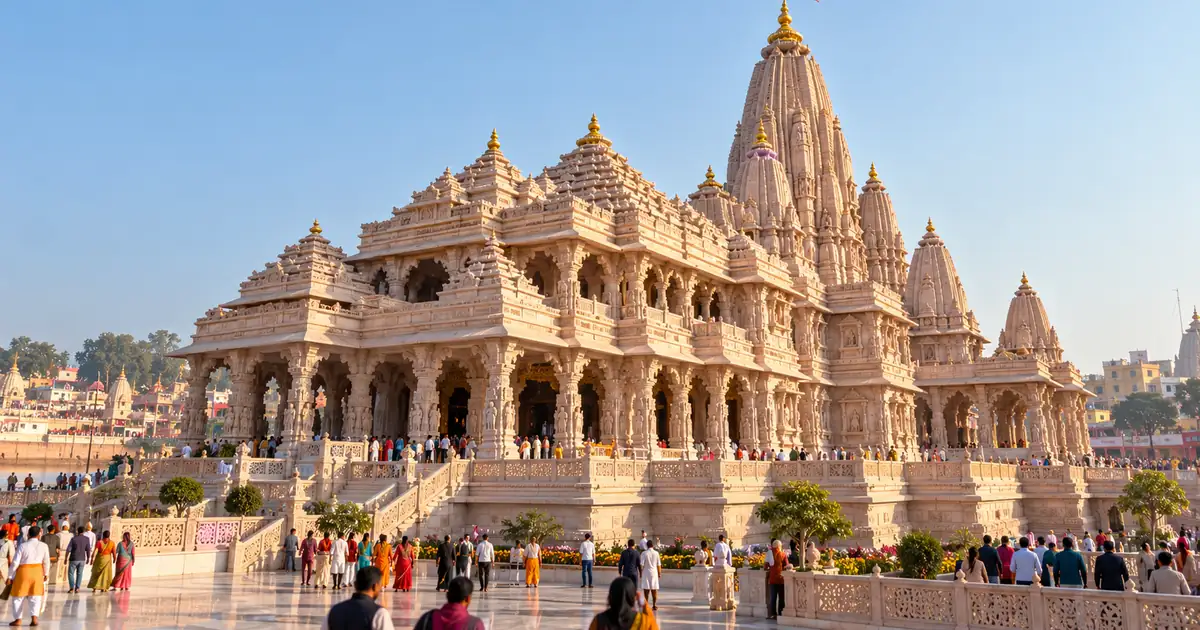
The newly constructed temple corridor creates a direct, paved pedestrian gateway connecting the cremation ghat directly with the golden spire sanctum of the Kashi Vishwanath Temple. This direct alignment underscores the profound Hindu conviction that worldly life, spiritual devotion, and bodily dissolution share one unbroken space.
Manikarnika Kund: Sacred Origins and Kund Bathing Beliefs
Immediately adjacent to the cremation terraces sits the ancient Manikarnika Kund, also called the Chakra-Pushkarini Kund. Puranic tradition states that Lord Vishnu dug this sacred stepped pool with his divine discus (chakra) at the dawn of creation, long before the River Ganges descended to earth.
While performing intense austerities by the pool, Vishnu’s devotion moved Lord Shiva to shake with joy, causing his jeweled earring (manikarnika) to fall directly into the water. A marble slab bearing carved footprints (Charana Paduka) on the edge of the kund marks the spot where Vishnu stood during his cosmic penance.
Pilgrims take ceremonial dips in the pool during specific lunar festivals, especially during Vaikuntha Chaturdashi and the month of Kartika. The complete layout of these ancient structures among the Ghats of Varanasi demonstrates how holy water bodies and funeral pyres exist side by side in harmony.
Etiquette, Photography Prohibition, and Visitor Conduct Rules
Manikarnika Ghat is an active cemetery and open-air crematorium where families mourn their deceased relatives in deep solemnity. Observers must maintain respectful silence, dress conservatively with legs and shoulders covered, and refrain from intrusive questioning of grieving mourners.
Photography and videography of funeral pyres, wrapped corpses, and burning terraces are strictly prohibited by unwritten riverfront law and local police orders. Pointing smartphone cameras, zoom lenses, or drone equipment toward the cremation grounds is deeply offensive to grieving families and will result in confiscation or confrontation.
Unlike the festive, musical atmosphere found downstream at darshan rules and rituals at Dashashwamedh Ghat Varanasi, visitors here should stand quietly along upper stone balconies or remain seated inside chartered wooden rowboats at a respectful distance from the shore.
Caution
Beware of aggressive touts who approach tourists claiming to collect mandatory donations or wood fees for poor families. Official cremations are funded privately, and no tourist is ever required to pay donations to stand on public steps. Politely decline and walk away immediately.
How to Reach Manikarnika Ghat on Foot and by Ganges Boat
Manikarnika Ghat is accessible either on foot through the ancient stone alleyways of old Varanasi or by wooden boat along the Ganges. Walking on foot from the Godowlia intersection through the Vishwanath Gali pedestrian market takes approximately 15 to 20 minutes.
The newly opened Kashi Vishwanath Corridor provides a wide, smooth granite promenade leading from the temple complex straight down to the northern steps of Manikarnika Ghat. Alternatively, hiring an oar-powered wooden rowboat from Dashashwamedh Ghat allows travelers to observe the burning terraces from 50 meters out on the water before continuing downstream for the nightly Ganga Aarti in Varanasi.
| Access Method | Route / Starting Point | Travel Time | Recommended Travel Context |
|---|---|---|---|
| Ganges Wooden Rowboat | Depart from Dashashwamedh Ghat | 15 minutes by river | Best vantage point for quiet observation |
| Pedestrian Corridor | Direct walk from Kashi Vishwanath Temple | 5 minutes on foot | Convenient after morning darshan |
| Old City Walking Alleys | Walk via Godowlia & Chowk markets | 15 to 20 minutes | Experience historic Kashi street life |
| Electric Motorboat | Charters from Assi or Rajghat | 25 minutes by river | Multi-ghat panoramic photography cruise |
Best Season and Reverent Hours for a Riverfront Visit
The winter months from October to March provide the most comfortable climate for walking along the stone riverfront, with daytime temperatures between 14°C and 26°C. During the summer months from April to June, temperatures routinely surpass 42°C, making the stone steps and radiant heat from burning pyres intensely hot.
Early morning between 5:30 AM and 7:30 AM offers quiet river reflections during sunrise, when priests offer morning prayers by the Chakra-Pushkarini Kund. Sunset between 5:30 PM and 6:30 PM provides dramatic views as twilight deepens and orange fires glow against the darkening stone facades.
Travelers coordinating multi-day itineraries can reference comprehensive travel ideas across Varanasi sightseeing guide, supported by state guidelines on the Uttar Pradesh Tourism Varanasi Portal and national directories from the Incredible India Varanasi Pilgrimage Directory.
Frequently Asked Questions About Manikarnika Ghat
Can tourists visit and observe Manikarnika Ghat?
Tourists may visit Manikarnika Ghat to observe rituals respectfully from upper public walkways or from rowboats offshore on the Ganges River. Visitors must remain quiet, dress modestly, and respect the privacy of mourning families without interfering in the ceremonies.
Is photography allowed at Manikarnika Ghat in Varanasi?
Photography and videography of funeral pyres, deceased individuals, and grieving relatives are strictly prohibited at Manikarnika Ghat. Observers must keep smartphones, cameras, and drones stowed away to maintain the solemnity and privacy of the cremation grounds.
What is the history behind the eternal flame at Manikarnika?
The sacred fire used to light every pyre is maintained by the hereditary Dom community and is believed to have burned continuously for centuries without extinguishing. According to Hindu belief, this sacred fire was originally sparked by Lord Shiva to ensure departing souls attain immediate liberation.
Are visitors required to pay an entry fee or donate wood?
Entering and viewing Manikarnika Ghat is completely free, and no official entry ticket or donation is ever required. Visitors should decline touts or self-proclaimed guides who demand wood money or charitable contributions for cremations.