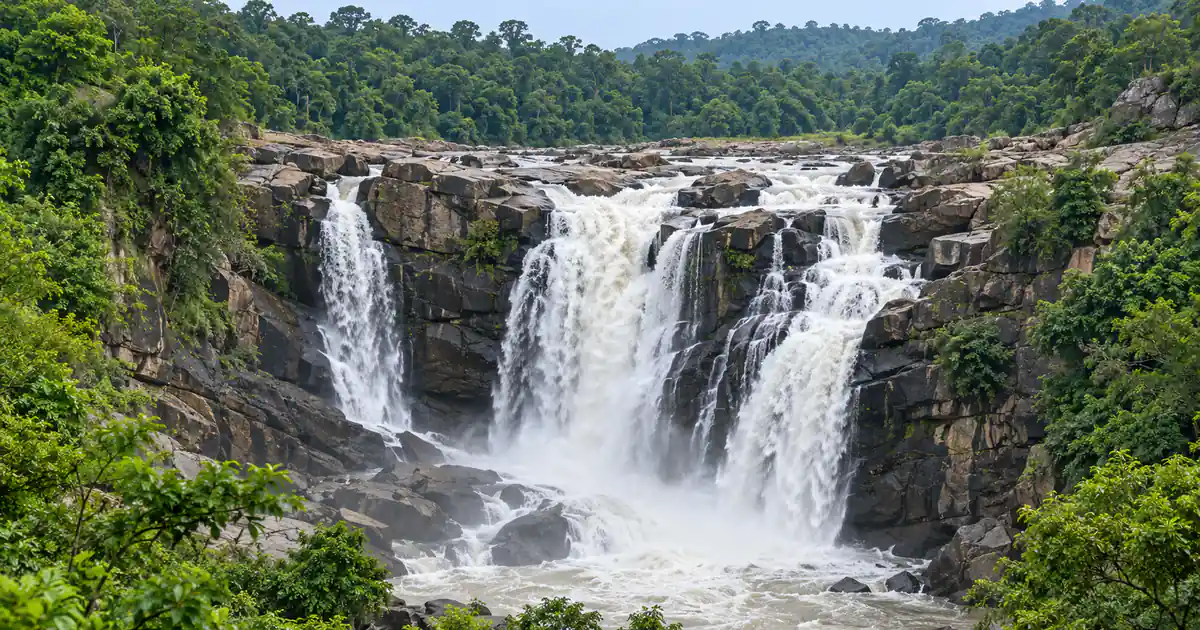
Jharkhand Travel Guide: Waterfalls, Parasnath & Deoghar
Discover the top places to visit in Jharkhand. Plan your trip to Ranchi waterfalls, Sammed Shikharji Parasnath Hill, Betla National Park safari, and Deoghar.
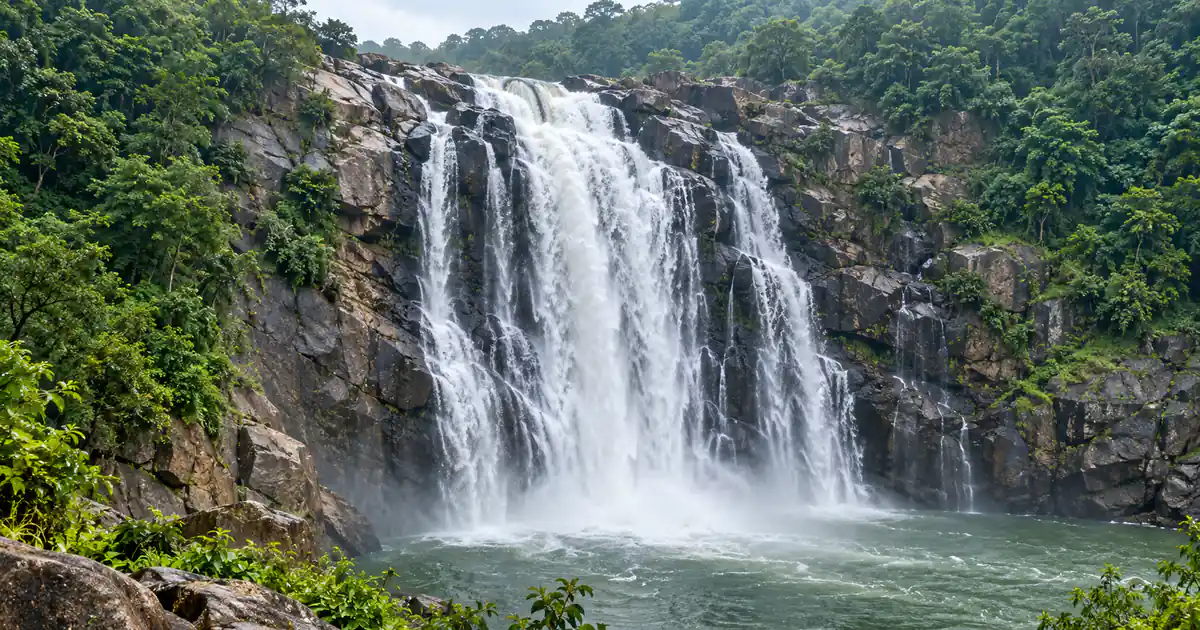
Jharkhand encompasses 79,716 square kilometers across eastern India, formed by the rugged plateaus, sal forests, and perennial river gorges of the Chota Nagpur Plateau. Travelers mapping out journeys across the region will find an exceptional combination of ancient spiritual pilgrimages, dramatic tiered waterfalls, historic wildlife sanctuaries, and rich indigenous tribal cultures across 24 administrative districts.
The state stands out as an engaging destination for outdoor explorers, cultural seekers, and heritage pilgrims seeking offbeat routes beyond conventional tourism circuits. Looking at the broader regional circuits across the India sightseeing shortlist, the Chota Nagpur highland forms a central transit corridor connecting West Bengal, Bihar, and Odisha.
State Travel & Circuit Essentials
- Jharkhand covers 79,716 square kilometers across 24 districts, centered on the highland topography of the Chota Nagpur Plateau.
- Ranchi serves as the state capital, with Birsa Munda Airport (IXR) and Deoghar Airport (DGH) providing direct domestic flight connections from Delhi, Kolkata, and Bengaluru.
- The recommended travel season runs from October through March, when winter days remain mild and post-monsoon waterfalls maintain vigorous river volumes.
- Major tourism sectors include the Ranchi Waterfall Circuit, the sacred Jain tonks on Parasnath Hill, the tiger forests of Betla National Park, and Baba Baidyanath Dham in Deoghar.
Smooth national highways connect the major industrial hubs and pilgrimage centers, while well-maintained state roads wind through forested plateaus and mountain ghat passes. Travelers can easily combine spiritual centers, forest retreats, and waterfall day trips into cohesive travel itineraries.
Jharkhand Destinations Master Matrix
Organizing a travel itinerary across Jharkhand requires understanding the geographic dispersion of highland plateaus, sacred mountain peaks, and dense national parks. The following master matrix summarizes the state’s major travel sectors, stay durations, signature highlights, and primary transit gateways:
| Destination Sector | Geographic Zone | Ideal Stay | Signature Highlights | Primary Transit Gateway |
|---|---|---|---|---|
| Ranchi Capital Belt | Central Plateau | 2 to 3 Days | Hundru Falls, Dassam Falls, Jonha Falls, Tagore Hill, Rock Garden | Birsa Munda Airport (IXR) / NH 20 |
| Parasnath & Giridih | Eastern Highlands | 2 Days | Sammed Shikharji Jain Temples, Parasnath Peak Trek (1,365 m), Madhuban | Parasnath Railway Station (PNME) |
| Deoghar Spiritual Belt | Santhal Parganas | 1 to 2 Days | Baba Baidyanath Jyotirlinga, Naulakha Mandir, Trikut Pahar Ropeway | Deoghar Airport (DGH) / Jasidih (JSME) |
| Betla & Netarhat | Western Palamu Uplands | 2 to 3 Days | Betla National Park Safaris, Palamu Forts, Netarhat Sunset, Pine Forest | Daltonganj / Ranchi Airport (155 km) |
| Jamshedpur & Dalma | Southern Industrial Basin | 1 to 2 Days | Dalma Wildlife Sanctuary, Dimna Lake, Jubilee Park, Tata Steel Heritage | Tatanagar Junction (TATA) / NH 18 |
| Hazaribagh Plateau | Northern Highlands | 1 to 2 Days | Hazaribagh Wildlife Sanctuary, Canary Hill, Sanskriti Museum of Tribal Art | Hazaribagh Town / Grand Trunk Road |
These distinct sectors cater to diverse travel styles, from peaceful nature retreats and wildlife photographic expeditions to rigorous high-altitude walking pilgrimages.
Ranchi Waterfall Circuit: Hundru, Dassam, and Jonha Falls
Ranchi earns its title as the City of Waterfalls due to the multiple step-fault escarpments carving through the surrounding Chota Nagpur Plateau. The Ranchi waterfalls circuit features some of eastern India’s most impressive hydrological spectacles, fed by the Subarnarekha River and its highland tributaries. Detailed logistical updates can be reviewed on the Ranchi District Administration portal.
Hundru Falls drops 98 meters over jagged granite formations roughly 45 kilometers northeast of the city center. Visitors descend several hundred concrete steps into the mist-shrouded river gorge, where the foaming water gathers in deep natural rock pools suitable for relaxed riverside photography.
Dassam Falls lies 40 kilometers southeast of Ranchi near Taimara village, where the Kanchi River cascades down a sheer 44-meter vertical cliff face. The river splits into ten distinct water channels during the monsoon and early winter months, creating a deafening roar and sending cool water spray across the observation decks.
Jonha Falls, also called Gautamdhara, sits 43 kilometers east of Ranchi and features an ashram dedicated to Lord Buddha alongside its 43-meter tiered descent. The waterfall is easily accessible via Ranchi-Purulia Road, making it convenient to combine with nearby Sita Falls in a single scenic day excursion.
Pro Tip
Always wear sturdy footwear with slip-resistant rubber soles when exploring the waterfall canyons around Ranchi. River rocks remain slick throughout the year, and swimming in deep plunge pools is strictly prohibited by local tourism authorities.
Spiritual Hubs: Sammed Shikharji Parasnath and Baidyanath Dham
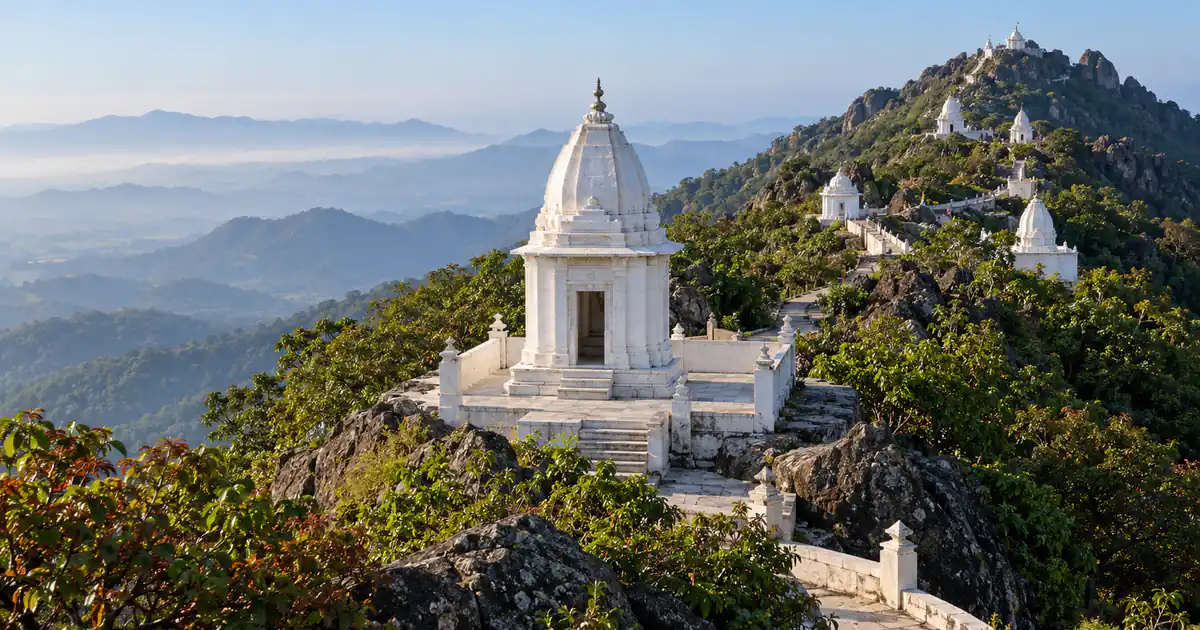
Jharkhand holds immense significance for Hindu and Jain pilgrims from across the globe. Parasnath Hill in Giridih district hosts Sammed Shikharji, the most sacred pilgrimage destination in Jainism. The hill rises to an elevation of 1,365 meters, making it the highest mountain peak in Jharkhand.
Devotees undertake the rigorous 27-kilometer pilgrimage route documented in our Sammed Shikharji Parasnath trek guide. The mountain marks the sacred ground where 20 of the 24 Jain Tirthankaras, including Lord Parshvanatha, achieved Moksha. The trek begins before dawn from the base camp at Madhuban, winding past dense forested slopes toward the stone shrines crowning the ridge.
In the northeastern district of Deoghar, Baba Baidyanath Dham draws millions of pilgrims annually as one of the sacred Shiva shrines. Devotees gather to perform traditional darshan at the ancient stone temple complex, which also stands as one of the 51 Shakti Peethas. Official pilgrim advisories can be accessed through the Deoghar District Administration portal.
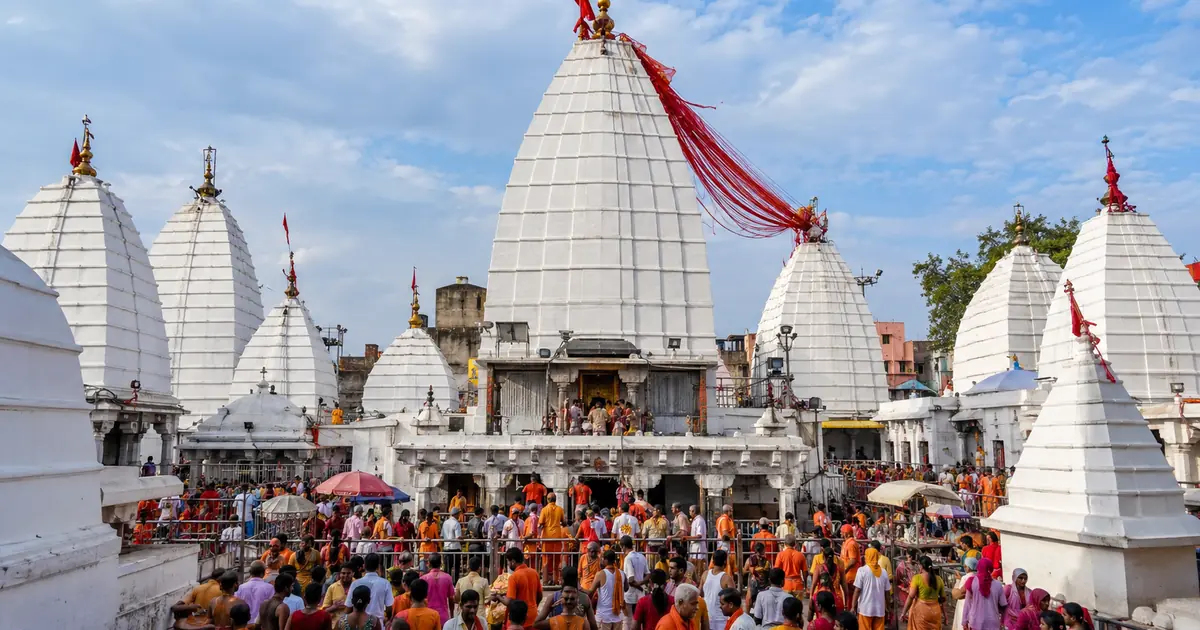
During the holy month of Shravan, the Shravani Mela sees over five million kanwariyas walk barefoot across 105 kilometers from Sultanganj to pour holy Ganga water over the lingam. The temple town connects smoothly by air through Deoghar Airport and by rail via the Jasidih Junction hub on the main Howrah-Delhi trunk line.
Wildlife and Forests: Betla National Park and Dalma Sanctuary
Wildlife enthusiasts will find dense sal forest ecosystems and rich mammal habitats preserved within the protected areas of western and southern Jharkhand. The principal wildlife destination is explored in our Betla National Park guide, situated in the Latehar and Palamu districts.
Betla National Park spans 226 square kilometers of dry deciduous sal forest, mixed bamboo glades, and meandering streams. The reserve was among the original nine national parks declared under Project Tiger in 1973, with conservation data maintained by the Wildlife Institute of India Protected Area Network. Jeep safaris through the park commonly encounter Asian wild elephants, gaurs, spotted deer, sambar, wild boars, and sloth bears.
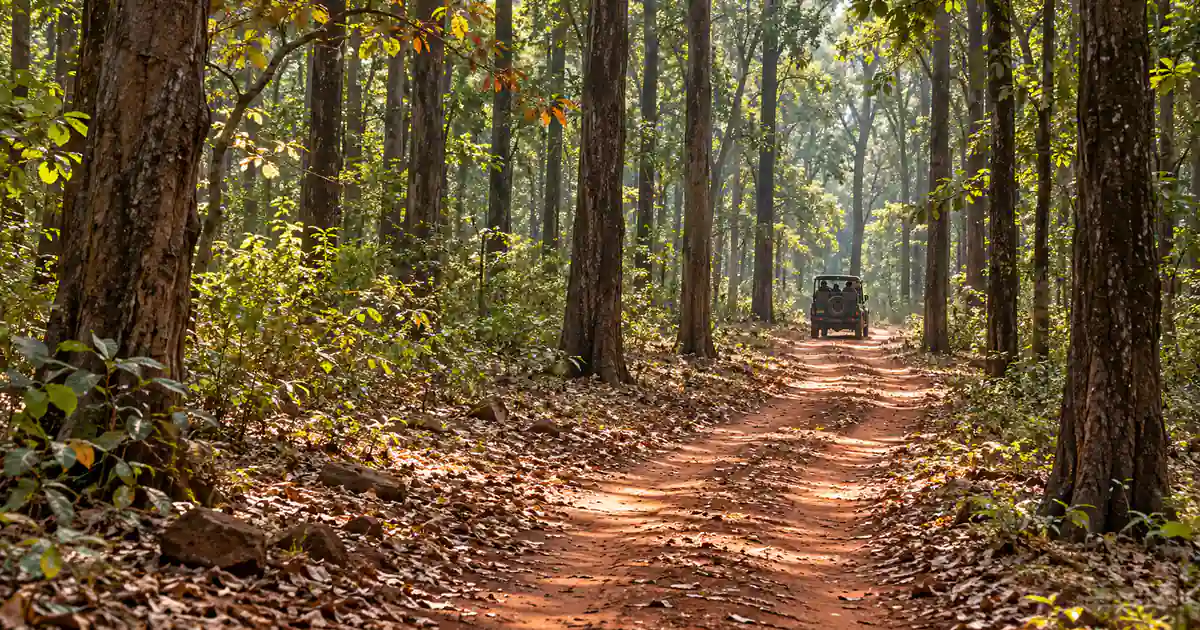
Near Jamshedpur, the Dalma Wildlife Sanctuary protects 195 square kilometers of rugged hills that serve as a crucial migratory corridor for wild Asian elephants. The hill sanctuary features a high-altitude Shiva temple atop Dalma Peak at 926 meters, offering panoramic views of the industrial steel city framed by forested ridges.
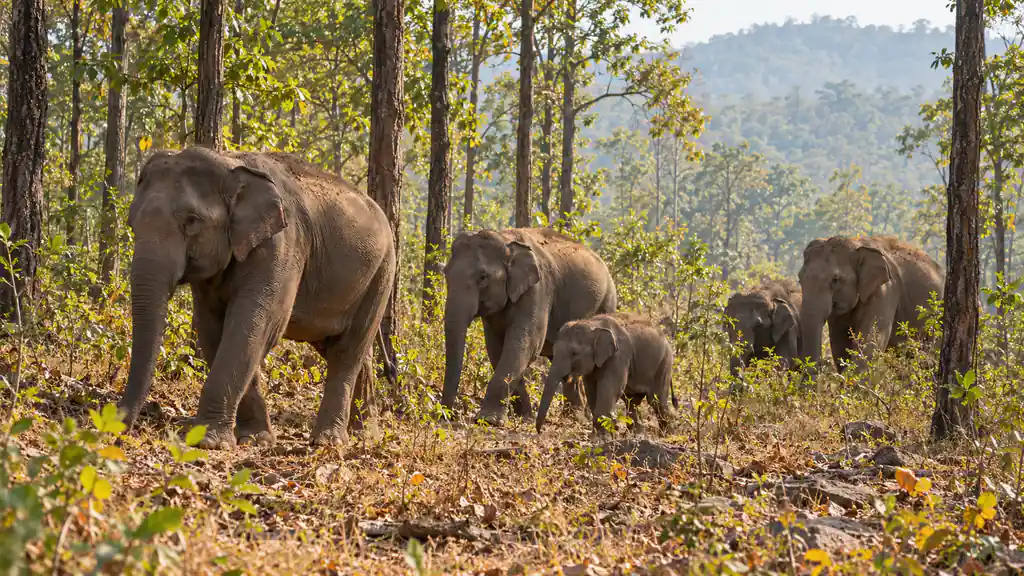
The sanctuary hosts watchtowers near natural watering holes, allowing visitors to view elephant herds, barking deer, and Indian giant squirrels in undisturbed natural habitats. Day trips from Jamshedpur reach the sanctuary entrance gate within 45 minutes along National Highway 18.
Netarhat Queen of Chhotanagpur and Scenic Highland Viewpoints
Netarhat sits atop a high forested plateau at an elevation of 1,128 meters in Latehar district, earning widespread acclaim as the Queen of Chhotanagpur. The colonial hill station offers cool temperatures, dense chir pine groves, and expansive views across the Koel River Valley.
Magnolia Point ranks as Netarhat’s most famous panoramic overlook, drawing sunset watchers to observe the sun dipping behind layered mountain ridges. Upper Ghaghri Falls and Lower Ghaghri Falls lie tucked inside the surrounding sal forests, providing quiet picnic spots along forest streams.
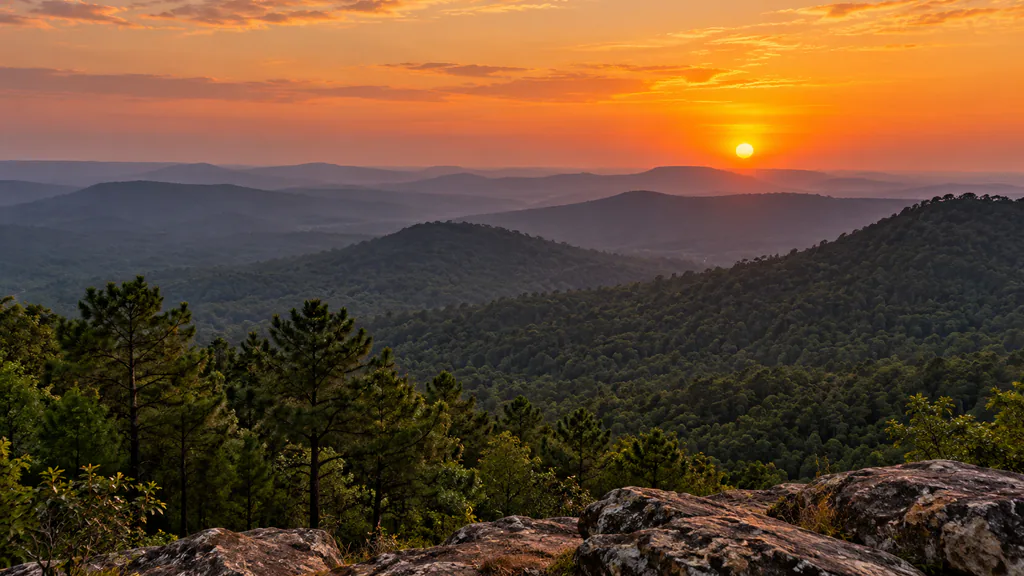
The hill town features historic heritage buildings, including Netarhat Residential School and the colonial Governor’s Chalet. Morning walks along the winding forest trails reveal fresh pine resin scents and peaceful birdsong, contrasting with the warm plains of central India.
A road trip from Ranchi to Netarhat covers 155 kilometers, following dramatic mountain switchbacks and passing through tribal villages known for terraced agriculture and rural handicrafts. The journey takes approximately 4 hours by private car or scheduled state transport buses.
Best Time to Visit and Seasonal Weather Conditions
Selecting the right season is crucial for planning outdoor waterfall visits, temple treks, and jungle safaris across the Chota Nagpur Plateau.
The winter season from October through March offers the most pleasant weather conditions across Jharkhand. Daytime temperatures range from 15°C to 25°C, while highland destinations like Netarhat and Parasnath experience crisp nights dipping below 7°C. Clear blue skies make winter ideal for wildlife safaris in Betla and long mountain hikes.
The monsoon months from July to September bring torrential rain showers that wash across the state. Ranchi’s waterfalls swell to maximum discharge, creating spectacular cascades for photography enthusiasts. However, forest safaris in Betla National Park remain closed during the peak breeding season, and trekking trails on Parasnath Hill become slippery.
Summer lasts from April through June, bringing intense dry heat with temperatures frequently surpassing 40°C in lowland cities. High-altitude hill stations like Netarhat provide partial respite, but travelers should schedule sightseeing excursions during the cooler morning and evening hours.
How to Reach Jharkhand by Air, Rail, and Road
Jharkhand features well-developed transport infrastructure connecting its key cities and heritage landmarks with all major metropolitan regions of India. Official state tourism overviews can be reviewed through the Incredible India Jharkhand Portal.
Birsa Munda Airport (IXR) in Ranchi operates regular daily flights connecting Delhi, Mumbai, Kolkata, Bengaluru, and Hyderabad. Deoghar Airport (DGH) provides additional flight connectivity for pilgrims visiting the eastern spiritual circuit from major domestic airports.
The Indian Railways network serves Jharkhand with major rail junctions including Ranchi (RNC), Dhanbad (DHN), Tatanagar (TATA), Jasidih (JSME), and Parasnath (PNME). Premium express trains such as the Vande Bharat Express and Rajdhani Express offer rapid links to New Delhi, Patna, and Kolkata.
Road connectivity relies on National Highway 19 crossing northern Jharkhand, and National Highway 20 linking Ranchi with Patna and Cuttack. Private taxis and inter-state luxury buses run frequent daily services between Ranchi, Jamshedpur, Deoghar, and neighboring state capitals.
Suggested 5-Day Jharkhand Travel Itinerary
This balanced 5-day itinerary allows travelers to explore the state’s signature waterfalls, spiritual centers, and wildlife sanctuaries efficiently.
Day 1: Arrival in Ranchi & Waterfall Circuit
Arrive at Birsa Munda Airport in Ranchi. Hire a private cab to explore Hundru Falls and Dassam Falls along the Subarnarekha River basin. Return to the city for evening snacks and an overnight stay in Ranchi.
Day 2: Ranchi to Netarhat Highland Retreat
Drive 155 kilometers west through scenic mountain ghats toward Netarhat. Check into a highland resort and visit the pine forests and Lower Ghaghri Falls. Head to Magnolia Point in the late afternoon to experience the sunset over the valley.
Day 3: Netarhat to Betla National Park Safari
Descend early toward Betla National Park, covering approximately 95 kilometers. Register for an afternoon jeep safari through the sal forest to spot elephants, gaurs, and spotted deer. Tour the historic sixteenth-century Palamu Fort ruins before staying at a jungle lodge near the park gate.
Day 4: Betla to Parasnath Hill Base Camp
Drive northeast across the plateau toward Madhuban at the base of Parasnath Hill, covering 210 kilometers. Rest and prepare for the morning trek to Sammed Shikharji. Explore the historic Jain temple museums and dharmashalas in Madhuban village.
Day 5: Pilgrimage Trek and Departure via Deoghar
Complete the morning ascent of Parasnath Peak or proceed directly to Deoghar to attend darshan at Baba Baidyanath Dham. Complete your journey by departing from Deoghar Airport or taking an evening train from Jasidih Junction.
Frequently Asked Questions About Traveling in Jharkhand
What are the best places to visit in Jharkhand?
The top places to visit in Jharkhand include Ranchi’s waterfalls (Hundru, Dassam, and Jonha), the sacred Jain pilgrimage at Sammed Shikharji on Parasnath Hill, Baba Baidyanath Jyotirlinga in Deoghar, the tiger forests of Betla National Park, and the hill station of Netarhat. Travelers can easily combine these destinations into a 5-day to 7-day circuit across the state.
Which is the best month to visit Jharkhand?
October through March is the best time to visit Jharkhand, as the winter weather remains cool, pleasant, and ideal for outdoor sightseeing. Post-monsoon months also guarantee strong water volume at Ranchi’s waterfalls while keeping hiking trails dry and accessible.
How many waterfalls are there in Ranchi?
The Ranchi district and its surrounding plateaus feature over seven major waterfalls, with Hundru, Dassam, Jonha, and Panchghagh being the most celebrated. Each waterfall offers dedicated viewpoint pavilions, concrete access staircases, and scenic picnic areas maintained by state tourism authorities.
What is famous in Jharkhand for tourists?
Jharkhand is famous for its cascading river waterfalls, deep spiritual centers like Baidyanath Dham and Parasnath Hill, diverse tribal art traditions like Sohrai paintings, and protected sal wildlife reserves. Visitors also appreciate the region’s distinctive tribal cuisine, featuring dhuska, litti chokha, and fresh bamboo shoot preparations.