Betla National Park & Netarhat Guide: Safari Timings & Stay
Guide to Betla National Park jungle safaris and Netarhat hill station. Jeep safari timings, ticket fees, Palamu Forts, Magnolia Point, and stay options.
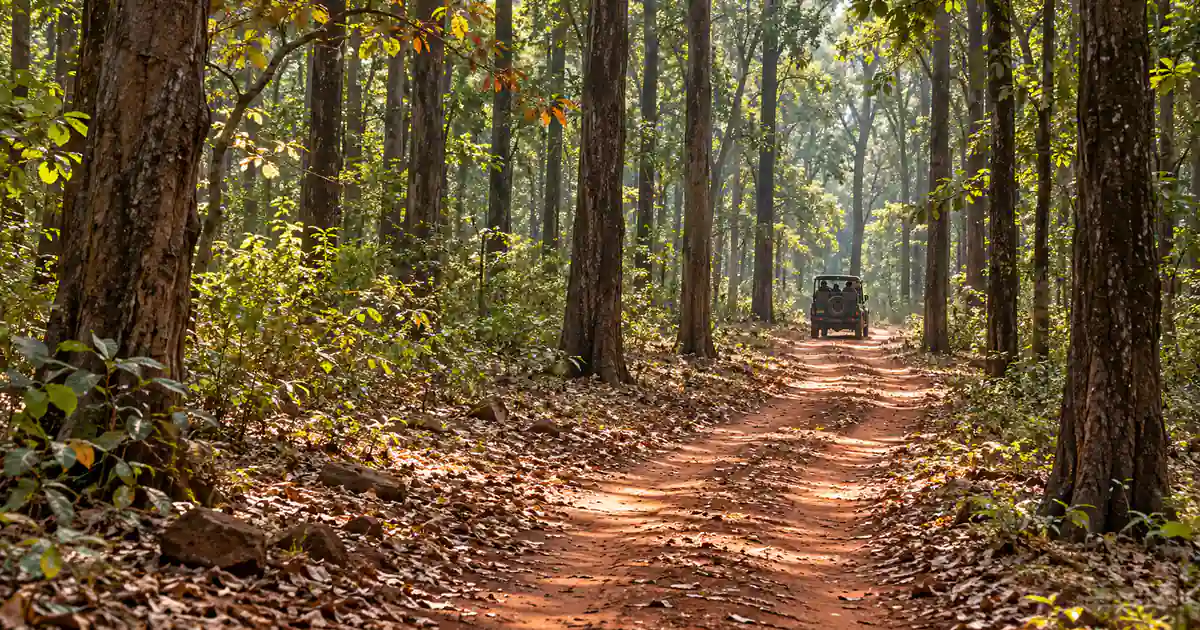
Betla National Park sprawls across 226 square kilometers of protected sal forest, bamboo brakes, and rocky river canyons in the Latehar and Palamu districts of western Jharkhand. The park constitutes the core zone of the historic 1,026-square-kilometer Palamu Tiger Reserve, celebrated as one of the original nine protected areas notified under Project Tiger in 1973.
Combined with the nearby colonial hill station of Netarhat, often called the Queen of Chhotanagpur, this western highland corridor forms one of the most diverse nature itineraries in eastern India. As outlined in our comprehensive Jharkhand travel guide, the circuit pairs thrilling mammalian jungle safaris with cool pine forest walks and ancient stone fortress ruins.
Safari & Highland Essentials
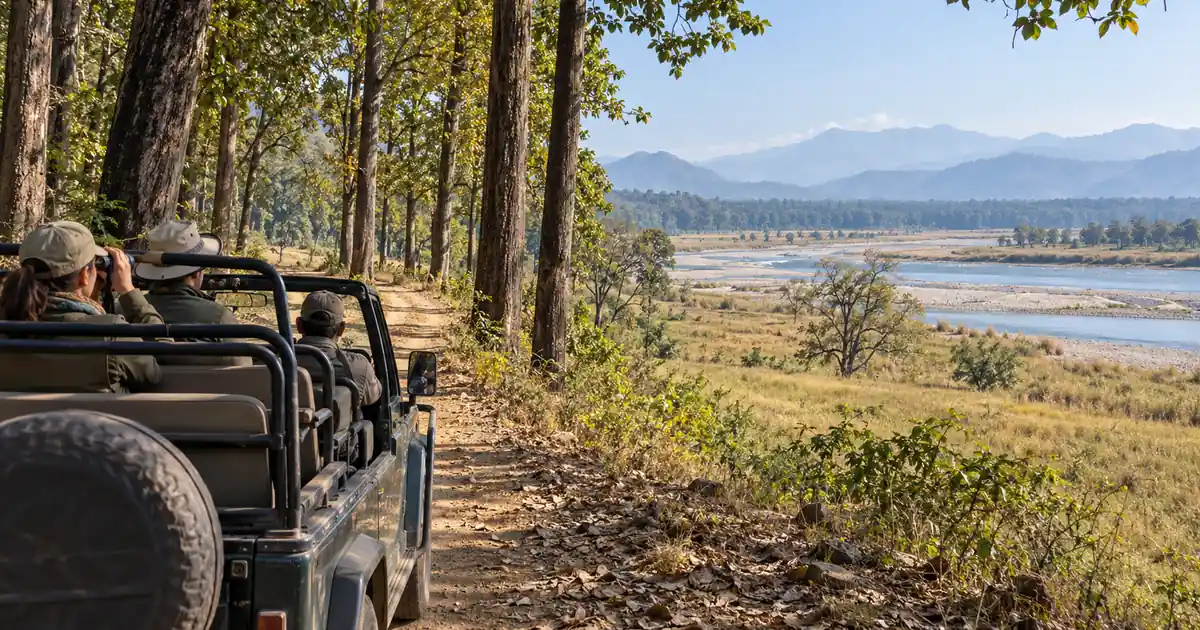
- Betla National Park conducts twice-daily jeep safaris from 6:00 AM to 10:00 AM and 2:00 PM to 5:00 PM between October and June.
- Safari charges require approximately ₹1,500 to ₹2,000 for private 6-seater open gypsy vehicles, along with a ₹100 forest entry fee and ₹300 for a certified tracker.
- The 16th-century Palamu Fort ruins of the Chero kings stand preserved within the forest canopy along the Auranga River.
- Netarhat sits 95 kilometers south at an elevation of 1,128 meters, offering cool pine walks and panoramic sunsets from Magnolia Point.
Travelers mapping extensive outdoor explorations across the best places to visit in India will discover that western Jharkhand delivers raw forest wilderness free from mass commercial crowds.
Betla National Park Safari: Timings, Booking, and Wildlife Habitats
Betla National Park opens for seasonal wildlife tourism from October 1 through June 30 each year, remaining closed during the monsoon breeding months of July, August, and September.
Jeep safaris operate in two daily shifts: a morning slot from 6:00 AM to 10:00 AM and an afternoon slot from 2:00 PM to 5:00 PM. Safaris can be booked in person directly at the forest department reception counter located at the Betla entrance gate. Official visitor rules and entry regulations are published by the Latehar District Administration.
Visitors hire authorized six-seater safari gypsies operated by local driver unions. Mandatory forest guides accompany each vehicle, helping spot camouflaged fauna along the dusty jungle tracks.
The park terrain transitions from dense moist deciduous sal forest along the valley basins to dry deciduous scrub across rocky hill slopes. Natural salt licks and earthen waterholes created by wildlife managers offer reliable observation points where herds gather during the dry winter and summer months.
Wildlife Diversity: Elephants, Gaurs, and Palamau Sal Forests
Betla National Park shelters a rich array of mammals, reptiles, and resident woodland birds across its undisturbed Chota Nagpur wilderness. Forest survey and ecological monitoring data is systematically tracked by the Wildlife Institute of India Protected Area Network.
Wild Asian elephants roam the reserve in thriving family herds, frequently spotted drinking and bathing along the Auranga and Koel riverbeds in the early mornings. Indian gaurs (bison), representing the largest wild bovids on earth, graze peacefully across the grassy forest glades in large numbers.
Predators inhabiting the sanctuary include leopards, wild dogs (dholes), striped hyenas, and sloth bears. While tiger sightings remain rare due to the thick sal canopy, fortunate visitors frequently observe fresh pugmarks and hear alarm calls echoing through the bamboo understory.
Spotted deer (chital), sambar, barking deer (muntjac), and wild boars are encountered regularly on almost every morning safari. Avian life is equally abundant, with over 174 bird species recorded, including the crested serpent eagle, hornbill, peafowl, red junglefowl, and colorful forest kingfishers.
Historic Palamu Fort Ruins: Chero Dynasty Heritage in the Jungle
Deep inside the forests of Betla National Park stand two monumental sixteenth-century stone fortresses, known as the Palamu Forts (Purana Qila and Naya Qila). The forts occupy a strategic rocky knoll overlooking the Auranga River, shrouded by ancient banyan roots and thick bamboo foliage.
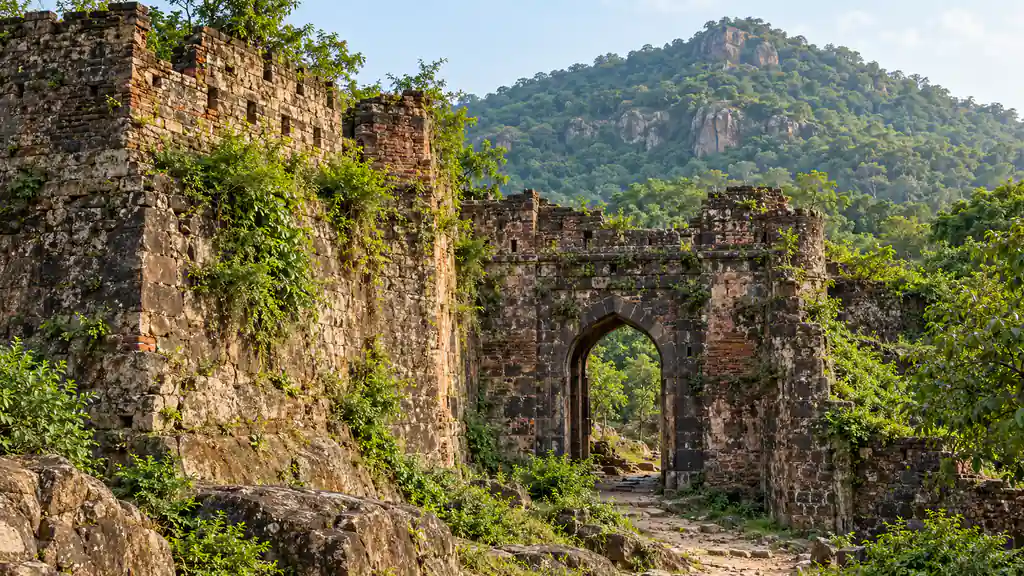
The forts were constructed by the Chero rulers, an indigenous tribal royal dynasty that ruled the Palamu kingdom for over two centuries. King Bhagwant Ray laid the foundations of the Old Fort, while his illustrious successor, Raja Medini Ray (reigned 1658–1674), erected the more expansive New Fort.
The New Fort features the renowned Nagpuri Gate, an elaborately carved sandstone archway that Raja Medini Ray took from the defeated Nagvanshi kingdom after sacking Navratangarh. The gateway displays intricate floral medallions and geometric relief patterns that reflect a blend of Mughal and indigenous tribal architectural styles.
Walking through the fortified battlements, arched durbar halls, and crumbling mosques offers an evocative journey through medieval jungle history. Visitors can explore the ruins with their safari guide, taking precautions around uneven stone stairways and overgrown tree roots.
Netarhat Queen of Chhotanagpur: Magnolia Point and Pine Groves
Netarhat sits atop a high laterite plateau at an elevation of 1,128 meters, approximately 95 kilometers south of Betla National Park. Known as the Queen of Chhotanagpur, this tranquil hill settlement offers a stark climatic contrast to the surrounding lowland plains.
During the British colonial era, administrators established Netarhat as a secluded summer sanitarium due to its cool mountain breeze and healthy climate. Extensive plantations of chir pine (Pinus roxburghii) were cultivated around the town, creating fragrant evergreen groves that shelter quiet walking trails.
Magnolia Point stands as Netarhat’s most celebrated viewpoint, situated 10 kilometers from the town center at the edge of a sheer cliff. Crowds gather each evening to watch the sun drop beneath layered mountain ridges, painting the sky in deep shades of crimson and gold.
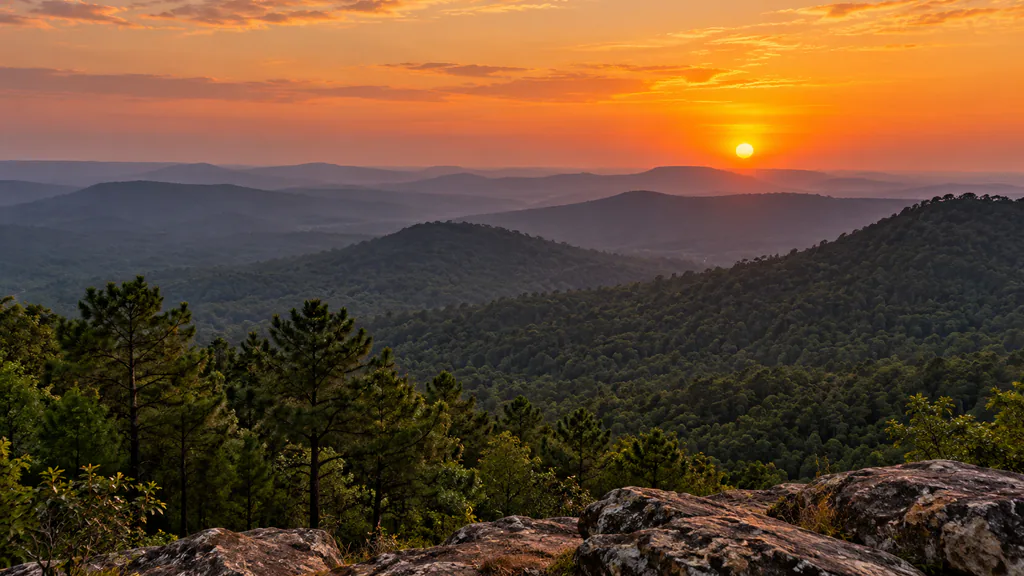
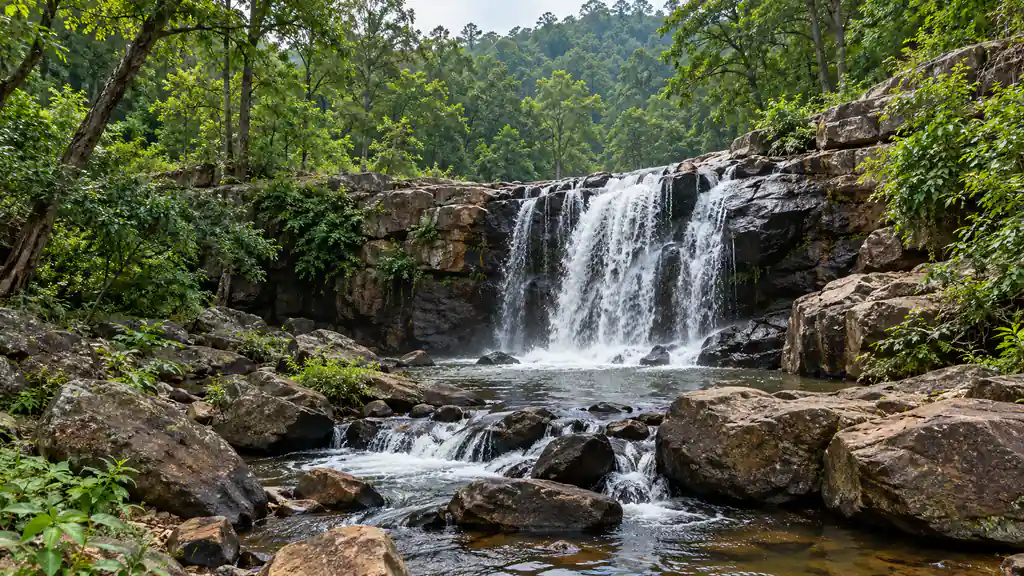
Other scenic attractions include Lower Ghaghri Falls, which cascades 32 meters through dense forest, and Upper Ghaghri Falls, situated within peaceful agricultural valleys. The Koel View Point provides sweeping vistas across the meandering river basin hundreds of meters below.
Betla and Netarhat Safari Specifications and Comparison Table
Combining Betla National Park and Netarhat into a single weekend excursion provides a balanced mix of wildlife tracking and highland relaxation. The following table compares the two destinations:
| Feature / Metric | Betla National Park | Netarhat Hill Station |
|---|---|---|
| Geographic Character | Sal Forest & Tiger Reserve Core | High-Altitude Pine Highland Plateau |
| Average Elevation | 300 to 500 meters | 1,128 meters (3,700 feet) |
| Primary Attractions | Jeep Safaris, Gaurs, Elephants, Palamu Forts | Magnolia Point Sunset, Pine Groves, Ghaghri Falls |
| Ideal Stay Duration | 1 to 2 Days (2 Safaris recommended) | 1 to 2 Days (Relaxed highland retreat) |
| Distance from Ranchi | 155 km Northwest via Kuru & Latehar | 155 km West via Bero & Ghaghra |
| Key Accommodation | Van Vihar Tourist Lodge, Forest Rest House | Prabhat Vihar Tourist Lodge, Heritage Bungalows |
| Best Travel Season | October to March (Safaris close in monsoon) | October to April (Pleasant year-round breeze) |
Travelers can easily connect from the waterfall circuits near Ranchi to Betla along National Highway 39, descending through the scenic Chandwa and Latehar valleys.
Accommodation: Forest Rest Houses, Van Vihar, and Netarhat Stays
Accommodation near Betla National Park and Netarhat ranges from official state-run forest lodges to private eco-resorts.
At Betla, the Jharkhand Tourism Development Corporation operates Hotel Van Vihar, situated directly opposite the national park entrance gate. The property features comfortable air-conditioned and non-air-conditioned rooms, a lawn, and an on-site restaurant serving hearty North Indian and regional meals.
The forest department also maintains historic stone forest rest houses inside the park perimeter, which can be reserved through the office of the Chief Conservator of Forests in Daltonganj. Private jungle resorts and homestays are located along the Betla-Daltonganj road.
In Netarhat, Hotel Prabhat Vihar occupies a prominent location on the ridge, offering direct sunset views from private room balconies. Several community-run guest houses and basic budget hotels operate near the central bus stand, providing clean beds and fresh vegetarian food.
How to Reach Betla National Park and Netarhat from Ranchi
Western Jharkhand is accessible by scheduled rail, road, and regional flight connections. Detailed regional travel maps are accessible via the Incredible India Jharkhand Directory.
Birsa Munda Airport in Ranchi (IXR) serves as the closest commercial aviation gateway, located 155 kilometers southeast of both Betla and Netarhat. Private taxis from Ranchi airport reach Betla within 4 hours along the paved Ranchi-Daltonganj highway (NH 39).
Daltonganj (Medininagar) railway station (DTO) is the closest major railhead to Betla, situated 25 kilometers north. Frequent express trains, including the Ranchi-New Delhi Rajdhani Express and Sambalpur-Varanasi Express, stop daily at Daltonganj. Shared taxis and local buses travel from Daltonganj to the Betla park gates in 45 minutes.
Travelers often complete a circular road trip starting in Ranchi, taking in the wildlife spotting at Ranchi Waterfalls, exploring Betla and Netarhat, and proceeding northeast toward the spiritual center of Baidyanath Dham in Deoghar.
Frequently Asked Questions About Betla National Park and Netarhat
How to book safari in Betla National Park?
Safari permits for Betla National Park are booked in person at the forest department booking window at the main entrance gate. Visitors can hire registered 6-seater open gypsies on a first-come, first-served basis for morning (6:00 AM) and afternoon (2:00 PM) departures.
What is Betla National Park famous for?
Betla National Park is famous for being one of India’s original nine tiger reserves designated under Project Tiger in 1973. It is renowned for its large herds of Indian gaurs (bison), wild Asian elephants, and the sixteenth-century Palamu Fort ruins located deep within the jungle canopy.
What is the best time to visit Betla and Netarhat?
The best time to visit Betla National Park and Netarhat is between October and March when daytime temperatures remain mild and forest trails are dry. Wildlife visibility peaks during early winter, while Netarhat offers crisp, cool weather and clear evening skies.
How far is Netarhat from Betla National Park?
Netarhat is located 95 kilometers south of Betla National Park via Mahuadanr. The scenic drive takes approximately 2.5 to 3 hours, crossing scenic mountain ghats, sal forests, and quiet tribal farming valleys.