Lakshadweep Tourism Guide: Islands, Permits & Travel
Explore Lakshadweep tourism with verified e-permit rules, island packages, Agatti flight connectivity, Bangaram diving resorts, and cruise ship tips.
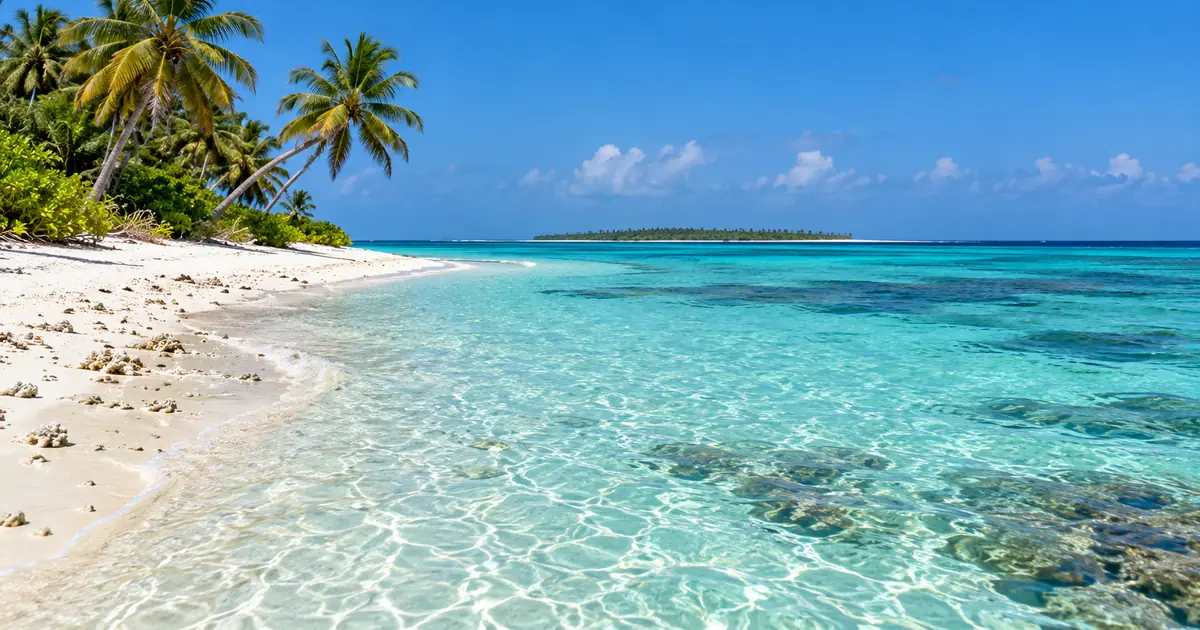
Lakshadweep encompasses an archipelago of 36 islands scattered across the Arabian Sea, located between 220 and 440 kilometers west of the Kerala coast. Standing as India’s smallest Union Territory with a total landmass of just 32 square kilometers, this coral reef network encloses roughly 4,200 square kilometers of protected lagoon waters.
Island Travel & Permit Essentials
- Lakshadweep comprises 36 coral atolls and islands in the Arabian Sea, located between 220 and 440 kilometers west of Kochi, Kerala.
- Every non-resident visitor, including Indian citizens, must obtain an entry permit (e-Permit) issued by the Lakshadweep Administration.
- Regular commercial flight access operates via Alliance Air and IndiGo connecting Kochi (COK) directly to Agatti Island (AGX).
- High tourism season spans from October through April, when calm sea conditions allow scuba diving, snorkeling, and inter-island passenger ferries.
The archipelago represents one of the world’s most delicate marine atoll ecosystems, where strict conservation rules protect living coral gardens and pelagic sea turtles. Travelers frequently combine island itineraries with transit stays across the mainland, outlined in our Kerala travel guide.
Lakshadweep Islands Comparison and Tourism Matrix
Key highlights and visitor access across open islands:
-
Agatti (Domestic & International): Gateway atoll with commercial airstrip, turquoise kayaking lagoons, coral reefs, and licensed beach homestays.
-
Bangaram (Domestic & International): Uninhabited teardrop atoll offering exclusive beach resort cottages, PADI scuba diving, and boat transfers from Agatti.
-
Kavaratti (Indian Nationals Only): Administrative headquarters with marine museum, heritage mosques, and government tourist huts accessible by scheduled ferry.
-
Minicoy (Indian Nationals Only): Southernmost island featuring distinctive Mahl culture, an 1885 British lighthouse, and passenger ship access from Kochi.
-
Kadmat (Domestic & International): Elongated coral spit with dedicated water sports institute, scuba diving reefs, and air-conditioned beach cottages.
-
Kalpeni (Indian Nationals Only): Extensive lagoon ringed by storm-formed coral banks, scenic kayaking coves, and heritage village homestays.
-
Thinnakara (Domestic & International): Remote uninhabited sand cay known for seasonal bioluminescence, tent glamping, and 45-minute boat transit from Agatti.
For comprehensive atoll maps, entry permit rules, and full itinerary circuits across the Union Territory, consult our complete Lakshadweep travel guide.
Geographic Overview of the Coral Archipelago
The Union Territory of Lakshadweep consists of 12 atolls, three distinct coral reefs, and five submerged sand banks. Ten of the thirty-six islands support permanent indigenous human settlements: Agatti, Amini, Andrott, Bitra, Chetlat, Kadmat, Kalpeni, Kavaratti, Kiltan, and Minicoy.
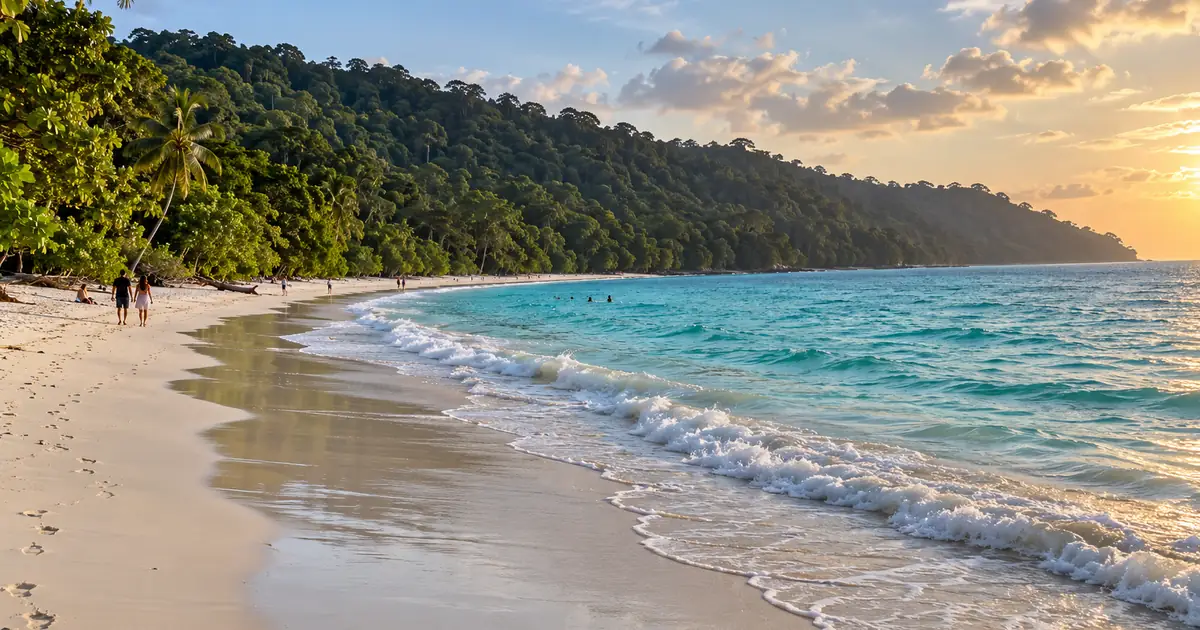
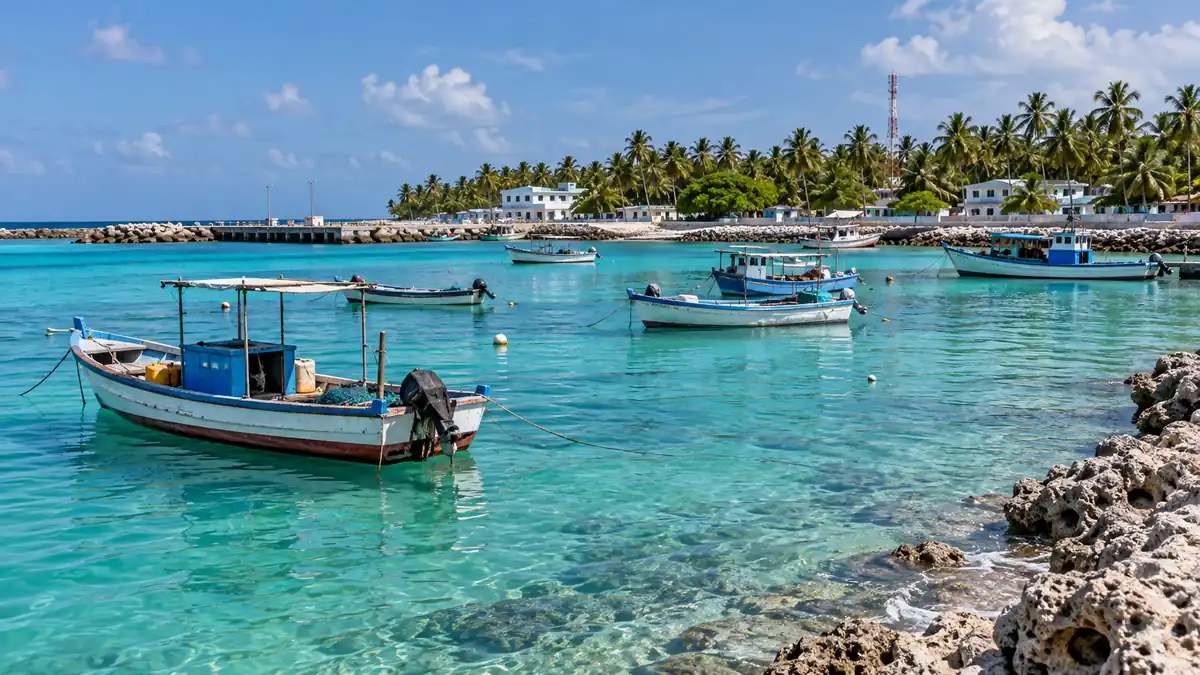
The islands are encircled by shallow barrier lagoons featuring calm turquoise water protected from heavy open-ocean swells. The surrounding marine waters shelter over 600 species of marine fish, green sea turtles, hawksbill turtles, and extensive branching acropora coral formations.
Minicoy occupies an isolated southern position separated from the northern Laccadive group by the 200-kilometer-wide Nine Degree Channel. To understand broader coastal circuits in India, travelers often review our Top 10 Best Beaches in Goa overview.
How to Get a Lakshadweep Entry Permit (e-Permit Process)
Access to Lakshadweep is legally restricted under the Laccadive, Minicoy and Amindivi Islands (Restriction on Entry and Residence) Rules of 1967. Every non-resident visitor, including Indian citizens, must secure an official entry permit prior to boarding flights or passenger vessels.
Devotees and leisure travelers can apply independently through the official Lakshadweep Administration Entry Permit Portal. The online application requires uploading valid government identity cards, passport-sized photographs, confirmed resort reservation vouchers, and a police clearance certificate issued by your home district superintendent.
Alternatively, booking an all-inclusive government travel package through the Society for Promotion of Nature Tourism and Sports (SPORTS) includes automatic permit processing. Foreign nationals should verify passport stamping regulations outlined in our planning a visit to India Tourist Visa.
Top Lakshadweep Islands Open to Tourists
1. Agatti Island: The Aviation Gateway
Agatti Island extends along a narrow seven-kilometer coral strip, housing the territory’s sole commercial airport. The flight approach into Agatti’s 1,204-meter coral runway is considered one of the most scenic aviation landings in Asia, flanked on both sides by open turquoise lagoons.
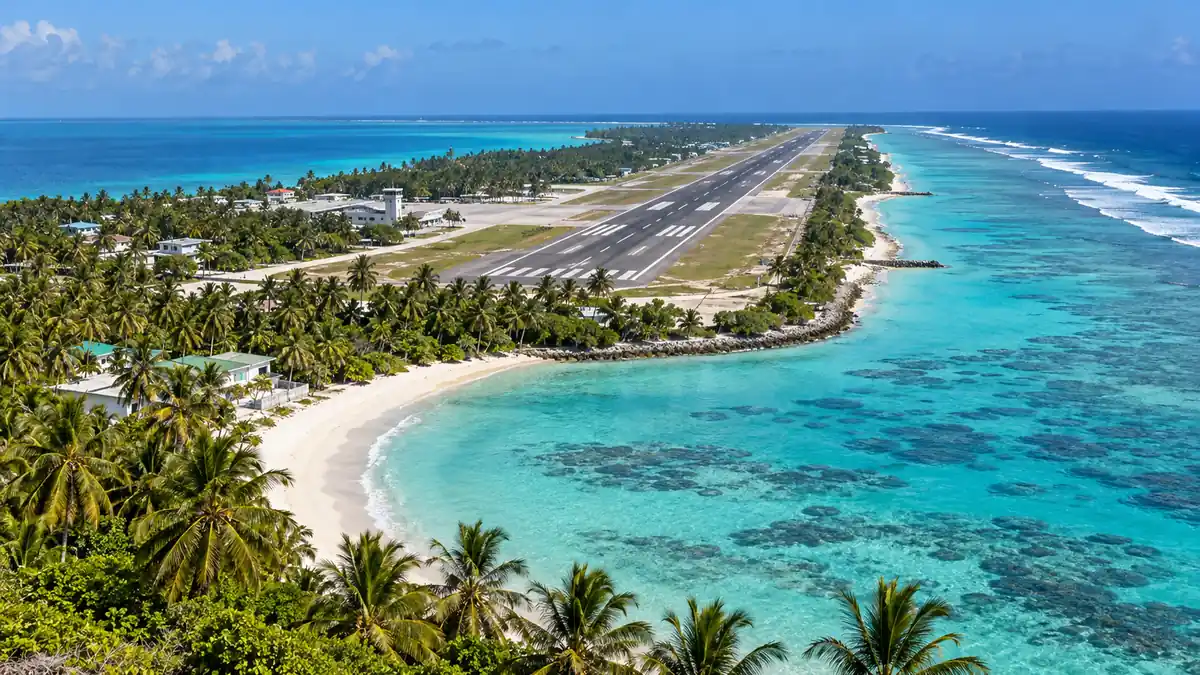
Agatti serves as the primary gateway from which travelers transfer by speedboat to Bangaram, Thinnakara, or Kadmat. For detailed flight schedules, resort stays, and lagoon excursions, explore our specialized Agatti and Bangaram travel guide. The island offers certified PADI diving centers, glass-bottom boat excursions, and licensed beachfront guesthouses.
2. Bangaram Island: Tear-Drop Coral Atoll and Luxury Resorts
Bangaram is an uninhabited tear-drop shaped island covering 128 acres, situated eight kilometers north of Agatti across a deep ocean channel. The island operates exclusively as a resort destination, surrounded by an expansive shallow lagoon with powdery white sands.
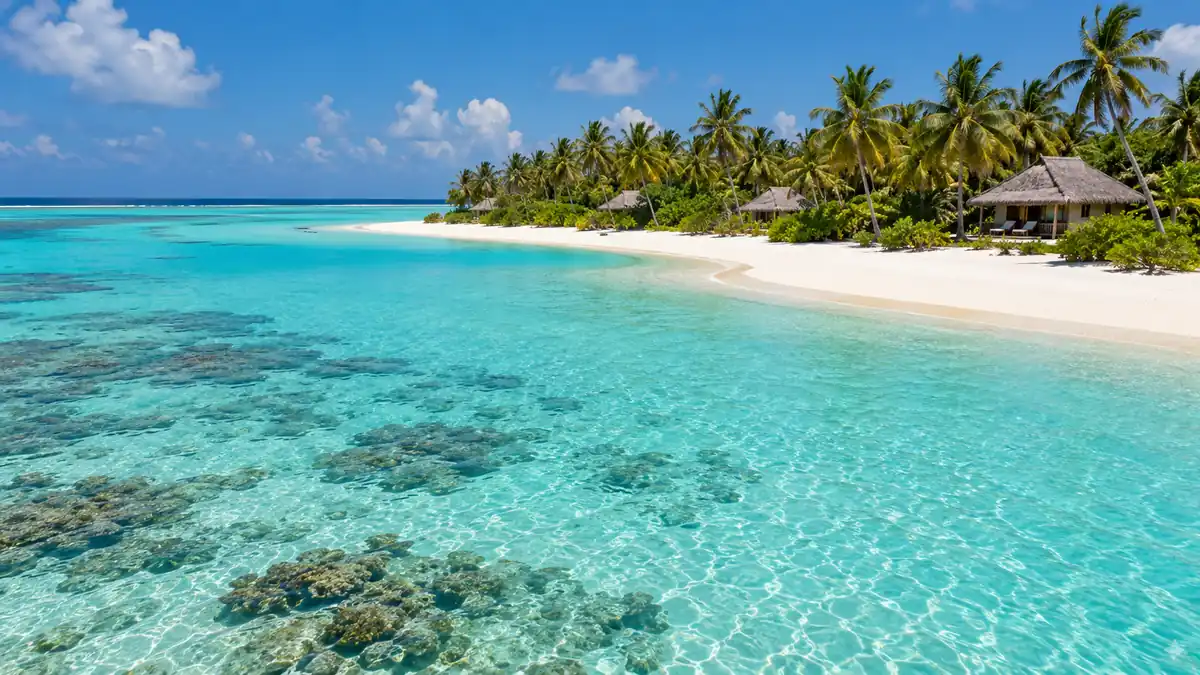
Bangaram is one of the few islands in Lakshadweep where alcohol consumption is permitted for tourists within the licensed resort premises. Night kayaking on the calm lagoon reveals sparkling bioluminescent plankton that illuminate the water with glowing blue light.
3. Kavaratti Island: Capital Seat and Marine Aquarium
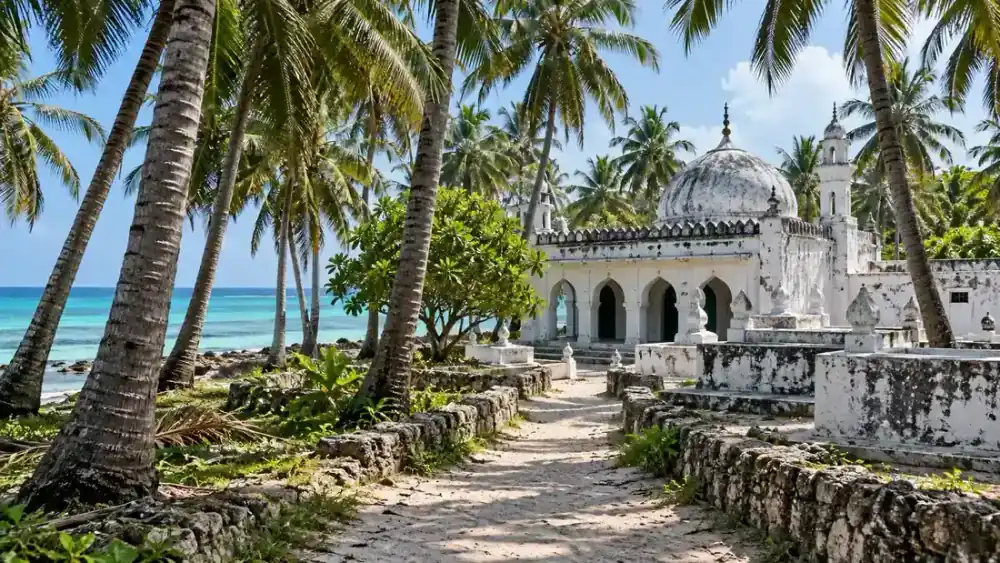
Kavaratti functions as the administrative headquarters of Lakshadweep, located roughly 400 kilometers off the coast of Kochi. The island features narrow, quiet streets lined with coconut palms and over fifty historic mosques, including the 17th-century Ujra Mosque renowned for its intricate carved driftwood ceilings.
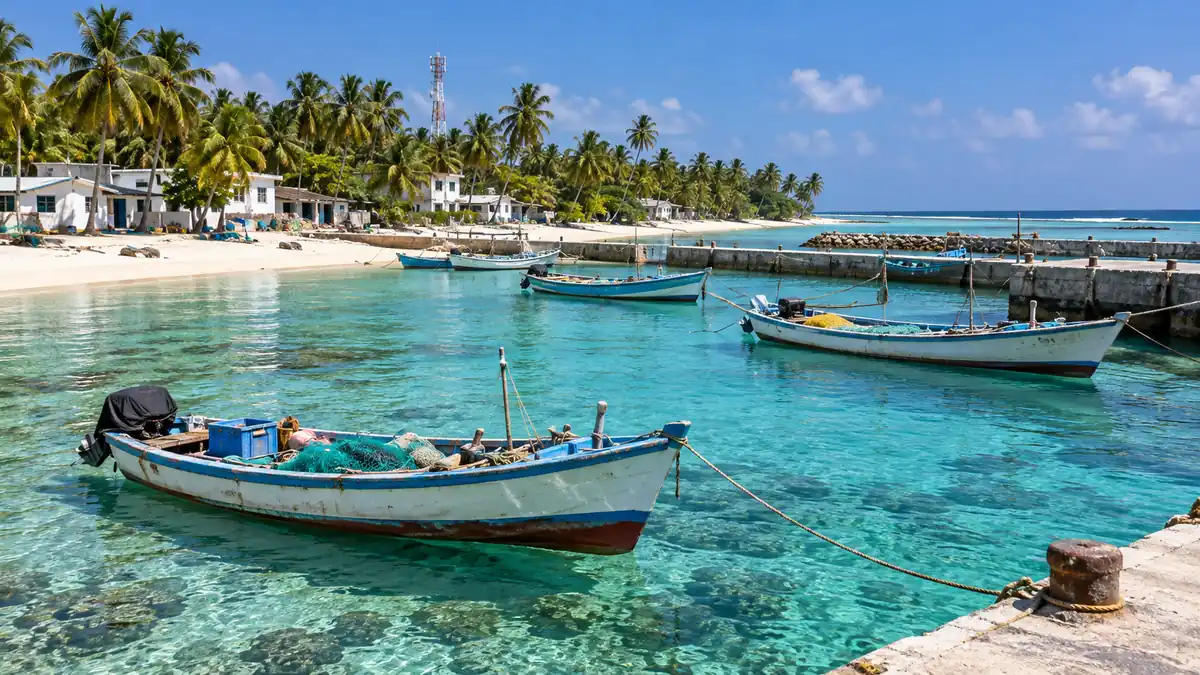
The Kavaratti Marine Aquarium displays living specimens of sea anemones, lionfish, clownfish, and sea cucumbers collected from regional reef flats. Tourists visiting Kavaratti generally arrive on government-conducted ship packages like the Samudram cruise.
4. Minicoy Island: Southern Maliku Culture and Historic Lighthouse
Minicoy is geographically and culturally distinct from the northern islands, located near the international maritime boundary with the Maldives. The local population speaks Mahal, an Indo-Aryan language closely related to Maldivian Dhivehi, and preserves matrilineal village societies organized into ten traditional avah communities.
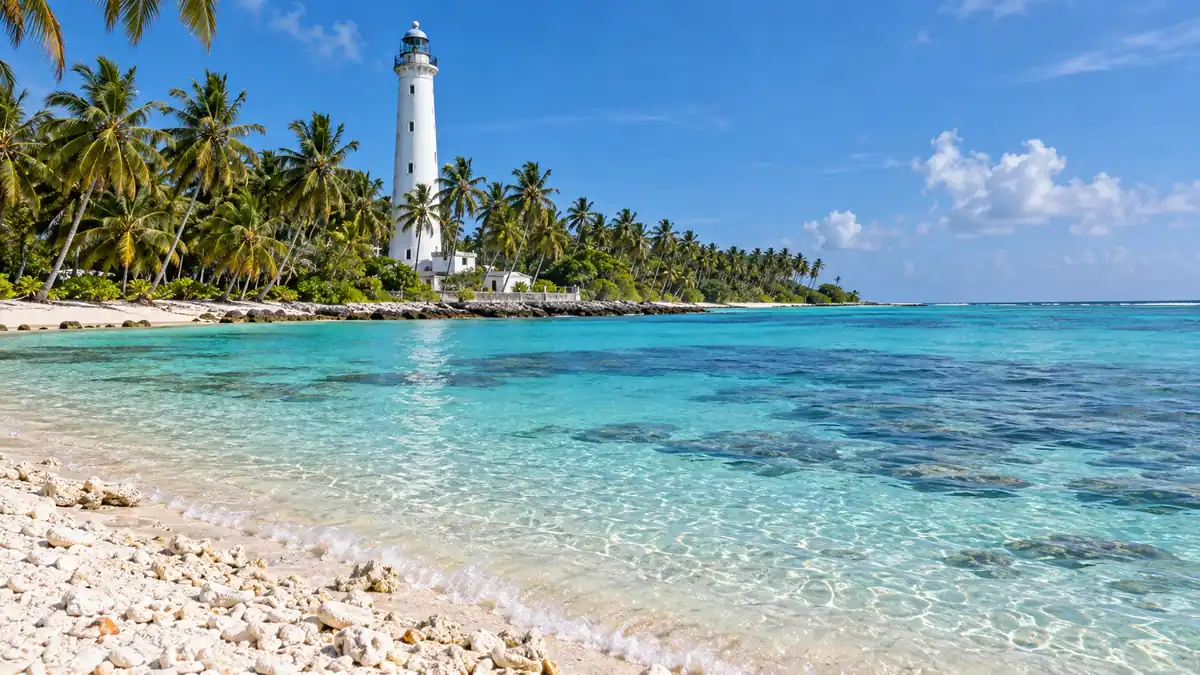
A prominent historical landmark is the 50-meter-tall Minicoy Lighthouse, constructed by the British imperial administration in 1885. Climbers ascending the circular spiral staircase are rewarded with panoramic 360-degree views of coconut palm forests and ocean rollers.
5. Kadmat Island: Coral Reef Diving Destination
Kadmat stretches eight kilometers in length but measures barely 550 meters at its widest point, bordered by an immense protected lagoon to the west. The island hosts the primary government water sports institute, offering certified scuba diving courses and windsurfing programs.
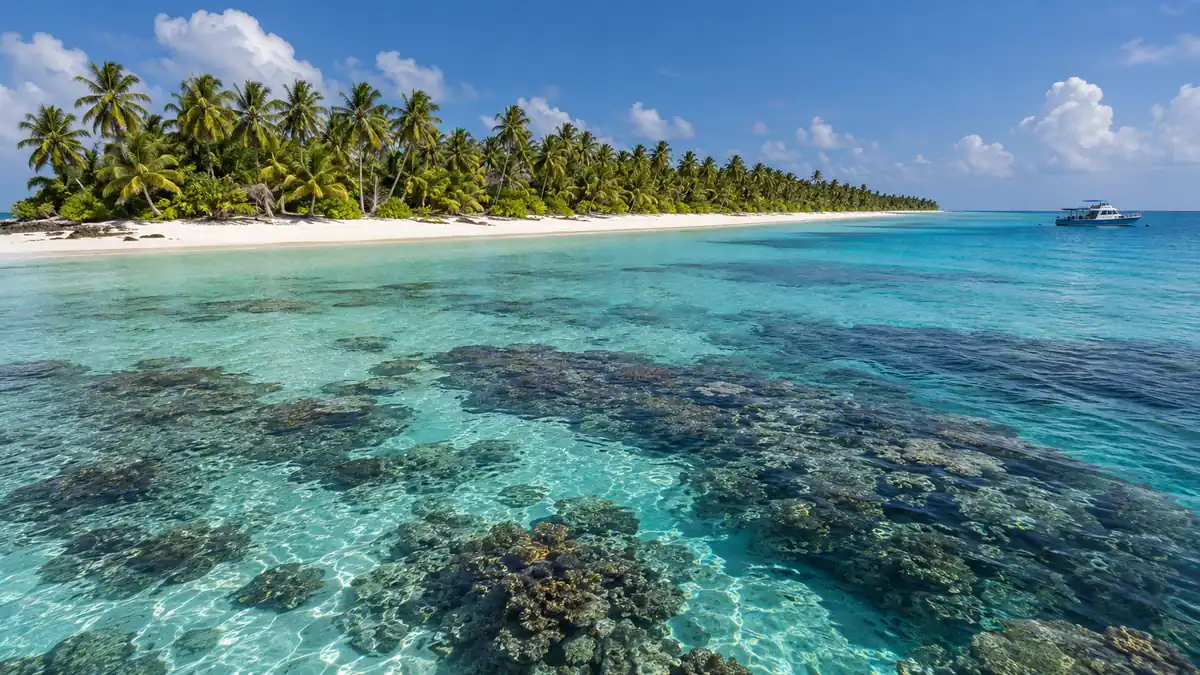
Divers at Kadmat frequently encounter sea turtles, manta rays, moray eels, and harmless reef sharks along outer drop-off walls. The island features comfortable air-conditioned tourist bungalows managed directly by SPORTS.
6. Kalpeni Island: Extensive Lagoon and Storm Pebble Banks
Kalpeni is celebrated for its massive, shallow lagoon that extends over six kilometers, allowing visitors to wade hundreds of meters out into waist-deep water. The southern shoreline is notable for a massive bank of storm-tossed coral boulders deposited during a catastrophic cyclonic storm in 1847.
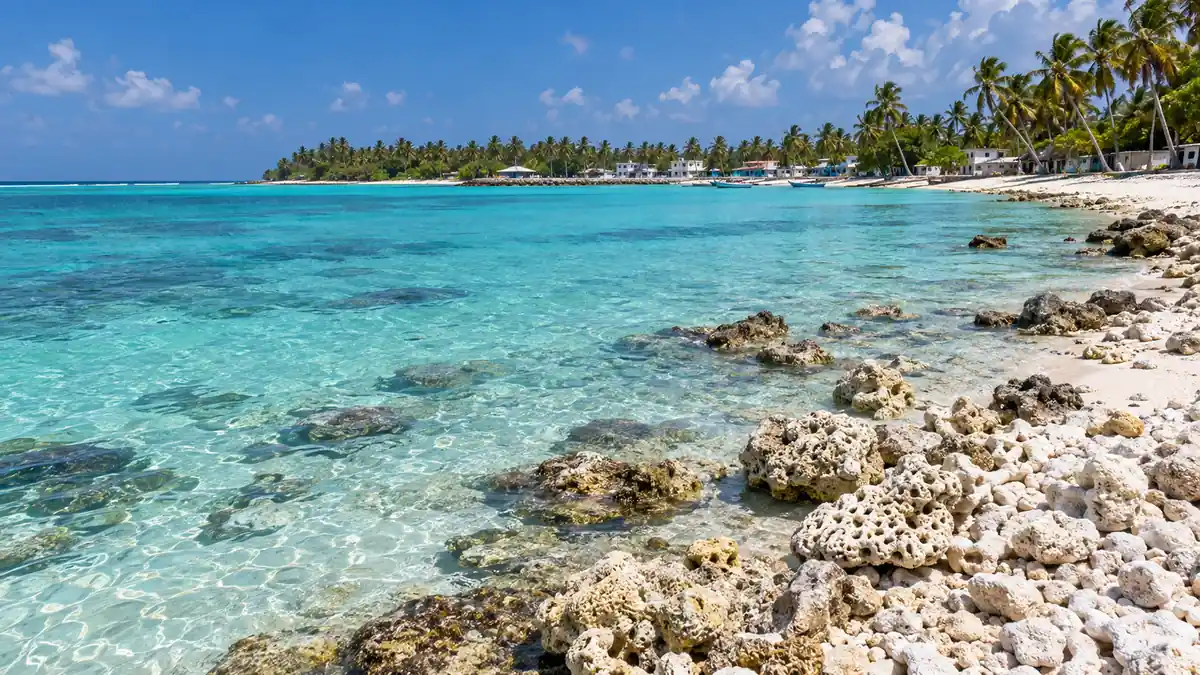
The island includes three small uninhabited satellite islets: Tilakkam, Pitti, and Cheriyam. Tourists can rent pedal boats, take guided snorkeling reef walks, and purchase freshly dried tuna delicacies produced by local village cooperatives.
7. Thinnakara Island: Uninhabited Serenity Across from Bangaram
Thinnakara sits in the same expansive lagoon system as Bangaram, located roughly two kilometers east across clear waters. This peaceful, uninhabited coral cay is populated only by seasonal resort camp staff and nesting seabirds.
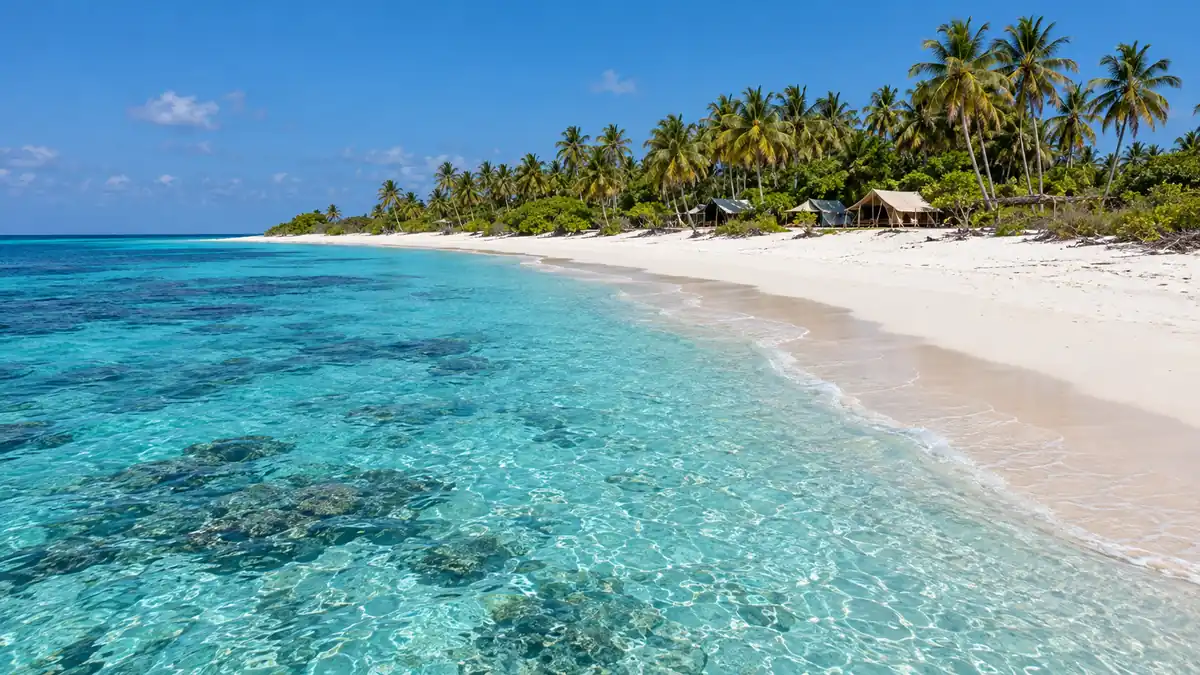
Visitors stay in eco-friendly tented beach shelters positioned beneath coconut palms steps from the tide line. The surrounding shallow channels are famous for pods of resident sea turtles that feed on rich seagrass meadows.
8. Pitti Bird Sanctuary: Pelagic Tern Breeding Ground
Pitti Island, also known as the Pakshipitti reef, is a tiny barren coral cay without tree cover, located 24 kilometers north of Kavaratti. In 1963, the administration declared the entire reef a protected wildlife sanctuary under the Indian Wildlife Protection Act.
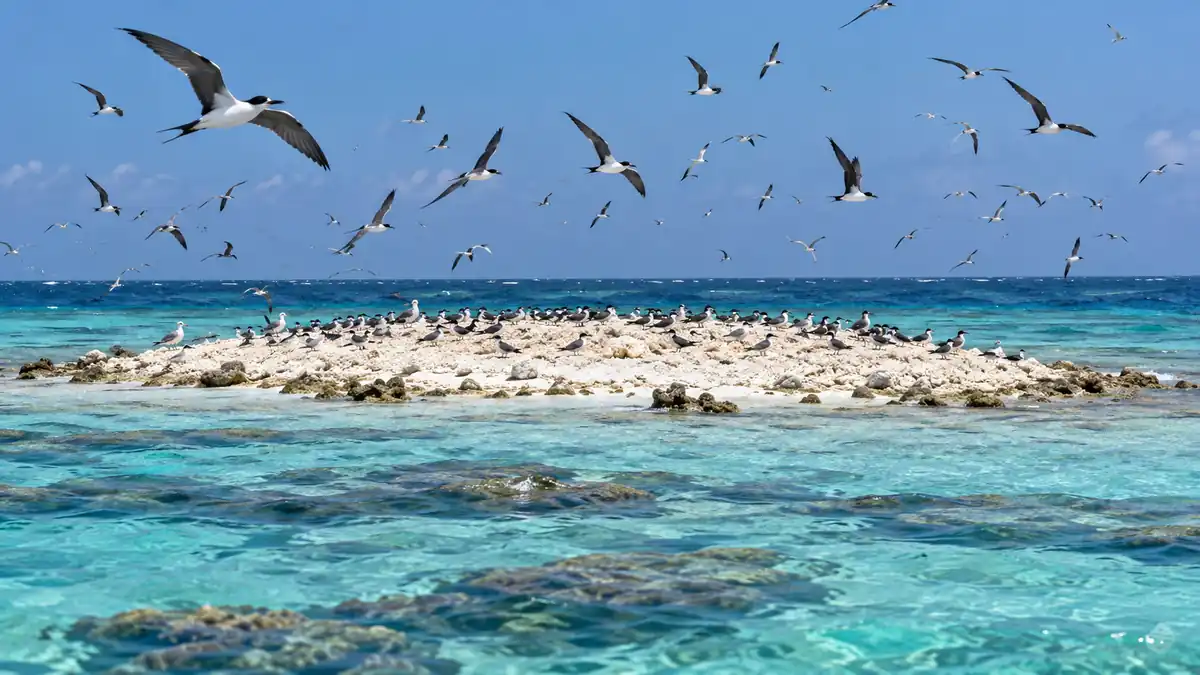
Thousands of pelagic terns, including sooty terns, greater crested terns, and brown noddies, gather here annually to lay eggs directly on the coral rubble. Human landing on the island is strictly regulated to prevent disturbance to ground-nesting colonies.
Other small inhabited islands include Kiltan and Andrott, known for historical sufi shrines and ancient Buddhist stupa remnants.
Andrott sits closest to the Indian mainland, preserving the tomb of Saint Ubaidullah, who introduced Islam to the archipelago in the 7th century CE.
Water Sports, Scuba Diving, and Lagoon Activities
Lakshadweep ranks among the foremost scuba diving destinations in South Asia, characterized by exceptional underwater visibility exceeding 30 meters between November and March. Key diving sites include Grand Canyon at Agatti, Manta Point off Bangaram, and the Coral Garden at Kadmat.
Water sports operators provide PADI discovery dives for beginners, guided snorkeling along barrier reef crests, sea kayaking, and deep-sea sports fishing for yellowfin tuna and sailfish. Catch-and-release sport fishing is strictly enforced to maintain marine ecological balance.
Travelers who enjoy coastal water activities can also compare mainland beach sports detailed in our guide to places to visit in Kochi.
How to Reach Lakshadweep by Flight and Passenger Ship
Reaching the archipelago requires coordinating transport from Kochi on the southwestern coast of India.
-
By Air: Regular ATR-72 turboprop flights operate daily from Cochin International Airport (COK) to Agatti Airport (AGX), taking approximately one hour and thirty minutes. Bookings should be secured early due to limited seat capacity.
-
By Passenger Ship: The Lakshadweep Administration operates seven all-weather passenger ships from Kochi wharf, including MV Kavaratti and MV Arabian Sea. Voyages take between 14 and 18 hours depending on destination islands.
-
Inter-Island Transfers: Authorized speedboat ferries link Agatti to Bangaram, Kadmat, and Kavaratti during the dry season. Passenger vessels and private speedboats operate in strict accordance with seasonal weather advisories.
Comprehensive subcontinent travel itineraries connecting island routes with inland landmarks can be explored in our India travel highlights overview. Official tourism regulations are accessible on the Incredible India Official Lakshadweep Portal.
Best Season, Climate, and Packing Recommendations
The tropical island climate is divided into dry winter months and heavy monsoon seasons.
-
October to April (Peak Season): Sunny skies, gentle sea breezes, and daytime temperatures ranging from 25°C to 32°C create optimal conditions for water sports and island hopping.
-
May to September (Monsoon Season): Heavy rains and rough seas make inter-island ferry navigation difficult, with passenger speedboats typically suspended between mid-May and mid-September.
-
Essential Packing: Bring reef-safe biodegradable sunscreen, polarized sunglasses, quick-dry swimsuits, water shoes for coral walking, personal snorkel gear, and sufficient cash in Indian Rupees, as island ATMs are sparse.
For detailed island-by-island diving conditions, 1885 lighthouse timings, and cruise itineraries across the central and southern atolls, review our dedicated Kavaratti, Kadmat, and Minicoy diving guide.
Frequently Asked Questions About Lakshadweep Tourism
How to get a permit to visit Lakshadweep?
All visitors must apply online through the official e-Permit portal managed by the Lakshadweep Administration or book an approved government tour package through SPORTS. Applicants submit scanned identity proofs, passport photographs, and police clearance certificates along with a nominal processing fee.
Which is the best island to visit in Lakshadweep?
Bangaram Island is widely recognized as the foremost leisure island, famous for its turquoise lagoon, coral reefs, and licensed beach resort. Agatti provides the primary air connection, while Kadmat offers the leading government-accredited water sports and scuba diving school.
How to reach Lakshadweep from Kochi?
Travelers can fly directly from Cochin International Airport to Agatti Island on scheduled ATR-72 flights taking approximately 90 minutes. Alternatively, government passenger ships operated by Lakshadweep Tourism depart from Kochi wharf, taking roughly 14 to 18 hours to reach Kavaratti or Kalpeni.
Can foreign nationals visit Lakshadweep?
Foreign tourists are permitted to visit designated islands including Agatti, Bangaram, and Kadmat with valid Indian tourist visas and official entry permits. Other inhabited islands like Kavaratti and Minicoy remain restricted to Indian nationals to protect local cultural traditions.