Kochi-Muziris Biennale Guide: Venues, Tickets & Art Walks
Complete guide to Kochi-Muziris Biennale in Fort Kochi: Aspinwall House, Pepper House, Cabral Yard venues, tickets, curated art walks, and heritage cafe tips.
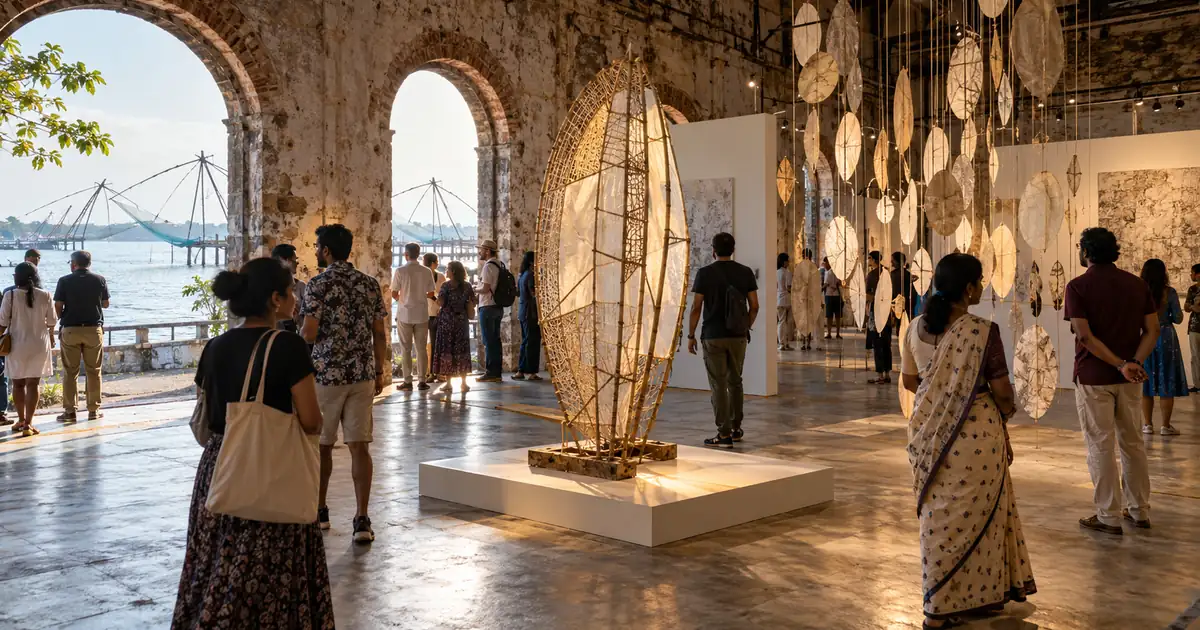
The Kochi-Muziris Biennale stands as South Asia’s largest contemporary art exhibition, transforming the historic maritime peninsula of Fort Kochi and Mattancherry into a world-class platform for global artistic dialogue. Held every two years across approximately 120 days from mid-December through mid-April, the international exhibition draws over six hundred thousand visitors, curators, and art scholars from around the world.
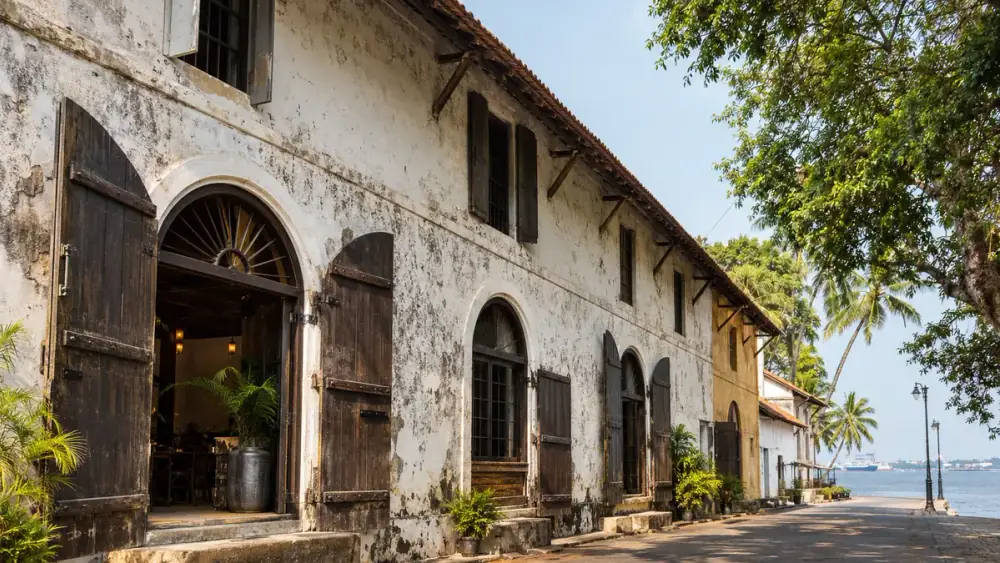
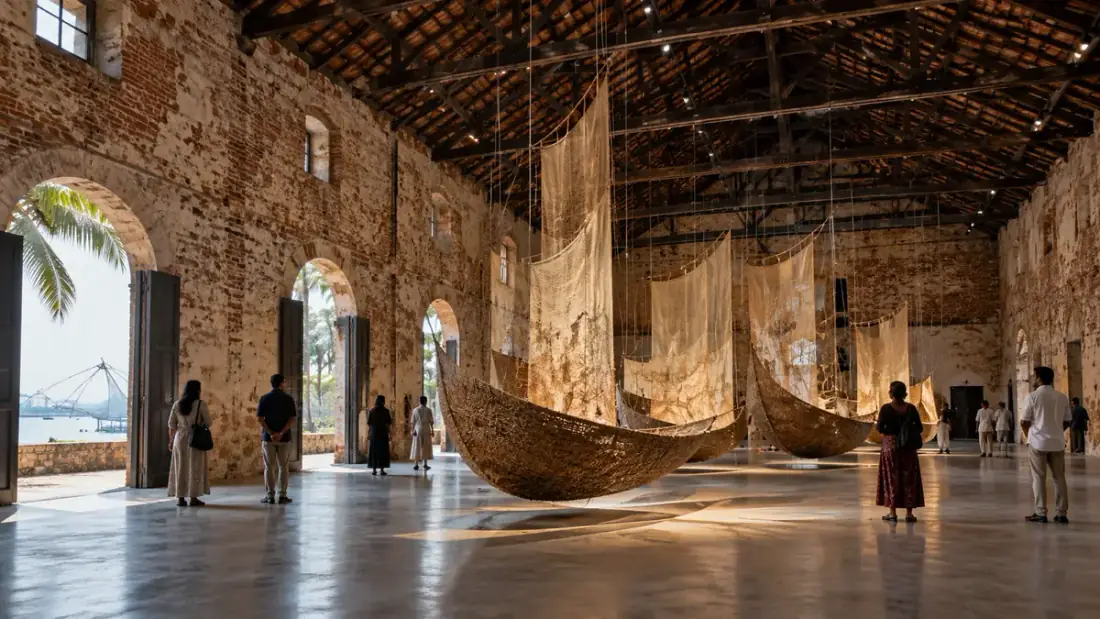
Rather than confining art within sterile white-cube galleries, the Biennale activates 19th-century colonial spice warehouses, open seaside yards, and heritage Dutch residences. Visitors walk between centuries-old rain trees, smelling cardamom and sea salt while encountering large-scale multimedia sculptures, video projections, soundscapes, and live performance art from over ninety celebrated international creators.
Kochi-Muziris Biennale Fast Facts
- Cycle & Duration: Held biennially (every two years), running for roughly 120 days from mid-December through mid-April.
- Core Venues: 14 heritage venues across Fort Kochi and Mattancherry, anchored by Aspinwall House, Pepper House, and Cabral Yard.
- Founding Artists: Initiated in 2012 by contemporary artists Bose Krishnamachari and Riyas Komu in partnership with the Government of Kerala.
- Visitor Footfall: Over 600,000 national and international attendees per edition.
- Exhibition Hours: 10:00 AM to 6:00 PM daily across all primary venues; free admission on designated Mondays.
- Transit Gateway: Fort Kochi is linked by the modern Kochi Water Metro from Ernakulam High Court terminal (20 minutes, ₹40).
What is the Kochi-Muziris Biennale: Origins and Cultural Vision
The Biennale derives its name from Muziris, an ancient cosmopolis and seaport situated thirty kilometers north of modern Kochi near Kodungallur. Mentioned in classical Roman texts by Pliny the Elder and ancient Tamil Sangam poetry, Muziris was a thriving international trade hub where Phoenicians, Egyptians, Greeks, Romans, and Arabs traded gold, silk, and pottery for Malabar black pepper.
Around 1341 CE, a cataclysmic flood on the Periyar River silted up the port of Muziris and simultaneously carved open the natural harbor mouth at Kochi. By naming the festival after Muziris, the organizers consciously invoke Kerala’s two-thousand-year heritage of maritime internationalism, hospitality, and cultural synthesis.
Founded in 2012 by artists Bose Krishnamachari and Riyas Komu under the Kochi Biennale Foundation, the event was conceived as an artist-led, non-commercial public forum. It challenges Western-centric art market hierarchies by anchoring a global contemporary art dialogue directly on South Asian soil.
Travelers mapping heritage routes across the port city can review our architectural and colonial walking routes in the complete guide to places to visit in Kochi.
Curatorial Independence and Global Voices
Each edition of the Biennale is curated by a chosen visionary artist or curator who develops a central thematic inquiry. Past curators, including Anita Dube and Shubigi Rao, have selected artists whose works engage with post-colonial memory, indigenous environmental wisdom, climate change, linguistic preservation, and labor justice.
Unlike commercial art fairs where artwork is bought and sold, the Biennale is strictly educational and non-commercial. Most artworks are site-specific installations conceived directly within Kochi’s historic architectural chambers.
Local neighborhood preservation guidelines and historic walking maps can be surveyed on the Kerala Tourism Fort Kochi Destination Guide.
Primary Biennale Venues Across Fort Kochi and Mattancherry
The Biennale unfolds across fourteen interconnected heritage sites scattered through the walkable neighborhoods of Fort Kochi and Mattancherry. Experiencing the festival involves strolling through colonial residential streets, stopping at breezy seaside cafes between gallery pavilions.
| Venue Name | Architectural Character | Typical Art Forms Displayed | Recommended Duration |
|---|---|---|---|
| Aspinwall House | 160,000 sq ft sea-facing 19th-century spice trading warehouse | Monumental sculptures, video installations, large murals | 3 to 4 hours |
| Pepper House | Historic Dutch dockside compound with central waterfront lawn | Photography, printmaking, artist residency studios, library | 1.5 to 2 hours |
| Cabral Yard | Former Portuguese timber storage yard with open earthen grounds | The Biennale Pavilion, architectural symposiums, evening film screenings | 1 hour |
| David Hall | 1695 Dutch colonial bungalow overlooking the parade ground | Contemporary drawings, sculpture gardens, acoustic recitals | 1 hour |
| Anand Warehouse | Historic Mattancherry coir and Gujarati spice storage depot | Students’ Biennale, emerging regional installations | 1 to 1.5 hours |
1. Aspinwall House: The Maritime Epicenter
Aspinwall House serves as the beating heart of every Biennale edition. Established in 1867 by English merchant John H. Aspinwall as the headquarters of Aspinwall & Company, this sprawling 160,000-square-foot compound stretches along the harbor waterfront.
The property features high timber-beam ceilings, exposed brick arcades, and massive arched windows overlooking the active shipping channel. Giant container ships and traditional wooden fishing boats drift past open gallery doorways as visitors examine video art projections, stone sculptures, and suspended textile installations.
2. Pepper House: The Dockside Courtyard
Situated along Calvathy Road, Pepper House is a two-story Dutch-style dockside property featuring two parallel waterfront warehouses facing an open courtyard garden. Historically used to store black pepper barrels awaiting Dutch cargo vessels, the property now houses a permanent visual arts library, an open-air cafe, and artist residency studios.
3. Cabral Yard and The Pavilion
Located on KB Jacob Road, Cabral Yard historically belonged to the Portuguese and later served as a timber yard. During the Biennale, the foundation constructs an experimental, sustainable temporary pavilion designed by prominent South Asian architects using bamboo, coir mats, and timber.
The pavilion hosts daily public conversations, poetry readings, book launches, and evening cinema screenings under open night skies, completely free of admission fees.
State tourism initiatives and cultural festival calendars are documented on the Incredible India Kerala Cultural Portal.
Parallel Programs: Students’ Biennale and Art by Children
Beyond the primary international exhibition, the Kochi Biennale Foundation runs expansive community and educational initiatives designed to nurture regional artistic talent. For seasonal travelers planning around cultural events, Maha Shivratri in Ujjain & Kashi dates and rituals details schedules and practical logistics.
The Students’ Biennale
Running concurrently with the main exhibition, the Students’ Biennale provides an institutional platform for fine arts undergraduate and postgraduate students from government art colleges across India.
- Participating Institutions: Over 50 state art colleges from regions often underrepresented in mainstream art markets, including Assam, Kashmir, Odisha, and rural Maharashtra.
- Curatorial Mentorship: Young independent curators travel to regional colleges to mentor student artists, helping them translate regional folklore, socioeconomic concerns, and indigenous craft methods into contemporary installation art.
- Venues: Typically hosted in heritage warehouses in Mattancherry, such as Anand Warehouse and BTH Sarovaram.
Art by Children (ABC) and Community Workshops
The ABC initiative introduces school children to creative visual thinking through hands-on art workshops, sensory play sessions, and guided tours led by professional art educators. Over thirty thousand government school students from across Kerala tour the Biennale annually on sponsored field excursions.
Broader cultural journeys and coastal getaways across southern India can be explored in our comprehensive overview of places to visit in Kerala.
Tickets, Timings, and Curated Art Mediators
Planning your Biennale visits requires knowing basic ticketing structures and visitor services.
| Pass Category | Tariff (INR) | Validity & Inclusions |
|---|---|---|
| Daily General Pass | ₹150 | Single-day entry to all main exhibition venues (Aspinwall, Pepper House, etc.) |
| Weekly General Pass | ₹750 | Unlimited entry across any seven consecutive calendar days |
| Season Pass | ₹1,500 | Unlimited access across the entire 120-day festival duration |
| Student / Senior Pass | ₹50 per day | Concession rate upon presentation of valid institutional student or age ID |
| Free Monday Entry | ₹0 | Free public admission to all venues every Monday throughout the Biennale |
Exhibition Timings and Booking Methods
- Opening Hours: All exhibition venues operate daily from 10:00 AM to 6:00 PM (including weekends and public holidays). Ticket counters close at 5:00 PM.
- Booking Channels: Passes can be purchased at ticketing booths at Aspinwall House or Pepper House, or booked online through the official Biennale portal to skip morning entry queues.
- Re-Entry Policy: Day passes include wristbands allowing multiple re-entries between different venues on the same calendar date.
Free Guided Art Mediator Walks
Contemporary art can often appear abstract or intellectually challenging to first-time visitors. To make exhibitions accessible, the Biennale trains passionate young bilingual art graduates called “Art Mediators.”
- Daily Guided Tours: Free guided mediator tours depart from the Aspinwall House information desk twice daily (typically at 11:00 AM and 3:00 PM) in both English and Malayalam.
- Dialogue-Driven: Rather than delivering dry academic lectures, mediators facilitate interactive group conversations, explaining the historical context, artist intentions, and materials used in complex installations.
Experiencing Fort Kochi: Cafes, Heritage Walks, and Water Metro
The charm of attending the Kochi-Muziris Biennale lies equally in the artistic atmosphere that engulfs Fort Kochi during festival months. The entire historic district becomes an active creative hub filled with pop-up bookshops, street musicians, and impromptu literary discussions.
1. Heritage Art Cafes and Fresh Dining
Fort Kochi hosts some of India’s finest boutique cafes, providing ideal rest stops between gallery visits:
- Kashi Art Cafe (Burgher Street): A pioneer of the local art scene, serving freshly brewed organic coffee, homemade cakes, and fresh garden salads amidst rotating sculpture courtyards.
- Pepper House Cafe (Calvathy Road): Waterfront courtyard cafe where visitors sip iced teas while watching cargo ships cruise past the shipping channel.
- Seagull Restaurant (Calvathy): Iconic waterfront terrace restaurant renowned for chilled draft refreshments, fresh Malabar fish curry, and grilled tiger prawns beside the waves.
2. Cycling Through Colonial Streets
Renting a bicycle (available across Fort Kochi for ₹150 per day) is the most enjoyable way to hop between northern Fort Kochi venues and southern Mattancherry warehouses. Pedal past Portuguese colonial cottages on Princess Street, historic spice merchant houses on Bazar Road, and the antique shops of Jew Town.
3. The Kochi Water Metro Experience
Launched as India’s first integrated water transport network, the Kochi Water Metro connects the mainland business district of Ernakulam directly to Fort Kochi. Modern battery-powered electric catamarans depart every 15 minutes from the High Court Water Metro Terminal, gliding across the harbor in twenty minutes for a nominal fare of ₹40.
National travel enthusiasts planning multi-state heritage itineraries can study broader seasonal routes in our curated guide to the best places to visit in India.
How to Reach Fort Kochi and Where to Stay
Kochi is the principal transportation hub of Kerala, featuring comprehensive aviation, rail, and marine connections.
By Air
Cochin International Airport (Airport Code: COK) at Nedumbassery is situated 42 kilometers northeast of Fort Kochi. Recognized as the world’s first fully solar-powered airport, it offers direct connections to the Middle East, Southeast Asia, and all major Indian cities.
- Air-Conditioned Feeder Bus: Low-floor state transport buses (KSRTC FLYBUS) connect the airport terminal directly to Ernakulam and Fort Kochi for roughly ₹150.
- Pre-Paid Airport Cabs: Take approximately 1 hour and 15 minutes to reach Fort Kochi via National Highway 66, costing between ₹1,200 and ₹1,600.
By Train
The two primary railway stations serving Greater Kochi are:
- Ernakulam Junction (ERS / South Station): 12 km from Fort Kochi, handling express trains from Mumbai, Delhi, Bengaluru, and Chennai.
- Ernakulam Town (ERN / North Station): 14 km away, serving northern and central express lines.
From either station, an auto-rickshaw to the Ernakulam Boat Jetty costs ₹80, from where public passenger ferries carry travelers across to Fort Kochi for just ₹6 in twenty minutes.
Specific harbor navigation timetables and city information can be referenced on the Incredible India Kochi City Directory.
Where to Stay in Fort Kochi
Because the Biennale runs across winter peak season, accommodations within walking distance of Aspinwall House should be reserved several weeks in advance:
- Boutique Heritage Hotels: Properties like Brunton Boatyard, Old Harbour Hotel, and Malabar House offer restored colonial luxury with private verandahs and courtyard pools.
- Cozy Homestays: Fort Kochi contains hundreds of certified family-run homestays along KB Jacob Road and Peter Celli Street, offering clean air-conditioned rooms and warm Kerala hospitality for ₹1,500 to ₹3,500 per night.
- Backpacker Hostels: International youth hostels like Zostel and GoStops provide lively social dormitories and private rooms for budget art travelers.
Frequently Asked Questions About Kochi-Muziris Biennale
How often is the Kochi-Muziris Biennale held?
The Kochi-Muziris Biennale is held every two years (biennially). An exhibition edition spans approximately 120 days from mid-December through April. Specific opening and closing dates are officially announced by the Kochi Biennale Foundation in advance of each edition.
How much time is needed to see the entire Biennale?
To properly appreciate all fourteen venues without rushing, allocate at least two full days. Day one can be devoted entirely to Aspinwall House and Cabral Yard, while day two covers Pepper House, David Hall, and the various warehouse venues across Mattancherry.
Is the Kochi-Muziris Biennale child-friendly?
Yes. The Biennale is welcoming to families and children. Large interactive installations, outdoor sculptures, and the specialized Art by Children (ABC) workshops provide engaging sensory experiences for young visitors.
Are photography and video recording allowed inside venues?
Non-commercial still photography using mobile phones and handheld cameras without flash is permitted across all open venues and galleries. Professional video recording, commercial photo shoots, tripods, and drones require prior media accreditation from the Biennale Foundation press office.
What is the best way to travel between different Biennale venues?
Walking or bicycling is the best way to travel between venues within Fort Kochi. For reaching Mattancherry venues (such as Anand Warehouse), a short auto-rickshaw ride (₹50 to ₹70) or a 15-minute bicycle pedal along Bazar Road is ideal.