Kohima War Cemetery & Khonoma Village: Nagaland Heritage Guide
Complete 2-day guide to places to visit in Kohima and Khonoma: Kohima War Cemetery, State Museum, Cathedral, Khonoma green village homestays, and tour routes.
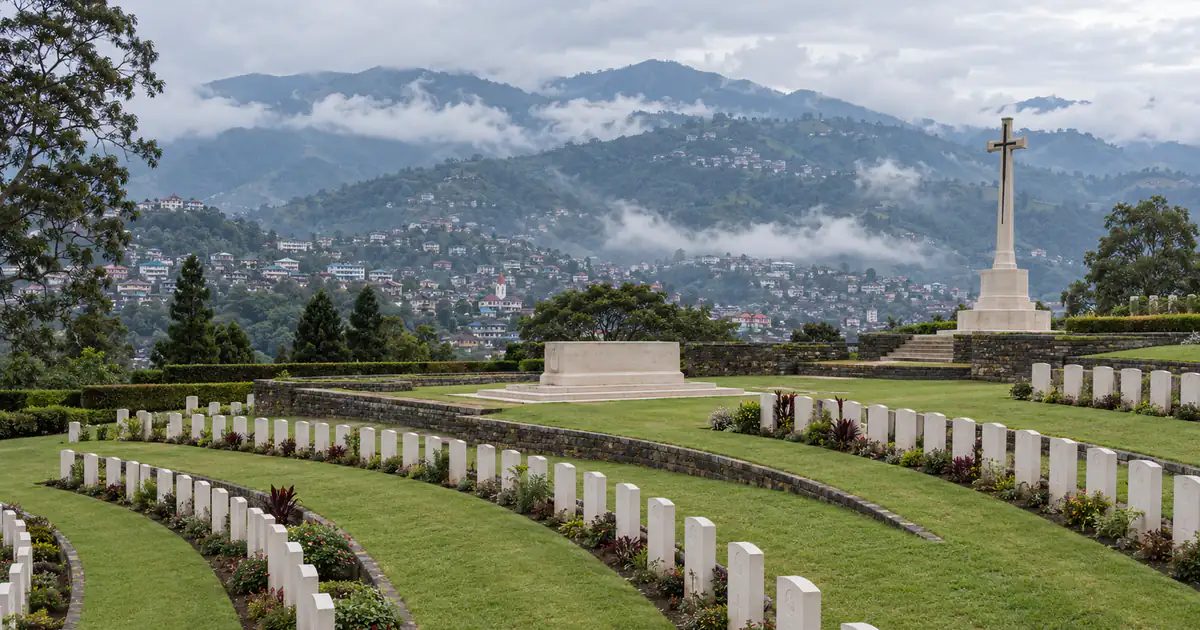
Kohima, the highland capital of Nagaland, perches along a panoramic mountain saddle at an elevation of 1,444 meters in northeastern India. As the historical theater of the decisive 1944 Battle of Kohima, the town combines profound World War II military heritage with distinct Angami Naga cultural institutions, lively hilltop bazaars, and traditional stone architecture.
Located just 20 kilometers west along winding mountain ridges lies Khonoma, celebrated across the country as India’s first green village for its pioneering community-led forest conservation and wildlife protection movements. Exploring both destinations provides travelers with a deeply enriching perspective on Naga history, documented as a foundational circuit in our Nagaland travel guide.
Heritage & Visitor Essentials
- Kohima War Cemetery on Garrison Hill opens daily from 9:00 AM to 4:00 PM with free admission, commemorating 1,420 Commonwealth and Indian soldiers.
- The Nagaland State Museum operates Tuesday through Sunday from 9:30 AM to 3:30 PM, showcasing authentic tribal morungs, ornaments, and weaponry.
- Khonoma Green Village charges an entry contribution of ₹30 per visitor, located a 45-minute drive west of Kohima along scenic mountain roads.
- A cohesive 2-day itinerary pairs downtown Kohima’s museums and war memorials on Day 1 with an immersive overnight tribal homestay in Khonoma on Day 2.
Travelers mapping cultural and heritage circuits across the best places to visit in India will discover that Kohima and Khonoma offer unmatched historical depth paired with inspiring rural conservation.
Kohima War Cemetery: Battle of Kohima and the Tennis Court Memorial
The Kohima War Cemetery stands as one of the most poignant military memorials in Asia, maintained by the Commonwealth War Graves Commission on the slopes of Garrison Hill in the town center. Administrative visiting details are published by the Kohima District Administration.
Between April 4 and June 22, 1944, British and Indian soldiers of the British Fourteenth Army engaged the Imperial Japanese Fifteenth Army in ferocious, close-quarter combat. British military historians at the National Army Museum voted the combined battles of Kohima and Imphal as “Britain’s Greatest Battle,” eclipsing Waterloo and D-Day in strategic significance.
The defining struggle centered on the tennis court of the Deputy Commissioner’s bungalow, where opposing forces fought across distances of only a few meters. Today, white concrete lines mark the perimeter of the historic tennis court, surrounded by manicured terraced lawns and 1,420 bronze gravestone markers.
At the base of the central memorial cross rests the world-renowned Kohima Epitaph, composed by English poet John Maxwell Edmonds: “When you go home, tell them of us and say, for your tomorrow, we gave our today.” Visiting hours run daily from 9:00 AM to 4:00 PM with free public admission.
Nagaland State Museum and Mary Help of Christians Cathedral
Beyond its military memorials, Kohima preserves rich anthropological archives and distinctive architectural landmarks reflecting the state’s cultural evolution.
The Nagaland State Museum at Bayavü Hill provides an essential introduction to the material culture of the 16 recognized Naga tribes. The galleries display authentic wooden log drums, ceremonial hornbill headdresses, hand-woven tribal shawls with clan-specific motifs, antique brass neck torcs, and hunting weaponry. Outside the main hall, life-sized replica morung structures demonstrate indigenous wood-and-thatch engineering.
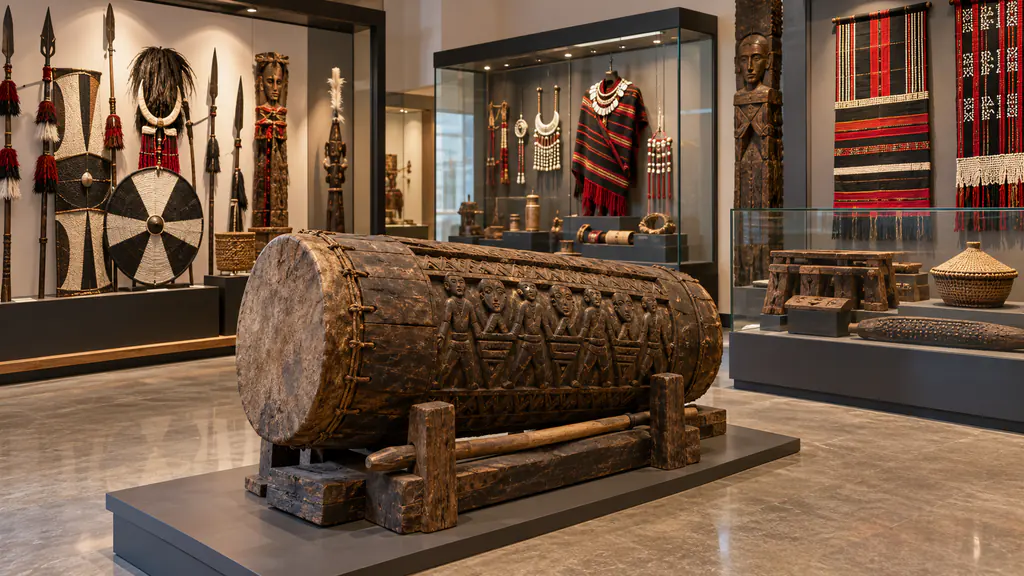
The museum opens Tuesday through Sunday from 9:30 AM to 3:30 PM (closed on Mondays and official state holidays). Admission costs ₹20 for Indian citizens and ₹50 for foreign tourists, with camera passes available for ₹50.
South of the town center atop Aradurah Hill stands the Mary Help of Christians Cathedral, serving as the seat of the Catholic Diocese of Kohima. The cathedral incorporates traditional indigenous architectural elements, featuring a sweeping curved roof modeled after a Naga house, carved timber interiors, and a crucifix carved from a single trunk of wood. The church esplanade offers sweeping panoramic views across the valley toward Mount Japfu.
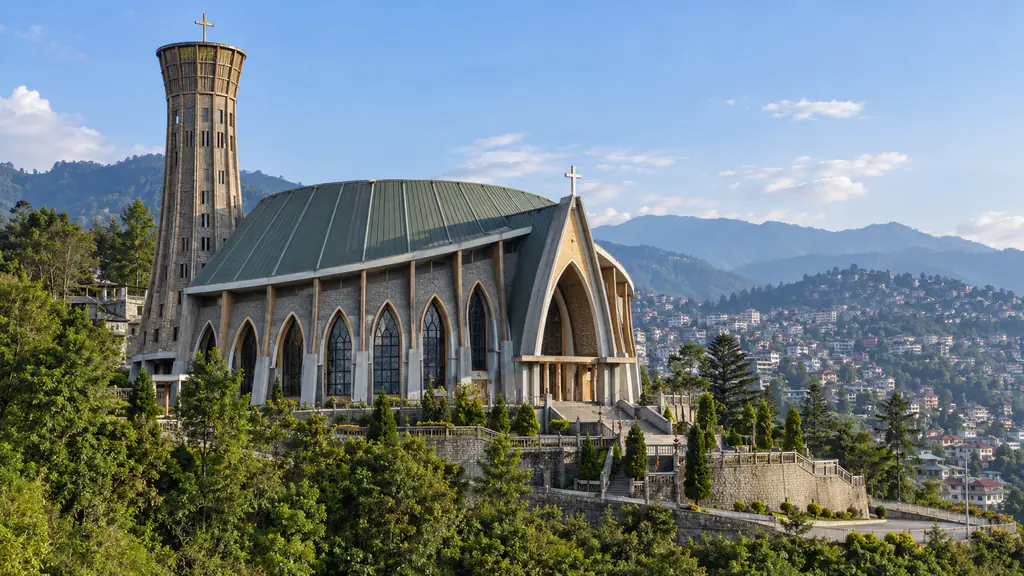
Khonoma Green Village: 700 Years of Angami Resistance and Ecological Conservation
Khonoma village sits perched on a high ridge 20 kilometers west of Kohima, inhabited by the Thevoma, Semoma, and Merhüma clans of the Angami tribe. The settlement maintains an unbroken warrior heritage spanning over seven centuries.
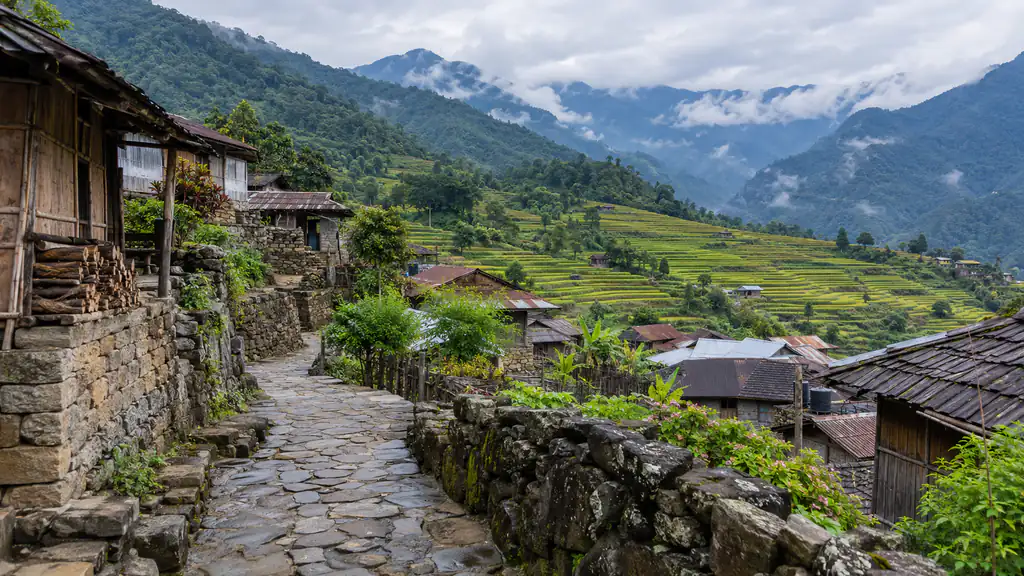
During the nineteenth century, Khonoma’s warriors fiercely resisted British colonial expansion into the Naga Hills, fighting three major campaigns between 1850 and 1879. Visitors can inspect the stone battlements of the Semoma Fort, where British officers fell during the siege of 1879, marked by commemorative British and Angami memorial tablets.
In 1998, faced with declining wildlife numbers from hunting, the village elders and council took a historic decision to ban logging and commercial hunting across their ancestral forests. They established the Khonoma Nature Conservation and Tragopan Sanctuary across 20 square kilometers of undisturbed evergreen cloud forest, creating India’s first community-managed green sanctuary.
The sanctuary protects the endangered Blyth’s tragopan, alongside serows, flying squirrels, and wild orchids. Within the village, ancient alder-tree based agroforestry allows villagers to harvest timber sustainably while enriching terraced mountain soils where organic rice is cultivated across scenic amphitheaters. History enthusiasts extending this circuit can explore Unakoti Rock-Cut Sculptures Tripura visitor overview for monument timings, tickets, and route context.
Kohima and Khonoma Attractions Comparison and Specifications Table
Understanding the operating parameters and distances between central Kohima and Khonoma ensures efficient route coordination. The following table summarizes key attraction details:
| Heritage Landmark | Location & Zone | Primary Historic Significance | Visiting Timings | Entry Tariff | Recommended Stay |
|---|---|---|---|---|---|
| Kohima War Cemetery | Garrison Hill, Downtown Kohima | World War II Battle of Kohima & Tennis Court | 9:00 AM to 4:00 PM (Daily) | Free Entry | 1 to 1.5 Hours |
| Nagaland State Museum | Bayavü Hill, Northern Kohima | 16 Naga Tribes Material Culture & Morungs | 9:30 AM to 3:30 PM (Tue to Sun) | ₹20 (Indians) / ₹50 (Foreigners) | 1.5 to 2 Hours |
| Kohima Cathedral | Aradurah Hill, Southern Kohima | Indigenous-style Catholic Architecture & Cross | 6:00 AM to 5:30 PM (Daily) | Free Entry | 45 Minutes |
| Khonoma Green Village | 20 km West of Kohima | 1879 Battle Forts, Alder Terraces, Tragopan Sanctuary | Daytime Hours (Daylight) | ₹30 Village Fund + Guide Fee | 1 Full Day / Overnight |
| Kisama Heritage Village | 10 km South of Kohima | Permanent Tribal Morungs & Hornbill Festival Site | 8:00 AM to 5:00 PM (Daily) | ₹20 per person | 2 to 3 Hours |
Travelers can easily combine these heritage landmarks with high-altitude trekking excursions detailed in our Dzukou Valley Trek safari zones and timings.
Recommended 2-Day Kohima and Khonoma Heritage Travel Itinerary
This optimized 2-day heritage itinerary balances historical wartime monuments with immersive village walks. Further state-level travel advisories can be accessed through the Incredible India Kohima Portal and the Nagaland Tourism Department.
Day 1: Kohima War Heritage, Culture and Local Markets
- 9:00 AM: Begin at the Kohima War Cemetery. Walk through the terraced grounds, inspect the tennis court outline, and pause at the historic Kohima Epitaph.
- 11:00 AM: Drive to the Nagaland State Museum on Bayavü Hill. Tour the textile, woodcarving, and ethnographic galleries to learn about the 16 distinct tribes.
- 1:30 PM: Savor lunch at a local cafe along BOC or Main Town, sampling traditional pork with bamboo shoot or steamed dumplings.
- 2:30 PM: Visit the Mary Help of Christians Cathedral atop Aradurah Hill to admire the carved timber architecture and city views.
- 4:00 PM: Walk through the Kohima Local Market, observing regional organic vegetables, fermented bamboo shoots, king chilis (bhut jolokia), and woven cane baskets.
Day 2: Khonoma Green Village Walking Tour and Tragopan Trail
- 8:30 AM: Drive 20 kilometers west through scenic mountain ghats to Khonoma village.
- 9:30 AM: Hire an official Angami youth guide at the village reception center. Walk through the carved village gates (kharu), inspect clan morungs, and climb to the historic Semoma Fort.
- 12:30 PM: Enjoy a traditional home-cooked Angami lunch at a village homestay, featuring red rice, boiled greens, dal, and fresh tomato chutney.
- 2:00 PM: Hike the stone trails overlooking the terraced paddy fields and learn about alder-tree root nodule nitrogen fixation.
- 4:00 PM: Check into your village homestay for an evening around the wood-fired hearth or drive back to Kohima.
During early December, travelers can seamlessly link this tour with the Hornbill Festival at nearby Kisama.
Local Transport, Angami Homestays, and Cultural Etiquette
Navigating between Kohima and Khonoma is straightforward using local transport or rented private vehicles.
Shared yellow-and-black taxis depart regularly from Kohima’s Western Taxi Stand toward Khonoma, charging approximately ₹80 to ₹100 per seat. Private cabs can be hired for ₹1,200 to ₹1,800 for a round-trip day excursion with waiting time.
Homestays in Khonoma provide clean, welcoming accommodations with private bedrooms, western toilets, and thick cotton quilts. Staying with a local Angami family allows travelers to sit beside the central kitchen fireplace (the hearth), which forms the social hub of traditional Naga domestic life.
When walking through tribal villages, always ask for permission before photographing residents, particularly elderly villagers. Dress modestly, covering shoulders and knees, and respect village gates by never climbing upon sacred ceremonial stone monoliths.
Frequently Asked Questions About Visiting Kohima and Khonoma
What are the best places to visit in Kohima?
The top places to visit in Kohima include the Commonwealth Kohima War Cemetery, the Nagaland State Museum on Bayavü Hill, the Mary Help of Christians Cathedral, Kisama Heritage Village, and the lively Kohima Local Market. Travelers can also take scenic day trips to nearby Khonoma Green Village and Dzukou Valley.
Why is Khonoma famous as India’s first green village?
Khonoma is famous as India’s first green village because its community council voluntarily banned commercial logging and hunting across its ancestral lands in 1998. The village established the 20-square-kilometer Khonoma Nature Conservation and Tragopan Sanctuary to protect the endangered Blyth’s tragopan and promote sustainable agroforestry.
What is written on the Kohima War Cemetery epitaph?
The famous Kohima Epitaph on the memorial cross reads: “When you go home, tell them of us and say, for your tomorrow, we gave our today.” The verse was composed by English classicist John Maxwell Edmonds and honors the Commonwealth and Indian soldiers who fell during the 1944 Battle of Kohima.
How far is Khonoma village from Kohima?
Khonoma village is located 20 kilometers west of Kohima town. The drive takes approximately 45 to 60 minutes along a paved, winding mountain road offering panoramic views of terraced hillsides and forest valleys.