Rose Garden Munnar: Timings, Entry Fee, Flowers, and Guide
Plan your visit to Rose Garden Munnar with updated KFDC entry ticket fees, visiting hours, flowering seasons, spice plant varieties, and driving routes.
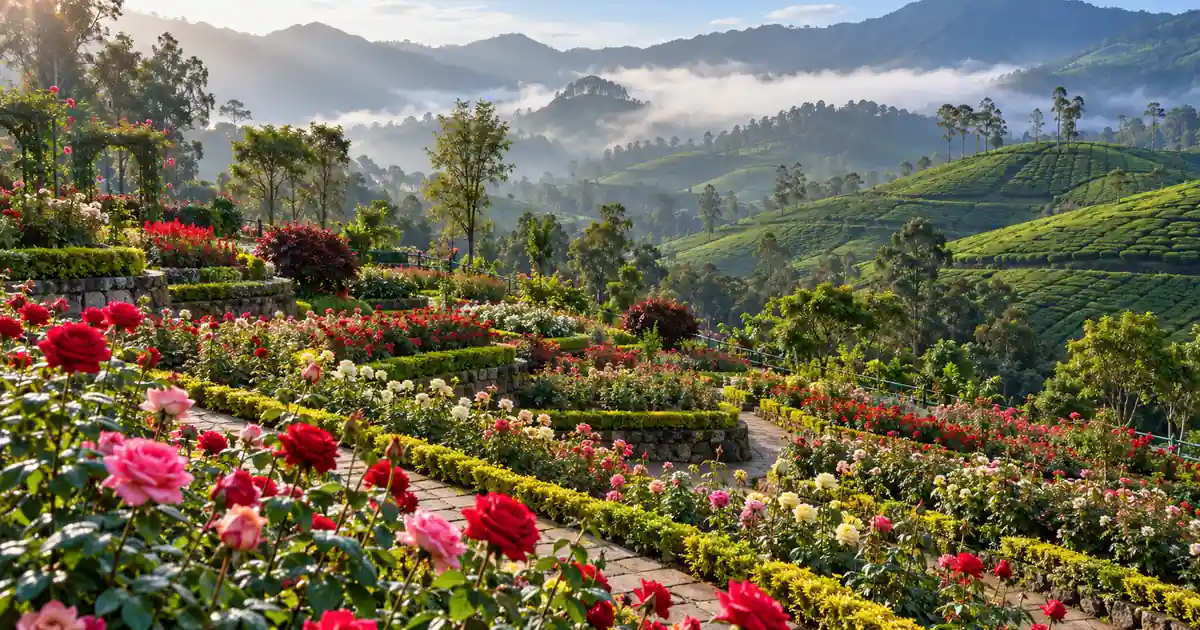
Perched along the emerald hillside curves of the Western Ghats just outside town, the terraced floral landscape of Rose Garden Munnar offers travelers a delightful introduction to regional horticulture. Spread across descending slope contours, this charming botanical center contrasts beautifully with the vast tea gardens that define the Idukki district.
Operated under the supervision of the state forestry department, the garden presents an impressive variety of flowering plants, desert succulents, and aromatic spices. Visitors can stroll along paved garden pathways, capture macro photography of colorful petals, and purchase certified saplings to take home.
Visitor Essentials
- Rose Garden Munnar is located along Mattupetty Road in Nullatanni, 2.5 kilometers east of central Munnar town.
- The botanical garden is officially managed by the Kerala Forest Development Corporation (KFDC) as an eco-tourism research center.
- Operating hours run daily from 8:00 AM to 5:00 PM, with ticket counter sales concluding at 5:00 PM.
- General admission costs ₹50 for adults and ₹25 for children, with an additional ₹50 permit fee for still cameras.
- The garden features over thirty rose cultivars alongside spice crops like cardamom, pepper vines, vanilla, and clove trees.
Botanical Diversity and KFDC Floriculture Overview
Rose Garden Munnar, officially established as the KFDC Floriculture Centre, is an extensive botanical reserve situated at an elevation of 1,500 meters along Mattupetty Road. Maintained by the Kerala Forest Development Corporation, the multi-acre facility features rare Western Ghats flora alongside hundreds of cultivated flowering plants.
The property serves as both an agricultural nursery and a popular morning stopover for travelers heading eastward. When planning a regional itinerary, consult our guide to the top places to visit in Munnar to coordinate garden exploration with nearby mountain viewpoints and wildlife reserves.
Role of the Kerala Forest Development Corporation
The KFDC operates the garden as both an educational research center and an eco-tourism destination. Its agricultural scientists cultivate endangered highland plant varieties, conduct organic nursery trials, and package natural forest products for traveling visitors.
By integrating commercial flower propagation with ecological conservation, the center demonstrates sustainable high-altitude horticulture. Educational nameplates line each flower bed, providing visitors with both botanical names and practical domestic gardening advice.
Terraced Mountain Layout and Microclimate
The garden is sculpted into tiered hillside steps cut into the steep valley slopes. Munnar’s temperate subtropical highland climate, characterized by cool misty mornings and mild afternoon sunshine, creates optimal soil and moisture conditions for year-round horticultural growth.
Stone stairways connect the different terrace tiers, allowing visitors to walk from upper greenhouse pavilions down through open-air flowerbeds. Cool mountain breezes flow constantly across the slopes, preventing heat stress on delicate blooming petals.
| Facility Feature | Detail / Measurement | Practical Traveler Relevance |
|---|---|---|
| Altitude | 1,500 meters above sea level | Cool temperate climate favoring diverse flora |
| Total Area | Multi-acre terraced slope | Requires 45 to 90 minutes of walking |
| Management Body | Kerala Forest Development Corporation | Official government-run botanical nursery |
| Plant Varieties | Over 100 distinct plant species | Spans roses, orchids, spices, and succulents |
Terraced Floral Displays: Rose Cultivars, Orchids, and Cacti
The garden houses over thirty unique cultivars of roses ranging from miniature tea roses to velvety hybrid varieties, blooming across structured geometric beds. Beyond roses, the hillside features expansive collections of hanging orchids, colorful anthuriums, trailing salvias, and drought-hardy desert succulents.
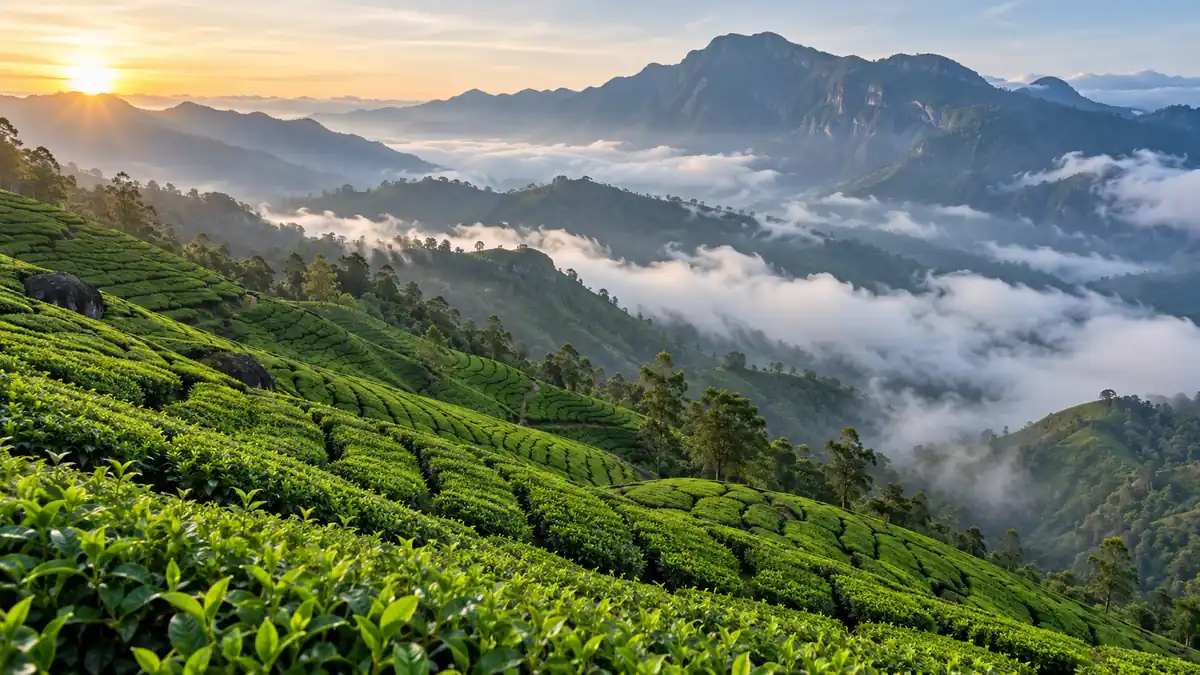
Each terrace presents a thoughtfully curated color palette, contrasting bright crimson rose blossoms with deep green tea slopes in the distance. The pathways are wide and paved, ensuring clean walking even after a passing morning drizzle.
Hybrid Tea, Floribunda, and Climbing Rose Cultivars
Visitors stroll past meticulously pruned rows of hybrid tea roses displaying rich crimson, pastel yellow, blush pink, and pure white petals. Floribunda varieties bloom in dense clusters, filling the crisp mountain air with delicate floral fragrance throughout winter.
Specialized wooden trellises support climbing rose varieties that frame scenic lookout arches overlooking the valley below. Gardeners actively deadhead faded blooms daily to encourage continuous flower production across the season.
Exotic Orchids, Anthuriums, and Greenhouse Succulents
Sheltered glasshouses protect delicate tropical orchids and glossy red anthuriums requiring controlled humidity. An adjacent arid rockery displays diverse prickly pear cacti, agaves, and ornamental succulents adapted to rocky soil slopes.
Hanging baskets of purple petunias and scarlet begonias line the covered nursery walkways. The cactus pavilion demonstrates how desert species thrive in specialized gravel beds even within a wet mountain landscape.
Medicinal Herbs, Spice Plants, and On-Site Nursery Sales
In addition to ornamental blooms, the garden cultivates signature Kerala spices including green cardamom, black pepper vines, clove trees, and aromatic vanilla orchids. An official KFDC sales counter enables visitors to purchase certified organic seeds, flowering potted plants, and forest honey.
Walking through the lower terraces reveals the plants responsible for Kerala’s historic global spice trade. The living agricultural exhibits demonstrate how spices grow in their natural soil environment before processing.
Cultivation of Cardamom, Vanilla, and Black Pepper
Informative nameplates introduce visitors to the growth habits of Kerala’s valuable cash crops. Trailing black pepper vines cling to native hardwood bark, while wild cardamom bushes sprout from fertile shaded leaf litter along lower terraces.
Travelers can observe vanilla bean pods hanging like slender green beans from creeping orchid stems. Clove and allspice trees release aromatic oils when their leaves are gently brushed during guided walking tours.
Purchasing Seeds, Saplings, and Forest Honey
The on-site nursery sells bagged flower saplings, medicinal herbs, and dwarf fruit tree cuttings ready for home planting. Travelers can also buy pure eucalyptus oil, wild honey harvested by tribal co-operatives, and vacuum-sealed spices packaged directly by the forestry department.
Nursery prices are government-controlled and significantly lower than commercial souvenir emporiums in central town. The staff packages delicate potted plants in protective paper wrappers for safe vehicle transit.
| Product / Plant Category | Availability | Typical Price Range | Notes & Packaging |
|---|---|---|---|
| Rose Saplings | Year-round | ₹60 – ₹120 per pot | Healthy rooted cuttings in nursery bags |
| Cardamom & Pepper Plants | Seasonal | ₹80 – ₹150 per sapling | Western Ghats cash crop starter plants |
| Forest Wild Honey | Year-round | ₹280 – ₹450 per bottle | Certified pure tribal co-operative harvest |
| Eucalyptus Oil | Year-round | ₹120 – ₹200 per bottle | Distilled natural essential oil from Nilgiri trees |
Timings, Entry Fees, and Best Photography Hours
Rose Garden Munnar opens daily from 8:00 AM to 5:00 PM, with ticket counter operations concluding at 5:00 PM. Admission costs ₹50 for adults and ₹25 for children, with nominal supplementary camera permits of ₹50 for digital still cameras and ₹100 for video equipment.
A visit typically takes 45 to 75 minutes, making it easy to schedule as a relaxed morning activity. Arriving right at the 8:00 AM opening time avoids tourist crowds and rewards visitors with fresh morning dew on the flowers.
Ticket Prices, Camera Fees, and Counter Regulations
Entry fees are payable via cash or UPI digital payment at the entry booth. Handheld smartphones incur no extra camera fee, but travelers utilizing DSLR camera bodies or professional lenses must display their paid camera tag.
The ticketing office is located right beside the main highway turnstile gate. Receipts should be retained until exiting, as roving attendants occasionally verify ticket wristbands near the lower nursery green houses.
Morning Soft Light and Peak Blooming Months
Morning visits between 8:30 AM and 10:30 AM provide soft angled sunlight and dewy petals ideal for macro flower photography. Peak flowering abundance occurs between September and February, following the withdrawal of heavy monsoon rains.
During December and January, winter temperatures dip to a crisp 12°C, encouraging deep pigmentation across rose and dahlia petals. In contrast, heavy monsoon rains in July and August can batter delicate outdoor blooms, though the indoor greenhouses remain sheltered. To connect this stop with another landmark in the wider heritage belt, see Jatayu Earth’s Center Chadayamangalam visitor overview for practical visitor details.
Pro Tip
Visit between 8:30 AM and 10:00 AM on weekdays. You will enjoy clear morning sunlight for macro photography and avoid the tour bus groups that typically arrive along Mattupetty Road after 11:00 AM.
How to Reach Rose Garden: Transport from Munnar Town
Rose Garden is located roughly 2.5 kilometers east of central Munnar along the scenic Mattupetty Road (National Highway 49). The garden is easily accessible via a short ten-minute auto-rickshaw ride from the Munnar town bus terminal or by rented scooter and private cab.
The road ascends gently along the riverbank through shady eucalyptus groves. Travelers planning a broader itinerary through statewide Kerala travel destinations and hill stations can easily incorporate Munnar as an essential highland retreat.
Local Auto-Rickshaws, Taxis, and Walking Routes
Local three-wheeler auto-rickshaws operate from the central bazaar taxi stand, charging approximately ₹100 to ₹150 for the one-way uphill trip. Energetic travelers can walk the roadside pedestrian pathway, enjoying views of the roaring river rapids below.
Hiring a full-day taxi from Munnar town allows travelers to combine Rose Garden with farther points like Mattupetty Dam, Echo Point, and Top Station on a fixed day-rate tariff. Private drivers typically wait at the roadside gate while visitors tour the terraces.
Roadside Parking and Traffic Along Mattupetty Road
Designated parallel parking bays line the highway shoulder outside the main garden gate. Because Mattupetty Road is relatively narrow and experiences heavy weekend bus traffic, drivers should park within painted white markers to maintain smooth traffic flow.
Motorcycle riders will find a small gravel bay adjacent to the ticket counter. Drivers should avoid leaving vehicles unattended outside marked bays, as traffic police strictly penalize road obstruction on this busy highway.
| Transit Mode | Origin Point | Typical Travel Time | Estimated Fare |
|---|---|---|---|
| Auto-Rickshaw | Munnar Central Bus Stand | 8 to 10 minutes | ₹100 – ₹150 one way |
| Rental Scooter | Munnar Town Bazaar | 10 minutes | ₹450 – ₹600 full-day rental |
| Private Taxi | Munnar Hotels / Resorts | 10 minutes | Included in day sightseeing packages |
| Walking Trail | Old Munnar Bridge | 35 to 45 minutes | Free scenic uphill walk |
Nearby Attractions Along the Mattupetty Scenic Route
Rose Garden serves as the natural first stop on the classic Mattupetty sightseeing corridor that continues eastward toward Top Station. Adjacent attractions include the scenic tea slopes of Photo Point (1.5 km), Mattupetty Dam (11 km), Echo Point (15 km), and Kundala Dam Lake (24 km).
Grouping these destinations along a single eastward journey makes efficient use of travel time. Travelers can stop at Rose Garden in the morning before enjoying speedboating and mountain views at Mattupetty Dam by midday.
Photo Point and Mattupetty Dam Reservoir
Just two kilometers past Rose Garden sits Photo Point, renowned for rolling tea estate terraces framing clear mountain skies. Further up the corridor lies the grand masonry reservoir at Mattupetty Dam, where travelers enjoy speedboat safaris and lakeside walks.
The forested shores of the reservoir are frequently visited by wild elephant herds emerging from the adjacent Shola woods. Speedboat operations run continuously through the afternoon, offering exhilarating tours across the deep blue waters.
Planning a Full-Day Munnar East Circuit
Travelers can easily combine morning flower exploration at Rose Garden with afternoon boating at Echo Point and sunset vistas at Top Station. The entire circuit can be explored at an unhurried pace by private rental car or guided day tour.
Statewide tourism updates, floriculture initiatives, and local guidelines are published on the Kerala Tourism Official Portal. Comprehensive travel information across India can be checked on the Incredible India Official Portal, with train reservations accessible on the IRCTC Official Portal.
| Landmark / Stop | Distance from Rose Garden | Operating Hours | Recommended Activity |
|---|---|---|---|
| Photo Point | 1.5 km | Open 24 hours | Tea plantation landscape photography |
| Mattupetty Dam | 11 km | 9:00 AM – 5:00 PM | Speedboating, dam crest walk, elephant sightings |
| Echo Point | 15 km | 9:00 AM – 5:30 PM | Natural voice echo resonance, lakeside souvenir stalls |
| Kundala Dam Lake | 24 km | 9:00 AM – 5:00 PM | Shikara boat rides, pedal boating, cherry blossoms |
| Top Station | 32 km | 6:00 AM – 6:00 PM | Panoramic valley views on Tamil Nadu border |
Frequently Asked Questions About Rose Garden Munnar
What are the opening timings of the botanical garden?
The garden is open to visitors daily from 8:00 AM to 5:00 PM. The entry ticket counter closes promptly at 5:00 PM to ensure all guests exit before dusk.
How much is the entry ticket fee for Rose Garden Munnar?
General admission costs ₹50 for adults and ₹25 for children. A nominal camera permit fee of ₹50 applies for digital still cameras, while video cameras require a ₹100 permit.
What is the best time of year to see the flowers in bloom?
The best time to visit is from September to February when winter weather produces peak floral blooms. Morning hours between 8:30 AM and 10:30 AM offer the best natural lighting for photography.
Can visitors purchase plants and seeds at the KFDC nursery?
Yes, the Kerala Forest Development Corporation runs an official nursery on the premises. Visitors can purchase potted flower saplings, organic seeds, spice plants, and forest honey at subsidized government rates.
How far is the flower garden from Munnar town center?
The garden is situated approximately 2.5 kilometers east of Munnar town along Mattupetty Road. The journey takes roughly ten minutes by auto-rickshaw or taxi.
How much time is needed to explore the grounds?
Most travelers spend between 45 and 75 minutes exploring the terraced garden paths, greenhouses, and nursery stalls. Setting aside an hour allows ample time for relaxed photography and plant browsing.