Eravikulam National Park Munnar: Timings & Safari Booking
Plan your visit to Eravikulam National Park near Munnar. Discover safari timings, online ticket booking, Nilgiri Tahr sightings, and seasonal closures.
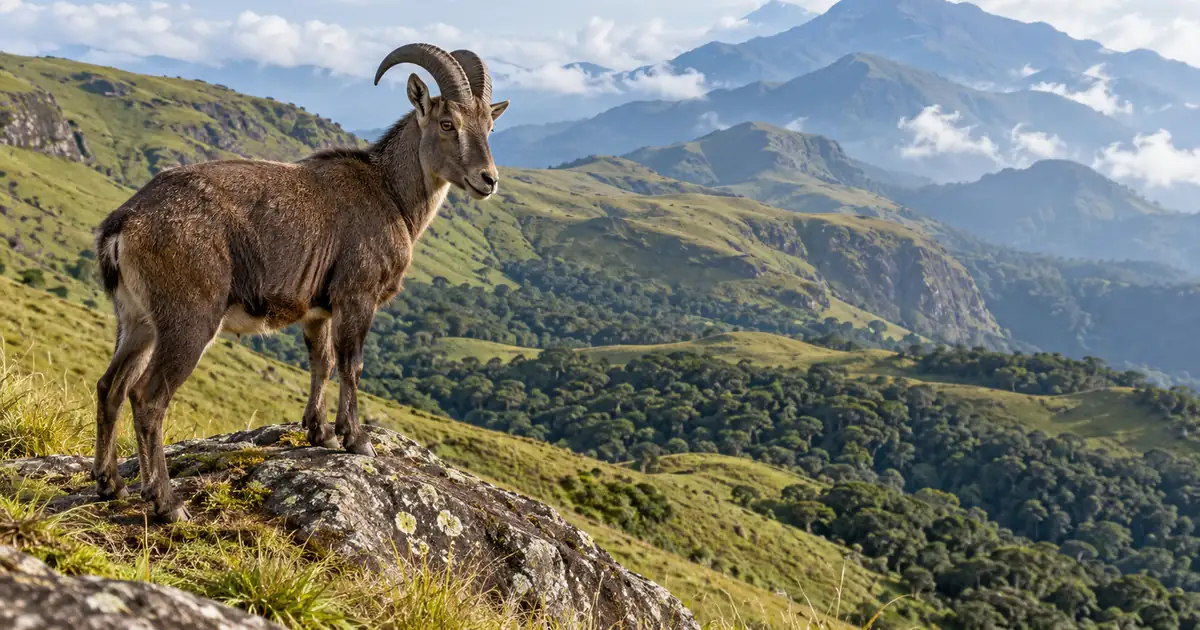
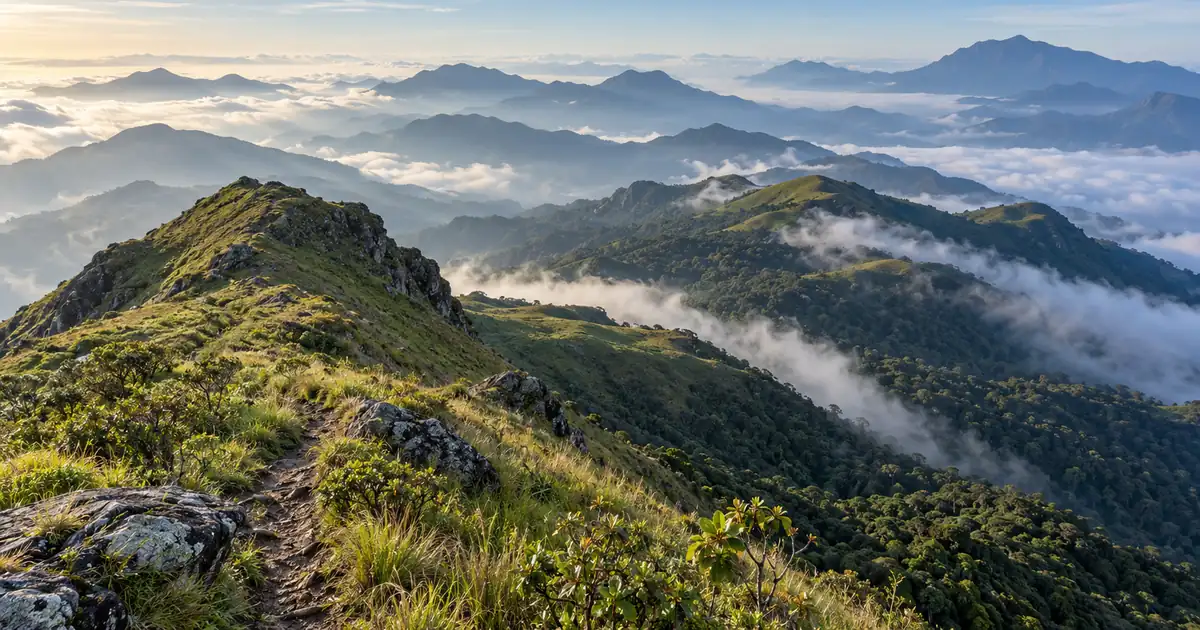
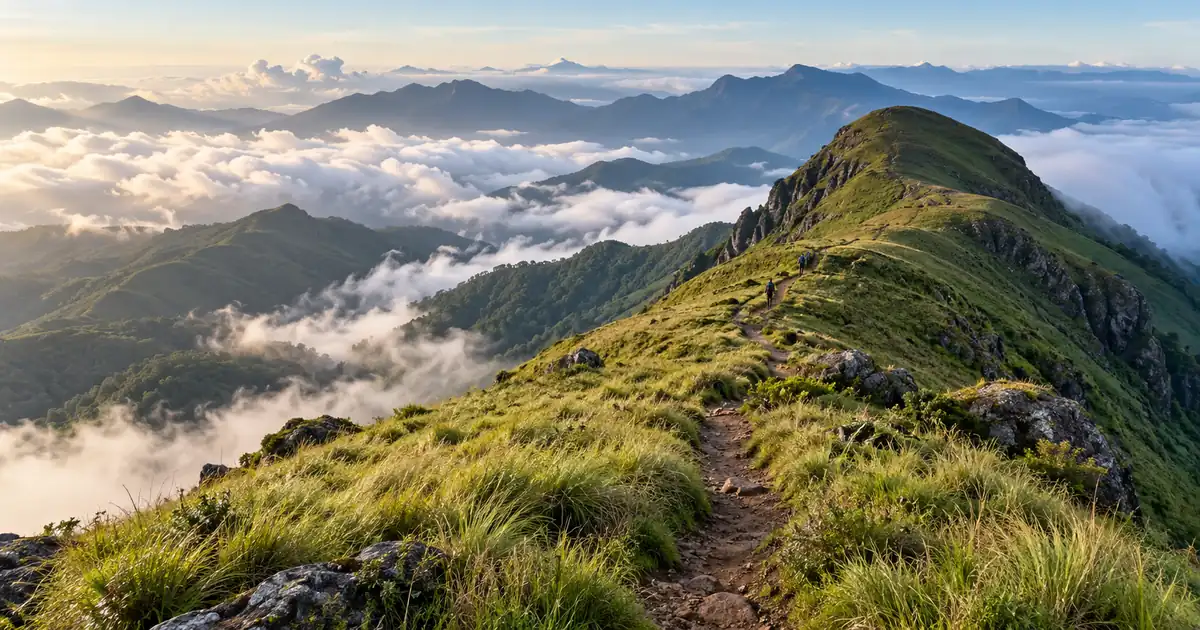
Eravikulam National Park encompasses 97 square kilometers of high-altitude montane grasslands and dwarf shola forests in the Idukki district of Kerala. Situated along the crest of the Western Ghats near Munnar, it was designated as Kerala’s first national park in 1978. The protected wilderness is internationally celebrated for harboring the largest surviving wild population of the endangered Nilgiri Tahr.
Rising above the plateau is Anamudi Peak, which reaches an elevation of 2,695 meters as the highest summit in peninsular India south of the Himalayas. The park forms a vital ecological catchment for perennial rivers feeding the Periyar and Chalakudy river basins. Wildlife enthusiasts exploring places to visit in Munnar visit Eravikulam to observe mountain fauna thriving in undisturbed alpine meadows.
Key Park Highlights
- Total Area: 97 square kilometers of protected montane shola-grassland wilderness.
- Highest Summit: Anamudi Peak (2,695 meters / 8,842 feet), South India’s highest elevation point.
- Flagship Fauna: Nilgiri Tahr (Nilgiritragus hylocrius), with an estimated population exceeding 750 individuals.
- Calving Season Closure: Annually closed to all public visitors from February 1 to March 31.
- Conservation Custodian: Supervised by the Kerala Forest Department Eravikulam Protected Area Profile.
- Official State Guide: Documented in the Kerala Tourism Eravikulam Destination Guide.
Biodiversity Highlights: Nilgiri Tahr, Shola Forests, and Endemic Birds
The primary conservation focus of Eravikulam remains the Nilgiri Tahr, a mountain ungulate endemic to the high-elevation cliffs of the Western Ghats. These stocky wild goats navigate precipitous granite rock faces with remarkable agility. Habituation around the designated tourist paths allows visitors to observe family herds grazing placidly at close range.
The landscape consists of rolling alpine grasslands interspersed with stunted evergreen shola woodlands along sheltered valleys. These high-elevation forests act as massive sponges that store monsoon rainwater and release it steadily into mountain streams throughout the dry season. The plateau is also renowned for the cyclical blooming of Neelakurinji (Strobilanthes kunthiana), which blankets the hills in violet-blue petals once every twelve years.
Birdlife within the park includes numerous regional endemics cataloged by the Wildlife Institute of India National Protected Areas Network. Birdwatchers regularly spot the Nilgiri pipit, black-and-orange flycatcher, Kerala laughingthrush, and Nilgiri wood pigeon. Carnivores such as leopards, dholes (wild dogs), and occasional roaming tigers inhabit the remote interior valleys.
Park Zoning and the Rajamala Safari Experience
The Kerala Forest and Wildlife Department divides Eravikulam into three distinct management zones: core, buffer, and tourism. The core area covers the untouched wilderness of the interior plateau and Anamudi summit, which remains strictly off-limits to casual tourism to preserve sensitive wildlife breeding grounds.
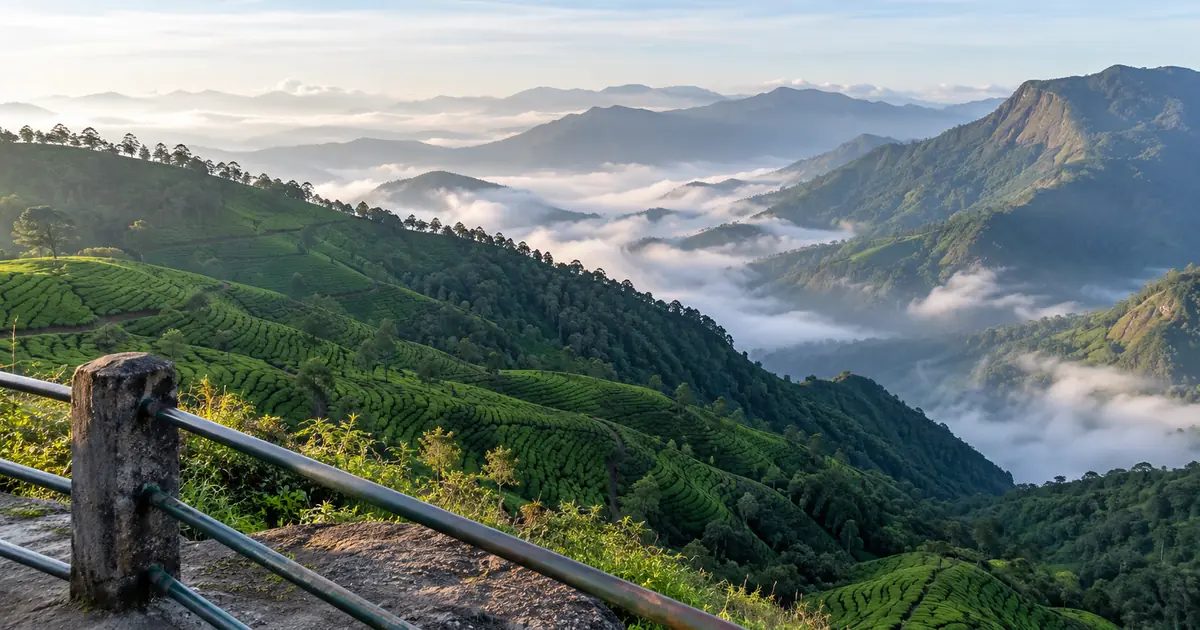
Public tourism is restricted exclusively to the Rajamala tourism zone located on the park’s western fringes. Visitors board green eco-tourism mini-buses at the main entry check-post near Fifth Mile. The buses transport passengers up a narrow mountain road passing rolling tea plantations before reaching the upper plateau terminal.
From the drop-off terminal, visitors follow a paved two-kilometer walking track that climbs gently along the ridge line. Interpretive signboards explain the delicate ecology of the shola trees and high-altitude lichen. Park forest guards patrol the path to ensure visitors stay on the designated trail and avoid approaching grazing animals too closely.
Entry Timings, Safari Ticket Pricing, and Online Booking
Eravikulam operates daily outside the calving closure window. A regulated visitor quota applies to prevent overcrowding on the mountain roads, with daily admissions capped at roughly 2,800 visitors. Advance booking via the official Kerala Forest Department web portal is strongly recommended during peak holidays when exploring Rose Garden Munnar botanical terraces and nearby hill stations.
The ticket price includes the round-trip eco-bus safari ride from the base station to the Rajamala viewing area. Visitors should retain their physical or digital ticket slips until completing the exit bus journey.
| Ticket Category | Entry Fee (INR) | Additional Details |
|---|---|---|
| Indian Adult | ₹200 | Includes round-trip safari bus transport |
| Indian Child (5–12 years) | ₹150 | Proof of age required at counter |
| Foreign Tourist | ₹500 | Includes bus transport and interpretation fee |
| Still Camera Permit | ₹50 | Handheld non-commercial photography |
| Video Camera Permit | ₹350 | Non-commercial camcorders and video rigs |
| Online Reservation Fee | ₹50 per transaction | Applied when booking via official forest portal |
The ticket booking counter at the Fifth Mile entrance opens at 7:30 AM and closes at 3:30 PM. The final safari bus departs the upper terminus around 4:30 PM, ensuring all guests exit before mountain fog settles across the ridges.
Pro Tip
Pre-book the morning 8:00 AM to 9:30 AM safari slot on the Kerala Forest portal. Morning arrivals enjoy shorter queues at the Fifth Mile base and higher chances of spotting grazing Nilgiri Tahr along the Rajamala cliff paths before mist sets in.
Best Time to Visit, Calving Closure, and Weather Patterns
The ideal months to tour Eravikulam are September through January and April through June. Post-monsoon autumn brings clear blue skies, crisp air, and verdant green vegetation across the undulating slopes. Temperatures remain cool throughout the year, hovering between 15°C and 25°C during daytime, dropping below 5°C on winter mornings.
The park is completely closed to the public every year during February and March. This annual closure coincides with the peak calving season of the Nilgiri Tahr. Mothers deliver their newborn kids along the rocky ledges, requiring absolute quiet and freedom from motor vehicle disturbance during the nursing period.
Heavy monsoon rains occur from June to August, bringing dense mist and torrential downpours. While the park remains open during early monsoon days, mountain landslides can occasionally disrupt vehicle access on ghat roads leading to Mattupetty Dam boating excursions.
How to Reach Eravikulam and Transit Connections
Eravikulam National Park is situated approximately 15 kilometers northwest of Munnar town along the Munnar-Udumalpet road (State Highway 17). Private taxis, autorickshaws, and Kerala State Road Transport Corporation (KSRTC) buses provide regular transit connections from Munnar town center.
Travelers arriving from lowland cities can coordinate transit through major transport hubs across Kerala and Tamil Nadu. Combining your wildlife visit with a stop at Kundala Dam Lake pedal boats offers a complete tour of the high ranges.
| Starting Location | Transit Mode | Road Distance | Typical Travel Duration |
|---|---|---|---|
| Munnar Town | Taxi or Auto-rickshaw | 15 kilometers | 30 to 40 minutes |
| Aluva Railway Station (AWY) | Rail Connection & Taxi | 110 kilometers | 3.5 to 4 hours |
| Cochin Airport (COK) | Flight Connection & Taxi | 125 kilometers | 3.5 to 4 hours |
| Coimbatore Junction (CBE) | Train Transit & Car | 155 kilometers | 4.5 hours |
| Madurai Airport (IXM) | Flight Connection & Taxi | 175 kilometers | 5 hours |
Nearby Attractions in the Munnar Hill Circuit
A visit to Eravikulam takes roughly three to four hours, making it easy to pair with other classic scenic viewpoints during the same day. Lakkom Waterfalls sits just beyond the park boundary on the highway toward Marayoor. The waterfall cascades into a natural freshwater pool bordered by thick bamboo thickets.
Further north along State Highway 17 lies the Marayoor sandalwood forest and ancient prehistoric dolmens known locally as Muniyaras. Families traveling eastward from Munnar town can visit the tea plantations, Echo Point natural acoustic shores, and the Tata Tea Museum in Nallathanni Estate, before continuing south to experience lake boat cruises in Periyar National Park Thekkady.
Alternative Highland Trekking Routes
While Anamudi Peak itself is strictly closed to casual climbing to protect fragile montane ecology, active hikers can join guided eco-trails in the buffer zones under trained forest naturalist supervision.
For travelers seeking a strenuous high-altitude ascent, the Meesapulimala Trek highland ridge trails provide an exceptional trekking challenge. Standing at 2,640 meters as South India’s second-highest summit, Meesapulimala offers overnight base camping managed through the Kerala Forest Development Corporation.
Responsible Wildlife Tourism Guidelines
Eravikulam’s fragile alpine ecosystem requires strict adherence to conservation protocols. The park enforces a zero-tolerance policy against single-use plastics, and visitors are screened at the entry checkpoint. Discarding food wrappers, plastic water bottles, or cigarette butts incurs substantial fines.
Stay on the paved walking path at all times within the Rajamala tourism zone. Stepping onto grassy slopes damages native tussock grass root systems and causes soil erosion on steep grades. Maintain a quiet demeanor and keep a respectful distance of at least ten meters from wild tahr herds to prevent causing alarm.
Frequently Asked Questions
Why is Eravikulam National Park closed in February and March?
Eravikulam National Park closes annually throughout February and March for the calving season of the endangered Nilgiri Tahr. Closing the park prevents human noise and vehicle disturbance while newborn tahr calves nurse along rocky ledges.
How do I book safari tickets for Eravikulam National Park?
Safari tickets can be booked online in advance through the official Kerala Forest and Wildlife Department web portal. A limited quota of on-spot tickets is also sold daily at the Fifth Mile ticketing counter in Munnar.
Can tourists trek to the top of Anamudi Peak?
Trekking to the summit of Anamudi Peak is strictly prohibited for general tourists to safeguard the core conservation wilderness. Visitors can view the majestic peak from the designated walking trail in the Rajamala tourism zone.
What are the entry fees for Indian citizens at Eravikulam?
Admission for Indian adults is ₹200 per person, while Indian children aged between 5 and 12 years pay ₹150. These fees include the mandatory round-trip eco-bus safari ride from the base station to the Rajamala plateau.
How far is Eravikulam National Park from Munnar town center?
The park entrance at Fifth Mile is situated approximately 15 kilometers northwest of Munnar town center along the highway toward Marayoor. Taxis and local KSRTC buses cover this scenic uphill journey in roughly 30 to 40 minutes.