Places to Visit in Diu: Diu Fort, Naida Caves & Nagoa Beach
Explore top places to visit in Diu with our travel guide covering Diu Fort, Naida Caves, Nagoa Beach Hoka palms, St. Paul's Church, and Gangeshwar Temple.
Resting like a sunlit jewel off the southern tip of Gujarat’s Saurashtra peninsula, Diu Island provides travelers with an unhurried coastal escape rich in maritime lore, Portuguese colonial fortifications, and unique coastal ecology. Separated from the mainland by a tidal channel and facing the open expanse of the Arabian Sea, this compact island blends Portuguese architectural heritage with gentle ocean breezes and clean golden shores.
Travelers looking for the primary places to visit in diu will uncover an extraordinary range of historical and natural wonders. From the sweeping ramparts of Diu Fort and the sunlit rock galleries of Naida Caves to the distinctive African Hoka palms lining Nagoa Beach and the sea-washed lingas of Gangeshwar, this comprehensive guide delivers practical visiting hours, entrance regulations, and travel itineraries.
Diu Visitor & Island Essentials
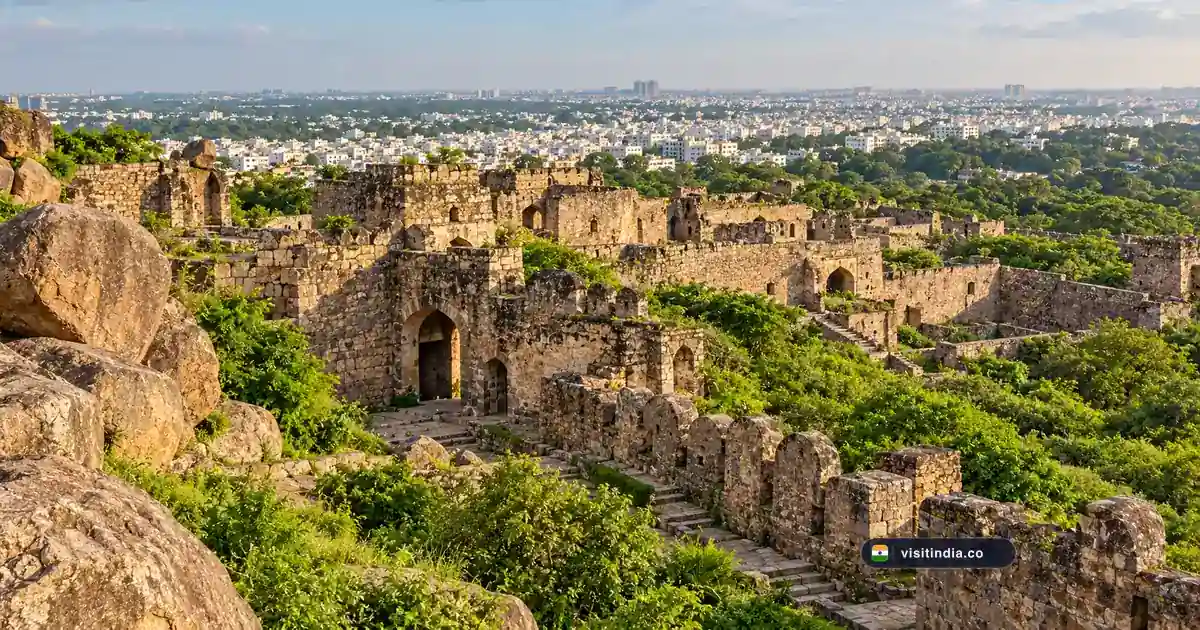
- Diu Fort Fortress: Imposing 16th-century coastal fortress featuring massive stone bastions, double moats, old bronze cannons, and panoramic Arabian Sea views.
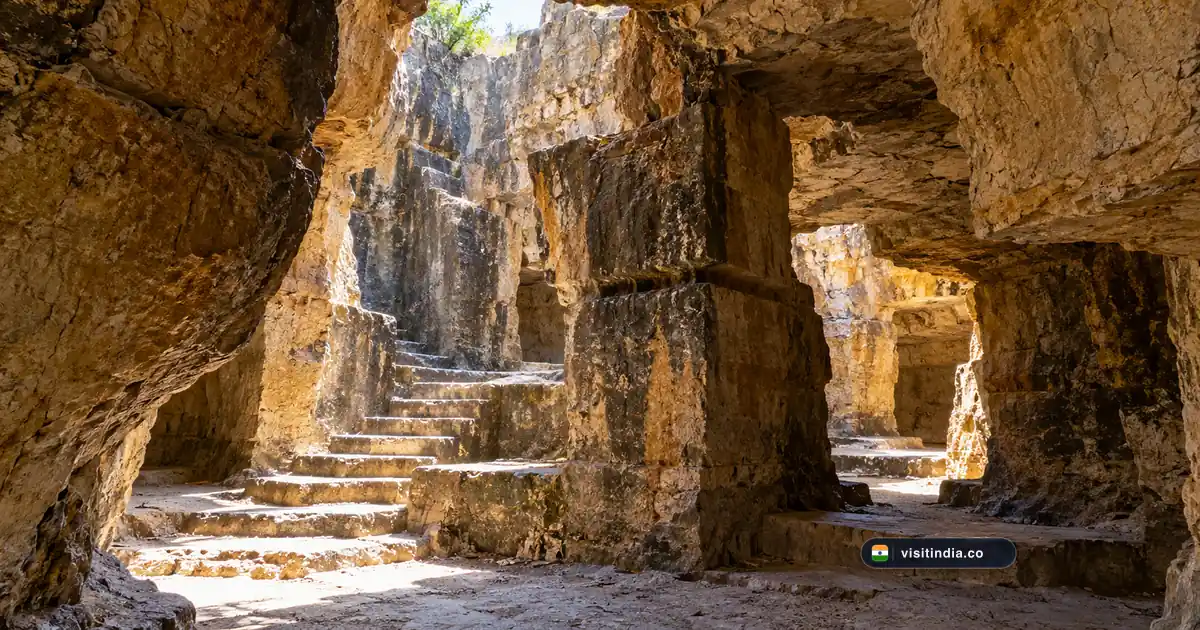
- Naida Caves: Unique geological labyrinth of quarried sandstone tunnels, rock arches, and dramatic natural light shafts located just outside the fort walls.
- Nagoa Beach: Horseshoe-shaped swimming bay fringed by rare branching African Hoka palms (Hyphaene thebaica), offering water sports and calm surf.
- Spiritual Landmarks: St. Paul’s Baroque Church (1601) and the five shoreline Shiva lingas at Gangeshwar Mahadev, washed continuously by ocean waves.
- Island Navigation: Compact thirty-eight-square-kilometer island easily explored via hired scooters, electric auto-rickshaws, or local taxis.
Diu Fort: The Great 16th-Century Maritime Citadel
Diu Fort commands the eastern tip of the island, standing as one of the most formidable colonial coastal fortifications erected in the Indian Ocean basin.
Constructed by the Portuguese between 1535 and 1541 following a defensive pact with Sultan Bahadur Shah of Gujarat, the citadel repelled major naval sieges. Surrounded by ocean waters on three sides, the fortress is separated from the island mainland by a deep sea moat carved directly into solid bedrock. Visitors enter across a stone bridge through a monumental gateway adorned with Latin inscriptions.
The fortress architecture shares design principles with sister defenses described in our Moti Daman and beaches guide.
The ramparts offer expansive walks along battlements where historical bronze and iron cannons remain positioned toward the sea. Inside the fort complex, travelers can inspect the Venetian-style lighthouse, the old garrison jail, a stone chapel, and deep underground freshwater cisterns designed to supply soldiers during prolonged maritime blockades. Official conservation records are preserved on the District Administration Diu Forts Archive.
Key Sights Within the Fortress Complex
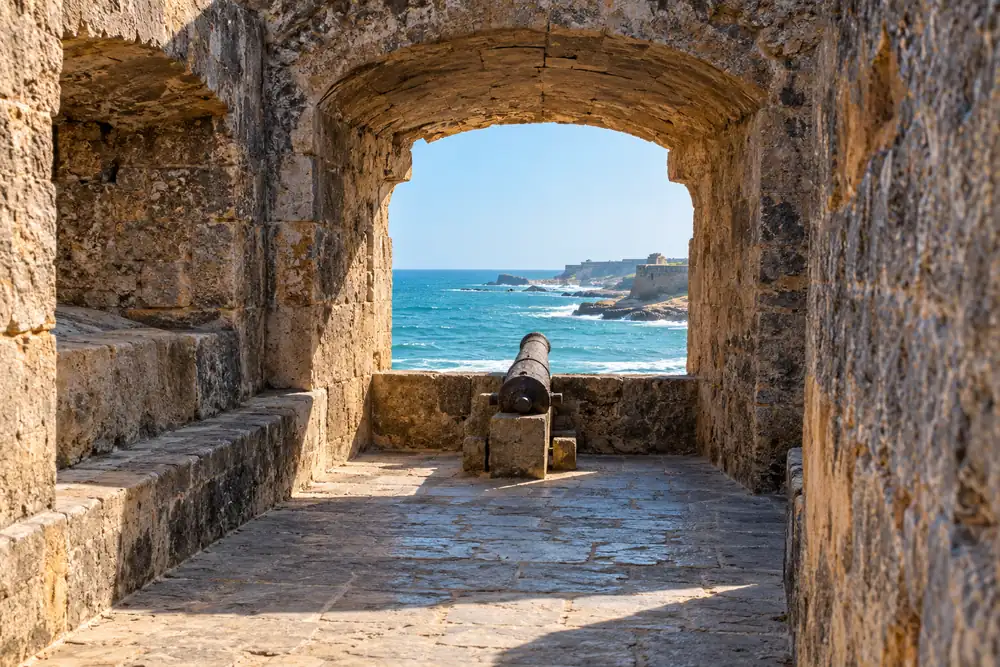
Exploring Diu Fort requires approximately two to three hours to appreciate its military architecture and ocean views:
- The Main Ramparts and Cannon Bastions: Walk along the outer seawalls to photograph heavy artillery pieces pointing across the entrance channel toward Gujarat.
- Diu Lighthouse: A prominent stone tower built on the highest bastion of the fort, offering panoramic views across the island and the entrance to the Gulf of Khambhat.
- Panikotha (Fortim do Mar) Viewpoint: Looking across the water reveals the offshore sea castle of Panikotha, erected on a rocky islet to control shipping channels.
- Visiting Information: The fort is open daily from 8:00 AM to 6:00 PM. Admission is completely free, though visitors should wear comfortable walking shoes and carry sun protection for exposed rampart stone walks.
Naida Caves: The Sun-Dappled Limestone Labyrinth
Situated just outside the city walls near Delwada Gate, Naida Caves form one of the most visually captivating geological and historical attractions in western India.
The caves are the result of centuries of stone quarrying combined with natural subterranean water erosion. During the 16th and 17th centuries, Portuguese masons cut large limestone blocks from this underground shelf to build the ramparts of Diu Fort and town churches. As quarry workers excavated deeper into the ground, they broke into naturally formed cavern systems and subterranean vaults.
Today, the abandoned quarries have naturalized into a tranquil subterranean garden. Massive banyan tree roots drape over vertical stone pillars, while open ceiling fissures allow sunlight to pierce through, casting sharp geometric light beams onto the sandy cavern floor. Travelers comparing geological and inland eco-parks can also explore nature trails in our Silvassa and Dudhni Lake guide.
Visiting Tips for Naida Caves
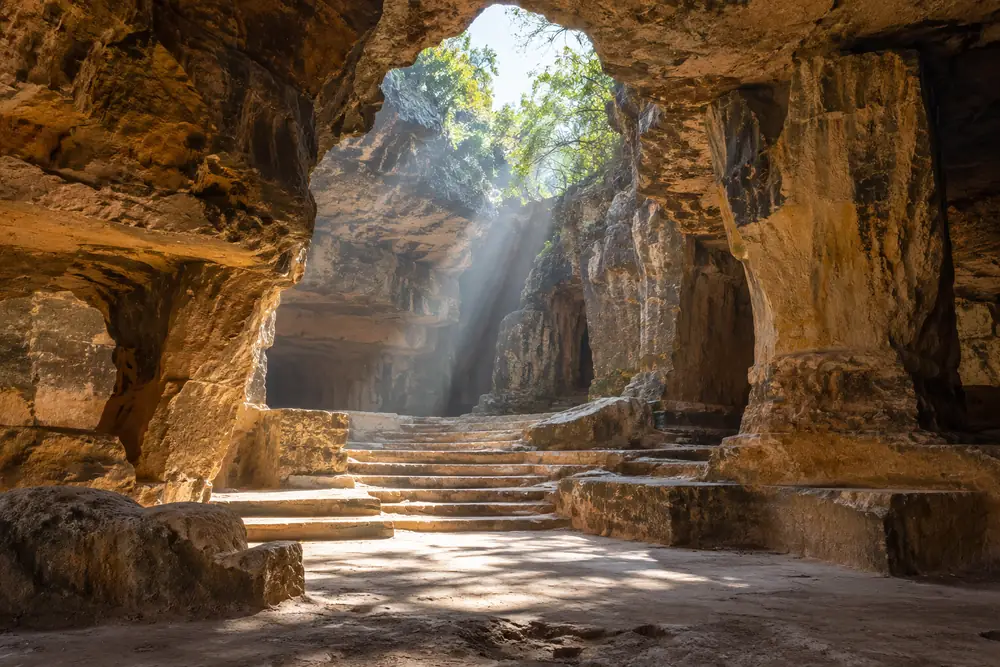
To capture the best lighting conditions and explore the labyrinth safely, keep the following guidance in mind:
- Optimal Light Hours: Visit between 11:30 AM and 2:00 PM when the midday sun sits directly overhead, creating dramatic shafts of illumination through the cave roof.
- Trail Footing: The interior paths are unpaved, consisting of packed sand and stone steps; wear flat shoes with reliable traction.
- Timings and Entry: Open daily from 8:00 AM to 5:30 PM with zero admission fee.
- Safety Precaution: Stick to marked main paths, as small unlit tunnels extend deep into unexcavated fissures without artificial lighting.
Coastal Beaches of Diu: Nagoa, Ghoghla, and Chakratirth
Diu’s coastline offers varied beach experiences, ranging from lively sheltered bays with water sports to calm certified sands and tidal rock pools.
The island’s unique position shields several bays from the strong open ocean currents typical of the northern Arabian Sea.
Nagoa Beach and the African Hoka Palms

Located on the southern curve of the island seven kilometers from Diu town, Nagoa Beach is celebrated for its distinctive horseshoe bay and unique botanical landscape.
The shoreline is famously lined with dense groves of branching Hoka palms (Hyphaene thebaica). Unlike typical straight-trunked coconut palms, Hoka palms branch repeatedly like trees, bearing edible brown fibrous fruit. Portuguese merchant vessels transported seedlings of this exotic palm from East Africa during centuries of Indian Ocean trade, making Diu one of the few places in Asia where they thrive naturally.
The semicircular bay creates gentle surf, making Nagoa the primary swimming spot on the island. Beachside operators offer parasailing, jet skiing, banana boat rides, and camel rides along the sand, documented on the District Administration Diu Nagoa Beach Record.
Ghoghla Beach: Blue Flag Certified Sands
Located on the mainland enclave of Diu district across the bridge, Ghoghla Beach stretches for several kilometers with clean golden sands.
Ghoghla holds the prestigious international Blue Flag certification, awarded for strict environmental water quality, safety services, and eco-friendly facilities. The beach features paved promenade paths, outdoor fitness equipment, clean changing rooms, and professional lifeguards on duty throughout daylight hours. It is an outstanding choice for morning walks and peaceful sunset viewing away from commercial crowds.
Chakratirth Beach and INS Khukri Memorial
Situated on the southwestern cliffs of Diu town, Chakratirth Beach pairs coastal relaxation with historic naval commemoration.
According to local Hindu lore, Lord Krishna defeated the demon Jalandhar at this spot using his Sudarshana Chakra. Overlooking the beach from a rocky hillock stands the INS Khukri Memorial, dedicated to the Indian naval frigate sunk during the 1971 Indo-Pak war. Pilgrims traveling overland across the region can connect coastal tours with darshan at Somnath Temple, located eighty-five kilometers northwest.
Sacred Architecture: St. Paul’s Church and Gangeshwar Mahadev
Diu preserves an intriguing spiritual landscape where centuries-old Portuguese Catholic basilicas stand alongside ancient Shaivite tidal rock shrines.
Both traditions reflect deep cultural ties to the ocean, whether through maritime missionary patronage or seaside water rituals.
St. Paul’s Church: The Baroque Masterpiece
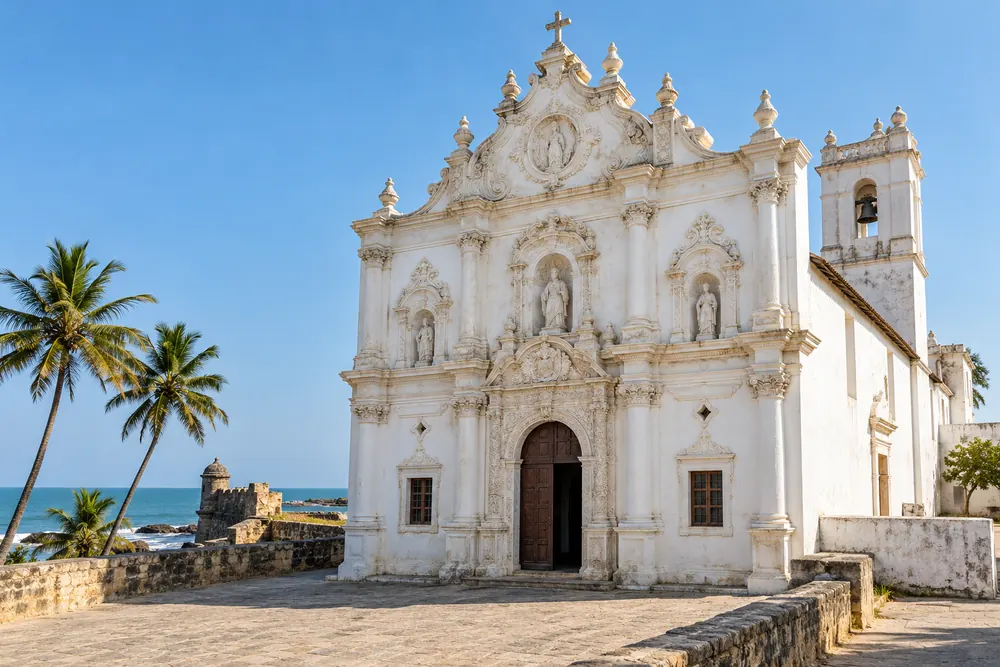
Constructed between 1601 and 1610 and dedicated to the Immaculate Conception, St. Paul’s Church represents one of the finest surviving examples of Baroque Jesuit architecture in India.
The church’s imposing white facade features elaborate Mannerist scrollwork, volutes, and carved stone pilasters, bearing close stylistic similarities to the Basilica of Bom Jesus in Old Goa. Stepping inside reveals a cavernous hall illuminated by high clerestory windows, leading toward a magnificent vaulted ceiling and an intricately carved Burmese teakwood pulpit. The high altar is decorated with delicate gold-leaf guilding and statues of St. Paul and the Virgin Mary.
Active Sunday morning services continue to be held in the church. Visitors are welcome daily between 9:00 AM and 6:00 PM (respectful silence is observed during prayer times).
Gangeshwar Mahadev Temple at Fudam
Located in the quiet seaside village of Fudam three kilometers west of Diu town, Gangeshwar Mahadev Temple offers an extraordinary natural devotional experience.
The open-air coastal shrine consists of five Shiva lingas carved into a natural rocky shelf at the base of seaside cliffs. According to local legend, the five Pandava brothers established these shrines during their period of forest exile. What makes the temple unique is its direct relationship with the ocean tide: during high tide, Arabian Sea waves roll across the rocky platform, completely submerging the sacred lingas in natural abhishekam.
Visitors should check tide tables and visit during receding or low tide to walk safely down the stone steps, touch the ocean-washed stones, and listen to the rhythmic sound of crashing waves against the sea wall.
| Attraction | Category | Ideal Visiting Time | Key Feature |
|---|---|---|---|
| Diu Fort | Military Citadel | Morning (8:00 AM to 11:00 AM) | Massive ramparts and historic cannons |
| Naida Caves | Geological Formations | Midday (11:30 AM to 1:30 PM) | Sunbeams through limestone arches |
| Nagoa Beach | Coastal Bay | Afternoon (2:30 PM to 5:30 PM) | African Hoka palms and water sports |
| St. Paul’s Church | Religious Baroque | Morning (9:30 AM to 12:00 PM) | Carved teakwood pulpit and facade |
| Gangeshwar Temple | Sacred Tidal Shrine | Dependent on low tide hours | Five Shiva lingas washed by sea waves |
| INS Khukri Memorial | Naval Memorial | Sunset (5:30 PM to 6:30 PM) | Cliffside amphitheater and warship replica |
Planning Your Diu Trip: Food, Transport, and Regional Routes
A satisfying journey to Diu requires two to three days to experience its fortresses, geological wonders, and beachside leisure at an unhurried pace.
The island features a relaxed, safe environment where visitors can rent two-wheelers and navigate quiet coastal lanes between fishing villages and rocky headlands. Complete Union Territory administration and itineraries are detailed in our master Daman and Diu travel guide.
Local Cuisine: Fresh Seafood and Portuguese Flavors
Diu’s culinary scene highlights freshly caught Arabian Sea fish, prawns, and lobsters, prepared using coastal Gujarati spices and subtle Portuguese culinary touches:
- Fresh Seafood: Local beach shacks and town restaurants serve delicious grilled pomfret, butter garlic prawns, and surmai fish curry accompanied by warm chapatis or steamed rice.
- Portuguese Cozido: Occasional homestyle heritage dishes include Cozido (a rich meat and vegetable stew) and sweet egg-based custards inspired by traditional Iberian baking.
- Night Market Stalls: The Bunder area near the jetty offers street foods like spicy pav bhaji, fried fish patties, and fresh coconut water.
Getting Around Diu Island
Navigating Diu is simple and enjoyable thanks to well-paved, scenic roads with minimal traffic:
- Scooter and Bike Rentals: Hiring an automatic scooter costs approximately ₹400 to ₹600 per day (excluding fuel), giving you total freedom to stop at Naida Caves, Nagoa, and secluded cliff viewpoints.
- Auto-Rickshaws and Taxis: Standard three-wheeled auto-rickshaws and taxis operate from Diu town bus stand and the airport, charging fixed fares for half-day or full-day island sightseeing. Official island listings are maintained on the District Administration Diu Tourist Registry.
Frequently Asked Questions About Visiting Diu
What is the best way to travel around Diu Island?
The most popular and convenient way to explore Diu is by renting an automatic scooter or motorcycle, which costs around ₹400 to ₹600 per day. The island is compact, roads are well-paved and scenic, and major attractions like Diu Fort, Naida Caves, and Nagoa Beach are within fifteen to twenty minutes of driving distance.
What are the entry timings and ticket fees for Diu Fort?
Diu Fort is open daily from 8:00 AM to 6:00 PM. Admission is completely free for both Indian and foreign tourists. Visitors are advised to budget two hours to walk along the ramparts and see the cannons and lighthouse.
When is the best time to photograph Naida Caves?
The best time to photograph Naida Caves is between 11:30 AM and 1:30 PM. During these midday hours, sunlight shines directly through the ceiling openings, creating dramatic light shafts illuminating the cavern floor and banyan tree roots.
What makes the trees at Nagoa Beach unique?
Nagoa Beach is famous for its branching African Hoka palm trees (Hyphaene thebaica). Unlike ordinary coconut palms with straight trunks, Hoka palms branch repeatedly. They were originally brought from East Africa by Portuguese sailors centuries ago and are found almost nowhere else in India.
How do I reach Diu from Mumbai or Ahmedabad?
You can fly directly to Diu Airport (DIU) from Mumbai or Ahmedabad on regional scheduled flights. Alternatively, you can take a train to Veraval Junction (90 km away) and travel by taxi or bus to Diu in approximately two hours.
Can you swim safely at Nagoa Beach?
Yes, Nagoa Beach is considered the safest and most popular swimming beach on Diu Island due to its protected horseshoe bay that shields swimmers from rough open ocean currents. Lifeguards are stationed along the main beach sector.
What is the significance of Gangeshwar Mahadev Temple?
Gangeshwar Mahadev Temple is a sacred coastal shrine featuring five Shiva lingas carved into a natural rocky shelf along the sea cliff at Fudam. During high tide, ocean waves roll over the rocks and naturally submerge the sacred lingas in sea water.