Haridwar Ganga Aarti Timings at Har Ki Pauri: Full Guide
Complete guide to Haridwar Ganga Aarti timings at Har Ki Pauri with month-by-month sunset charts, Mansa Devi ropeway tickets, and top temples.
Haridwar marks the sacred point where the holy Ganga leaves the Shivalik foothills of the Himalayas to enter the plains of northern India. Known anciently as Mayapuri, this holy city serves as one of the four legendary Kumbh Mela sites.
Witnessing the daily ceremonies and finding accurate Haridwar Ganga Aarti timings Har Ki Pauri is central to any pilgrimage. Priests conduct morning and evening prayers at the riverbank following strict solar calendars.
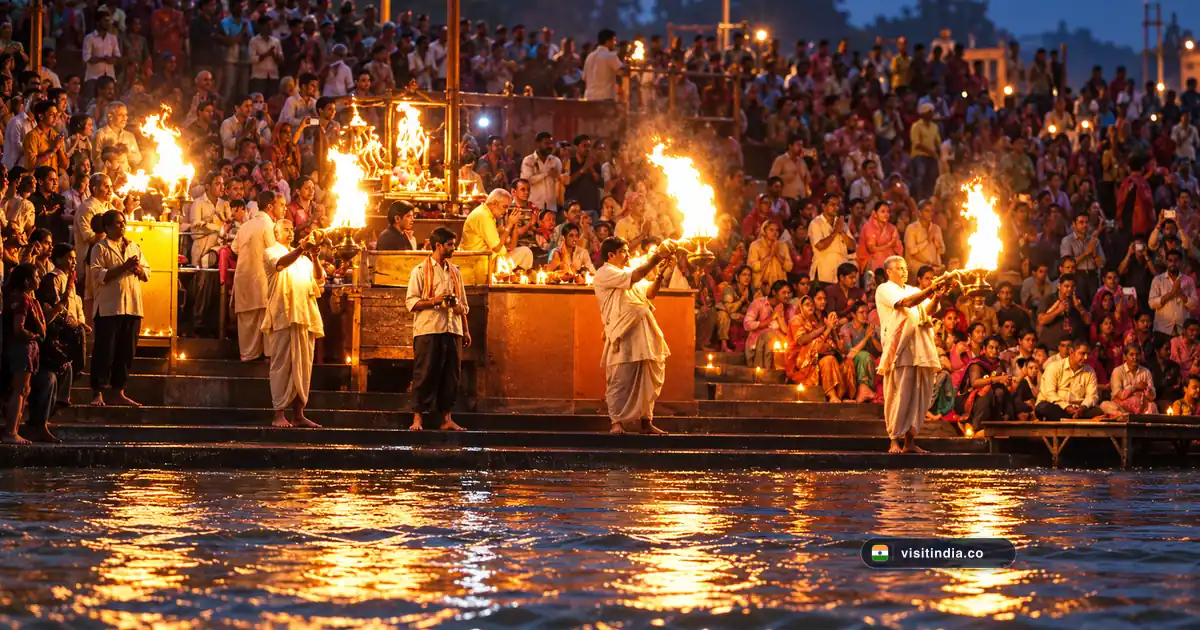
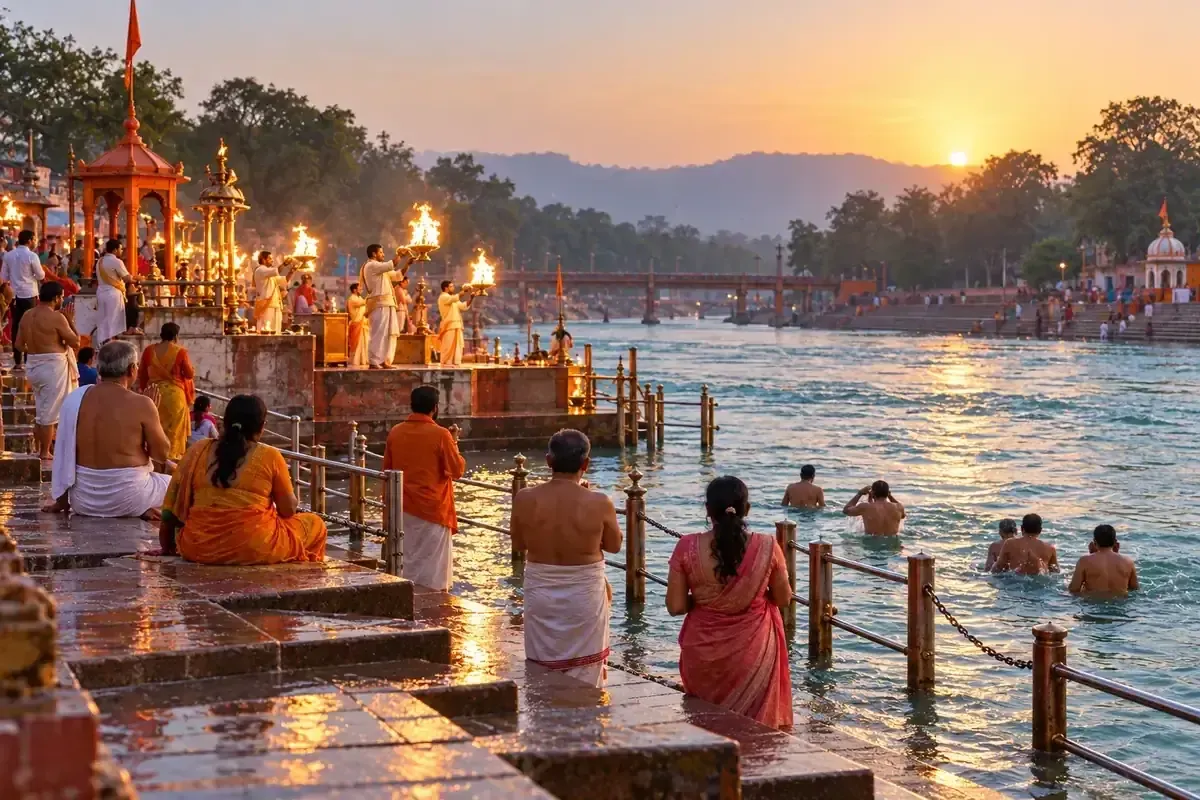
Every evening, thousands of pilgrims gather on the stone steps of Brahma Kund. Chants, brass bells, and floating leaf lanterns transform the fast-flowing glacial waters into a sea of golden light.
Aarti & Visitor Essentials
- Ceremony Location: Har Ki Pauri Ghat (specifically the Brahma Kund bathing basin), central Haridwar.
- Aarti Schedule: Morning aarti occurs at dawn between 5:30 AM and 6:30 AM; evening aarti takes place at sunset between 5:30 PM and 7:00 PM.
- Admission Charges: Viewing the ceremony from public ghat steps is completely free; no official tickets are sold for standing or sitting.
- Arrival Strategy: Reach the ghat at least 45 to 60 minutes before sunset to secure an unobstructed sitting position on the western steps.
- Key Transit Hub: Haridwar Junction railway station sits 1.5 km south of Har Ki Pauri, connected by battery e-rickshaws.
Har Ki Pauri Ganga Aarti: Month-by-Month Timings and Ritual Schedule
The evening Ganga Aarti at Har Ki Pauri is governed by the exact time of sunset, which varies considerably between summer and winter. The ceremony is organized by the Shri Ganga Sabha, an orthodox priestly committee established in 1916 by Pandit Madan Mohan Malaviya.
Priests climb elevated stone platforms facing east across the river canal. They wave heavy, multi-tiered brass oil lamps while singing the devotional hymn Om Jai Gange Mata.
| Month | Morning Aarti (Sunrise) | Evening Aarti (Sunset) | Recommended Arrival Time |
|---|---|---|---|
| January | 6:30 AM - 7:00 AM | 5:30 PM - 5:50 PM | 4:30 PM |
| February | 6:15 AM - 6:45 AM | 5:50 PM - 6:15 PM | 4:45 PM |
| March | 5:45 AM - 6:15 AM | 6:15 PM - 6:35 PM | 5:00 PM |
| April | 5:15 AM - 5:45 AM | 6:35 PM - 6:55 PM | 5:15 PM |
| May | 5:00 AM - 5:30 AM | 6:55 PM - 7:15 PM | 5:30 PM |
| June | 5:00 AM - 5:30 AM | 7:10 PM - 7:30 PM | 5:30 PM |
| July | 5:15 AM - 5:45 AM | 7:05 PM - 7:25 PM | 5:30 PM |
| August | 5:30 AM - 6:00 AM | 6:45 PM - 7:05 PM | 5:15 PM |
| September | 5:45 AM - 6:15 AM | 6:15 PM - 6:35 PM | 5:00 PM |
| October | 6:00 AM - 6:30 AM | 5:45 PM - 6:05 PM | 4:45 PM |
| November | 6:15 AM - 6:45 AM | 5:25 PM - 5:45 PM | 4:15 PM |
| December | 6:30 AM - 7:00 AM | 5:20 PM - 5:40 PM | 4:15 PM |
Brahma Kund: The Sacred Geographic Center
Brahma Kund is the central bathing pool along Har Ki Pauri where the footprints of Lord Vishnu (Charan Paduka) are preserved inside a stone wall. Hindu belief holds that drops of divine nectar fell here during the churning of the cosmic ocean.
The evening ceremony takes place on the eastern platform facing the large clock tower. Visitors who sit on the opposite Malviya Dweep island enjoy an eye-level view of the blazing brass lamps across the river channel.
The Liturgical Sequence of Evening Prayers
The ceremony commences with loud conch shell blasts and Sanskrit Vedic chants invoking the river goddess. Temple attendants then invite gathered pilgrims to take a community pledge to protect the cleanliness of the river.
As dusk settles, the temple loudspeakers broadcast the sacred aarti song. Priests rotate forty-wick brass lamps in synchronized circular motions, sending plumes of camphor smoke into the twilight sky.
At the conclusion of the twenty-minute ritual, devotees light small flower-filled leaf boats called diyas. They gently set these glowing lanterns adrift onto the swirling mountain waters.
Top Places to Visit in Haridwar Beyond Har Ki Pauri
While Har Ki Pauri remains the spiritual focal point, Haridwar contains several ancient hilltop sanctuaries and historic ashrams. Exploring these sites gives visitors a deeper appreciation of the region’s sacred geography.
Most major attractions are grouped into convenient northern and southern clusters across the town. Planning half a day for hilltop shrines and another half day for riverside ashrams creates a balanced itinerary.
Mansa Devi Temple on Bilwa Parvat
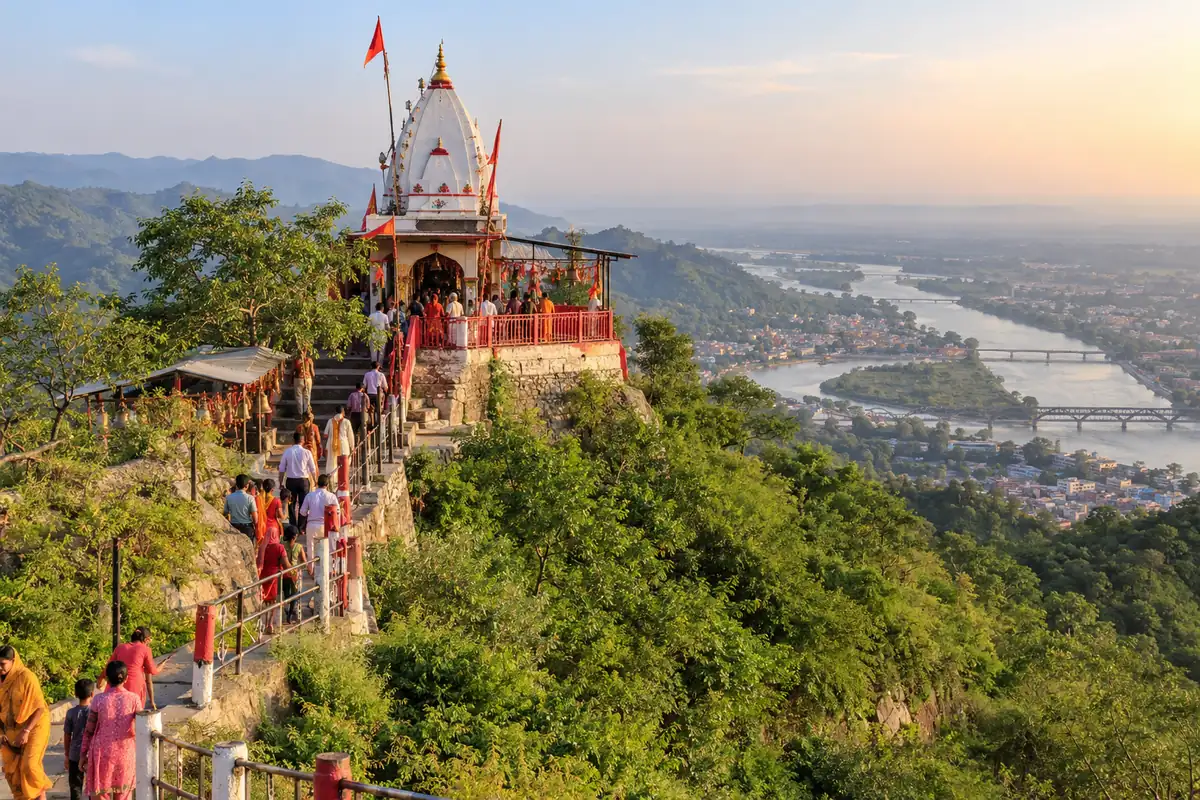
Mansa Devi Temple crowns the southern peak of the Bilwa Parvat ridge in the Shivalik Hills. The temple is dedicated to Goddess Mansa, a serpentine wish-fulfilling form of Shakti who emerged from the mind of sage Kashyapa.
Devotees climb to the shrine to tie sacred red threads on the branches of a holy tree inside the courtyard. Once their prayers are fulfilled, pilgrims return to untie a thread in gratitude.
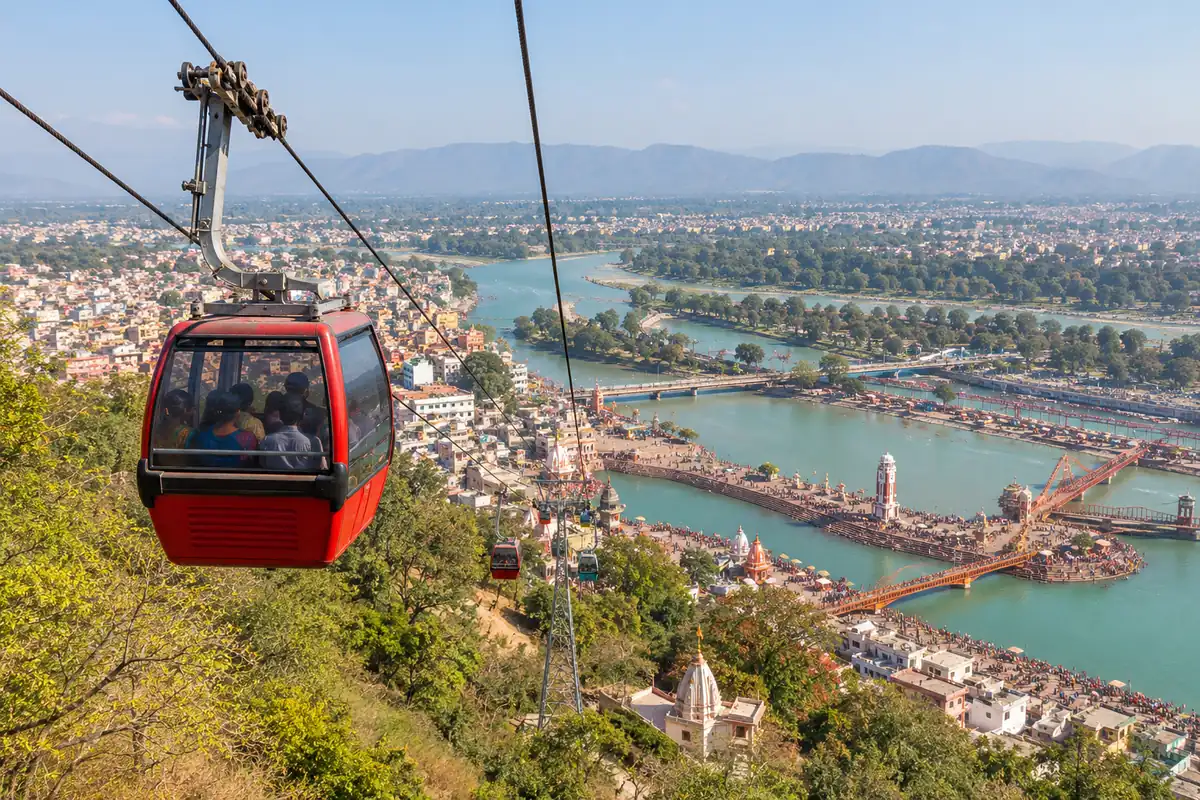
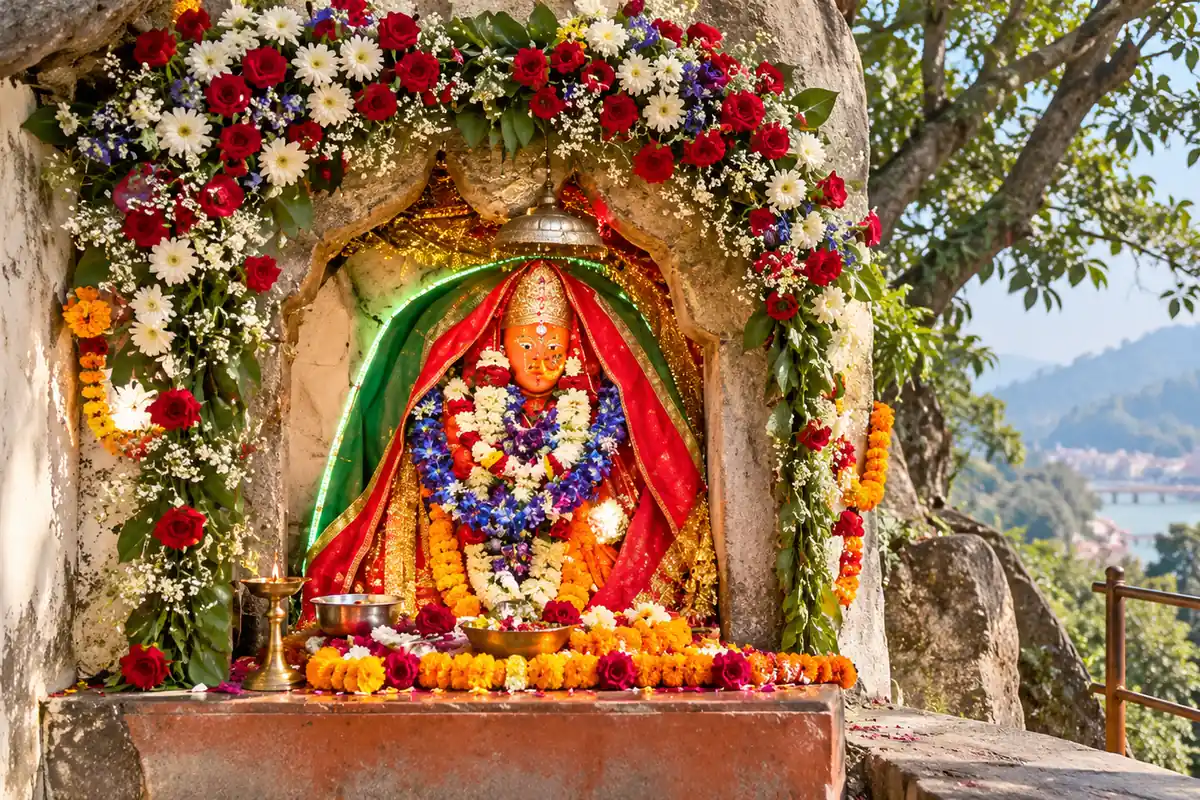
The shrine features two primary stone deities: one with three mouths and five arms, and another with eight arms. Visitors can reach the peak via a steep 1.5 km pedestrian walkway or ride the modern aerial cable car.
Chandi Devi Temple and Anjani Kund on Neel Parvat
Perched on the opposite eastern crest of Neel Parvat, Chandi Devi Temple honors the fierce warrior aspect of the divine mother. Adi Shankaracharya consecrated the main idol here in the eighth century.
The hilltop offers panoramic vistas overlooking the wandering channels of the Ganga as they spread across the plains. A short downhill path leads to the ancient Anjani Kund temple, dedicated to the mother of Lord Hanuman.
The shrine sits 4 km east of Har Ki Pauri across the main river bridge. Like Mansa Devi, travelers can choose between a paved mountain trail and an enclosed ropeway car.
Historic Kankhal and Daksha Mahadev Temple
Kankhal is an ancient southern suburb located 4 km downriver from central Haridwar, mentioned in Mahabharata texts. The town centers on the Daksha Mahadev Temple, honoring Lord Shiva and his first consort, Sati.
Scriptural lore identifies this riverside clearing as the site of King Daksha’s sacred fire sacrifice. Today, the complex houses a revered banyan tree, a subterranean yajna pit, and peaceful bathing ghats along the canal.
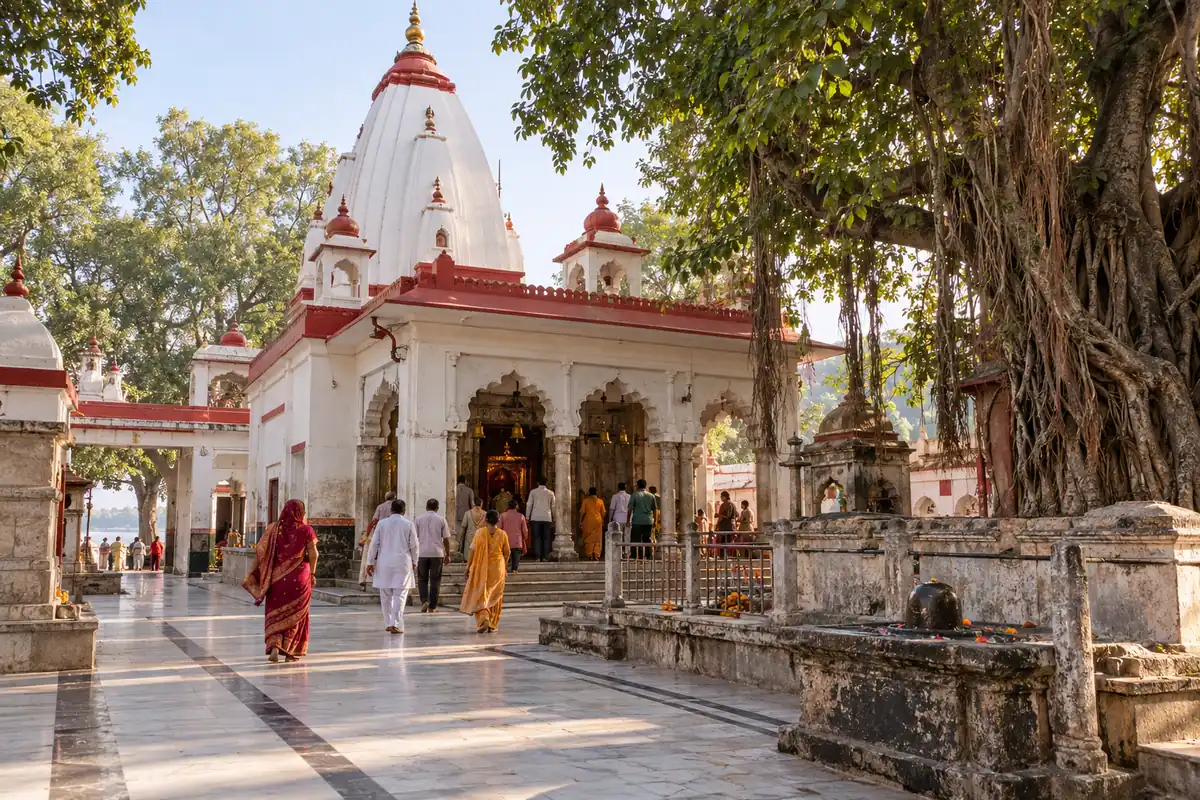
Nearby stands the Ma Anandamayi Ashram, which preserves the marble samadhi of the renowned twentieth-century mystic. The ashram offers quiet meditation halls away from crowded market streets.
Maya Devi Temple and Bharat Mata Mandir
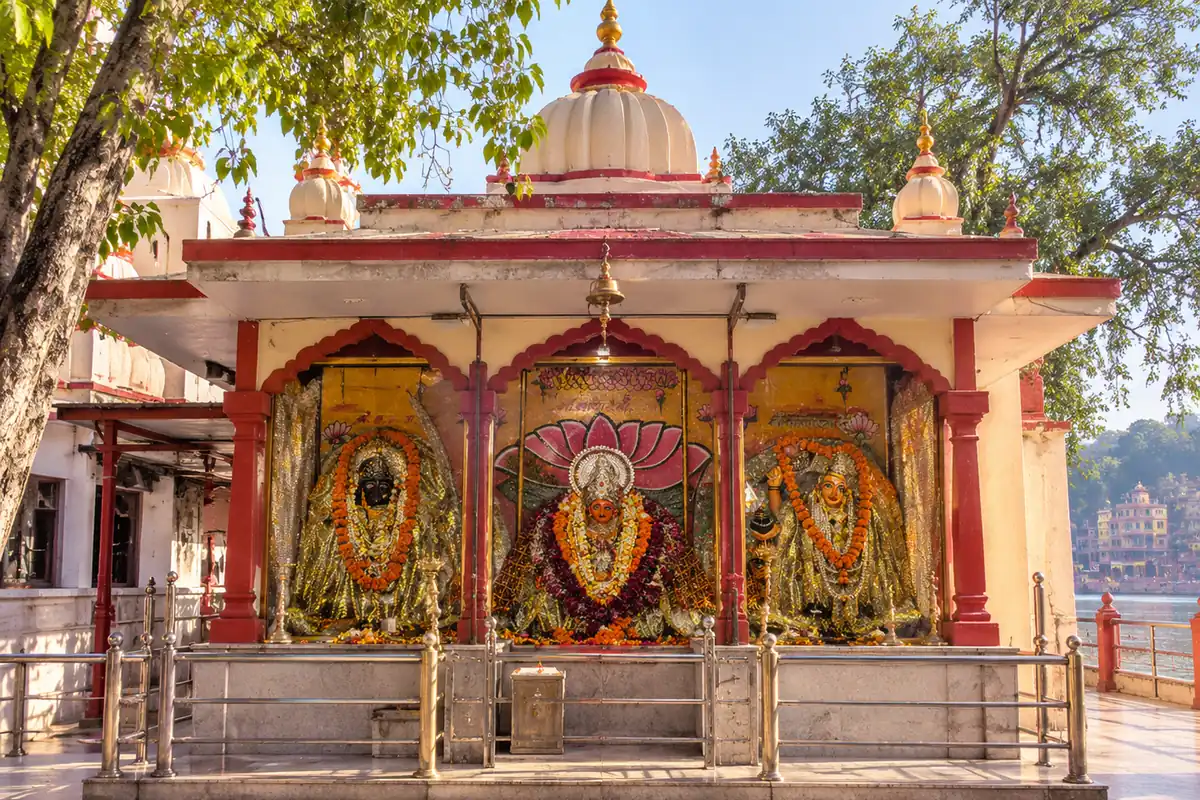
Maya Devi Temple is recognized as one of the original Siddh Peeth shrines of Haridwar, where the navel of Goddess Sati is believed to have fallen. Dating back to the eleventh century, the inner sanctum houses three-headed deities representing Maya, Kali, and Kamakhya.
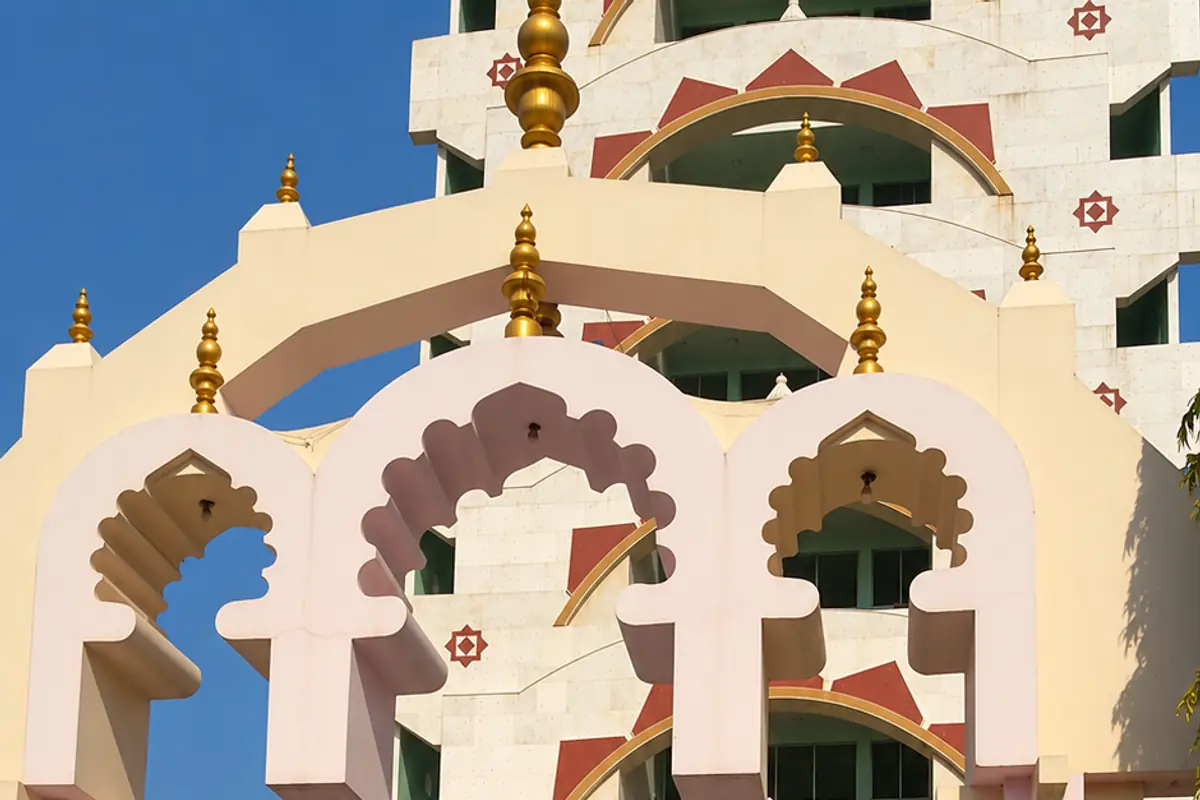
In the northern Motichur neighborhood stands the unique eight-story Bharat Mata Mandir. Inaugurated in 1983, each floor of this 180-foot tower honors different architects of Indian heritage, ranging from freedom fighters and saints to historic queens.
Travelers looking to extend their regional travels beyond the Shivalik foothills can explore our comprehensive state directory across Uttarakhand.
Mansa Devi and Chandi Devi Ropeway Guide: Udankhatola Tickets
Ascending the steep hills of Bilwa Parvat and Neel Parvat is made easy by the cable car systems operated by Usha Breco under the brand Udankhatola. These modern gondolas provide safe, continuous transit for families and senior pilgrims.
Booking a combined ropeway ticket saves significant waiting time and money compared to purchasing separate passes at individual hill bases.
| Ticket Category | Coverage | Adult Fare (INR) | Child Fare (INR) | Operating Hours |
|---|---|---|---|---|
| Mansa Devi Only | Return cable car | ₹180 | ₹90 | 7:00 AM - 7:00 PM |
| Chandi Devi Only | Return cable car | ₹180 | ₹90 | 7:00 AM - 7:00 PM |
| Combo Pass (Both Hills) | Both ropeways + connecting shuttle | ₹360 | ₹180 | 7:00 AM - 6:00 PM |
| Priority Darshan Pass | Fast-track ropeway boarding | ₹450 | ₹250 | 8:00 AM - 5:00 PM |
How to Book Udankhatola Tickets Online
Travelers can reserve tickets in advance through the official Udankhatola Ropeway Portal. Online booking provides a confirmed time window and a digital QR code that skips the main ticket booth queues.
Physical ticket windows open at 6:30 AM at both Lower Ropeway stations. During weekend rushes, queues at the physical counters can stretch over an hour, making advance online booking highly advisable.
The combo pass includes a connecting bus shuttle that transfers visitors between the base of Mansa Devi and Chandi Devi across the river. Pass vouchers remain valid for a single calendar day.
Walking Routes and Footpath Alternatives
Pilgrims who prefer traditional foot pilgrimages can climb both hills along paved, walled walking paths. The trail to Mansa Devi starts near the town railway station and requires 30 to 45 minutes of steady walking over stepped ramps.
The trek to Chandi Devi begins near the Gauri Shankar temple and spans 3 km of uphill walking through wooded hillside terrain. Shaded rest stops and cold beverage stalls line both footpaths.
Pro Tip
If you plan to ride the cable car on weekends, visit Mansa Devi at 7:30 AM before tourist crowds gather. You can then take the shuttle to Chandi Devi by 10:30 AM, avoiding the peak midday lines.
Complete 1-Day and 2-Day Haridwar Sightseeing Itineraries
A well-structured itinerary balances early morning river rites with afternoon temple excursions and evening aarti attendance. These suggested schedules minimize transit delays through congested bazaar streets.
Travelers arriving from New Delhi can easily complete the one-day loop or stay overnight for a broader two-day cultural experience.
1-Day Express Itinerary: Ghats, Ropeway, and Evening Light
Begin your morning at 6:30 AM with a holy dip at Har Ki Pauri when the morning sun reflects across the clear mountain water. Warm up with a breakfast of hot aloo puris and fresh lassi at Mohanji Puriwale near the main ghat market.
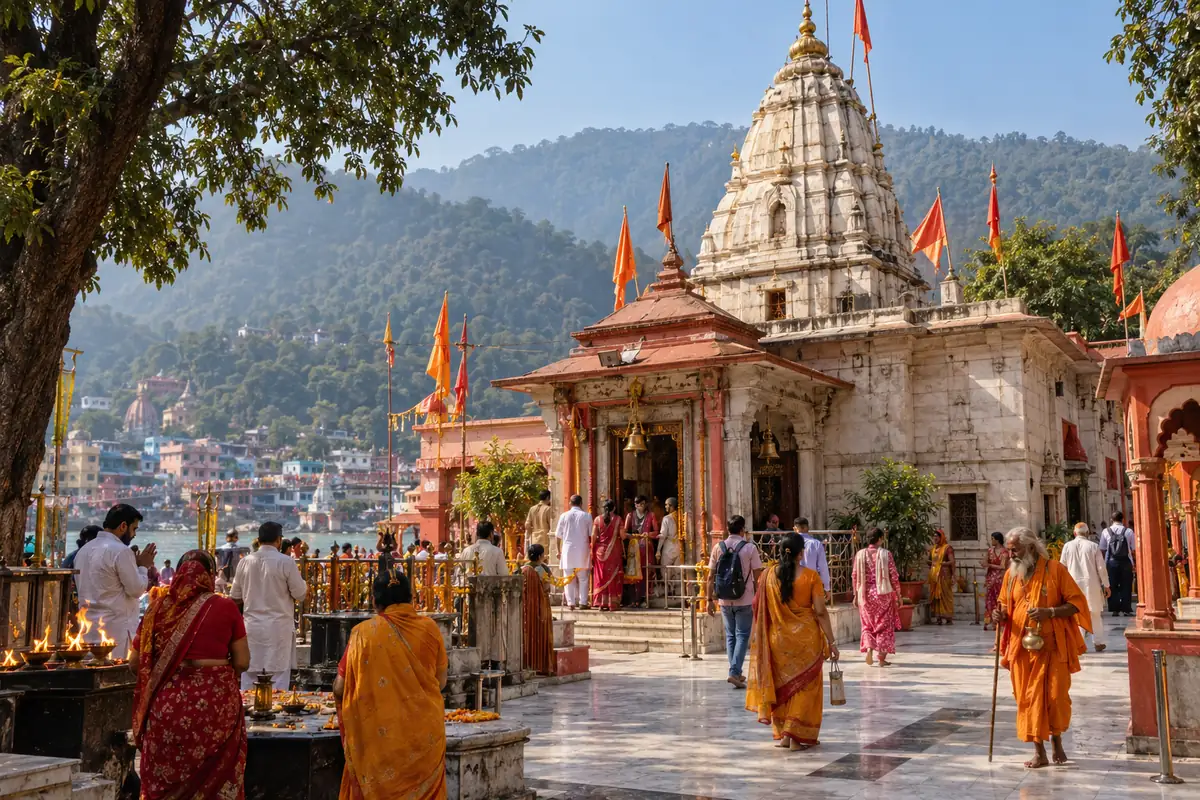
At 8:30 AM, head to the Lower Station of Mansa Devi ropeway to board an early cable car up to Bilwa Parvat. Spend an hour in prayer at the temple courtyard before returning to the town level.
At 11:30 AM, take an auto-rickshaw to Kankhal to tour the Daksha Mahadev Temple and the Ma Anandamayi Ashram. Return to central Haridwar by 2:30 PM for lunch and rest.
At 4:45 PM, arrive early at Har Ki Pauri to secure a seated spot on the steps of Malviya Dweep. Watch the evening Ganga Aarti unfold from 5:45 PM to 6:30 PM, ending your day with dinner in the Bara Bazaar.
2-Day Comprehensive Pilgrimage Itinerary
On Day 2, take a morning taxi to the base of Chandi Devi at 7:30 AM. Ride the ropeway to Neel Parvat and walk down to visit the peaceful shrine of Anjani Devi.
By 11:00 AM, travel north toward Motichur to explore the multi-story galleries of Bharat Mata Mandir and the ashram complex of Shantikunj. Spend the quiet afternoon hours learning about Vedic sciences and herbal gardens.
At 4:30 PM, attend the traditional evening prayer ceremony at Kushavarta Ghat, where traditional ancestral rites are performed by family priests. Finish your evening with sweet rabri and hot jalebis in the heritage lanes of Moti Bazaar.
Visitors continuing north along the sacred river corridor can easily connect to yoga ashrams and river rafting through our guide to main sights around Rishikesh.
Best Time to Visit Haridwar: Weather, Kanwar Yatra, and Kumbh Cycles
Haridwar experiences distinct climatic variations across four seasons. Choosing your arrival date depends on your tolerance for mountain cold, monsoon humidity, and religious crowd surges.
Planning around major seasonal festivals helps avoid road closures and hotel shortages across the district.
Winter Season: October to March Ideal Travel Window
The months from October through March bring pleasant sunny days with temperatures between 15°C and 25°C. Clean, crisp air makes walking through open ghats enjoyable.
Night temperatures in December and January drop to around 6°C, requiring warm jackets and woolen caps. The river water is brisk and refreshing, with glacial runoff providing high clarity for morning baths.
Summer Heat and Monsoon Rain: April to September
Summer begins in April and peaks in late June, with afternoon highs touching 40°C. While midday sunshine can make stone steps hot underfoot, cooling breezes along the river channel provide relief after dusk.
The monsoon season arrives in July and continues through September. Heavy rains across the upper Himalayas cause the river to swell significantly, carrying brown silt and driftwood that temporarily limits safe bathing at outer ghats.
Special Festival Advisories: Kanwar Yatra and Kumbh Mela
During the Hindu month of Shravan (usually late July to early August), Haridwar hosts the massive Kanwar Yatra. Over 30 million Shiva devotees travel on foot to collect holy water from Har Ki Pauri.
During this two-week period, National Highway 334 is closed to regular vehicular traffic, and local hotels operate at total capacity. Casual tourists should avoid this window unless specifically participating in the pilgrimage.
The historic Kumbh Mela occurs once every twelve years, complemented by the Ardh Kumbh every six years. These gatherings draw millions of holy men and ascetics, requiring citywide administrative permits and security zoning managed by the District Administration Haridwar.
Pilgrims preparing for high-altitude mountain shrines further north can cross-reference logistical requirements in our detailed Char Dham Yatra guide.
How to Reach Haridwar and Last-Mile Transit Logistics
Haridwar enjoys excellent transport links with the national capital and other northern state centers. Electrified rail lines, multi-lane expressways, and nearby commercial airports make transit simple.
Travelers can choose between rapid passenger rail, state transport buses, and private car hires.
By Train: Express and Vande Bharat Services
Haridwar Junction (railway code: HW) is the primary rail gateway to the Garhwal Himalayas. The station handles numerous daily express trains originating from New Delhi, Mumbai, Kolkata, and Amritsar.
The New Delhi to Dehradun Vande Bharat Express connects the national capital to Haridwar in just 3 hours and 15 minutes. Regular Shatabdi and Jan Shatabdi trains also offer comfortable air-conditioned journeys departing New Delhi and Hazrat Nizamuddin stations daily.
From the railway station exit, Har Ki Pauri is situated just 1.5 km northeast. Battery-operated e-rickshaws ferry passengers directly to the ghat perimeter for ₹20 per passenger or ₹100 for a private hire.
By Road: Delhi-Meerut Expressway and NH334
Driving from New Delhi to Haridwar covers approximately 215 km via the Delhi-Meerut Expressway and National Highway 334. The entire journey takes 4 to 4.5 hours under regular traffic flow.
State-run Uttarakhand Transport Corporation (UTC) and UPSRTC operate round-the-clock air-conditioned Volvo and standard buses from Delhi’s ISBT Kashmiri Gate. Buses arrive at the central Haridwar Bus Stand, located directly opposite the railway station.
By Air: Flights via Jolly Grant Airport in Dehradun
The nearest commercial airport is Jolly Grant Airport (code: DED) in Dehradun, located 38 km northwest of Haridwar. The airport operates multiple daily flights to New Delhi, Mumbai, Bengaluru, Ahmedabad, and Hyderabad.
Pre-paid taxi counters inside the arrival terminal provide fixed-rate transfers to Haridwar for approximately ₹1,200 to ₹1,500. The highway drive follows National Highway 34 along the forested edge of Rajaji National Park, taking about 50 minutes.
Comprehensive destination details and traveler advisory helplines are available through the Uttarakhand Tourism Development Board.
Practical Pilgrimage Advice: Sacred Baths, Dress Codes, and Scams
A respectful and safe visit to Haridwar requires observing basic temple customs and staying vigilant against touts. Following these practical guidelines ensures a smooth experience along the water.
Observing river safety protocols is especially important given the strong natural current of the Ganga.
Important
The water current at Har Ki Pauri and Brahma Kund flows at high speed straight from the mountains. Always hold onto the heavy iron chains and railings permanently installed along the submerged steps while taking your holy dip. Never attempt to swim across the main canal channel.
Dress Codes and Footwear Regulations
Visitors to the ghats and temples should dress conservatively with clothing that covers the knees and shoulders. While swimming trunks and wet clothing are common during holy baths, changing cubicles are provided along the ghat walls for privacy.
Shoes and leather sandals must be removed before stepping onto the sacred stones of Har Ki Pauri. Free shoe-keeping counters run by local volunteers operate near the main clock tower bridge; make sure to retain your metal token for retrieval.
Navigating Donations and Priestly Records
The ghats of Haridwar are home to traditional family genealogists known as pandas, who have maintained ancestral family scrolls for centuries. If you wish to trace your ancestral lineage, carry your ancestral village and district names.
However, beware of aggressive touts along the water who demand large cash offerings for brief blessings or tilak marks. Legitimate donations to the Shri Ganga Sabha or local charitable trusts should always be made against an official printed receipt.
Pilgrims planning broader northern pilgrimage circuits can also explore temple schedules and holy groves in our guide to top attractions in Vrindavan and Mathura.
Frequently Asked Questions About Haridwar Ganga Aarti
What are the exact timings of the evening Ganga Aarti at Har Ki Pauri?
The evening Ganga Aarti at Har Ki Pauri starts at sunset, which ranges from 5:20 PM in December to 7:15 PM in June. Visitors should arrive at least forty-five minutes early to secure a seat on the viewing steps.
Is there an entry ticket or fee to watch the Ganga Aarti?
No ticket or entry fee is required to watch the Ganga Aarti from the open steps of Har Ki Pauri. The ceremony is open to the public free of charge on all days of the year.
How much does the Mansa Devi and Chandi Devi ropeway combo ticket cost?
The combined ropeway ticket covering return cable car journeys to both Mansa Devi and Chandi Devi costs approximately ₹360 for adults. This combo ticket also includes the connecting bus transfer between the two hill bases.
What is the best place to sit for viewing the Har Ki Pauri Aarti?
The best viewing location is the stone steps of Malviya Dweep island directly across from the clock tower. This spot provides an unobstructed view of the priests and the sacred lamps across the water channel.
How far is Har Ki Pauri from Haridwar Railway Station?
Har Ki Pauri is situated approximately 1.5 kilometers northeast of Haridwar Junction railway station. Battery e-rickshaws and cycle rickshaws cover the distance in ten minutes for a small fare.
Is swimming allowed in the river during the holy bath?
Swimming is strictly prohibited at Har Ki Pauri due to the deep, fast-moving glacial current of the canal. Pilgrims must hold onto the brass and iron safety chains secured along the steps during their holy dip.