Places to Visit in Wayanad: Caves, Peaks & Waterfalls Guide
Plan your Wayanad trip with our comprehensive travel guide covering Edakkal Caves, Chembra Peak trek, Banasura Sagar Dam, safari timings, and fees.
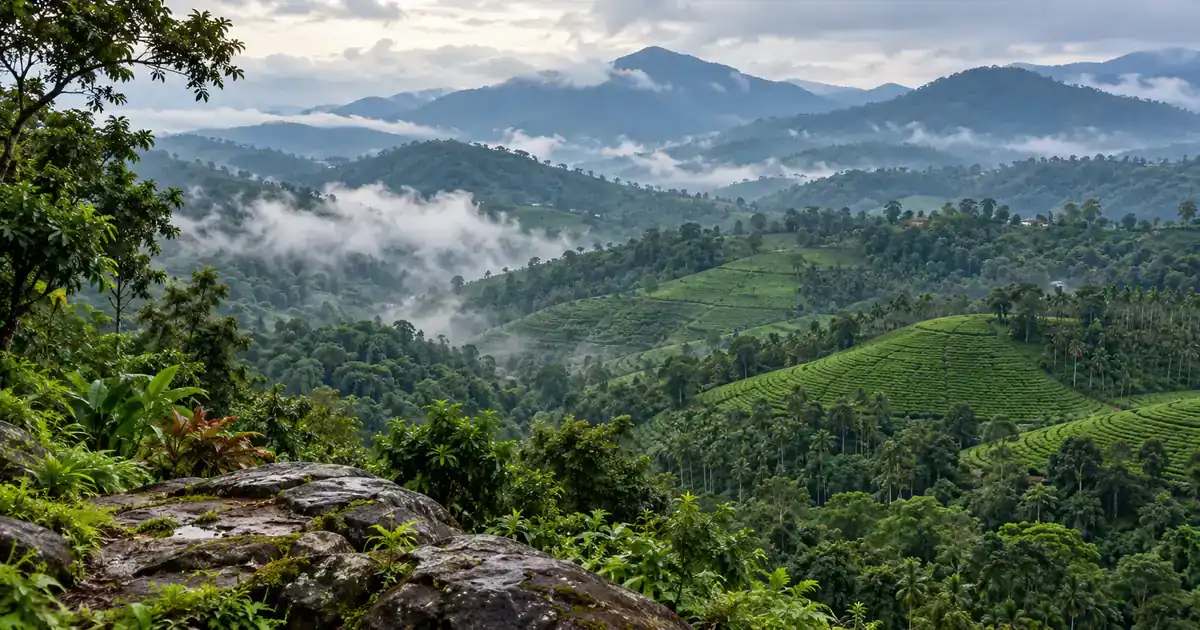
Wayanad occupies an elevated plateau within the Western Ghats of northeastern Kerala, perched at altitudes ranging between 700 and 2,100 meters above sea level. The district borders the protected forests of Mudumalai in Tamil Nadu and Bandipur and Nagarhole in Karnataka. This unique geographic setting creates an unbroken ecological corridor for wildlife migrations across South India.
Wayanad Travel Essentials
- Top Sights: Edakkal Caves Stone Age petroglyphs, Chembra Peak heart-shaped lake, Banasura Sagar earthen dam, and Muthanga wildlife safari.
- Ideal Trip Duration: 3 days to explore heritage sites, mountain viewpoints, and river delta islands.
- Best Season: October to May for clear weather and hiking; June to September for monsoon greenery.
- Transit Hubs: Kozhikode Railway Station (75 km) and Calicut International Airport (90 km).
Unlike the monoculture tea slopes of Central Kerala, Wayanad preserves a varied highland landscape. Sprawling coffee and cardamom estates blend seamlessly into evergreen rainforests, prehistoric cave shelters, and tumbling mountain cascades. Travelers planning an extended southern holiday can link these misty hills with coastal palm backwaters using our detailed Kerala travel guide.
Official administrative notices, eco-tourism alerts, and forest regulations can be checked via Incredible India’s Wayanad portal.
Top Historical and Prehistoric Attractions in Wayanad
The cultural heritage of Wayanad reaches back thousands of years before the arrival of modern plantation agriculture. Stone Age hunter-gatherers, megalithic monument builders, and early medieval dynasties left durable traces throughout its granite hills.
Exploring these ancient monuments provides deep insight into early human settlements across the Indian peninsula. Visitors can tour three exceptional heritage sites located within convenient driving distance of Sulthan Bathery and Kalpetta.
Edakkal Caves: Ambukuthi Mala Neolithic Petroglyphs
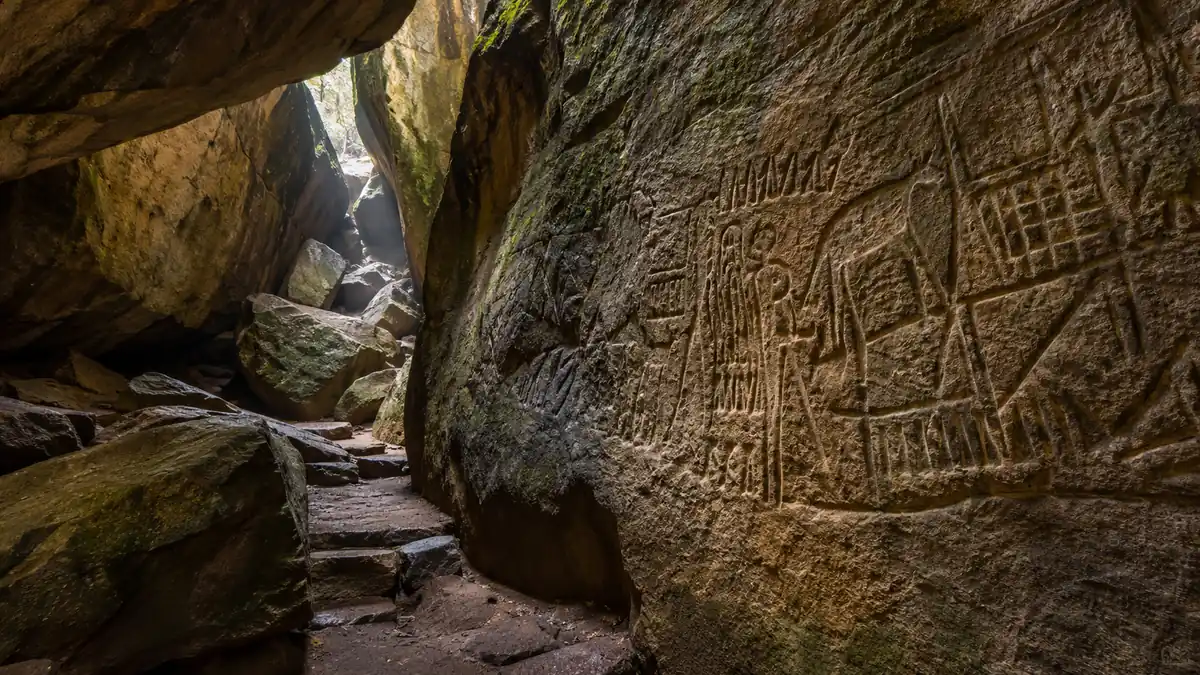
Edakkal Caves are situated on Ambukuthi Mala near Ambalavayal at an altitude of 1,200 meters. Geologically, the formation is not a conventional cave system. It consists of a massive split fissure where a gigantic boulder wedged between two rock faces creates a sheltered subterranean chamber.
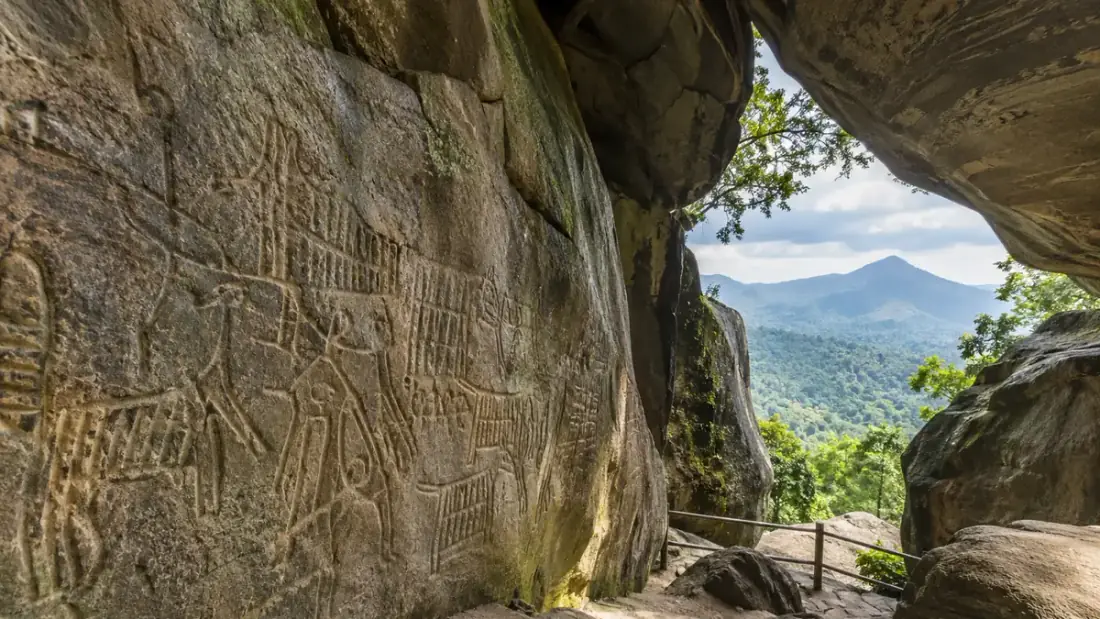
The inner rock walls preserve enigmatic petroglyphs and pictorial engravings dating from the Neolithic era around 6,000 BCE to early historic times. Discovered in 1890 by British police superintendent Fred Fawcett, the carvings depict human figures, wheeled carts, bow-wielding hunters, and abstract geometric symbols. Historians connect several motifs to the Indus Valley Civilization script, suggesting ancient trade contact across peninsular India.
Reaching the upper cave entrance requires walking up a steep one-kilometer paved trail followed by climbing approximately 300 steel steps. The ascent can feel strenuous in afternoon humidity, so early morning departures between 8:30 AM and 10:00 AM are strongly recommended. The site operates under daily visitor quota caps managed by the Kerala Tourism department, and the caves remain closed on Mondays for maintenance.
Wayanad Heritage Museum: Ambalavayal Megalithic Relics
Located four kilometers from Edakkal Caves, the Wayanad Heritage Museum in Ambalavayal houses one of the finest archaeological collections in Kerala. Four specialized galleries exhibit rare artifacts recovered from regional excavations and ancient tribal settlements.
The museum displays an extensive collection of hero stones, known locally as Veerakallu, dating from the 10th to the 14th centuries. These carved granite memorials honor fallen village warriors and tribal chieftains who defended their communities against wild animals and invading armies. Visitors can also inspect Neolithic celts, megalithic black-and-red pottery, tribal musical instruments, and traditional hunting weapons.
A nominal entry fee makes the museum an educational stop for families and photography lovers. Knowledgeable museum staff provide context regarding the linguistic roots of indigenous Wayanad communities like the Paniyas, Kurichiyas, and Kattunaikkans.
Thirunelly Temple: Ancient Brahmagiri Valley Shrine
Thirunelly Temple stands in a secluded valley at the base of the Brahmagiri mountain range, surrounded by dense evergreen woods. Dedicated to Lord Vishnu as Janardhana, historical records trace this ancient stone sanctuary back more than a millennium to the Chera dynasty.
Pilgrims often describe Thirunelly as the Kashi of the South due to its sacred ancestral rites. Devotees perform Pithru Tharpanam rituals beside the crystal-clear waters of the Papanasini mountain stream, located a short walk behind the main temple complex. Local belief holds that bathing in the stream washes away lifetime sins, while the medicinal forest herbs infusing the water provide physical vitality.
The temple architecture displays classic Kerala wooden craftsmanship with granite pillars supporting tiled roofs. An ancient stone aqueduct supported by carved pillars still channels cool mountain spring water directly into the temple sanctum. Visitors should note that non-Hindus may admire the outer architectural courtyards but cannot enter the inner sanctum.
Spectacular Peaks, Lakes and Forest Waterfalls
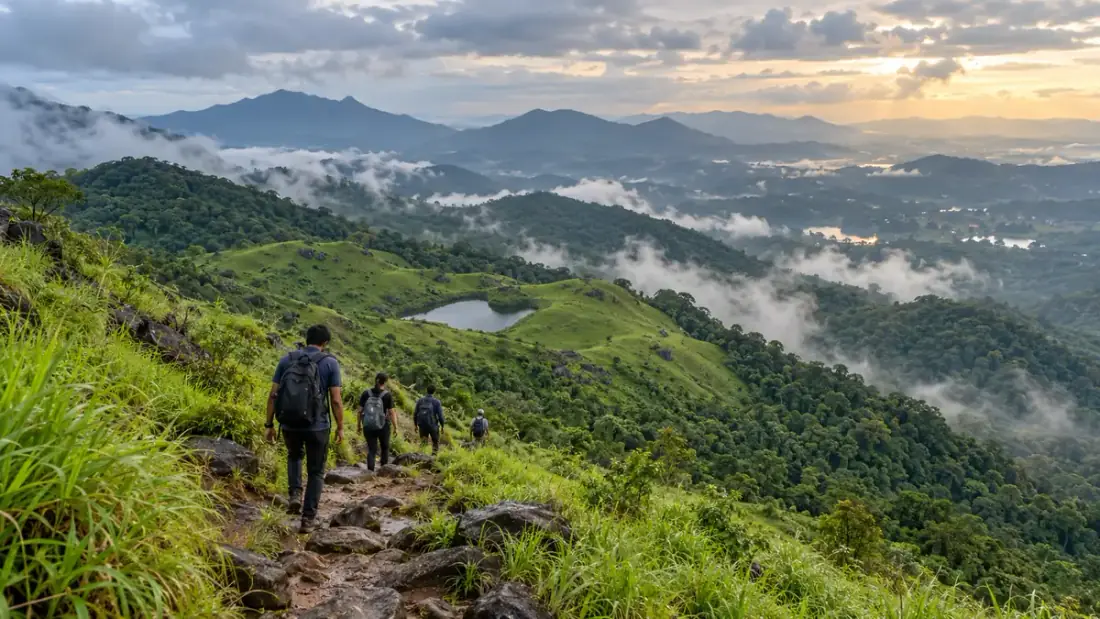
Wayanad features dramatic topographical variations that reward outdoor hikers, landscape photographers, and families looking for cool highland air. Deep gorges channel perennial streams into dramatic cataracts, while mountain summits overlook panoramic expanses of the Nilgiri Biosphere Reserve.
Travelers looking to combine high-altitude treks with sprawling tea gardens across South India can compare this landscape with the rolling hills outlined in our Munnar sightseeing guide.
State-curated destination itineraries and eco-trail highlights can also be reviewed on the Kerala Tourism Wayanad Destination Portal.
Chembra Peak and the Heart-Shaped Lake Trek
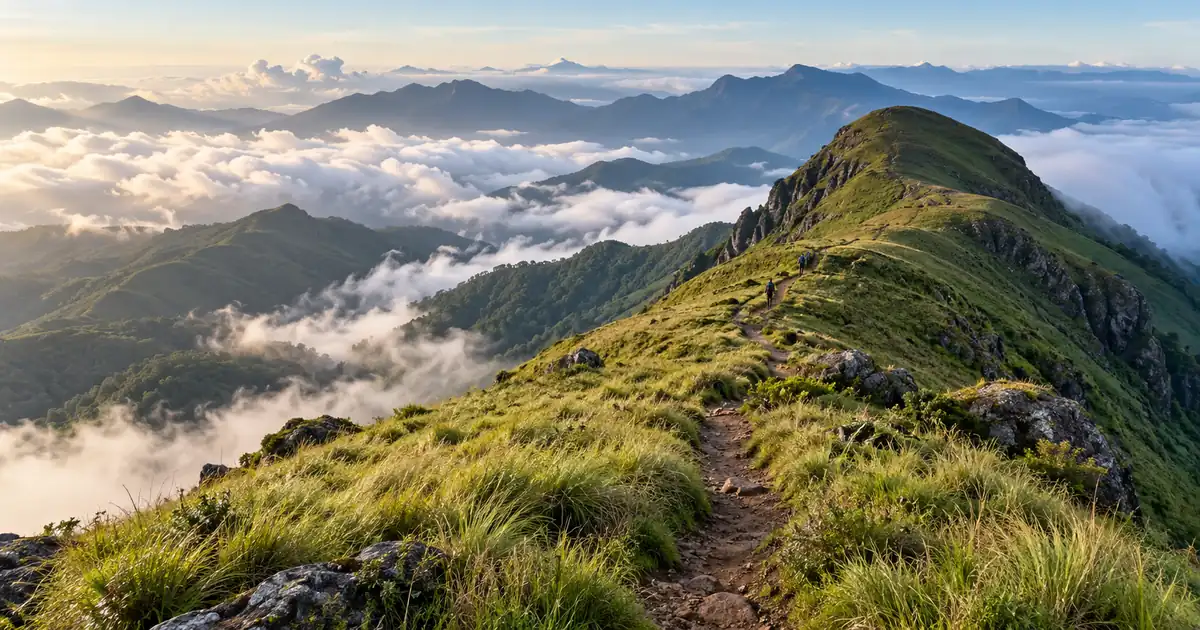
Chembra Peak towers at an altitude of 2,100 meters, standing as the highest mountain summit in Wayanad district. Located eight kilometers south of Kalpetta near the settlement of Meppadi, the peak attracts avid trekking enthusiasts from across India.
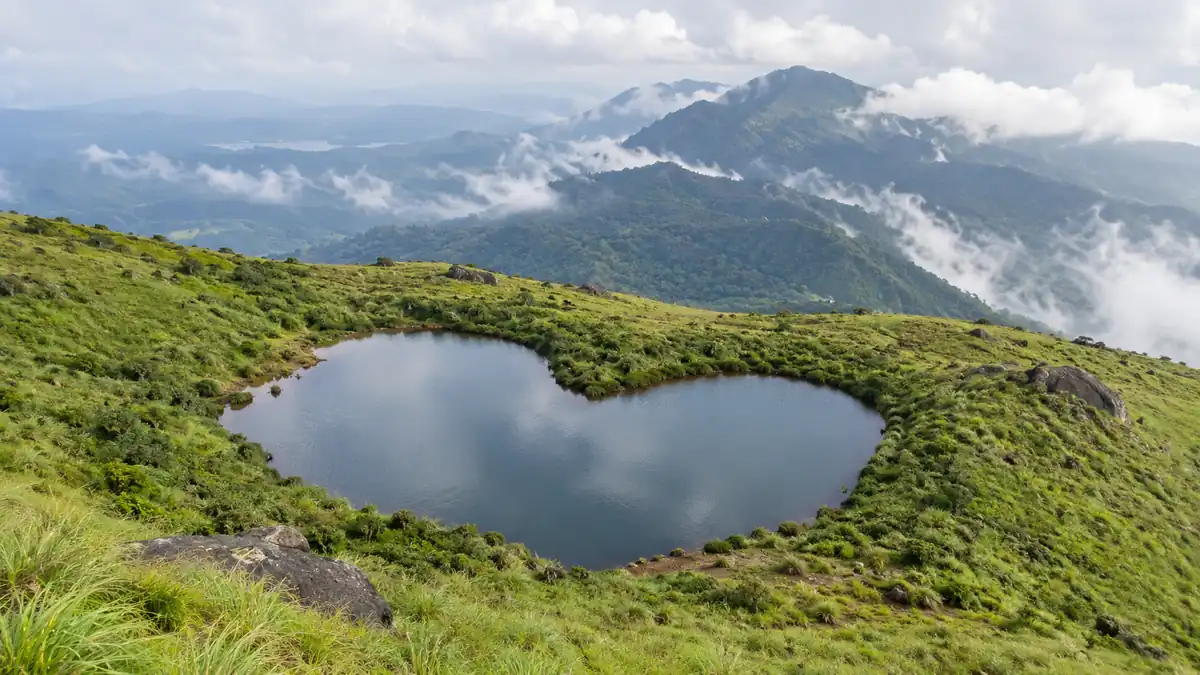
The primary draw of the trek is Hridayathadakam, a natural freshwater lake shaped like a heart, situated at roughly 1,500 meters altitude. Local legend claims the water in this alpine lake never dries out, even during the peak heat of summer. Mist frequently sweeps across the grassy plateau, creating dramatic atmospheric views of the rolling tea plantations below.
The Meppadi Forest Range Office manages trekking access through an Eco-Development Committee (EDC). Trekking beyond the heart-shaped lake to the absolute rocky summit remains restricted to prevent soil erosion and preserve delicate shola flora. Daily permits are strictly capped at 200 persons per day, making early arrival at the forest ticket counter by 7:00 AM essential during weekends.
Banasura Sagar Dam: Asia’s Second-Largest Earthen Reservoir
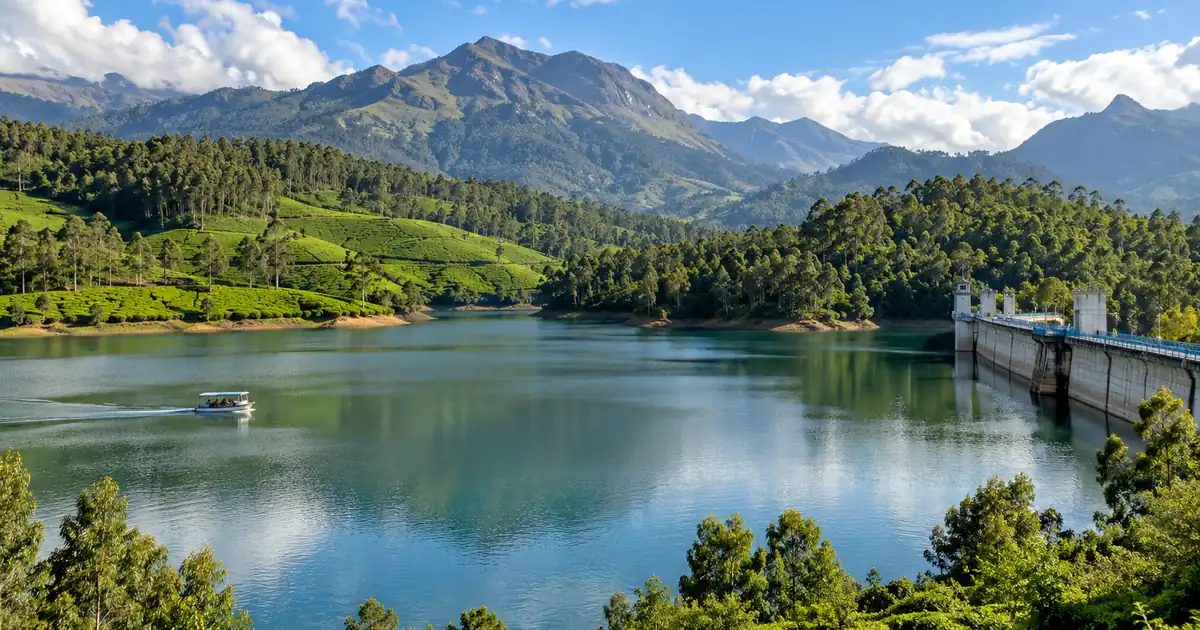
Banasura Sagar Dam impounds the Karamanathodu tributary of the Kabini River, resting at the base of the imposing Banasura Hill. Named after the mythical demon king Banasura, who performed severe penance in these hills, it holds the title of the largest earthen dam in India and the second-largest in Asia.
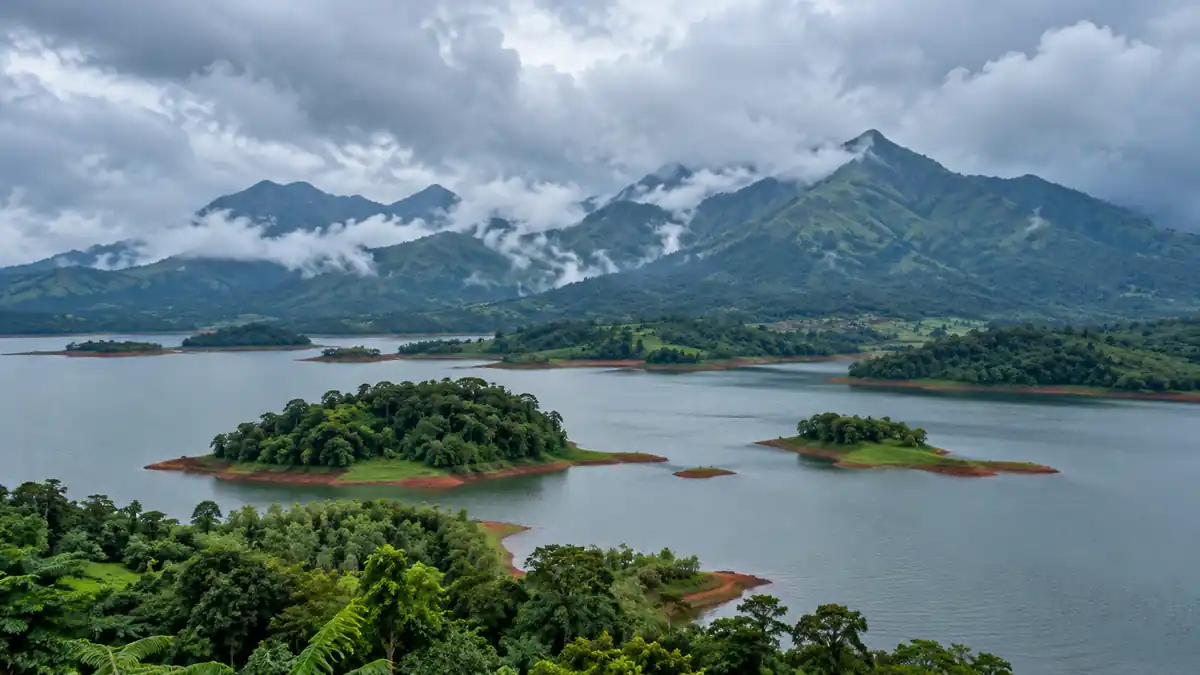
The massive barrier consists of thousands of tons of compacted boulders, gravel, and earth rather than solid poured concrete. When the reservoir fills during the southwest monsoon, submerged hillocks transform into verdant floating islands dotting the blue surface.
Visitors can purchase tickets for high-speed motorboat cruises and pedal boats from the reservoir jetty. An electric golf cart service transports senior citizens from the outer parking gate to the elevated dam embankment. The landscaped gardens, children’s park, and lakeside zipline create an enjoyable half-day outing for families traveling with children.
Soochipara and Meenmutty Waterfalls
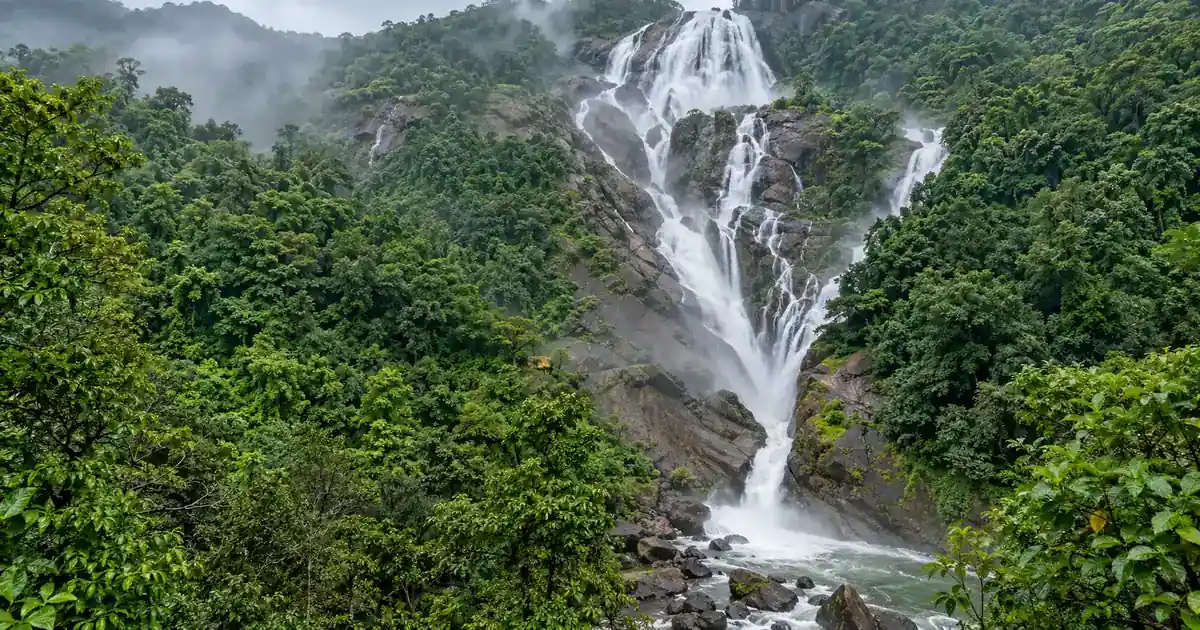
Soochipara Falls, also known as Sentinel Rock Waterfalls, drops through three cascading tiers of dark granite rock within the Vellarimala forest range. The name Soochipara derives from the needle-like rock face that guards the plunge pool. The falls plummet nearly 200 meters into a wide pool where visitors enjoy wading under the supervision of forest lifeguards.
The walking approach involves a moderately steep two-kilometer downhill paved trail through private tea estates and shaded bamboo thickets. Forest check-posts at the entrance collect single-use plastic bottles, returning a security deposit upon presentation of the tagged plastic items on exit.
Meenmutty Falls, located near Padinjarathara and the Banasura catchment area, offers an even more secluded forest experience. Reaching its upper viewpoints demands a more strenuous hike through rocky forest tracks. Because water currents surge rapidly following heavy rain showers, visitors must heed local warnings and avoid swimming when warning flags are hoisted.
Pookode Lake and Lakkidi Viewpoint
Pookode Lake is a natural freshwater lake tucked between evergreen forests and mountain ridges at an altitude of 770 meters, three kilometers from Vythiri. The lake resembles the geographic map of India in physical outline, adorned with pink water lilies and blue lotus blooms.
A well-maintained one-kilometer walking path circles the entire perimeter, offering peaceful strolls beneath towering teak and mahogany trees. Boating facilities include pedal boats and rowboats managed by the District Tourism Promotion Council (DTPC). The adjacent freshwater aquarium displays endemic fish varieties found throughout the Western Ghats river systems.
Two kilometers down the highway lies Lakkidi Viewpoint, famously referred to as the Gateway of Wayanad. Situated at the crest of the Thamarassery Churam ghat pass, the overlook provides views across nine hairpin turns dropping toward the Kozhikode coastal plains. Nearby stands the historic Chain Tree, an enormous ficus tree wrapped in heavy iron chains commemorating Karinthandan, a native tribal guide who assisted British engineers in charting the mountain route.
Wildlife Sanctuaries and River Islands
Spanning the borders of Kerala, Karnataka, and Tamil Nadu, Wayanad serves as an indispensable refuge for threatened mammals and forest birds. Two prominent eco-tourism destinations allow visitors to observe native wildlife and explore unique riverine island ecosystems.
Regulated eco-tours and forest community programs can be reviewed through the Kerala Tourism Eco-Tourism Directory.
Wayanad Wildlife Sanctuary: Muthanga and Tholpetty Safaris
Established in 1973, Wayanad Wildlife Sanctuary forms an integral component of the Nilgiri Biosphere Reserve. Spanning over 344 square kilometers, the sanctuary is divided into two separate non-contiguous ranges: Muthanga in the south along the Karnataka border and Tholpetty in the north.
Both ranges consist of moist deciduous and semi-evergreen forests interspersed with bamboo brakes and open swamps. The sanctuary maintains one of the largest protected populations of Asian elephants in South India under Project Elephant. During forest safaris, visitors frequently spot spotted deer, sambar, wild boar, barking deer, Malabar giant squirrels, and herds of Indian gaur (bison).
Jeep safaris operate twice daily during morning and late afternoon windows. Each safari lasts roughly two hours, conducted in official open-top four-wheel-drive vehicles accompanied by certified forest department tribal trackers. Visitors must pre-register in person at the respective range counters or through the Kerala Forest Department booking window.
Kuruvadweep: River Island Bamboo Rafting on Kabini
Kuruvadweep, or Kuruva Island, is an uninhabited 950-acre delta cluster comprising numerous small river islands along the Kabini River. Located near Mananthavady, this protected eco-reserve protects dense evergreen flora, rare orchid varieties, and resident migratory birds.
Access to the main islands requires crossing gentle river channels aboard traditional bamboo rafts steered by local boatmen. Elevated wooden walkways, hanging bridges, and shaded nature paths guide visitors through the interior forest without disturbing ground nests.
To safeguard the delicate river delta ecosystem, the Forest Department restricts daily visitor footfall and enforces a zero-plastic rule across the islands. During the height of the southwest monsoon between June and September, swollen river currents force authorities to shut access completely for traveler safety.
Visitor Information: Timings, Entry Fees and Permit Guidelines
Careful planning ensures you navigate Wayanad’s ticket counters, vehicle quotas, and seasonal timings smoothly. Below is a detailed breakdown of current tariffs and operational schedules for Wayanad’s primary attractions.
| Attraction | Operational Timings | Entry Fee (Adult) | Camera & Activity Charges | Key Visitor Notes |
|---|---|---|---|---|
| Edakkal Caves | 8:30 AM – 4:00 PM (Closed Mondays) | ₹50 per person | ₹30 still camera; ₹150 video | 300 steep rock steps; capped visitor entries |
| Chembra Peak Trek | 7:00 AM – 2:00 PM (Daily) | ₹1,500 group of 5 | Guide fee included in permit | Capped at 200 trekkers daily; reach Meppadi early |
| Banasura Sagar Dam | 9:00 AM – 5:00 PM (Daily) | ₹40 per person | ₹850 speed boat (5 pax); ₹200 pedal boat | Shuttle carts available for senior travelers |
| Muthanga Safari | 7:00 AM – 10:00 AM & 3:00 PM – 5:00 PM | ₹110 per person | ₹850 jeep hire + ₹100 forest guide | First-come, first-served safari counters |
| Kuruvadweep | 9:00 AM – 4:00 PM (Seasonal) | ₹110 per person | ₹300 bamboo raft ride | Closed during high monsoon water levels |
| Pookode Lake | 9:00 AM – 5:30 PM (Daily) | ₹30 per person | ₹150 pedal boat (2 pax); ₹250 (4 pax) | Easy flat perimeter walking trail |
| Soochipara Falls | 9:00 AM – 4:30 PM (Daily) | ₹80 per person | ₹50 camera charge | Moderate downhill walk; plastic bottles deposits |
| Thirunelly Temple | 5:30 AM – 12:00 PM & 5:30 PM – 8:00 PM | Free entry | Special puja tickets ₹50–₹250 | Modest dress code enforced; morning rituals |
Trek Registration and Safety Directives
All trekking routes through protected forest zones require official clearance from the Kerala Forest and Wildlife Department. Independent off-trail wandering is strictly prohibited due to active wildlife movements, including solitary elephant herds and leopards.
Trekkers should carry adequate drinking water in reusable metal bottles, wear sturdy hiking shoes with deep rubber treads, and pack light rain jackets. In monsoon months, forest trails harbor forest leeches, which can be deterred by applying tobacco powder or salt to socks.
Best Time to Visit Wayanad and Seasonal Weather Patterns
Wayanad enjoys a subtropical highland climate with cool temperatures prevailing throughout the year. However, seasonal shifts significantly impact trail conditions, waterfall volumes, and safari accessibility.
Winter Season (October to February)
Winter represents the peak tourism season across Wayanad. Daytime temperatures average between 20°C and 28°C, while crisp evening breezes cause temperatures to dip to 12°C in higher altitudes like Vythiri.
Skies remain clear, humidity is minimal, and walking conditions are ideal for the Chembra Peak and Edakkal Cave climbs. Waterfalls retain generous volumes following the autumn rains, while wildlife gathers around sanctuary watering holes.
Summer Season (March to May)
Summer brings warmer daytime temperatures ranging from 25°C to 33°C. While midday can feel warm, Wayanad remains considerably cooler than the sweltering coastal plains of Kozhikode and Kannur.
Mornings and evenings remain pleasant, making this an excellent window for budget travelers seeking discounted resort rates and smaller crowds. Water levels in lakes and smaller waterfalls begin receding toward the end of April.
Southwest Monsoon (June to September)
Wayanad experiences vigorous rainfall during the southwest monsoon, often receiving over 3,000 mm of precipitation annually. The highland landscape transforms into an intense expanse of emerald green, with mountain cataracts roaring at full capacity.
Travelers who appreciate quiet plantation stays, Ayurvedic spa rejuvenation, and rain photography find the monsoon magical. However, outdoor trekking trails often close due to slippery slopes and occasional mudslide alerts along mountain roads.
Curated 3-Day Wayanad Sightseeing Itinerary
A three-day itinerary allows travelers to explore Wayanad’s diverse attractions without spending excessive hours driving along winding mountain roads. Because the district spans over 2,100 square kilometers, grouping sights by geographical clusters is essential.
Travelers seeking a combined multi-day mountain road trip through the southern Western Ghats can connect Wayanad with the coffee estates of Karnataka featured in our places to visit in Coorg guide.
Day 1: Heritage, Prehistory and Ancient Shrines (East & North)
- Morning (8:30 AM to 12:00 PM): Ascend Ambukuthi Mala to inspect the ancient Neolithic rock carvings inside Edakkal Caves. Afterward, browse the historic hero stones at the Wayanad Heritage Museum in Ambalavayal.
- Afternoon (1:00 PM to 3:30 PM): Drive toward Sulthan Bathery for a traditional Kerala lunch. Visit the historic 14th-century Bathery Jain Temple, which served as an ammunition battery for Tipu Sultan’s army.
- Evening (4:30 PM to 6:30 PM): Drive north toward Thirunelly Temple. Experience evening prayers amidst mountain mist and take a peaceful walk beside the Papanasini stream.
Day 2: Alpine Treks, Lakes and Forest Waterfalls (South & West)
- Morning (7:00 AM to 11:30 AM): Arrive early at the Meppadi forest counter to secure a trek permit for Chembra Peak. Hike past lush tea slopes to reach the heart-shaped lake at Hridayathadakam.
- Afternoon (12:30 PM to 3:30 PM): Head down to Soochipara Falls for a refreshing walk through tea plantations and view the three-tiered rock cascade.
- Evening (4:30 PM to 6:30 PM): Drive west to Pookode Lake. Enjoy a pedal boat ride across the lotus-covered water, followed by sunset views over the ghats from Lakkidi Viewpoint.
Day 3: Dams, River Islands and Wildlife Safaris (Central & North)
- Morning (9:00 AM to 12:30 PM): Tour Banasura Sagar Dam. Walk along the earthen reservoir embankment and take an exhilarating speedboat cruise around the floating islands.
- Afternoon (1:30 PM to 4:00 PM): Travel to Kuruvadweep near Mananthavady. Cross the river channels on bamboo rafts and wander through shaded riverine forest walkways.
- Evening (4:30 PM to 6:30 PM): Conclude your trip with an open-top jeep safari through the Tholpetty or Muthanga wildlife ranges to spot wild elephant herds and Indian gaur before sunset.
How to Reach Wayanad: Airport, Rail and Ghat Highway Logistics
Wayanad does not have an active railway station or operational commercial airport within its immediate district borders. However, robust highway links and nearby transit hubs ensure smooth connectivity from major Indian metropolitan centers.
By Air
The nearest airport is Calicut International Airport (CCJ) at Karipur, located roughly 90 kilometers southwest of Kalpetta. The airport operates frequent domestic flights to Mumbai, Delhi, Bengaluru, and Chennai, alongside regular non-stop flights to Gulf hubs.
Kannur International Airport (CNN) is another convenient option, situated 85 kilometers northwest of Mananthavady. Private airport taxis and rental cars take approximately two and a half to three hours to negotiate the mountain routes into Wayanad.
By Rail
The closest primary railhead is Kozhikode Railway Station (CLT), located 75 kilometers from Kalpetta. Kozhikode connects to major trunk railway corridors across Kerala, Tamil Nadu, and Karnataka, welcoming daily express trains from Mumbai, New Delhi, Bengaluru, and Kochi.
Taxis and state-operated KSRTC buses operate around the clock from Kozhikode railway station to Sulthan Bathery, Kalpetta, and Mananthavady via the national highway. Long-distance coastal rail links also make it easy to pair northern Wayanad hills with southern landmarks such as Jatayu Earth’s Center in Kollam district.
By Road and Mountain Passes
National Highway 766 connects Kozhikode in Kerala with Kollegal in Karnataka via Mysore, passing directly through Kalpetta and Sulthan Bathery. The mountain section involves the famous Thamarassery Churam pass, featuring nine hairpin turns offering panoramic views of the coastal lowlands.
From Bengaluru, private vehicles can drive via Mysuru, Gundlupet, and the Bandipur forest corridor, covering approximately 280 kilometers in six to seven hours. Drivers should note that night traffic through the Bandipur and Nagarhole tiger reserve sections remains strictly prohibited between 9:00 PM and 6:00 AM to safeguard crossing animals.
Local Malabar Cuisine, Spices and Homestay Culture
Dining in Wayanad reflects the distinct culinary heritage of the Malabar region, enriched by abundant local spices and fertile farmland harvests.
Signature Local Dishes
- Malabar Biryani: Fragrant Kaima rice cooked with tender mutton or chicken, ghee, and mild spices, served with date pickle and coconut raita.
- Appam with Vegetable Stew: Fluffy fermented rice pancakes with crisp lacy edges, paired with a coconut milk curry infused with ginger and green chilies.
- Bamboo Rice Payasam: A sweet dessert porridge prepared from rare bamboo seeds collected by indigenous forest tribes, simmered with jaggery and rich coconut milk.
- Pathiri and Fish Curry: Wafer-thin steamed rice rotis served alongside spicy, tangy Malabar fish curry flavored with kokum.
Farm Fresh Spices and Plantation Shopping
Wayanad’s fertile soil and cool mountain climate produce some of the finest spices in the world. Visitors should visit local spice farm cooperatives in Meppadi, Kalpetta, or Ambalavayal to purchase freshly harvested black pepper, green cardamom, cinnamon quills, cloves, and vanilla beans.
Highland coffee is another specialty. Wayanad produces premium Robusta and Arabica beans, prized for their rich aroma and chocolatey undertones. You can also buy pure forest honey harvested by local tribal communities, along with organic tea leaves and handmade bamboo craft items.
Eco-Resorts and Plantation Homestays
Wayanad is renowned for its immersive accommodation options that allow travelers to stay inside functional coffee, pepper, and tea estates. Many historic colonial bungalows have been converted into heritage homestays where guests enjoy authentic home-cooked meals prepared with estate-grown produce.
For nature lovers, specialized eco-lodges offer rustic wooden treehouses built high in the rainforest canopy, providing views of mist-clad valleys and early morning bird calls. These properties frequently organize guided morning plantation walks, birdwatching trails, and campfire sessions.
Frequently Asked Questions About Visiting Wayanad
How many days are ideal for a Wayanad trip?
A stay of three full days is recommended to comfortably experience the main highlights, including Edakkal Caves, Chembra Peak, Banasura Sagar Dam, and a forest wildlife safari. Travelers who prefer relaxed nature walks or extensive plantation homestay experiences can easily spend four to five days.
Is Chembra Peak trek open throughout the year?
The trek to the heart-shaped lake is generally open from October through May. During the heavy southwest monsoon between June and August, forest authorities occasionally suspend trekking permits to protect hikers from slippery steep paths and mountain torrents. Always confirm with the Meppadi Forest Range Office before departing.
Which wildlife sanctuary is better: Muthanga or Tholpetty?
Both sanctuaries belong to the same Nilgiri Biosphere corridor and offer similar chances of observing wild elephants, spotted deer, and Indian gaur. Muthanga is more convenient for travelers staying near Sulthan Bathery or entering from Karnataka via Bandipur. Tholpetty is well suited for visitors based in northern Wayanad near Mananthavady.
Can we drive to Wayanad at night?
While the Thamarassery Churam ghat road from Kozhikode is open 24 hours, the interstate highway routes connecting Karnataka via Bandipur National Park (NH 766) and Nagarhole enforce a strict night traffic ban between 9:00 PM and 6:00 AM. Plan your highway journey to clear the forest check-posts well before 8:30 PM.
Is Wayanad safe for family travel with young children?
Yes. Wayanad is an exceptionally welcoming destination for families. Sights such as Banasura Sagar Dam, Pookode Lake, and the Wayanad Heritage Museum feature gentle walking paths and family-friendly amenities. Only the upper climbs at Edakkal Caves and Chembra Peak require moderate physical exertion.