Sethan Valley Manali: Igloo Stays, Snowboarding & 4x4 Route
Complete guide to Sethan Valley near Manali: handcrafted snow igloo stays, Hampta slopes snowboarding, Khampa Buddhist culture, 4x4 road route, and permits.
Perched at an elevation of 2,700 meters (8,850 feet) above the Kullu Valley, Sethan Valley is one of Himachal Pradesh’s most distinctive offbeat mountain hamlets. Located just 12 kilometers southeast of central Manali, this small Buddhist settlement looks out over the snow-draped Dhauladhar and Pir Panjal mountain ranges.
While mainstream crowds head to the ski slopes of Solang or the highway through the Atal Tunnel, Sethan remains an authentic winter snow sanctuary. The village is inhabited by approximately twenty families belonging to the Khampa pastoral community.
Sethan Valley Travel Essentials
- Elevation: 2,700 meters (8,850 feet) above sea level in the Hampta Valley foothills.
- Distance from Manali: 12 kilometers via Prini village and the 35 hairpin bends road.
- Signature Winter Experience: Handcrafted snow igloo stays with sub-zero thermal sleeping gear.
- Adventure Sports: Backcountry snowboarding, splitboarding, snowshoeing, and bouldering on granite crags.
- Winter Temperatures: Daytime highs between -2°C and 6°C; nighttime campsite lows dropping to -14°C.
- Vehicle Access Requirement: Four-wheel-drive (4x4) vehicle fitted with metal tire chains during winter months.
- Permits: Hydro-electric project checkpost permit collected at the Forest Department gate near Prini.
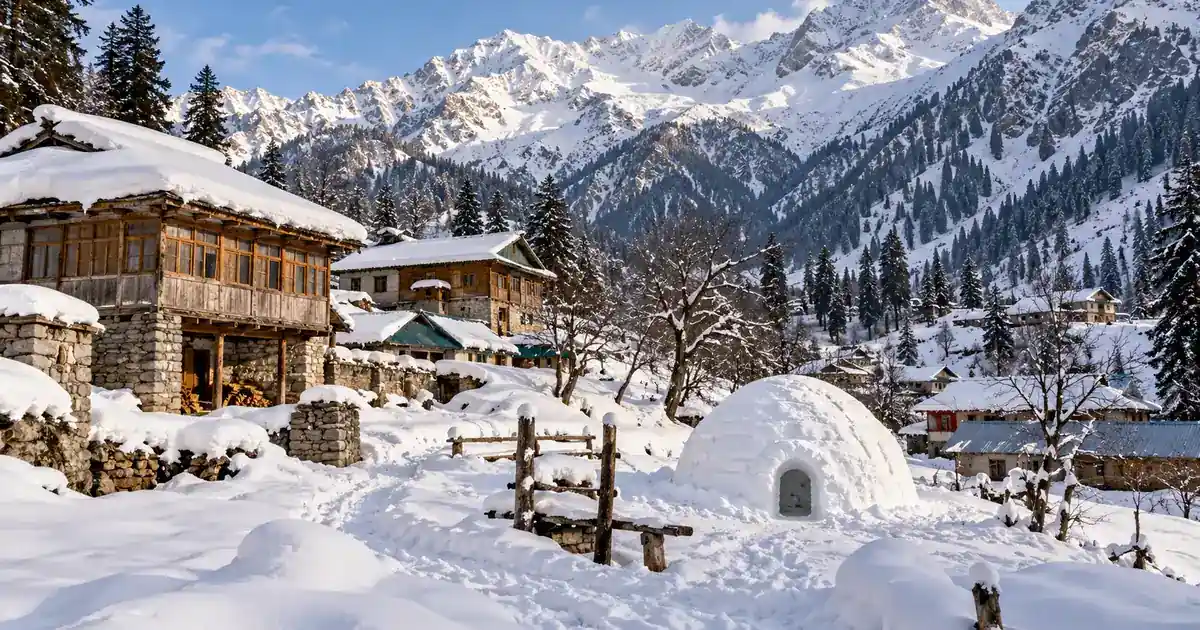
During the deep winter months from late December to early March, heavy snowfall blankets Sethan under four to six feet of powder snow. Local youth build authentic geodesic snow igloos where travelers can spend the night under starry alpine skies.
| Metric & Parameter | Specification | Practical Detail & Visitor Significance |
|---|---|---|
| Road Ascent | 35 hairpin switchbacks | Steep, narrow mountain road climbing 700 vertical meters from Prini |
| Winter Snow Depth | 3 to 6 feet of snow | Ideal powder snow conditions for backcountry skiing and igloo construction |
| Igloo Availability | Mid-January to early March | Dependent on sub-zero freeze temperatures to maintain structural ice dome integrity |
| Permit Gate | Hydro Project Barrier at Prini | Nominal green road maintenance fee (₹100 per vehicle) checked at entry |
| Mobile Coverage | Jio and Airtel 4G available | Dependable cellular coverage in village, but power cuts occur during blizzards |
| Nearest Fuel Station | Aleo, Manali (10 km) | Zero petrol pumps or charging points on the mountain road above Prini |
What is Sethan Valley: Manali’s Offbeat Winter Snow Sanctuary
Sethan functions as the gateway to the Hampta Pass wilderness trek. While the crowded markets of Mall Road and Old Manali receive thousands of tourists daily, Sethan retains a slow, peaceful Himalayan rhythm.
The village is situated on a wide mountain terrace high above the Beas River basin. Because it is surrounded by protected forest reserves, commercial construction is strictly controlled, preserving the rustic wooden character of the houses.
Travelers looking for diverse mountain environments across Himachal Pradesh can consult our foundational directory of top places to visit in India for seasonal planning charts and high-altitude packing advice.
The Contrast Between Commercial Manali and Secluded Hampta Slopes
The difference between central Manali and Sethan is immediate. While town roads below can experience heavy holiday traffic jams, the winding ascent past Prini leaves commercial congestion far behind.
As you climb higher, apple orchards give way to towering Himalayan cedars, blue pines, and silver fir trees. The air becomes crisp and clean, carrying the scent of pine needles and woodsmoke.
From the village edge, visitors enjoy dramatic views across the valley floor. Looking west, the towering pyramid of Friendship Peak (5,289 meters) and Hanuman Tibba (5,982 meters) dominate the horizon, their massive glaciers catching the evening light.
Restricted Vehicle Access Preserving Traditional Mountain Quiet
One reason Sethan has escaped mass commercialization is the steep mountain road that connects it to the valley floor. The single-lane road requires skilled mountain driving and reliable four-wheel-drive traction.
The local Khampa community and the Kullu Forest Department have actively worked to protect the valley from unchecked hotel construction. Accommodations consist primarily of homestays, small eco-lodges, and seasonal adventure camps.
Nighttime in Sethan is quiet. With minimal light pollution from the valley below, the night sky reveals the brilliant arch of the Milky Way, framed by the dark silhouettes of the surrounding mountain peaks.
Handcrafted Snow Igloo Stays: Booking, Tariff & Sub-Zero Comfort
The signature attraction that put Sethan on India’s winter travel map is the development of handcrafted snow igloos. In early 2016, local adventure instructors began constructing authentic Inuit-style snow dwellings on the upper meadows above the village.
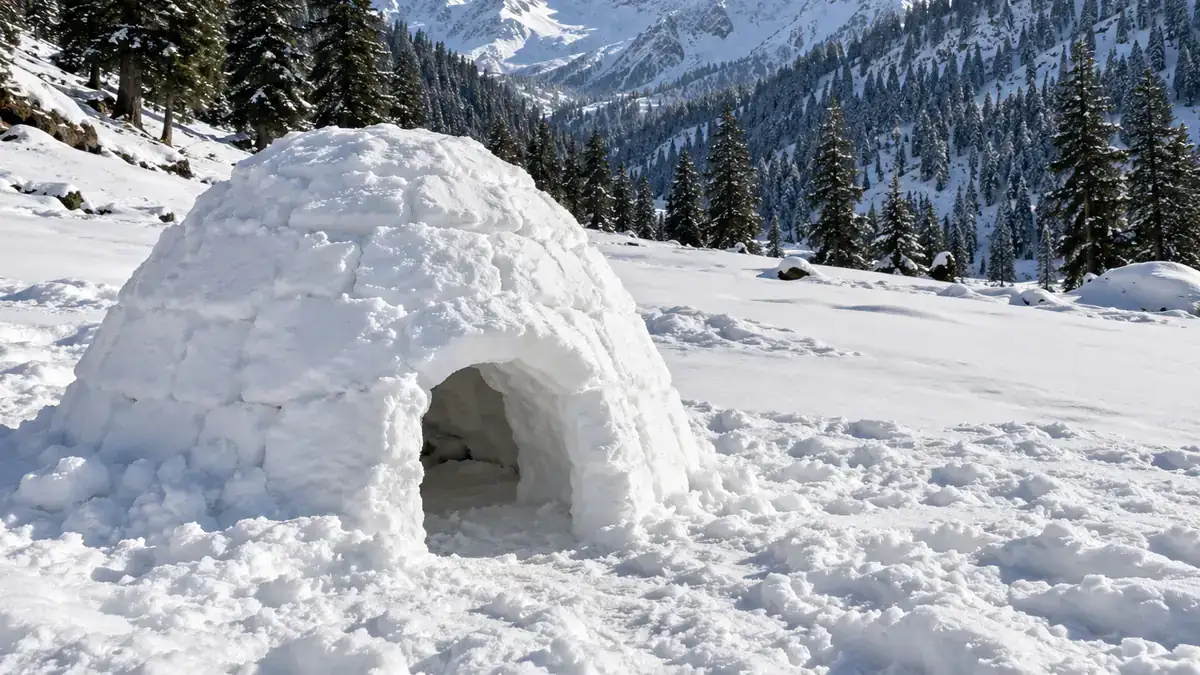
Today, staying inside an igloo has become one of the most sought-after winter experiences in northern India.
District winter tourism regulations, snow road advisories, and administrative notices can be reviewed on the District Kullu Official Tourist Portal.
| Igloo Feature | Metric / Specification | Guest Experience & Practical Function |
|---|---|---|
| Dome Dimensions | 10 to 12 feet diameter, 8 feet height | Accommodates 2 adults comfortably with luggage and footwear bay |
| Internal Temperature | Steady -1°C to 2°C inside | Dense snow blocks trap body warmth, insulating against -14°C exterior winds |
| Bedding System | Double foam mattress, sub-zero sleeping bag | Thermal insulation pad, hot water bottles, fleece inner liners |
| Booking Tariff | ₹4,500 to ₹7,000 per person/night | Includes overnight igloo stay, bonfire, hot dinner, and breakfast |
| Day Visit Experience | ₹500 to ₹1,000 per person | Access to igloo site, photography, snow sledding, and hot kehwa tea |
| Operational Season | January 10 to March 05 | Strictly weather dependent; melts as daytime temperatures rise in spring |
Architectural Construction of Geodesic Snow Domes
Building a durable snow igloo is a labor-intensive craft requiring specialized techniques and specific snow conditions.
- Snow Compaction and Curing: Fresh powder snow cannot be used directly for building. Builders shovel deep snow into mounds and compact it firmly, allowing the snow crystals to sinter and bond over 24 to 48 hours under sub-zero night temperatures.
- Block Cutting and Assembly: Using snow saws, workers carve solid rectangular blocks measuring roughly two feet by one foot. These blocks are laid in an ascending inward-leaning spiral, creating a self-supporting geodesic dome.
- Thermal Sealing: The exterior seams are packed with fine snow slurry that freezes solid overnight, forming an airtight barrier that resists mountain winds.
- Entrance Tunnel: A small, lowered entrance tunnel prevents cold outside air from entering the sleeping chamber while allowing heavier cold air inside to sink downward.
Sub-Zero Thermal Sleeping Bags, Foam Mats & Hot Water Bottles
A common concern among first-time visitors is whether sleeping inside a room made of ice is uncomfortably cold. In reality, dense snow acts as an effective natural insulator, keeping the interior temperature around 0°C even when outside mountain winds drop to -15°C.
Guests sleep on thick wooden pallets topped with high-density closed-cell foam mattresses and moisture-resistant ground tarps. Organizers provide expedition-grade dual-layer down sleeping bags rated for -20°C temperatures, complete with soft fleece inner liners.
Before bedtime, hosts place hot water bottles inside each sleeping bag to pre-heat the bedding, ensuring guests sleep warmly throughout the sub-zero night.
Bonfires, Stargazing & Mountain Meals Under Winter Skies
Evenings at the igloo camps are social and atmospheric. Camp organizers build central log bonfires in a cleared snow pit outside the domes, where guests gather to share stories and warm themselves.
Camp cooks serve piping hot mountain food straight from the kitchen tent. Meals typically include steaming vegetable soups, buttered roti, spicy chicken or paneer curry, dal makhani, and warm gulab jamuns.
Local hosts also brew traditional saffron kehwa tea and sea buckthorn infusions, providing natural warmth and high vitamin C to help with altitude acclimatization.
Backcountry Snowboarding, Skiing & Hampta Valley Winter Treks
Beyond igloo stays, Sethan Valley is celebrated as northern India’s foremost hub for backcountry snowboarding, splitboarding, and snowshoeing. Unlike groomed resort slopes with chairlifts, Sethan offers untamed alpine bowls covered in dry powder snow.
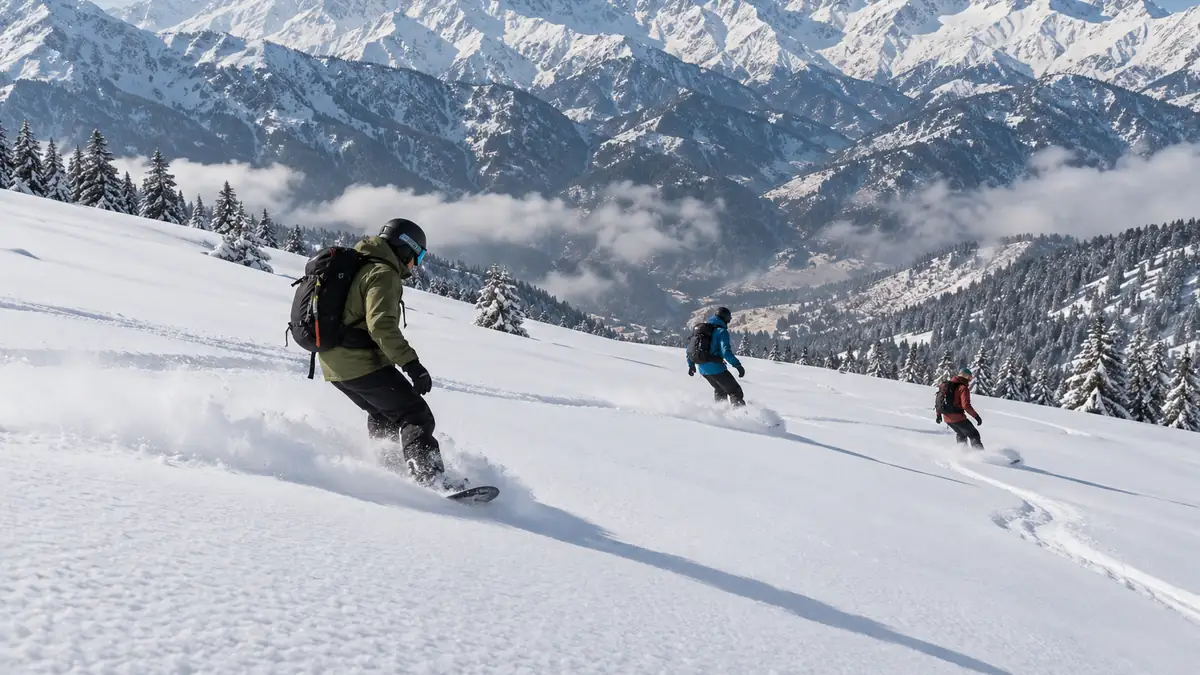
Adventure travelers often compare these quiet backcountry routes with the ski slopes and ropeways detailed in our Solang Valley adventure sports guide.
| Winter Sport / Activity | Ideal Terrain Location | Skill Level Required | Equipment & Guide Logistics |
|---|---|---|---|
| Backcountry Snowboarding | Upper Hampta slopes and Sethan bowl | Intermediate to Advanced | Splitboards, avalanche beacons, local certified mountain guide |
| Downhill Ski Touring | Chikka ridge and Jobra snowfields | Intermediate to Advanced | Touring skis with climbing skins, alpine boots, collapsible poles |
| Guided Snowshoeing | Pine forest trails above Sethan village | Beginner to All Levels | Lightweight aluminum snowshoes, trekking poles, warm boots |
| Granite Bouldering | Sethan bouldering field (Lower village) | Beginner to Expert | Crash pads, chalk bags, climbing shoes (May to November) |
| Snow Sledding & Tubes | Gentle nursery slopes beside igloo camp | Beginner and Families | Plastic sleds and inflatable snow tubes rented on-site |
Untamed Powder Snow Slopes for Snowboarding Enthusiasts
The geography of the Hampta Valley creates ideal snow conditions for winter riders. Because the upper valley is sheltered from direct sun exposure by high ridgelines, snow remains cold, dry, and powdery for weeks without crusting over.
Riders hike up the gentle ridgelines using splitboards or snowshoes before dropping down wide, open powder fields. The natural terrain features rolling snow banks, natural kickers, and wide gullies that provide exhilarating backcountry lines without the crowds found at mainstream ski resorts.
Local snowboard schools based in Sethan provide multi-day beginner and intermediate training courses, supplying boards, boots, helmets, and avalanche safety gear.
Day Hikes to Jobra and the Frozen Hampta Riverbed
For travelers who prefer walking on snow, Sethan offers rewarding day treks along the historic Hampta Pass trail.
The most popular winter hike leads from Sethan to Jobra, located approximately 4 kilometers further up the valley at an altitude of 2,900 meters. The trail winds through silent forests of Himalayan birch and cedar, crossing gentle snowfields where animal tracks of foxes and mountain hares can be spotted in the snow.
At Jobra, the frozen Hampta River flows beneath thick sheets of blue ice. Hikers can enjoy packed lunches while admiring panoramic views of the Deo Tibba range before returning to Sethan before afternoon shadows lengthen.
Khampa Heritage: Buddhist Culture & Mountain Village Life
Sethan possesses a cultural heritage that sets it apart from the Hindu-majority villages of the lower Kullu Valley. The settlement was founded by Buddhist pastoralists belonging to the Khampa community.
The Khampas originally migrated from the rugged Kham region of eastern Tibet in the 1950s. Recognizing their high-altitude pastoral skills, the Indian government allocated high forest land at Sethan to these families, allowing them to continue their traditional horse-breeding and sheep-herding livelihoods.
Detailed regional heritage overviews, district handicrafts, and temple locations are published on the Incredible India Himachal Pradesh Portal.
| Cultural Dimension | Tradition / Custom | Heritage Significance in Sethan |
|---|---|---|
| Spiritual Faith | Tibetan Vajrayana Buddhism | Daily prayers, mani stone carving, spinning brass prayer wheels |
| Traditional Language | Khampa Tibetan dialect & Hindi | Spoken among elders, with younger generations fluent in Hindi and English |
| Architectural Style | Timber-and-stone alpine masonry | Flat slate roofs, ground-floor livestock stalls, wooden upper living quarters |
| Livelihood Heritage | Pastoral grazing & mountaineering | Formerly sheep herding; today youth work as certified mountain guides |
| Festive Celebrations | Losar (Tibetan New Year) | Celebrated in February with butter lamps, masked dances, and special feasts |
History of Tibetan Khampa Settlers in the Upper Valley
When the Khampa families first settled at Sethan, the location was an uninhabited mountain ridge accessible only by footpaths. The settlers built sturdy wooden homes designed to withstand heavy winter snowfalls and freezing winds.
Because the Khampas were skilled mountain travelers who knew how to navigate harsh winter terrain, they quickly established themselves as invaluable guides and porters for early mountaineering expeditions heading into the Great Himalayas.
Today, nearly every household in Sethan has family members working as certified trekking leaders, ski instructors, or wilderness rescue specialists across Himachal Pradesh, Ladakh, and Uttarakhand.
Village Architecture: Wooden Houses, Prayer Flags & Mani Stones
Walking through the narrow footpaths of Sethan reveals a timeless mountain environment. Traditional houses are built from heavy deodar logs and hand-chiseled river stone, with large woodpiles stacked beneath overhanging eaves to fuel winter stoves.
Brightly colored Buddhist prayer flags (Lungta) flutter on tall wooden poles above every rooftop, sending prayers of peace, compassion, and strength across the mountain winds.
At the entrance to the village stands a collection of hand-carved stone tablets called mani stones, inscribed with the sacred Buddhist mantra Om Mani Padme Hum. Visitors are welcomed with warmth, provided they respect village quiet and adhere to eco-conscious travel ethics.
How to Reach Sethan from Prini: 35 Hairpin Bends & 4x4 Requirements
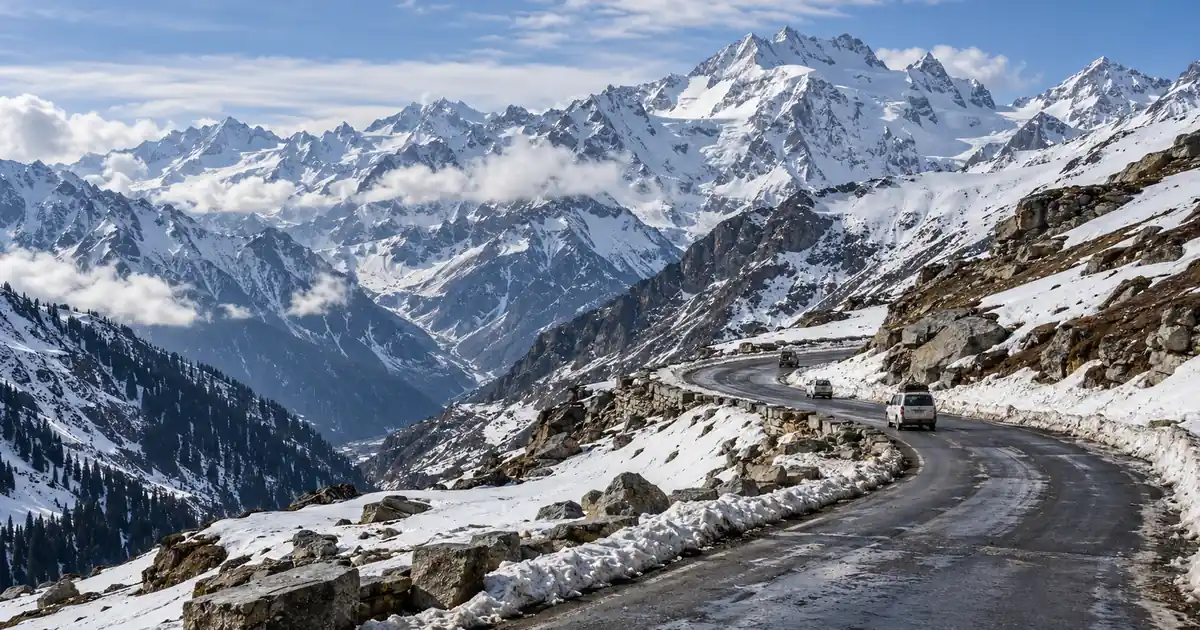
Reaching Sethan Valley is an exciting mountain adventure in itself. The village is located 12 kilometers southeast of Manali, accessed via a winding mountain road that branches off the main Naggar-Manali highway at Prini village.
Because the road climbs steeply through 35 sharp hairpin bends, traveling here requires careful route planning, particularly during the winter snow season.
Comprehensive road connectivity data, regional taxi stands, and interstate transit connections are documented on the District Kullu Transit and Transport Information Portal.
| Route Checkpoint | Distance from Prini | Elevation | Road Character & Transit Landmark |
|---|---|---|---|
| Prini Village Junction | 0 km | 2,050 m | Road fork off Naggar Highway; small grocery shops and tire puncture stalls |
| Hydro Project Checkpost | 2.5 km | 2,200 m | Forest barrier; vehicle permit verification and entry registration |
| Bend 15 (Pine Forest Zone) | 5.5 km | 2,400 m | Narrow single-lane tarmac climbing through dense cedar woods |
| Bend 28 (Snow Line Entry) | 9.0 km | 2,580 m | Road surface transitions to hard-packed snow and ice during winter |
| Sethan Village Roadhead | 12.0 km | 2,700 m | Final vehicular terminus; homestays, parking bays, and igloo trailheads |
The 12-Kilometer Ascent Through 35 Hairpin Curves
The journey begins at Prini, a peaceful village situated on the left bank of the Beas River, 3 kilometers south of the Mall Road in Manali.
From Prini, the road begins an immediate, continuous climb up the forested hillside. The road was originally cut by engineers building the Allain Duhangan Hydroelectric Project. The tarmac winds through 35 numbered hairpin switchbacks, each turn offering wider views over Manali town and the foaming Beas River below.
The road is single-lane throughout, featuring occasional dirt passing bays. Drivers must honk before entering blind turns and yield the right of way to vehicles climbing uphill.
Hydro-Electric Project Barrier and Forest Department Green Tax
Approximately 2.5 kilometers above Prini, vehicles encounter a security checkpoint operated by the local administration and the hydro-electric project authority.
- Vehicle Registration: All visiting vehicles must register their license plate number and driver contact details at the gate.
- Green Road Maintenance Fee: A nominal fee of ₹100 per vehicle is collected to support road maintenance and garbage management along the forest corridor.
- Winter Entry Curfew: During heavy snow warnings, police officers at the barrier restrict entry after 04:00 PM to prevent motorists from getting stranded on icy switchbacks after dark.
4x4 Taxi Union Tariffs from Manali and Prini
During the summer and autumn months from May to November, standard two-wheel-drive hatchbacks and sedans can climb the road to Sethan with careful driving.
However, from late December through mid-March, snow and black ice make the upper bends impassable for normal cars.
- Local 4x4 Taxi Hire: The Manali Taxi Operators Union provides four-wheel-drive Mahindra Thar, Scorpio 4WD, and Maruti Gypsy cabs from the Prini or Manali taxi stands. Round-trip fares range from ₹2,500 to ₹4,000, depending on snow levels and waiting time.
- Fitting Tire Chains: If you are driving your own 4x4 SUV, carry high-tensile steel tire chains and fit them before ascending past the snow line near Bend 25. Never attempt the climb in a front-wheel-drive vehicle when snow warnings are active.
Travelers looking for alternative high-altitude snow drives across Himachal can compare this route with the engineering marvel detailed in our Atal Tunnel to Sissu guide.
Best Season to Visit Sethan: Winter Powder Snow vs Summer Meadows
Sethan Valley offers two completely distinct travel seasons, each catering to different types of travelers.
Visitors looking for broader regional touring ideas can coordinate their mountain holiday with the ancient wooden temples and adventure hubs described in our comprehensive places to visit in Kullu and Manali guide.
| Travel Season | Calendar Window | Temperature Range | Landscape Features & Highlights | Ideal Visitor Profile |
|---|---|---|---|---|
| Winter (Snow & Igloos) | January to Early March | -2°C to 6°C (Day) / -14°C (Night) | Deep powder snow, snow igloos, snowboarding, roaring bonfires | Adventure seekers, couples, photographers |
| Spring (Melting Snow) | Late March to April | 6°C to 14°C (Day) / -2°C (Night) | Snow patches melting, gushing streams, blooming apricot flowers | Solitude seekers, budget travelers, quiet walks |
| Summer (Bouldering & Treks) | May to June | 15°C to 24°C (Day) / 8°C (Night) | Pleasant weather, green alpine pastures, granite bouldering | Trekkers heading to Hampta Pass, rock climbers, families |
| Monsoon (Lush Flora) | July to August | 14°C to 20°C (Day) / 10°C (Night) | Wild mountain flowers, dramatic mist; note risk of road slips | Botanists, offbeat backpackers, landscape painters |
| Autumn (Harvest & Clarity) | September to November | 10°C to 18°C (Day) / 0°C (Night) | Golden apple harvests, crystal-clear skies, sharp peak visibility | Landscape photographers, cultural travelers |
January to February: Deep Powder Snow and Igloo Life
For travelers who want to experience sub-zero winter wonderland conditions, January and February represent the golden months to visit Sethan.
Snow accumulates steadily on the mountain terrace, reaching depths of several feet. The landscape becomes completely white, with snowdrifts hanging from cedar boughs and traditional slate roofs.
This is the only time of year when the handcrafted snow igloos are operational, offering an unforgettable night of high-altitude adventure for those equipped with warm winter clothing.
May to October: Bouldering, Wildflower Meadows & Hampta Treks
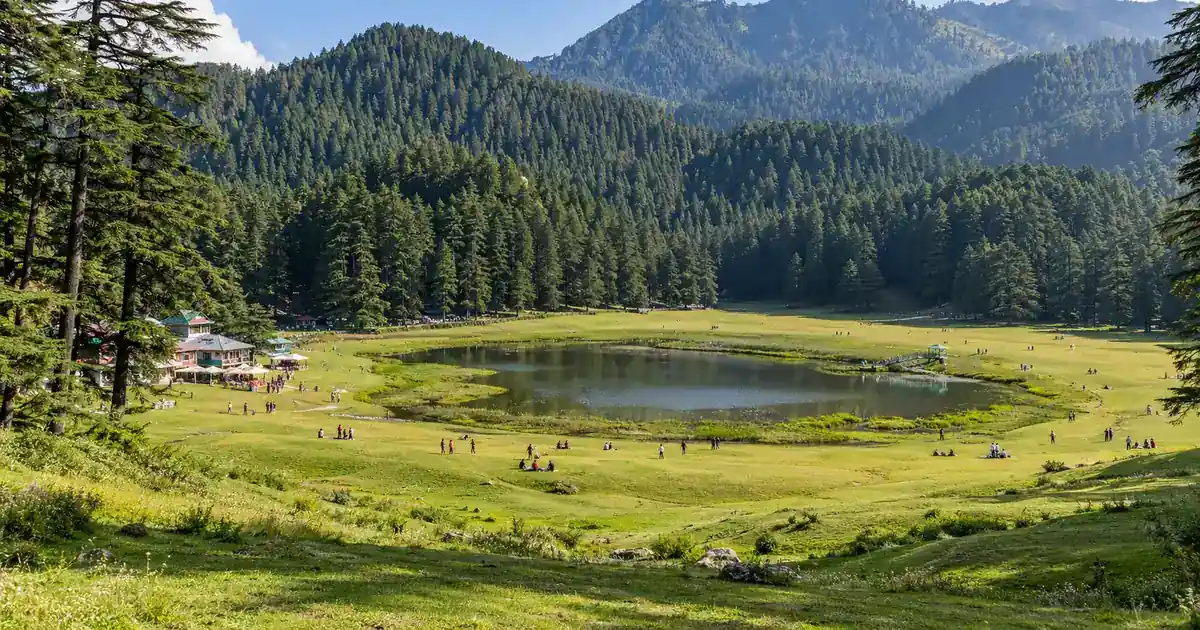
Once the winter snow melts in late April, Sethan sheds its icy blanket and transforms into a lush green alpine paradise.
Summer brings delightful daytime temperatures around 20°C. The valley becomes a magnet for rock climbers, as Sethan’s upper slopes contain hundreds of smooth granite boulders offering world-class climbing routes rated from V0 to V14.
During these months, Sethan also serves as the busy starting base for hikers beginning the celebrated 5-day Hampta Pass and Chandratal Lake trek into Spiti Valley.
Frequently Asked Questions About Visiting Sethan Valley
What is the cost of staying in an igloo in Sethan Valley?
An overnight stay in a handcrafted snow igloo typically costs between ₹4,500 and ₹7,000 per person. The tariff includes the overnight stay in an insulated snow dome, thermal sleeping bags rated for -20°C, an evening bonfire, hot dinner, morning breakfast, and local snow guide assistance.
Which month is best to see igloos in Sethan?
Mid-January to late February is the best window to experience operational igloos in Sethan. By early March, rising daytime temperatures cause the snow domes to melt, ending the winter igloo season.
Can normal cars drive to Sethan in winter?
No, normal front-wheel-drive sedans and hatchbacks cannot navigate the steep, icy 35 hairpin bends leading to Sethan in winter. Only four-wheel-drive (4x4) vehicles equipped with steel snow tire chains are permitted past the Prini checkpost during active snow months.
Do I need a permit to visit Sethan Valley?
Yes, a nominal vehicle entry fee and registration are required at the Hydro Project and Forest Department barrier located 2.5 kilometers above Prini village. The permit fee is ₹100 per vehicle and can be paid in cash at the gate.
Is mobile internet connectivity available in Sethan?
Yes, Jio and Airtel provide dependable 4G mobile connectivity in Sethan village. However, heavy winter snowstorms can cause temporary local power outages, so travelers should carry fully charged portable power banks.
How far is Sethan from Manali, and how long does the drive take?
Sethan is located 12 kilometers southeast of central Manali. Under clear summer conditions, the drive takes 35 to 45 minutes. During winter snow and ice, the climb in a 4x4 vehicle takes approximately one to 1.5 hours.