23 Best Places to Visit in Kullu Manali: Complete Travel Guide
Explore 23 best places to visit in Kullu Manali, including Solang Valley, Rohtang Pass, Hadimba Temple, Atal Tunnel, adventure sports, timings, and fees.
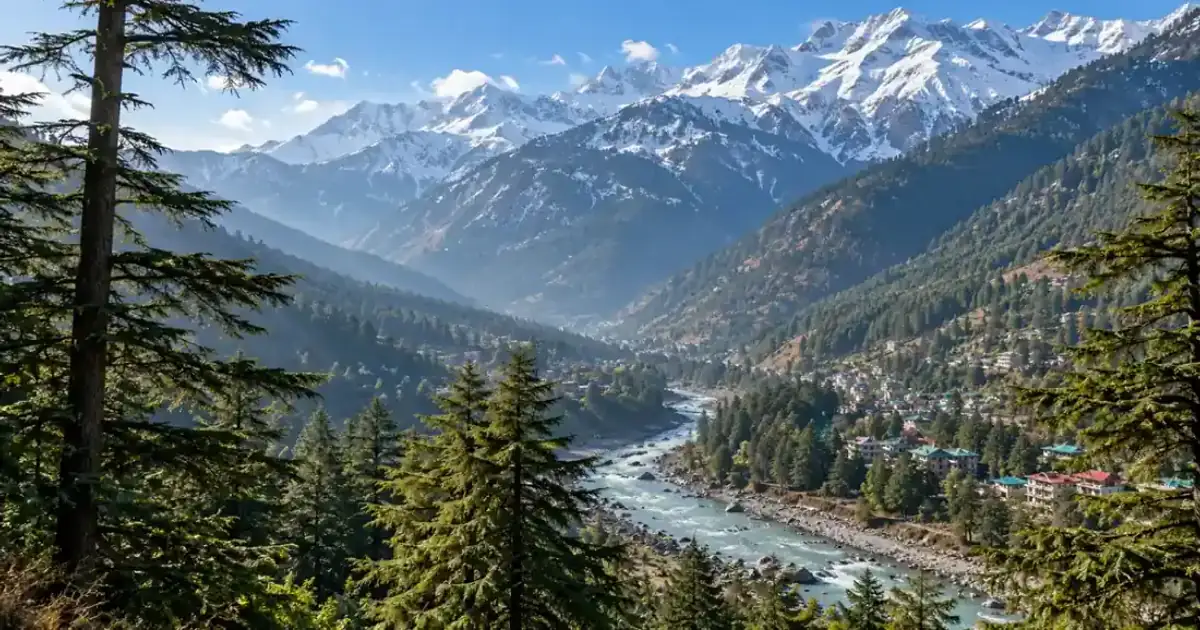
Kullu Valley and Manali form the commercial heart of alpine tourism in Himachal Pradesh, tracing the glacial course of the Beas River across the Pir Panjal and Great Himalayan mountain ranges. As detailed in our comprehensive Himachal Pradesh travel guide, the valley links the state’s southern apple belts with trans-Himalayan high passes. The region combines year-round adventure sports, high-altitude highway passes, ancient deodar cedar forests, and multi-tiered pagoda shrines.
Kullu Manali Travel Essentials
- Manali is situated at an elevation of 2,050 meters along the Beas River in Himachal Pradesh, located 40 km north of Kullu town.
- Summer months between March and June bring pleasant daytime temperatures between 10°C and 25°C, while winter from December to February brings heavy snowfall.
- Major landmarks include Solang Valley, Rohtang Pass at 3,978 meters, the 16th-century Hadimba Temple, and the 9.02 km Atal Tunnel.
- The nearest commercial airport is Bhuntar Airport located 50 km south, while rail travelers connect via Chandigarh Junction 310 km southwest.
Travelers pairing alpine mountain routes with desert heritage circuits can also explore the historic sights in Rajasthan.
Visitor Essentials and Kullu Manali Sightseeing Overview
The tourism corridor divides into Lower Kullu Valley and Upper Manali. Lower Kullu features apple orchards, trout hatcheries, river rafting stretches, and artisan shawl weaving cooperatives. Upper Manali serves as the primary base for trekking routes, cable cars, and high-altitude road journeys.
| Attraction Name | Location / Distance | Elevation | Key Activity | Ideal Duration |
|---|---|---|---|---|
| Solang Valley | 13 km north of Manali | 2,560 meters | Paragliding, ski slopes, ropeway | 3 to 4 hours |
| Rohtang Pass | 51 km north of Manali | 3,978 meters | Snow views, mountain pass drive | 4 to 6 hours |
| Atal Tunnel | 28 km north of Manali | 3,060 meters | Highway transit to Lahaul | 2 to 3 hours |
| Hadimba Temple | Dhungri, Manali | 2,060 meters | 16th-century timber architecture | 1 to 2 hours |
| Vashisht Village | 3 km northeast of Manali | 2,100 meters | Natural hot sulphur baths | 1.5 hours |
| Naggar Castle | 21 km south of Manali | 1,760 meters | Medieval woodwork, art gallery | 2 to 3 hours |
| Jogini Waterfall | 4 km north of Vashisht | 2,200 meters | Forest hiking, stream crossings | 2 to 3 hours |
Travelers can compare this northern alpine corridor with the colonial ridges and historic toy train found across our places to visit in Shimla travel guide.
High-Altitude Passes and Adventure Hubs Near Manali
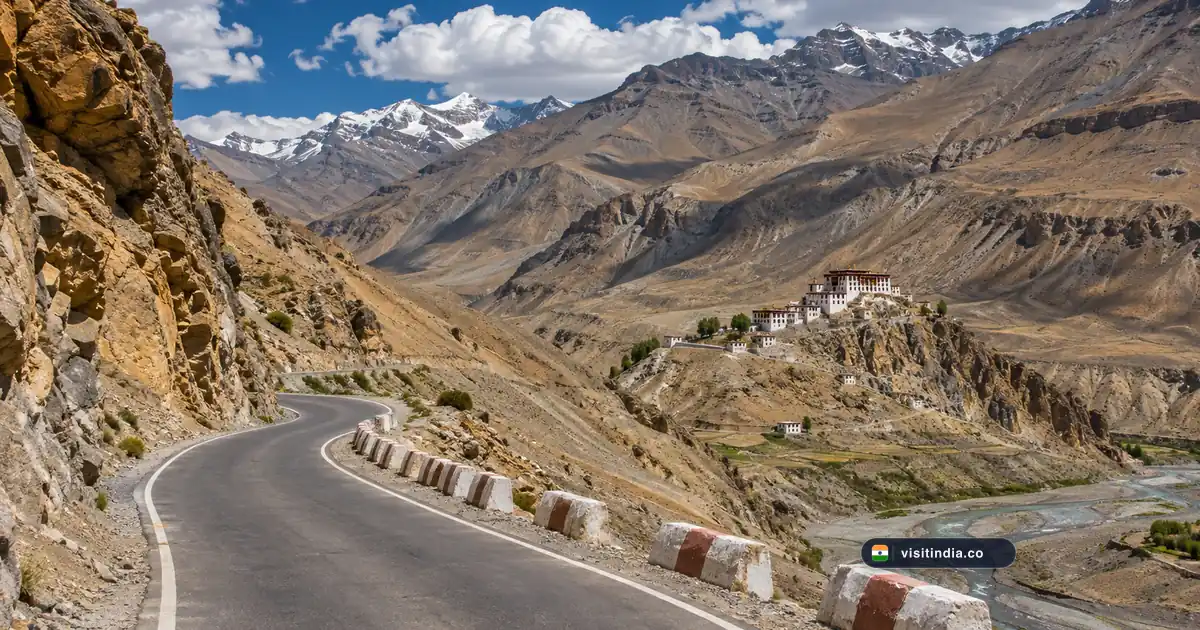
The northern rim of Manali offers direct access to the high passes that connect central Himachal Pradesh with Ladakh and the Spiti Valley. Modern road infrastructure enables travelers to explore snow zones even during midsummer.
Solang Valley Adventure Sports
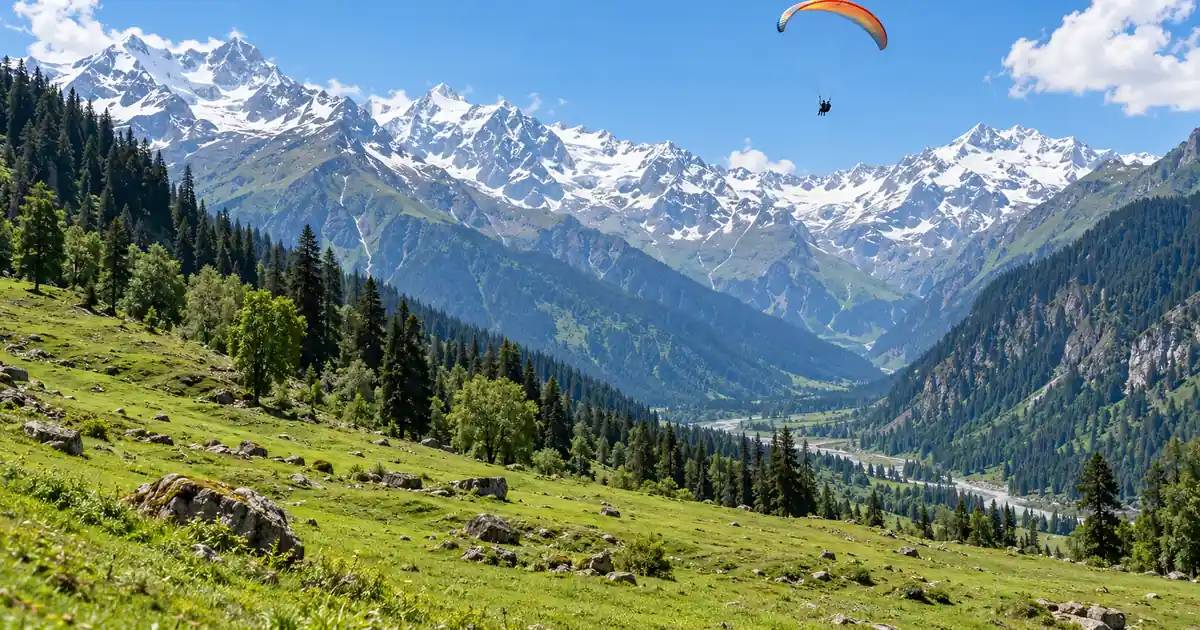
Solang Valley sits 13 km north of Manali on the western bank of the Beas River, serving as the primary adventure sports center in Himachal Pradesh. The valley features a high-speed passenger ropeway ascending to Mount Phatru at 3,200 meters, which opens access to winter ski slopes.
During summer, licensed operators provide tandem paragliding flights ranging from ₹1,500 to ₹3,200, alongside quad biking and zorbing across the grassy flats.
Rohtang Pass High-Altitude Snow Point
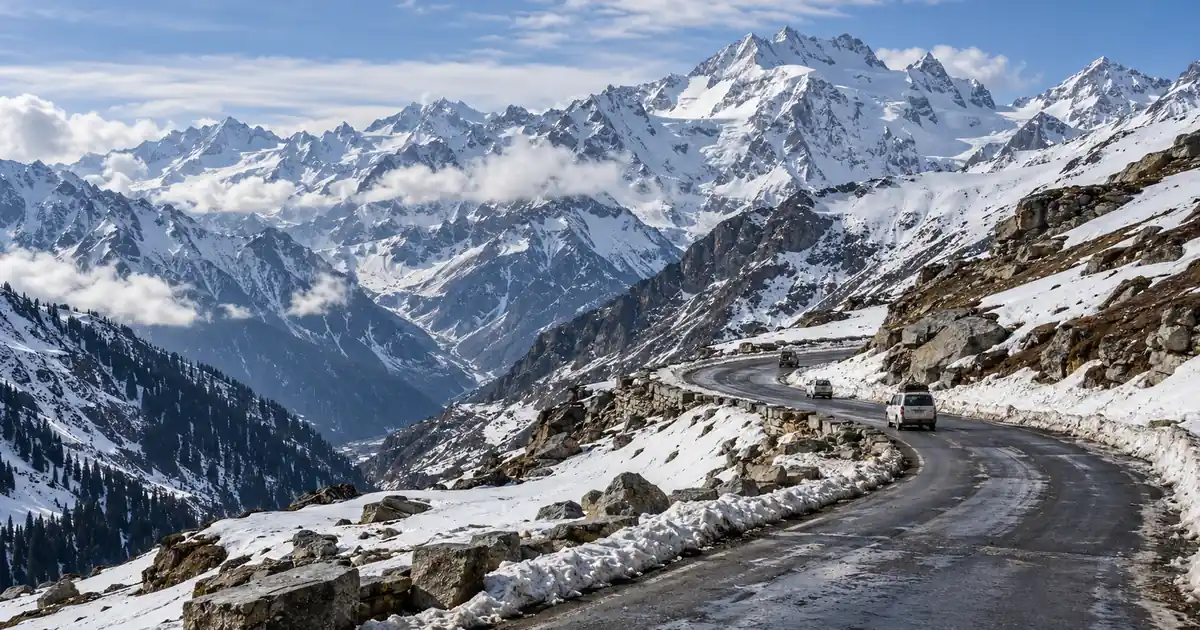
Rohtang Pass rises to 3,978 meters on the Pir Panjal range, linking the verdant Kullu Valley with the arid high-altitude deserts of Lahaul and Spiti. The pass typically remains open to tourists from late May through November, depending on seasonal snow clearing by the Border Roads Organisation.
Vehicles driving to the pass require an online environmental green permit issued daily by the district administration to control vehicle emissions. The summit provides unobstructed vistas of twin peaks, hanging glaciers, and the source streams of the Beas River.
Atal Tunnel and Lahaul Gateway
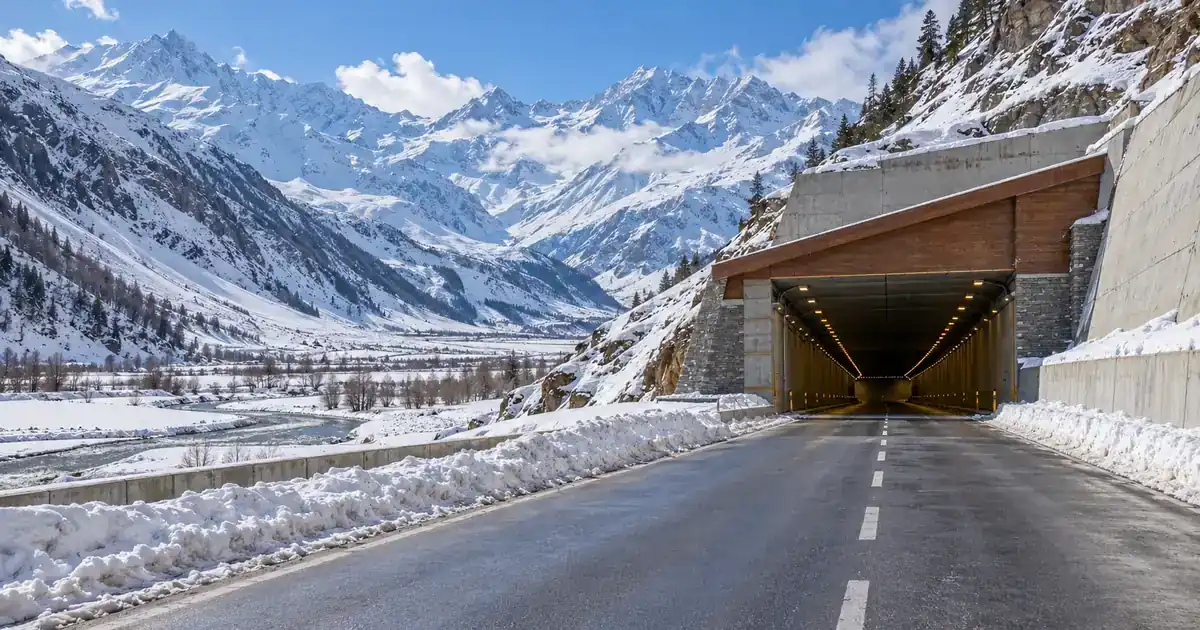
Opened in 2020, the Atal Tunnel cuts through the Pir Panjal range at an altitude above 3,000 meters, spanning an exact length of 9.02 km. It functions as the longest single-tube highway tunnel at this altitude in the world, reducing travel time between Manali and Keylong by almost four hours.
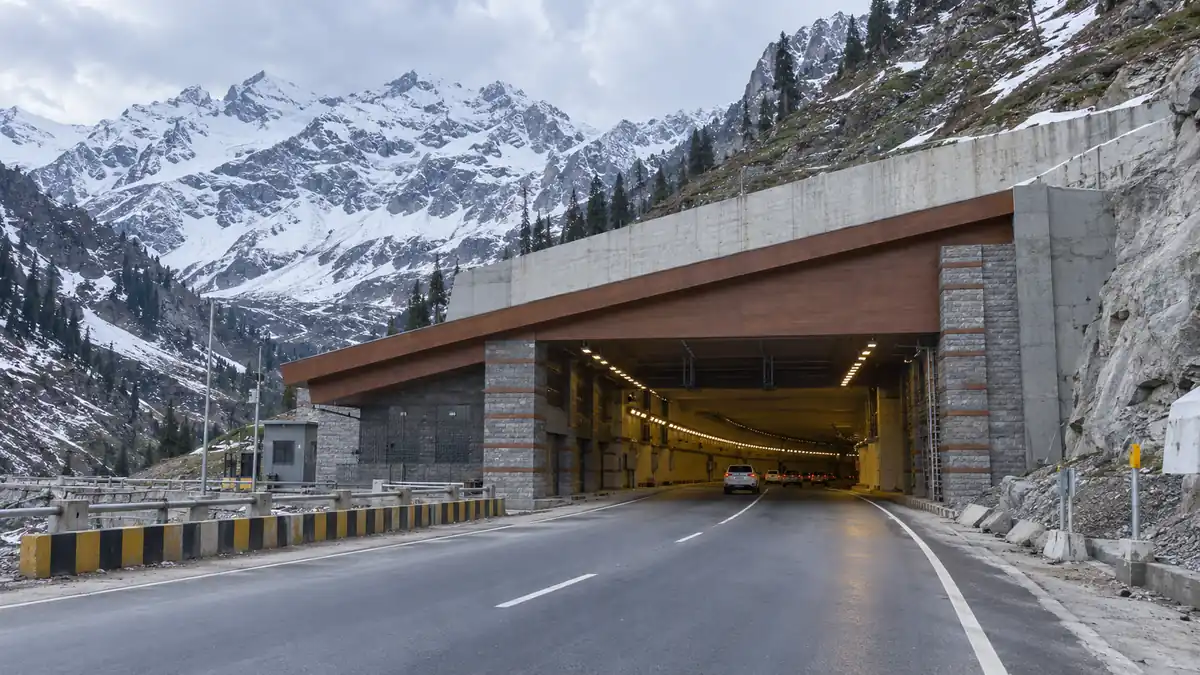
Exiting the north portal leads visitors into the stark, rain-shadow valley of Sissu in Lahaul. Here, travelers can view the towering Palden Lhamo Dhar waterfall cascading over sheer granite cliffs.
Hampta Pass and Bhrigu Lake Trekking Routes
Adventure hikers use Manali as the staging ground for several classic Himalayan wilderness treks. The Hampta Pass trek climbs from Jobra through Sethan village to 4,287 meters, crossing from lush alpine forests into the bare scree landscape of Chandra Valley; explore our detailed Sethan Valley Manali guide for handcrafted snow igloos, bouldering crags, and 4x4 road permits.
Bhrigu Lake, located at 4,300 meters east of Gulaba, is a sacred high-altitude glacial tarn that according to local legend never freezes completely even during midwinter.
Regional transit guidelines and high-altitude safety rules are maintained by the Incredible India Himachal Pradesh Tourism Portal.
Historic Temples, Pagodas, and Monasteries in Manali
Manali contains some of the oldest preserved timber and stone temples in northern India, reflecting indigenous Pahari Kath-Kuni construction designed to withstand severe earthquakes.
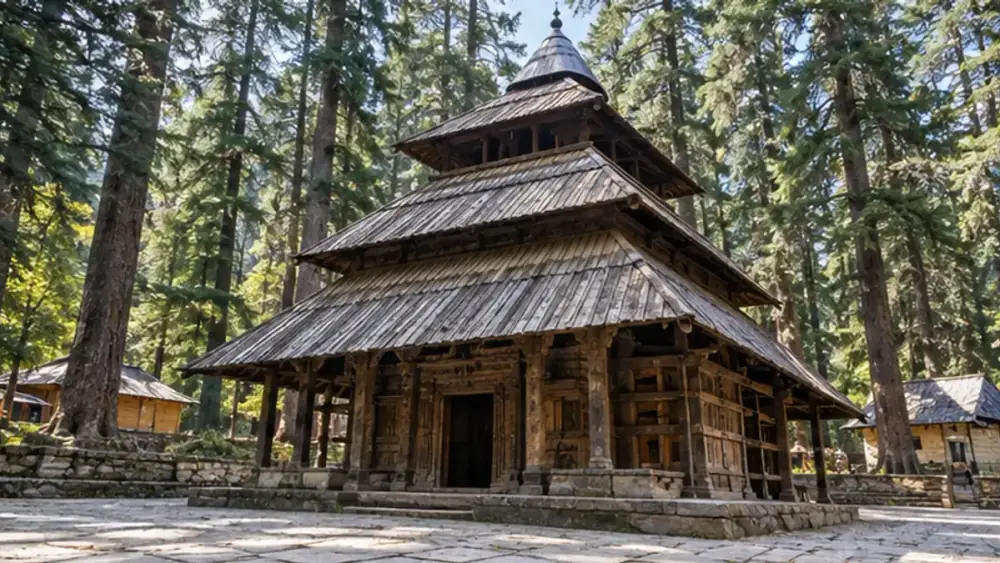
Hadimba Devi Temple in Dhungri Forest
Constructed in 1553 AD by Maharaja Bahadur Singh, Hadimba Temple is dedicated to the warrior goddess Hadimba, consort of Bhima from the Mahabharata epic. The temple features a four-tiered wooden pagoda roof set amid towering centuries-old deodar cedar trees in Dhungri park.
The wooden facade displays carved reliefs of foliage, dancers, animals, and mythological scenes. Visitors can enter the sanctum daily from 8:00 AM to 6:00 PM without admission fees.
Manu Temple in Old Manali
Manu Temple stands atop the hill village of Old Manali, recognized as the only shrine in India dedicated to the sage Manu, the mythical progenitor of human civilization. The temple was rebuilt in stone and wood in 1992, retaining traditional pagoda lines and stone courtyards.
The short uphill walk from the Manalsu River bridge leads through traditional stone-roofed Himachali houses and apple orchards. The site provides views down across the valley floor and cedar forests.
Vashisht Village and Sulphur Baths
Vashisht sits 3 km northeast of central Manali on the opposite bank of the Beas River, named after the sage Vashistha. The village is known for natural thermal sulphur springs channelled into separate public indoor bathing tanks for men and women.
Water temperatures emerge naturally between 43°C and 49°C, carrying mineral salts believed to relieve joint pain and muscular fatigue. The adjacent 4,000-year-old stone temple enshrines a black stone idol of sage Vashistha.
Himalayan Nyingmapa Buddhist Monastery
Situated along the central Mall Road, the Himalayan Nyingmapa Buddhist Temple represents the religious center for the region’s Tibetan diaspora community. The monastery enshrines a two-story statue of Sakyamuni Buddha flanked by traditional butter lamps and wall frescoes.
Monks conduct public prayer chants during early mornings and late afternoons. The outer courtyard features rows of brass prayer wheels that visitors can spin in a clockwise direction, mirroring the Tibetan architectural traditions found at Namdroling Monastery in Coorg.
Heritage Palaces and Cultural Valleys in Kullu
The lower Kullu Valley retains the historical capital seats and sacred river junctions that governed the region before British colonial development.
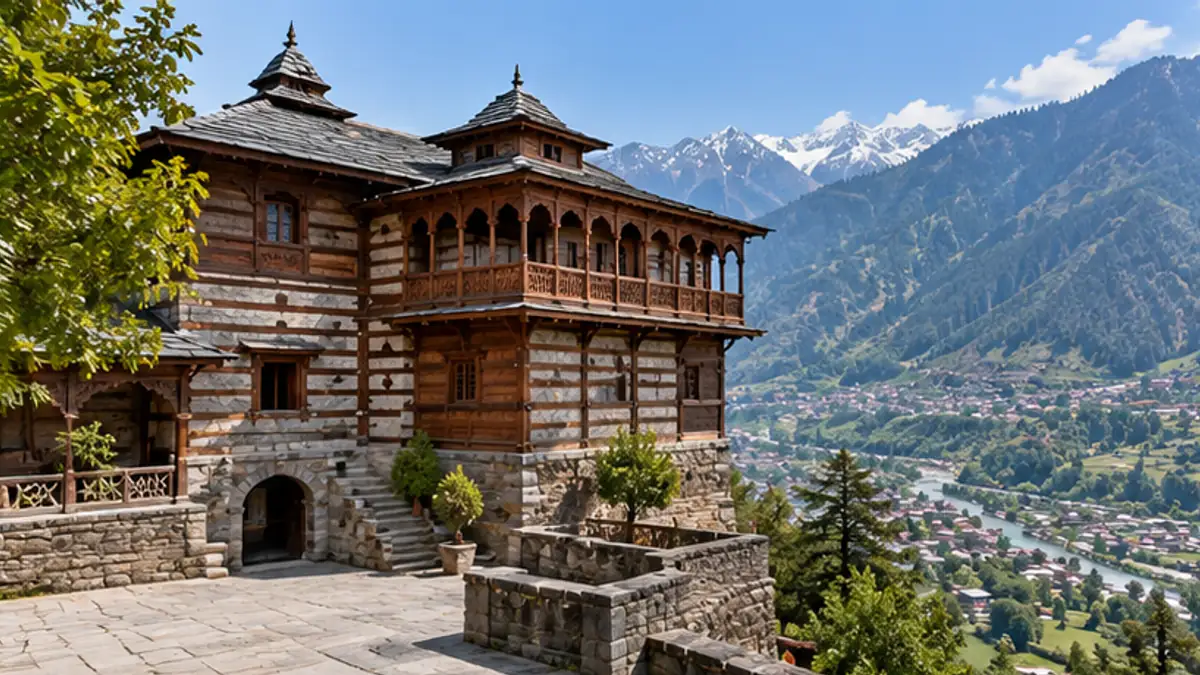
Naggar Castle and Art Gallery
Naggar served as the royal seat of the Kullu Rajas for more than 1,400 years before the capital transferred to Sultanpur. Built around 1460 AD by Raja Sidh Singh, Naggar Castle utilizes classic Kath-Kuni dry masonry, interlocking heavy timber beams and cut stone without mortar.
The castle now operates as a heritage hotel and museum managed by the state tourism corporation, charging an entry fee of ₹30. Nearby, the Nicholas Roerich Art Gallery exhibits mountain landscape paintings created by the celebrated Russian artist who lived here until 1947.
Bijli Mahadev Temple Trek
Bijli Mahadev crowns the Mathan range at 2,460 meters altitude, situated 14 km southeast of Kullu town. The temple is famous for its 20-meter wooden staff, which according to local tradition attracts lightning strikes that periodically shatter the sacred Shiva lingam.
Temple priests use butter and sattoo dough to reconstruct the lingam after each celestial lightning event. Reaching the high meadow ridge requires a 3 km uphill trek from Chansari village through pine forests.
Kasol and Parvati Valley Excursions
Parvati Valley branches east from the confluence of the Beas and Parvati rivers at Bhuntar. Kasol serves as a prominent base for backpackers, riverside cafes, and trailheads leading to Chalal, Tosh, and the sacred hot springs at Manikaran Sahib Gurudwara. For detailed route plans, village homestays, and hot spring bathing etiquette, consult our comprehensive Kasol, Tosh, and Kheerganga Parvati Valley guide.
The valley serves as the starting point for demanding high-altitude routes including the Pin Parvati Pass trek connecting with Spiti.
Great Himalayan National Park (GHNP)
Inscribed as a UNESCO World Heritage Site in 2014, the Great Himalayan National Park protects 754 square kilometers of high-altitude forest ecosystems in the Tirthan and Sainj valleys. The park shelters endangered wildlife including the western tragopan, snow leopard, Himalayan musk deer, and blue sheep.
Conservation guidelines and trekker permits are detailed on the Wildlife Institute of India World Heritage Sites Portal. Entry permits cost ₹100 per day for domestic tourists and ₹400 for foreign visitors. Trekkers exploring diverse sanctuary environments across India can also examine protected regional mountain ecosystems.
Official heritage listings and district notices can be consulted via the Kullu District Administration Tourism Guide.
Curated 1-Day, 2-Day, and 3-Day Kullu Manali Travel Itineraries
Structuring your Kullu Manali journey by elevation zones prevents excessive travel time and allows proper acclimatization for high-altitude passes.
1-Day Itinerary: Manali Town and Forest Shrines
- Morning (8:30 AM to 11:30 AM): Tour Hadimba Devi Temple amid the Dhungri cedar forest, followed by a walk through Old Manali to the historic Manu Temple.
- Afternoon (12:00 PM to 3:30 PM): Cross the river to Vashisht village for a dip in the natural thermal sulphur springs, then hike 2 km to Jogini Waterfall.
- Evening (4:30 PM to 7:30 PM): Visit the Tibetan monastery on Mall Road, explore handicraft stalls, and sample authentic trout curry.
2-Day Itinerary: Solang Valley and Atal Tunnel Classic
- Day 1: Execute the Manali town heritage circuit covering Hadimba Temple, Vashisht baths, and Mall Road.
- Day 2 Morning (8:00 AM to 1:00 PM): Drive north through Solang Valley for ropeway rides and paragliding, then pass through the 9.02 km Atal Tunnel to visit the Sissu waterfall in Lahaul.
- Day 2 Afternoon (2:30 PM to 6:00 PM): Return to Manali for an evening walk along the peaceful riverside trails of Van Vihar park.
3-Day Itinerary: Complete Valley Adventure and Heritage
- Day 1: Manali town monuments, Hadimba Temple, Jogini Falls hike, and Old Manali cafes.
- Day 2: Early morning mountain pass drive across the Rohtang Pass high-altitude snow point or winter snow activities in Solang Valley.
- Day 3: Drive south to explore the medieval Kath-Kuni architecture of Naggar Castle and Roerich Art Gallery, followed by river rafting near Raison along the Beas River.
Packing warm thermal layers, durable trekking shoes, and sunglasses ensures a comfortable excursion across both forested valley floors and alpine snow ridges.
Frequently Asked Questions About Visiting Kullu Manali
How many days are enough for a Kullu Manali trip?
A 3-day itinerary provides adequate time to tour central Manali shrines, enjoy adventure activities in Solang Valley, and travel through the Atal Tunnel to Lahaul. Travelers combining multiple hill retreats across the state can also explore the Tibetan monasteries and Dhauladhar hiking trails in our guide to McLeod Ganj sightseeing guide.
What is the best month to see snow in Manali?
January and February offer the highest probability of experiencing fresh snowfall within Manali town and Solang Valley. Travelers visiting between May and October can still find deep snowfields by driving up to Rohtang Pass at 3,978 meters.
Do tourists need a permit to visit Rohtang Pass?
Yes, all commercial and private vehicles traveling to Rohtang Pass for tourism require an official online environmental permit issued by the Kullu district administration. Daily quotas limit entry to 800 petrol and 400 diesel vehicles to protect fragile alpine ecosystems from vehicle pollution.
What is the distance between Kullu and Manali?
The driving distance between Kullu town and Manali is approximately 40 kilometers along National Highway 3 following the Beas River. The journey typically takes between 1 and 1.5 hours depending on seasonal tourist traffic.