Aru Valley Pahalgam: Timings, Trekking & Travel Guide
Complete traveler guide to Aru Valley near Pahalgam, Kashmir. Meadow walks, Kolahoi Glacier treks, local taxi rates, homestays, and winter snowfall tips.
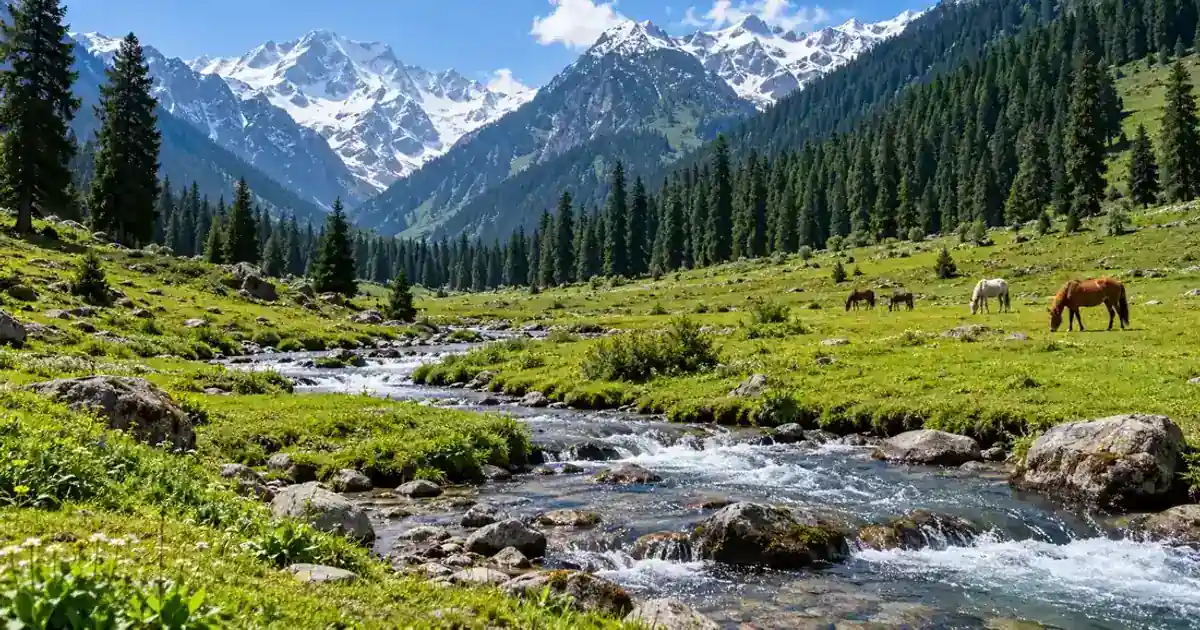
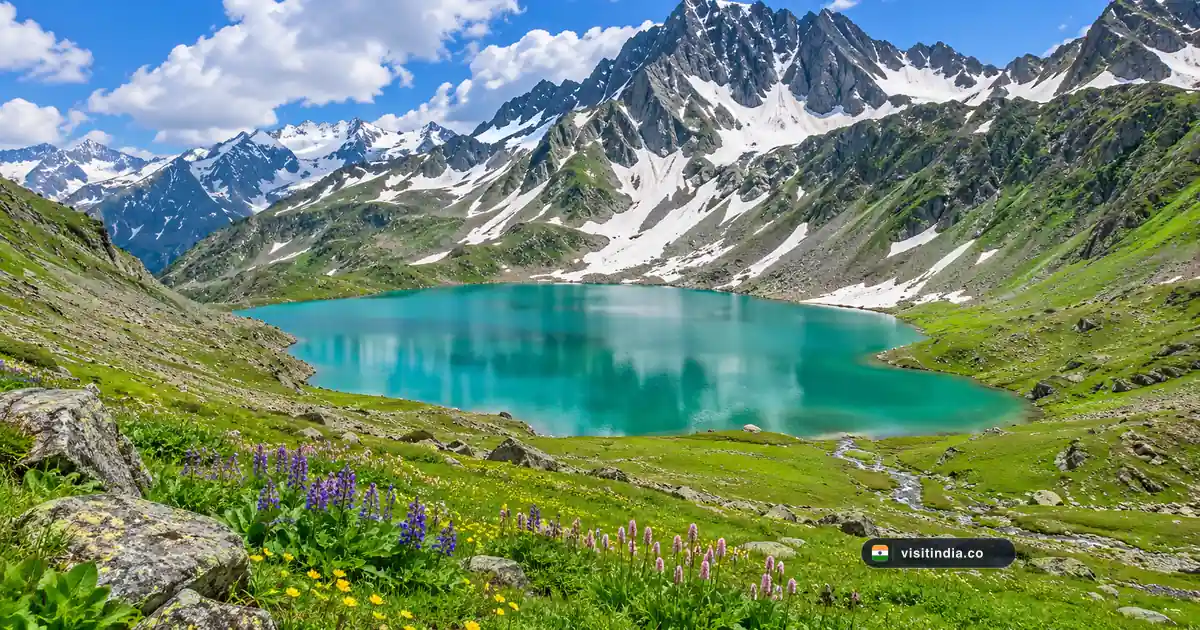
Aru Valley sits along the upper reaches of the Aru River tributary, located 12 kilometers north of Pahalgam in Anantnag district, Jammu and Kashmir. Resting at an altitude of 2,414 meters (7,920 feet), the high-altitude village provides expansive alpine pastures framed by pine forests and snow-dusted peaks.
Travelers visiting the upper Lidder basin commonly anchor their day around excursions detailed in our comprehensive guide to Pahalgam. Because the settlement marks the roadhead of the valley, it serves as the primary starting hub for major trekking expeditions venturing into the high Himalayas.
Valley & Trekking Essentials
- Aru Valley sits along the Aru River tributary of the Lidder River, 12 kilometers upstream of Pahalgam in Anantnag district, Kashmir.
- The valley rests at an elevation of 2,414 meters (7,920 feet), serving as the primary base camp for treks to Kolahoi Glacier and the Tarsar-Marsar alpine lakes.
- Entry to the valley meadows is free of charge, with local Pahalgam taxi union round-trips costing approximately ₹1,000 to ₹1,400.
- The optimum visiting season runs from May through September for lush green pastures and wildflower blooms, while January and February bring quiet winter snowfall.
Aru Valley Transit Tariffs and Activity Cost Matrix
The following matrix provides verified tariffs for local transportation, pony rides, trekking logistics, and accommodation options in Aru Valley. Travelers planning a complete circuit across the eastern valleys often combine this destination with the cinematic landscapes of Betaab Valley.
| Service / Activity | Typical Price Range | Booking Channel | Seasonal Operation | Practical Advice |
|---|---|---|---|---|
| Pahalgam Union Taxi (Round Trip) | ₹1,000 - ₹1,400 per cab | Pahalgam Taxi Stand | Year-round (weather permitting) | Includes 1 to 2 hours waiting time |
| 3-Point Sightseeing Circuit | ₹2,200 - ₹2,800 per cab | Pahalgam Union Desk | Summer & autumn | Combines Aru, Betaab & Chandanwari |
| Local Pony / Horse Ride | ₹500 - ₹1,200 per horse | Registered meadow horsemen | April to November | Negotiate clearly based on viewpoint |
| Kolahoi Glacier Trek Guide | ₹1,500 - ₹2,500 per day | Aru village guides | June to October | Requires mountain trekking gear |
| Traditional Village Homestay | ₹1,200 - ₹2,500 per night | Direct village booking | April to December | Includes home-cooked Kashmiri food |
| Trout Angling Daily Permit | ₹500 - ₹1,000 per rod | J&K Fisheries Department | May to September | Catch-and-release rules apply |
Daily Visiting Timings, Entry Regulations, and Union Taxi Rules
Aru Valley remains open for public day visits daily between 8:00 AM and 6:00 PM without any admission gate ticket fees. Visitors can freely wander across the communal pastures, take photographs beside the mountain river, or visit local bakeries.
Under local district transport union regulations, private tourist vehicles registered outside Pahalgam and commercial rental cabs from Srinagar cannot operate local sightseeing runs to Aru. Visitors must hire a registered local vehicle from the official taxi stand in central Pahalgam.
Official administrative advisories and driver tariff schedules are published on the Anantnag District Administration Aru Valley Portal. The scenic drive winds along a narrow single-lane mountain road high above the river gorge, requiring approximately forty minutes each way.
Alpine Trekking Routes: Kolahoi Glacier and Tarsar-Marsar Lakes
Aru Valley serves as Kashmir’s primary starting point for rugged high-altitude backpacking routes deep into the Pir Panjal and Great Himalayan ranges. The most famous route leads to the snout of the Kolahoi Glacier, the primary source of the Lidder River, covering 36 kilometers across a three-day trek through Lidderwat.
Trekkers who admire dramatic glacial geology can also explore the alpine meadows of Sonmarg. Another celebrated multi-day wilderness trek departs Aru for the twin alpine tarns of Tarsar and Marsar, navigating emerald alpine lakes and high mountain passes above 4,000 meters.
Trekking permits, licensed horse handlers, and certified mountain guides are coordinated through the Jammu and Kashmir Tourism Development Corporation Pahalgam Portal. Independent trekkers should carry comprehensive self-supported camping gear, water purification tablets, and warm sleeping bags suited for freezing mountain nights.
Pro Tip
Always hire registered local Gujjar pony handlers from Aru village for backcountry pack support. Local horsemen have intimate knowledge of trail washouts, river crossings, and changing mountain weather.
Aru Valley vs Betaab Valley: Atmosphere and Landscape Comparison
While Betaab Valley attracts high tourist volumes with paved promenades and landscaped riverbanks, Aru Valley offers a raw, rural agricultural atmosphere. Betaab features manicured manicured lawns along the broad riverbed, whereas Aru consists of rolling hillside pastures grazed by local sheep and dairy cattle.
Travelers looking for alternative meadow excursions near town often hire ponies to reach the pony trails of Baisaran Valley. Aru remains far less commercialized, featuring traditional wooden log houses, walnut orchards, and small rustic tea stalls instead of large amusement parks.
Travelers seeking quiet walks, birdwatching, and undisturbed mountain photography generally prefer spending a half-day in Aru. Families with young children who desire organized picnic spaces and gardens often spend more time at Betaab.
Winter Snowfall, Cross-Country Skiing, and Seasonal Road Access
From mid-December through late February, Aru Valley transforms into an offbeat winter landscape blanketed under deep mountain snow. Winter temperatures routinely fall between -5°C and -12°C, freezing water streams and covering village roofs in thick snowdrifts.
While downhill ski facilities are concentrated around the high-altitude cable cars of Gulmarg, Aru provides expansive open fields suitable for cross-country skiing, snowshoeing, and quiet winter retreats.
Snow clearing equipment operated by the mechanical engineering department clears the Pahalgam-Aru road following major winter storms. During active snowfall periods, only four-wheel-drive taxis fitted with steel tire chains are permitted to climb the steep winding road from Pahalgam.
Local Homestays, Eco-Tourism, and Dining in Aru Village
Aru village features a welcoming community of local Gujjar and Kashmiri residents who operate small guesthouses and family homestays. Staying overnight in the village allows travelers to experience rural Himalayan hospitality away from the busy resort hotels of central Pahalgam.
Village accommodations offer clean wood-paneled rooms with traditional heating Bukhari wood stoves, warm blankets, and home-cooked meals featuring Kashmiri rajma, collard greens, and freshly baked lavasa bread.
Support local eco-tourism cooperatives by hiring guides from the village and eating at small local dhabas along the main street. Avoid leaving plastic wrappers or disposable bottles on the meadows, carrying all non-biodegradable waste back to Pahalgam for disposal.
How to Reach Aru Valley from Pahalgam and Srinagar
Aru Valley is located 12 kilometers north of Pahalgam, 100 kilometers east of Srinagar, and 105 kilometers from Sheikh ul-Alam International Airport. Comprehensive state route directories and regional logistics are published in the Incredible India Official Pahalgam Tourism Guide.
Travelers arriving from the capital city can combine countryside itineraries with the historic sites of Srinagar. The drive from Srinagar to Pahalgam takes approximately two and a half hours via the NH44 national highway through Awantipora and Anantnag.
Upon reaching the Pahalgam taxi terminal, tourists hire an official union vehicle to complete the remaining 12-kilometer ascent. Local union taxis charge standard government-approved tariffs of ₹1,000 to ₹1,400 round trip, returning travelers to central Pahalgam within two to three hours.
Frequently Asked Questions About Aru Valley Kashmir
What is Aru Valley famous for in Kashmir?
Aru Valley is best known for its untouched alpine pastures, traditional Gujjar wooden hamlets, and position as the starting base for the Kolahoi Glacier and Tarsar-Marsar lake treks. The valley provides a quieter, scenic alternative to crowded commercial resort areas in the Lidder Valley.
How far is Aru Valley from Pahalgam and how do you travel there?
Aru Valley is situated 12 kilometers north of Pahalgam, requiring a forty-minute mountain drive along a paved cliffside road beside the river. Travelers must hire a registered vehicle from the Pahalgam Taxi Stand union, as private outside taxis cannot operate on local sightseeing routes.
How much does a taxi from Pahalgam to Aru Valley cost?
A standard return taxi charter from the Pahalgam Taxi Stand costs between ₹1,000 and ₹1,400, which includes one to two hours of waiting time in the valley. Travelers can also combine Aru Valley, Betaab Valley, and Chandanwari in a consolidated three-point day package for ₹2,200 to ₹2,800.
Can tourists visit Aru Valley during the winter snowfall months?
Aru Valley remains accessible during most winter periods, although heavy snowstorms in January and February may briefly block the mountain access road. When roads open, local four-wheel-drive taxis equipped with tire chains transport visitors through scenic snow-blanketed pine corridors.