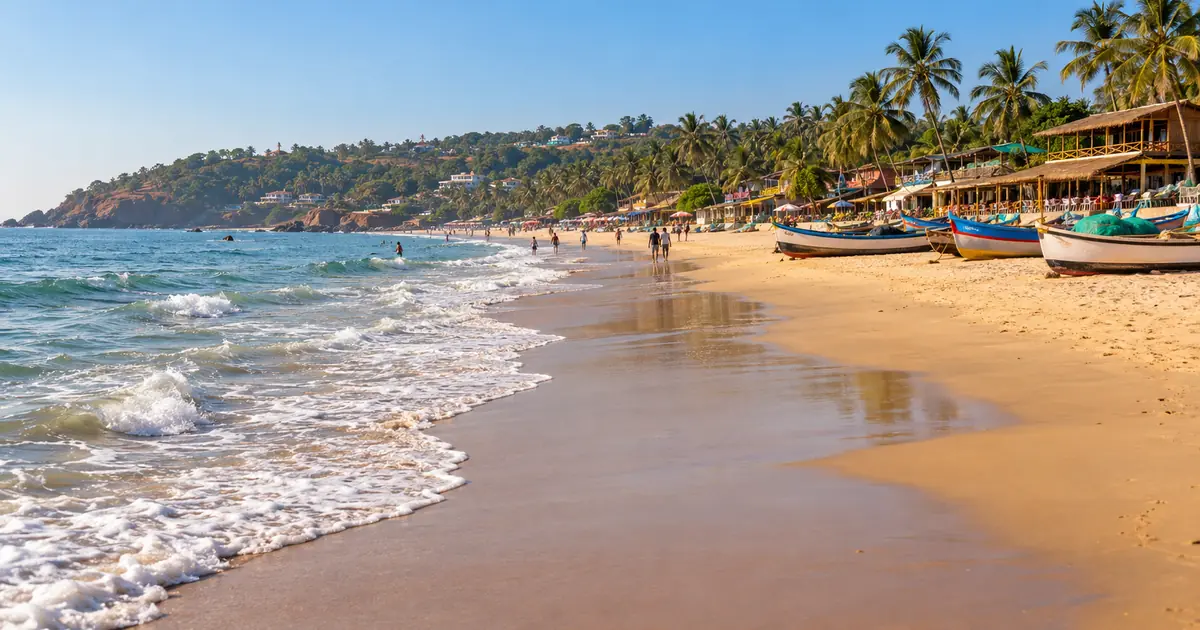
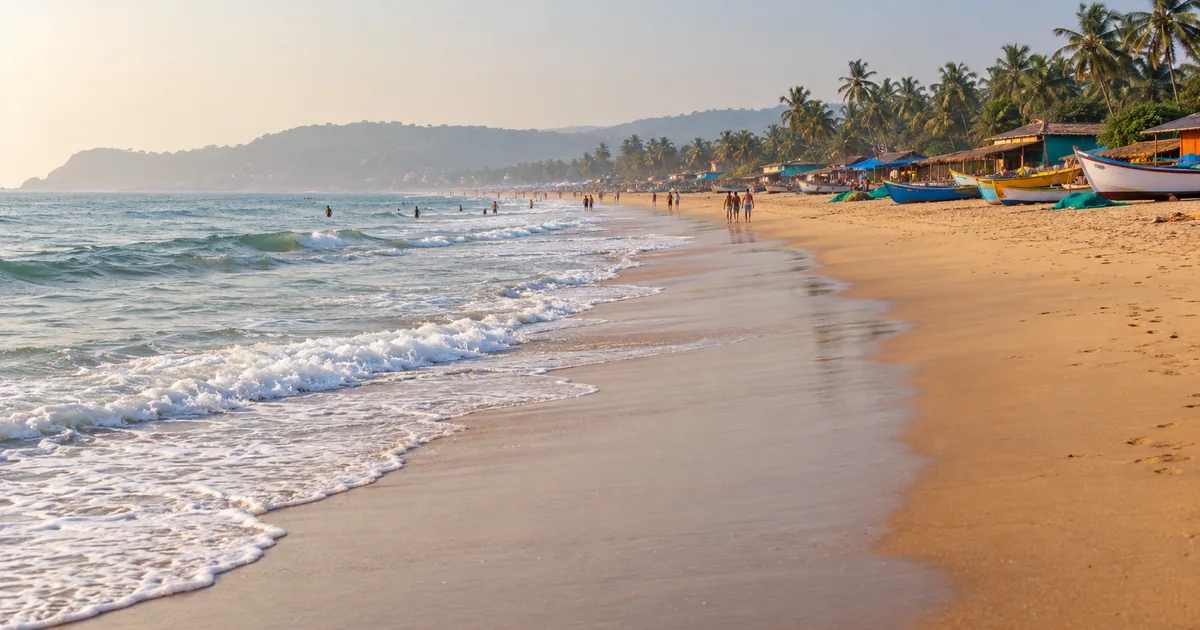
Best Beaches in Goa for Families: Palolem, Agonda & Majorda
Compare Goa family beaches from Palolem and Agonda to Majorda, Candolim, and Arambol with lifeguard safety zones, water sports, and Dabolim or Mopa cabs.
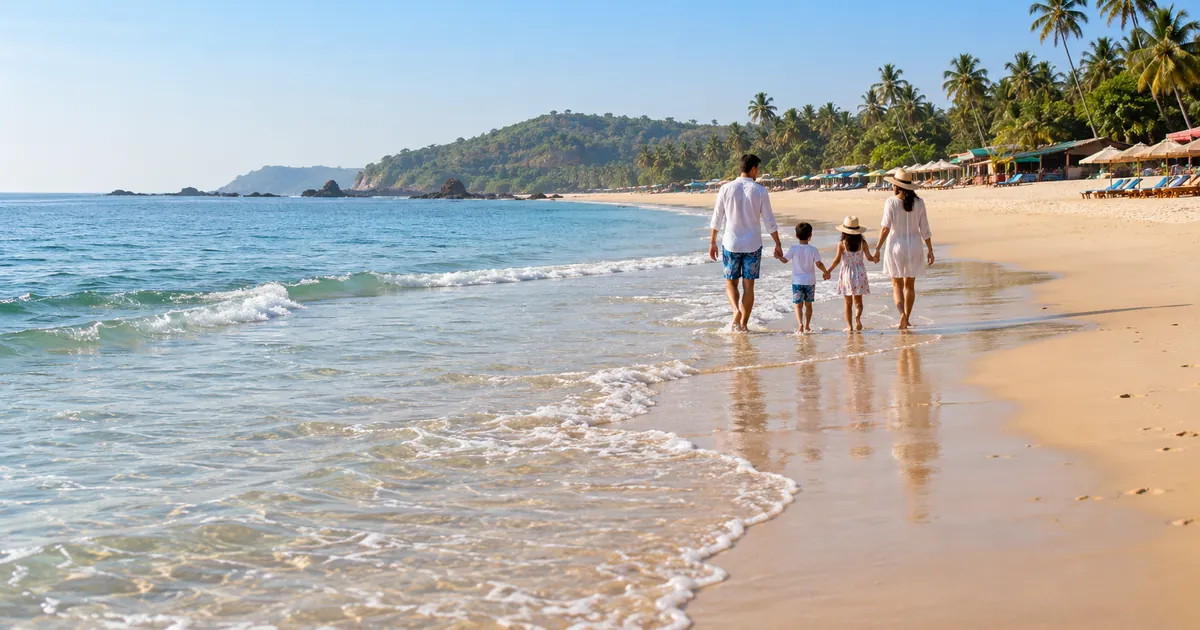
Choosing between North Goa and South Goa with children or elderly parents rarely comes down to pretty sunsets alone; gentle seabed slopes, active lifeguard coverage, shack washrooms, and transfer distance from Dabolim (GOI) or Manohar International (GOX) airports shape how easy each day feels. While high-decibel party strips pack shoulder-to-shoulder crowds in Baga, five quieter coastlines deliver safe shallow wading water, clean dining, and reliable family stays.
Understanding how swimming safety, motorized boat zones, and airport proximity differ across Goa’s bays prevents booking a long cab haul or turbulent surf with young kids.
Goa Family Beach Essentials: Match shoreline wave energy and airport landing choice before booking stays.
- Safest Bay for Toddlers: Palolem Beach (South Goa) sits inside a headland-sheltered crescent with flat wading water and calm kayak rentals.
- Shortest South Goa Transfer: Majorda Beach lies only 20 km (30 to 40 minutes) from Dabolim Airport (GOI) beside walkable luxury resorts.
- Best Organized North Base: Candolim Beach offers Drishti Marine lifeguards, multi-cuisine dining, and regulated watersports 50 km from Mopa (GOX).
- Swimming Safety Rule: Enter water strictly between red-and-yellow flags while lifeguards patrol daylight hours; water sports shut June through September.
Quick Matrix: Five Family Beaches Compared by Safety and Airport Distance
South Goa coastlines generally offer wider, quieter golden strands ideal for unhurried toddler swims, whereas North Goa concentrates resorts, hospitals, and adventure operators closer to Panaji and Mopa Airport. Compare swimming conditions, activity levels, and airport travel times side by side before choosing your base.
| Family Beach | Goa Region | Water Depth & Surf Profile | Activity & Infrastructure Mix | Distance: GOI (Dabolim) / GOX (Mopa) |
|---|---|---|---|---|
| Palolem Beach | Far South Goa | Exceptionally calm headland bay; shallow entry | Gentle kayaks, dolphin cruises, quiet bamboo shacks | GOI: 35 km (~1h 15m) / GOX: 90 km (~2h 15m) |
| Agonda Beach | South Goa | Gentle open surf; occasional shore break | Turtle nesting shore; calm cottages, zero jet skis | GOI: 40 km (~1h 15m) / GOX: 95 km (~2h 15m) |
| Majorda Beach | Central-South Goa | Gradual sandy slope; monitored high tide swells | Resort lawns, family bakeries, moderate banana/parasail | GOI: 20 km (~35m) / GOX: 75 km (~1h 45m) |
| Candolim Beach | North Goa | Open Arabian Sea waves; Drishti flags enforced | Big family hotels, parasailing, jet skis, walkable market | GOI: 35 km (~1h) / GOX: 50 km (~1h 15m) |
| Arambol Beach | Far North Goa | Variable currents near rocks; fresh lake side | Cliff walks, kite flying, sweet-water lagoon for kids | GOI: 55 km (~1h 45m) / GOX: 30 km (~45m) |
Review a fuller regional breakdown of hotel zones and vibe trade-offs in our North Goa vs South Goa comparison before locking flight arrivals into Dabolim or Mopa.
South Goa Calm Bays: Palolem, Agonda, and Majorda
Families prioritizing clean sandboxes, zero aggressive jet-ski traffic near swimmers, and relaxed sunset meals settle comfortably along South Goa’s southern Canacona and Salcete arc. District beach advisories and coastal conservation guidelines appear on the South Goa District Tourist Places Portal.
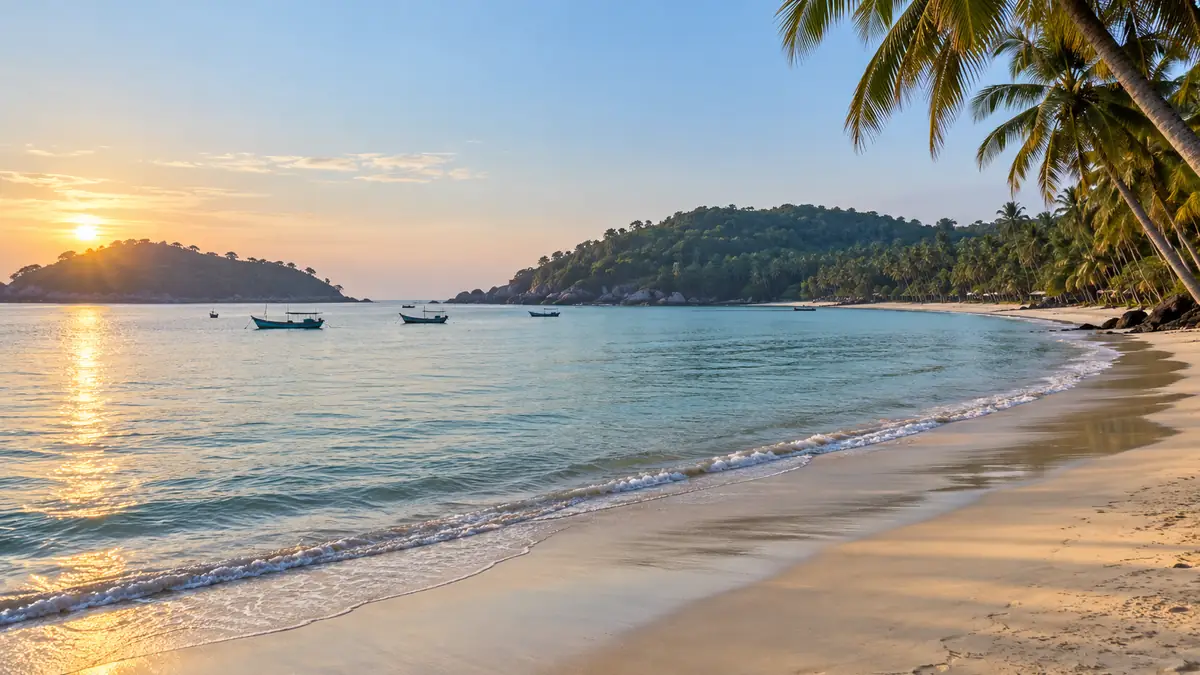
Palolem Beach: Sheltered Crescent Bay for Young Swimmers
Curving cleanly between twin rocky granite headlands in Canacona, Palolem shields toddlers and nervous swimmers from pounding open-ocean rollers, staying calm enough for slow morning dips and sit-on-top tandem kayaks. Walkable pedestrian lanes carry gentle restaurants and clean wooden huts right off the sand, while early morning fisherman cruises spot Indo-Pacific humpback dolphins safely offshore without loud party noise.
Agonda Beach: Wide Golden Sand and Sea Turtle Sanctuary
Sitting fifteen minutes north of Palolem, Agonda bans loud commercial water sports and motorized beach bikes to safeguard protected Olive Ridley sea turtle nesting zones monitored cleanly between October and March. Although its open seafront builds larger evening shore breakers than Palolem’s calm bowl, the sheer clean space lets older children run safely along wet sand under attentive parent supervision.
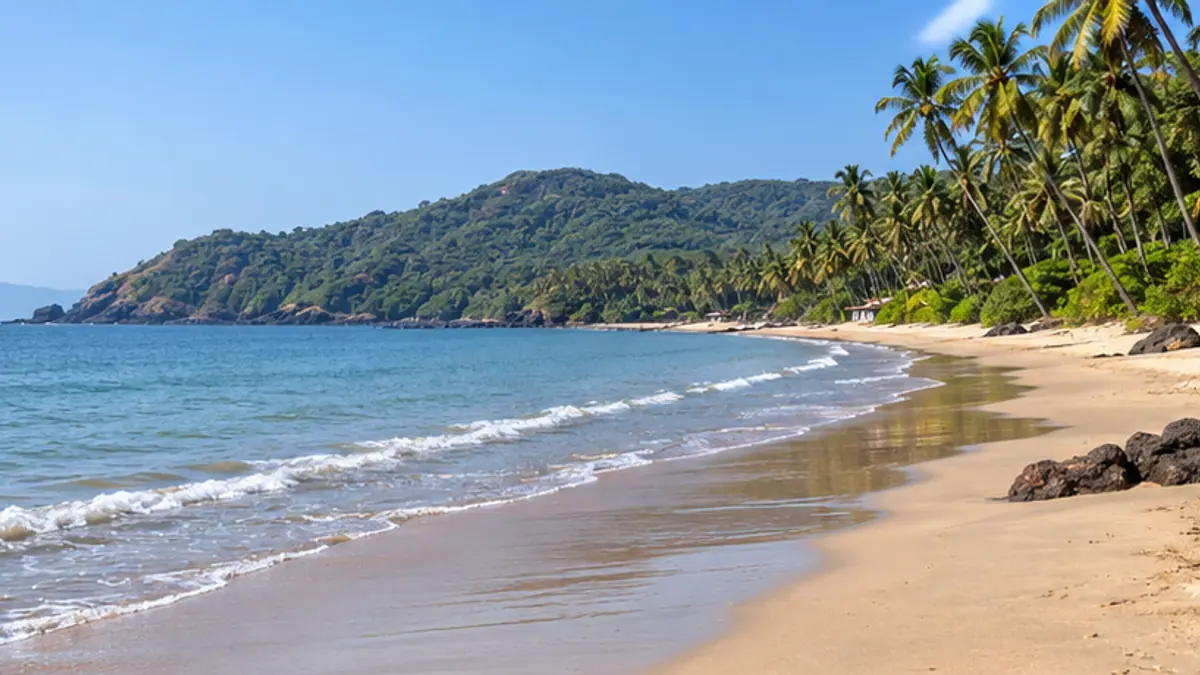
Majorda Beach: Closest Resort Comfort From Dabolim Airport
Positioned only twenty kilometers south of Dabolim Airport (GOI) along white-sand Salcete shores, Majorda removes exhausting post-flight taxi transfers when flying in with tired kids. Sprawling beachfront resorts sit directly behind soft dunes alongside historic Konkani village bakeries famous across South Goa for fresh early-morning poee bread and daytime dining covered in our family-friendly cafes in Goa roundup.
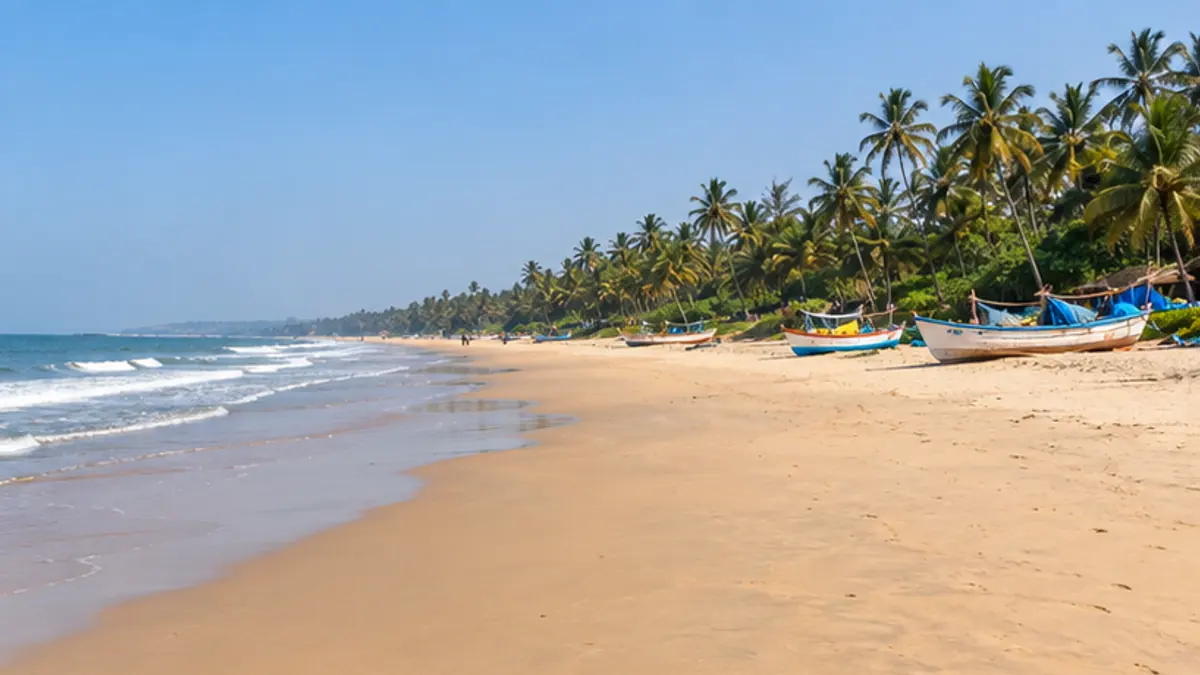
North Goa Family Picks: Candolim and Arambol Compared
North Goa delivers unmatched dining variety, pediatric clinic convenience near Mapusa and Panaji, and brisk airport transfers into Manohar International Airport (GOX) without sacrificing clean evening strolls. Check northern lifeguard and water-sport regulatory updates via the North Goa District Tourist Places Portal and the Goa Tourism Water Sports Guide.
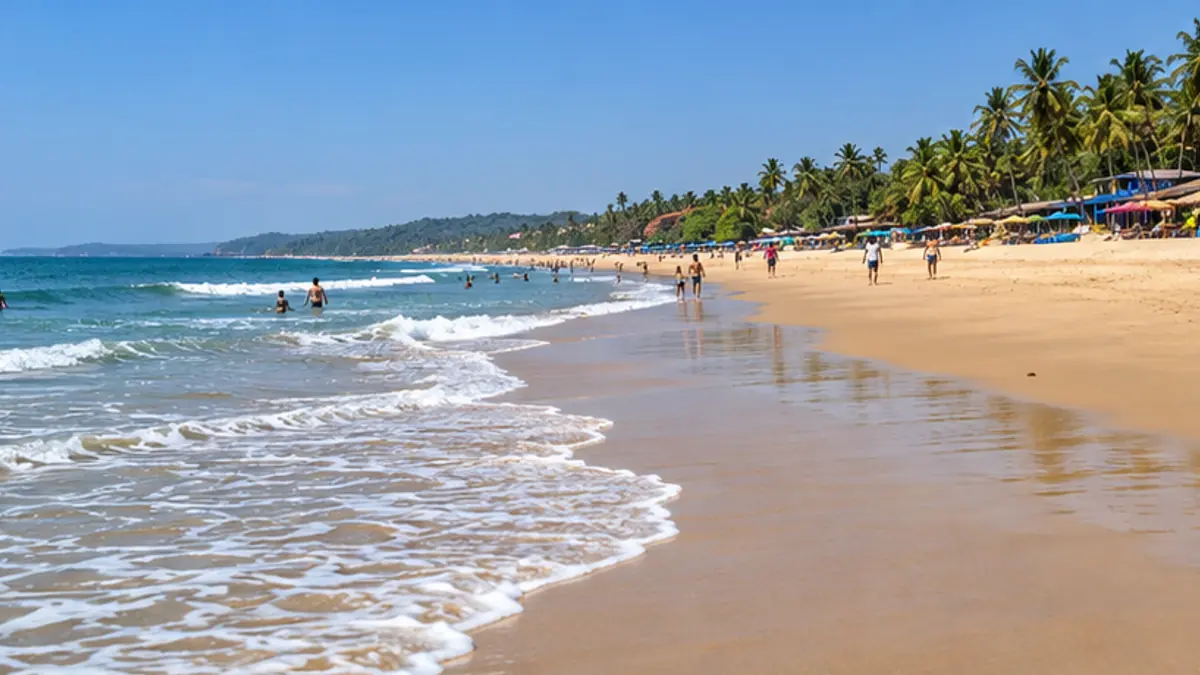
Candolim Beach: Multi-Facility Resorts Without Baga Chaos
Stretching directly south of busy Calangute without nightclub noise crowding family dinner hours, Candolim lines spacious lawns, clean family hotels, pharmacies, and supervised Drishti Marine lifeguard towers side by side. Teenagers easily join regulated banana boat rides and tandem parasailing inside clear zone markers, leaving short afternoon drives up to historic Fort Aguada overlooking the Mandovi lighthouse.
Arambol Beach: Sweet-Water Lagoon & Quick Mopa Access
Located only thirty kilometers west of Mopa Airport (GOX) in Pernem taluka, Arambol pairs golden sweeping sands with a warm shallow Paliem Sweet Water Lake tucked behind its northern rocky bluff. Families with smaller children often wade comfortably in the calm mineral-rich lagoon while avoiding strong Arabian Sea undertows along outer cliff breaks.

Morning beachgoers frequently grab fresh fruit bowls and espresso along Arambol’s paved headland footpath before midday sun peaks overhead.
Lifeguard Flags, Monsoon Water Sports Bans, and Best Season
Understanding Goa’s uniform beach safety signal system prevents dangerous rip-current incidents even on deceptively mild sunny afternoons. Trained Drishti Marine lifeguards patrol posted stretches daily from 7:30 AM until sunset across all five family beaches listed above.
- Red-and-Yellow Flags (Safe Swim Corridor): Always keep wading children strictly between paired red-and-yellow flags where lifeguards maintain constant visual watch.
- Solid Red Flags (No Entry Zone): Never enter surf carrying solid red flags (typically set near rocky headlands, river mouths, or sudden monsoon troughs) even for knee-deep photos.
- Seasonal Operating Windows: November through March delivers dry coastal breezes (24°C to 32°C) and clear Arabian Sea horizons. Between June and September, monsoon swells close all beach shacks and ban parasailing, jet skiing, and kayaking statewide, pushing many traveling families inland toward misty Sahyadri gorges around Dudhsagar Falls.
Airport Transfer Strategy: Choosing Between Dabolim (GOI) and Mopa (GOX)
Picking your landing airport cleanly saves ninety minutes of taxi fares and cranky backseat commutes right on arrival day.
- Fly into Dabolim (GOI) for South Goa: Expect 30 to 40 minutes to Majorda (INR 800 to INR 1,100 prepaid GoaMiles taxi) and 75 minutes to Palolem or Agonda (INR 1,500 to INR 2,000).
- Fly into Mopa (GOX) for North Goa: Expect 45 minutes to Arambol and 70 minutes to Candolim via modern NH-66 multi-lane highway links.
- Statewide Rail & Transit Overview: Connect Konkan rail arrivals at Madgaon (South) or Thivim (North) effortlessly via our main Goa travel planning hub.
- Car Rental & Kid Seats: Pre-book private sedans or seven-seat Innovas directly through authorized GoaMiles counters outside both terminals (~INR 3,000 per day with dedicated driver) rather than renting unverified scooters when traveling with children.
Frequently Asked Questions About Goa Beaches for Families
Which Goa beach is safest for toddlers and small children to swim?
Palolem Beach in South Goa is generally safest for toddlers because protective granite headlands flatten incoming waves into a calm, shallow wading bay monitored daily by lifeguards.
Which part of Goa is better for families: North Goa or South Goa?
South Goa (Palolem, Agonda, Majorda) suits families wanting quiet sand, wide lawns, and resort calm. North Goa (Candolim, Arambol) suits families wanting varied restaurants, organized water sports, and quick access from Mopa Airport.
Should our family land at Dabolim Airport (GOI) or Mopa Airport (GOX)?
Land at Dabolim (GOI) if staying in Majorda (20 km), Colva, Agonda, or Palolem (35 km). Land at Manohar International Mopa (GOX) if staying in Arambol (30 km) or Candolim (50 km).
Are Goa beaches safe for family walks after sunset?
Promenade paths beside illuminated resorts and busy family shacks in Candolim, Majorda, and Palolem are safe for evening family strolls until roughly 9:30 PM, though entering dark unpatrolled water after sunset is strictly unsafe and discouraged by lifeguards.
When are beach shacks and water sports open in Goa?
Temporary bamboo shacks and regulated water sports (kayaks, banana boats, parasailing) operate from late October through mid-May and remain dismantled from June through September during the Arabian Sea monsoon.