Aguada Fort Goa: Timings, Entry Fee, History & Visiting Guide
Complete guide to Aguada Fort in Goa: ASI timings, ticket costs, 1864 lighthouse, underground freshwater cistern, Aguada Jail Museum, and travel directions.
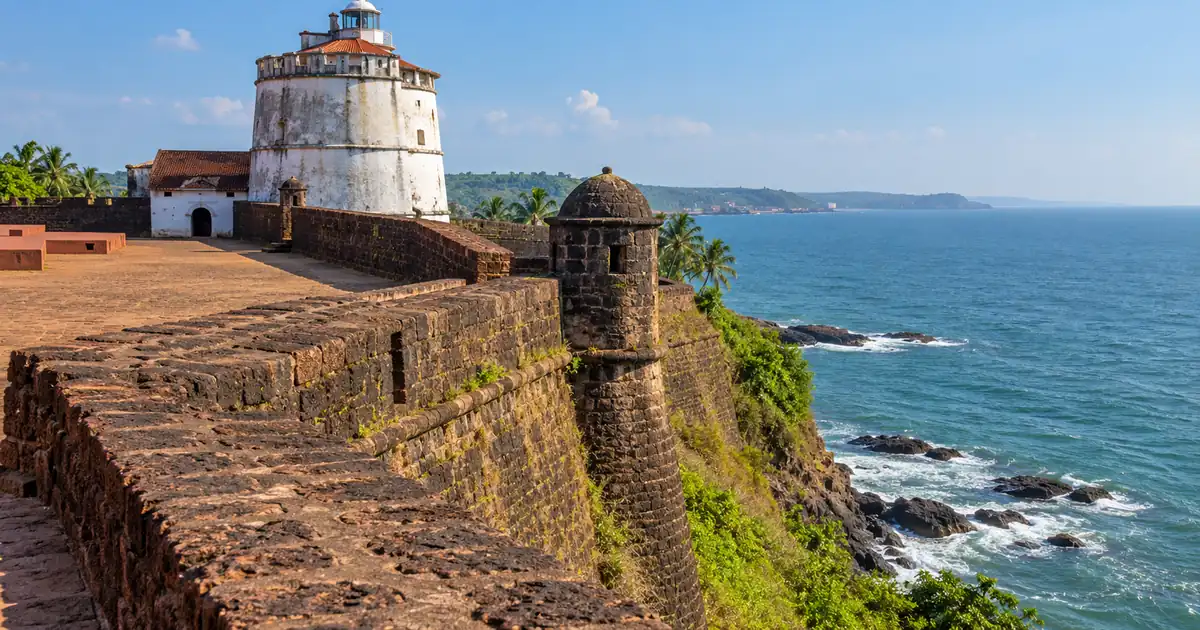
Aguada Fort stands on the rocky promontory of Sinquerim in North Goa, overlooking the confluence of the Mandovi River and the Arabian Sea. Commissioned by Portuguese colonial authorities in the early seventeenth century, this maritime citadel served as a coastal defense post and freshwater supply station for sailing fleets. Today, the complex remains one of the primary historical landmarks highlighted across our Goa state travel guide.
Visitor Essentials
- Aguada Fort is situated on the Sinquerim headland in Candolim, North Goa, 18 kilometers west of Panaji.
- Upper Fort grounds open daily from 9:00 AM to 6:00 PM, while the 1864 lighthouse permits visitors from 12:00 PM to 5:00 PM.
- Monument entry costs ₹25 for Indian citizens (₹50 at counter booths) and ₹300 for foreign visitors; lighthouse access costs ₹25.
- The separate coastal complex houses the Aguada Jail Museum, which operates Tuesday through Sunday from 10:00 AM to 8:00 PM.
- Early morning visits between 9:00 AM and 10:30 AM offer cooler stone walkways and smaller tourist crowds before midday buses arrive.
What to Expect at Aguada Fort Goa
Aguada Fort divides into two distinct zones: an elevated hilltop citadel managed by the Archaeological Survey of India, and sea-level coastal fortifications. Visitors explore massive red laterite bastions, a historic four-tier lighthouse, an expansive dry moat, and an underground freshwater cistern that supplied ocean vessels for over three centuries.
The upper citadel occupies the crest of Sinquerim hill. Wide stone parapets provide clear views across the Mandovi estuary toward Miramar and the central Goan coastline. A deep dry moat wraps around the outer perimeter, designed to deter cavalry charges and infantry advances during regional conflicts.
The lower sector skirts the shoreline at sea level. Historically, this section provided fortified gun embrasures right at the water’s edge and protected the freshwater spring where arriving galleons docked. Travelers planning coastal day trips can compare these historical ramparts with the relaxed shoreline atmospheres documented in our guide to family beaches across North Goa.
Timings, Entry Fees, and Ticket Guidelines
The upper fort opens daily between 9:00 AM and 6:00 PM, with ticket counters closing at 5:30 PM. The historic lighthouse maintains restricted hours from 12:00 PM to 5:00 PM. Visitors planning to explore the lower jail museum should note that it remains closed on Mondays.
The Archaeological Survey of India Goa Circle Monument Registry oversees the upper heritage precinct. Booking monument tickets online via the ASI portal offers a discounted rate and bypasses counter queues during busy holiday weekends.
Ticket Prices and Operational Schedule
- Upper Fort Citadel: Operating hours run daily from 9:00 AM to 6:00 PM (last entry at 5:30 PM). Managed by the Archaeological Survey of India. Admission tickets cost ₹25 for Indian citizens online (₹50 at counter booths) and ₹300 for foreign passport holders.
- 1864 Portuguese Lighthouse: Visiting hours run daily from 12:00 PM to 5:00 PM. Entry tokens cost ₹25 for Indian citizens and ₹100 for foreign nationals. Restricted to adult visitors due to steep internal spiral stairs.
- Aguada Jail Heritage Museum: Open Tuesday through Sunday from 10:00 AM to 8:00 PM (closed on Mondays). Tickets cost ₹200 for adults and ₹100 for children (₹400 for foreign nationals), featuring multimedia independence exhibits.
Pro Tip
Carry a refillable water bottle and wear walking shoes with rubber soles. The red laterite stones become hot by midday and surface gravel along the bastion stairs can be slippery.
Strategic History and the 10-Million-Liter Cistern
Portuguese Viceroy Dom Jeronimo de Azevedo commissioned Aguada Fort in 1612 to protect North Goa from joint naval assaults by Dutch fleets and Maratha land forces. The fort’s name derives from the Portuguese term “Agua” (water), directly referencing the natural freshwater spring flowing out from the Sinquerim hillside.
At the time of its completion in 1612, the fortress mounted 79 defensive cannons along its seaward embrasures. This heavy coastal artillery controlled maritime traffic passing into the Mandovi River, shielding Old Goa and its religious centers such as Se Cathedral in Old Goa from naval blockades.
The defining architectural feat within the upper fort is its subterranean water reservoir. Carved directly into volcanic laterite stone, this cistern held 2,376,000 gallons (nearly 10 million liters) of potable spring water.
Rainwater was collected across five vaulted chambers using stone drainage channels. This storage system allowed Portuguese merchant armadas to restock their fresh water barrels securely before undertaking long oceanic passages.
The 1864 Portuguese Lighthouse
Standing near the highest bastion of the upper citadel, the Aguada lighthouse was erected in 1864 and ranks among the earliest maritime light stations constructed along the western Indian coastline. The circular masonry tower rises 13 meters and originally relied on an oil-lamp reflector mechanism to warn incoming ships away from treacherous sandbars at the mouth of the river.
Visitors can ascend the inner spiral staircase between 12:00 PM and 5:00 PM for an elevated view over the Mandovi bay and surrounding coconut plantations. Modern maritime authorities now operate a newer automated navigation light tower located nearby on the southern edge of the headland, leaving the 1864 four-tiered tower as a protected heritage structure.
Upper Fort vs Lower Fort (Aguada Jail Museum)
Travelers frequently confuse the upper citadel with the lower fort complex. The upper citadel contains the ASI monument, the 1864 lighthouse, and the freshwater cistern. In contrast, the lower fortifications at the base of the hill near Calangute Beach historically served as Aguada Central Jail until its decommission in 2015.
The Government of Goa restored this coastal prison compound into the Aguada Port & Jail Heritage Centre. According to the National Amrit Mahotsav Heritage Repository, the prison held numerous Goan freedom fighters who campaigned against colonial rule, including Dr. Ram Manohar Lohia. Interactive multimedia displays, cell memorials, and evening light presentations now interpret the regional independence movement across the lower courtyard.
How to Reach Aguada Fort from Panaji and Coastal Hubs
Aguada Fort sits 18 kilometers northwest of Panaji and 4 kilometers south of Candolim. Travelers typically reach the monument by rented scooter, local taxi, or self-drive vehicle via the Betim-Verem-Candolim coastal road.
Travel times and transit options from primary Goan transit hubs include:
- From Panaji (18 km): Expect a 35 to 45-minute drive via NH66 and Nerul Bridge. Pre-paid taxis and app-based GoaMiles cabs operate directly to the upper parking gate.
- From Candolim & Calangute (4 km to 8 km): A 10 to 20-minute scooter or auto-rickshaw ride south along Fort Aguada Road leads straight to the entry barrier.
- From Baga Beach (10 km): Drive 25 minutes south through Calangute and Candolim along the coastal arterial route.
- From North Goa Airport (Mopa / GOX, 30 km): Highway transit takes approximately 55 minutes via the Manohar International Airport expressway.
- From Dabolim Airport (GOI, 40 km): Cross the Atal Setu bridge over the Mandovi River; transit requires 60 to 75 minutes depending on traffic.
- From Thivim Railway Station (21 km): Taxis from the station counter take 45 minutes to reach Candolim and Sinquerim.
Road routes and municipal signposts are documented across the North Goa District Tourist Directory, and dedicated vehicle parking is available outside the upper citadel gate for a small municipal fee.
Nearby Attractions Around Candolim and North Goa
A visit to Aguada Fort pairs easily with other coastal destinations across North Goa:
- Sinquerim Beach: Located right below the hillside, this cove offers water skiing, banana boat rides, and parasailing.
- Candolim Shoreline: These wide golden shores sit within a 10-minute drive north and offer relaxed seaside cafes and craft stalls.
- Vagator Beach: Situated 17 kilometers north beneath the red cliffs of Chapora Fort, providing another historic fortification perspective.
- Reis Magos Fort: Located 10 kilometers east along the Mandovi River estuary, offering another restored Portuguese defense outpost.
Frequently Asked Questions About Aguada Fort Goa
What is the entry fee for Aguada Fort Goa?
Admission to the upper fort costs ₹25 for Indian citizens booking online (₹50 at the counter) and ₹300 for foreign visitors. Access to the historic lighthouse requires a separate ticket of ₹25 for Indians and ₹100 for foreign nationals.
What are the visiting hours of Aguada Fort?
The upper fort opens daily from 9:00 AM to 6:00 PM, with ticket issuing counters closing at 5:30 PM. The four-tier lighthouse operates on restricted timings from 12:00 PM to 5:00 PM each day.
Can visitors enter the 1864 lighthouse at Aguada Fort?
Yes, adult visitors can climb the interior spiral staircase between 12:00 PM and 5:00 PM after purchasing a lighthouse entry token. Children are typically restricted from ascending the steep iron stairs for safety reasons.
Is the Aguada Jail Museum located inside Aguada Fort?
The Aguada Jail Museum occupies the lower sea-level fort sector rather than the hilltop ASI citadel. It operates separately as the Aguada Port & Jail Heritage Centre and opens from 10:00 AM to 8:00 PM Tuesday through Sunday.
How much time is needed to explore Aguada Fort?
Most travelers spend between 1.5 to 2 hours exploring the upper ramparts, lighthouse, and freshwater cistern. If you plan to visit the lower Aguada Jail Museum and nearby Sinquerim Beach, allocate half a day for the entire peninsula.