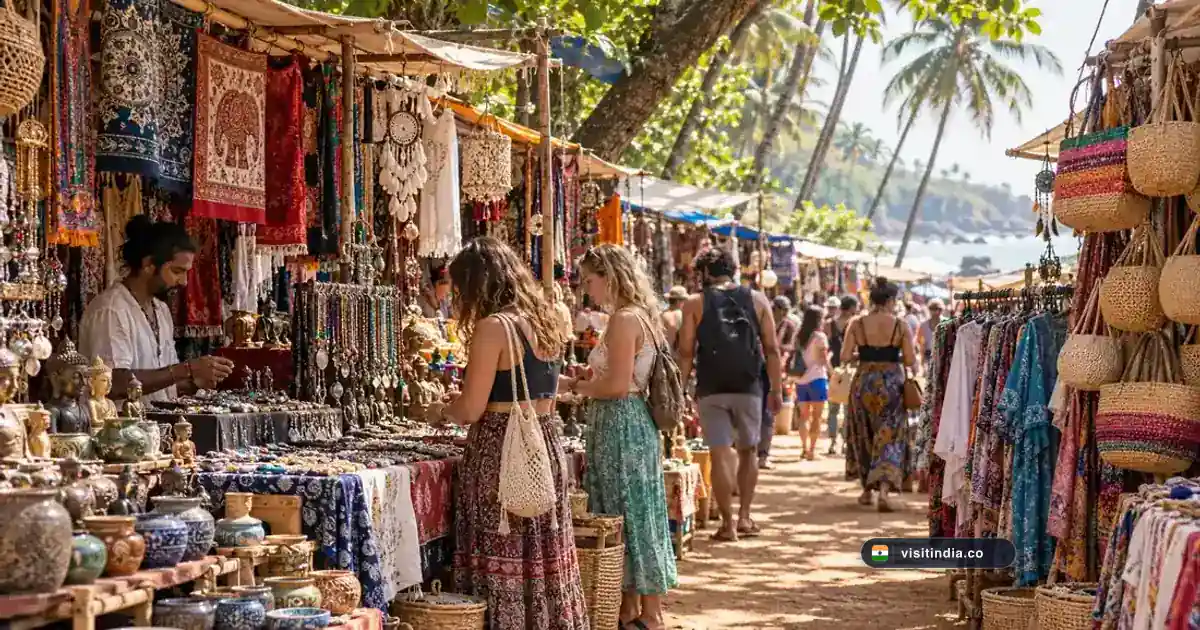
North Goa vs South Goa: Which Region is Best for Your Trip?
Decide between North Goa vs South Goa with this complete guide comparing beaches, nightlife, luxury resorts, food culture, costs, and travel styles.
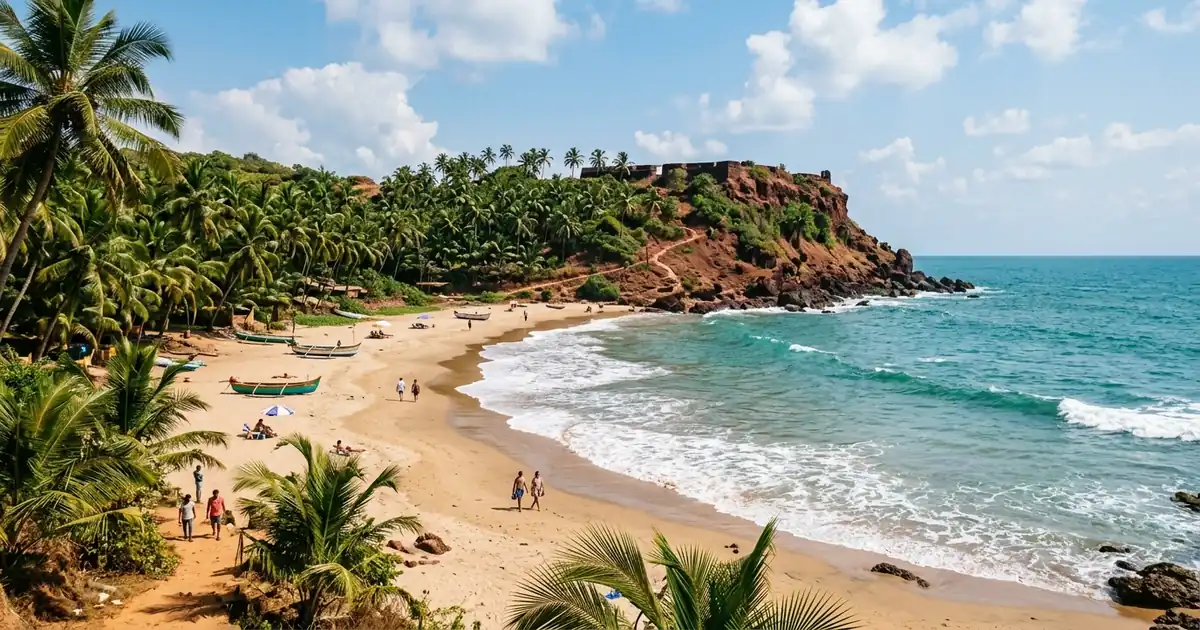
Choosing between North Goa and South Goa is the single most important decision when planning a coastal holiday in India’s sunshine state. Although separated by just thirty kilometers and connected across the Zuari River bridge, these two administrative districts present completely different vacation personalities, architectural settings, and daily rhythms.
North Goa is the dynamic epicentre of commercial energy, known for its active beach shacks, late-night open-air clubs, flea markets, and trendy cafe culture. South Goa, by contrast, unfolds along wide, uncrowded white sand shores backed by dense palm groves, sleepy Portuguese heritage villages, and five-star luxury beachfront resorts.
North Goa vs South Goa Quick Verdict
- Choose North Goa If: You want energetic nightlife, water sports, social hostels, lively flea markets, and trendy dining scenes.
- Choose South Goa If: You seek peaceful solitude, wide uncrowded beaches, luxury five-star resorts, nature trails, and romantic getaways.
- Airports: North Goa is served by Manohar International Airport at MOPA (GOX); South Goa is served by Dabolim Airport (GOI).
- Average Accommodation Cost: North Goa favors budget hostels, guest houses, and boutique hotels; South Goa concentrates top-tier luxury resort estates.
- Best Season: November through February offers calm seas, active shacks, and comfortable 28°C daytime warmth.
- Ideal Trip Duration: 5 to 7 days, allowing you either to settle fully in one district or split your stay between both.
Geography and Overview of the Two Coastal Districts
The state of Goa spans roughly 105 kilometers of coastline along the Arabian Sea. The Zuari River and the state capital of Panaji form the natural boundary dividing the territory into North Goa and South Goa.
North Goa encompasses popular coastal talukas like Bardez and Pernem. Here, dramatic red laterite sea cliffs frame sandy bays stretching from Candolim and Calangute up to Morjim and Arambol. Because tourism development began earlier in the north during the 1960s, town centers are denser, vehicle traffic is heavier, and commercial services are clustered closely together.
South Goa covers the expansive talukas of Salcete and Canacona. The coastline transitions into broad, flat expanses of fine white sand, creating sweeping crescent shores like Colva, Benaulim, Varca, Mobor, and Palolem. Development in the south remains more dispersed, with long stretches of coconut plantations buffering quiet coastal villages from modern development.
For a broader perspective on statewide attractions, wildlife sanctuaries, and seasonal festivals, explore our comprehensive Goa state travel guide.
Coastal Atmospheres: Comparing North and South Beaches
The beach experience forms the core of any Goa holiday, but the sand texture, water conditions, and shoreline atmosphere vary markedly between districts.
In North Goa, beaches are lively social arenas. Strips like Baga and Calangute feature dense clusters of sun loungers, commercial jet ski operators, and music streaming from open-air shacks. Further north in Anjuna and Vagator, rocky red cliffs create scenic backdrops for sunset drumming sessions and electronic music gatherings. Ashwem and Mandrem offer a more refined northern alternative, with stylish wooden daybeds and upscale beach clubs.
South Goa presents a meditative coastal environment. Beaches like Agonda and Varca feature wide, quiet shorelines where you can walk for kilometers without encountering noisy crowds or persistent vendors. Palolem is famed for its crescent-shaped bay protected by headlands, offering gentle swimming conditions and colorful wooden coco-huts built directly beneath swaying palm trees. Furthermore, southern beaches like Galgibaga serve as protected nesting grounds for endangered Olive Ridley sea turtles.
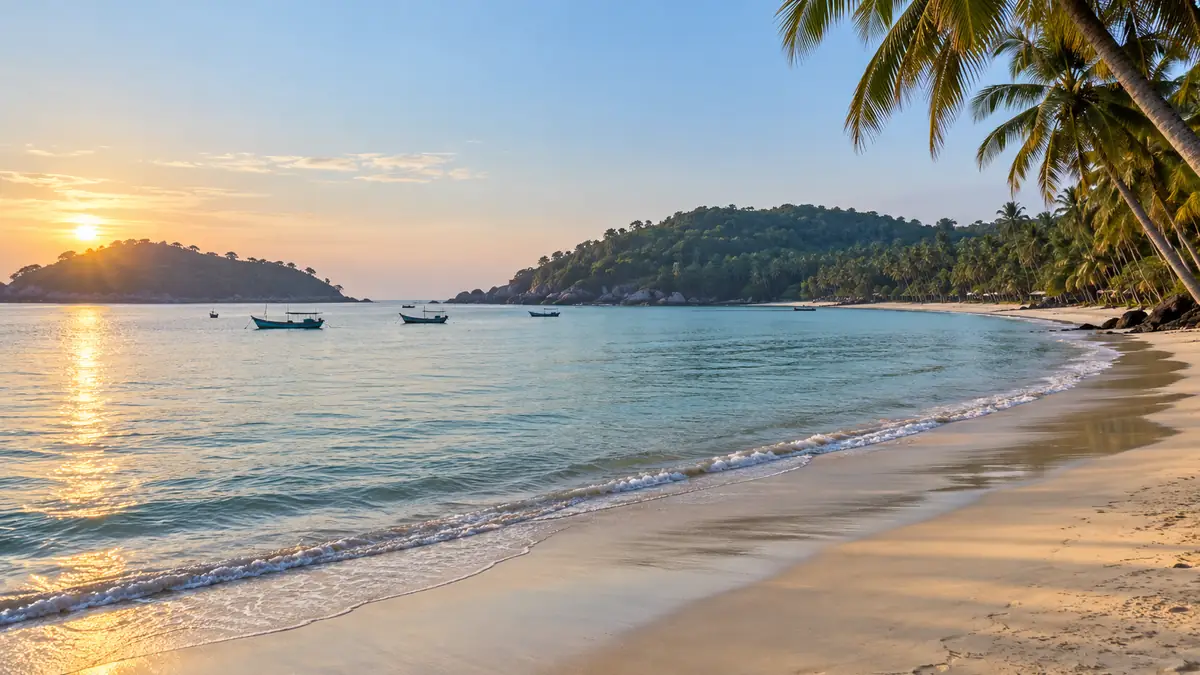
For a detailed breakdown of individual shores, review our curated rankings in the 10 best beaches in Goa guide.
Nightlife, Entertainment, and Social Scene
If your idea of a vacation centers around dancing until dawn and socializing with fellow travelers, North Goa is unmatched anywhere on the subcontinent.
The legendary nightlife strip along Tito’s Lane in Baga, open-air hilltop venues in Vagator, and beach clubs in Anjuna host international DJs and live music through the winter months. Night markets like the Arpora Saturday Night Market combine live bands, boutique fashion stalls, and international food courts under fairy-lit banyan trees.
South Goa takes a much gentler approach to evening entertainment. Nightlife here revolves around relaxed beach shacks playing acoustic guitar melodies, candlelit dinners with wine overlooking the rolling surf, and silent noise headphone parties at Palolem. Travelers seeking clubs, casinos, and high-energy pub crawls will find South Goa decidedly quiet after 10:00 PM.
Accommodation Styles: Hostels vs Luxury Resorts
Where you stay dictates your daily travel convenience and overall expenditure.
Where North Goa Excels
North Goa is the backpacker and digital nomad capital of coastal India. Areas like Anjuna, Vagator, and Arambol feature hundreds of design-forward hostels, shared co-working spaces, and budget guesthouses. For mid-range travelers, restored Portuguese villas and boutique heritage hotels offer private pools and curated design within walking distance of famous eateries.
If you enjoy staying directly on the busiest commercial strip, consider the resort options detailed in our guide to Calangute Beach.
Where South Goa Excels
South Goa is the undisputed capital of ultra-luxury hospitality. Sprawling five-star resort properties by Taj, The Leela, Alila Diwa, and ITC Grand Goa occupy vast beachfront estates in Cavelossim, Benaulim, and Majorda. These resorts provide private golf greens, expansive lagoon pools, Ayurvedic spas, and secluded beach access ideal for honeymoons and restorative family holidays.
For independent travelers, South Goa also offers charming seasonal wooden coco-huts on the sands of Palolem and Agonda, allowing you to wake up steps from the ocean waves.
Food Culture: Trendy Cafes vs Authentic Goan Flavors
Both districts offer exceptional dining, but their culinary focus reflects their visitor demographics.
North Goa has evolved into one of India’s most innovative culinary destinations. Villages like Assagao, Siolim, and Saligao house gourmet restaurants situated in restored colonial mansions, offering Greek, French, Japanese, and contemporary European menus alongside artisanal coffee roasteries. Beach shacks in Morjim and Anjuna serve fresh sushi, smoothie bowls, and Mediterranean mezze platters to an international crowd.
South Goa remains the stronghold of authentic, slow-cooked Goan Catholic and Saraswat culinary traditions. Coastal family-run institutions in Betalbatim, Margao, and Benaulim serve legendary Goan fish curry thalis, pork vindaloo, chicken xacuti, and butter-garlic crab prepared with freshly ground coconut paste and local toddy vinegar. Dining in the south tends to be unhurried and intimate, centered around open-air garden courtyards and classic village taverns.
North Goa Forts, Latin Quarters, and Coastal Architecture
North Goa features dramatic coastal fortifications built to guard the mouths of navigable rivers. Fort Aguada and its 19th-century lighthouse overlook the Mandovi estuary, while the red laterite ramparts of Chapora Fort provide panoramic vistas across the Chapora River and Vagator beach.
In Panaji, the Latin Quarter of Fontainhas presents narrow cobblestone streets lined with pastel-colored 18th-century villas, hand-painted ceramic tiles, and cast-iron balconies.
Travelers can easily connect northern beach stays with the late-night social spots near Baga Beach before heading inland. State tourism authorities maintain active visitor guidelines and civic rules on the North Goa District Administration Portal.
South Goa Colonial Cathedrals, Mansions, and Cliff Forts
South Goa preserves monumental ecclesiastical architecture in Old Goa (Velha Goa), the historic Portuguese capital situated along the Mandovi. This UNESCO World Heritage enclave features the grand Basilica of Bom Jesus history and mass timings, which enshrines the sacred relics of St. Francis Xavier, and the imposing Sé Cathedral, one of the largest churches in Asia.
Further south, magnificent aristocratic mansions in Chandor and Quepem exhibit ballroom chandeliers, Belgian mirrors, and antique rosewood furniture preserved by Goan noble families. At Cabo de Rama, an ancient coastal fort crowns a sheer sea cliff, providing solitary viewpoints over the ocean far away from commercial tourist buses.
Detailed conservation notes and monument access times for Old Goa’s protected churches can be verified at the Archaeological Survey of India official portal.
Nature, Wildlife, and Outdoor Adventures
Travelers who love wildlife, waterfalls, and tropical trekking will find abundant opportunities across both districts, particularly along the eastern foothills of the Sahyadri mountains.
South Goa offers closer proximity to major natural reserves. The Bhagwan Mahavir Wildlife Sanctuary and Cotigao Wildlife Sanctuary protect dense semi-evergreen forests inhabited by leopards, deer, and diverse bird species. From South Goa, travelers can easily plan excursions to the majestic four-tiered cascades of Dudhsagar Falls Goa, taking a guided jeep safari through the Mollem reserve.
South Goa is also famous for eco-adventures like ocean kayaking through the backwaters of the Sal River and taking motorized boat trips from Palolem to spot Arabian Sea humpback dolphins.
North Goa provides exciting ocean water sports, including parasailing, banana boat rides, and scuba diving lessons near Grande Island. Birdwatchers can explore the mangrove waterways of the Salim Ali Bird Sanctuary on Chorao Island, home to kingfishers, mudskippers, and migratory waterbirds.
For national ecotourism routes and state travel calendars, consult official resources on Incredible India Goa Guide to align seasonal visits with regional festivities.
Budget Comparison: North Goa vs South Goa
Understanding typical costs helps align your vacation choice with your travel wallet.
| Expense Category | North Goa (Average Cost) | South Goa (Average Cost) | Cost Comparison Takeaway |
|---|---|---|---|
| Budget Hostel / Guest House | ₹800 – ₹2,000 per night | ₹1,200 – ₹2,500 per night | North Goa offers far more hostel beds and competitive pricing |
| 4-Star / Boutique Hotel | ₹4,500 – ₹9,000 per night | ₹5,500 – ₹11,000 per night | South Goa boutique stays carry a premium for secluded locations |
| 5-Star Beachfront Luxury Resort | ₹12,000 – ₹22,000 per night | ₹18,000 – ₹40,000 per night | South Goa luxury resorts feature larger private beach acreage |
| Daily Scooter Rental | ₹350 – ₹500 per day | ₹400 – ₹600 per day | Prices are comparable; rates rise during peak December holidays |
| Meal for Two at Casual Shack | ₹800 – ₹1,500 | ₹700 – ₹1,300 | South Goa authentic fish thali joints offer outstanding value |
| Dinner for Two at Upscale Dining | ₹2,500 – ₹5,000 | ₹2,000 – ₹4,000 | North Goa features a denser concentration of fine-dining venues |
Generally, budget backpackers, solo travelers, and large friend groups find North Goa more economical due to the sheer volume of competing accommodations, rentals, and budget dhabas. South Goa tends to require a higher overall budget, especially if staying at five-star beach resorts or dining at high-end hotel restaurants.
Airport Logistics, Cab Fares, and Getting Around
Goa’s airport landscape shifted dramatically with the opening of Manohar International Airport at Mopa in Pernem, North Goa. Knowing which airport to fly into will save you hours of road transit and thousands of rupees in cab fares.
Choosing Your Airport
- Manohar International Airport, MOPA (GOX): Located in extreme North Goa. Flying into Mopa is ideal if you are staying in Arambol, Morjim, Mandrem, Vagator, Anjuna, or Calangute. Reaching northern beach towns takes 35 to 55 minutes. However, traveling from Mopa to South Goa beaches like Palolem takes nearly two and a half hours.
- Dabolim Airport (GOI): Situated centrally near Vasco da Gama. Dabolim is the preferred gateway if you are staying in South Goa (Colva, Benaulim, Cavelossim, or Palolem), with transit times ranging from 30 to 75 minutes.
Local Transport Options
Renting a self-drive scooter (Honda Activa) or car is the most popular way to explore either district. Rentals require an active driving license and a nominal security deposit. Ensure you wear a helmet at all times, as traffic police strictly enforce safety rules across state highways.
For airport transfers, use the official GoaMiles app or government prepaid taxi counters located directly inside the terminal arrivals hall. Avoid unregistered private cabs outside the gate, as rates are not regulated.
Final Verdict: Which Region Should You Choose?
Your ultimate decision depends on your traveling companions, vacation goals, and preferred travel pace.
Pick North Goa If:
- You are traveling with friends and want to experience beach parties, clubs, and late-night social spots.
- You enjoy cafe hopping, boutique shopping, and exploring culinary pop-ups in heritage villages.
- You are a solo traveler or digital nomad looking to meet people in social co-living hostels.
- You want high-energy water sports, parasailing, and boat cruises readily available on your doorstep.
Pick South Goa If:
- You are planning a romantic honeymoon or peaceful couple’s retreat.
- You want a five-star luxury resort experience with expansive lawns, private beaches, and world-class spas.
- You are traveling with elderly parents or young children who need quiet, safe, and unhurried surroundings along the best beaches in Goa for families.
- You appreciate long walks on wide, clean beaches, authentic local fish curries, and uncrowded nature trails.
Can You Split Your Trip?
If you have six days or more, the best approach is to split your itinerary: spend three nights in North Goa for nightlife, forts, and cafes, then move to South Goa for three nights of restorative beachside relaxation.
Frequently Asked Questions About North Goa vs South Goa
Which is better for families: North Goa or South Goa?
South Goa is generally superior for families with young children or elderly travelers due to its quiet atmosphere, clean white sand beaches, and self-contained luxury resorts. However, families seeking water sports and historic forts also enjoy quieter northern pockets like Candolim or Mandrem.
How much travel time is required between North Goa and South Goa?
Traveling between popular northern hubs like Baga or Anjuna and southern beach centers like Colva or Benaulim takes approximately 1.5 to 2 hours by car, covering 55 to 65 kilometers depending on traffic across Panaji bridges.
Which part of Goa has cleaner and safer beaches?
South Goa beaches like Agonda, Varca, and Palolem are noticeably cleaner and less congested than the commercial strips of North Goa. South Goa’s southern coves also tend to have gentler wave breaks, making them safer for casual swimming under lifeguard supervision.
Is South Goa boring for young travelers?
Not at all. While South Goa lacks massive commercial EDM nightclubs, it attracts travelers who enjoy ocean kayaking, dolphin watching, yoga retreats, hiking to secluded coves like Butterfly Beach, and relaxing at intimate beach shacks with live acoustic music.