Places to Visit in Cherrapunji: Nohkalikai Falls & Caves Guide
Complete guide to places to visit in Cherrapunji: Nohkalikai Falls, Mawsmai Cave, Seven Sisters Falls, Arwah Cave, Sohra cafes, and a 2-day itinerary.
Cherrapunji, known historically and locally as Sohra, crowns the southern edge of the East Khasi Hills plateau in Meghalaya, perched 1,430 meters above the green floodplains of Bangladesh. This comprehensive visitor guide provides verified entry fees, operating hours, cave access guidelines, and a curated 2-day sightseeing itinerary for exploring the world’s most famous rain capital.
Receiving an astonishing annual average rainfall exceeding 11,000 millimeters, Sohra presents a dramatic landscape of sheer sandstone canyons, thundering plunge waterfalls, and deep underground cave passages. While heavy summer monsoon clouds transform the plateau into a realm of rushing torrents, the clear autumn and winter months reveal panoramic views reaching across international borders.
Sohra Sightseeing & 2-Day Route Essentials
- Cherrapunji sits 54 kilometers south of Shillong along State Highway 5, taking approximately two hours by road across the dramatic Mawkdok Dympep valley gorge.
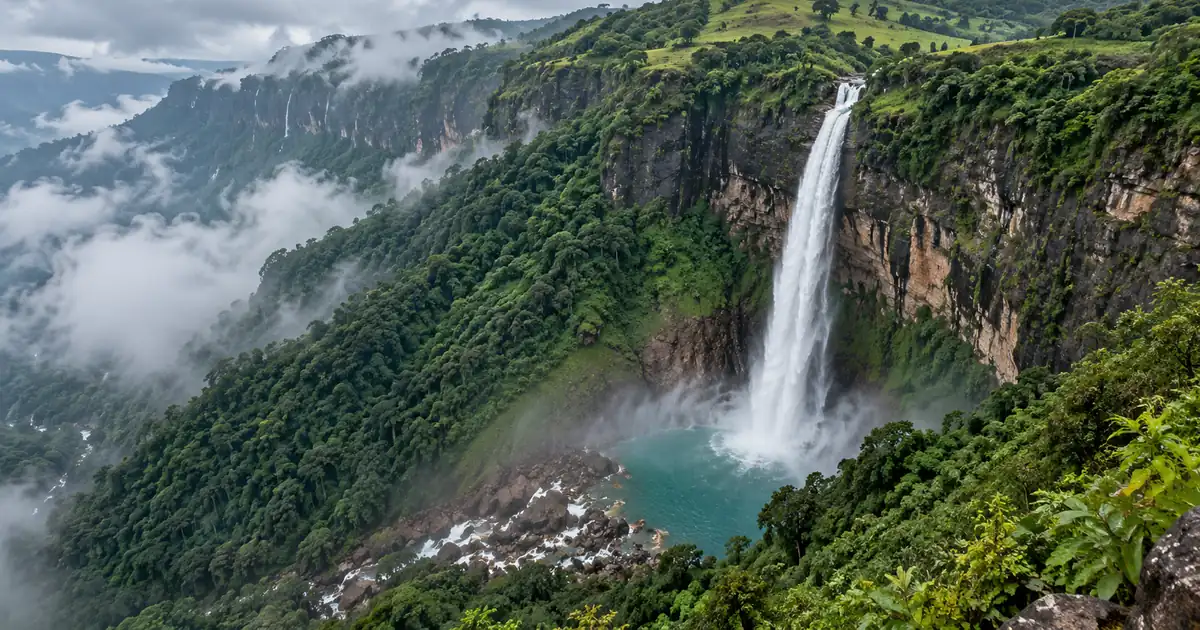
- The signature natural landmark is Nohkalikai Falls, which cascades 340 meters into a turquoise mountain pool, making it the tallest plunge waterfall in India.
- Subterranean explorations include the lighted fossil galleries of Arwah Cave and the limestone stalactite passages of Mawsmai Cave.
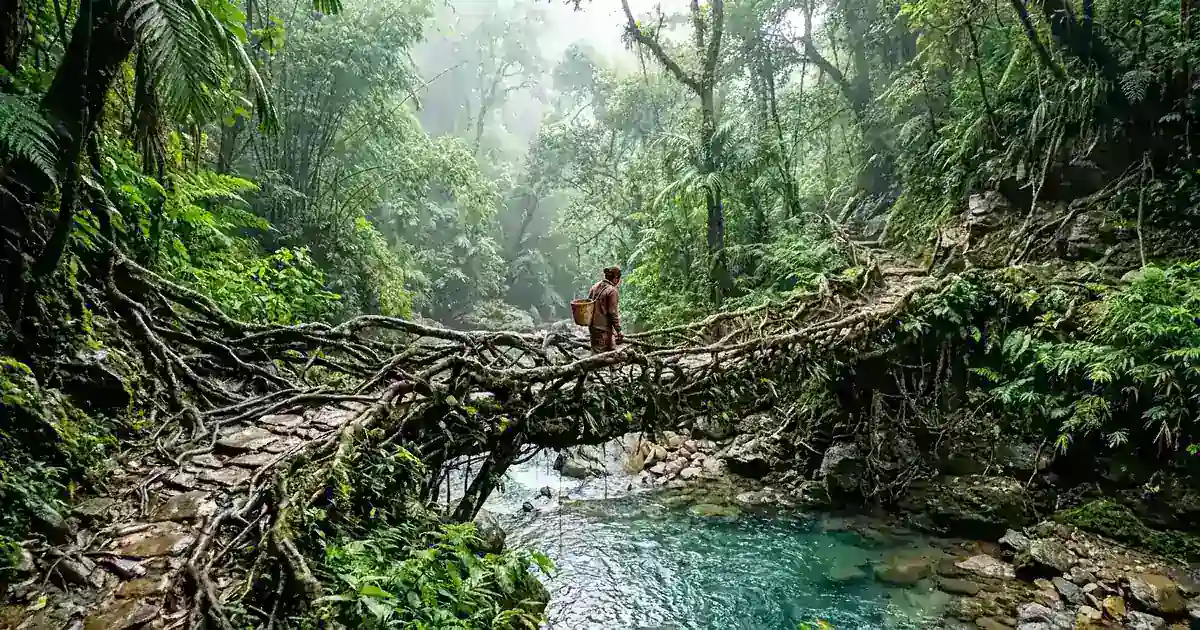
- A two-day itinerary comfortably pairs plateau viewpoints and caves on Day 1 with living root bridge trails in Nongriat on Day 2.
Travelers organizing regional road trips frequently combine Cherrapunji with broader highland circuits outlined in our complete planning a visit to Meghalaya.
Cherrapunji Attractions Master Table
Structuring visits across the Sohra plateau requires grouping sights by geographic clusters to avoid backtracking along mountain roads. The following matrix details the primary attractions, entry costs, and ideal durations:
| Attraction Landmark | Type & Character | Entry Fee (Per Adult) | Operating Hours | Recommended Duration |
|---|---|---|---|---|
| Nohkalikai Falls | 340-meter Plunge Waterfall | ₹20 (Counter) + ₹20 Camera | 6:00 AM to 5:00 PM | 1 to 1.5 Hours |
| Mawsmai Cave | Lighted Limestone Cavern | ₹50 (Adults) / ₹20 (Children) | 7:30 AM to 5:00 PM | 45 Minutes |
| Arwah Cave | Prehistoric Marine Fossil Cave | ₹20 (Entry) + ₹50 Guide (Optional) | 9:30 AM to 5:30 PM | 1 to 1.5 Hours |
| Seven Sisters Falls (Nohsngithiang) | Segmented Cliffside Cascade | Free Public Viewpoint | Daylight Hours | 30 to 45 Minutes |
| Wei Sawdong Falls | Three-Tier Forest Waterfall | ₹30 (Trail Maintenance) | 8:00 AM to 4:30 PM | 1.5 to 2 Hours |
| Dainthlen Falls | Historic Riverbed Rapids & Drop | Free Public Access | Daylight Hours | 45 Minutes |
| Mawkdok Dympep Valley Viewpoint | Deep Canyon Lookout & Zipline | Free Viewpoint / ₹500+ Zipline | 7:00 AM to 5:00 PM | 45 Minutes |
| Eco Park | Highland Gardens & Canyon Rim | ₹20 (General Admission) | 8:00 AM to 5:00 PM | 1 Hour |
Allocating two full days allows travelers to appreciate these natural wonders without rushing through narrow cave chambers or canyon stairs.
Iconic Waterfalls of the Sohra Plateau
The unique topography of the plateau rim, dropping vertically into deep southern river valleys, creates some of Asia’s most spectacular waterfall viewpoints:
Nohkalikai Falls: The 340-Meter Plunge
Located seven kilometers west of central Sohra, Nohkalikai Falls drops an uninterrupted 340 meters (1,115 feet) from the edge of a flat tableland into a deep turquoise pool below. Fed by rainwater collecting across highland grasslands, the fall is framed by steep forested sandstone cliffs.
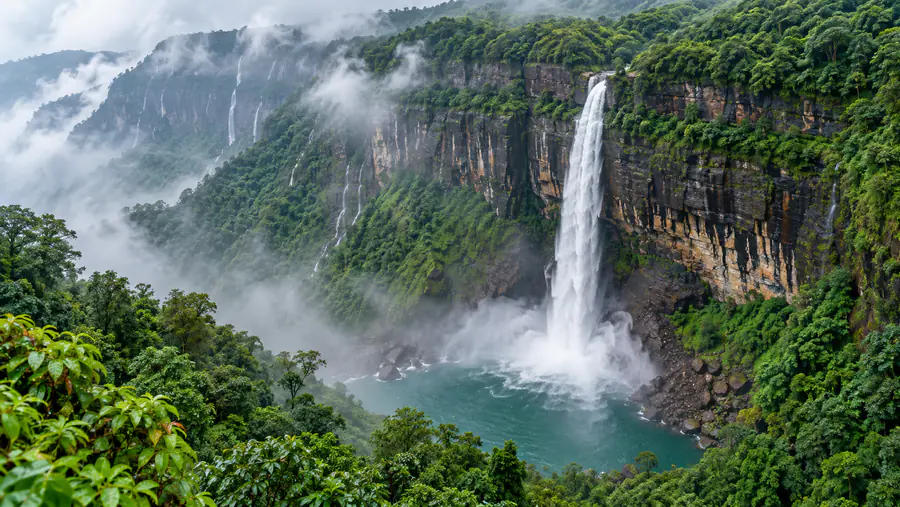
The viewpoint features secure viewing platforms, local handicraft stalls selling Khasi wild honey and cinnamon bark, and a stone path descending toward intermediate cliff lookouts. Early morning visits between 7:30 AM and 9:30 AM provide the clearest visibility before afternoon clouds rise from the plains.
Seven Sisters Falls (Nohsngithiang) and Wei Sawdong
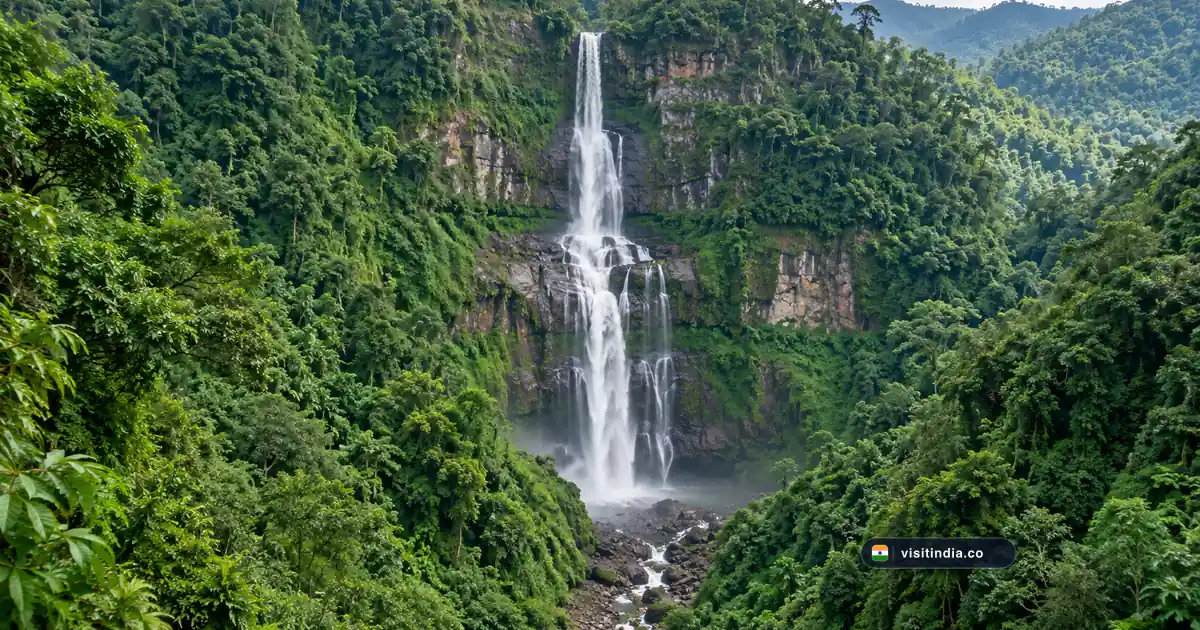
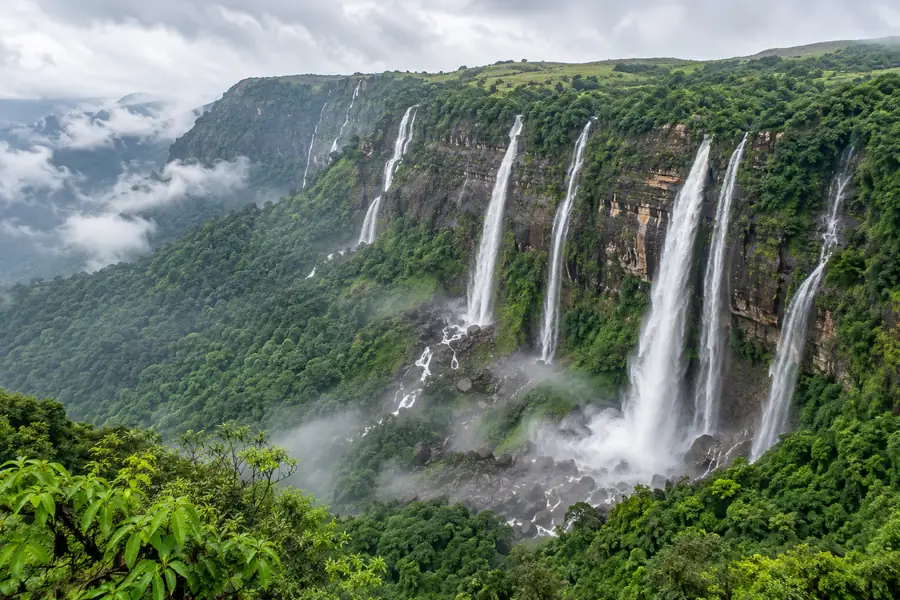
Facing directly toward the southern horizon, the Seven Sisters Falls cascades down limestone cliffs in seven distinct parallel streams during the monsoon and post-monsoon months. Located near Mawsmai village, the falls offer an open panoramic view overlooking the flat plains of Sylhet in Bangladesh.
Further north along the road to Dainthlen, Wei Sawdong features an emerald-green three-tier cascade hidden in a dense forest ravine. Reaching the base requires descending a steep, adventurous pathway made from wooden logs and tree roots, rewarding hikers with clear natural rock pools.
Official meteorological records and historical rainfall tables can be reviewed through the IMD Rainfall Statistics Portal.
Limestone Caverns: Mawsmai Cave and Arwah Cave
Underneath its grassy plateau surface, Sohra contains intricate subterranean karst systems formed through millions of years of water erosion:
Mawsmai Cave: Accessible Stalactite Chambers
Situated four kilometers south of Cherrapunji, Mawsmai Cave is the most accessible cave in Meghalaya. The cave is equipped with permanent electric lighting and wooden footbridges, allowing travelers of all ages to walk through approximately 150 meters of limestone chambers.
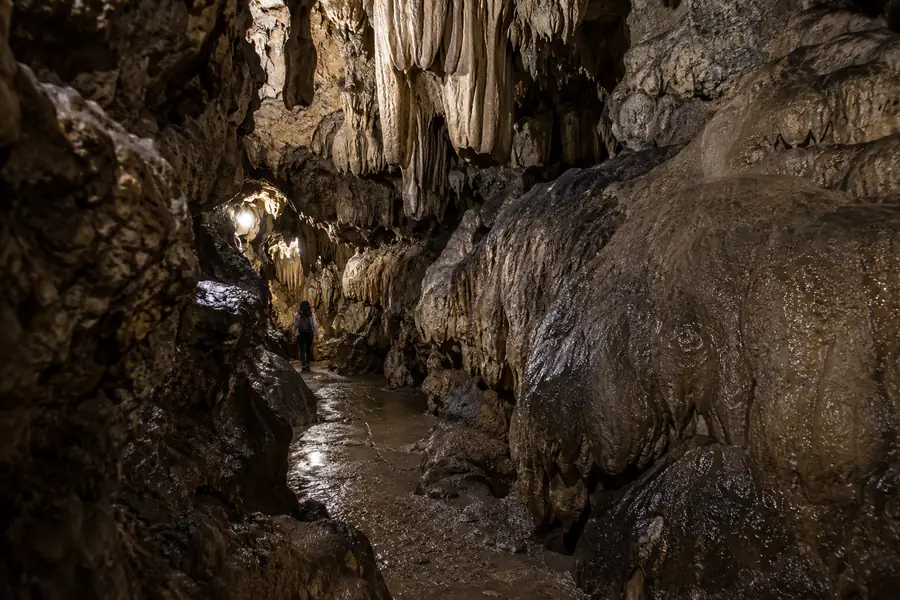
Visitors marvel at massive calcium carbonate stalactites hanging from the ceiling and stalagmites rising from the floor. Certain sections require stooping and squeezing through narrow natural rock arches where mountain water drips steadily through the stone.
Arwah Cave: Prehistoric Fossils and Subterranean Streams
Located near the Lawshynna forest, Arwah Cave offers a wilder, more expansive caving experience. A scenic paved cliffside walkway leads from the parking area to the cave entrance, offering views across deep river gorges.
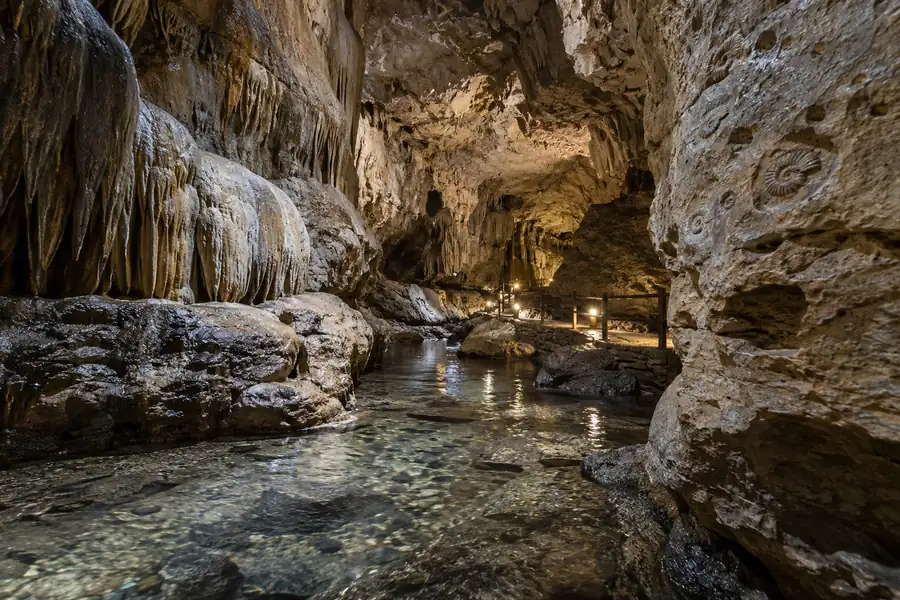
Inside, the cave features wide, lofty limestone halls where keen-eyed visitors can spot millions-of-years-old fossils of marine fish bones, gastropod shells, and coral embedded directly in the limestone ceilings. A guided wooden walkway follows an active underground stream deeper into unlighted natural chambers.
Local tourism developments are managed in cooperation with the Sohra Sub-Division Tourist Directory.
Curated 2-Day Cherrapunji Sightseeing Plan
To maximize time and minimize driving fatigue, travelers should follow a logical two-day geographic circuit:
Day 1: Highland Canyons, Caves, and Plunging Falls
- 08:30 AM: Depart Shillong, stopping at the Mawkdok Dympep Bridge for panoramic canyon views and optional ziplining.
- 10:30 AM: Explore the prehistoric marine fossil chambers along the cliffside trail at Arwah Cave.
- 01:00 PM: Enjoy traditional Khasi lunch or Indian vegetarian thali at a local cafe in Sohra market.
- 02:30 PM: Visit Nohkalikai Falls viewpoint to admire India’s tallest plunge waterfall under clear afternoon light.
- 04:00 PM: Explore the limestone formations inside Mawsmai Cave, concluding with sunset views across the Seven Sisters Falls.
- Overnight: Check into a cliffside resort or village homestay in Cherrapunji.
Day 2: Root Bridge Treks and Southern Valleys
- 06:30 AM: Drive 20 kilometers south to Tyrna village roadhead to begin the famous hike down 3,500 stone stairs to the Double Decker Living Root Bridge Trek safari zones and timings.
- 12:30 PM: Ascend back to Tyrna, enjoying a well-deserved meal of local rice and fresh seasonal fruit.
- 02:30 PM: Drive southeast toward neighboring river valleys, or return northward along the highway toward Shillong.
Official state tourism circuit maps are cataloged on the Meghalaya Tourism Sohra Portal.
Dining and Accommodation in Cherrapunji
Sohra offers a growing collection of cliffside boutique resorts, cozy bed-and-breakfasts, and traditional Khasi dining rooms:
- Where to Stay: Cherrapunji Holiday Resort in Laitkynsew provides an authentic base near root bridge trailheads; Polo Orchid Resort and Jaisalmer-style tent properties near Nohsngithiang offer direct cliffside views of cascading waterfalls.
- Where to Dine: Orange Roots along the main highway serves high-quality vegetarian South Indian and North Indian meals; local eateries in Sohra market offer authentic Jadoh (Khasi rice cooked with herbs) and Dohkhlieh pork salad.
How to Reach Cherrapunji and Onward Border Circuits
Cherrapunji is accessed by road from Shillong along State Highway 5:
- Private Taxi: Hiring an authorized tourist cab from Shillong for a full day costs ₹2,500 to ₹3,500 depending on vehicle size, providing complete flexibility to visit multiple waterfalls and caves at your own pace.
- Shared Sumo Taxis: Shared Sumo vehicles depart regularly from the Lewduh (Bara Bazar) taxi stand in Shillong, charging ₹100 to ₹150 per seat to central Sohra market.
- Onward Border Circuits: Travelers concluding their Sohra sightseeing can easily branch southeast along the Pynursla road to experience clear river waters detailed in our guide to Dawki River Boating & Mawlynnong safari zones and timings.
Frequently Asked Questions About Visiting Cherrapunji
What is the best time of year to visit Cherrapunji?
The best time to visit Cherrapunji is between September and May. September and October provide full, thundering waterfalls following the monsoon with clear skies, while the winter months from November to February offer crisp, sunny weather perfect for caving and hiking.
Are the caves in Cherrapunji safe for children and seniors?
Mawsmai Cave is well-lit and equipped with safety railings, making it safe for children and agile seniors, though it requires occasional bending and walking on damp stone. Arwah Cave features a wide, gentle entry path that is very comfortable for all age groups.
How far is Cherrapunji from Shillong and how long does the drive take?
Cherrapunji is located 54 kilometers south of Shillong along State Highway 5. The drive takes approximately two hours by car along a smooth two-lane mountain highway with scenic valley viewpoints.
Do tourists need a permit to visit Cherrapunji?
No special permits or Inner Line Permits are required for domestic or foreign tourists visiting Cherrapunji. Visitors simply pay modest local municipal or community entry fees (typically ₹20 to ₹50) at individual attraction gates.