Best Places to Visit in Kozhikode: Itinerary & Top Sights
Plan your trip to Kozhikode, Kerala with this guide covering historic beaches, Beypore shipyards, Tali temple, culinary stops, entry fees, and itineraries.
Kozhikode, historically known as Calicut, anchors northern Kerala with a maritime trading history spanning more than eight centuries. Located on the Malabar Coast, the city served as the administrative headquarters of the medieval Zamorin dynasty and welcomed global seafaring merchants across the Indian Ocean. Today, travelers explore a destination distinguished by historic shorelines, traditional shipbuilding yards, medieval wooden architecture, and celebrated regional food traditions.
Kozhikode Travel Essentials
- Kozhikode is situated along the Malabar Coast of northern Kerala, located 28 kilometers north of Calicut International Airport (CCJ).
- The city offers signature landmarks including Kappad Beach, the 1,500-year-old Beypore shipbuilding yard, Mishkal Mosque, and SM Street.
- Peak travel season runs from October through March, when daytime temperatures stay between 22°C and 32°C.
- Major city monuments and public beaches operate without entry fees, while boat rides and museums charge between ₹20 and ₹150 per person.
Kozhikode serves as a natural anchor for travelers touring northern Kerala travel destinations. From peaceful estuaries to century-old markets, the district provides a balanced look at regional culture away from southern tourist crowds.
Top Sights and Sightseeing Overview in Kozhikode
Kozhikode combines coastal landmarks, freshwater reservoirs, and forest foothills across a compact geographic area. Travelers can explore century-old heritage quarters in the city center before venturing outward to estuarine sanctuaries and upland waterfalls.
The urban center features historic neighborhoods such as Kuttichira and Mananchira, where traditional architectural forms remain intact. Coastal attractions line the western shore, offering long promenades and open sea views, while road trippers heading north can follow our dedicated Bekal Fort and Muzhappilangad drive-in beach guide. The table below outlines key attractions, typical visit durations, and essential logistical details.
| Attraction | Location / Distance | Key Highlight | Visiting Timings | Entry Fee |
|---|---|---|---|---|
| Kozhikode Beach | City Center (1 km from CLT) | 125-year-old piers, sunset walkway | Open 24 hours | Free |
| Kappad Beach | 16 km north of city | Vasco da Gama landing monument | 6:00 AM - 7:00 PM | Free |
| Beypore Port | 10 km south of city | Handcrafted wooden Uru shipbuilding | 8:00 AM - 6:00 PM | Free (Yard entry ₹20) |
| Kadalundi Sanctuary | 19 km south of city | Mangrove birdwatching and boating | 7:00 AM - 5:00 PM | ₹25 per adult |
| Tali Shiva Temple | Chalappuram (1.5 km from station) | 14th-century Zamorin temple architecture | 5:00 AM - 12:00 PM, 5:00 PM - 8:30 PM | Free |
| Mishkal Mosque | Kuttichira (2 km from beach) | Four-tier timber architecture, no minarets | Open during non-prayer hours | Free |
| Thusharagiri Waterfalls | 50 km east of city | Western Ghats trekking and cascades | 8:00 AM - 5:00 PM | ₹50 per person |
Historic Beaches and Maritime Landmarks in Kozhikode
Kozhikode contains some of the most historically significant coastal locations in peninsular India. These shores supported international spice trade with Arabia, China, and Europe long before modern deep-water harbors developed in southern ports like places to visit in Kochi.
Kozhikode Beach and Historic Sea Piers
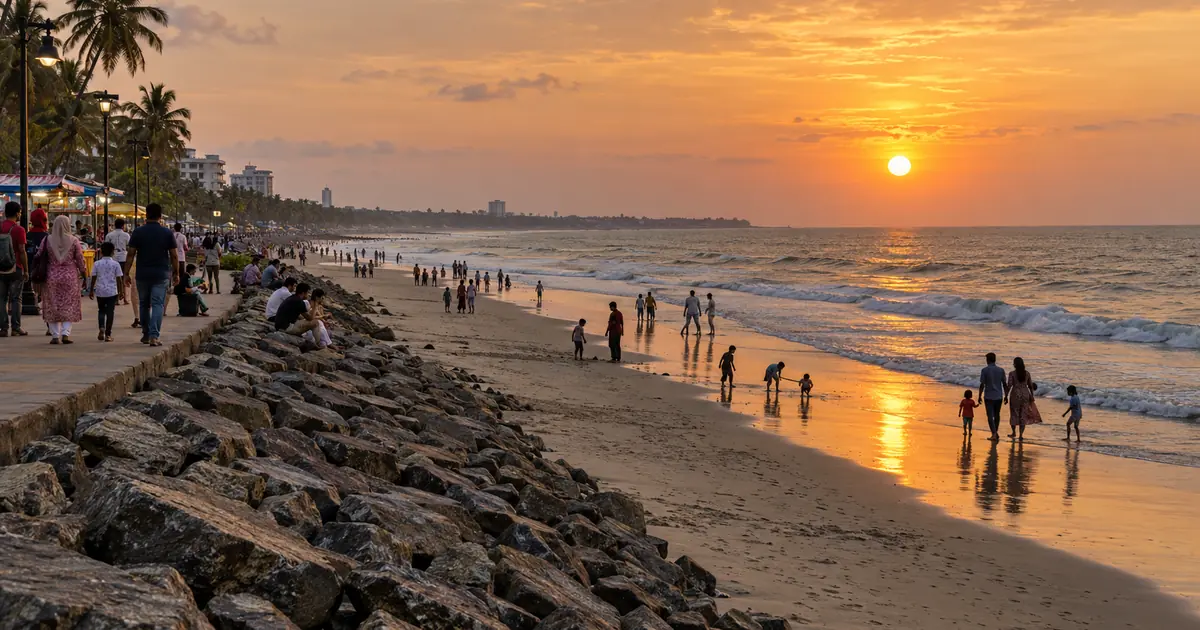
Kozhikode Beach forms the primary evening gathering spot for locals and visitors along Beach Road. The shore is distinguished by two crumbling iron sea piers that extend directly into the surf, originally erected in the late 19th century to load timber and spices onto cargo vessels.
The paved promenade spans over two kilometers and features open-air stone seating, gardens, and snack kiosks. Evening visitors gather to sample pickled fruits, salted mangoes, and freshly fried seafood snacks from local vendors.
Pro Tip
Visit Kozhikode Beach between 5:00 PM and 6:30 PM to experience the sunset behind the historic piers when sea breezes keep walking paths comfortable.
Kappad Beach and Vasco da Gama Landing Monument
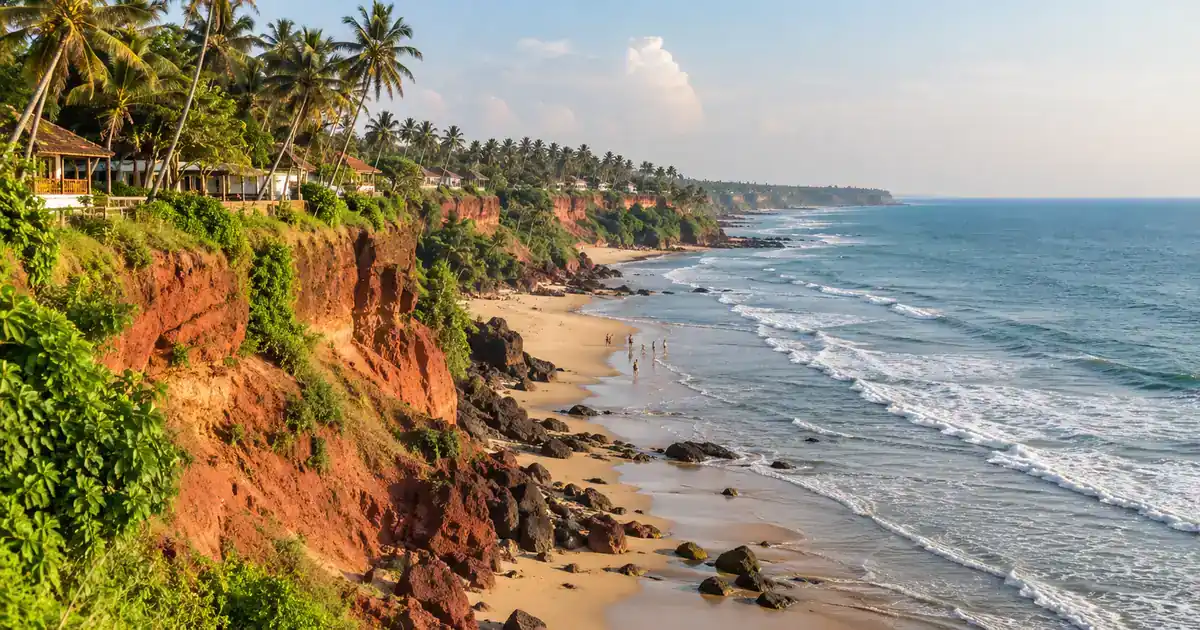
Kappad Beach lies approximately 16 kilometers north of Kozhikode and holds major historical significance in world navigation. Portuguese navigator Vasco da Gama landed on this rocky shore on May 20, 1498, leading an expedition of three vessels and 170 men that established the sea route from Europe to India.
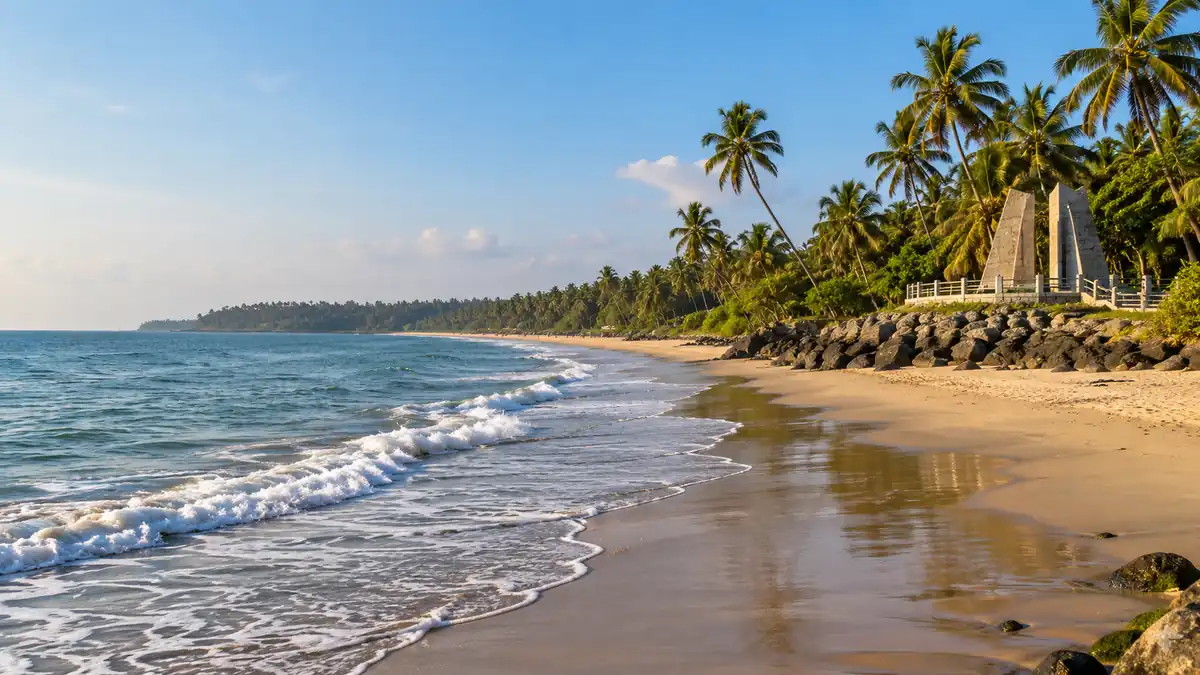
A modest stone monument set back from the shoreline marks the historic landing event. The beach features a clean stretch of sand flanked by laterite rock outcrops and a dedicated eco-tourism promenade maintained under the Kerala Tourism Department Kozhikode Destination Portal.
Beypore Port and Traditional Uru Shipbuilding Yard
Beypore sits at the mouth of the Chaliyar River, ten kilometers south of Kozhikode city. The port has operated as an active maritime center for over 1,500 years, renowned internationally for handcrafting ocean-going wooden vessels known as Urus.
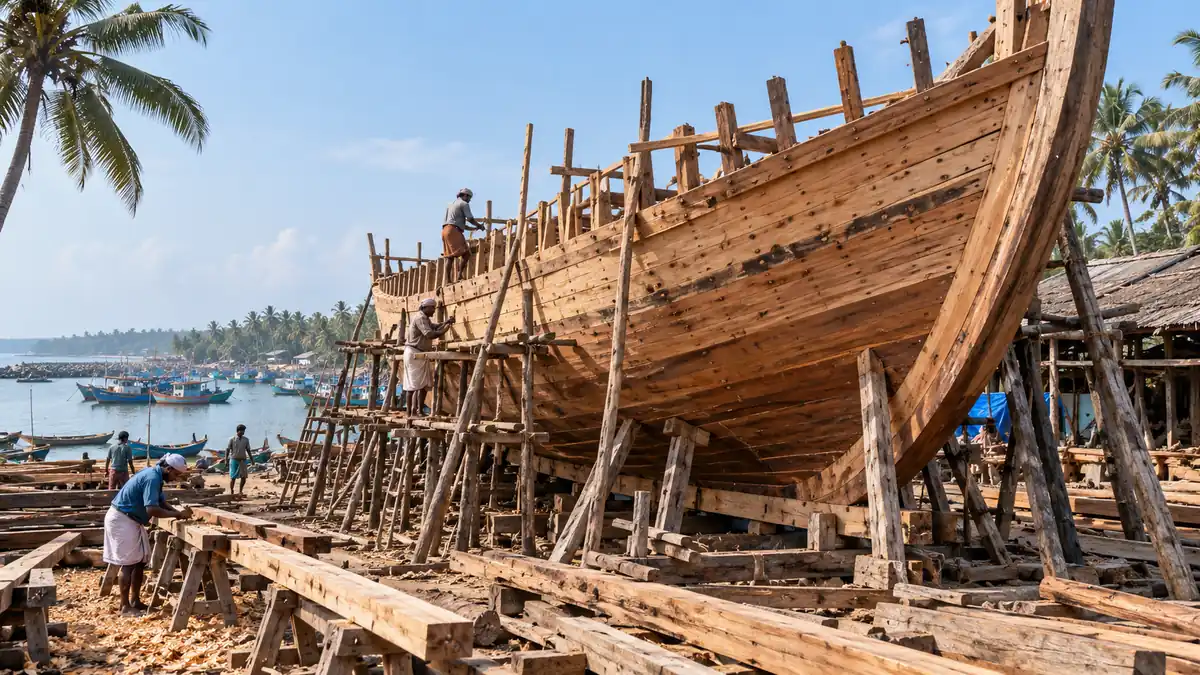
Skilled shipwrights known as Khalasis build these massive wooden trading dhows entirely by hand using teak wood and copper nails, following design specifications passed down through generations. Maritime merchants from Oman, Qatar, and the United Arab Emirates continue to commission custom Urus from Beypore boatyards today. Visitors can explore the active riverfront yards with insights from the Kerala Tourism Beypore Port and Beach Guide.
Heritage Temples, Medieval Mosques, and Cultural Quarters
The cultural core of Kozhikode centers on architectural landmarks constructed during the reign of the Zamorins of Calicut. Religious monuments throughout the city exhibit distinctive Kerala timber styling rather than the towering stone gopurams common in cultural sights in Thrissur.
Tali Shiva Temple
Tali Shiva Temple was founded in the 14th century under the patronage of the Zamorin ruler Swamy Thirumulpad. The complex features a two-tiered sanctum sanctorum constructed with laterite walls, detailed wooden panel carvings, and brass roofing.
The temple historically hosted the Revathi Pattathanam, a prestigious seven-day assembly where scholars and philosophers competed in Vedic debates to win awards from the Zamorin. Visitors must observe traditional temple dress codes, requiring dhotis for men and sarees or salwar suits for women.
Mishkal Palli Mosque in Kuttichira
Mishkal Mosque is located in the medieval settlement of Kuttichira, built in the 14th century by a wealthy Arab merchant named Nakhooda Mishkal. The mosque stands out because it lacks conventional minarets or domes, instead featuring a four-tiered pitched roof covered with clay tiles supported by 24 solid teak pillars.
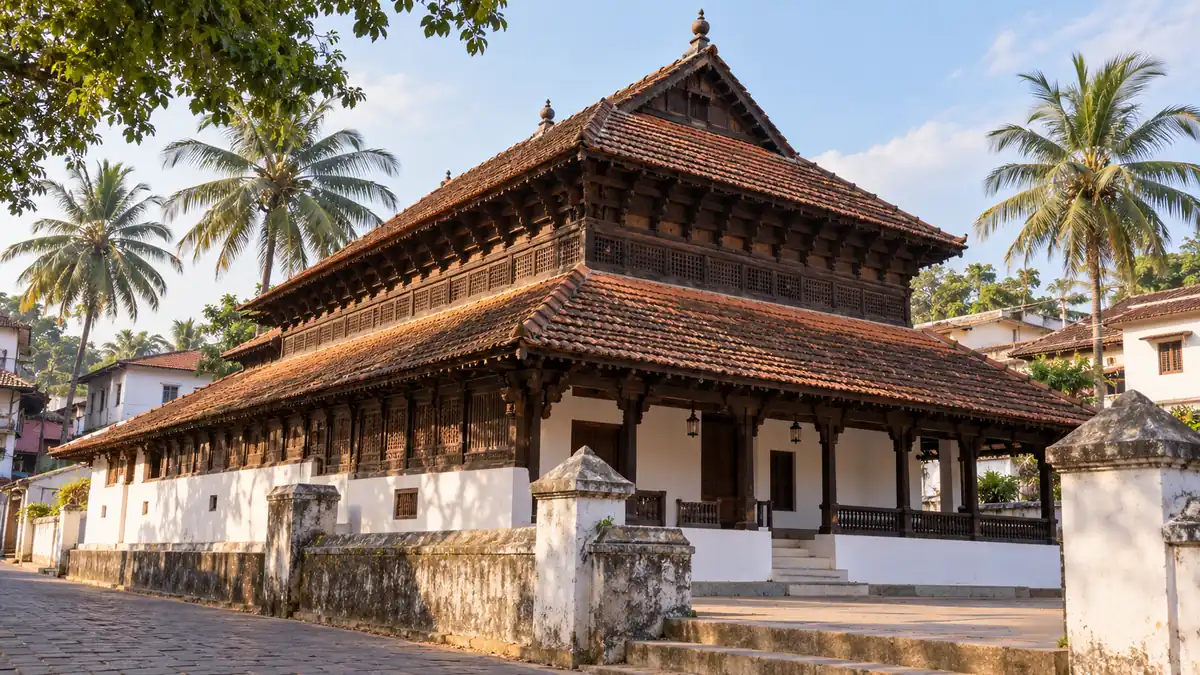
The surrounding neighborhood preserves traditional pond structures, wooden communal houses, and ancient stone-paved lanes. The mosque remains fully active for daily prayers and stands as an authentic example of medieval Malabar timber craftsmanship.
Sweet Meat Street (SM Street) and Culinary Markets
SM Street, known locally as Mittai Theruvu, runs through the commercial heart of Kozhikode as a pedestrianized shopping avenue. The street acquired its name during the colonial period from sweetmeat stalls that sold Kozhikodan halwa, a chewy confection prepared in copper cauldrons with pure coconut oil and jaggery.
Alongside colorful displays of halwa, travelers find traditional bakeries selling freshly made banana chips, hand-rolled savory snacks, and aromatic spices. The street is closed to motor vehicles, making it easy to browse clothing shops, book stores, and street food counters on foot.
Wildlife Sanctuaries, Waterfalls, and Nature Escapes
Beyond its urban heritage core, Kozhikode district rises into the lush foothills of the Western Ghats. These inland valleys offer rainforest river trails comparable to scenic routes in Munnar.
Kadalundi Bird Sanctuary and Mangrove Delta
Kadalundi Bird Sanctuary spans an estuarine cluster of islands where the Kadalundi River empties into the Arabian Sea, roughly 19 kilometers south of Kozhikode. The sanctuary covers rich mangrove forests that support over 100 native bird varieties alongside 60 species of migratory waterfowl.
Between November and February, sandpipers, terns, plovers, and gulls arrive from Central Asia and Siberia. Local boatmen operate peaceful wooden canoe safaris through the tidal mudflats, allowing nature photographers to observe feeding flocks at close range under guidelines published on the Kerala Tourism Kadalundi Bird Sanctuary Guide.
Thusharagiri Waterfalls
Thusharagiri Waterfalls lies 50 kilometers east of Kozhikode in the Western Ghats range. The name translates as snow-capped mountain, referencing the white mist produced as the Chalippuzha River plunges across three distinct cascades.
The lowest cascade, Erattumukku, sits near the entrance and features a natural rock swimming pool. More energetic hikers can follow a marked forest path through rubber plantations and evergreen jungle to reach the upper falls at Mazhavil Chattam and Thumbithullum Para.
Kakkayam Dam and Valley Reservoir
Kakkayam Dam is located 58 kilometers northeast of Kozhikode town, set within a protected reserve forest at an elevation of 750 meters. The reservoir area features forest paths, natural streams, and rocky cliffs where wild elephants, sambar deer, and Malabar giant squirrels occasionally appear.
The Kerala State Electricity Board manages the area as an eco-tourism project, offering seasonal speed boating and guided forest walks. Visitors must check in at the forest checkpoint near Koorachundu and pay local conservation entry fees before driving up the scenic winding ghat road.
Best Time to Visit Kozhikode and Seasonal Weather Guide
Kozhikode experiences a tropical monsoon climate characterized by high humidity throughout the calendar year. Winter months between October and March deliver the most comfortable weather conditions for sightseeing, with daily temperatures averaging between 22°C and 32°C.
During the southwest monsoon from June through August, Kozhikode receives over 2,500 millimeters of rainfall. Heavy downpours fill waterfalls and green countryside hills, yet frequently disrupt beach activities and boat services.
Summer arrives between March and May, bringing daytime highs near 36°C and intense coastal humidity. Travellers timing the crisp October to March season often pair northern Malabar with southern landmarks including the cable-car ascent to Jatayu Earth’s Center in Chadayamangalam.
Curated 1-Day and 2-Day Kozhikode Sightseeing Itineraries
Travelers can organize their Kozhikode itinerary based on available time, combining city center cultural sites with coastal and foothill day trips featured in broader plans for the essential places to explore across India.
1-Day Itinerary: Historic City Core and Sunset Shoreline
- Morning (8:30 AM - 12:00 PM): Begin at Tali Shiva Temple to appreciate Zamorin-era architecture before walking to the historic Kuttichira neighborhood to tour Mishkal Mosque and Mananchira Square.
- Afternoon (12:30 PM - 4:00 PM): Enjoy an authentic Malabar biryani lunch at Paragon or Rahmath Restaurant. Spend early afternoon walking down SM Street to purchase fresh banana chips and sample traditional Kozhikodan halwa.
- Evening (4:30 PM - 7:00 PM): Head to Kozhikode Beach to stroll along the promenade, observe the historic piers, and watch the sunset over the Arabian Sea while tasting local beach snacks.
2-Day Itinerary: Complete Malabar Heritage, Beypore, and Nature
- Day 1: Follow the 1-Day city heritage route covering Tali Temple, Kuttichira, SM Street, and Kozhikode Beach.
- Day 2 Morning (8:00 AM - 1:00 PM): Drive south to Beypore to inspect master craftsmen building wooden Urus at the shipyards, followed by a quiet walk along the Beypore stone sea bridge.
- Day 2 Afternoon (2:00 PM - 5:30 PM): Proceed to Kadalundi Bird Sanctuary for a guided canoe tour through the mangrove estuary to spot migratory shorebirds before heading back to the city center.
How to Reach Kozhikode by Air, Train, and Road
Kozhikode is one of the most accessible travel hubs in Kerala, maintaining direct rail links to major South Indian cities as well as coastal connections toward backwater trips in Alleppey.
Calicut International Airport (CCJ) at Karipur sits 28 kilometers southeast of the city center. The airport operates regular flights to major Indian metros, including Mumbai, Delhi, Bengaluru, and Chennai, alongside frequent international services to Gulf hubs like Dubai and Doha.
Kozhikode Main Railway Station (CLT) is a major junction on the Southern Railway network, with daily high-speed trains connecting Thiruvananthapuram, Kochi, Mangalore, and Chennai. By road, National Highway 66 provides smooth four-lane highway connectivity south toward Kochi and north toward Kannur and Goa. Cultural travelers often use Kozhikode as a northern railhead before exploring village shrines detailed in our Theyyam ritual calendar guide.
Frequently Asked Questions About Visiting Kozhikode
How many days are recommended for exploring Kozhikode?
Two days are ideal to explore Kozhikode, which allows enough time to visit historic city beaches, tour the Beypore boatyards, and take a mangrove boat trip at Kadalundi. A three-day trip allows travelers to add an inland excursion to Thusharagiri Waterfalls or Kakkayam Dam.
What is Kozhikode most famous for?
Kozhikode is widely celebrated for its centuries-old spice trading heritage, traditional wooden Uru shipbuilding at Beypore, and distinctive Malabar cuisine including dum biryani and Kozhikodan halwa. The city is also famous as the historic landing site of Vasco da Gama at Kappad Beach in 1498.
Which is the best beach to visit in Kozhikode?
Kozhikode Beach is the best option for evening walks, street food, and historic pier views right in the city center. Kappad Beach, located 16 kilometers north, offers a quieter atmosphere with clean sandy shores and a historic monument commemorating Vasco da Gama.
What is the primary dress code for temples in Kozhikode?
Traditional Hindu temples like Tali Shiva Temple require men to wear a dhoti and remove shirts before entering the inner sanctum. Women are expected to wear sarees, long skirts, or traditional salwar kameez with dupattas.