Gir National Park: Lion Safari Guide & Booking Rules
Plan your Gir National Park trip to see wild Asiatic lions. Explore safari booking rules, timings, Devalia Park, fees, hotels, and travel routes.
Safari & Sanctuary Essentials
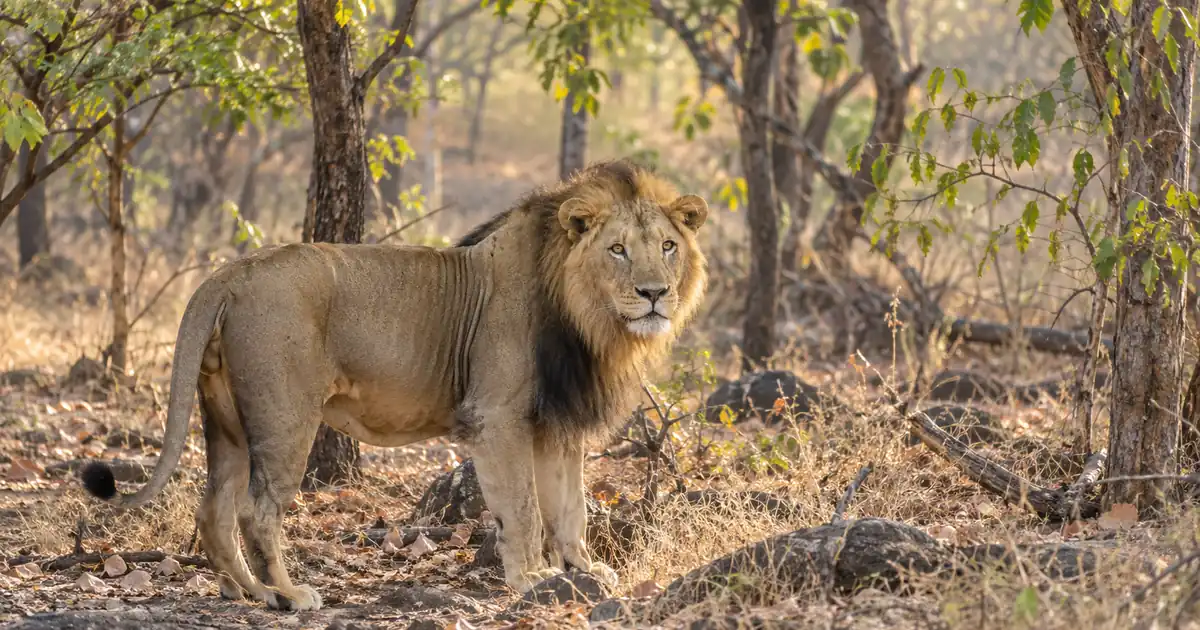
- Gir National Park covers 1,412 square kilometers in southwestern Gujarat as the sole wild refuge of the endangered Asiatic lion.
- The core safari routes open annually from mid-October through mid-June and remain closed between June 16 and October 15 for the monsoon breeding cycle.
- Three daily safari shifts operate at 6:00 AM to 9:00 AM, 8:30 AM to 11:30 AM, and 3:00 PM to 6:00 PM through designated forest tracks.
- All Jungle Trail permits must be secured online in advance through the official state portal, with each permit accommodating up to six adults per registered vehicle.
- Devalia Safari Park provides an enclosed interpretation alternate open throughout the year except on Wednesdays.
Gir National Park stands as one of the most remarkable conservation success stories in global wildlife history. Located in the Junagadh, Gir Somnath, and Amreli districts of Gujarat, the reserve protects the entire surviving population of wild Asiatic lions (Panthera leo persica).
From a precarious count of approximately twenty lions at the turn of the twentieth century, rigorous protection by the Forest Department and local communities has rebuilt the population to more than 670 individuals. Travelers visiting Sasan Gir enter a dry deciduous scrub landscape crisscrossed by perennial rivers and rocky ravines.
Planning Your Visit to Gir National Park
Proper preparation makes a substantial difference when arranging a wildlife journey to Sasan Gir. Because safari capacity is strictly regulated to protect animal corridors, obtaining permits months ahead of your intended dates is mandatory.
The sanctuary features prominently on lists of the best places to visit in India for ecotourists. Coordinating your entry paperwork, travel connections, and season of arrival ensures a reliable wilderness schedule.
Entry Permits and Booking Procedures
All safari bookings for the core Gir Jungle Trail are processed through the official Gujarat Forest Department online booking portal. The forest department releases permit quotas in rolling windows up to ninety days in advance.
Each permit covers entry for a single open-top Gypsy vehicle carrying up to six adults and one child. The base permit fee is paid online, while mandatory registered forest driver and local guide charges are settled directly at the reception center before departure. Valid government photo identification entered during registration must match the physical documents presented by every passenger at the gate.
Park Timings and Seasonal Openings
The core sanctuary observes a strict eight-month tourist calendar, running from October 16 to June 15 every year. The park gates close completely between June 16 and October 15 to allow animal breeding and replenish dirt tracks eroded by heavy seasonal rains.
Daily safaris run across three fixed shifts: 6:00 AM to 9:00 AM, 8:30 AM to 11:30 AM, and 3:00 PM to 6:00 PM. Winter mornings from November through February feature cool temperatures between 10°C and 15°C, making early drives particularly productive.
How to Reach Sasan Gir
Sasan Gir is well connected by air, rail, and state highway networks across the Kathiawar peninsula. Travelers arriving by air typically land at Diu Airport, located 69 kilometers south, or Rajkot Airport, situated 173 kilometers to the north.
The closest primary railway hubs are Veraval Junction, located 64 kilometers southwest, and Junagadh Junction, situated 77 kilometers northwest. Both stations connect directly to major hubs including Ahmedabad and Mumbai. State transport buses and private taxi operators run regular routes along the 320-kilometer highway from Ahmedabad to Sasan Gir.
Safari Formats: Gir Jungle Trail vs Devalia Park
Visitors can choose between two distinct safari experiences based on their itinerary length and permit availability. Similar to vehicle quotas enforced in northern tiger sanctuaries like Jim Corbett National Park, understanding the structural differences between these formats helps travelers manage expectations and scheduling.
Detailed route maps and designated entry gates are documented in the Gujarat Tourism Gir sanctuary guide. Both options offer valuable insights into the flora and predatory species of the Kathiawar ecosystem.
Gir Jungle Trail Core Experience
The Gir Jungle Trail takes visitors directly into the deep protected forest along thirteen designated routes. Open Gypsy jeeps navigate rugged dirt tracks under the direction of an assigned departmental tracker and driver.
Vehicle speeds are strictly monitored, and convoys cannot leave designated route lines or reverse behind feeding predators. Morning drives between 6:00 AM and 9:00 AM provide the greatest probability of catching lions patrolling territorial boundaries before midday heat sets in.
Devalia Safari Interpretation Zone
The Gir Interpretation Zone at Devalia covers a fenced 412-hectare enclosure approximately twelve kilometers from Sasan Gir reception. Established to reduce tourism pressure on the deep core, Devalia hosts a representative cross-section of Gir wildlife, including lions, leopards, spotted deer, and jackals.
Devalia operates forty-five-minute guided bus tours and open Gypsy safaris throughout the year, closing only on Wednesdays. It offers an accessible safari alternative for families with young children or visitors passing through outside the main winter season.
Key Wildlife Attractions Beyond Asiatic Lions
While the Asiatic lion remains the headline draw, Gir safeguards an exceptionally rich subtropical dry forest ecosystem. The reserve supports healthy populations of Indian leopards, striped hyenas, golden jackals, chital, sambar, and four-horned antelopes. Travelers can contrast this dry deciduous ecosystem with the moist evergreen forests of Pushpagiri Wildlife Sanctuary in the southern Western Ghats or explore Gujarat’s open grassland and salt flat habitats through our Velavadar and Little Rann wild ass safari guide.
Ecological overviews published in the Incredible India national park profile highlight the crucial role played by the park’s seven perennial rivers in sustaining these diverse trophic levels.
Kamleshwar Dam and Crocodile Habitats
Located in the center of the sanctuary along the Hiran River, Kamleshwar Dam forms the primary water reservoir for resident fauna. The reservoir is renowned for hosting the largest wild population of mugger crocodiles (Crocodylus palustris) in western India.
During dry months, dozens of large crocodiles gather on exposed sandbars and rocky ledges surrounding the reservoir. Watchtowers erected near the reservoir bank allow safari vehicles to halt briefly for bird and reptile photography.
Avian Species and Forest Biodiversity
Gir functions as a major biodiversity refuge for ornithologists, recording over 300 resident and migratory bird species. The dense riverine corridors provide nesting territory for the endangered white-backed vulture, crested hawk-eagle, brown fish owl, and Indian pitta.
Winter months bring substantial flocks of painted storks, pelicans, and waterfowl to the lakes and marshy shallows. Birding enthusiasts traveling across western and northern circuits can compare these forest wetlands with the protected flyway habitats at Sultanpur National Park in Gurugram. The dominant tree canopy consists of teak (Tectona grandis), flame of the forest (Butea monosperma), and thorny acacia shrubs adapted to semi-arid climates.
Forest Lodges and Accommodation Options
Accommodations in Sasan Gir range from state-operated forest rest houses to private eco-resorts positioned along the periphery of the buffer zone. Forest guesthouses like Sinh Sadan provide basic, comfortable rooms directly opposite the safari permit desk.
Similar to staying near Kanha National Park and Tiger Reserve, booking lodging close to the sanctuary gates cuts morning transit times significantly. Private wilderness lodges situated beside the Hiran River offer guided nature walks, mango orchard stays, and traditional Kathiawari dining.
Resort reservations during the peak festival window of Diwali and the winter holiday weeks should be finalized three months in advance. Many private hotels offer bundled safari assistance, but travelers must verify that permits are registered under individual passenger names on the government portal.
Cultural Context and Responsible Safari Guidelines
Gir National Park features a unique pastoral coexistence model where indigenous Maldhari cattle herders reside in traditional settlements (nesses) within the buffer forests. For centuries, Maldhari pastoralists have shared grazing grounds with apex carnivores, sustaining a delicate balance between human pastoralism and lion conservation.
Preserving this harmony requires strict visitor adherence to park rules. Guests must remain seated within vehicles, wear earthy colors such as olive, khaki, or brown, and avoid flash photography or loud chatter that disrupts animal movement.
Visitors traveling across western India often link their wilderness journeys with spiritual landmarks like Somnath Temple, which stands just 43 kilometers away on the Arabian Sea coast. Respecting local customs and adhering to forest conduct safeguards both resident communities and traveling groups.
Regional Sightseeing and Heritage Circuits
The geographic position of Sasan Gir allows travelers to construct comprehensive Saurashtra itineraries combining wildlife with ancient architecture. Junagadh, situated 77 kilometers to the northwest, contains the imposing ramparts of Uparkot Fort and the ornate nineteenth-century Mahabat Maqbara mausoleum.
Pilgrims traveling through the state frequently integrate Sasan Gir into tours honoring the twelve Jyotirlinga shrines across Gujarat and western India. Adding coastal stops at Diu’s Portuguese fort or the sacred pilgrimage town of Dwarka creates a well-rounded five-to-seven-day regional circuit.
Frequently Asked Questions
When is the best time to visit Gir National Park?
The best period to visit is from December to March, when daytime temperatures hover around 20°C to 28°C and wildlife sightings are frequent. The core park opens from October 16 to June 15 and remains closed during the monsoon months from mid-June to mid-October.
How far in advance should I book Gir lion safari permits?
You should book permits 60 to 90 days in advance through the official state portal, especially for weekend slots between November and February. Quotas for the Gir Jungle Trail are strictly capped per shift to protect wildlife corridors.
Is Devalia Safari Park open during the monsoon season?
Yes, the Devalia Safari Interpretation Zone remains open throughout the year, including during the monsoon months, with Wednesday being the only weekly closure day. It provides a convenient alternative when the main jungle routes are closed.
What documents are required for Gir safari entry?
Every passenger must carry the original government-issued photo identity proof that was entered during the online permit booking process. Forest rangers verify identification cards against permit manifests at the reception checkpost before vehicle dispatch.