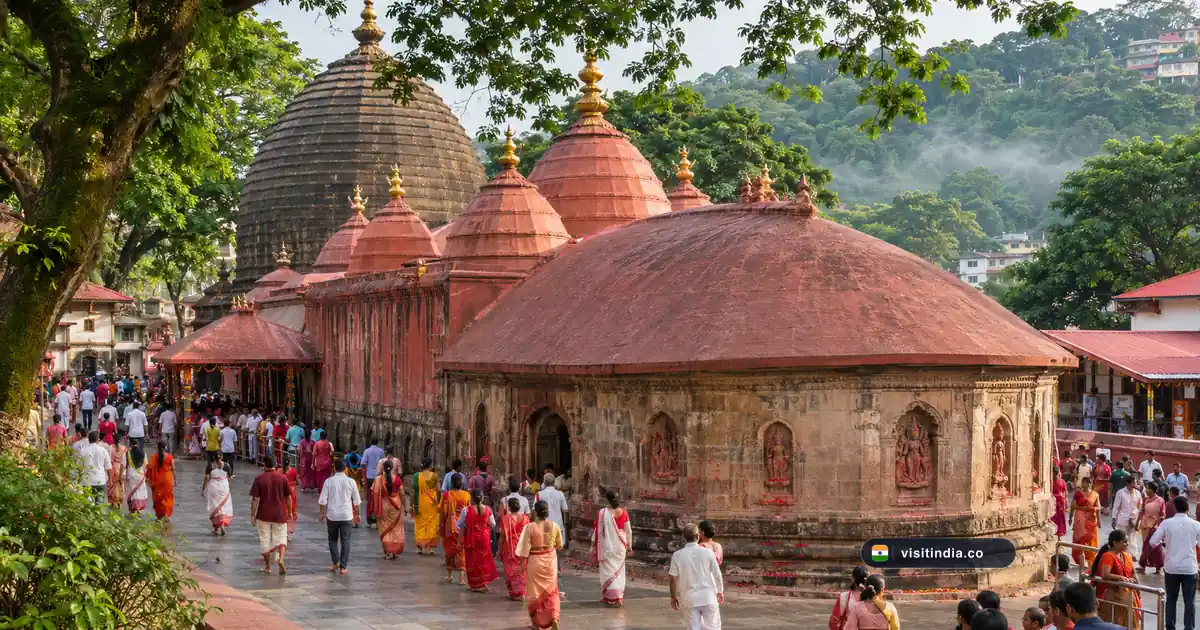
Majuli River Island Guide: Jorhat Ferry, Satras & Culture
Plan your Majuli Island trip in Assam with updated 2026 Jorhat ferry timings, Samaguri mask making, Kamalabari Satras, Mising stays, and cycling routes.
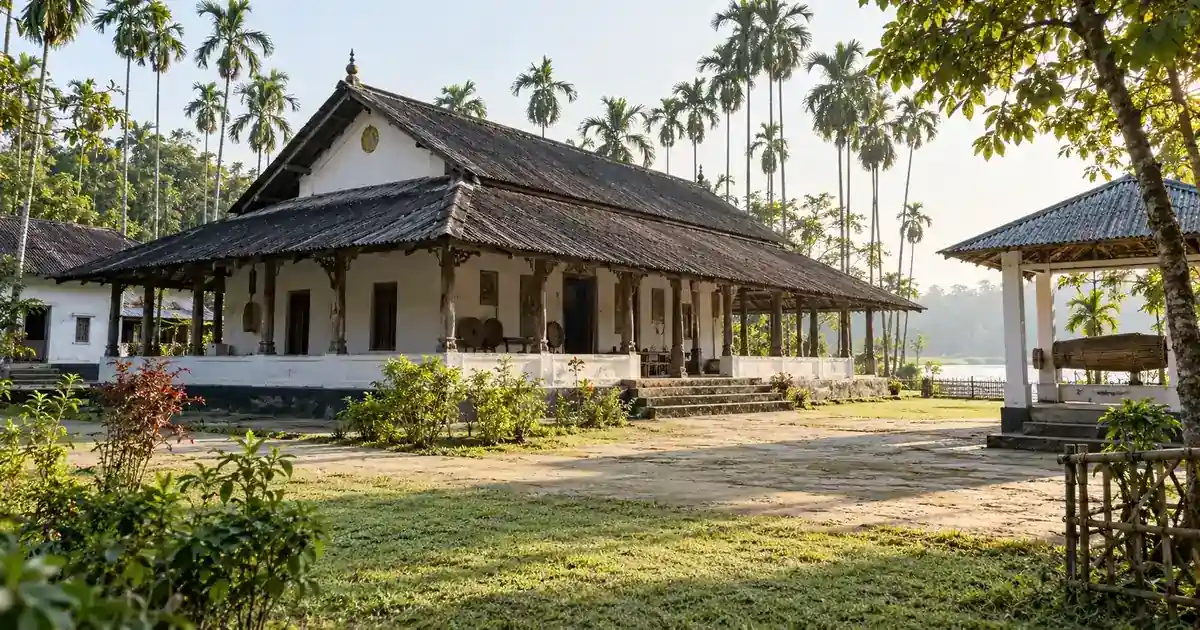
Majuli rests in the wide flow of the Brahmaputra River in upper Assam, holding international distinction as one of the world’s largest inhabited freshwater river islands. In September 2016, the island became India’s first complete island district, covering approximately 352 square kilometers of alluvial silt beds, water lily wetlands, and rural hamlets.
The island functions as the spiritual heart of Assamese Neo-Vaishnavite culture, an egalitarian devotional movement founded in the 15th century by social reformer Srimanta Sankaradeva. Today, travelers cross the river by ferry to visit living monastic Satras, observe traditional bamboo mask making, and bicycle past traditional Mising tribal stilt houses.
Visitor Essentials
- Government passenger and roll-on/roll-off vehicle ferries operate daily between Nimati Ghat (Jorhat) and Kamalabari Ghat (Majuli) from 8:00 AM to 4:00 PM.
- Passenger ferry tickets cost ₹15 to ₹30 per traveler, while private cars and SUVs cost ₹700 to ₹1,000 on state-operated Ro-Ro ships crossing in 60 to 90 minutes.
- The island preserves 22 active Neo-Vaishnavite Satras founded in the 15th-16th century, celebrating Sattriya classical dance, choral singing, and sacred literature.
- Artisan families at Natun Samaguri Satra hand-craft traditional bamboo, cloth, and clay masks used in classical Assamese Bhaona religious performances.
Travelers routinely combine this island sanctuary with wildlife and tea routes covered in our comprehensive Assam visitor overview.
Ferry Schedules, Vehicle Ro-Ro Tariffs, and Ghat Logistics
Reaching Majuli requires crossing the open channels of the Brahmaputra River by public ferry from Nimati Ghat, situated 14 kilometers north of Jorhat town. Modern roll-on/roll-off (Ro-Ro) vessels and motorized wooden passenger ferries operate frequent daily sailings throughout daylight hours.
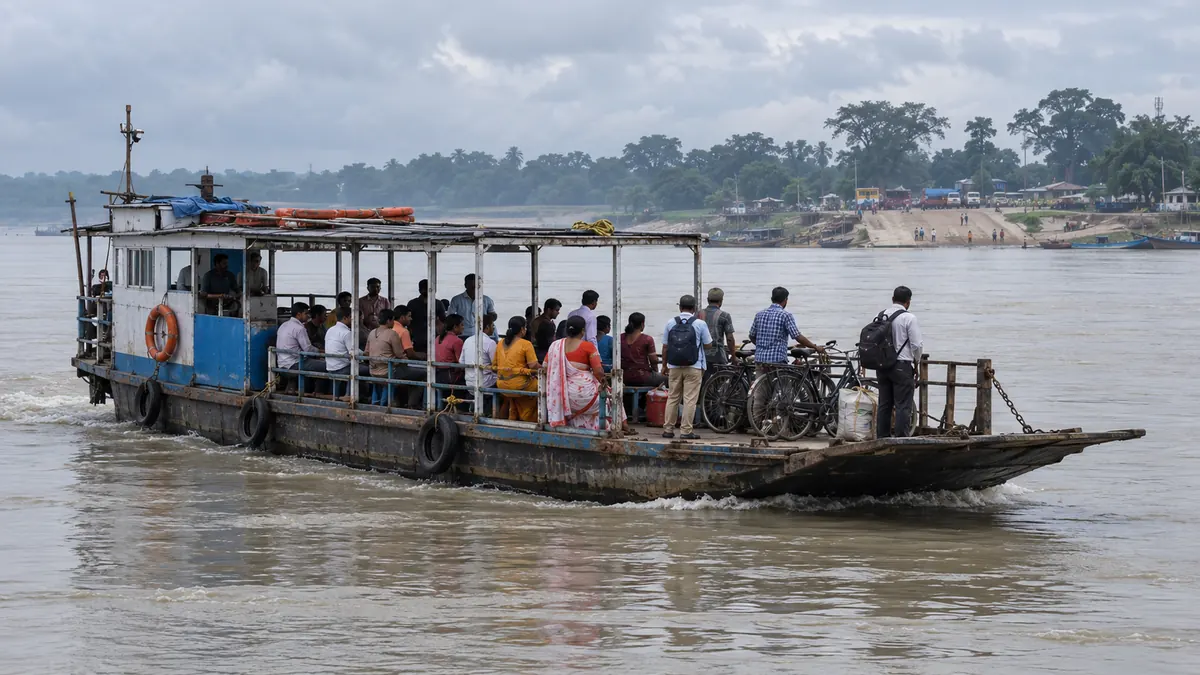
The official ferry schedule and standard government tariffs include:
| Ferry Service Type | Departure Window | Approximate Duration | Regulated One-Way Tariff | Notes & Capacity |
|---|---|---|---|---|
| Public Passenger Ferry | 8:30 AM to 3:30 PM (Hourly) | 60 to 75 Minutes | ₹15 to ₹30 per person | Open wooden passenger deck, basic seating, life jackets provided |
| Inland Ro-Ro Vessel | 9:00 AM, 11:30 AM, 2:30 PM | 45 to 60 Minutes | ₹700 to ₹1,000 per car | Enclosed vehicle hold, accommodates passenger cars, SUVs, and trucks |
| Two-Wheeler Loading | Available on all sailings | Standard Crossing | ₹50 to ₹80 per scooter | Motorcycles loaded manually across gangplanks with assistance |
| Private Speedboat Charter | Available on demand | 25 to 35 Minutes | ₹2,500 to ₹3,500 charter | Emergency medical transfers and private small group travel |
Official waterway navigation guidelines and river traffic updates can be confirmed via the Inland Waterways Authority of India National Waterways Portal. Return ferries from Kamalabari Ghat and Aphalamukh Ghat on Majuli depart regularly until 4:00 PM, after which all water transit ceases until dawn.
During foggy winter mornings in December and January, early departures may be delayed until river visibility improves. Passengers must arrive at Nimati Ghat 30 minutes prior to sailing to purchase physical counter tokens.
The Living Satras of Majuli: Monastic Art, Dance, and Prayer Halls
The cultural identity of Majuli centers on its surviving Satras, monastic institutional complexes that function as spiritual academies, social assemblies, and centers of living art. Recognized on the UNESCO World Heritage Centre Tentative List for its extraordinary riverine cultural landscape, Majuli preserves 22 active Satras that continue daily liturgical practices today.
Uttar Kamalabari Satra represents the foremost institutional school of Sattriya classical dance and devotional percussion. Celibate resident monks called bhakats enter the monastery as young boys, studying ancient Sanskrit manuscripts, traditional khol drumming rhythms, and expressive dance gestures.
Visitors are welcomed into the central Namghar, a massive prayer hall marked by polished wooden pillars and an open earthen altar holding the sacred Bhagavata Purana. The monks perform evening prayers featuring rhythmic brass cymbals and choral chants that reverberate through the high timber rafters.
Auniati Satra, founded in 1653 under royal Ahom patronage, stands as the largest monastic community on the island. The complex houses an extensive museum displaying Ahom royal swords, ivory walking sticks, copper plate land grants, and rare brass curiosities.
Traditional Mask Making at Natun Samaguri Satra
At Natun Samaguri Satra, four generations of hereditary craftsmen preserve the ancient art of Mukha mask making. These elaborate wearable masks are created specifically for Bhaona, a traditional form of mythological theatre enacted in village prayer halls to depict stories from the Ramayana and Mahabharata.
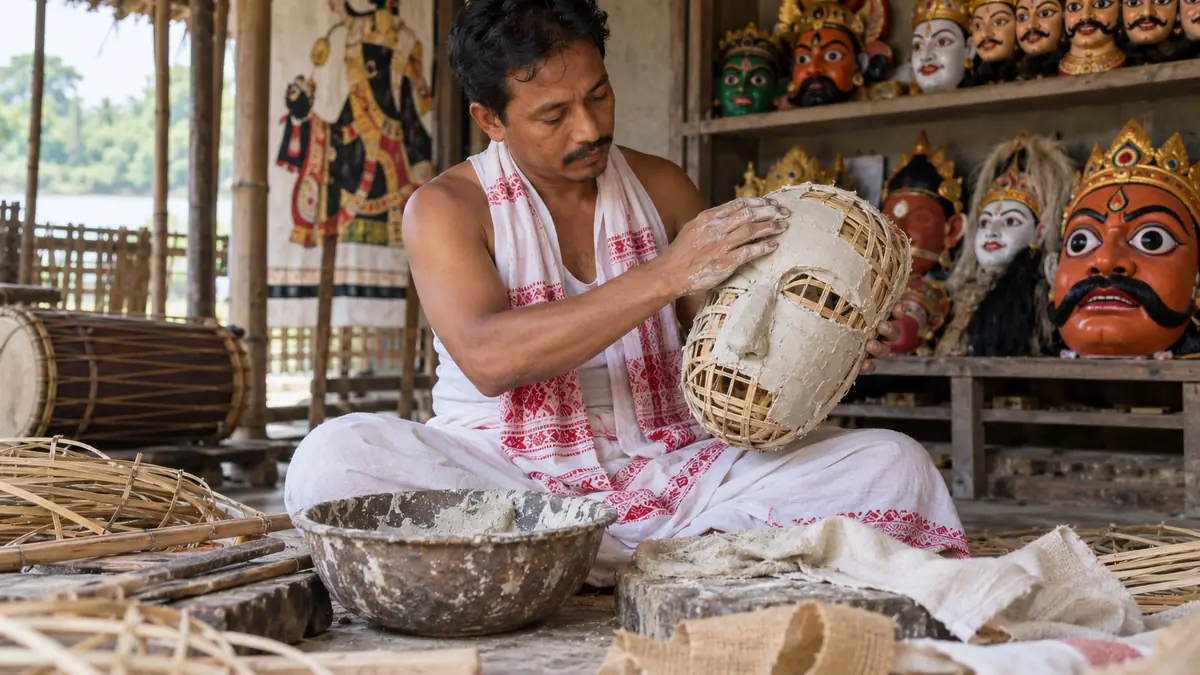
Master artisans construct the mask framework using split river bamboo woven into pliable 3D armatures. Craftsmen then layer the bamboo skeletons with cotton cloth soaked in fine alluvial mud harvested directly from the banks of the Brahmaputra River.
After the mud layers dry in the sun, artisans apply organic vegetable and mineral pigments, including yellow orpiment, indigo, and chalk paste. Some masks feature articulated movable jaws that allow actors to speak and chant while performing on stage.
Visitors can walk into the open family workshop to watch craftsmen work and purchase handmade miniature masks depicting characters like Ravana, Hanuman, and Garuda. Cultural travelers often pair this heritage visit with seasonal celebrations described in our Bihu festival guide.
Mising Tribal Culture: Stilt Houses, Mirjim Weaving, and Rice Beer
Beyond the monastic grounds, Majuli shelters substantial populations of indigenous tribal communities, predominantly the riverine Mising people. Migrating centuries ago from the eastern Himalayas, the Mising built settlements along the river’s flood-prone banks, developing unique architectural and agrarian adaptations.
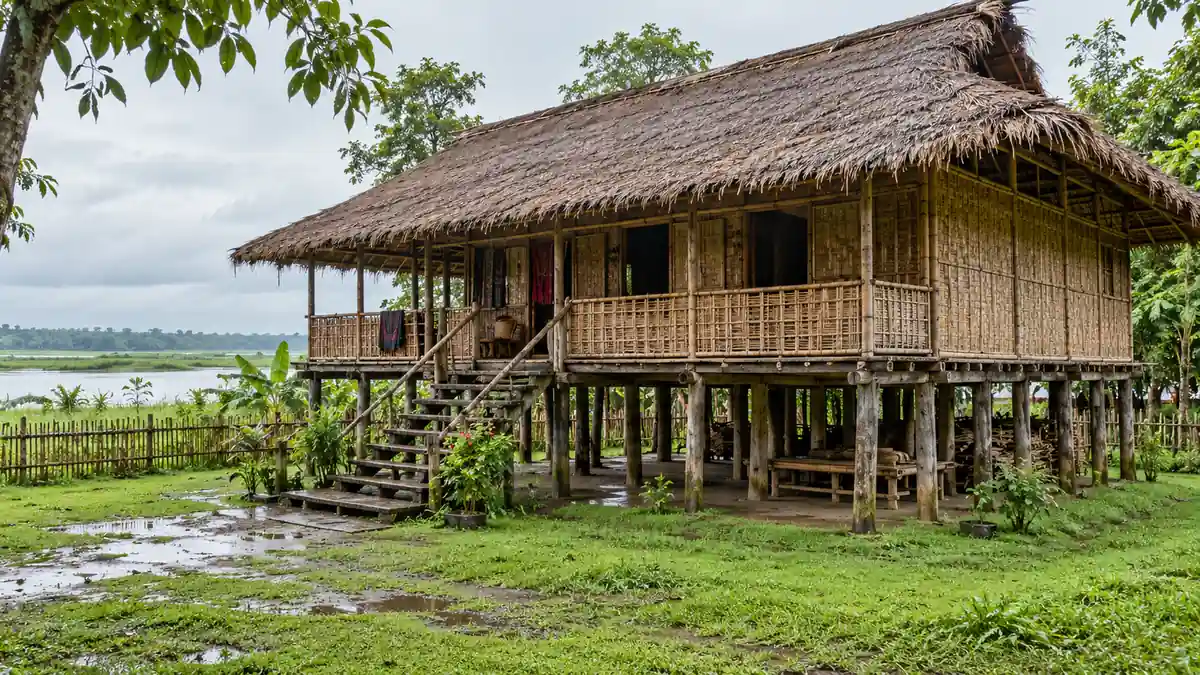
Mising villages feature traditional chang ghar houses raised on tall bamboo stilts above the damp soil. The elevated wooden platform protects families from monsoon seasonal floods while creating shaded storage space beneath the floor for farm implements and livestock.
Women of the household operate traditional bamboo frame handlooms to weave distinctive Mirjim textiles and colorful Ege wrap garments. The fabrics feature intricate geometric diamond motifs woven from cotton, eri silk, and bright acrylic yarns.
Hospitable village families often invite travelers to sample Apong, a mildly sweet fermented rice beer brewed with indigenous forest roots and herbs. The drink accompanies dishes of roasted river carp, steamed bamboo shoot curries, and smoked country chicken.
Best Season to Visit and Raas Leela Festival Celebrations
The ideal window to explore Majuli runs from October through March. During these months, the Brahmaputra River recedes into gentle channels, daytime temperatures range pleasantly between 12°C and 25°C, and rural dirt roads remain dry and accessible.
The cultural highlight of the year arrives in November during the full moon of the Assamese month of Kati, when the entire island celebrates the Majuli Raas Leela. For four consecutive nights, every Satra and community field stages elaborate dramatic productions celebrating the life and divine pastimes of Lord Krishna.
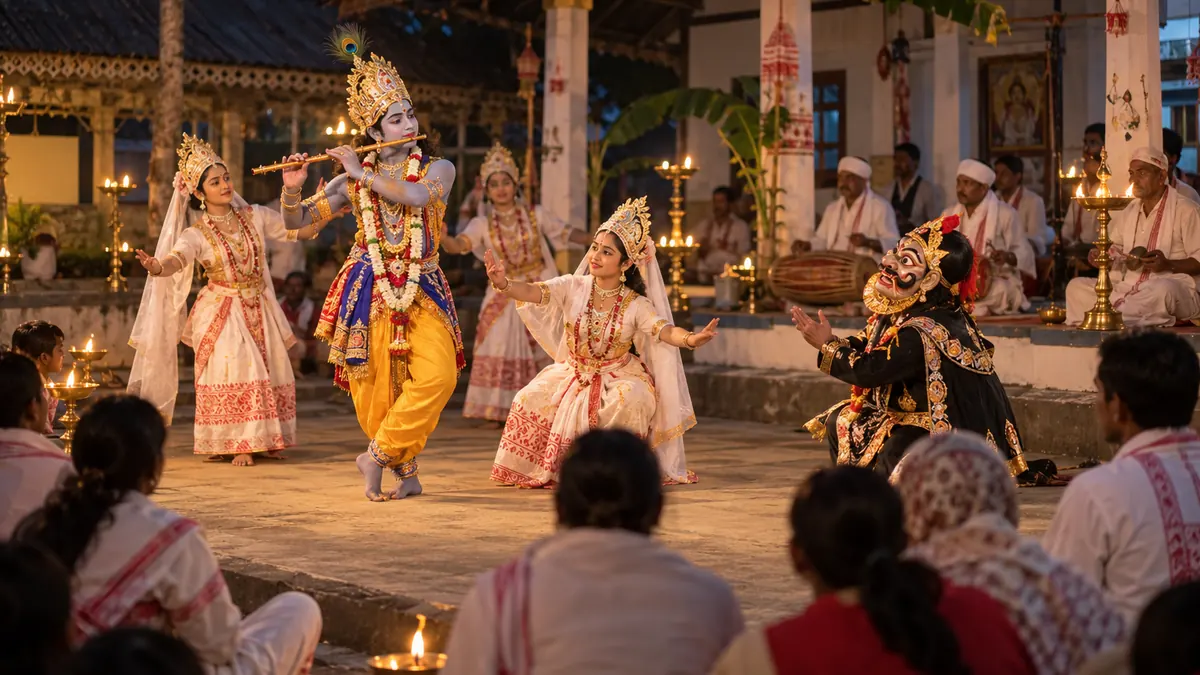
Hundreds of local villagers, from school children to monastic elders, rehearse for weeks to participate in colorful costumed pageants featuring traditional music, classical Sattriya choreography, and giant illuminated bamboo masks. Accommodations fill up months in advance for this festival, making early bookings essential.
Government festival notices and certified homestay registers can be reviewed directly on the Majuli District Administration Tourism Portal. By contrast, the monsoon months from May through September bring intense riverbank erosion and severe flooding that make tourist travel impractical.
Getting Around Majuli: Bicycles, Scooters, and Local Taxis
Majuli’s flat, level terrain makes it an exceptional destination for self-paced cycling and light scooter touring:
- Bicycle Rentals: Simple single-speed bicycles can be rented from small commercial stalls near Kamalabari Ghat or through village homestays for approximately ₹100 to ₹150 per day.
- Scooters & Motorcycles: Automatic scooters are available for rent in Kamalabari town for ₹400 to ₹600 per day, excluding fuel costs.
- Shared Auto-Rickshaws & Jeeps: Shared electric and motorized auto-rickshaws ply regularly between Kamalabari Ghat, Garamur administrative center, and major Satras for fixed fares between ₹20 and ₹50 per passenger.
- Private Taxis: Travelers carrying heavy luggage can hire private commercial cabs at the ferry arrival point for ₹1,500 to ₹2,200 for a full-day guided island sightseeing circuit.
Quiet single-lane tarmac roads connect major monastic settlements across the island. Cycling between Kamalabari, Samaguri, and Auniati allows travelers to take unhurried detours along quiet marsh tracks where kingfishers and adjutant storks forage among water hyacinth blooms. Exploring this tranquil riverine landscape by bicycle ranks among the most memorable travel experiences featured across the best places to visit in India.
Bamboo Stays, River Fish Thalis, and Responsible Island Tourism
Accommodations on Majuli emphasize community-based eco-tourism rather than luxury resorts. Several community-run guest lodges operate near Garamur and Kamalabari, providing raised bamboo cottages built in the architectural style of traditional Mising homes.
These eco-resorts feature private rooms with mosquito nets, clean Western attached bathrooms, and open-air bamboo dining pavilions. Room tariffs generally range from ₹1,200 to ₹2,500 per night, including home-cooked breakfast prepared with organic local ingredients.
Dining on the island revolves around fresh home-style Assamese and tribal recipes. Travelers enjoy thalis featuring indigenous steamed red rice, roasted river fish cooked inside hollow bamboo tubes, wild fern stir-fries (dhekia saak), and aromatic lentil curries seasoned with ginger and green chilies.
Because Majuli faces serious ongoing riverbank erosion that has reduced its landmass over the past century, visitors should practice sensitive ecological travel. Travelers should avoid single-use plastics, dispose of all trash properly, and support local artisan cooperatives directly.
Travelers with extra vacation days frequently combine Majuli with one-horned rhino safaris detailed in our Kaziranga National Park Safari safari zones and timings.
Frequently Asked Questions About Visiting Majuli Island
How do travelers reach Majuli Island from Jorhat?
Travelers reach Majuli by boarding scheduled government passenger or vehicle Ro-Ro ferries from Nimati Ghat, located 14 kilometers north of Jorhat town. The ferry takes approximately 60 to 90 minutes to cross the Brahmaputra River to Kamalabari Ghat or Aphalamukh Ghat on the island.
Can visitors transport private vehicles and cars to Majuli Island?
Private cars, motorcycles, and commercial SUVs can be transported across the river on modern roll-on/roll-off (Ro-Ro) vessels operated by the Inland Waterways Authority. Vehicle transit fares range between ₹700 and ₹1,000 for standard cars and should be confirmed at the Nimati Ghat ticketing office.
Which historic Satras are the most important to visit on Majuli?
The most celebrated monasteries include Natun Samaguri Satra for traditional bamboo mask making, Uttar Kamalabari Satra for classical Sattriya dance and devotional music, and Auniati Satra for historic Ahom artifacts and open prayer halls. Each Satra maintains welcoming open courtyards where monk scholars interact with respectful travelers.
What is the best way to get around Majuli Island for sightseeing?
Renting a bicycle or gearless scooter from rental kiosks near Kamalabari Ghat provides the most flexible and peaceful way to explore rural village paths. Travelers with heavy luggage can hire private auto-rickshaws or shared taxis stationed at the arrival ferry jetties.
When is the annual Majuli Raas Leela festival celebrated?
The famous Majuli Raas Leela festival takes place annually during the full moon of the Assamese month of Kati in November. The entire island comes alive with multi-day open-air theatrical dramas, devotional singing, and traditional dances depicting the childhood and pastimes of Lord Krishna.