Chilika Lake & Satapada Guide: Dolphin Boat Rates & Birding
Plan your Chilika Lake dolphin safari in Odisha with updated 2026 boat ticket prices, Satapada timings, Irrawaddy dolphin spots, and Manglajodi birding.
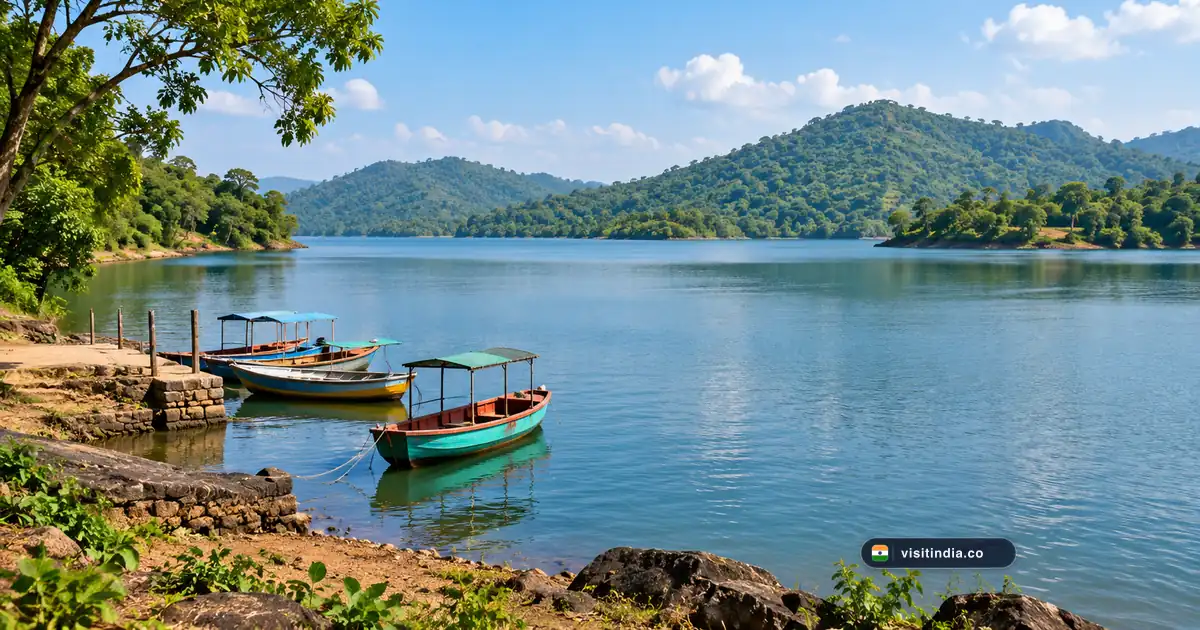
Chilika Lake sprawls across 1,165 square kilometers in eastern Odisha, ranking as the largest brackish water coastal lagoon in Asia and the second-largest worldwide. Inscribed in 1981 as India’s first Ramsar wetland of international importance, this dynamic aquatic sanctuary connects directly with the Bay of Bengal through a narrow coastal channel.
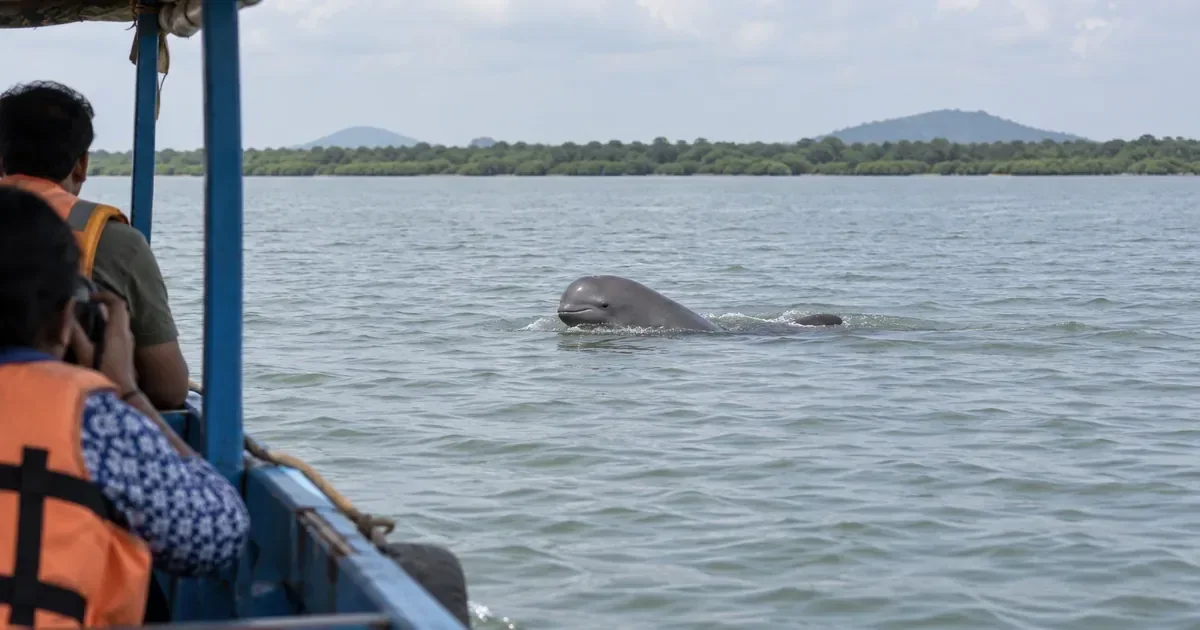
The southern outpost of Satapada serves as the primary gateway for viewing endangered Irrawaddy dolphins in their natural estuarine waters. Visitors navigate the lake by motorized boat, journeying across quiet sandbars, ancient island shrines, and sprawling migratory bird marshes.
Safari & Permit Essentials
- Motorized tourist safari boats operate daily from Satapada jetty between 6:00 AM and 5:00 PM throughout the entire year.
- Regulated boat tariffs range from ₹1,500 for a standard 1.5-hour dolphin circuit up to ₹2,500 for an extended 3-hour sea mouth and Rajhans Island cruise per boat.
- The lake supports one of the world’s few protected populations of endangered Irrawaddy dolphins, with over 170 individuals documented in the brackish lagoon.
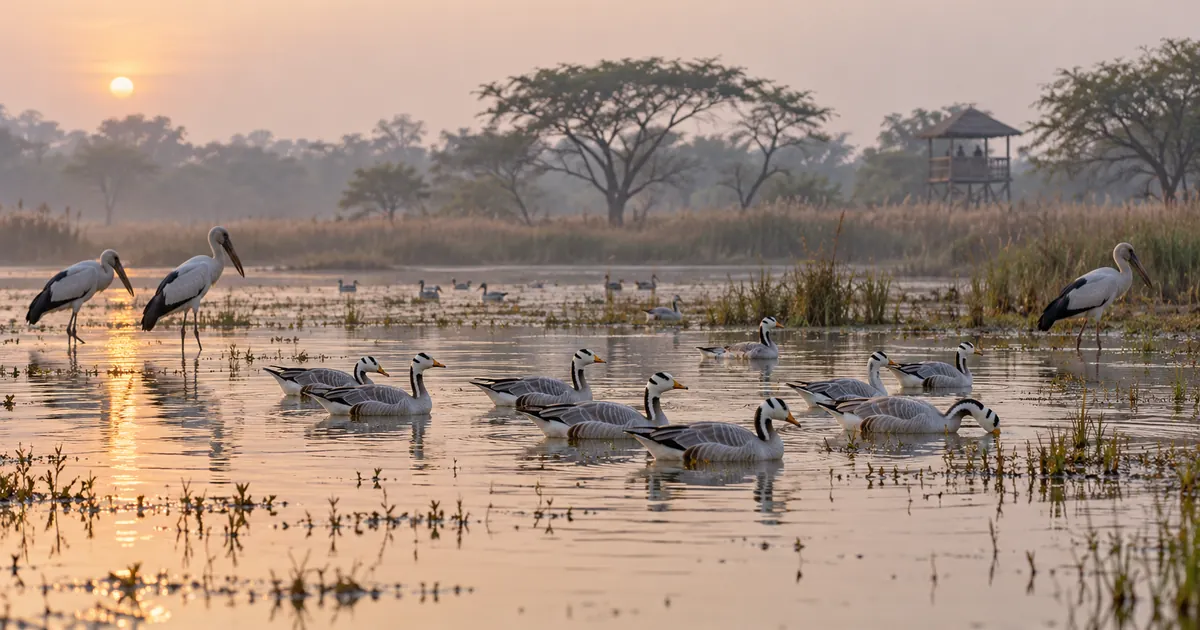
- Peak migratory bird watching occurs between November and February at the northern freshwater marshes of Manglajodi, hosting over one million wintering waterfowl.
Travelers routinely combine a Chilika boat safari with broader regional circuits featured in our comprehensive Odisha highlights and timings and national itineraries of the best places to visit in India.
Safari Timings, Boat Ticket Tariffs, and Entry Jetties
Boat operations at Satapada run from 6:00 AM until 5:00 PM daily, with tickets purchased directly from the government-authorized Satapada Motor Boat Association counter. Morning journeys departing between 6:30 AM and 8:30 AM offer the calmest water conditions and highest dolphin sighting probabilities.
Boat tariffs follow fixed official rates set jointly by the Chilika Development Authority and local boatmen cooperatives:
| Tour Route & Circuit | Duration | Official Fixed Boat Rate | Maximum Capacity | Key Sights Included |
|---|---|---|---|---|
| Dolphin Point Circuit | 1.5 Hours | ₹1,500 per boat | 8 Passengers | Outer channel dolphin pods, mangrove borders, fishing nets |
| Sea Mouth & Dolphin Tour | 3.0 Hours | ₹2,200 per boat | 8 Passengers | Dolphin feeding zone, Bay of Bengal sea mouth, sandbar walk |
| Rajhans Island & Sea Mouth | 3.5 Hours | ₹2,500 per boat | 8 Passengers | Dolphin points, casuarina island, sea mouth, coastal seafood stalls |
| Full Day Lagoon Charter | 5.0 to 6.0 Hours | ₹4,500 per boat | 8 Passengers | Extended cruise covering Kalijai Island and birding channels |
Official wetland research and environmental protection guidelines can be inspected on the Chilika Development Authority Official Wetland Directory. All passengers must wear certified life jackets supplied at boarding by the vessel operator.
Private tourist boats feature shaded canopies and four-stroke outboard motors that minimize acoustic disturbance in sensitive dolphin channels. Visitors can also arrange licensed naturalist guides at the main jetty ticketing concourse for an additional fee of ₹300 per trip.
Irrawaddy Dolphins of Satapada: Habitat, Behavior, and Spotting Tips
The Irrawaddy dolphin (Orcaella brevirostris) represents the biological icon of Chilika Lake. Unlike oceanic dolphins with sharp beaks, this rare species features a distinctive blunt, rounded forehead and a flexible neck that allows it to forage efficiently in shallow coastal mudflats.
Annual aquatic surveys conducted by wildlife biologists record an active population of 170 to 180 individuals inside the lagoon boundaries. The dolphins congregate in the outer channel near Satapada because tidal exchanges deliver nutrient-rich ocean waters filled with mullet, clupeids, and freshwater shrimp.
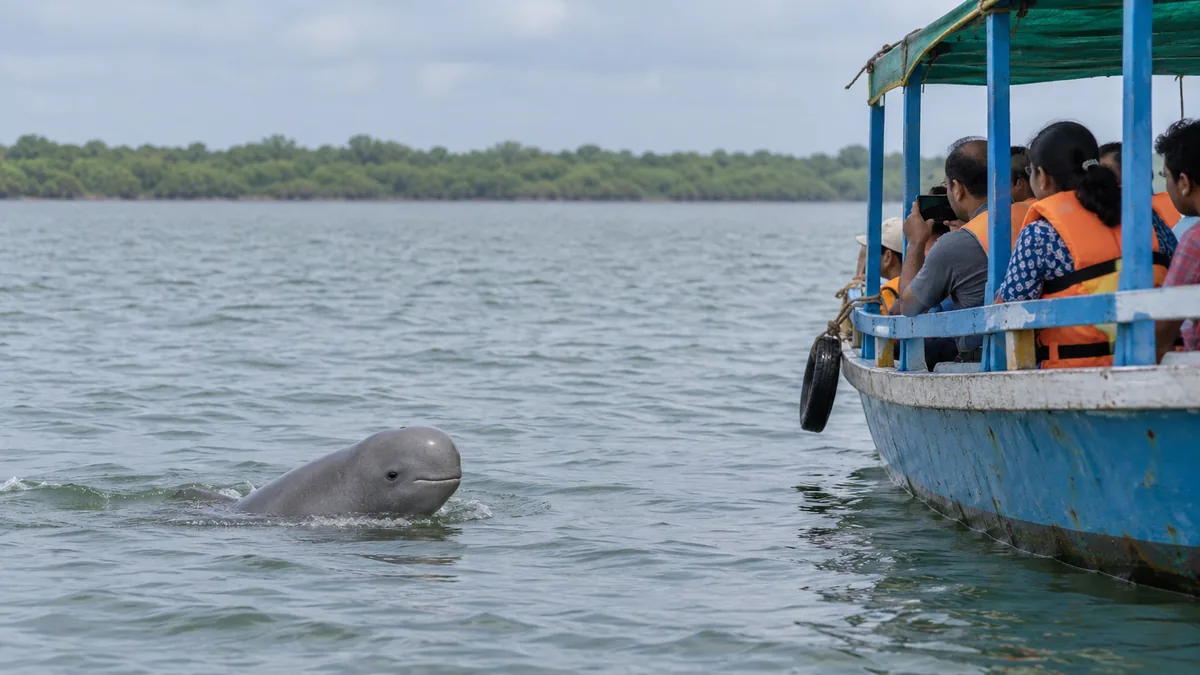
Irrawaddy dolphins surface every 70 to 120 seconds to breathe, producing a soft audible puff before submerging back beneath the brackish water. Observing them requires patience and quiet observation as boat operators idle their engines upon entering the protected feeding zone.
Local fishermen maintain a symbiotic historical relationship with these marine mammals, practicing cooperative fishing where dolphins herd schools of fish toward cast nets. State wildlife statutes strictly prohibit chasing pods, touching animals, or swimming in designated dolphin protection zones.
Manglajodi Wetland: Winter Migration and Hand-Rowed Birding Skiffs
While Satapada commands fame for marine mammals, the northern rim of Chilika at Manglajodi protects one of Asia’s most spectacular freshwater birding sanctuaries. Between November and February, more than one million migratory waterfowl arrive from Siberia, Mongolia, and the Tibetan Plateau.
Former waterfowl poachers now run the community conservation trust, operating silent wooden country boats through dense reed beds and floating water lily channels. Propelled solely by long bamboo poles, these shallow skiffs approach feeding flocks without causing panic or flight.
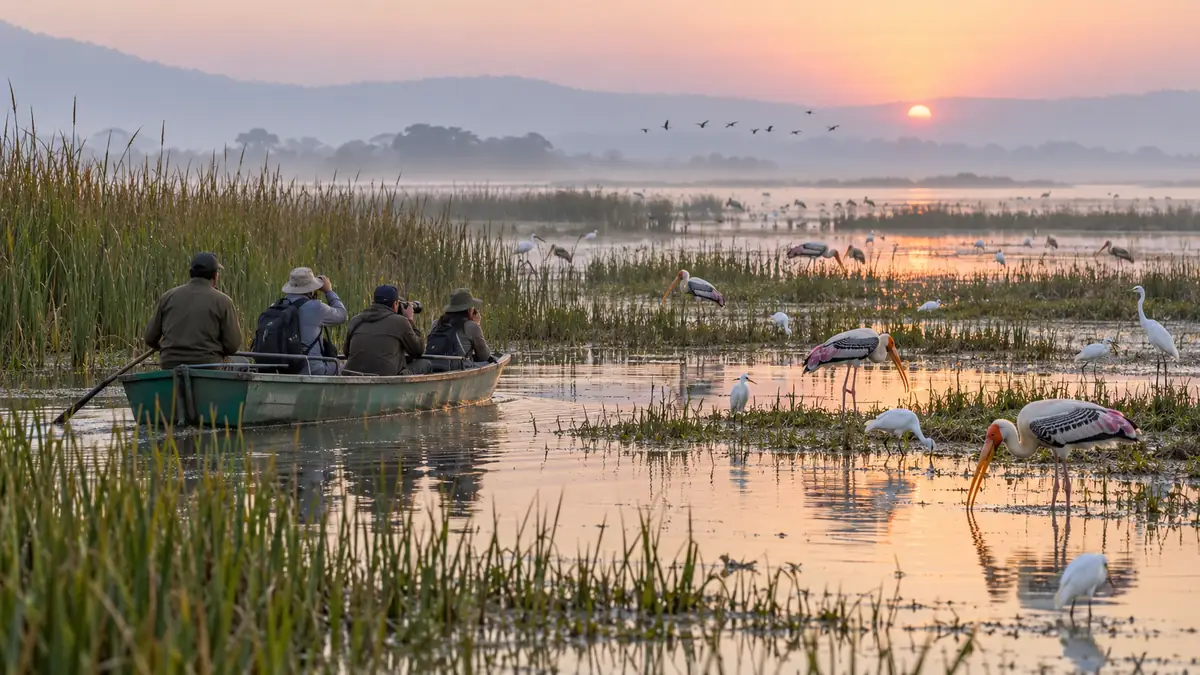
Photographers frequently document glossy ibises, black-tailed godwits, purple swamphens, and northern pintails foraging alongside rare gray-headed lapwings. The calm winter air echoes with the calls of whistling ducks and bar-headed geese feeding in the morning mist.
Visitors planning an eco-trip can research conservation records published by the Wildlife Institute of India Wetland Research. Wetland enthusiasts often compare this ecosystem to the mangrove habitats explored in our Sundarbans National Park safari guide. Entry tickets for birding skiffs cost ₹1,200 per boat for a two-hour guided morning tour accommodating up to four birders.
The Sea Mouth, Rajhans Island, and Kalijai Temple Excursions
A standard extended boat safari from Satapada continues past dolphin waters to the historic sea mouth where Chilika meets the open Bay of Bengal. The channel terminates at a narrow sandy peninsula where visitors can disembark to walk between calm estuary waters and pounding ocean surf.
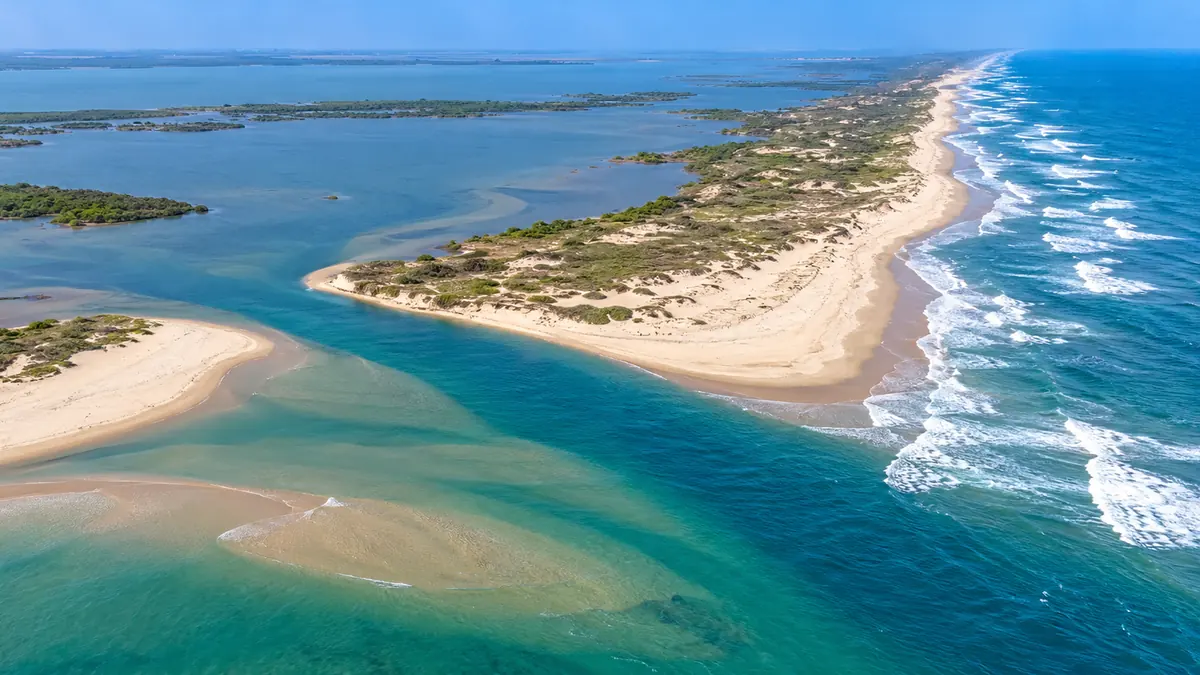
Adjacent to the sea mouth lies Rajhans Island, a long forested sand spit lined with tall casuarina trees and sand dunes. Small local thatched huts on the island prepare fresh fried crabs, pomfret fish, and jumbo tiger prawns caught directly from lagoon traps by artisanal fishermen.
On the western side of the lake, reachable from the Barkul naval base jetty, sits Kalijai Island. Devoted pilgrims visit the island shrine to seek the blessings of Goddess Kalijai, whom local mariners regard as the guardian deity of the lake.
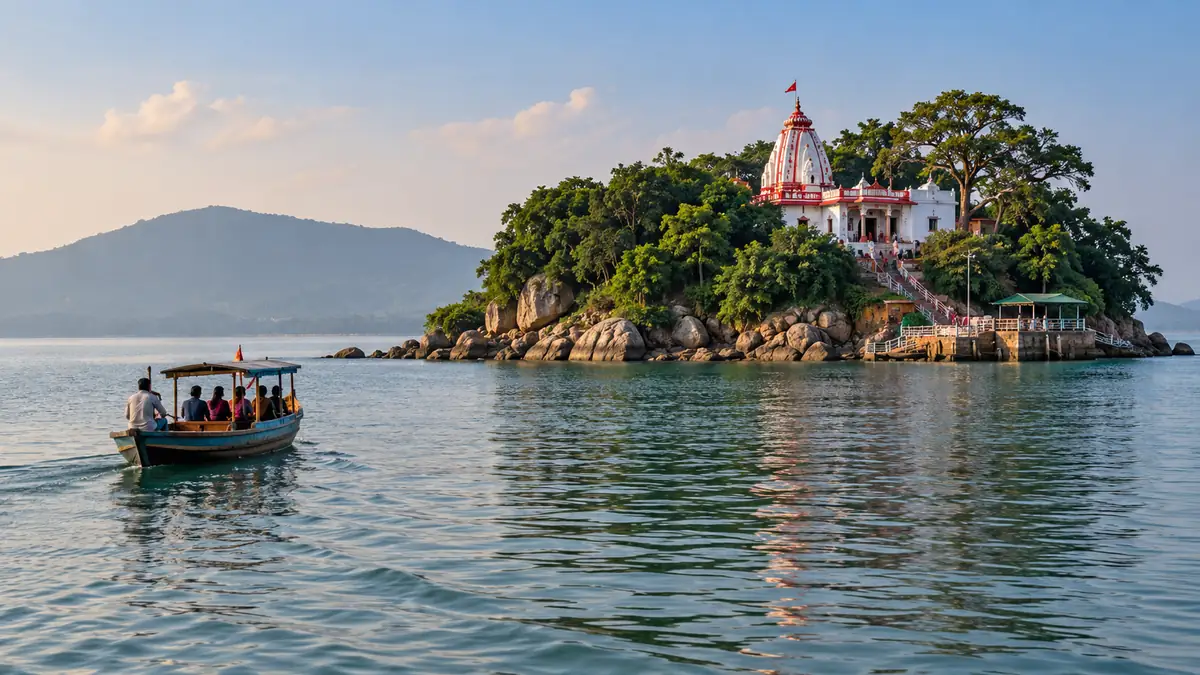
Each January during Makar Sankranti, thousands of colorfully decorated wooden boats cross the western waters toward Kalijai for annual temple festivities. Travelers exploring southern Odisha often combine these lake shrines with sacred pilgrimages to the Puri Jagannath Temple.
Best Season to Visit: Winter Migration vs Monsoon Changes
The ideal window to explore Chilika Lake extends from October through early March. During these winter months, comfortable daytime temperatures range between 15°C and 28°C, water visibility remains high, and migratory waterfowl numbers reach their peak density.
By contrast, the summer months from April to June bring intense coastal heat and strong daytime humidity that can make midday open-boat journeys exhausting. Early morning cruises departing at 6:00 AM remain the only practical option during the hot pre-monsoon period.
The southwest monsoon from July through September transforms the lagoon as major river distributaries discharge massive volumes of freshwater into the northern basin. Devotees traveling during early monsoon often coordinate their visit with the sacred processions detailed in our Puri Rath Yatra guide.
Regional weather updates and official tourism advisories are maintained on the Odisha Tourism Chilika Directory. Packing polarized sunglasses, a wide-brim hat, sunscreen, and telephoto camera lenses is recommended for open-water photography.
How to Reach Chilika: Routes from Puri, Bhubaneswar, and Balugaon
Accessing Chilika Lake depends on whether travelers plan to visit Satapada on the eastern shore or Barkul and Manglajodi on the western shoreline:
- Satapada from Puri (50 km): Taxis and private rental cars cover the distance along State Highway 15 in approximately 1 hour and 30 minutes. State transport buses run every hour from the Puri bus stand directly to the Satapada terminal.
- Barkul & Rambha from Bhubaneswar (105 km): Private cars take 2.5 hours driving southwest along the four-lane National Highway 16 corridor connecting Bhubaneswar to Visakhapatnam.
- Manglajodi from Bhubaneswar (70 km): The birding village sits just off National Highway 16 near Chandpur Tangi, accessible by taxi in 1 hour and 45 minutes.
- By Train: Balugaon Railway Station (BALU) functions as the primary railhead for Barkul and western Chilika, while Puri Railway Station (PURI) serves Satapada.
Travelers can easily combine a morning Chilika dolphin safari with an afternoon tour of the ancient stone chariot at the Konark Sun Temple temple overview. For an extended coastal wetland itinerary, travelers can head northeast to the mangrove delta explored in our Bhitarkanika crocodile boat safari guide, where tidal rivers harbor over 1,800 giant saltwater crocodiles and Olive Ridley sea turtle nesting beaches. Such cross-state nature escapes offer a classic balance between wildlife encounters and monumental stone architecture.
Eco-Tourism Accommodations and Fresh Crab Feasts
Government-run OTDC Panthanivas tourist lodges operate directly at both the Satapada and Barkul jetties, offering air-conditioned waterfront rooms overlooking the lagoon. These properties feature on-site restaurant facilities, private boat booking desks, and secure vehicle parking.
Private eco-resorts and tented nature camps operate near Manglajodi and Rambha, catering to specialized wildlife photographers and wellness travelers. The southern shoreline near Rambha features peaceful panoramic viewpoints where the Eastern Ghat hills plunge steeply into quiet saltwater bays.
Culinary traditions around Chilika celebrate freshwater fish and marine crustaceans harvested fresh every morning. Travelers should sample Chilika crab curry cooked with mustard paste, garlic, and fresh green chilies, or deep-fried jumbo tiger prawns seasoned with turmeric and salt.
Vegetarians can savor authentic Odia home-style thalis featuring dalma, roasted eggplant, tomato khatta, and steamed rice served at roadside dhabas along the highway corridors.
Frequently Asked Questions About Chilika Lake Safaris
What is the standard boat booking rate for a dolphin safari at Satapada?
Fixed government-regulated tariffs at the Satapada Motor Boat Association counter range between ₹1,500 and ₹2,500 per motorized boat for up to eight passengers. The standard rate covers a 2.5 to 3-hour journey taking visitors to the dolphin viewing channel and the coastal sea mouth.
Where is the best place to spot Irrawaddy dolphins in Chilika Lake?
The highest concentration of Irrawaddy dolphins resides in the outer channel near Satapada, where the freshwater lagoon meets ocean tides from the Bay of Bengal. Morning boat trips between 7:00 AM and 10:00 AM provide the calmest water conditions for sighting dolphin pods surfacing for air.
How far is Satapada from Puri and how can travelers reach the jetty?
Satapada lies 50 kilometers southwest of Puri along well-paved coastal roads, requiring approximately 1.5 hours by taxi, hired car, or state bus. Frequent Odisha State Road Transport Corporation buses depart from the Puri bus stand directly to the Satapada jetty terminal.
What is the difference between visiting Satapada, Barkul, and Manglajodi?
Satapada on the southern channel is the exclusive hub for Irrawaddy dolphin watching and sea mouth cruises. In contrast, Barkul on the western shore serves as the base for motorized temple visits to Kalijai Island, while northern Manglajodi is a specialized marshland reserve dedicated to quiet, hand-rowed birding photography.
Can travelers view migratory birds and dolphins on the same boat trip?
Dolphin boat trips from Satapada primarily spot local resident shorebirds and waders, but the massive flocks of migratory waterfowl reside 80 kilometers north in the freshwater marshes of Manglajodi. Travelers seeking both experiences should dedicate one morning to Satapada dolphins and another separate day to Manglajodi birding.