Odisha Travel Guide: Golden Triangle, Temples, Chilika & Beaches
Plan your trip with our complete Odisha travel guide covering Bhubaneswar temples, Puri beach, Konark chariot wheels, Chilika lagoon, and circuits.
Odisha spans 155,707 square kilometers across the eastern seaboard of India, bordered by 485 kilometers of sandy shoreline along the Bay of Bengal. This comprehensive Odisha travel guide outlines the state’s ancient rock edicts, sandstone temples, coastal lagoons, and wildlife reserves across 30 administrative districts.
The state stands as one of eastern India’s primary cultural heartlands, anchored by the smart capital of Bhubaneswar in the coastal plains. Travelers navigate between centuries-old Kalinga stone monuments, expansive saltwater wetlands sheltering rare aquatic mammals, and secluded beaches bordered by dense casuarina forests.
State Travel & Circuit Essentials
- Odisha encompasses 155,707 square kilometers in eastern India across 30 administrative districts organized into Central, Northern, and Southern revenue divisions.
- Bhubaneswar serves as the state capital and primary air transit gateway, while coastal Puri anchors one of India’s four sacred Char Dham pilgrimage centers.
- Peak travel season runs from October through March, when mild winter temperatures range between 18°C and 28°C across the coastal belt.
- High-speed transit options include daily flights into Biju Patnaik International Airport (BBI) and premium Vande Bharat Express rail corridors connecting Bhubaneswar to Howrah, Puri, and Visakhapatnam.
Modern expressways connect the capital directly to coastal pilgrimage towns and protected estuarine deltas. Travelers planning broader multi-state itineraries often link Odisha with neighboring heritage circuits listed among the India travel highlights.
Odisha Destinations Master Matrix
Organizing an itinerary across Odisha requires coordinating geographic zones with specific transit corridors. The following master matrix categorizes the state’s eight primary travel regions by revenue division, ideal stay duration, key attractions, and entry transit hubs:
| Destination Region | Geographic Zone | Ideal Duration | Signature Highlights | Primary Transit Gateway |
|---|---|---|---|---|
| Bhubaneswar City & Environs | Central Coastal Plains | 2 to 3 Days | Lingaraj Temple, Mukteshwar Temple, Udayagiri-Khandagiri Caves, Dhauli Shanti Stupa | Bhubaneswar Airport (BBI) / Bhubaneswar Station (BBS) |
| Puri Pilgrimage Coast | Bay of Bengal Shoreline | 2 to 3 Days | Jagannath Temple, Golden Beach, Swargadwar Market, Raghurajpur Crafts Village | Puri Railway Station (PURI) |
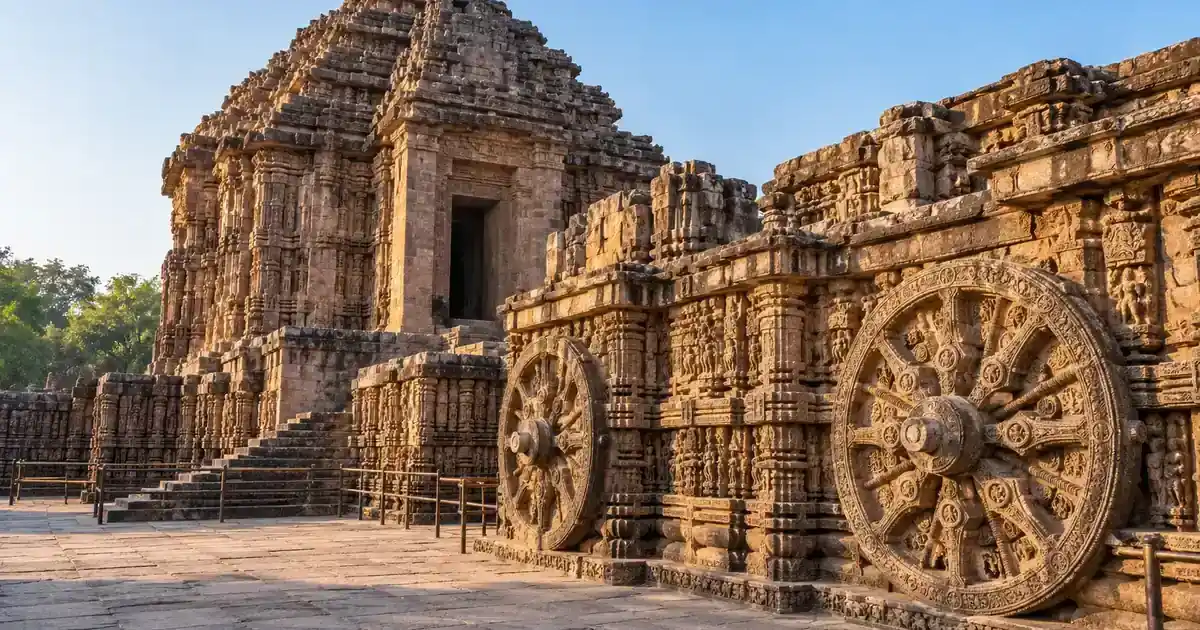
| Konark Heritage Strip | Coastal Highway Corridor | 1 to 2 Days | Sun Temple Chariot Wheels, Chandrabhaga Beach, Marine Drive Eco Retreat | Puri Station / Bhubaneswar Airport |
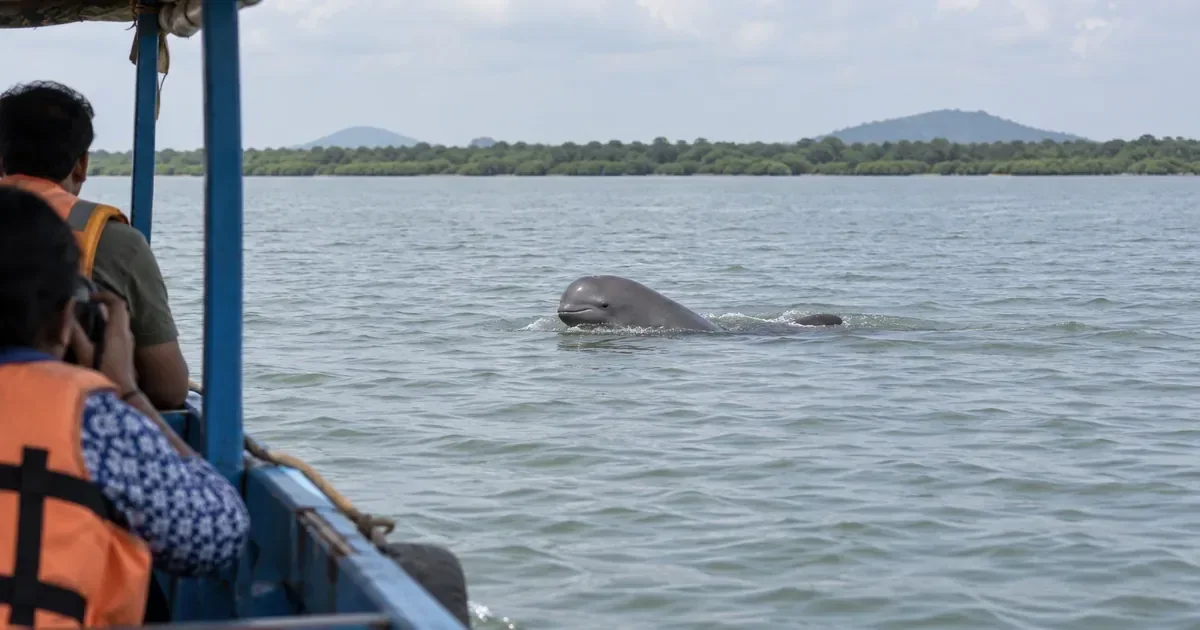
| Chilika Lagoon & Satapada | Southern Estuarine Coast | 1 to 2 Days | Irrawaddy Dolphin Watch, Manglajodi Birding Marshes, Kalijai Island Temple | Balugaon Station / Puri Railhead |
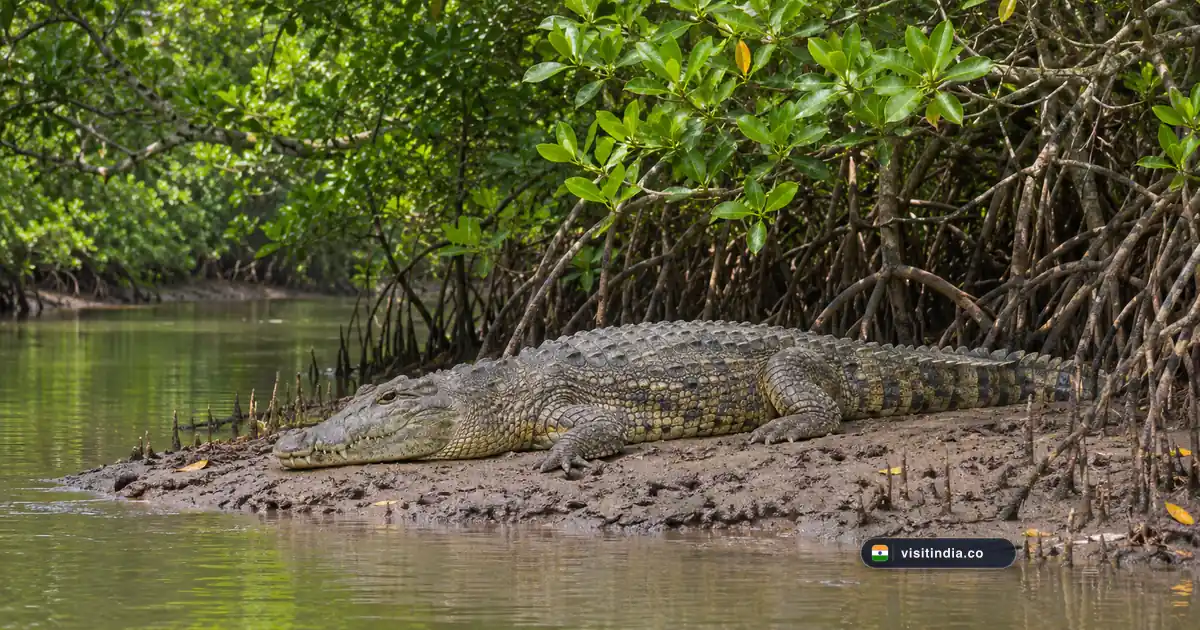
| Bhitarkanika & Gahirmatha | Kendrapara Mangrove Delta | 2 to 3 Days | Saltwater Crocodile Safaris, Olive Ridley Sea Turtle Nesting, Dangmal Creek | Bhadrak Station / Cuttack Junction |
| Similipal Biosphere Reserve | Mayurbhanj Northern Uplands | 2 to 3 Days | Barehipani Waterfall, Joranda Falls, Sal Forest Wildlife Drives, Chahala Meadow | Balasore Station / Baripada Junction |
| Gopalpur-on-Sea & Ganjam | Southern Coastal Ridge | 1 to 2 Days | Gopalpur Lighthouse, Tampara Fresh Water Lake, Taratarini Shakti Peetha Hill | Berhampur Station (BAM) |
| Koraput & Eastern Ghats | Southern Tribal Plateau | 3 to 4 Days | Deomali Peak, Duduma Waterfall, Gupteswar Cave Temple, Weekly Tribal Markets | Koraput Station / Jeypore Airport |
The Golden Triangle: Bhubaneswar, Puri, and Konark Corridor
The Golden Triangle forms the foundational tourist route of Odisha, connecting three distinct historical landscapes within a compact 130-kilometer transit triangle. Paved four-lane national highways and the scenic Puri-Konark Marine Drive allow travelers to navigate the entire circuit smoothly by private car or scheduled bus services.
Bhubaneswar introduces visitors to early classical architecture, while Puri centers on devotion and temple heritage along the surf. Konark concludes the loop along the open seashore, where stone carvers transformed an entire monumental temple into an architectural sun chariot.
Travelers routinely start their circuit in Bhubaneswar before driving 60 kilometers south along National Highway 316 to Puri. From Puri, the route follows the coastal Marine Drive 35 kilometers east toward Konark before returning northwest to Bhubaneswar.
Sacred Temples and Kalinga Architecture in Old Bhubaneswar
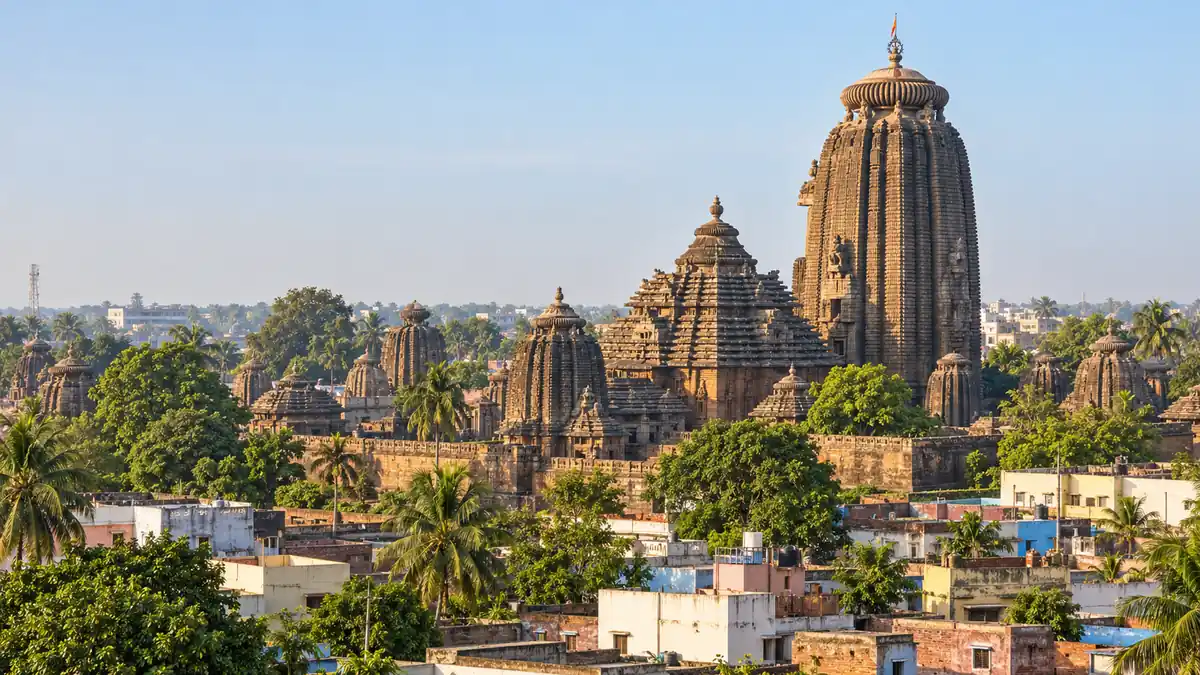
Bhubaneswar earned its historic reputation as the Temple City of India through centuries of intense temple construction under the Chedi, Somavamsi, and Eastern Ganga dynasties. Hundreds of stone structures still stand around the sacred Bindusagar lake in the Old Town quarter, reflecting the full architectural evolution of the Kalinga style.
The majestic 11th-century Lingaraj Temple dominates the city skyline with its 55-meter stone deula sanctum tower. The temple complex encloses more than 50 subsidiary shrines carved from dark red sandstone within a massive laterite compound wall. While the inner courtyard admits only practicing Hindus, an elevated British-era viewing platform on the northern boundary provides visitors and international travelers an unobstructed panoramic view.
A short walk east leads to the 10th-century Mukteshwar Temple, widely described by art historians as the gem of Odisha architecture. The monument features an iconic arched stone torana gateway covered with delicate female figurines, mythical beasts, and scrolling floral vines. Adjacent stands the 11th-century Rajarani Temple, famous for its warm yellow-and-red sandstone and exquisite sculpted erotic figures that require no active worship rituals to view.
Travelers can research excavation history and regional preservation details directly on the Archaeological Survey of India Bhubaneswar Circle official portal. For specialized spiritual tours, enthusiasts frequently link these Shaivite sanctuaries with regional listings in our 51 Shakti Peethas in India directory.
Puri Jagannath Dham, Sea Beach, and Raghurajpur Crafts
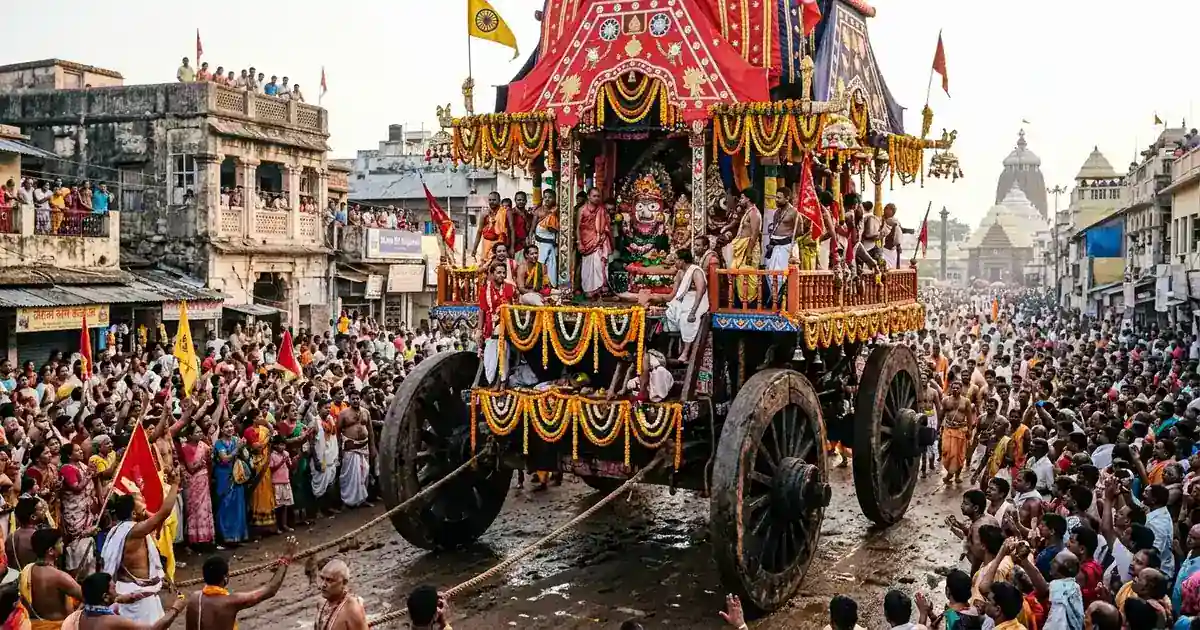
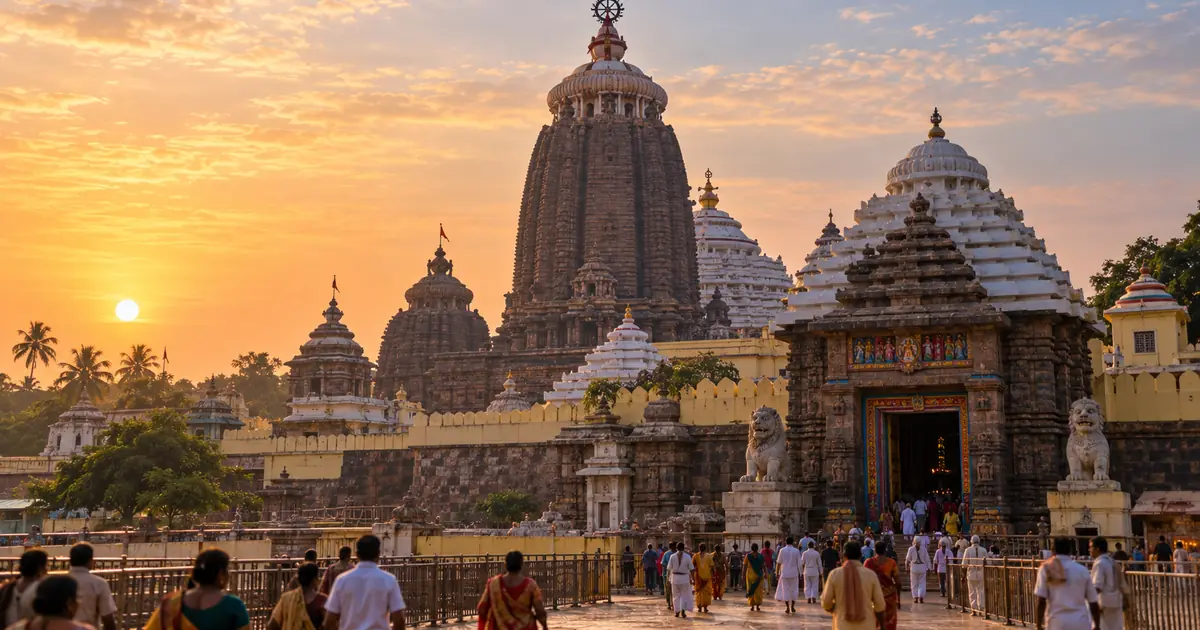
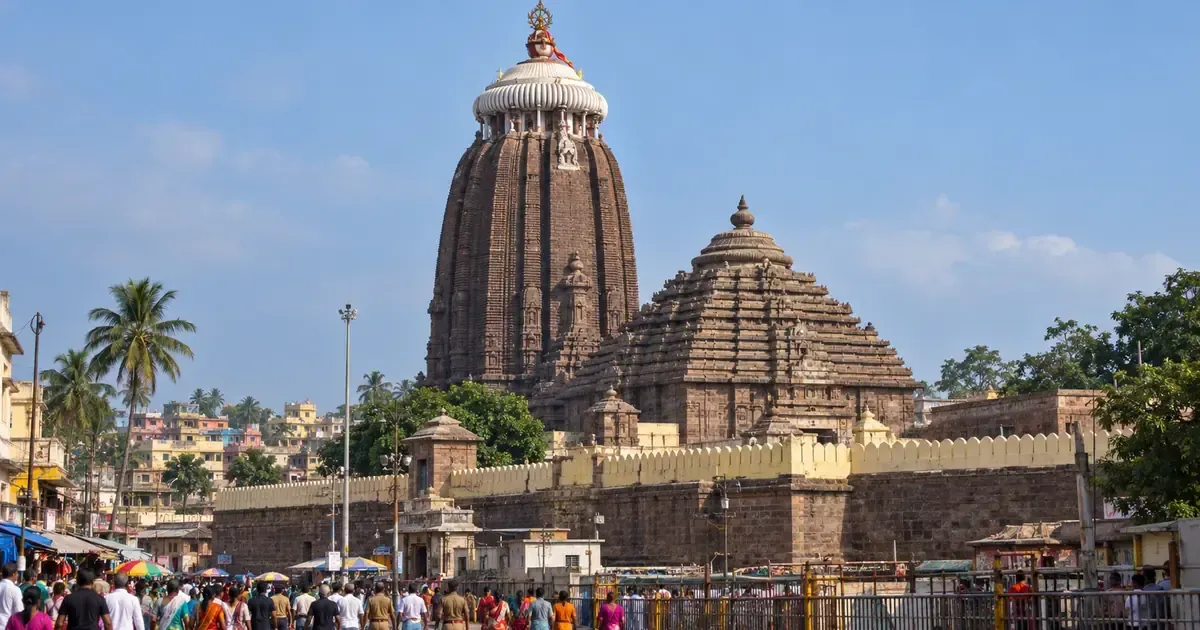
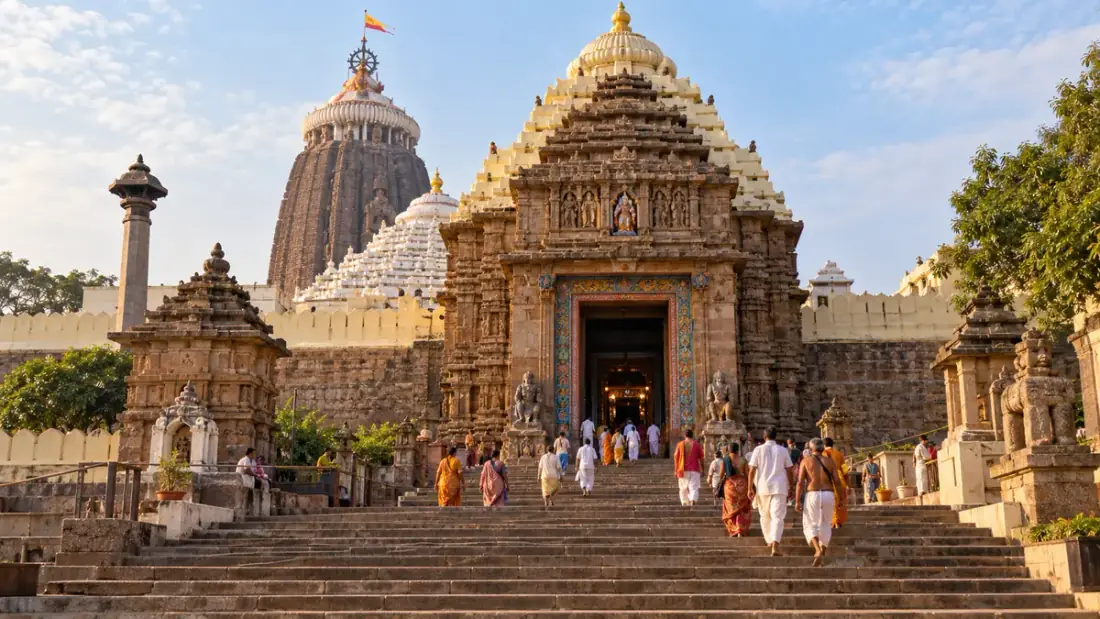
Puri rises along the Bay of Bengal as one of the four cardinal Char Dham pilgrimage sanctuaries established across the Indian subcontinent. The spiritual pulse of the town revolves around the 12th-century Puri Jagannath Temple, where Lord Jagannath, Balabhadra, and Subhadra are worshipped with elaborate daily offerings.
The temple’s soaring 65-meter vimana tower anchors an active ritual economy supporting thousands of servitor families. Millions of devotees gather each monsoon along the Grand Road to witness the sacred chariot procession during Rath Yatra. Pilgrims can also study administrative guidelines and protocol on the Puri District Administration Portal.
Beyond the central shrine, Puri features the expansive Golden Beach, which holds prestigious international Blue Flag environmental certification. Lifeguard towers, paved jogging tracks, and clean changing amenities make this coastal stretch popular for sunrise strolls and evening sea breezes.
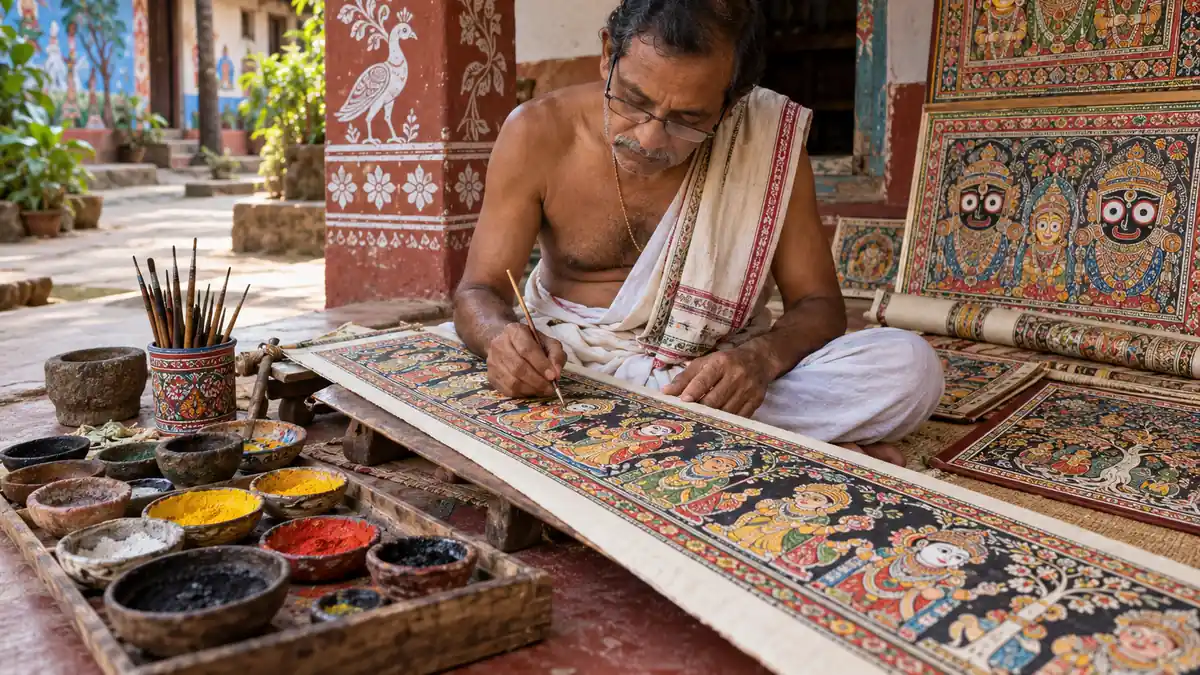
Twelve kilometers north of Puri lies the heritage crafts village of Raghurajpur. Every household in this settlement preserves traditional Pattachitra cloth painting, palm-leaf engraving, and wooden mask carving. Visitors walk directly into artisan verandas to watch master painters grind natural stone pigments and illustrate intricate mythological scrolls.
Konark Sun Temple: UNESCO Chariot Architecture and Marine Drive
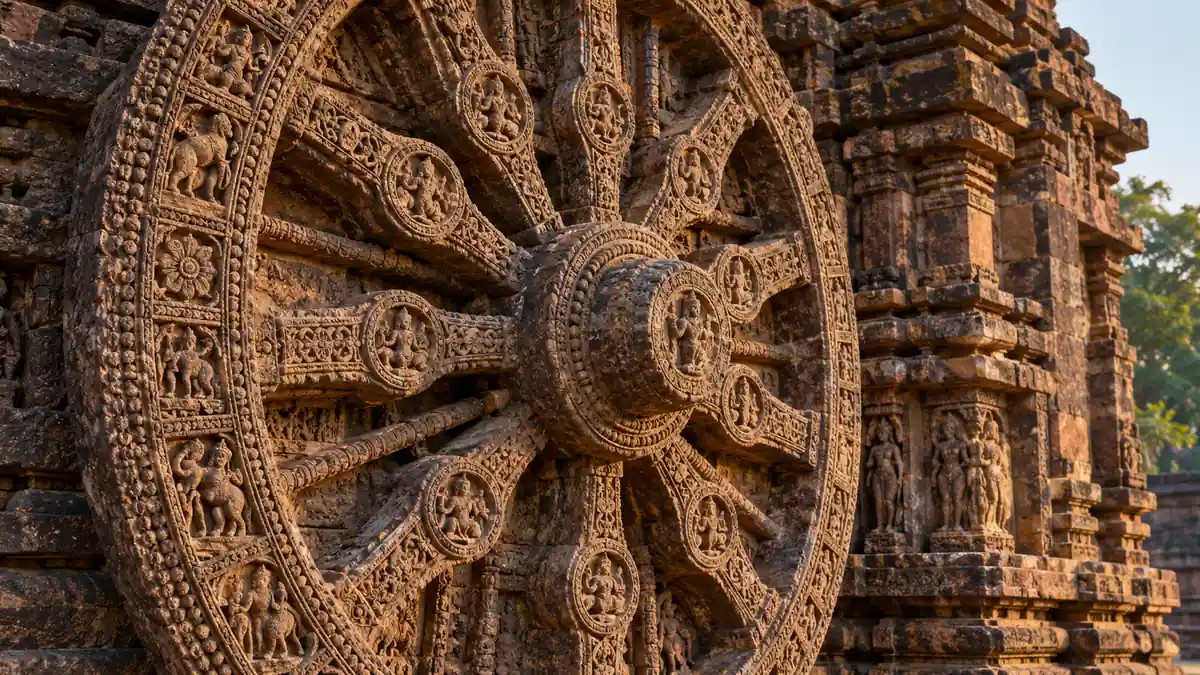
Located 35 kilometers east of Puri along the coast, the Konark Sun Temple darshan and timings stands as Odisha’s sole UNESCO World Heritage Site. Conceived by King Narasimhadeva I in the 13th century, the monument was planned as an immense cosmic chariot for Surya, the Sun God, driven across the heavens by seven stone horses.
Twenty-four monumental stone wheels line the plinth of the assembly hall, each measuring nearly three meters in diameter with intricate carvings depicting daily life, seasonal cycles, and astronomical hours. Travelers visit early in the morning to observe golden sunlight washing over the dark Khondalite stone surfaces.
Each December, the open-air auditorium adjacent to the sanctuary hosts the prestigious Konark Dance Festival. Classical dancers from across the country perform Odissi, Bharatanatyam, and Kathak against the illuminated backdrop of the stone chariot.
The coastal drive linking Puri and Konark follows the Marine Drive highway, running parallel to golden sandbars and the Bay of Bengal surf. Chandrabhaga Beach sits three kilometers from the monument, offering quiet coastal vistas and clear horizon views at dawn.
Chilika Lake and Satapada: Asia’s Largest Brackish Water Lagoon
Chilika Lake extends over an expansive coastal depression covering between 900 and 1,165 square kilometers depending on seasonal monsoon inflows. Separated from the Bay of Bengal by a 60-kilometer barrier beach, this Ramsar wetland ecosystem sustains hundreds of fish species and critically endangered marine mammals.
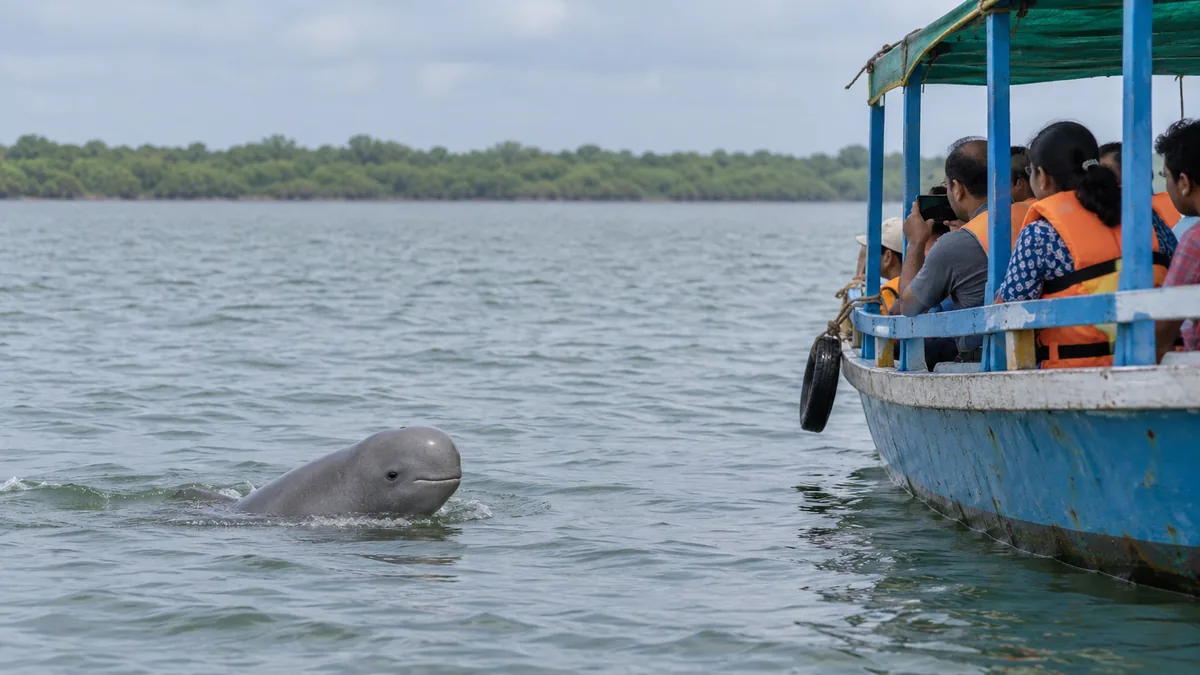
Satapada serves as the primary base for an authentic wildlife spotting at Chilika Lake & Satapada along the lagoon’s southern outer channel. Motorized tourist boats take visitors across the calm estuary to spot playful pods of Irrawaddy dolphins surfacing near the sea mouth.
Along the northern marshes of Chilika, Manglajodi functions as a community-run bird conservation sanctuary. Between November and February, more than one million migratory waterfowl fly in from Siberia, Mongolia, and Central Asia. Local boatmen guide quiet wooden country skiffs through shallow reed beds to spot purple swamphens, bar-headed geese, and rare migratory raptors.
Travelers can examine wetland restoration programs and conservation data through the Chilika Development Authority Official Portal. Visitors can book authorized boats directly from government jetties at Satapada, Barkul, or Rambha.
Wildlife and Wetland Sanctuaries: Bhitarkanika and Similipal
Odisha contains some of India’s most ecologically diverse national parks, preserving mangrove deltas and elevated forested hills. Bhitarkanika National Park in Kendrapara district shelters the second-largest mangrove ecosystem on the Indian mainland, crisscrossed by tidal rivers, creeks, and mudflats.
Detailed boat hiring tariffs, breeding closures, and creek routes are outlined in our Bhitarkanika crocodile safari and Gahirmatha guide, where boat safaris starting from the Khola or Gupti forest gates offer close-up views of giant estuarine saltwater crocodiles basking along muddy riverbanks. The adjacent Gahirmatha Marine Sanctuary marks the world’s most critical nesting ground for hundreds of thousands of Olive Ridley sea turtles between January and April.

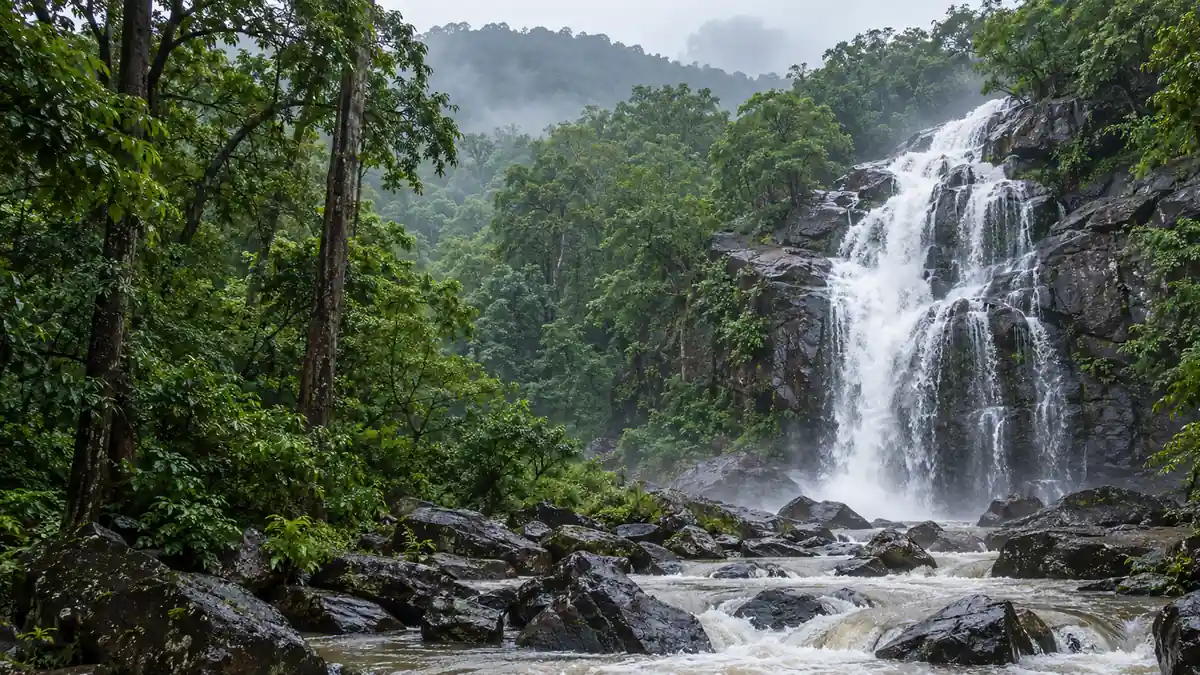
In the northern district of Mayurbhanj, Similipal National Park spreads across 2,750 square kilometers of dense sal forests, meadows, and rugged hills. The park forms a key tiger reserve and elephant habitat, noted for rare melanistic black tigers and the tiered Barehipani waterfall, which plunges 399 meters over two dramatic drops.
Forest department eco-cottages at Chahala, Barehipani, and Jamuani provide rustic accommodations inside the reserve boundaries. Safaris require online permits issued in advance by the state forest department during the open season between November and mid-June.
Tribal Heritage, Handlooms, and Living Arts of Western Odisha
The southwestern plateau of Odisha, centered around Koraput and Rayagada, houses more than 60 distinct indigenous communities. Groups such as the Bonda, Dongria Kondh, and Gadaba maintain deep cultural bonds with surrounding hills, preserving animist spiritual rituals and distinct decorative textile styles.
Weekly village markets, known locally as haats, operate on specific weekdays in rural settlements like Onukudelli, Chatikona, and Kunduli. Travelers accompanied by sensitive local cultural guides can observe the barter of forest honey, hand-woven tribal shawls, and organic farm produce.
Western Odisha is also the historic home of Sambalpuri Ikkat textiles, celebrated for intricate tie-dye weaving techniques executed on traditional pit looms. Artisan cooperatives in Bargarh, Sonepur, and Barpali produce striking sarees and fabrics featuring geometric bandha patterns inspired by fish, conch shells, and floral motifs.
In the northern silver workshops of Cuttack, master craftsmen create Tarakasi, an ancient art of twisting fine silver wires into delicate jewelry, miniature temple models, and decorative curiosities.
Regional Gastronomy: Chhena Poda to Coastal Seafood Feasts
Odisha’s culinary traditions emphasize subtle spicing, mustard pastes, and wood-fired baking techniques that set it apart from neighboring eastern regions. The kitchen of the Jagannath Temple in Puri operates as one of the world’s largest traditional open-hearth cooking spaces, preparing Mahaprasad using earthen pots stacked atop wood fires.
Sweet enthusiasts celebrate Chhena Poda, regarded as Odisha’s signature baked dessert. Created by caramelizing fresh cottage cheese, sugar, cardamom, and ghee in sal leaves over glowing charcoal, the confection develops a distinct burnt crust with a soft, moist center. Pahala, a roadside settlement between Bhubaneswar and Cuttack, is famous for fresh, melt-in-the-mouth spongy Rasagolas.
Savory everyday fare includes Dalma, a hearty stew of lentils simmered with raw papaya, pumpkin, potatoes, and eggplant tempered with roasted cumin and dry chilies. During warm months, households eat Pakhala Bhata, a fermented rice preparation served with curd, fried fish, roasted leafy greens, and crushed raw onions.
Coastal towns along Chilika and Gopalpur offer fresh seafood feasts. Local diners enjoy spicy crab curry, tiger prawns tossed in mustard seed gravy, and freshwater Rohu fish cooked in aromatic Pancha Phutana spices.
Transportation and High-Speed Connectivity Across Odisha
Odisha’s transportation infrastructure has modernized rapidly over recent years, making travel between regional centers fast and reliable. Biju Patnaik International Airport (BBI) in Bhubaneswar provides frequent daily non-stop flights connecting Delhi, Mumbai, Bengaluru, Hyderabad, Chennai, and Kolkata.
Electrified railway lines link major stations across the coastal and interior belts. Indian Railways operates premium Vande Bharat Express services connecting Bhubaneswar to Howrah, Puri, and Visakhapatnam, offering smooth transit options covered in our Vande Bharat Express tourist routes directory.
National highways connecting the Golden Triangle are fully paved multi-lane express corridors. Air-conditioned Volvo buses operated by the Odisha State Road Transport Corporation (OSRTC) connect Bhubaneswar to Puri, Konark, Cuttack, and Berhampur around the clock.
Travelers can review state-wide travel packages and verified tourist information directly on the Odisha Tourism Development Corporation Portal. Prepaid taxi counters at Bhubaneswar Airport provide transparent, government-regulated transit rates for outstation journeys.
Curated 5-Day and 7-Day Travel Itineraries for Odisha
Selecting the right itinerary ensures a balanced mix of architectural exploration, coastal downtime, and wildlife discovery. Below are two field-tested travel plans designed for first-time visitors:
5-Day Classic Golden Triangle & Chilika Itinerary
- Day 1: Bhubaneswar Heritage: Land at Biju Patnaik Airport, check in, and spend the afternoon exploring Mukteshwar and Rajarani Temples before watching the sunset at Dhauli Shanti Stupa.
- Day 2: Bhubaneswar to Puri via Dhauli & Raghurajpur: Tour the ancient Udayagiri and Khandagiri Jain rock caves in the morning. Drive south toward Puri, stopping for two hours to meet artisan painters in Raghurajpur heritage crafts village.
- Day 3: Puri Sea Beach & Jagannath Complex: Walk along Blue Flag Golden Beach at sunrise. Observe the massive stone walls and lion gate of the Jagannath Temple, and spend the evening tasting street snacks along Swargadwar promenade.
- Day 4: Konark Sun Temple Excursion: Drive along the scenic Marine Drive to the Sun Temple at Konark. Explore the 24 stone chariot wheels, check winter dates for the attending Konark Dance Festival, relax on Chandrabhaga Beach, and return to Puri.
- Day 5: Chilika Dolphin Safari & Departure: Drive to Satapada on Chilika Lake for a morning dolphin boat tour. Return to Bhubaneswar in the afternoon for return flights or evening trains.
7-Day Comprehensive Heritage, Lagoon & Mangrove Circuit
- Days 1 to 3: Follow the Classic Golden Triangle itinerary through Bhubaneswar, Raghurajpur, Puri, and Konark.
- Day 4: Spend a full day exploring Chilika Lake, visiting both Satapada for dolphin watching and the quiet southern shores around Rambha.
- Day 5: Drive northeast through Cuttack toward Bhitarkanika National Park, checking into an eco-resort near the Dangmal gate.
- Day 6: Set out on a creek boat safari through Bhitarkanika mangroves to spot giant saltwater crocodiles, monitor lizards, and kingfishers.
- Day 7: Return to Bhubaneswar in the afternoon for silver filigree shopping in Cuttack and onward evening departures.
Frequently Asked Questions About Traveling in Odisha
What is the best time to visit Odisha for sightseeing and beach travel?
The ideal period to visit Odisha runs from October through March when daytime temperatures stay between 18°C and 28°C across coastal plains. Summer months from April to June experience extreme tropical humidity and intense coastal heat.
Which destinations comprise the Golden Triangle of Odisha?
The Golden Triangle connects the capital temple city of Bhubaneswar, the pilgrimage coast of Puri, and the sun sanctuary at Konark. These three historic centers span approximately 130 kilometers along well-paved national highways and coastal roads.
How many days are recommended for a first-time Odisha trip?
A well-paced first trip requires five to seven days to cover the Golden Triangle, Chilika Lake, and Raghurajpur heritage village. Travelers wishing to include Bhitarkanika National Park or western tribal valleys should allocate nine to ten full days.
What traditional handicrafts and textiles is Odisha known for?
Odisha is celebrated for Sambalpuri handloom silk and cotton Ikkat textiles woven in western weaving clusters. Visitors also seek authentic Pattachitra palm-leaf paintings from Raghurajpur, Cuttack silver filigree jewelry, and stone carvings.
Can non-Hindus enter the inner sanctum of the Jagannath Temple in Puri?
Non-Hindus and foreign nationals cannot enter the inner precincts of the Jagannath Temple in Puri according to long-standing shrine administration statutes. Visitors can admire the soaring perimeter stone walls, the grand Singhadwara lion gate, and the sacred chariot procession detailed in our Puri Rath Yatra guide.