51 Shakti Peethas in India: Complete List, Map & Temples
Complete guide to the 51 Shakti Peethas in India. Explore the 4 Adi Shakti Peethas, full temple directory, body parts, Shakti and Bhairava forms, and routes.
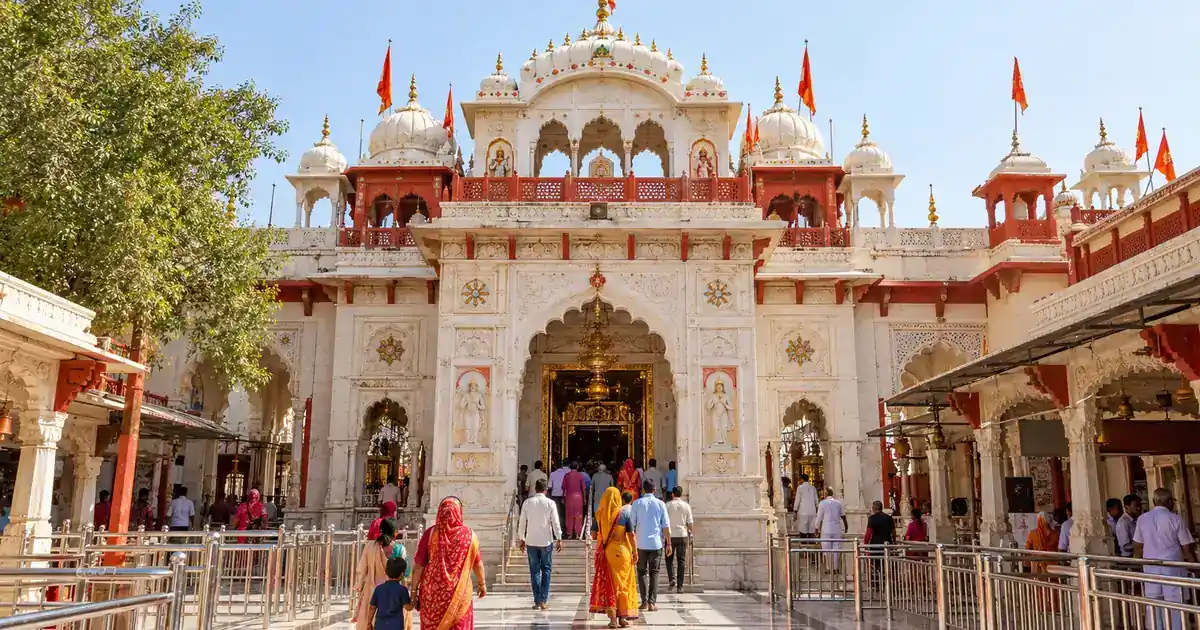
The 51 Shakti Peethas represent the supreme sanctuaries of the Divine Mother (Shakti) distributed across the Indian subcontinent. Rooted in ancient Puranic cosmology and Shakta theology, each holy shrine marks the consecrated spot where a specific limb, organ, or sacred ornament of Goddess Sati descended to earth as Lord Shiva carried her mortal frame in cosmic sorrow.
Spanning over 3,000 km across modern national boundaries, these sacred shrines attract over 20,000,000 visitors annually during festive periods. At every Shakti Peetha, the divine feminine power resides alongside Lord Shiva in his protective manifestation as Bhairava. From high Himalayan ridges down to coastal capes and river valleys, these pilgrimage centers have nurtured regional literature, temple architecture, and Tantric philosophy for thousands of years.
Shakti Peethas Master Summary
- Cosmic Origin: Dismemberment of Goddess Sati’s body by Lord Vishnu’s Sudarshana Chakra following Daksha’s sacrificial fire.
- The 4 Primary Shrines (Adi Shakti Peethas): Kamakhya (Assam), Kalighat (West Bengal), Bimala Temple (Odisha), and Tara Tarini (Odisha).
- Dual Spiritual Presence: Every shrine pairs a distinct manifestation of Shakti with an associated guardian Bhairava.
- Geographic Spread: Distributed across India, with sibling sites in Nepal, Bangladesh, Pakistan, and Sri Lanka.
- Peak Devotional Season: Navratri festivals (Chaitra Navratri in spring and Sharad Navratri in autumn).
The Cosmic Origin: Daksha Yagna and Shiva’s Tandava
The foundational narrative of the Shakti Peethas is preserved in the Shiva Purana, Devi Bhagavata Purana, and Kalika Purana. Prajapati Daksha, one of the celestial progenitors and the father of Sati, organized a grand Vedic sacrifice (Brihaspatisava Yagna) at Kankhal near Haridwar. Driven by pride, Daksha deliberately refused to invite his daughter Sati or her ascetic consort, Lord Shiva.
Despite Shiva’s gentle warnings, Sati attended the gathering, seeking to understand her father’s hostility. When Daksha publicly insulted Lord Shiva before the assembled celestial beings, Sati could not endure the humiliation of her divine lord. In supreme agony, she invoked her internal yogic fire (Agni) and immolated her physical body.
Upon learning of Sati’s death, an enraged Shiva plucked a lock of his matted hair, creating the fierce warriors Virabhadra and Bhadrakali, who destroyed the sacrificial arena and punished Daksha. Overwhelmed by grief, Lord Shiva retrieved the charred body of Sati, placed it across his shoulders, and commenced the devastating cosmic dance of dissolution, the Rudra Tandava.
To arrest universal destruction, Lord Vishnu released his spinning Sudarshana Chakra. The disc gently divided Sati’s body into 51 sacred fragments. Wherever a body part, bone, or jewel fell upon the earth, the ground became sanctified as a Shakti Peetha. To preserve the sanctity of each spot, Lord Shiva assumed 51 distinct forms of Bhairava to protect each shrine for eternity.
The Four Adi Shakti Peethas: The Cardinal Pillars
Classical texts such as the Brihat Samhita and the Maha Pitha Purana designate four sacred locations as the Adi Shakti Peethas, the foundational root pillars of the entire Shakta tradition.
| Adi Shakti Peetha | Geographic Location | Sati’s Sacred Relic | Presiding Shakti | Associated Bhairava |
|---|---|---|---|---|
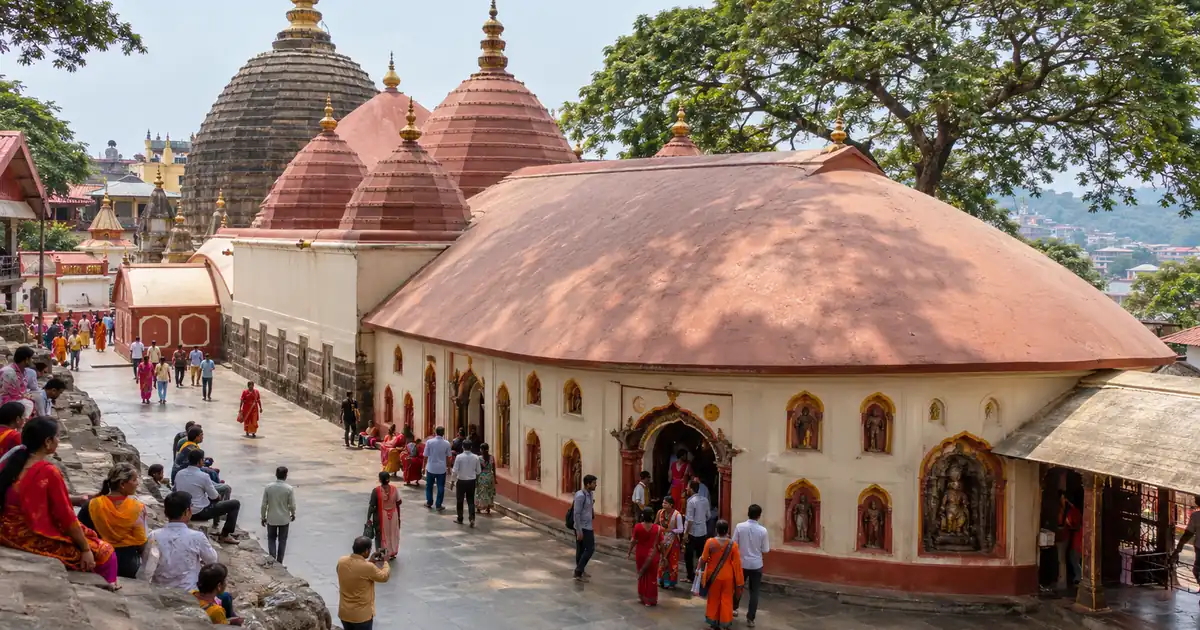
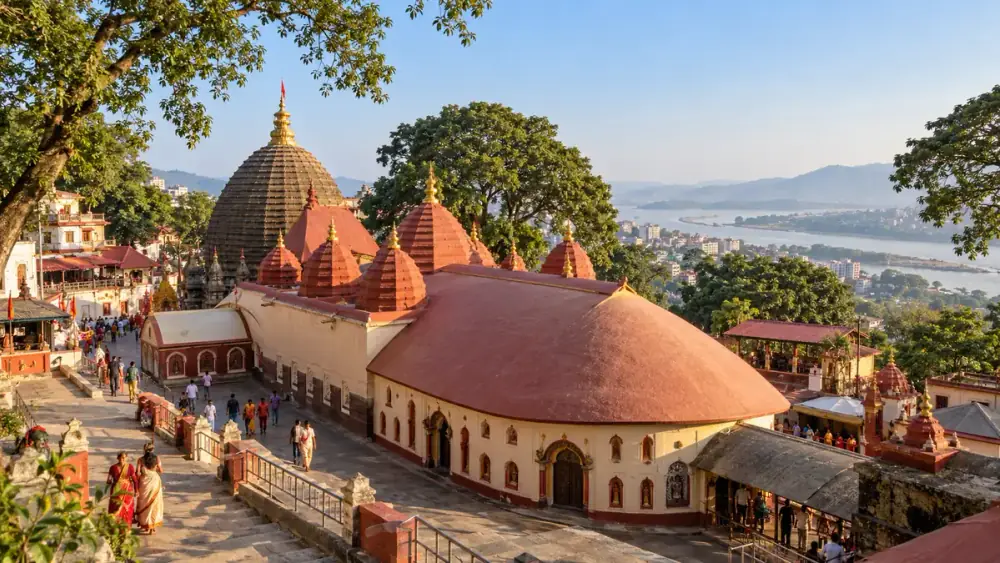
| Kamakhya Temple | Nilachal Hill, Guwahati, Assam | Yoni (Creative Matrix) | Devi Kamakhya | Umananda |
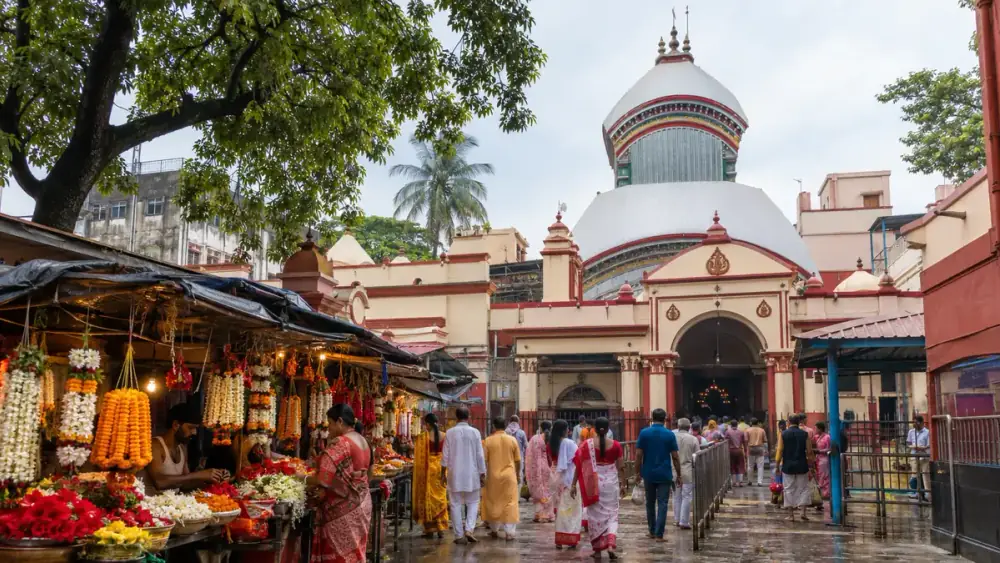
| Kalighat Temple | Kolkata, West Bengal | Right Toe | Devi Kalika | Nakuleshwar |
| Bimala Temple | Inside Jagannath Temple, Puri, Odisha | Pada (Feet) | Devi Bimala | Jagannath (Bhairava) |
| Tara Tarini Temple | Rushikulya River, Ganjam, Odisha | Stana (Breasts) | Devi Tara & Tarini | Bhairav Sambhu |
1. Kamakhya Temple (Assam)
Crown of the Shakta world, Kamakhya stands on Nilachal Hill overlooking the Brahmaputra River. The sanctum contains no stone image, housing instead a natural bedrock spring representing the primordial source of creation. Pilgrims can explore complete ritual timings and festival guidelines in our in-depth Kamakhya Temple Guwahati guide.
2. Kalighat Temple (West Bengal)
Positioned along an ancient canal of the Hooghly River in southern Kolkata, Kalighat represents the spot where the four toes of Sati’s right foot landed. Devotees worship a unique black stone idol adorned with three large golden eyes and a long gold tongue.
3. Bimala Temple at Puri (Odisha)
Situated within the inner southwest courtyard of the grand Jagannath temple, this shrine marks the descent of Sati’s feet. According to local custom, food offered to Lord Jagannath becomes sanctified Mahaprasad only after it is presented to Goddess Bimala.
4. Tara Tarini Temple (Odisha)
Perched atop Purnagiri Hill beside the sacred Rushikulya River near Berhampur, this ancient shrine enshrines two sister deities worshiped since ancient maritime Kalinga times as the protectors of sailors and river travelers.
Master Directory: 51 Shakti Peethas in India and the Subcontinent
The following comprehensive directory details the prominent Shakti Peethas across the subcontinent, identifying their geographic locations, the sacred relics enshrined, and their associated Shakti and Bhairava manifestations:
| Peetha Name | Modern Location & State | Sacred Relic Enshrined | Presiding Shakti Form | Associated Bhairava |
|---|---|---|---|---|
| Kamakhya | Guwahati, Assam | Yoni (Genitals) | Kamakhya | Umananda |
| Kalighat | Kolkata, West Bengal | Right Toes | Kalika | Nakuleshwar |
| Bimala (Puri) | Puri, Odisha | Feet (Pada) | Bimala | Jagannath |
| Tara Tarini | Ganjam, Odisha | Breasts (Stana) | Tara Tarini | Bhairav Sambhu |
| Baidyanath Dham | Deoghar, Jharkhand | Heart (Hridaya) | Jai Durga | Baidyanath |
| Jwala Ji | Kangra, Himachal Pradesh | Tongue (Jihva) | Ambika (Siddhida) | Unmatta Bhairava |
| Vaishno Devi | Trikuta Hills, Katra, J&K | Forehead / Skull | Vaishnavi | Bhairavnath |
| Kashi Vishalakshi | Varanasi, Uttar Pradesh | Earrings / Eyes | Vishalakshi | Kala Bhairava |
| Alopi Devi (Prayagraj) | Prayagraj Sangam, Uttar Pradesh | Fingers of Hand | Lalita | Bhava |
| Maha Kali (Ujjain) | Ujjain, Madhya Pradesh | Upper Lip | Mahakali | Lambakarna |
| Ambaji | Banaskantha, Gujarat | Heart Fragment | Amba | Batuk Bhairava |
| Chamundeshwari | Chamundi Hills, Mysore, Karnataka | Both Ears | Chamundeshwari | Kaleshwar |
| Kamakshi Amman | Kanchipuram, Tamil Nadu | Navel (Nabhi) | Kamakshi | Ekamranatha |
| Sharda Peeth | Neelum Valley, POK | Right Hand | Sharada | Trisandhyaswar |
| Kattak (Hinglaj Mata) | Balochistan, Pakistan | Crown of Head (Brahmarandhra) | Kottari | Bhimlochan |
| Sugandha (Shikarpur) | Barisal, Bangladesh | Nose | Sunanda | Tryambak |
| Nainital (Naina Devi) | Nainital, Uttarakhand | Upper Eyes | Naina Devi | Amarnath |
| Shakambhari Devi | Saharanpur, Uttar Pradesh | Head Hair | Shakambhari | Bhura Dev |
| Kankalitala | Birbhum, West Bengal | Waist (Kankal) | Devgarbha | Ruru |
| Attahas | Birbhum, West Bengal | Lips (Adhara) | Phullara | Vishvesh |
| Bakreshwar | Birbhum, West Bengal | Eyebrows / Mind | Mahishamardini | Vakranath |
| Tarapith | Birbhum, West Bengal | Third Eye / Eyeball | Tara | Chandrachur |
| Biraja Temple | Jajpur, Odisha | Navel (Nabhi Peetha) | Biraja | Shweta Varaha |
| Guhyeshwari | Kathmandu, Nepal | Both Knees | Mahamaya | Kapali |
| Gandaki (Muktinath) | Pokhara / Muktinath, Nepal | Forehead | Gandaki Chandi | Chakrapani |
| Danteshwari | Dantewada, Chhattisgarh | Tooth (Danta) | Danteshwari | Kapalbhairav |
| Kalyani (Kanya Kumari) | Kanyakumari, Tamil Nadu | Spine / Back | Sharvani | Nimisha |
| Shri Shailam (Bhramaramba) | Kurnool, Andhra Pradesh | Neck (Greeva) | Bhramaramba | Mallikarjuna |
| Shondesh (Amarkantak) | Anuppur, Madhya Pradesh | Right Buttock | Narmada | Bhadrasen |
| Chhinnamasta | Rajrappa, Ramgarh, Jharkhand | Severed Head | Chhinnamasta | Rudra Bhairava |
| Tripura Sundari (Matabari) | Udaipur, Gomati District, Tripura | Right Foot (Dakshina Pada) | Tripura Sundari | Tripuresh |
For planning travel to the sacred Himalayan cave shrine in Jammu, consult our complete darshan rules and rituals at Vaishno Devi Katra Yatra. Devotees planning pilgrimages to the revered northeastern Shakti sanctuary in Tripura can consult our dedicated Tripura Sundari Temple Udaipur temple overview. Regional pilgrimage facilities and road security guidelines are maintained by the Himachal Pradesh Kangra District Administration.
The Theological Meaning of the Shakti-Bhairava Pairing
In Hindu Tantric metaphysics, Shiva and Shakti are indivisible aspects of the supreme consciousness. Shakti represents dynamic cosmic energy, creativity, and manifestation, while Shiva embodies pure, unmoving transcendent awareness.
Without Shakti, Shiva remains inert (Shava); without Shiva, Shakti lacks form and restraint. The two principles operate in eternal unison to sustain cosmic equilibrium.
Worship at each of the 51 holy shrines unites two complementary spiritual dimensions. The Peetha Shakti bestows specific boons such as spiritual liberation, prosperity, and emotional healing.
Her partner, the Kshetradhipati Bhairava, stands as the eternal guardian sentinel of the sacred grounds. Devotees offer prayers to the associated Bhairava to seal the spiritual merit of their pilgrimage.
Major Regional Shakti Peetha Pilgrim Circuits
Devotees planning targeted pilgrimages can organize their journeys into cohesive regional travel corridors:
1. The Bengal-Jharkhand Shakta Corridor
West Bengal contains the largest concentration of Shakti Peethas in India, including eleven distinct shrines in Birbhum and Bardhaman districts alone.
- Core Route: Kolkata (Kalighat) to Birbhum (Tarapith, Bakreshwar, Kankalitala, Attahas, Nalhati) and onward to Deoghar in Jharkhand.
- Trip Duration: 4 to 5 days by road or express train from Howrah Junction.
- Logistical Guide: Review temple timings and Kanwar routes in our Baidyanath Dham Deoghar darshan and timings.
2. The Northern Himalayan Shakti Circuit
This circuit spans the lower Shivalik and Dhauladhar ranges of Himachal Pradesh and Jammu:
- Core Route: Mansa Devi (Panchkula) to Naina Devi (Bilaspur), Chintpurni (Una), Jwala Ji (Kangra), Brajeshwari Devi (Kangra), Chamunda Devi (Dharamshala), and Vaishno Devi (Katra).
- Trip Duration: 6 to 8 days by car from Delhi or Chandigarh.
- Best Season: October to April, when mountain roads are clear and cool.
3. The Eastern Maritime Corridor (Odisha & Assam)
- Core Route: Puri (Maa Bimala) to Jajpur (Maa Biraja), Tara Tarini (Berhampur), and northeast to Guwahati (Maa Kamakhya).
- Trip Duration: 5 to 6 days utilizing express rail links along the eastern coast. Official circuit itineraries can be reviewed via the Incredible India Destination Portal.
Essential Pilgrim Etiquette, Rituals & Best Times to Visit
Worship at the Shakti Peethas incorporates ancient Tantric and Vedic traditions requiring modest decorum. Entry to most government-notified temple complexes is completely free, while optional VIP darshan passes typically cost between ₹250 and ₹500. Most sanctums open daily at 5:30 AM for dawn abhishekham and close at 9:00 PM following the final shayan aarti.
- Dress Code: Men must wear clean dhotis, pyjamas, or formal trousers with unstitched cotton angavastrams. Women should wear traditional sarees, half-sarees, or salwar suits. Short skirts, western shorts, and sleeveless tops are strictly prohibited inside inner sanctums.
- Traditional Offerings: Red hibiscus flowers, fresh marigold garlands, red chunari (veil), vermilion powder (sindoor), coconuts, and unboiled milk are universally cherished by the Goddess.
- Navratri Pilgrimage: The nine nights of Navratri in autumn (September–October) and spring (March–April) represent the most auspicious periods for pilgrimage, featuring 24-hour temple assemblies, Chandi Path recitations, and special Mahagauri aartis.
- Train Connectivity: Major railway junctions including Howrah, Guwahati, Jasidih, Varanasi, and Pathankot provide express train access to regional temple clusters, bookable through the official IRCTC portal.
Travelers seeking a broader geographic overview of sacred monuments across the subcontinent can consult our master directory of the best places to visit in India.
Frequently Asked Questions About 51 Shakti Peethas
How many Shakti Peethas are there in total?
While 51 Shakti Peethas are universally recognized in the classical Puranas based on the 51 letters of the Sanskrit Devanagari alphabet, various Shakta traditions document 52, 64, or 108 shrines across greater Asia.
Which is considered the most powerful Shakti Peetha?
Maa Kamakhya Temple in Guwahati, Assam, is revered as the supreme Mahapitha because it enshrines the sacred Yoni (creative organ), representing the origin of all cosmic creative energy.
Which Indian state has the maximum number of Shakti Peethas?
West Bengal contains the highest concentration of Shakti Peethas, hosting over 14 distinct shrines including Kalighat, Tarapith, Bakreshwar, Nalhati, Kankalitala, and Attahas. During the autumn Navratri season, these Shakta centers witness massive celebrations alongside the citywide pandals featured in our Kolkata Durga Puja celebration details.
Can non-Hindus visit the Shakti Peethas?
Most Shakti Peetha campuses permit respectful visitors of all faiths into their outer grounds and courtyards. However, certain traditional inner sanctums enforce entry rules restricted to practicing Hindus.
What is the significance of the Bhairava at each Shakti Peetha?
Every Shakti Peetha is spiritually protected by Lord Shiva in the form of a specific Bhairava. Offering prayers to the Bhairava safeguards the devotee and completes the spiritual merit of the pilgrimage.