Punjab Travel Guide: Amritsar, Historic Forts & Food Trails
Plan your journey with our complete Punjab travel guide covering Amritsar Golden Temple, Wagah border, Patiala forts, Anandpur Sahib, and food trails.
Punjab extends across 50,362 square kilometers of fertile alluvial plains in northwestern India, bordered by Himachal Pradesh, Jammu and Kashmir, Haryana, Rajasthan, and an international frontier with Pakistan. This comprehensive Punjab travel guide details the state’s spiritual shrines, royal palaces, wetlands, and agricultural trails across 23 administrative districts.
The land derives its name from five historic rivers that shaped its civilization: the Sutlej, Beas, Ravi, Chenab, and Jhelum. Travelers navigate between centuries-old Sikh gurudwaras, grand brick fortresses, traditional rural farmstays, and roadside dhabas serving northern India’s most celebrated regional cuisine.
State Travel & Circuit Essentials
- Punjab encompasses 50,362 square kilometers in northwestern India across 23 administrative districts organized into the Majha, Malwa, and Doaba cultural zones.
- Amritsar and Chandigarh act as primary gateways with daily domestic and international air corridors through Amritsar (ATQ) and Mohali (IXC).
- Peak travel season runs from October through March, when crisp winter days produce comfortable temperatures between 10°C and 22°C across the plains.
- High-speed rail corridors include Vande Bharat Express and Shatabdi Express services connecting New Delhi to Amritsar and Jalandhar in under six hours.
Modern expressways connect the capital region directly to border memorial sites and sacred pilgrimage towns. Travelers planning broader multi-state journeys frequently combine Punjab with northern destinations featured among the essential places to explore across India.
Punjab Destinations Master Matrix
Organizing an itinerary across Punjab requires coordinating three distinct cultural zones with specific transit arteries. The following master matrix categorizes the state’s eight primary travel regions by cultural zone, ideal stay duration, signature highlights, and entry transit hubs:
| Destination Region | Cultural Zone | Ideal Duration | Signature Highlights | Primary Transit Gateway |
|---|---|---|---|---|
| Amritsar City & Environs | Majha Plains | 2 to 3 Days | Harmandir Sahib, Wagah Border Ceremony, Partition Museum, Gobindgarh Fort | Amritsar Airport (ATQ) / Amritsar Junction (ASR) |
| Patiala Royal Heartland | Malwa South | 1 to 2 Days | Qila Mubarak Complex, Sheesh Mahal, Baradari Gardens, Moti Bagh Palace | Patiala Station (PTA) / Chandigarh Airport (IXC) |
| Anandpur Sahib & Ropar | Shivalik Foothills | 1 to 2 Days | Takht Sri Kesgarh Sahib, Virasat-e-Khalsa Museum, Ropar Archaeological Site | Anandpur Sahib Station (ANSB) / Chandigarh (IXC) |
| Kapurthala Royal Heritage | Doaba Central | 1 Day | Jagatjit Palace (Sainik School), Moorish Mosque, Shalimar Gardens | Jalandhar City (JUC) / Amritsar Airport (ATQ) |
| Bathinda Forts & Lakes | Southern Malwa | 1 to 2 Days | Qila Mubarak (Razia Sultan Fort), Thermal Lake Boating, Maiser Khana Temple | Bathinda Junction (BTI) / Bathinda Airport (BUP) |
| Harike Wetland & Sanctuary | Majha-Malwa Confluence | 1 Day | Migratory Bird Watching, Indus River Dolphin Habitat, Confluence Boat Safari | Firozpur Station / Amritsar (ASR) |
| Ludhiana & Farm Belts | Malwa Industrial Heartland | 1 to 2 Days | Rural Heritage Museums, Agro-Tourism Farmstays, Clock Tower Market | Ludhiana Junction (LDH) / Sahnewal Airport |
| Jalandhar & Kartarpur Corridor | Doaba Cultural Core | 1 to 2 Days | Devi Talab Mandir, Jang-e-Azadi Memorial, Sports Goods Markets, Dera Baba Nanak | Jalandhar City (JUC) / Amritsar Airport (ATQ) |
Amritsar: Harmandir Sahib and the Sacred Old City
Amritsar stands as the cultural soul of Punjab, drawing millions of international travelers each year to its historic walled quarter. The city was founded in 1577 by Guru Ram Das, the fourth Sikh Guru, around a sacred pool known as the Amrit Sarovar.
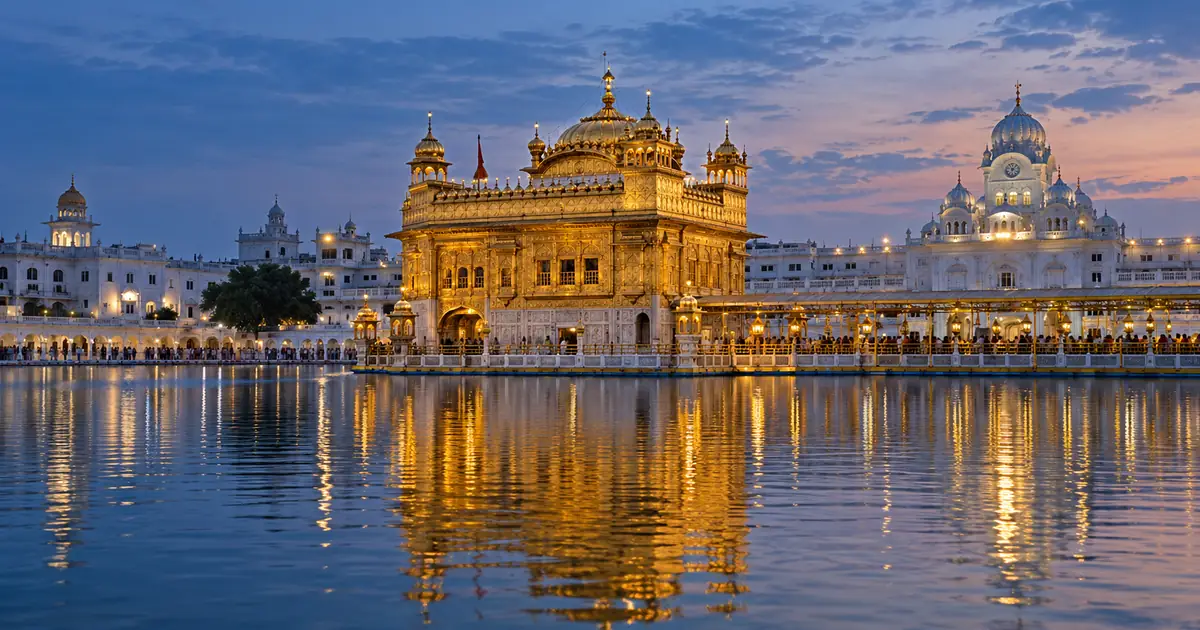
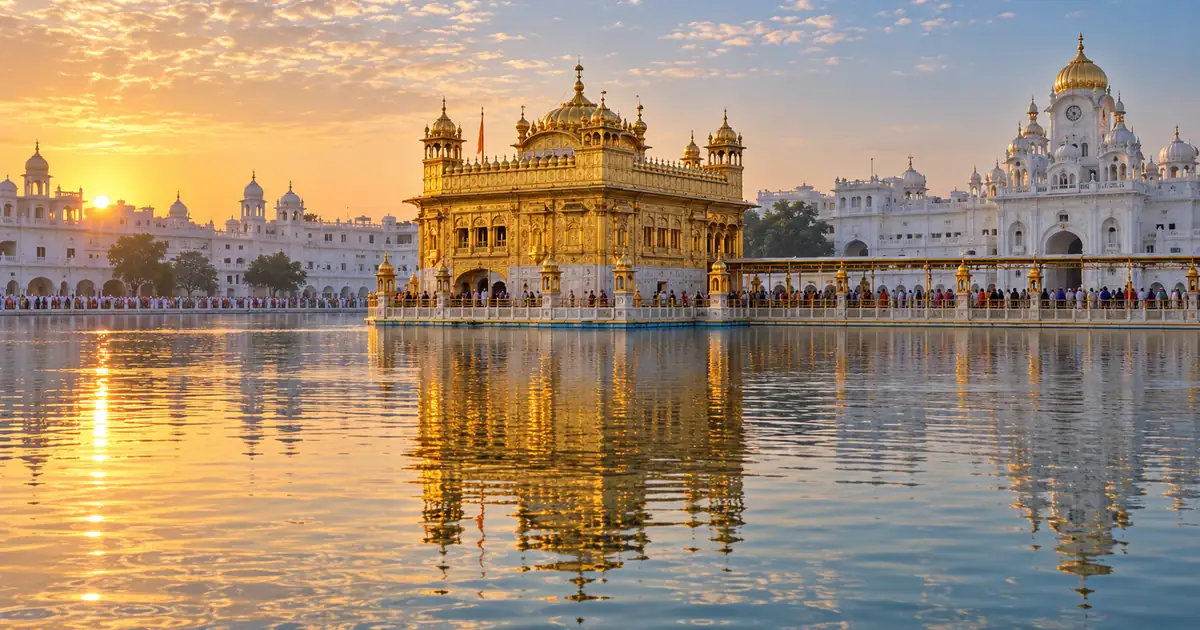
The centerpiece of the old city is the Harmandir Sahib, known worldwide as the Golden Temple. Travelers planning their visit can consult our dedicated darshan rules and rituals at Golden Temple Amritsar for complete details on round-the-clock darshan schedules, holy dip guidelines, and the volunteer-driven Guru Ram Das Langar that serves free meals daily to more than 100,000 pilgrims.
Surrounding the central sanctum are four open entry gateways that symbolize universal access across all religious backgrounds and social backgrounds. Continuous devotional hymn singing (Gurbani Kirtan) echoes across the marble parikrama throughout the day and night.
Jallianwala Bagh and the Freedom Heritage of Amritsar
Just 300 meters southeast of the temple complex lies Jallianwala Bagh, a national memorial ground commemorating the martyrs of the April 13, 1919 massacre. The preserved 6.5-acre walled park includes the narrow entrance passage, the historic Martyr’s Well, and brick perimeter walls still bearing deep bullet impressions.
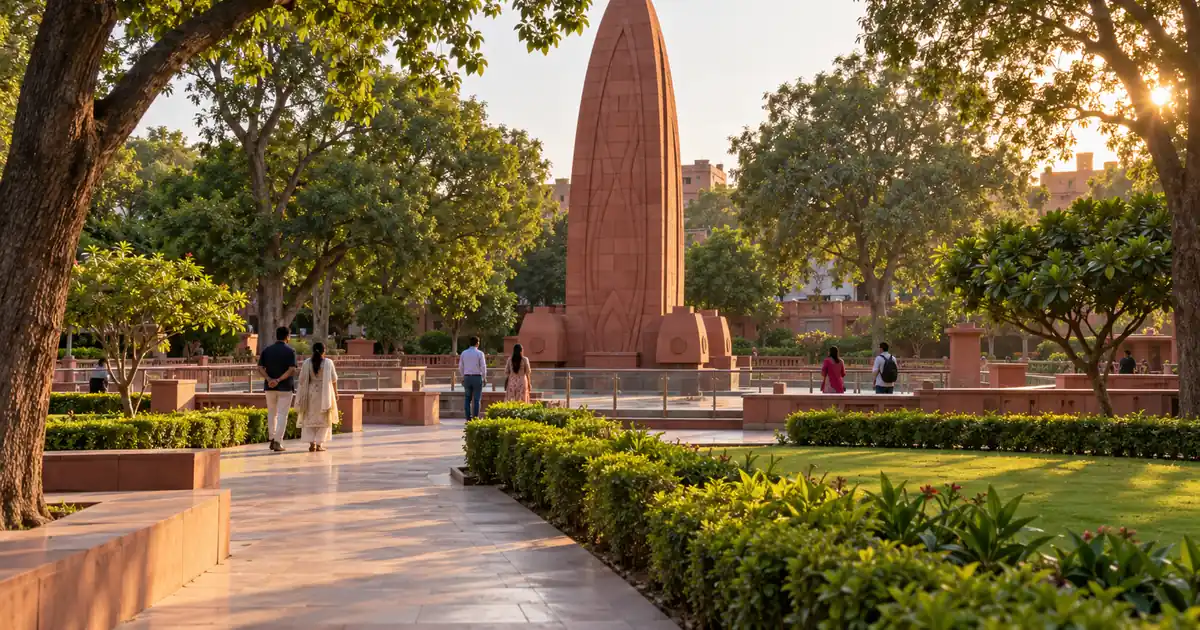
Adjacent to the memorial garden inside the colonial Town Hall stands the world’s first Partition Museum. Visitors can reference our detailed guide on the Jallianwala Bagh & Partition Museum Amritsar visitor overview to explore original 1947 refugee documents, personal heirlooms, and interactive survivor testimonies along Heritage Street.
The Attari-Wagah Border Beating Retreat Ceremony
Thirty kilometers west of Amritsar along the Grand Trunk Road, the Joint Check Post at Attari hosts the daily international border ceremony. Since 1959, the Border Security Force of India and the Pakistan Rangers have conducted a synchronized flag-lowering military drill before sunset.
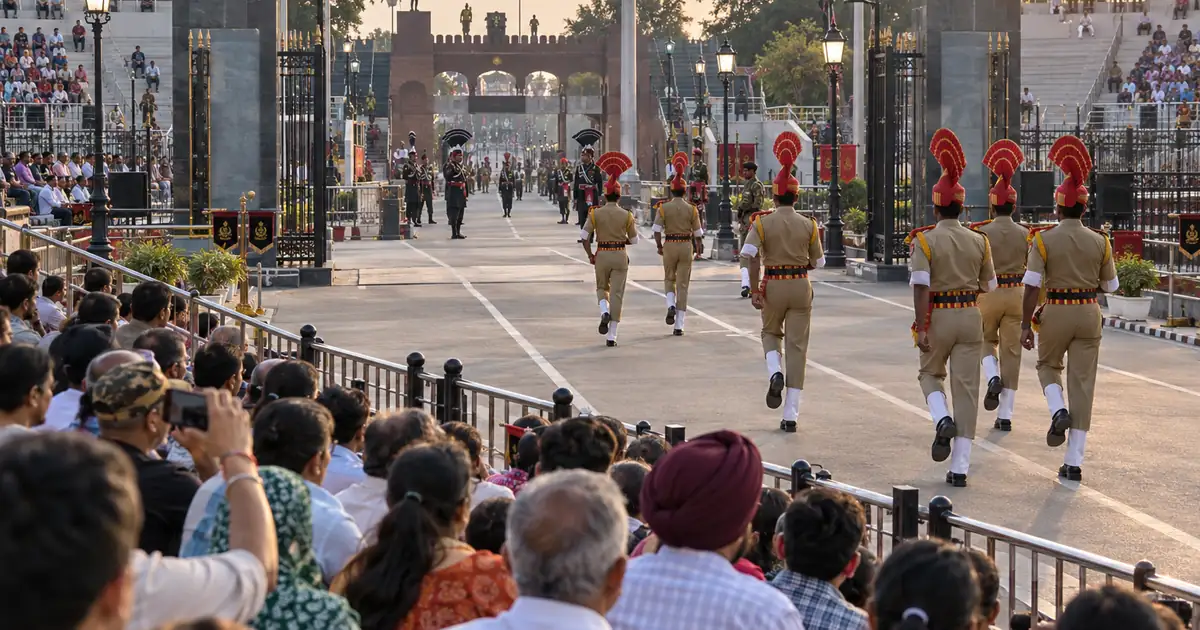
The military parade features fast marching strides, dramatic bugle fanfares, and an orderly lowering of both national flags before thousands of spectators. Our comprehensive planning a visit to Attari-Wagah Border Ceremony explains how to attend the daily military drill, secure VIP viewing gallery passes, and plan taxi transport from the city center.
Patiala and Kapurthala: Royal Palaces and Indo-Saracenic Splendor
Patiala reflects the grandeur of the Phulkian dynasty, whose maharajas built monumental palaces and patronized Indian classical music and culinary arts. The city remains celebrated for its traditional turban styles, Patiala salwars, handcrafted embroidered juttis, and historic sporting heritage.
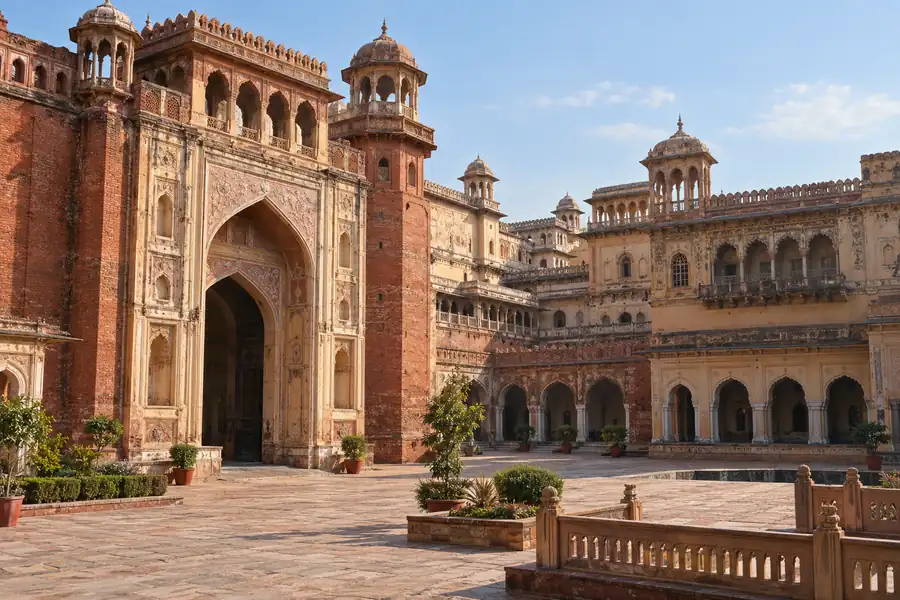
The architectural heart of the city is Qila Mubarak, a 10-acre fortified complex constructed in 1763 under Baba Ala Singh. The fortress features massive octagonal bastions, painted royal apartments in the Ran Baas palace, and the Darbar Hall museum containing weapons, chandeliers, and royal carriages.
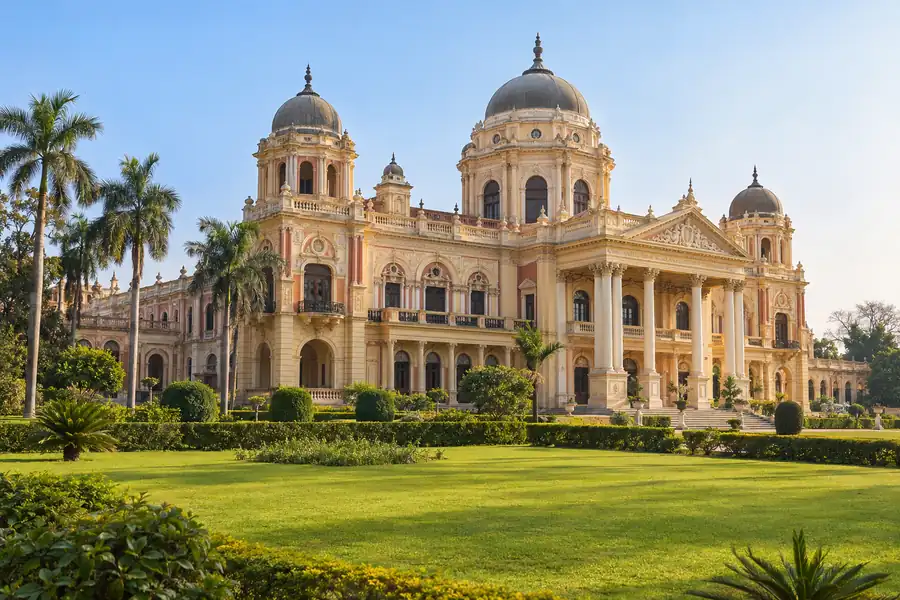
Nearby stands the Sheesh Mahal, commissioned by Maharaja Narinder Singh in 1847 to replicate the design of Mughal garden pavilions. The palace walls display Kangra and Rajasthani miniature paintings depicting the Gita Govinda, framed by an ornate suspension bridge across an artificial lake.
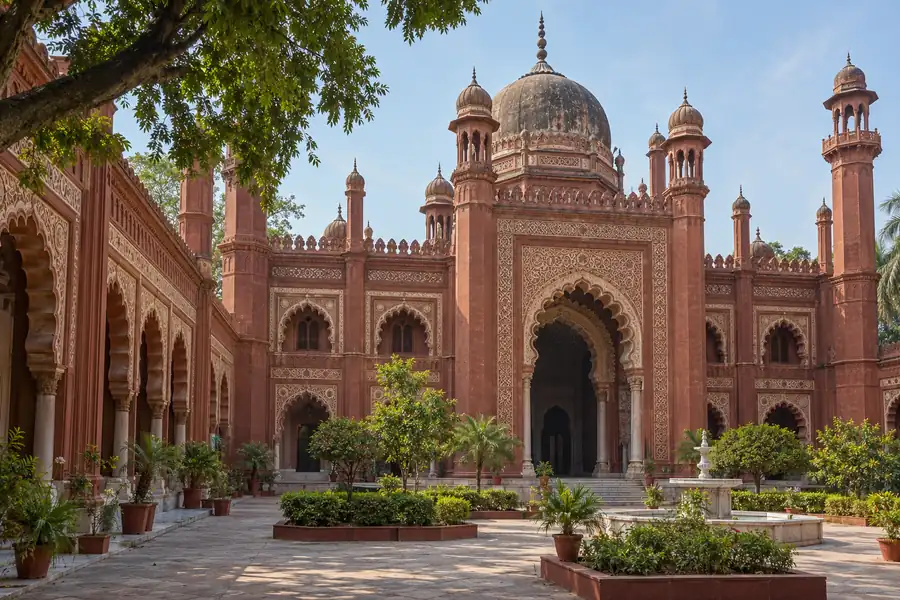
Seventy kilometers northwest in Kapurthala, French architectural aesthetics blend with Punjabi royal ambition. Maharaja Jagatjit Singh commissioned Jagatjit Palace in 1906, modeling the facade directly on the Palace of Versailles with imported French plasterwork, Renaissance staircases, and salon mirrors.
Kapurthala also houses the Moorish Mosque, designed by French architect Monsieur Marcel and consecrated in 1930 by Nawab Sadiq Mohammad Khan of Bahawalpur. The monument takes direct design inspiration from the Grand Mosque of Marrakesh in Morocco, featuring intricate inner marble carvings and painted geometric tiling.
Anandpur Sahib and the Shivalik Foothills
Anandpur Sahib rests along the lower ridges of the Shivalik hills in Rupnagar district, recognized as one of the most venerated spiritual centers in Sikhism. Guru Tegh Bahadur founded the township in 1665 along the banks of the Sutlej River.
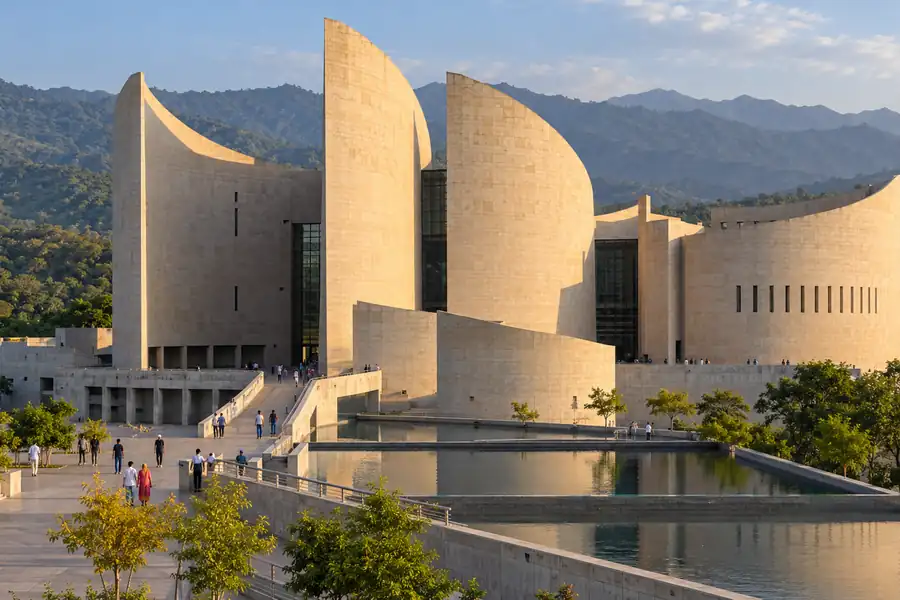
The city houses Takht Sri Kesgarh Sahib, the birthplace of the Khalsa panth established by Guru Gobind Singh on Baisakhi day in 1699. Pilgrims ascend white marble terraces to view historic weapons wielded by the tenth Guru, including the sacred Khanda double-edged sword.
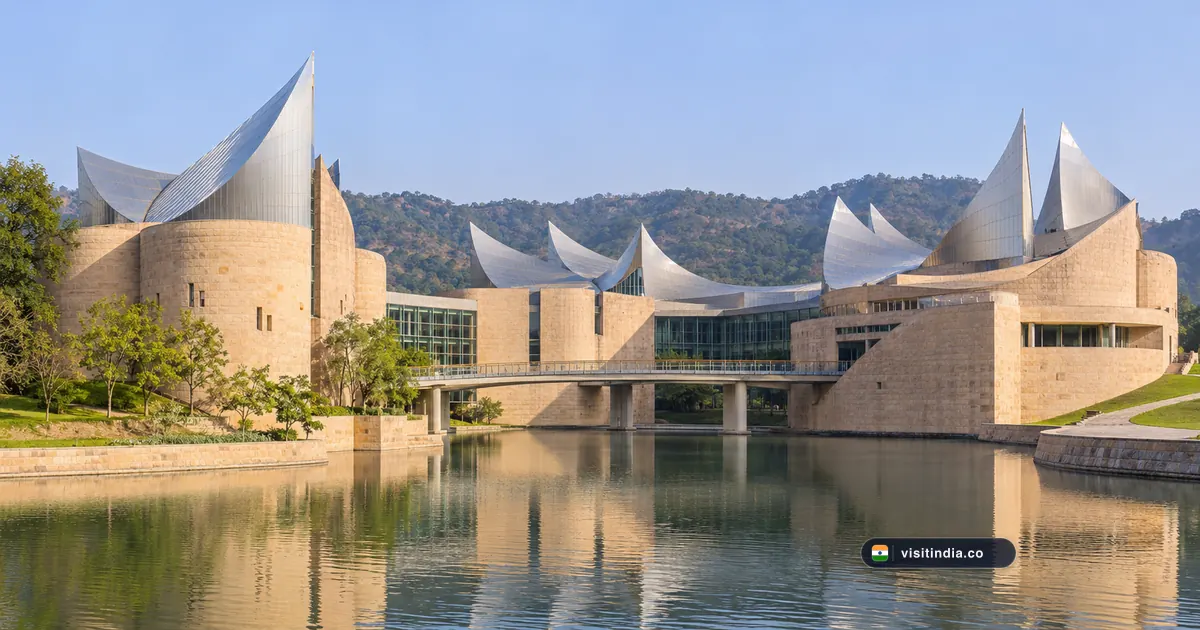
Dominating the ridgeline adjacent to the shrine is the Virasat-e-Khalsa museum, designed by Israeli-Canadian architect Moshe Safdie. The complex features soaring hand-chiseled sandstone pylons and sweeping metallic roofs that mirror the contours of the surrounding Shivalik peaks.
Inside the museum, 27 interactive audiovisual galleries trace 500 years of Punjabi cultural evolution and the lives of the ten Gurus. The complex stands as one of the most visited cultural museum structures in northern India, welcoming up to 25,000 daily visitors during major festival weekends.
Each March, Anandpur Sahib hosts Hola Mohalla, a three-day festival of martial arts and horsemanship. Nihang warrior orders converge on Charan Ganga stadium, staging simulated cavalry charges, mock sword battles, and tent-pegging demonstrations. Travelers planning a visit can consult our Anandpur Sahib, Virasat-e-Khalsa and Hola Mohalla guide for museum pass rules, shrine etiquette, and rail access.
Additional district travel resources and heritage trail details can be confirmed directly through the Rupnagar District Administration Directory.
Malwa Heritage and Forts: Bathinda and Faridkot
The Malwa region south of the Sutlej River preserves ancient fortifications that guarded historic invasion routes leading to the Delhi Sultanate. The landscape features rolling agrarian plains interrupted by historic canal waterways and brick citadel walls.
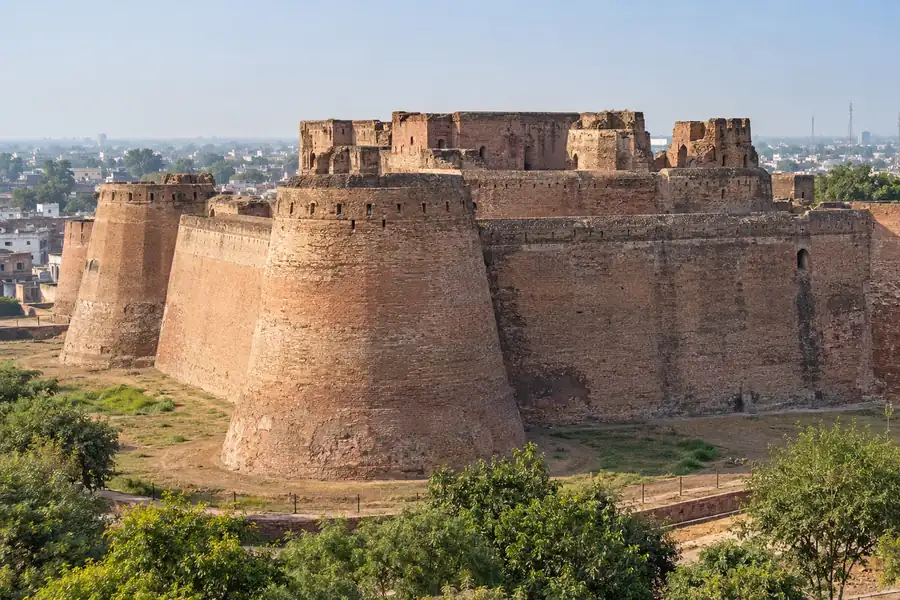
Bathinda Fort, also designated as Qila Mubarak, stands as one of India’s oldest surviving brick fortresses, with foundations dating back to the Kushan period in the 6th century. The ramparts rise 35 meters above the surrounding city, constructed from large clay bricks that withstood sieges by Mahmud of Ghazni and Muhammad Ghori.
The fortress holds immense historical significance as the site where Razia Sultan, the first female ruler of the Delhi Sultanate, was imprisoned in 1240 by her rebellious governor Malik Altunia. Visitors explore the preserved battlements, royal gates, and a gurudwara honoring Guru Gobind Singh’s visit to the bastion in 1706.
Thirty kilometers northwest, the town of Faridkot preserves the heritage of the Barar Sikh dynasty. The Raj Mahal complex displays royal Gothic spires, ornamental brasswork, and manicured royal lawns that reflect late 19th-century royal residential tastes.
Harike Wetland and Ecological Reserves
Harike Pattan, located at the confluence of the Beas and Sutlej rivers across Tarn Taran and Firozpur districts, spans 4,100 hectares of protected wetlands. Designated as a Ramsar Wetland of International Importance in 1990, Harike represents northern India’s most critical wintering ground for migratory waterfowl.
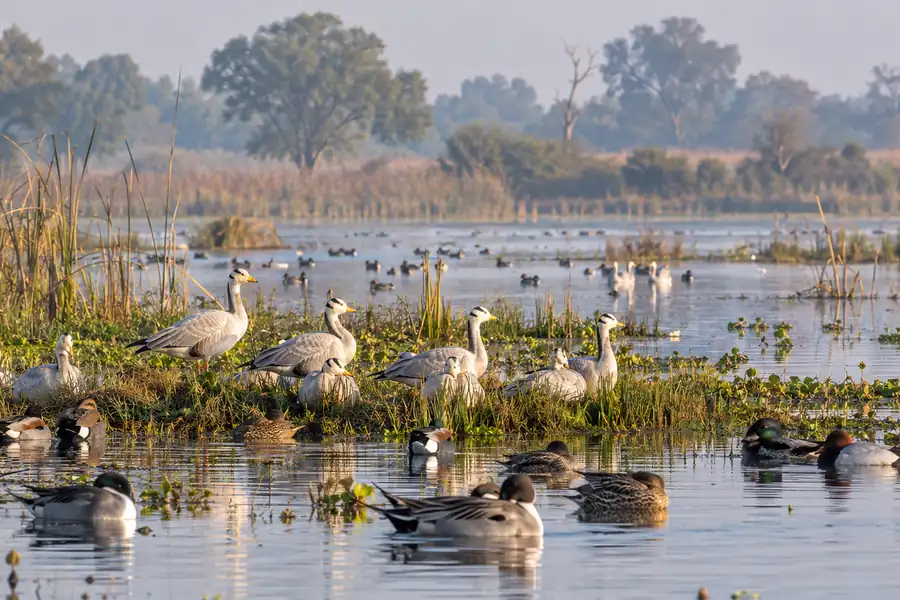
Between November and February, more than 200,000 migratory birds arrive from Siberia, Kazakhstan, and the Arctic tundra. Birdwatchers regularly observe bar-headed geese, Northern shovelers, ferruginous pochards, common teals, and rare painted storks feeding among the reed beds.
The sanctuary also shelters a resident population of the endangered Indus river dolphin (Platanista gangetica minor). Forest department speedboats operate scheduled ecological observation trips from the Harike barrages, giving wildlife enthusiasts opportunities to sight these rare aquatic mammals surfacing in the Beas river channel.
The Punjab Tourism Official Portal provides seasonal entry guidelines and licensed forest boat operators for Harike. Travelers should carry telephoto lenses and binoculars, as motor vehicle access remains restricted to perimeter dykes to protect nesting waterfowl colonies.
Rural Farm Tourism, Mustard Fields, and Village Stays
Agro-tourism has emerged as one of Punjab’s most distinctive travel experiences, connecting international travelers directly with village life. Certified farmstay retreats operate across Ludhiana, Hoshiarpur, and Gurdaspur districts, surrounded by expansive citrus orchards and wheat fields.
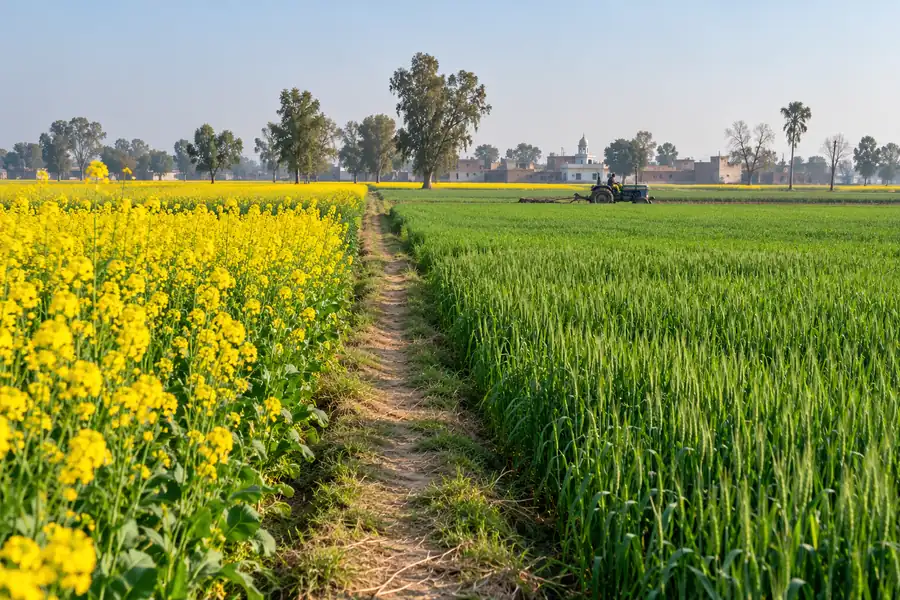
Between late November and early February, yellow mustard blossoms cover the rural countryside in bright golden yellow. Guests participate in tractor rides across field irrigation canals, sugarcane harvesting, and morning milking routines alongside local agrarian families.
Traditional village stays introduce travelers to folk arts including pottery, Punjabi juti embroidery, and Bhangra and Giddha musical evenings around outdoor bonfires. Accommodations range from restored heritage havelis to eco-tents equipped with solar heating and farm-to-table organic dining.
Properties affiliated with the Amritsar District Administration Directory offer organized village excursions from the city center. These half-day day trips allow visitors to tour bio-gas dairies, jaggery-making workshops, and craft artisan studios.
Culinary Heritage and Iconic Food Trails
Punjabi food represents one of India’s most celebrated culinary traditions, rooted in whole-wheat breads, slow-cooked legumes, rich dairy, and clay tandoor roasting. Dining across the state ranges from historic communal kitchens to century-old alleyway shops.
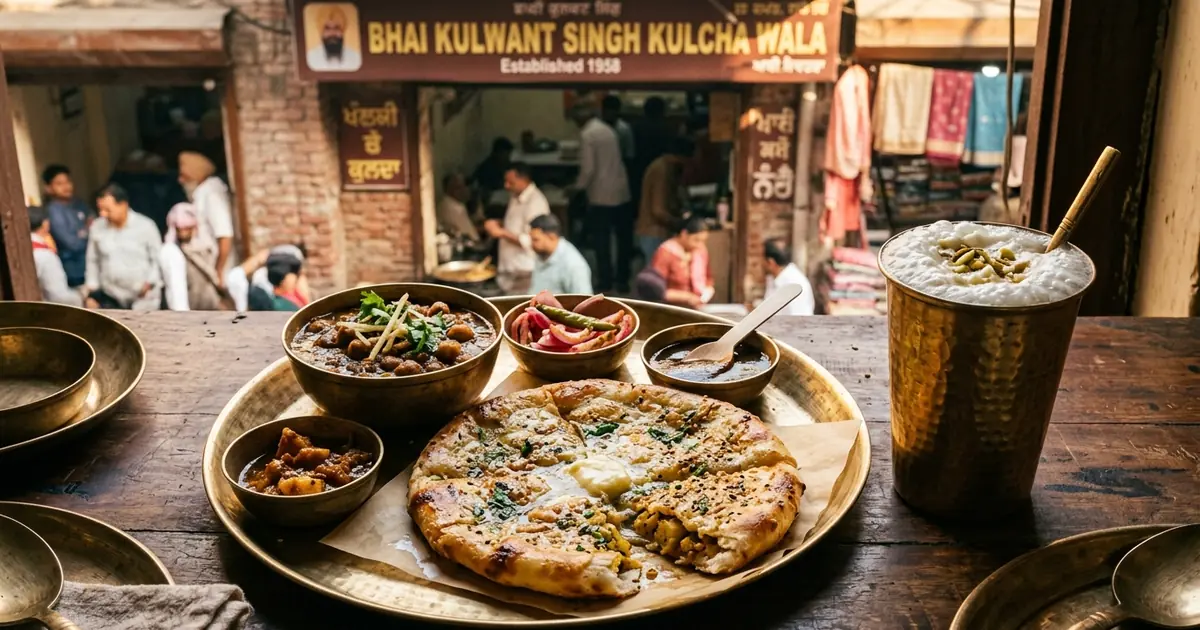
In Amritsar, morning dining centers on crisp tandoor-baked kulchas stuffed with spiced potatoes and cauliflower, served with spicy chickpea curry and tamarind chutney. Travelers can read our specialized where to try authentic Amritsar Street Food for authentic neighborhood addresses, including Bhai Kulwant Singh Kulchian and Kesar Da Dhaba.
During winter months, every household and roadside restaurant serves sarson da saag, a slow-simmered mustard greens preparation topped with homemade white butter and paired with crisp makki di roti (maize flatbread). The meal concludes with gur (unrefined cane jaggery) and thick sweetened curd lassi poured from heavy brass tumblers.
Along the Grand Trunk Road, legendary highway dhabas in Murthal, Karnal, and Ludhiana stay open 24 hours daily. These highway institutions prepare tandoori rotis, creamy dal makhani cooked for 12 hours over slow coals, and fresh paneer tikka skewers for interstate motorists.
Recommended 3-Day and 5-Day Punjab Itineraries
To maximize sightseeing efficiency, travelers should structure their itineraries around established highway and rail corridors. The following two itineraries provide balanced schedules for first-time visitors:
The 3-Day Amritsar Cultural Circuit
- Day 1: Spiritual Amritsar: Arrive at Amritsar Airport (ATQ) or Railway Station (ASR). Check into your hotel and spend the morning visiting the Golden Temple and partaking in langar. In the afternoon, tour Jallianwala Bagh and the Partition Museum before returning for the evening Palki Sahib ceremony.
- Day 2: Military Heritage & Border Parade: Spend the morning touring Gobindgarh Fort and the historic Durgiana Temple. Depart by private taxi at 2:30 PM for the Attari-Wagah border to witness the Beating Retreat ceremony. Return to the walled city for a traditional dinner at Kesar Da Dhaba.
- Day 3: Rural Heritage or Anandpur Sahib: Take a morning day excursion to a certified rural farmstay in the Majha countryside, or catch an early train towards Anandpur Sahib to tour the Virasat-e-Khalsa museum before evening departure.
The 5-Day Grand Punjab Heritage Tour
- Day 1 to 2: Amritsar City Core: Complete the comprehensive Golden Temple, Jallianwala Bagh, Partition Museum, and Wagah border itinerary.
- Day 3: Kapurthala & Jalandhar: Drive 85 kilometers along National Highway 3 to Kapurthala. Explore Jagatjit Palace and the Moorish Mosque. Continue 20 kilometers to Jalandhar to visit the historic Devi Talab Mandir and shop for handcrafted sports equipment.
- Day 4: Patiala Royal Citadel: Travel south to Patiala via Ludhiana. Dedicate the afternoon to the Qila Mubarak palace complex, the Sheesh Mahal museum, and the historic bazaar around Phulkari emporiums.
- Day 5: Anandpur Sahib & Chandigarh Departure: Drive northeast through the Shivalik foothills to Anandpur Sahib. Tour Takht Sri Kesgarh Sahib and the Virasat-e-Khalsa cultural complex before transferring to Chandigarh Airport (IXC) for outbound connections.
Practical Travel Logistics, Transit Hubs, and Best Season
Traveling across Punjab is straightforward due to dense highway networks, multiple commercial airports, and frequent rail connections. Understanding seasonal conditions and transit options ensures a comfortable trip.
Best Time to Visit
October to March represents the ideal window to visit Punjab. Winter temperatures range from 8°C at night to 22°C in the afternoon, making outdoor exploration and monument tours very pleasant.
April brings the harvest festival of Baisakhi, marking the winter wheat harvest with spirited fairs and gurudwara processions. Summer months from May to July experience intense heat, with daytime temperatures exceeding 42°C across the central plains, followed by monsoon rains between July and September.
Flight, Rail, and Road Transit
Sri Guru Ram Dass Jee International Airport in Amritsar provides direct international connections to Dubai, Doha, London Gatwick, Birmingham, and Singapore, alongside hourly domestic flights to Delhi, Mumbai, and Bengaluru. Shaheed Bhagat Singh International Airport in Mohali connects the eastern districts with major Indian metropolitan cities.
Electrified railway lines operate daily premium trains, including multiple Vande Bharat Express services detailed in our guide to Vande Bharat Express routes. The New Delhi-Amritsar Vande Bharat covers the 448-kilometer corridor in five hours and 15 minutes, stopping at Ambala, Ludhiana, and Jalandhar.
Interstate roadways follow National Highway 44 (the historic Grand Trunk Road) and National Highway 3, offering six-lane driving surfaces with well-maintained wayside petrol stations, food plazas, and highway patrol assistance.
Official monument conservation details and museum hours can be confirmed directly with the Archaeological Survey of India Chandigarh Circle.
Frequently Asked Questions About Visiting Punjab
What is the best time of year to visit Punjab?
The best time to visit Punjab is from October through March, when mild winter days offer temperatures between 10°C and 22°C ideal for outdoor sightseeing and temple visits. Travelers visiting in March or April can also witness festive celebrations during Hola Mohalla and Baisakhi.
How many days are needed to explore Punjab?
A stay of three to four days is sufficient to tour Amritsar, the Golden Temple, and the Wagah border ceremony comfortably. A broader five to seven-day itinerary allows travelers to add the royal palaces of Patiala, the museums of Anandpur Sahib, and rural village farmstays.
Is Punjab safe for solo and family travelers?
Punjab is widely regarded as one of India’s safest and most welcoming states for solo travelers, women, and families due to its strong cultural tradition of hospitality. Local transport, auto-rickshaws, and ride-hailing services operate efficiently across all major urban centers.
What should visitors wear when visiting gurudwaras in Punjab?
Visitors entering any Sikh gurudwara in Punjab must dress modestly with shoulders and knees fully covered, remove their footwear at designated shoe counters, and cover their heads with a scarf or bandana. Traditional head coverings are provided free of charge at all entrance gates.
How do travelers travel between Amritsar and the Wagah Border?
The Attari-Wagah border is located 30 kilometers west of central Amritsar and is easily reached within 45 to 60 minutes by private taxi, auto-rickshaw, or designated hop-on-hop-off tourist buses. Travelers should depart Amritsar by 2:30 PM to clear security gates ahead of the evening retreat ceremony.