Bandipur & Mudumalai Safari Timings: Masinagudi Circuit Guide
Plan your Bandipur and Mudumalai safari timings with NH-766 night ban rules, Theppakadu elephant camp hours, Masinagudi 36 hairpin ghats, and booking fees.
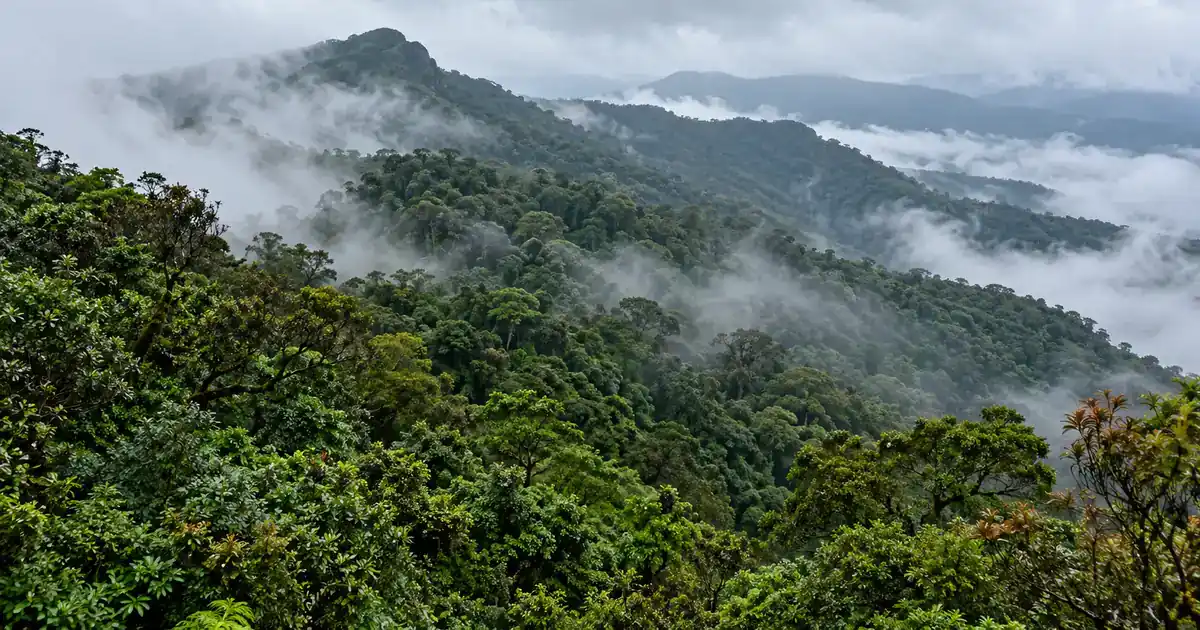
South India features one of the most productive wildlife habitats in Asia where the Western Ghats merge with the Nilgiri hills. Checking verified bandipur and mudumalai safari timings allows travelers to experience an extraordinary interstate wilderness spanning Karnataka and Tamil Nadu, where wild elephant herds, tigers, Indian leopards, and dhole packs roam across unbroken deciduous canopies.
This cross-border conservation corridor connects two historic tiger reserves separated only by the perennial Moyar River. Understanding interstate transport regulations, strict night highway curfews, elephant feeding windows, and mountain road restrictions ensures a safe journey between Mysuru and Ooty.
Key Takeaways & Interstate Safari Essentials
- Contiguous Tiger Landscape: Unites Bandipur Tiger Reserve (874 sq km) in Karnataka with Mudumalai Tiger Reserve (321 sq km) in Tamil Nadu within the UNESCO Nilgiri Biosphere Reserve.
- Dual Daily Safari Shifts: Morning safaris operate from 6:15 AM to 9:00 AM, while afternoon safaris run from 3:00 PM to 6:00 PM across departmental bus routes and private open Gypsies.
- Strict Night Highway Ban: NH-766 and NH-181 close completely to all private vehicular traffic between 9:00 PM and 6:00 AM, with locked steel barricades at Melukamanahalli and Kakkanallah checkposts.
- Theppakadu Elephant Camp: Features public feeding sessions twice daily at 8:30 AM to 9:00 AM and 5:30 PM to 6:00 PM on the banks of the Moyar River.
- Kalhatty Ghat Driving Rules: The steep 36-hairpin mountain road between Masinagudi and Ooty strictly bars non-local tourist private cars from descending downhill due to severe brake-failure hazards.
Understanding the Interstate Wilderness: Bandipur, Mudumalai, and Masinagudi Corridor
Bandipur Tiger Reserve in Karnataka and Mudumalai Tiger Reserve in Tamil Nadu form a continuous 1,200-square-kilometer wildlife corridor in the Nilgiri Biosphere Reserve, separated only by the Moyar River and joined by the Masinagudi plateau.
Traveling through southern Karnataka brings visitors into contact with expansive protected forest tracts. The reserve boundary is not an ecological barrier but an administrative border. Animals move freely across state lines according to seasonal rains, forage abundance, and breeding cycles.
The Nilgiri Biosphere Contiguity: Karnataka and Tamil Nadu Wildlife Junction
Established under Project Tiger in 1973 and 2007 respectively, Bandipur and Mudumalai represent one of Asia’s largest contiguous protected habitats for wild elephants and Bengal tigers.
Bandipur occupies the southern slopes of Karnataka’s Chamarajanagar district, while Mudumalai covers the northern foothills of the Nilgiris district in Tamil Nadu. Together with adjacent Nagarhole National Park and Wayanad Wildlife Sanctuary, this greater ecosystem shelters over 570 tigers and 6,000 wild Asian elephants. This represents the single largest wild population of both flagship species on the planet.
The Moyar Gorge and Diverse Forest Ecosystems
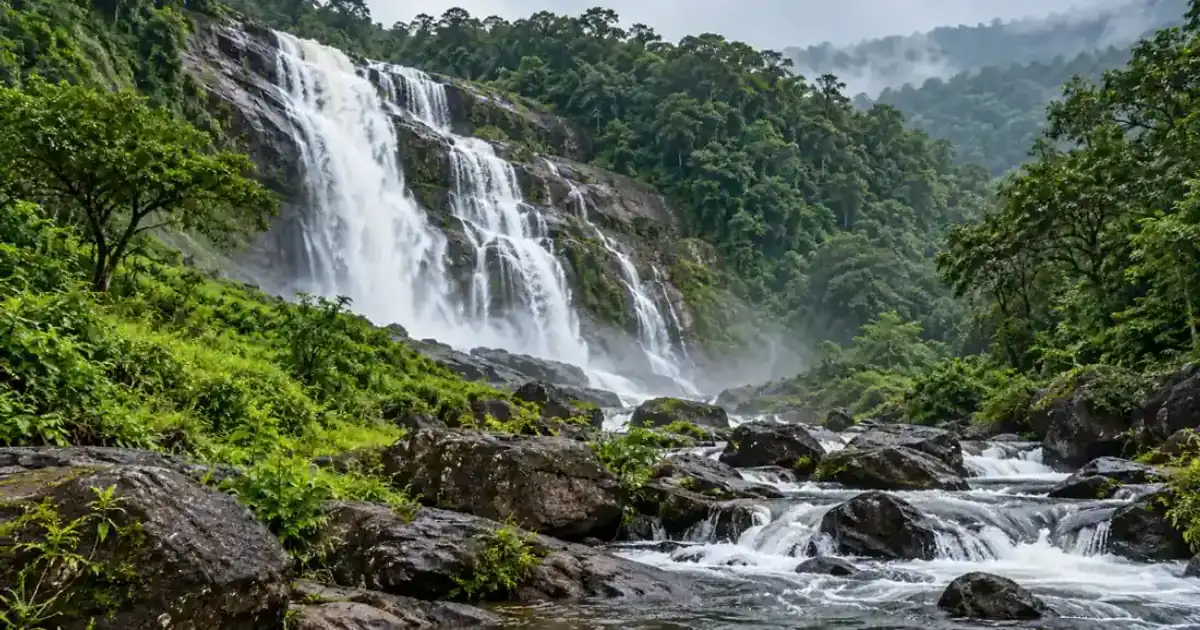
The Moyar River flows through a dramatic 260-meter-deep canyon separating the two reserves, transitioning from moist deciduous teak forests in the west to dry thorny scrub plains around Masinagudi.
The watercourse acts as a perennial lifeline during the hot pre-monsoon summer from March through May. The Western sector near Gundlupet features lush rosewood and bamboo brakes, while the eastern rain shadow surrounding Masinagudi transforms into dry acacia thornveld.
According to regional profiles maintained by the Nilgiris District Administration, the varied elevation profile from 850 meters to over 1,200 meters creates micro-habitats that support diverse mammal and bird communities.
| Sanctuary Feature | Bandipur Tiger Reserve | Mudumalai Tiger Reserve | Masinagudi Buffer Plateau |
|---|---|---|---|
| State & District | Karnataka (Chamarajanagar) | Tamil Nadu (Nilgiris) | Tamil Nadu (Nilgiris) |
| Core Area | 874.20 sq km | 321.00 sq km | Part of Mudumalai Buffer Zone |
| Primary Vegetation | Dry & Moist Deciduous Teak | Scrub Jungle & Riverine Bamboo | Thorny Acacia & Open Savanna |
| Key Watercourse | Kabini & Moyar Tributaries | Moyar River Basin | Moyar River Fluvial Bed |
| Main Safari Hub | Melukamanahalli Reception | Theppakadu Reception Centre | Bokkapuram & Forest Outposts |
| Elevation Range | 680 m to 1,454 m | 850 m to 1,250 m | 900 m to 1,050 m |
Bandipur and Mudumalai Safari Timings, Ticket Counters, and Booking Systems
Both reserves operate two daily safari windows: morning slots from 6:15 AM to 9:00 AM and afternoon slots from 3:00 PM to 6:00 PM, utilizing departmental buses and open Gypsies booked online or at gate counters.
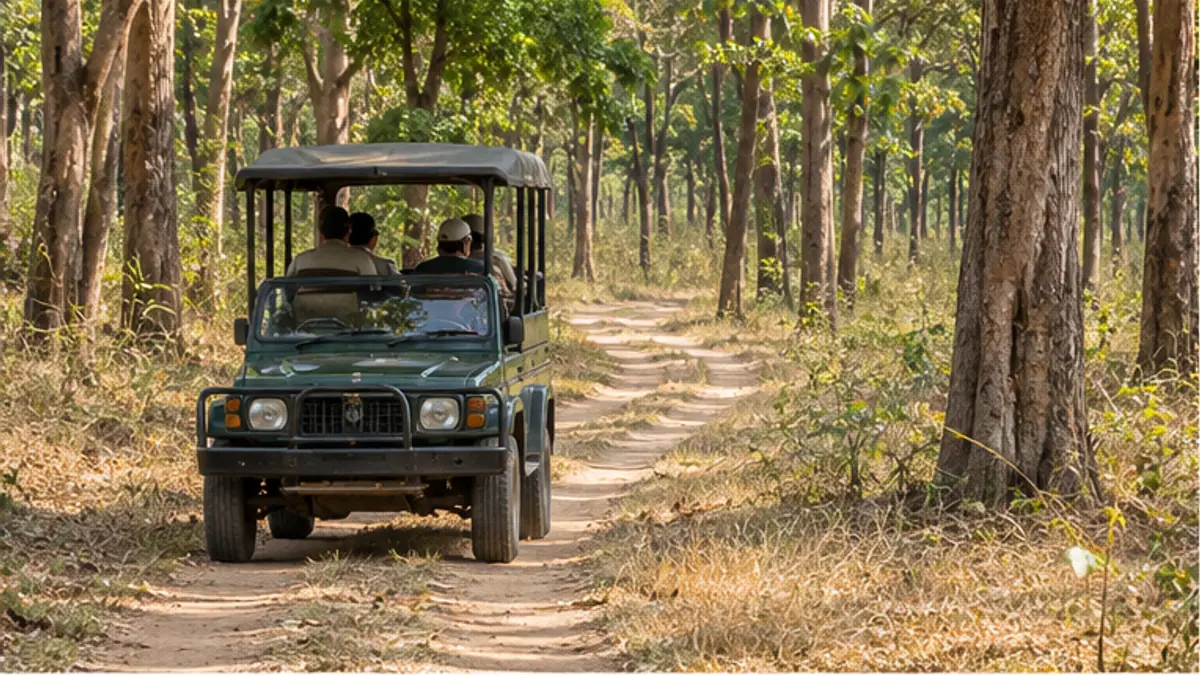
Planning safari departures requires coordination between two distinct state forest department structures. While travelers visiting northern reserves like Kabini in Nagarhole often stay at high-end lodges with inclusive game drives, Bandipur and Mudumalai cater extensively to day visitors and road travelers moving along the national highway.
Bandipur Safari Timings: KFD Bus vs Open Gypsy Online Quotas
Karnataka Forest Department operates regular 45-minute bus safaris on a walk-in basis from Melukamanahalli, while open Gypsy safaris must be reserved online via bandipurtigerreserve.in or booked through Jungle Lodges.
The Karnataka Forest Department conducts canter bus safaris in 20-seater departmental vehicles. Morning bus shifts run continuously between 6:15 AM and 9:00 AM, with afternoon trips operating from 3:00 PM to 6:00 PM.
Open Gypsy safaris, which provide better photography sightlines and smaller group sizes, carry up to six visitors. A limited number of Gypsy slots are released online up to 30 days in advance on the official portal, while residents of the state-run Bandipur Safari Lodge receive guaranteed Gypsy allocations.
Mudumalai Safari Timings: Theppakadu Reception Van and Jeep Shifts
Tamil Nadu Forest Department conducts 45-minute van safaris and limited eco-jeep excursions departing directly from the Theppakadu Reception Centre, with tickets purchased on-site on a first-come, first-served basis.
Mudumalai conducts safaris using enclosed 25-seater departmental vans operating from 6:30 AM to 9:00 AM and 3:00 PM to 6:00 PM. Visitors purchase ticket tokens directly at the Theppakadu counter on arrival.
During weekends and holiday seasons, queues form up to an hour before opening, making early arrival crucial. The Tamil Nadu Forest Department also operates several eco-friendly electric vans and open four-wheel-drive department jeeps for dedicated tracking circuits through the core forest.
Safari Cost Comparison, Vehicle Capacities, and Guide Fees
Departmental bus safaris range from ₹350 to ₹450 per seat, while exclusive open four-wheel-drive Gypsy safaris cost ₹3,500 to ₹5,500 per vehicle including departmental entry and driver fees.
Bus safaris remain the most economical way for families to explore the forest tracks. Gypsy hire charges at Bandipur include vehicle rent, authorized departmental driver, and a mandatory forest eco-guide.
Still camera fees are levied at checkposts for professional telephoto lenses above 200mm. International tourists pay a higher entry surcharge in accordance with state wildlife regulations.
| Safari Format & Reserve | Domestic Ticket Cost | International Ticket Cost | Advance Booking Mode |
|---|---|---|---|
| Bandipur KFD Bus Safari | ₹350 to ₹400 per person | ₹1,500 per person | Walk-in counter at Melukamanahalli |
| Bandipur 4x4 Gypsy Safari | ₹3,500 to ₹4,500 (Full Gypsy) | ₹5,500 (Full Gypsy) | Online portal: bandipurtigerreserve.in |
| Mudumalai Department Van | ₹350 to ₹450 per person | ₹1,500 per person | Walk-in counter at Theppakadu |
| Mudumalai 4x4 Eco-Jeep | ₹4,200 to ₹4,800 (Full Jeep) | ₹6,000 (Full Jeep) | On-site reception desk at Theppakadu |
| Video Camera Surcharge | ₹1,000 to ₹1,500 per unit | ₹2,500 per unit | Paid at respective gate counter |
Crucial Highway Rules: NH-766 and NH-181 Night Traffic Bans (9:00 PM to 6:00 AM)
All non-emergency vehicular traffic is strictly prohibited on NH-766 and NH-181 through Bandipur and Mudumalai from 9:00 PM to 6:00 AM daily to prevent roadkill and protect nocturnal wildlife movements.
The highway night ban is an environmental landmark enforced by the High Court of Karnataka and the Supreme Court of India. Travelers planning road trips from Bengaluru or Mysuru toward Kerala or the Nilgiris must time their arrival carefully to avoid overnight road stranding. Travelers heading southwest toward Wayanad must observe identical highway curfew rules along the southern NH-766 branch.
The Melukamanahalli and Kakkanallah Interstate Checkpost Locks
Heavy steel gates at Melukamanahalli in Karnataka and Kakkanallah on the Tamil Nadu border lock promptly at 9:00 PM, stranding late-arriving vehicles until 6:00 AM with zero exceptions for private cars.
At 9:00 PM, forest guards and state police swing massive metal gates shut at the Melukamanahalli checkpost near Gundlupet and the Kakkanallah checkpost on the state line. No private cars, tourist buses, or commercial transport trucks are permitted through the forest under any circumstances until 6:00 AM the following morning.
Only emergency medical ambulances and a fixed quota of government state transport buses are allowed escorted passage. Vehicles arriving after 9:00 PM must park along the highway shoulder in Gundlupet or turn back to nearby hotels.
Highway Speed Limits, Stopping Restrictions, and Roadkill Prevention
Daytime traffic through the forest corridor is subject to a strict 30 km/h speed limit, with complete bans on stopping, honking, parking on shoulders, or alighting from vehicles along the 20-kilometer stretch.
During daylight hours between 6:00 AM and 9:00 PM, transit vehicles may cross the forest corridor. Drivers must maintain speeds below 30 kilometers per hour and give absolute right of way to wildlife crossing the road.
Automated speed cameras and mobile patrol squads monitor the corridor. Stopping to take photographs of roadside elephants or deer, feeding wild animals, or throwing food wrappers is punishable by heavy spot fines and vehicle impoundment under the Wildlife Protection Act.
Highway Transit Checklist: NH-766 & NH-181 Rules
- Closure Timings: Gates locked strictly from 9:00 PM to 6:00 AM daily; plan to reach Gundlupet before 8:00 PM.
- Maximum Speed Limit: 30 km/h throughout the 20-km forest corridor; monitored by radar speed traps.
- Strict No-Stopping Policy: Do not stop your car, step out, or honk at elephants crossing the asphalt.
- Litter Prohibitions: Discarding plastic bottles, food waste, or paper packets incurs minimum ₹1,000 spot penalties.
Theppakadu Elephant Camp: Feeding Times, Heritage, and Conservation
Located on the banks of the Moyar River in Mudumalai, Theppakadu Elephant Camp opens for public elephant feeding sessions twice daily from 8:30 AM to 9:00 AM and 5:30 PM to 6:00 PM.
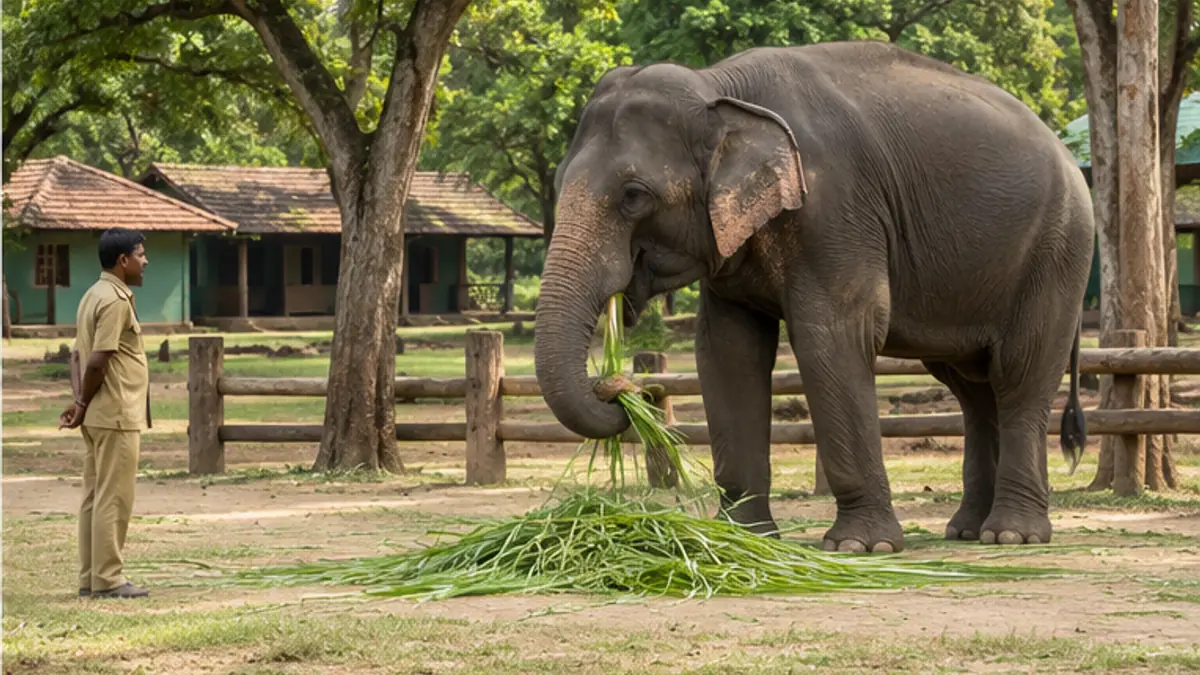
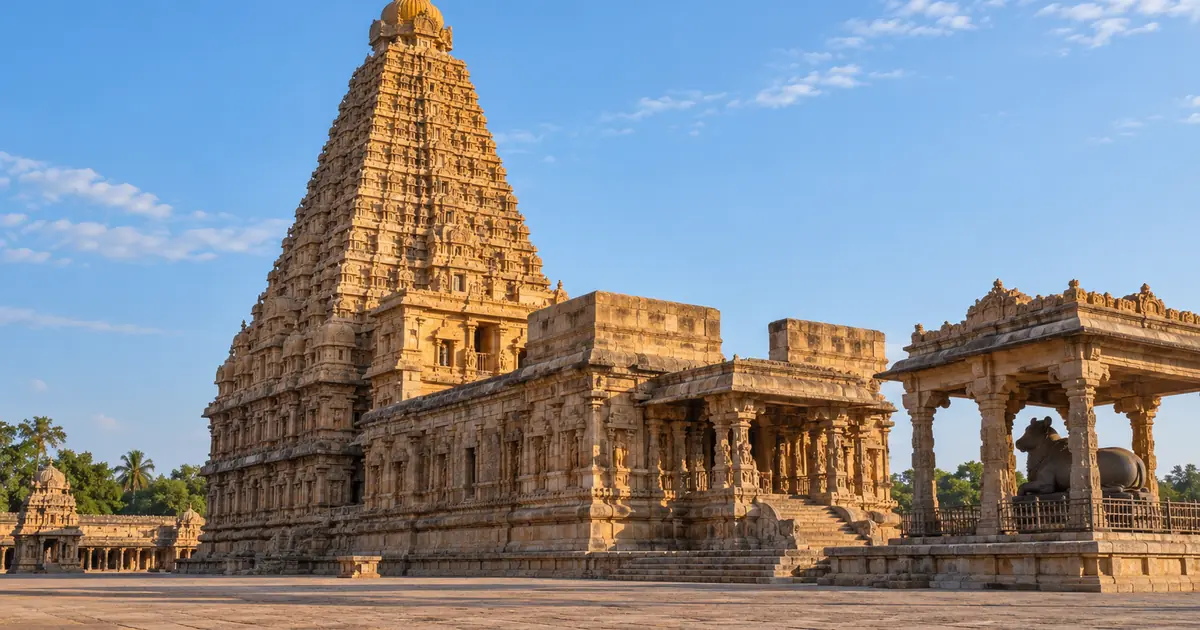
Established in 1927, Theppakadu is the oldest functioning elephant camp in Asia. It offers visitors a close look at traditional captive elephant management and rehabilitation practices developed across Tamil Nadu over the past century.
Morning and Evening Feeding Timings and Visitor Guidelines
Visitors purchase entry tickets at Theppakadu counter to watch camp elephants receive specially prepared ragi, jaggery, and mineral balls under strict mahout supervision from designated viewing barricades.
The camp opens to visitors thirty minutes before each feeding window. During the sessions, visitors stand behind protective wooden barricades while mahouts call their assigned elephants forward by name.
The diet consists of large cooked balls of ragi (finger millet flour) mixed with rice, jaggery, pulses, and digestive salt tablets. Each adult elephant consumes between 100 and 150 kilograms of green fodder and supplementary feed daily. Direct touching, hand-feeding, or self-directed photography near the elephants is prohibited to ensure animal and visitor safety.
Asia’s Oldest Camp and the Elephant Whisperers Legacy
Established in 1927, Theppakadu gained international fame as the home of mahout couple Bomman and Bellie and orphaned calves Raghu and Ammu featured in the Academy Award-winning documentary.
The camp serves as an elephant transit and rehabilitation facility, caring for injured, displaced, or abandoned calves rescued from across southern India. Forest veterinarians conduct daily health checks, foot baths, and river baths in the Moyar River.
The traditional knowledge of the indigenous Kattunayakan and Kurumba tribal mahouts has been passed down through generations. Their gentle bonds with working elephants were highlighted in the Oscar-winning documentary short film The Elephant Whisperers, filmed entirely at Theppakadu.
| Camp Feature | Morning Feeding Session | Evening Feeding Session |
|---|---|---|
| Public Viewing Hours | 08:30 AM to 09:00 AM | 05:30 PM to 06:00 PM |
| Ticket Counter Closes | 08:45 AM | 05:45 PM |
| Adult Entry Fee | ₹30 per adult | ₹30 per adult |
| Child Entry Fee (5-12 yrs) | ₹20 per child | ₹20 per child |
| Still Camera Fee | ₹50 per camera | ₹50 per camera |
| Recommended Activity | Bathing view from Moyar Bridge (07:30 AM) | Sunset elephant walking line (05:00 PM) |
The Masinagudi Ghat Road: Managing the 36 Hairpin Turns of Kalhatty
The steep Kalhatty Ghat road features 36 treacherous hairpin bends connecting Masinagudi to Ooty, where downhill descent is strictly banned for non-local tourist vehicles due to brake-failure hazard.
The drive from the hot scrub plains of Masinagudi up to the misty heights of the Queen of Hill Stations is one of the steepest mountain roads in India. Travelers planning to explore the tea gardens and heritage routes described in the Ooty and Coonoor travel guide must understand the strict vehicle direction rules enforced by the Nilgiris police.
The Steep 36 Hairpin Ascent from Masinagudi to Ooty
Climbing from 900 meters at Masinagudi to 2,240 meters at Ooty over just 36 kilometers requires skilled driving in low gears, offering dramatic vistas across the Moyar valley and Western Ghats escarpments.
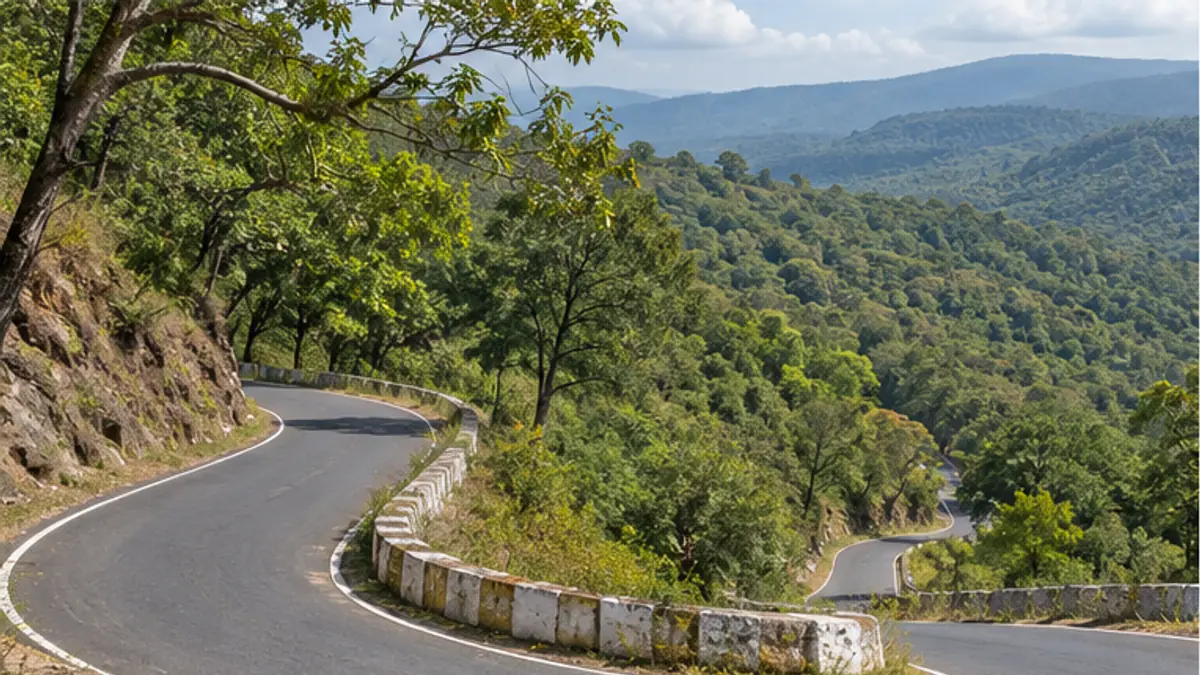
The road ascends along the northern face of the Nilgiri massif, gaining over 1,300 meters of altitude in under 20 kilometers. Each of the 36 numbered hairpin curves is narrow, blind, and pitched at extreme gradients reaching 18 percent.
Drivers must keep vehicles in first or second gear, maintain upward momentum without riding the clutch, and yield right of way to ascending heavy state buses. The views looking back across the dry Moyar canyon and Mudumalai forests are spectacular on clear mornings.
Mandatory Downhill Vehicle Restrictions and the Gudalur Alternative
Tamil Nadu Police strictly turn back outside tourist vehicles attempting to drive down Kalhatty; downhill traffic must detour via the longer, gentler 68-kilometer route through Gudalur on NH-181.
Due to dozens of fatal accidents caused by overheating brakes on the steep continuous downgrade, the Nilgiris district administration maintains a permanent police checkpost at Thalaikundah near Ooty. Non-local private cars, rental cabs, and commercial tourist vehicles are prohibited from descending the Kalhatty Ghat.
Only locally registered Nilgiris (TN-43) vehicles and government buses are permitted downhill. All tourists descending toward Karnataka must take the well-graded NH-181 route via Pykara and Gudalur, which adds approximately 30 kilometers and one hour of travel time.
| Driving Parameter | Kalhatty Ghat Road (Ascending Only) | Gudalur Route NH-181 (Mandatory Downhill) |
|---|---|---|
| Route Alignment | Masinagudi to Ooty via Kalhatty | Ooty to Theppakadu via Pykara & Gudalur |
| Total Distance | 36 km | 68 km |
| Driving Duration | 1.2 to 1.5 Hours | 2.5 to 3.0 Hours |
| Number of Hairpin Bends | 36 steep hairpins | 8 gentle hairpins |
| Permitted Direction | Uphill for all LMVs; Downhill only for local TN-43 | Bidirectional for all tourist & commercial traffic |
| Road Gradient | Very steep (up to 1:5 gradient) | Mild, gradual mountain descent |
The Nilgiri Wildlife Experience: Elephants, Tigers, Leopards, and Dhole Packs
The contiguous forests support over 150 Bengal tigers, 3,000 Asian elephants, healthy leopard populations, sloth bears, and cooperative hunting packs of endangered Asiatic wild dogs (dhole).
Because Bandipur and Mudumalai straddle diverse climatic zones, wildlife spotting is exceptionally rich throughout the year. The open understory of the dry deciduous and thorny scrub zones provides better visibility for tracking big cats than the dense rain forests of Eravikulam National Park or the Periyar highlands.
Asian Elephant Migrations Along Ancient Moyar Corridors
As seasonal water supplies shift, massive elephant clans move along traditional migratory corridors between the Kabini backwaters, Bandipur core, and the Moyar river basin throughout the year.
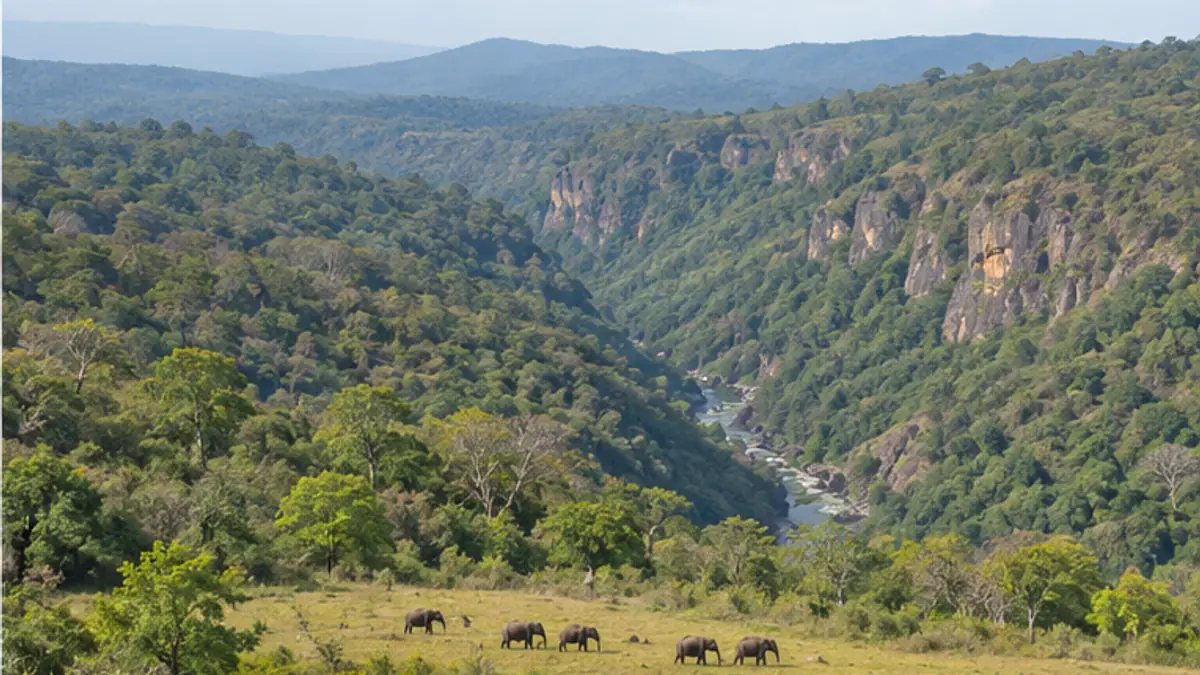
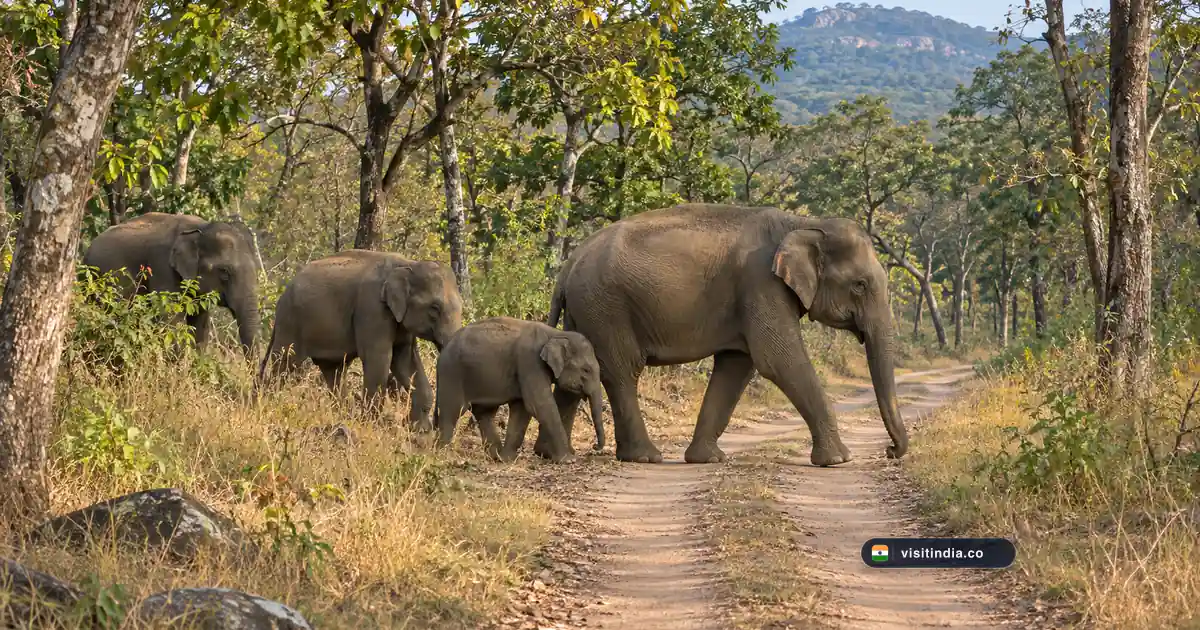
The Asian elephant (Elephas maximus) requires up to 250 liters of water and 200 kilograms of vegetation daily. During dry winter and summer months, herds numbering forty to fifty individuals gather along the banks of the Moyar River and the artificial watering holes dug by forest authorities.
Mothers with young calves graze among tall bamboo culms, while adult tuskers engage in ritual sparing contests. The entire corridor forms part of Project Elephant Reserve No. 7, ensuring safe genetic exchange across southern states.
Apex Predators: Contiguous Tiger Density and Dhole Hunting Packs
The high prey density of chital, sambar, and gaur supports one of India’s dense tiger populations, alongside highly vocal dhole packs that hunt medium-sized ungulates in daylight.
Bandipur and Mudumalai maintain healthy populations of Bengal tigers, which frequent riverfront tracks and waterhole clearings during morning safari drives. Indian leopards thrive along the rocky outcrops and scrub perimeters of Masinagudi, often hauling kills into ficus trees to avoid ground scavengers.
One of the great wildlife draws of this circuit is the Asiatic wild dog or dhole (Cuon alpinus). These social pack hunters run down deer in cooperative chases during morning hours, whistling and chirping to coordinate pack movements across open forest clearings.
Nilgiri Biosphere Mammal & Bird Highlights
- Apex Predators: Bengal Tiger, Indian Leopard, Asiatic Wild Dog (Dhole), Sloth Bear, Striped Hyena.
- Megaherbivores: Asian Elephant, Indian Gaur (Bison), Sambar Deer, Spotted Deer (Chital), Four-horned Antelope.
- Canopy Fauna: Nilgiri Langur, Bonnet Macaque, Tufted Grey Langur, Malabar Giant Squirrel.
- Avian Specialties: Malabar Pied Hornbill, Crested Serpent Eagle, Grey-headed Fish Eagle, Nilgiri Wood Pigeon, Indian Pitta.
Circuit Itineraries and Road Logistics: Bengaluru, Mysuru, and Ooty Transfers
A three-day road circuit perfectly links royal heritage in Mysuru with morning safaris in Bandipur, elephant feeding in Mudumalai, and scenic tea gardens in Ooty via smooth national highways.
This popular driving route combines culture, wildlife tracking, and mountain leisure into a compact getaway. Adding a stop at the magnificent Mysore Palace before heading into the forest reserves provides a balanced overview of southern Indian history and natural landscapes.
The 3-Day Mysuru to Ooty Wildlife Circuit Itinerary
Depart Mysuru for an afternoon Bandipur safari on Day 1, take a dawn safari in Mudumalai followed by Theppakadu camp on Day 2, and ascend the Nilgiri hills to Ooty on Day 3.
- Day 1: Mysuru to Bandipur Forest: Depart Mysuru by 11:00 AM, driving 80 kilometers south along NH-766 through Nanjangud and Gundlupet. Check into your wilderness resort near Melukamanahalli by 1:30 PM. Take an afternoon Gypsy or bus safari from 3:30 PM to 6:00 PM to track tigers and elephant herds.
- Day 2: Mudumalai Safari and Theppakadu Elephant Camp: Cross the state boundary at Kakkanallah at 6:00 AM when gates open. Board a dawn van or eco-jeep safari at Theppakadu Reception Centre from 6:30 AM to 8:30 AM. Walk over to Theppakadu Elephant Camp to observe the morning feeding session at 8:30 AM. Spend the afternoon exploring Masinagudi scrub trails and birding along the Moyar River.
- Day 3: Kalhatty Climb to Ooty and Pykara Lake: Take an early morning drive from Masinagudi, ascending the 36 hairpin turns of the Kalhatty Ghat road to Ooty. Explore the botanical gardens and tea estates. When returning north toward Bengaluru, remember to descend via the mandatory Gudalur route on NH-181 to comply with local transport rules.
Where to Stay: Forest Lodges, JLR, and Eco-Resorts
Options include government Bandipur Safari Lodge by Jungle Lodges & Resorts, Mudumalai Forest Rest Houses, and private eco-resorts set across the Masinagudi scrub plains.
According to regional tourism directories maintained by the Mysuru District Administration and the Incredible India Karnataka Portal, travelers can choose from diverse accommodation categories.
The primary option on the Karnataka side is the state-run Bandipur Safari Lodge, operated by Jungle Lodges & Resorts, which provides rustic cottages and inclusive jeep safari allocations. On the Tamil Nadu side, the forest department maintains stone rest houses at Theppakadu and Abhayaranyam. Masinagudi and Bokkapuram feature private eco-resorts offering open lawn cottages overlooking the rising Nilgiri mountain backdrop.
| Circuit Segment | Route Details | Distance (km) | Driving Time | Road Conditions |
|---|---|---|---|---|
| Bengaluru to Mysuru | Bengaluru-Mysuru Expressway (NH-275) | 145 km | 2.0 to 2.5 Hours | 10-lane access-controlled tollway |
| Mysuru to Bandipur | NH-766 via Nanjangud & Gundlupet | 80 km | 1.5 to 2.0 Hours | Smooth 4-lane & 2-lane highway |
| Bandipur to Mudumalai | NH-181 across Kakkanallah checkpost | 15 km | 25 to 30 Minutes | Forest road; strict 30 km/h limit |
| Mudumalai to Masinagudi | Masinagudi-Theppakadu Link Road | 7 km | 15 Minutes | Single-lane paved jungle road |
| Masinagudi to Ooty | Kalhatty Ghat Road (36 Hairpins) | 36 km | 1.2 to 1.5 Hours | Very steep ascent; uphill only |
| Ooty to Theppakadu | NH-181 via Pykara & Gudalur | 68 km | 2.5 to 3.0 Hours | Gentle descent; mandatory downhill route |
Frequently Asked Questions About Bandipur and Mudumalai Safaris
What are the safari timings for Bandipur and Mudumalai?
Both reserves operate two safari windows daily: morning shifts run from 6:15 AM to 9:00 AM, and afternoon shifts operate from 3:00 PM to 6:00 PM. Safaris last between 45 minutes and two hours depending on the selection of a departmental bus or an open Gypsy.
What are the exact night traffic ban timings on NH-766 and NH-181?
All non-emergency private and commercial vehicular traffic is strictly prohibited between 9:00 PM and 6:00 AM daily through both Bandipur and Mudumalai. Heavy steel checkpost gates at Melukamanahalli and Kakkanallah lock promptly at 9:00 PM with no exceptions for private tourists.
How do I book an open Gypsy safari for Bandipur?
You can reserve open Gypsy safari seats online up to 30 days in advance through the official Karnataka Forest Department portal at bandipurtigerreserve.in. Alternatively, booking an overnight package at the state-run Bandipur Safari Lodge provides guaranteed departmental jeep safari seats.
What are the elephant feeding times at Theppakadu Elephant Camp?
Public elephant feeding sessions at Theppakadu occur twice daily from 8:30 AM to 9:00 AM in the morning and from 5:30 PM to 6:00 PM in the evening. Visitors purchase entry tokens at the counter to watch camp elephants receive prepared ragi and jaggery meals from designated viewing decks.
Can tourists drive down the 36 hairpin turns of Kalhatty Ghat from Ooty?
Non-local private cars and tourist vehicles are strictly banned from driving down the Kalhatty Ghat road toward Masinagudi due to brake-failure accident risks. Downhill travelers must take the longer, gentler 68-kilometer route via Gudalur along NH-181.
How far is Bandipur from Mysuru and Bengaluru?
Bandipur Tiger Reserve is located 80 kilometers south of Mysuru, taking approximately one and a half hours along NH-766. From Bengaluru, the drive covers approximately 225 kilometers and takes around four to four and a half hours using the Bengaluru-Mysuru Expressway.
Which reserve is better for tiger sightings, Bandipur or Mudumalai?
Both reserves offer comparable tiger sighting potential because they form one contiguous 1,200-square-kilometer forest ecosystem separated only by the Moyar River. Sighting big cats depends primarily on taking multiple early morning and late afternoon drives during the dry summer months from March to May when animals gather near water.