Surajkund Crafts Mela Faridabad: Dates, Tickets, and Guide
Plan your visit to Surajkund Crafts Mela Faridabad with updated ticket prices, daily timings, nearest metro routes, artisan stalls, and visitor tips.
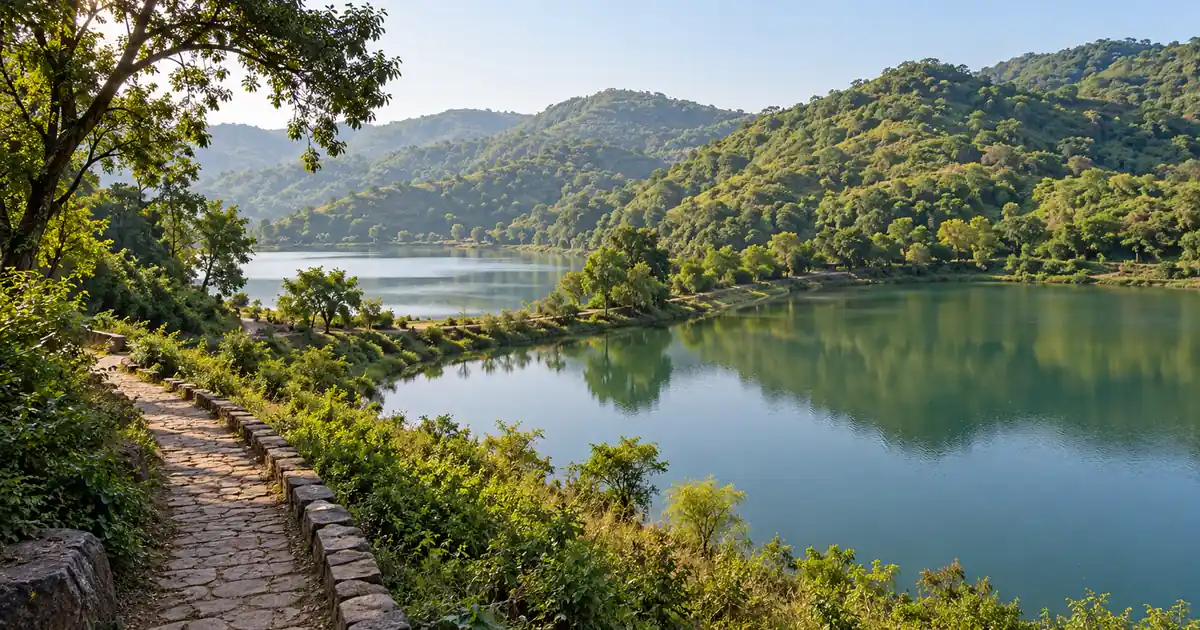
Every winter, the wooded rocky outcrops of the Aravalli hills in southern Haryana transform into an expansive rural crafts market. Spanning forty landscaped acres just outside Delhi, the celebrated Surajkund Crafts Mela Faridabad stands as the world’s largest annual exposition of traditional handicrafts, handlooms, and cultural folklore.
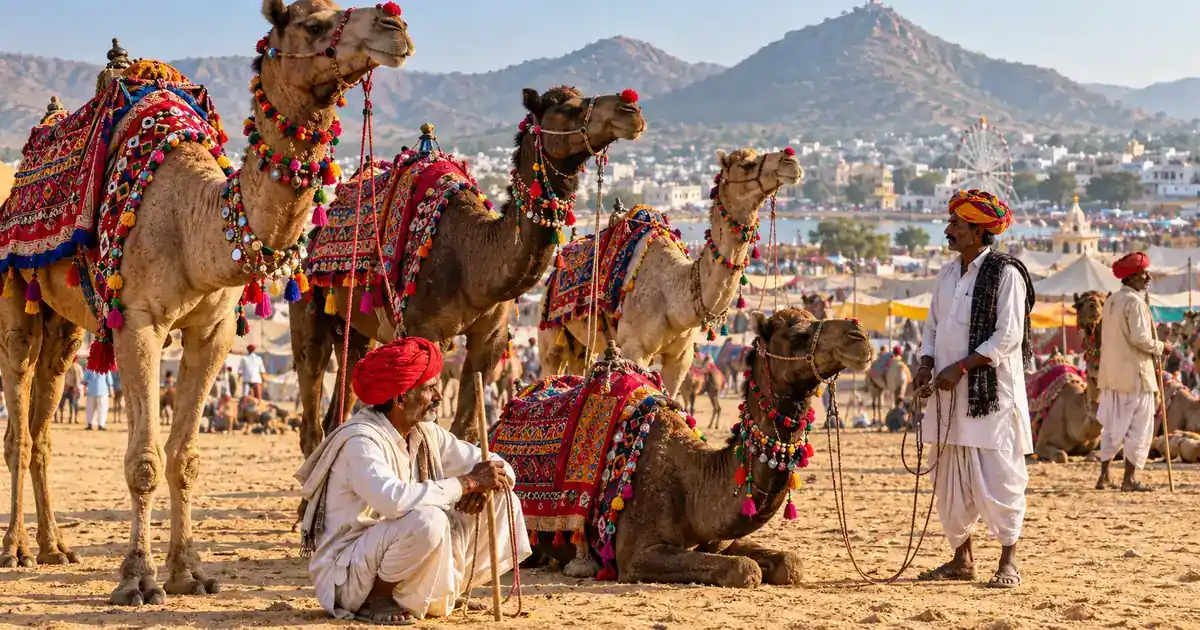
The festival brings together over a thousand national award-winning artisans alongside master craftspersons from dozens of partner countries across the globe. Travelers wander through winding lanes of thatched village huts, witness ancient pottery throwing, and savor regional street foods while folk musicians perform in open-air courtyards.
Festival Highlights & Key Dates
- Surajkund Crafts Mela takes place annually during the first fortnight of February at the Surajkund Mela Grounds in Faridabad.
- The fair hosts over 1,000 artisan huts showcasing authentic handlooms, metal crafts, woodwork, and folk paintings directly from craftsmen.
- General admission tickets cost approximately ₹120 on weekdays and ₹180 on weekends, with a 50% concession for seniors and students.
- Daily operational hours run from 10:30 AM to 8:30 PM, with afternoon and evening cultural shows at the Chaupal amphitheater.
- The nearest transit hub is Badarpur Border Metro Station on the Violet Line, linked by direct e-rickshaws and feeder buses.
Cultural Significance and Historic Tomar Reservoir Heritage
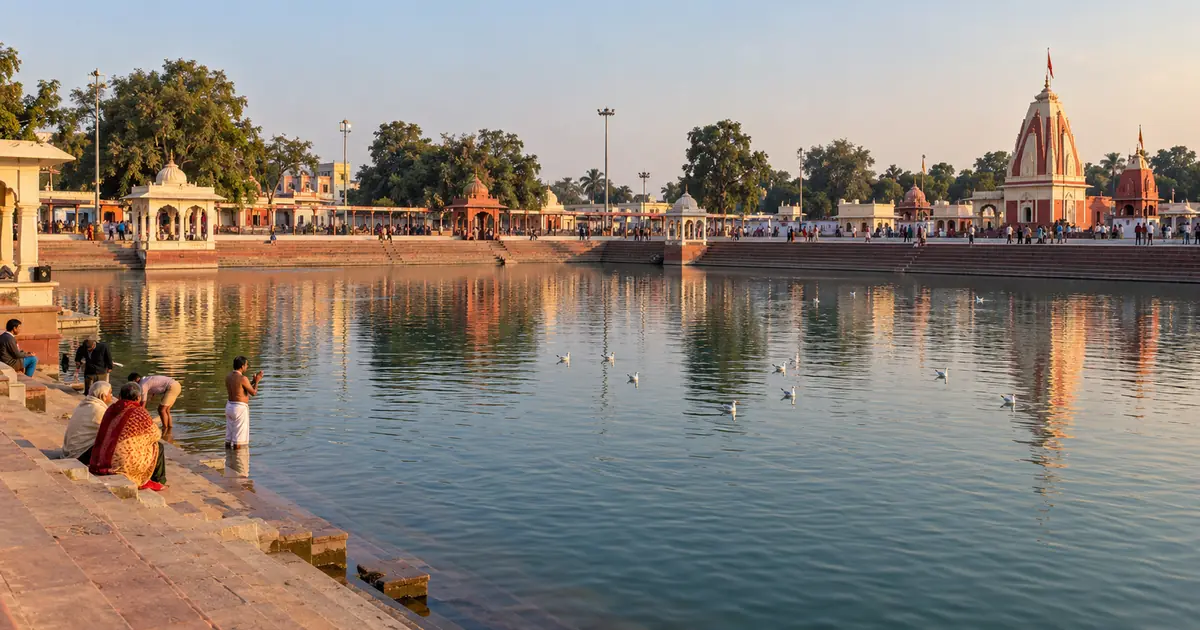
The Surajkund International Crafts Mela is the world’s largest rural crafts exposition, held annually during February at Surajkund in Faridabad, Haryana. Inaugurated in 1987, the fair celebrates traditional Indian handicraft heritage beside the 10th-century semicircular sun pool reservoir built by King Suraj Pal of the Tomar dynasty.
The mela grounds occupy a historic ridge overlooking the ancient stone amphitheater. Travelers exploring the region can discover more cultural heritage through our guide to statewide cultural destinations across Haryana to connect medieval water structures with ancient battlefield landmarks.
The 10th-Century Tomar Dynasty Sun Reservoir
Surajkund derives its name from the ancient sun reservoir constructed around the 10th century CE by Tomar ruler King Suraj Pal. Engineered in the shape of a rising sun with stepped stone embankments, the reservoir served as a sacred gathering center dedicated to the sun god Surya.
The stepped granite masonry descends in broad terraces toward the central pool. During the 14th century, Sultan Feroz Shah Tughlaq repaired the embankments and added a lime-plastered stepped channel, preserving the monument for subsequent generations.
Evolution into a Global Crafts Exposition
Established by Haryana Tourism in 1987 with just a few dozen artisans, the fair achieved international status in 2013. Today, the festival hosts over a thousand master craftspersons, state awardees, and global artisans across forty landscaped acres of rustic huts.
The primary mission remains the preservation of indigenous craft techniques facing competition from factory mechanization. Providing rural artisans with direct consumer markets eliminates commercial middlemen, ensuring that full sales profits return directly to village weaver communities.
| Historical Milestone | Year / Era | Significance & Development |
|---|---|---|
| Reservoir Construction | 10th Century CE | King Suraj Pal of the Tomar dynasty builds the sun amphitheater |
| Inaugural Crafts Mela | 1987 | Haryana Tourism launches rural handicraft fair with 50 artisans |
| Theme State Concept | 1989 | Introduced to highlight regional culture, beginning with Rajasthan |
| International Upgrade | 2013 | Upgraded to international status with SAARC and African participation |
Theme State and Partner Nation Traditions
Each edition of the Mela selects a dedicated Indian Theme State and an international Partner Nation to anchor the cultural program. The chosen state erects authentic village gates, presents traditional rural house architecture, and hosts regional culinary stations alongside global artisan pavilions.
This dynamic annual rotation guarantees that regular visitors discover a completely fresh visual identity every February. The entrance archways, decorative lampposts, and stage backdrops reflect the distinctive vernacular building styles of the honored region.
Architectural Replicas and Heritage Commemorative Gates
The designated Theme State constructs life-size commemorative entry gates and heritage courtyards replicating regional palaces, tribal huts, and temple gateways. Visitors can step directly inside reconstructed rural living quarters to witness live weaving and craft demonstrations.
Master carpenters and plasterers use bamboo, mud, terracotta tiles, and thatch to recreate rural homesteads with authentic accuracy. Walking through these gates provides an immersive sensory experience of remote regional villages without leaving the capital region.
International Partner Pavilions and Global Artisans
Partner nations from Central Asia, Africa, and Southeast Asia display regional textiles, wood carvings, and brass metalwork in dedicated international wings. Traditional artists from over forty participating nations demonstrate cross-cultural artisan heritage.
Visitors can purchase handwoven Uzbek carpets, African ebony wood sculptures, Syrian mosaic woodwork, and Nepalese silver filigree jewelry. These international stalls encourage valuable dialogue between traditional craftsmen from different continents.
Master Artisan Stalls: Handlooms, Pottery, and Folk Arts
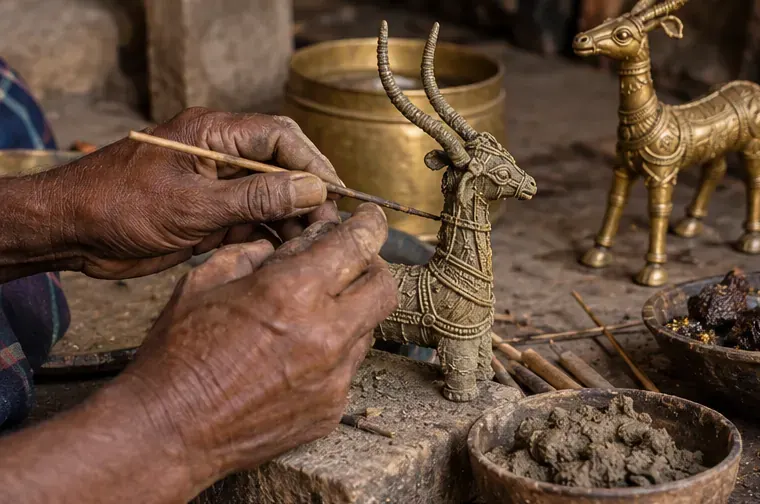
Over one thousand thatch-roofed huts feature direct sales from National Award-winning craftspersons without middlemen. Key artisanal treasures include Pashmina shawls from Kashmir, Dhokra lost-wax brass from Chhattisgarh, Madhubani paintings from Bihar, blue pottery from Jaipur, and terracotta sculpture from Bengal.
Each stall is allotted directly to certified artisans by the Development Commissioners for Handlooms and Handicrafts. Because artisans rotate every few years, the selection of genuine handmade artifacts remains diverse and authentic.
Regional Weaves, Silks, and Embroideries
Handloom sections feature authentic Banarasi brocades, Chanderi silks, Phulkari dupattas from Punjab, and Kutch mirrored embroideries. Shoppers interact directly with the master weavers who explain the intricate loom-knotting techniques behind each textile.
Prices are typically negotiable within reasonable margins, though most artisans follow transparent standard pricing for masterwork pieces. Carrying reusable fabric tote bags allows travelers to transport delicate fabrics securely through crowded lanes.
Metal Crafts, Woodwork, and Terracotta Sculpture
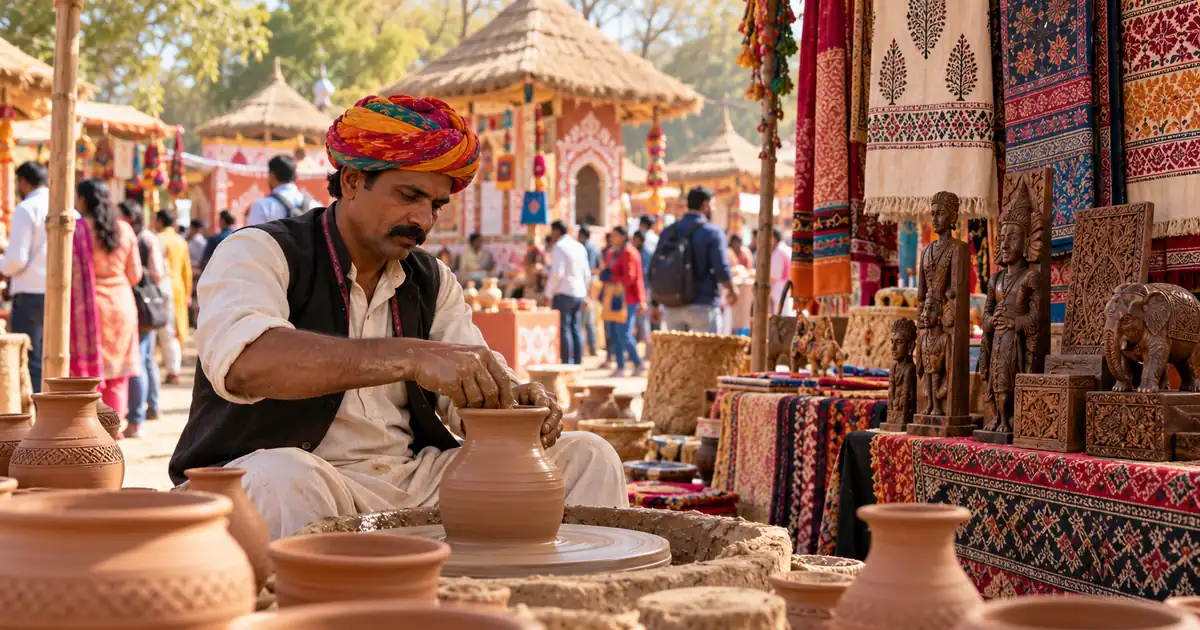
Sculptors and potters demonstrate live clay throwing on traditional wheels throughout the open courtyards. Woodworkers carve aromatic sandalwood figurines, while metal smiths polish bell-metal vessels and tribal iron art.
Visitors can watch artisans create bell-metal figurines using the ancient lost-wax casting technique. Many craftsmen happily guide children through the clay wheel process, offering memorable hands-on pottery workshops on the spot.
| Craft Category | Prominent Regional Origins | Signature Handmade Items |
|---|---|---|
| Handloom Textiles | Varanasi, Chanderi, Sambalpur, Kanchipuram | Pure silk sarees, ikat dupattas, woolen shawls |
| Folk Paintings | Madhubani (Bihar), Warli (Maharashtra), Pattachitra (Odisha) | Natural pigment scrolls, framed canvas folk art |
| Terracotta & Pottery | Bankura (Bengal), Khurja (UP), Jaipur (Rajasthan) | Clay horses, glazed blue ceramics, earthenware pots |
| Metal Crafts | Bastar (Chhattisgarh), Moradabad (UP), Bidar (Karnataka) | Dhokra brass figures, brass lamps, silver inlay work |
Chaupal Cultural Shows, Multi-State Cuisines, and Entertainment
The open-air Chaupal amphitheater hosts continuous folk dance and music recitals from morning until dusk, featuring troupes from Rajasthan, Punjab, Gujarat, and international cultural delegates. An expansive multi-state food court offers authentic regional cuisines from across India.
Attending the fair pairs visual arts shopping with lively live entertainment. Travelers extending their northern vacation can combine festival sightseeing with winter nature walks such as wetland birdwatching at Sultanpur National Park in nearby Gurugram district.
Live Folk Dances at the Badi Chaupal Amphitheater
Audiences gather on stone terraces to enjoy energetic performances of Bhangra, Ghoomar, Kalbelia snake dances, and Lavani. Evening programs frequently feature classical music concerts and fusion dance dramas curated by the Indian Council for Cultural Relations.
Performers in traditional costumes roam the pathways between stalls, drumming dholak beats and dancing on wooden stilts. The atmosphere remains joyous and festive throughout the daylight hours, drawing spontaneous dancing from visiting spectators.
Regional Culinary Pavilions and Street Food Delicacies
Food stalls serve authentic regional delicacies including Rajasthani dal baati churma, Punjabi makki di roti with sarson ka saag, Hyderabadi biryani, and South Indian dosas. State tourism development corporations manage dedicated dining sections ensuring hygienic food preparation.
Travelers can sample steaming kulhads of saffron-infused milk, freshly fried jalebis, and crisp millet rotis smeared with white village butter. Clear dining zones with stand-up tables provide comfortable resting spaces between shopping tours.
Note
Cashless digital payments via UPI QR codes are widely accepted across most handicraft and food stalls. However, carrying some cash in ₹100 and ₹500 denominations is recommended for small pottery purchases or snack counters where cellular networks fluctuate.
Ticket Prices, Entry Gates, and Operating Hours
Surajkund Crafts Mela operates daily from 10:30 AM to 8:30 PM throughout its two-week February run. General admission tickets cost approximately ₹120 on weekdays (Monday to Friday) and ₹180 on weekends (Saturday and Sunday), with a 50% discount for students, senior citizens, and differently abled individuals.
Visiting on a weekday morning is highly recommended for travelers seeking unhurried shopping and easy photography. Weekend afternoons see immense footfall from Delhi and Haryana residents, creating longer queues at food stalls and parking lots.
Weekday Versus Weekend Tariffs and Concession Passes
Weekday tickets provide significant cost savings and fewer crowds along the narrow artisan hut pathways. Senior citizens showing proof of age and students presenting valid educational ID cards receive a 50% discount at counter booths and online booking portals.
Children below five years of age enter free of charge accompanied by adults. Concession tickets must be matched with valid original photo identification cards during barcode scanning at the entry turnstiles.
Digital Booking and Multiple Gate Entry Points
Tickets can be purchased digitally through BookMyShow and the Haryana Tourism portal to skip counter queues. The grounds feature multiple themed entry gates equipped with electronic barcode turnstiles and security metal detectors.
Gate 1 (Dhokra Gate) and Gate 2 (Surajkund Monument Gate) handle the majority of foot traffic arriving from shuttle drop-off bays. Gate 3 provides direct access to dedicated VIP and staff parking sectors along the southern perimeter.
| Day / Pass Type | Adult Ticket Cost | Concession Tariff (Seniors/Students) | Hours of Operation |
|---|---|---|---|
| Weekday Pass | ₹120 per person | ₹60 per person (50% discount) | 10:30 AM – 8:30 PM |
| Weekend Pass | ₹180 per person | ₹90 per person (50% discount) | 10:30 AM – 8:30 PM |
| School Group Pass | Free entry on weekdays | Advance registration required | 10:30 AM – 1:00 PM |
| Children Under 5 | Free admission | No ticket needed | All operating days |
How to Reach Surajkund Mela: Metro Routes, Shuttles, and Parking
The most convenient way to reach Surajkund Mela is via the Delhi Metro Violet Line, disembarking at Badarpur Border or Tughlakabad station located four kilometers away. Dedicated Haryana Roadways feeder buses and e-rickshaws ferry passengers directly from the metro exits to the fairground gates.
Using the metro avoids major vehicular bottlenecks around the border toll gates. Visitors traveling from South Delhi can also explore historical monuments and capital city travel attractions across Delhi before hopping on the metro toward Faridabad.
Delhi Metro Violet Line and Shuttle Feeder Connections
Board the Violet Line heading toward Raja Nahar Singh (Ballabhgarh) and alight at Badarpur Border station. Special Mela Special low-floor feeder buses operate every ten minutes between the metro station and the mela entry gate.
Shared electric auto-rickshaws and battery-operated shuttles charge a flat fare of ₹20 to ₹30 per passenger between Badarpur and Gate 1. Returning metro travelers find clear signposts guiding them to departing shuttle bays right outside the exit gates.
Driving Routes from Delhi, Gurugram, and Designated Parking
Motorists from South Delhi take the Mehrauli-Badarpur Road or Surajkund Road, while travelers from Gurugram drive via the Faridabad-Gurugram highway. Multi-tier designated parking grounds near Silver Jubilee Gate accommodate thousands of private vehicles with nominal parking charges.
Local traffic police manage one-way circulation loops along Surajkund Road during peak weekend afternoons. Official district notices and tourism announcements can be verified on the District Administration Faridabad Tourism Portal. Interstate travelers can check destination guidance on the Incredible India Official Portal and reserve train tickets through the IRCTC Official Portal.
| Travel Mode | Starting Terminal | Distance to Mela | Typical Travel Duration |
|---|---|---|---|
| Delhi Metro (Violet Line) | Badarpur Border Station | 4 km | 10 minutes via feeder shuttle |
| Delhi Metro (Violet Line) | Tughlakabad Station | 5 km | 15 minutes via auto-rickshaw |
| Car from South Delhi | Saket / Nehru Place | 12–15 km | 30 to 45 minutes via Surajkund Road |
| Car from Gurugram | Cyber City / Golf Course Road | 28 km | 45 minutes via Faridabad Expressway |
Frequently Asked Questions About Surajkund Crafts Mela
Is Surajkund Crafts Mela worth visiting?
Yes, Surajkund Crafts Mela is globally renowned as the world’s largest crafts fair, bringing together over a thousand award-winning artisans and international performers. It offers direct shopping from master craftsmen, live cultural dances, and authentic regional cuisines.
Is Surajkund Crafts Mela in Faridabad or Delhi?
The fair is held at Surajkund in the city of Faridabad, located in the state of Haryana. It sits directly on the border with South Delhi, making it easily accessible via the Delhi Metro.
What are the daily operating timings of Surajkund Mela?
The mela is open daily from 10:30 AM to 8:30 PM throughout its two-week run in the first half of February. Cultural performances at the Chaupal amphitheater run continuously from noon until dusk.
How much is the ticket price for Surajkund Mela?
General admission costs approximately ₹120 on weekdays and ₹180 on weekends. Students with valid ID cards, senior citizens, and differently abled visitors receive a 50% concession discount.
How do visitors reach Surajkund Mela by Delhi Metro?
Travelers take the Delhi Metro Violet Line to Badarpur Border Station or Tughlakabad Station. Special feeder buses, electric rickshaws, and shared autos connect the metro exits directly to the mela gates within ten minutes.
Can visitors pay using digital payment apps at the stalls?
Yes, most handicraft stalls and food counters accept cashless UPI mobile payments via QR codes. Carrying some cash in smaller denominations is still advisable for minor snacks or in case of temporary cellular network congestion.