Khajuraho Dance Festival: Dates, Schedule, Venue & Guide
Discover the annual Khajuraho Dance Festival in Madhya Pradesh. Learn about classical performances, temple backdrops, entry details, and travel tips.
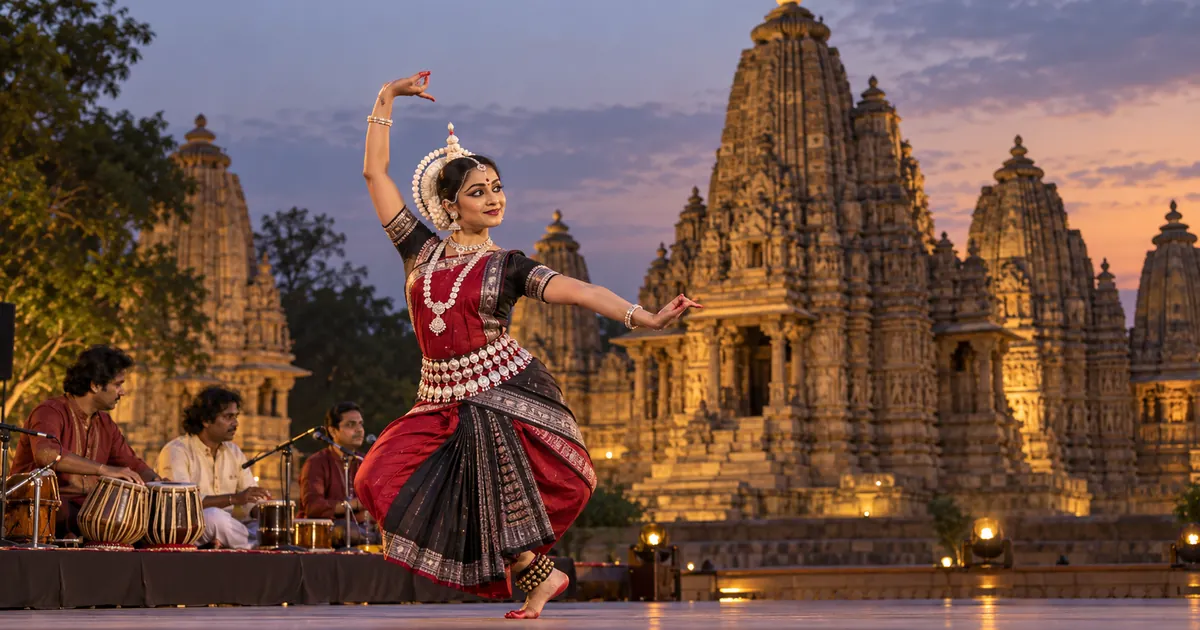
The Khajuraho Dance Festival is one of India’s most celebrated annual cultural spectacles. Held every February in the Chhatarpur district of Madhya Pradesh, this week-long celebration brings together the country’s foremost exponents of classical Indian dance. Performances unfold on a massive open-air stage against the towering, sculpted facades of medieval Chandela temples.
Audiences gather each evening under open skies as illuminated sandstone spires provide a dramatic visual frame. The festival honors classical art traditions dating back to the ancient Natya Shastra treatises. Much like winter events such as Goa Carnival street celebrations, this gathering draws art scholars and international tourists seeking authentic cultural heritage.
Key Festival Highlights
- Annual Timing: Seven consecutive evenings each February, typically running from February 20 to February 26.
- Primary Stage Venue: Open-air auditorium beside the Chitragupta and Vishwanatha temples in the Western Group.
- Artistic Focus: India’s eight recognized classical dance styles, including Kathak, Bharatanatyam, and Odissi.
- Admission Charge: Free public entry to all evening dance recitals without ticket fees.
- Official Cultural Custodian: Organized through the Ustad Alauddin Khan Sangeet Evam Kala Akademi Cultural Registry.
- Global Heritage Venue: Recognized under the UNESCO World Heritage Khajuraho Group of Monuments Listing.
Historical Evolution: From 1975 Inception to Global Renown
The festival began in 1975 under the auspices of the Madhya Pradesh Kala Parishad. The founding objective was to revive the historic connection between classical dance forms and temple architecture. By staging recitals directly before the historic monuments, organizers sought to restore classical performances to their sacred roots. This temple-stage philosophy mirrors eastern India’s celebrated Konark Dance Festival, staged each December against the 13th-century Sun Temple in Odisha.
Over the decades, the event grew from a regional cultural gathering into an internationally recognized arts forum. Today, administration is handled by the Culture Department of Madhya Pradesh through the Ustad Alauddin Khan Sangeet Evam Kala Akademi in partnership with state tourism.
Renowned legends including Pandit Birju Maharaj, Kelucharan Mohapatra, and Yamini Krishnamurthy have graced the festival’s platforms. The gathering celebrates its half-century heritage by presenting seasoned maestros alongside rising youth ensembles.
Architectural Setting: The Western Group of Temples
The backdrop for the festival is provided by the Western Group of Temples, the best-preserved architectural cluster in Khajuraho. Built between 950 and 1050 CE by the Chandela Rajput dynasty, these monuments represent the pinnacle of northern Indian Nagara temple architecture. The stone surfaces feature thousands of carved celestial dancers (apsaras), musicians, deities, and court scenes.
The main stage sits directly between the Chitragupta Temple, dedicated to the Sun God Surya, and the majestic Vishwanatha Temple. As night falls, powerful amber and gold floodlights illuminate the intricate bas-reliefs, creating a dramatic visual illusion where stone dancers appear to come alive behind living performers.
This ancient sacred complex shares deep architectural roots with other great Shaivite shrines, including the renowned Kashi Vishwanath Temple along the upper Ganges basin. Touring the temple precinct during afternoon daylight allows spectators to appreciate the intricate iconography before taking their seats at dusk.
Featured Classical Traditions and Performance Styles
The festival presents the full diversity of classical dance traditions recognized by India’s Sangeet Natak Akademi. Each evening features two or three curated recitals covering solo compositions, duets, and grand orchestral ensemble pieces. Accompaniment includes traditional acoustic instruments such as mridangam, pakhawaj, tabla, flute, and classical violin.
Spectators experience distinctive rhythmic idioms and emotive expressions across various schools. Classical traditions regularly featured on the main stage include:
- Kathak: Northern Indian storytelling dance marked by swift pirouettes, complex mathematical footwork, and subtle facial mime.
- Bharatanatyam: Ancient Tamil temple dance characterized by crisp geometric body alignments, deep knee bends, and rigorous hand mudras.
- Odissi: Eastern Indian classical form famous for fluid torso movements and sculptural tribhangi (three-bend) stances reflecting temple relief sculptures.
- Kuchipudi: Dramatic Andhra dance drama integrating expressive vocal recitation and intricate foot balancing on brass plate rims.
- Mohiniyattam: Graceful Kerala solo dance featuring gentle swaying motions and white-and-gold kasavu attire.
- Manipuri: Devotional northeastern tradition presenting gentle circular movements honoring Radha-Krishna Rasleela episodes.
- Sattriya: Fifteenth-century Assamese monastic dance established by saint Sankaradeva, contrasting sharply with the monastic dance festivals of Sikkim.
- Kathakali: Stylized Kerala dance drama featuring elaborate facial makeup, billowing skirts, and dramatic martial choreography.
Festival Logistics: Dates, Timings, and Seating Guidelines
The festival takes place during late February, when central Indian winter evenings are pleasantly crisp and dry. Temperatures range from 12°C to 18°C after sundown, so carrying a warm shawl or light jacket is recommended. In contrast to high-energy sports like the Kambala buffalo racing festival, this gathering offers an atmosphere of formal artistic discipline.
Admission to all evening dance performances is completely free of charge. Seating is arranged on open lawn terraces on a first-come, first-served basis, making early arrival advisable.
| Festival Aspect | Key Information | Visitor Guidance |
|---|---|---|
| Annual Dates | February 20 to February 26 (Annually) | Plan multi-day hotel stays well in advance |
| Daily Program Timings | 7:00 PM to 10:00 PM | Gates open at 5:30 PM for seating |
| Entry Fee | Free public admission | Separate daytime ASI temple entry ticket required |
| Seating Arrangement | Open-air amphitheater chairs | Arrive by 6:15 PM for prime central seats |
| Photography Policy | Permitted without flash | Dedicated media risers reserved for press rigs |
| Official Portal | Cultural event schedule listings | Consult the Madhya Pradesh Tourism Khajuraho Heritage Portal |
Ancillary Cultural Attractions: Art Mart and Workshops
In addition to evening dance performances, the festival grounds host various daytime cultural programs. The Art Mart pavilion features contemporary paintings, tribal Gond artworks, and metal sculptures curated by national art institutes. Visitors can view living craft demonstrations and purchase stone-carving souvenirs directly from regional artisans.
The festival also incorporates Kalavarta, a morning seminar series where dance critics, choreographers, and cultural historians discuss traditional aesthetics. Food pavilions offer authentic Bundelkhand cuisine, including dal bafla, mawa bati, and freshly brewed herbal infusions. Travelers exploring artisanal fairs across northern India during February also frequent the Surajkund Crafts Mela in Haryana for rural textile and pottery showcases.
Adventure tourism activities have also been integrated into recent editions, including hot-air balloon flights, heritage e-bike tours, and village heritage walks organized by state tourism authorities.
Cultural Circuits Across Madhya Pradesh
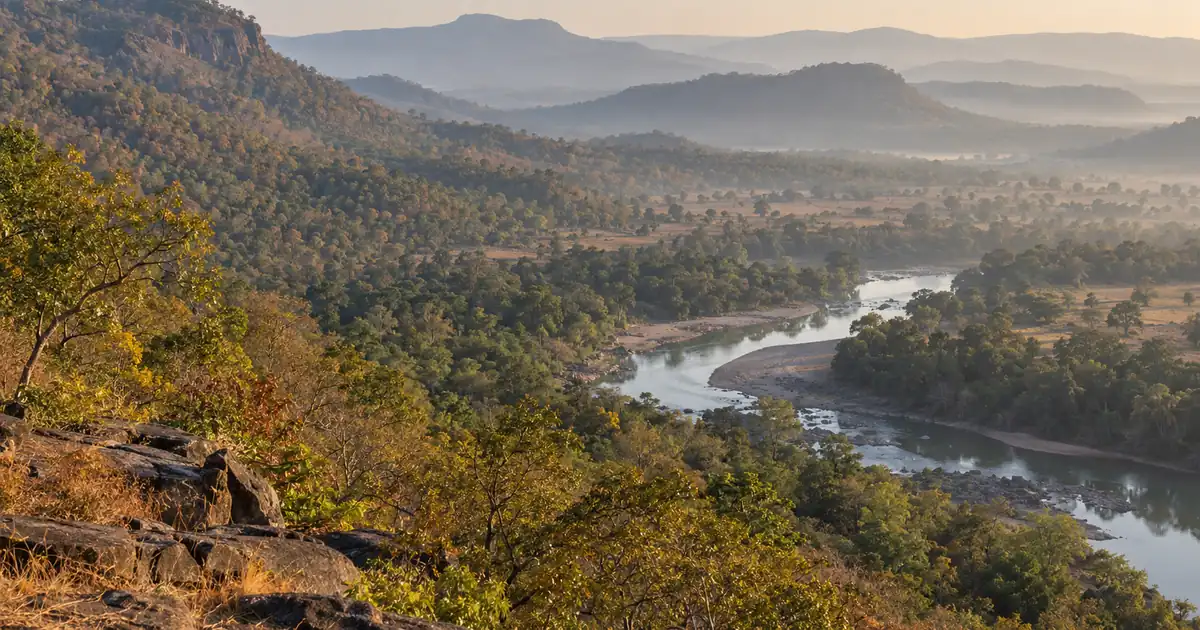
Khajuraho serves as an ideal base for exploring the rich heritage and natural landscapes of central India. Travelers can easily combine the dance festival with wildlife safaris in nearby Panna National Park, situated just thirty kilometers away along the Ken River. Panna is renowned for its thriving Bengal tiger population and historic diamond mines.
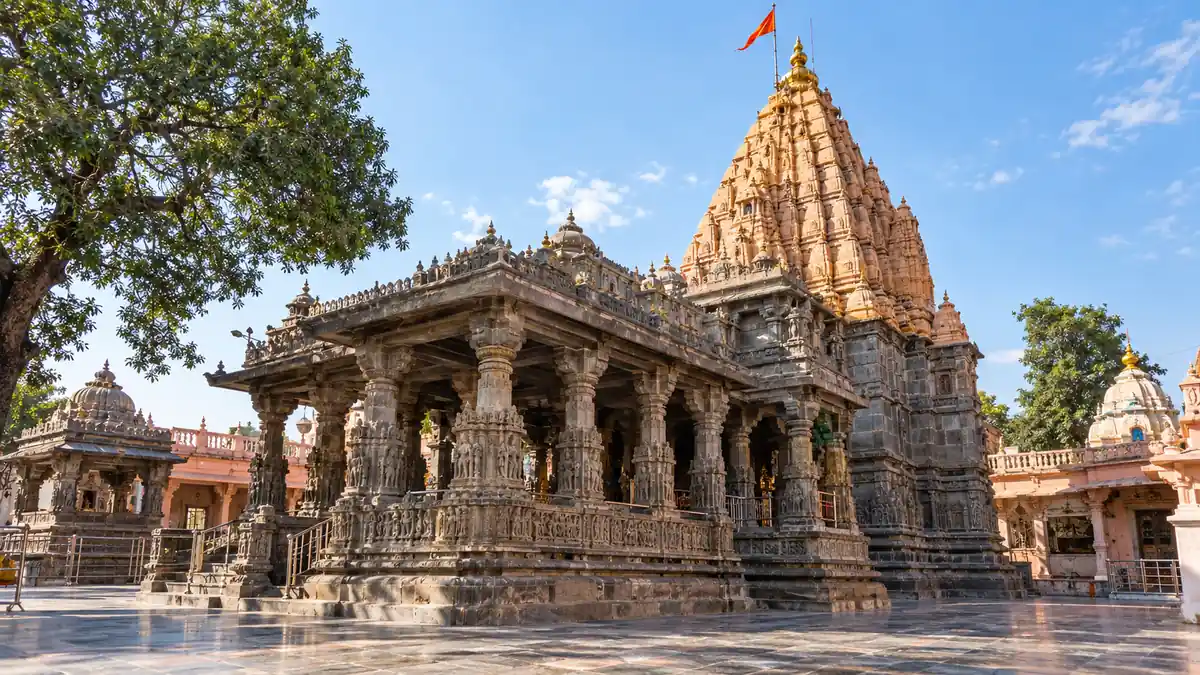
To the west lies Orchha, a medieval Bundela fortress town on the Betwa River featuring multi-tiered cenotaphs and exquisite mural paintings. Pilgrims can extend their journey across central India toward the ancient holy city of Ujjain, planning a Ujjain Mahakal Mandir pilgrimage to experience historic Jyotirlinga rituals.
How to Reach Khajuraho and Transit Connections
Khajuraho is accessible by air, rail, and highway networks. Khajuraho Airport (HJR) is located only five kilometers from the Western Group of Temples and operates scheduled domestic flights connecting New Delhi and Varanasi during the winter tourist season.
Khajuraho Railway Station (KURJ) connects directly to major transit centers including New Delhi, Prayagraj, and Bhopal via express trains. For wider rail connectivity, Satna Junction (115 km) and Jhansi Junction (175 km) offer round-the-clock nationwide train routes with connecting private taxis and state transport buses. Daytime visitors can explore the intricate Chandela sandstone architecture and sculptural iconography in our dedicated Khajuraho temples guide.
| Transit Hub | Connection Type | Road Distance | Travel Time |
|---|---|---|---|
| Khajuraho Airport (HJR) | Domestic Flights | 5 kilometers | 10 minutes |
| Khajuraho Railway Station (KURJ) | Direct Express Trains | 9 kilometers | 15 minutes |
| Satna Railway Station (STA) | Mainline Train Junction | 115 kilometers | 2.5 to 3 hours |
| Jhansi Railway Station (VGLJ) | High-Speed Shatabdi / Vande Bharat | 175 kilometers | 3.5 to 4 hours |
| Gwalior Airport (GWL) | Regional Flight / Road | 280 kilometers | 5.5 hours |
Frequently Asked Questions
Is there an admission fee to attend the Khajuraho Dance Festival?
Admission to the evening dance festival performances is completely free for all domestic and international visitors. However, exploring the Western Group of Temples during daytime hours requires a separate Archaeological Survey of India entry ticket.
When is the Khajuraho Dance Festival held each year?
The Khajuraho Dance Festival takes place annually for seven days in late February, running from February 20 to February 26. The timing coincides with pleasant, cool winter weather ideal for outdoor cultural events.
What should visitors wear to the evening dance festival?
Visitors should wear modest casual clothing and carry a warm jacket or wool shawl, as open-air temperatures drop between 12°C and 16°C after dark. Flat walking shoes are recommended for walking across temple lawn pathways.
Are flash photography and video cameras allowed during performances?
Audience members may take photographs from their seats, but flash photography is strictly prohibited because it distracts performing classical dancers. Professional tripods and commercial filming equipment require advance media accreditation from the Culture Department.
Which is the nearest airport to the Khajuraho Dance Festival?
Khajuraho Airport is the nearest air gateway, situated just five kilometers from the temple grounds and festival venue. The airport provides convenient winter flight connections from major urban centers such as New Delhi.