Madhya Pradesh Travel Guide: Top Places, Circuits & Itineraries
Plan your trip with our Madhya Pradesh travel guide covering Khajuraho temples, Mahakaleshwar, Bandhavgarh tiger safaris, Gwalior Fort, and circuits.
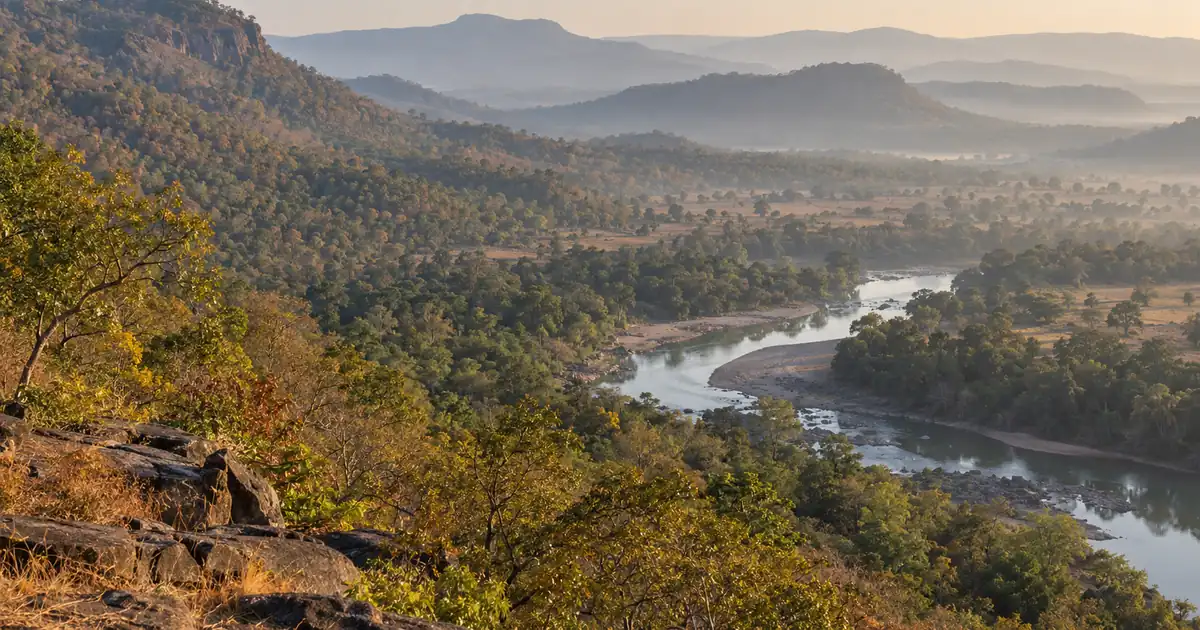
Madhya Pradesh spans 308,245 square kilometers across central India, forming the geographic and cultural heart of the country. Anchored by 55 administrative districts organized into 10 divisions, the state links northern Gangetic heritage with southern Deccan topography.
The territory preserves three UNESCO World Heritage Sites, two sacred Jyotirlinga sanctuaries, and the largest concentration of wild tigers in South Asia. Millions of pilgrims and international explorers travel across this central heartland annually to discover medieval stone fortresses, sacred river ghats, and dense teak forests.
State Travel & Circuit Essentials
- Madhya Pradesh encompasses 308,245 square kilometers in central India across 55 administrative districts, organized into 10 divisions with Bhopal serving as capital.
- Indore operates as the state’s commercial capital and principal aviation gateway, recognized nationally for urban cleanliness and culinary culture.
- The region houses three UNESCO World Heritage Sites: the Khajuraho Group of Monuments, the Buddhist Monuments at Sanchi, and the Rock Shelters of Bhimbetka.
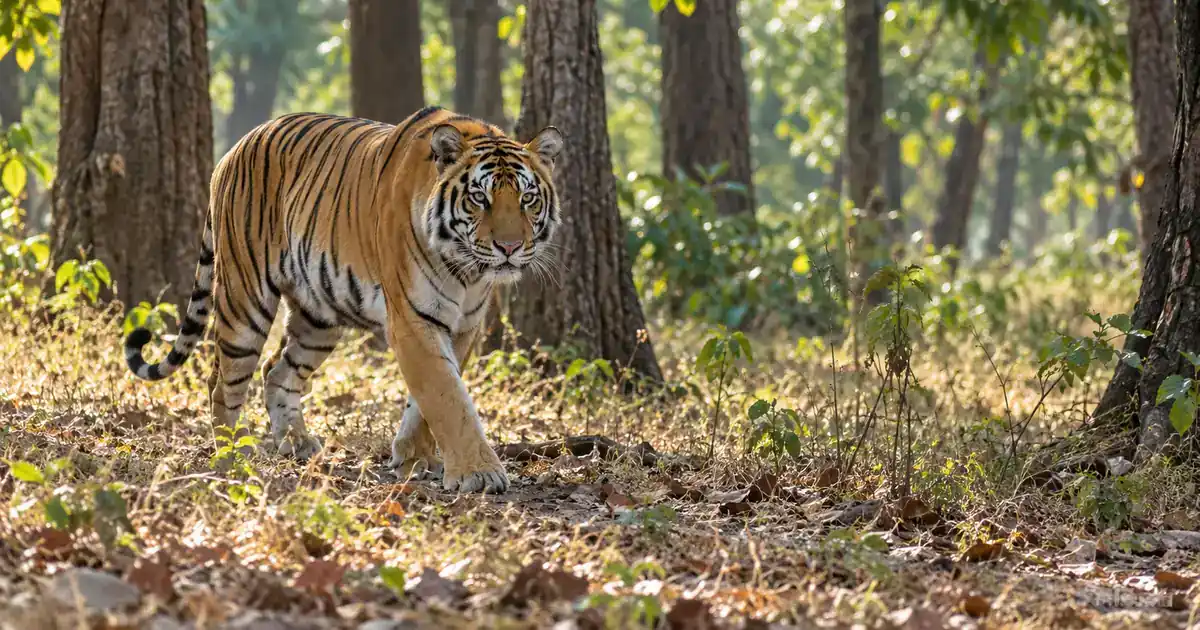
- Protected wildlife sanctuaries harbor over 785 Royal Bengal tigers, making Bandhavgarh, Kanha, Pench, and Panna top global safari destinations.
Modern highway expressways and electrified rail corridors connect the state’s regional divisions with western India and northern metropolitan centers. Many international visitors extend their North India Golden Triangle itinerary southward across the Chambal River into Gwalior, Orchha, and Khajuraho.
Madhya Pradesh Destinations Master Matrix
Planning an expedition across Madhya Pradesh requires balancing wide geographic distances with seasonal operating schedules. The master matrix below categorizes the state’s primary travel clusters by administrative division, recommended duration, signature highlights, and primary transit gateways:
| Destination Region | Division & Cultural Zone | Ideal Duration | Signature Highlights | Primary Transit Gateway |
|---|---|---|---|---|
| Khajuraho & Panna | Sagar Division (Bundelkhand) | 2 to 3 Days | Western Group Temples, Kandariya Mahadeva, Panna Tiger Reserve | Khajuraho Airport (HJR) / Khajuraho Station (KURJ) |
| Gwalior & Chambal | Gwalior Division (Gird) | 2 Days | Gwalior Fort, Man Mandir Palace, Jai Vilas Palace, Gopachal Jain Colossi | Gwalior Airport (GWL) / Gwalior Junction (GWL) |
| Orchha & Bundelkhand | Sagar Division (Bundelkhand) | 1 to 2 Days | Jahangir Mahal, Raja Mahal, Ram Raja Temple, Betwa River Chhatris | Jhansi Junction (VGLJ) / Gwalior Airport (GWL) |
| Bhopal & Sanchi | Bhopal Division (Central Malwa) | 2 to 3 Days | Upper Lake, Taj-ul-Masajid, Great Stupa at Sanchi, Tribal Museum | Bhopal Raja Bhoj Airport (BHO) / Rani Kamlapati (RKMP) |
| Bhimbetka & Bhojpur | Bhopal & Narmadapuram | 1 Day | Paleolithic Rock Shelters, Bhojeshwar Shiva Temple, Betwa Basin | Bhopal Raja Bhoj Airport (BHO) / Bhopal Junction (BPL) |
| Ujjain & Shipra Valley | Ujjain Division (Malwa) | 1 to 2 Days | Mahakaleshwar Jyotirlinga, Mahakal Lok Corridor, Ram Ghat, Sandipani Ashram | Indore Airport (IDR) / Ujjain Junction (UJN) |
| Omkareshwar & Maheshwar | Indore Division (Narmada Valley) | 2 Days | Omkareshwar Jyotirlinga, Mandhata Island, Ahilya Fort, Narmada Ghats | Indore Airport (IDR) / Khandwa Junction (KNW) |
| Indore & Mandu | Indore Division (Malwa Plateau) | 2 to 3 Days | Sarafa Night Bazaar, Chappan Dukan, Jahaz Mahal, Hindola Mahal, Roopmati Pavilion | Indore Devi Ahilyabai Holkar Airport (IDR) / Indore Junction |
| Bandhavgarh National Park | Shahdol Division (Baghelkhand) | 2 to 3 Days | Tala Zone Tiger Safaris, Shesh Shaiya Vishnu Statue, Bandhavgarh Fort | Jabalpur Airport (JLR) / Umaria Railway Station (UMR) |
| Kanha National Park | Jabalpur Division (Mahakoshal) | 3 Days | Mukki & Kisli Zones, Hardground Barasingha, Sal Forest Safaris | Jabalpur Airport (JLR) / Gondia Junction (G) |
| Pench National Park | Jabalpur Division (Satpura Corridor) | 2 Days | Mowgli Teak Woodlands, Turia Zone Safaris, Totladoh Lake Basin | Nagpur Airport (NAG) / Seoni Railway Station (SONI) |
| Jabalpur & Bhedaghat | Jabalpur Division (Mahakoshal) | 1 to 2 Days | Marble Rocks Gorge, Dhuandhar Waterfalls, Chausath Yogini Temple | Jabalpur Dumna Airport (JLR) / Jabalpur Junction (JBP) |
| Pachmarhi Hill Station | Narmadapuram Division (Satpura) | 2 to 3 Days | Bee Falls, Dhoopgarh Sunset Point, Jata Shankar Cave, Pandava Caves | Pipariya Railway Station (PPI) / Bhopal Airport (BHO) |
Geographic Landscape and 10 Administrative Divisions
Madhya Pradesh occupies a sprawling landmass of 308,245 square kilometers, bordered by Uttar Pradesh, Rajasthan, Gujarat, Maharashtra, and Chhattisgarh. The physical geography splits across two ancient mountain chains: the Vindhya Range in the north and the Satpura Range in the south.
Between these rugged sandstone ridges flows the sacred Narmada River, which carves a fertile rift valley westward toward the Arabian Sea. Parallel watercourses, including the Chambal, Betwa, Son, Ken, and Tapti, shape agricultural plateaus and dense forest basins across the state.
Administratively, the state divides into 55 districts grouped into 10 divisions: Bhopal, Indore, Gwalior, Jabalpur, Ujjain, Sagar, Rewa, Chambal, Narmadapuram, and Shahdol. Each administrative territory preserves a distinct cultural and ecological identity, ranging from the arid ravines of Chambal to the sub-tropical sal forests of Baghelkhand.
Sal and teak woodlands cover approximately 25 percent of the total land area, creating vital contiguous biological corridors. This diverse terrain supports thriving herbivore herds and apex predators, establishing Madhya Pradesh as a critical ecological sanctuary in central India.
Khajuraho Temples and Chandela Nagara Architecture
The temples of Khajuraho rise above the quiet plains of Chhatarpur district, representing the pinnacle of medieval northern Indian temple architecture. Built between 950 and 1050 CE by the Chandela Rajput dynasty, the monument cluster originally numbered 85 sandstone structures.
Today, 22 preserved temples survive across three distinct clusters: the Western Group, Eastern Group, and Southern Group. The Archaeological Survey of India protects the enclosed Western Group, where visitors can study towering shikharas and elaborate stone friezes.
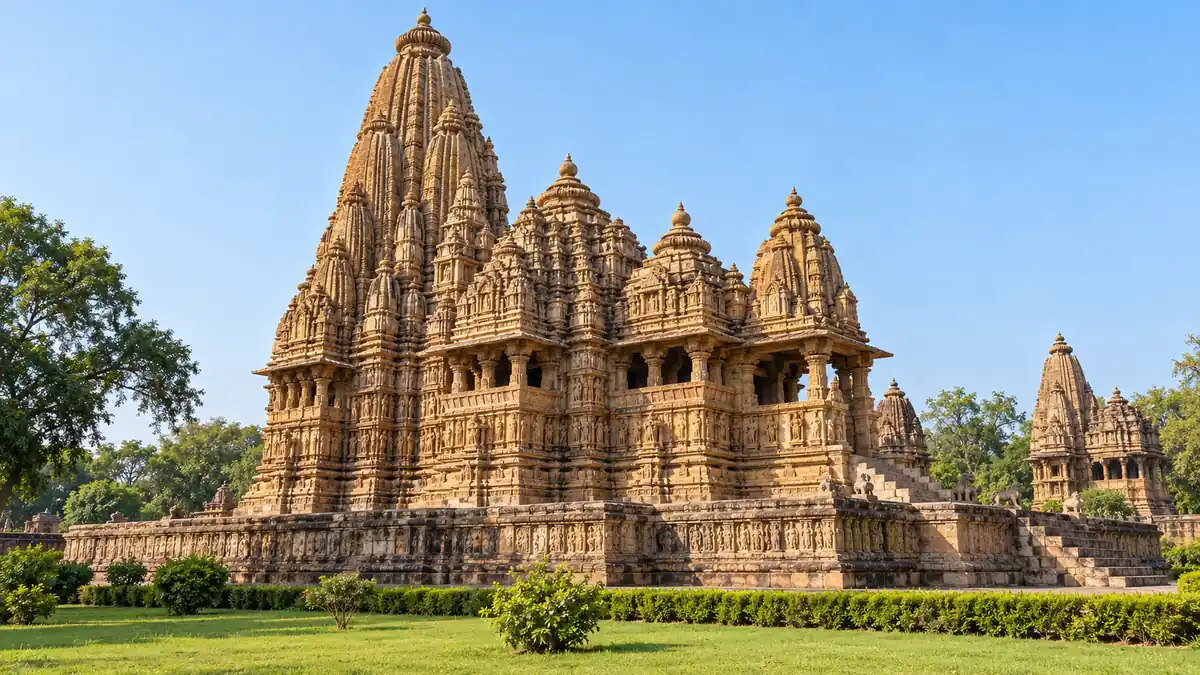
The architectural crown jewel is Kandariya Mahadeva Temple, dedicated to Lord Shiva and rising 31 meters above its high stone base. Over 870 intricately sculpted deities, celestial maidens, musicians, and mithuna couples adorn its exterior walls, carved from golden Panna sandstone.
Travelers can examine the complete architectural layout, festival schedules, and gate timings in our dedicated Khajuraho temples guide. Official ticket guidelines, morning opening hours, and sound-and-light schedules are cataloged by the Madhya Pradesh Tourism Khajuraho Destination Guide.
Gwalior Citadel and the Northern Fortresses
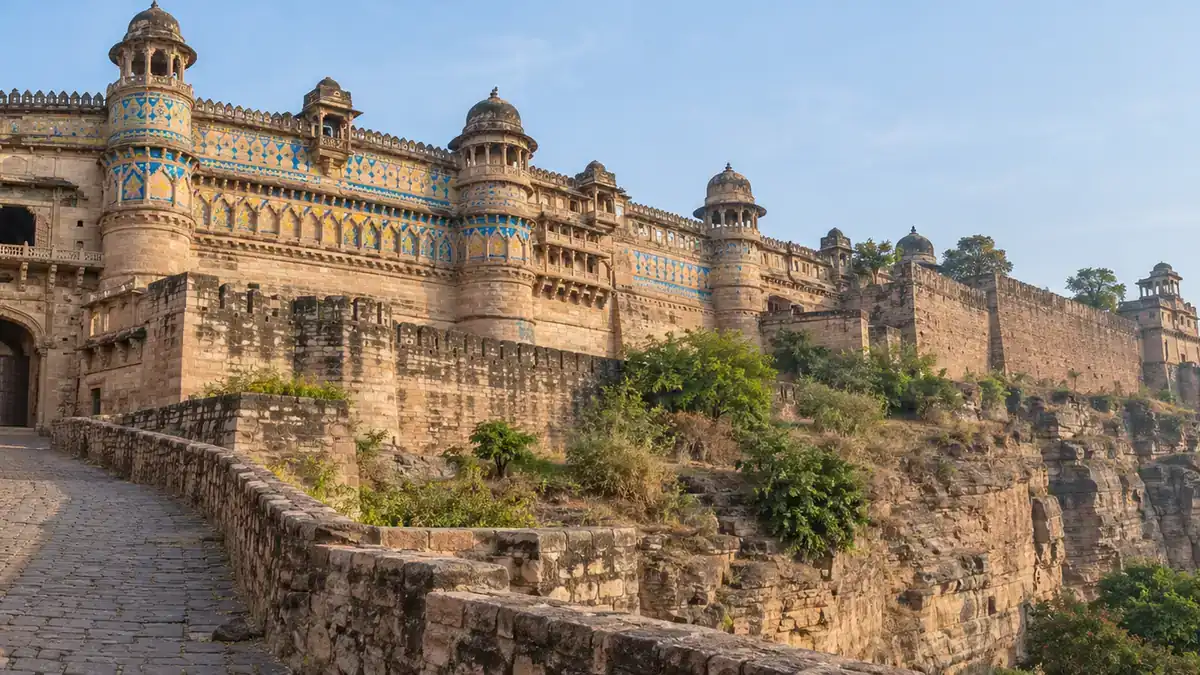
Gwalior commands the northern gate of Madhya Pradesh, dominated by a magnificent hilltop fortress perched atop a steep three-kilometer sandstone plateau. Mughal Emperor Babur famously described Gwalior Fort as the pearl among the fortresses of Hind.
The citadel’s southern approaches display the 15th-century Man Mandir Palace, built by Maharaja Man Singh Tomar. Its exterior walls display vivid blue, green, and yellow ceramic glazed tiles depicting ducks, elephants, and flowering trees.
Inside the fort plateau, travelers explore Teli ka Mandir, an eighth-century sanctuary featuring a Dravidian-style barrel-vaulted roof over a Nagara floor plan. Nearby stand the twin Sas Bahu temples, constructed in 1093 CE with intricate open pillared halls.
Carved along the western cliff face of the fortress are the massive Gopachal rock-cut Jain colossi. These statues include a colossal 17-meter standing figure of Parshvanatha, sculpted into the stone ramparts between the seventh and fifteenth centuries.
Below the hill lies Jai Vilas Palace, the 19th-century European-style seat of the Scindia dynasty. The palace museum houses the world’s largest crystal chandeliers in its grand Durbar Hall, along with a silver toy train that once served drinks along the banquet table.
Orchha Fortified Enclave and Bundelkhand Palaces
Situated along the boulder-strewn banks of the Betwa River, Orchha preserves the medieval palace capital of the Bundela Rajput kingdom. Founded in the 16th century by King Rudra Pratap Singh, the historic town remains remarkably uncrowded and architecturally intact.
The town centers on an island fortress complex accessed by a multi-arched stone bridge spanning the river. Within the fortifications stand two grand royal residences: the Raja Mahal, adorned with vivid religious wall murals, and the multi-story Jahangir Mahal.
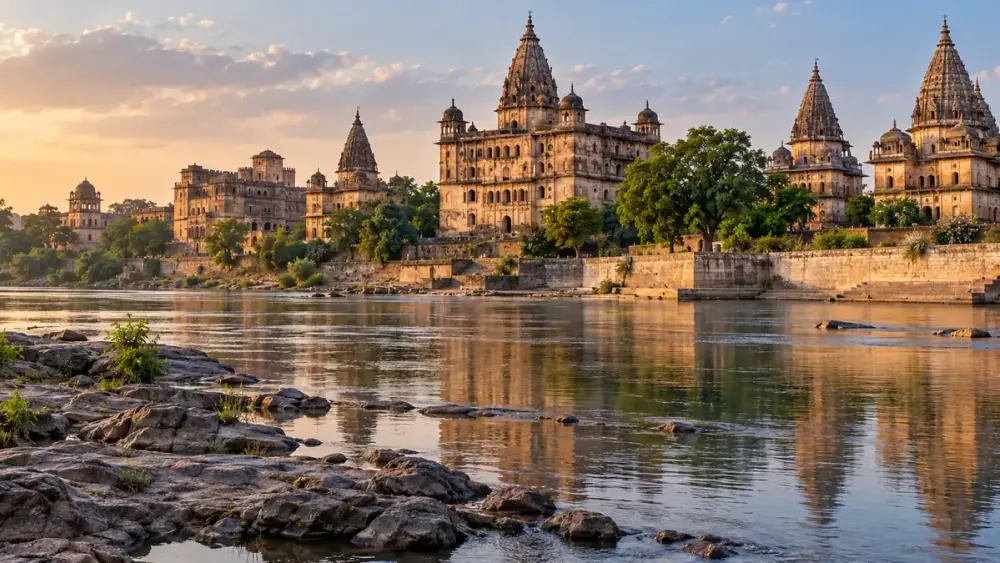
Jahangir Mahal blends Rajput defensive geometry with Mughal domes and open arched courtyards. Built by Bir Singh Deo to honor the visiting Mughal Emperor Jahangir, the palace features over 100 rooms overlooking the surrounding forest canopy.
Across the palace square stands Ram Raja Temple, a sacred sanctuary operating under unique civil and religious customs. Devotees revere Lord Rama here as an earthly sovereign ruler, and local police detachments present a formal rifle guard of honor at daily aarti ceremonies.
Downstream along the riverbank rise the 14 stone chhatris, or royal cenotaphs, commemorating Bundela rulers. Visitors gather on the opposite riverbank during sunset to watch amber reflections illuminate the tall spire monuments above the Betwa.
Bhopal City of Lakes and Sanchi Buddhist Monuments
Bhopal serves as the political capital of Madhya Pradesh, situated around two large artificial water bodies: Upper Lake (Bhojtal) and Lower Lake. Founded originally by the 11th-century Paramara king Raja Bhoj, the city developed an aristocratic culture under the rule of 19th-century Begums.
The skyline is dominated by the monumental Taj-ul-Masajid, one of the largest mosques in Asia, built with pink sandstone minarets and polished marble domes. Nearby, the Madhya Pradesh Tribal Museum exhibits authentic life-sized tribal dwellings, ritual masks, and terracotta art representing regional indigenous communities.
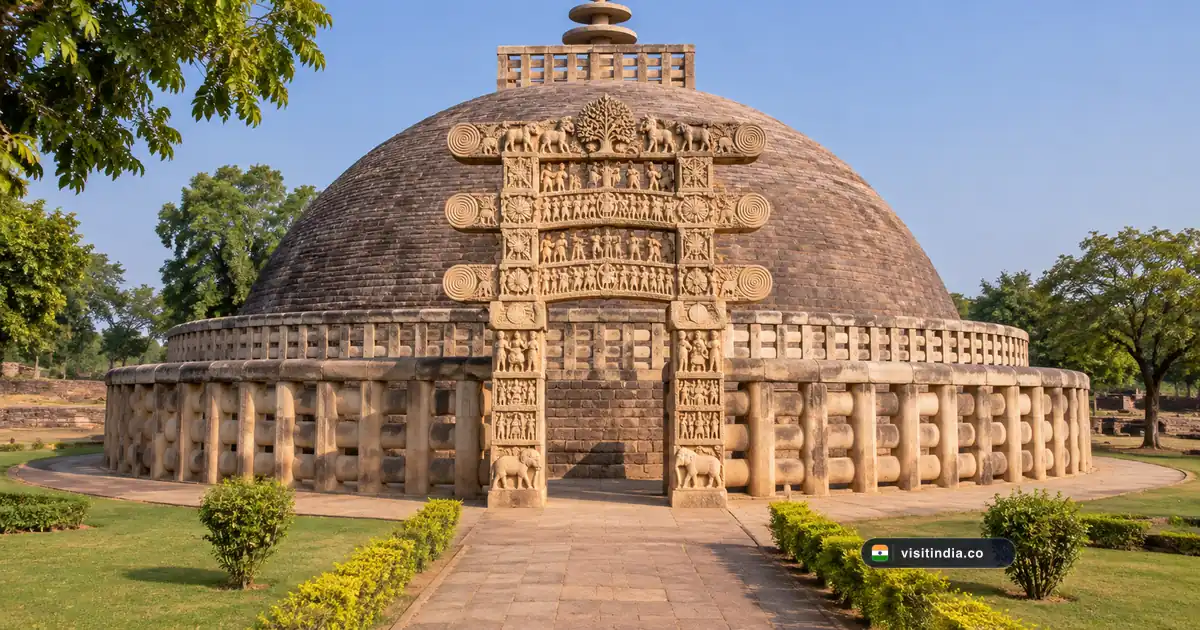
Forty-six kilometers northeast of Bhopal sits Sanchi, detailed in our comprehensive Sanchi Stupa and Bhimbetka from Bhopal guide, home to the finest collection of classical Buddhist art and architecture in India. Inscribed as a UNESCO World Heritage Site, the hill complex preserves stone stupas, monasteries, and pillar remnants spanning twelve centuries.
The centerpiece is the Great Stupa (Stupa 1), commissioned originally by Mauryan Emperor Ashoka in the third century BCE and enlarged under the Shungas. Four carved stone torana gateways surround the hemispherical dome, depicting Buddha’s life stories and Jataka tales with extraordinary artistic realism.
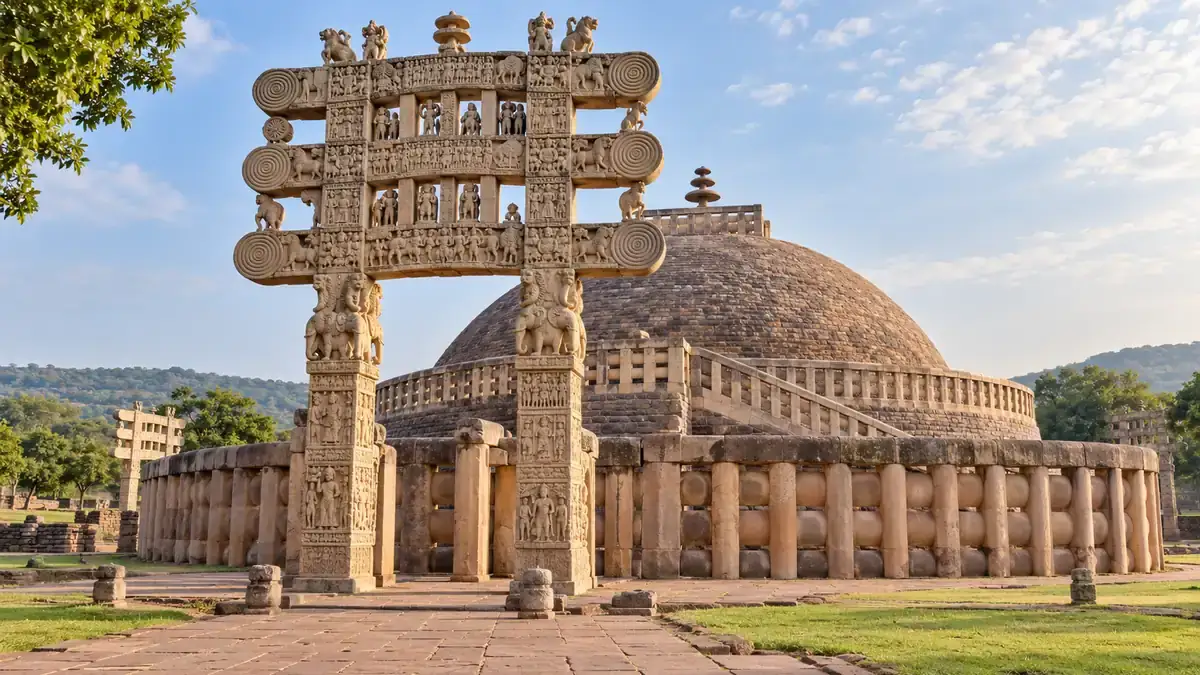
Independent travelers and day-trippers can explore detailed monument catalogs, heritage trail maps, and transport directories verified through the District Administration Bhopal Tourism Directory. Verified city contact numbers and licensed guide rosters are updated seasonally on the portal.
Bhimbetka Rock Shelters and Paleolithic Cave Art
Forty-five kilometers south of Bhopal, in the rugged foothills of the Vindhya Range, lie the prehistoric Rock Shelters of Bhimbetka. Discovered in 1957 by archaeologist V. S. Wakankar, this UNESCO World Heritage Site preserves humanity’s earliest artistic expressions in South Asia.
Over 750 sandstone rock shelters cluster across seven forested hills, with approximately 15 shelters open to the general traveling public. The caves preserve continuous human habitation extending from the Lower Paleolithic age through the Mesolithic and historic periods.
Natural mineral pigments of red ochre and white lime remain visible on the sheltered sandstone walls. These detailed paintings portray prehistoric bison, wild boars, rhinos, community hunts, horse riders, and ceremonial dances.
The most famous cavern is the Zoo Rock, featuring dozens of animal figures painted across overlapping generations. The shelter provides direct insight into environmental changes and wildlife species that inhabited the central Indian plains tens of thousands of years ago.
En route back to Bhopal, travelers frequently pause at Bhojpur to visit the unfinished Bhojeshwar Shiva Temple. The shrine contains an enormous single-stone lingam measuring 2.3 meters high, set upon a massive limestone base inside a towering stone hall.
Ujjain Mahakaleshwar and the Sacred Shipra River
Ujjain rises along the eastern bank of the Shipra River, ranking among the seven sacred holy cities (Sapta Puri) of classical Hinduism. Celebrated historically as the prime meridian of ancient Indian astronomy, Ujjain served as the capital of legendary King Vikramaditya.
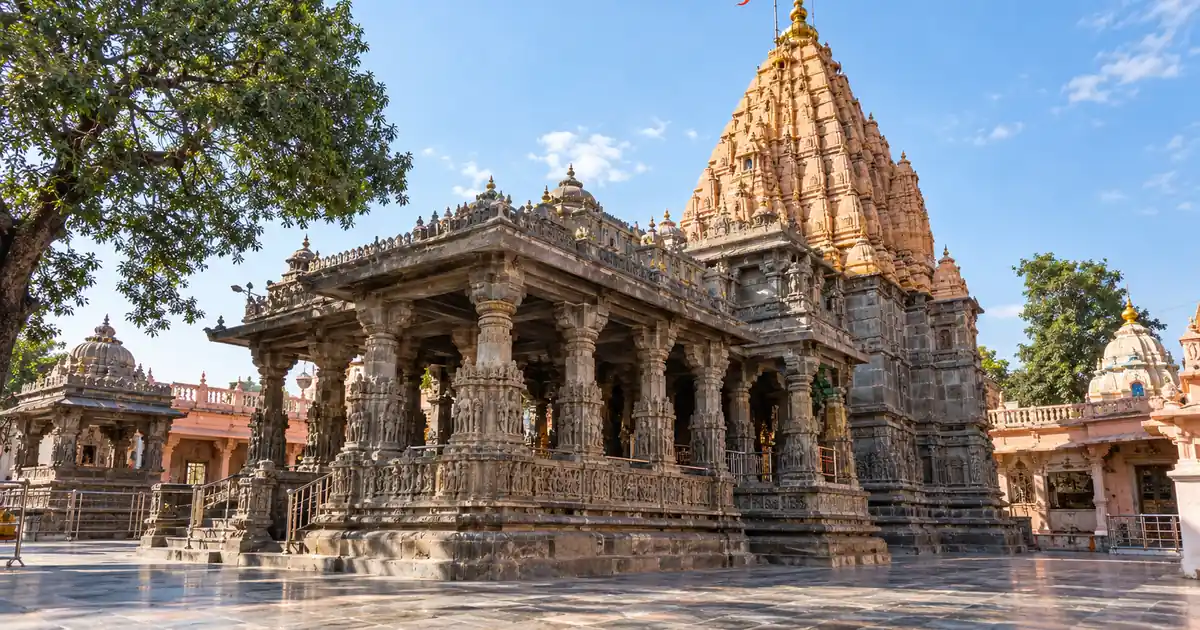
The spiritual core of the city is the Mahakaleshwar Temple, which houses one of the twelve sacred Jyotirlingas of Lord Shiva. Mahakaleshwar is uniquely celebrated as the only south-facing (Dakshinmukhi) swayambhu Jyotirlinga in India, believed to grant liberation from premature mortality.
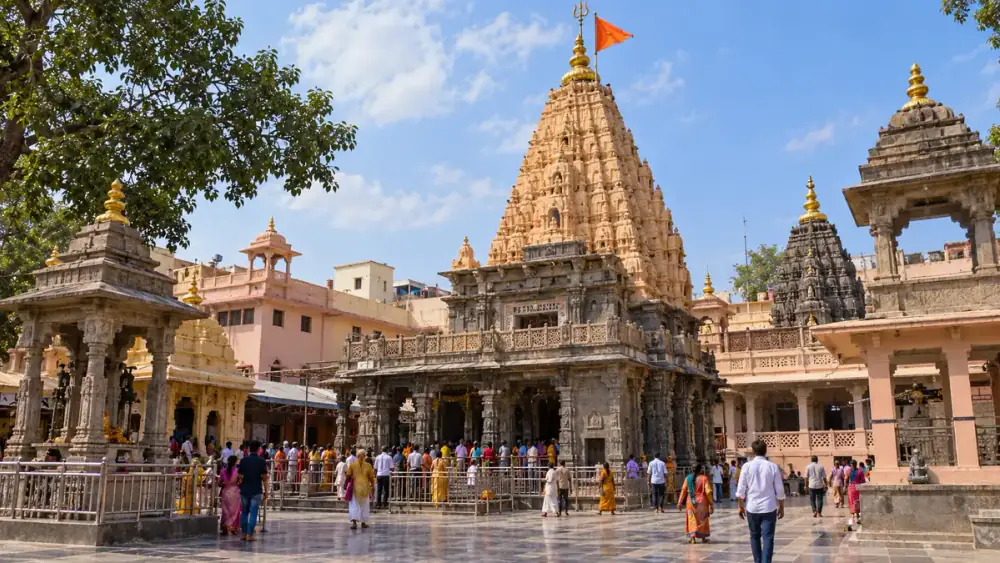
The renowned pre-dawn Bhasma Aarti takes place inside the underground sanctum every morning between 4:00 AM and 6:00 AM. Priests venerate the sacred stone with fresh ritual ash accompanied by dynamic drum beats, Vedic chants, and brass bells.
Devotees can explore booking rules, queue systems, and darshan regulations in our comprehensive Ujjain Mahakal Mandir guide. The adjoining Mahakal Lok corridor features 108 grand red sandstone pillars, sculptural fountains, and illuminated plazas illustrating Shiva folklore along Rudrasagar Lake.
Along the riverfront, pilgrims gather at Ram Ghat at twilight to participate in evening Shipra river prayers. Ujjain also hosts the colossal Simhastha Kumbh Mela every twelve years, bringing tens of millions of pilgrims to bathe in its sanctified waters.
Omkareshwar Jyotirlinga and the Narmada River Island
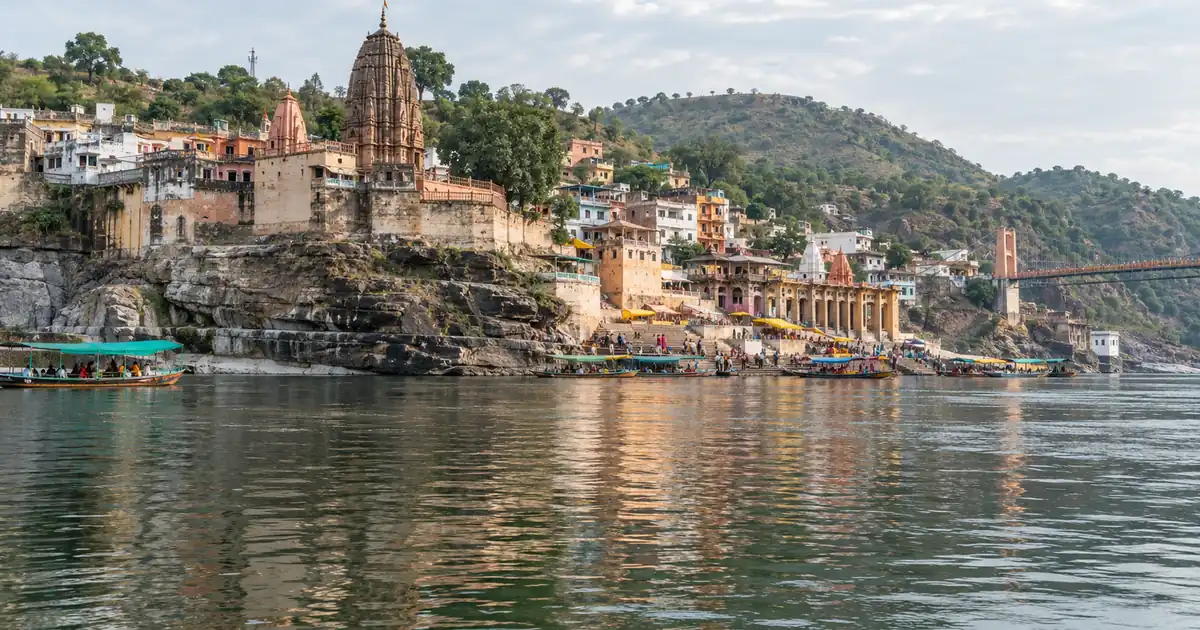
Eighty kilometers south of Indore lies Omkareshwar, the second sacred Jyotirlinga shrine situated within Madhya Pradesh. The sacred town sits on Mandhata island, an ancient river landform naturally contoured in the shape of the sacred Hindu Om syllable.
The Narmada River divides here into two streams, encircling the holy island before rejoining downstream. The multi-tiered Omkareshwar Temple stands elevated along the southern cliff face, featuring carved stone pillars depicting mythological guardians.
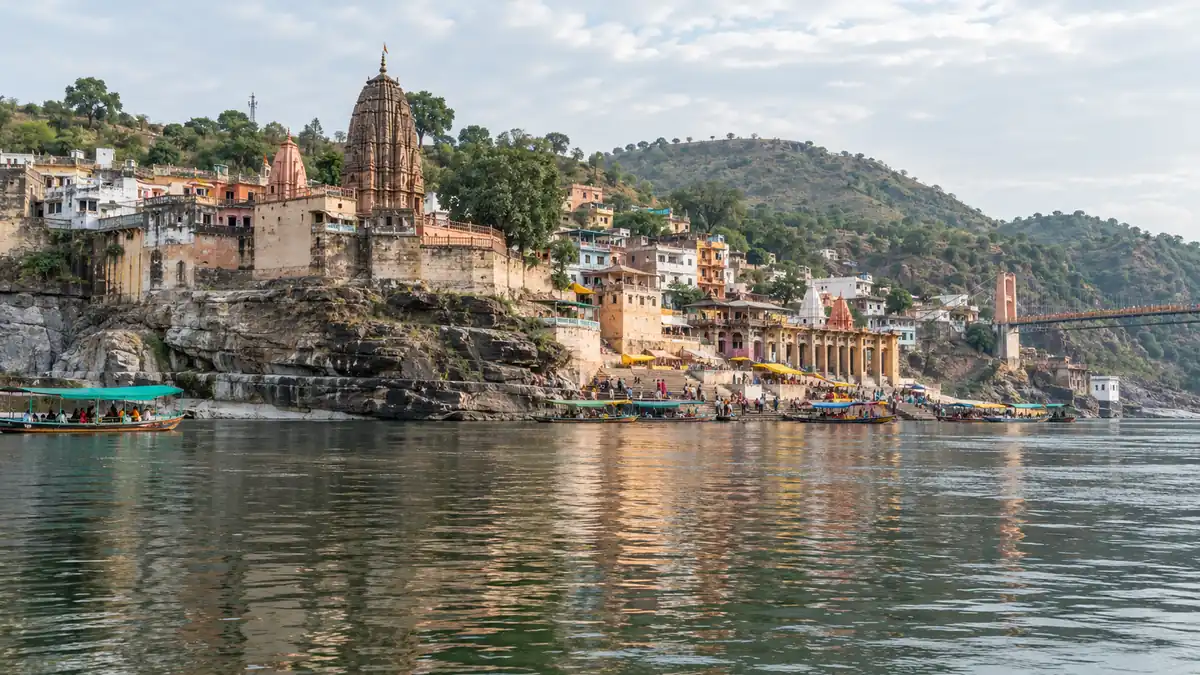
Pilgrims cross the deep river gorge via modern pedestrian suspension bridges or motorized wooden ferry boats to reach the main sanctum. Directly across the southern bank in Panthia stands Mamleshwar Temple, considered an equal partner shrine in fulfilling the complete pilgrimage rite.
Devotees routinely perform the sacred six-kilometer Parikrama path circling Mandhata island on foot. Detailed rituals, boat transfer fares, and ghat circuits are documented in our Omkareshwar Jyotirlinga temple guide.
On the high plateau overlooking the island stands the newly constructed 108-foot bronze Statue of Oneness, depicting the eighth-century philosopher Adi Shankaracharya. The surrounding Ekatma Dham campus celebrates Advaita Vedanta philosophy through experiential museum pavilions and meditation halls.
The Sacred Geography of Central Indian Pilgrimages
Madhya Pradesh occupies a central position within India’s holy geography, anchoring multi-state pilgrimage trails and river circumambulations. Devotees studying ancient Shaivite geography can contextualize these two central shrines through our national 12 Jyotirlingas guide.
Beyond the Jyotirlinga sanctuaries, the Narmada Parikrama represents one of the most demanding spiritual journeys in Hinduism. Devotees walk over 2,600 kilometers along both banks of the sacred Narmada River, journeying from the Arabian Sea to the holy mountain spring at Amarkantak.
Amarkantak rests at the meeting point of the Vindhya and Satpura ranges at an altitude of 1,065 meters. The town preserves the ancient Narmada Kund temples, marking the exact geographic source where the holy river emerges from subterranean aquifers.
Further northeast in Baghelkhand, the sacred hill shrine of Maihar attracts millions of devotees to the Maa Sharda Devi Temple. Situated atop Trikuta Hill, the temple requires ascending 1,063 stone steps or riding a passenger ropeway to reach the mountaintop.
Chitrakoot, split along the border of Madhya Pradesh and Uttar Pradesh, commemorates the exile years of Lord Rama, Sita, and Lakshmana. Pilgrims circle the holy Kamadgiri Hill, meditate along Ramghat on the Mandakini River, and explore subterranean rock springs at Gupt Godavari.
Mandu City of Joy and Maheshwar Riverfront Citadel
Perched along a dramatic 600-meter plateau edge in the Malwa region, Mandu stands as one of India’s most poetic medieval fortress ruins. Originally built as a fortified citadel by the Paramaras, Mandu flourished under the Malwa Sultanate in the 15th century.
The central royal enclave features the iconic Jahaz Mahal, or Ship Palace, constructed between two artificial reservoirs: Kapur Talao and Munj Talao. When summer rains fill both water basins, the two-story sandstone palace appears to float upon the water surface.
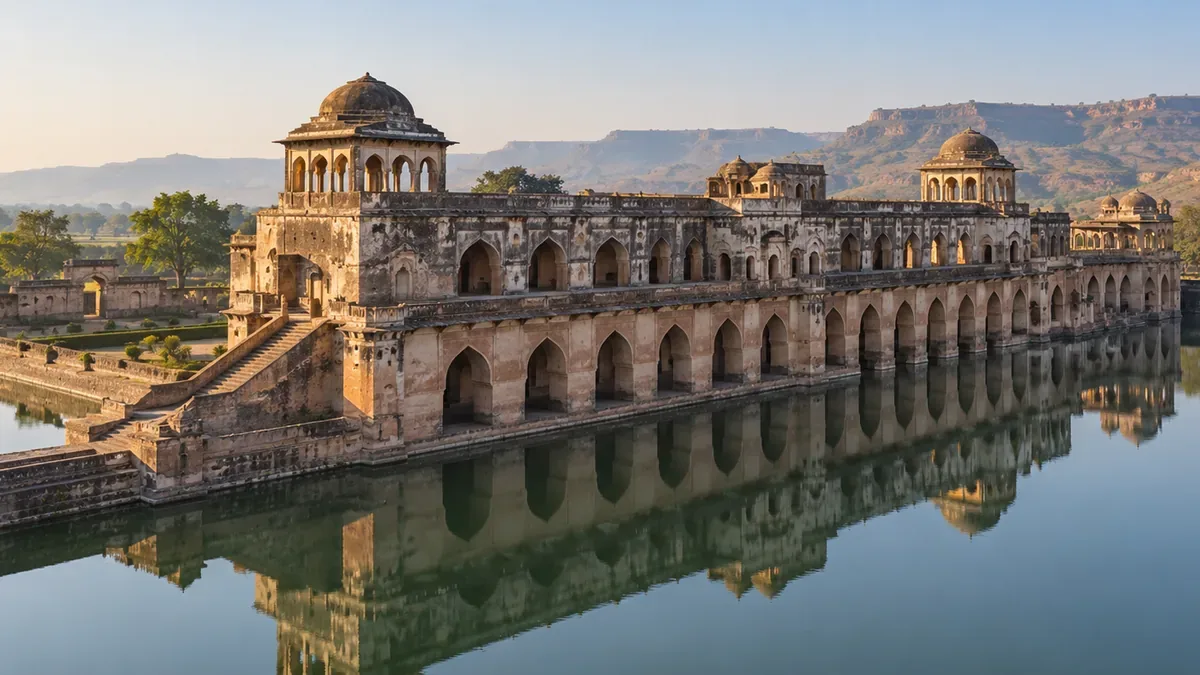
Nearby stands Hindola Mahal, recognized for its sloping buttress walls and massive pointed arches that resemble an open ceremonial swing. To the south, Rani Roopmati’s Pavilion crowns the cliff edge, offering vast vistas across the Narmada River valley.
Sixty kilometers east of Mandu along the southern bank of the Narmada lies Maheshwar, the 18th-century capital of the Holkar queen Rani Ahilyabai. The stone Ahilya Fort towers over magnificent riverfront bathing ghats, featuring carved sandstone balconies, royal shrines, and temple steps.
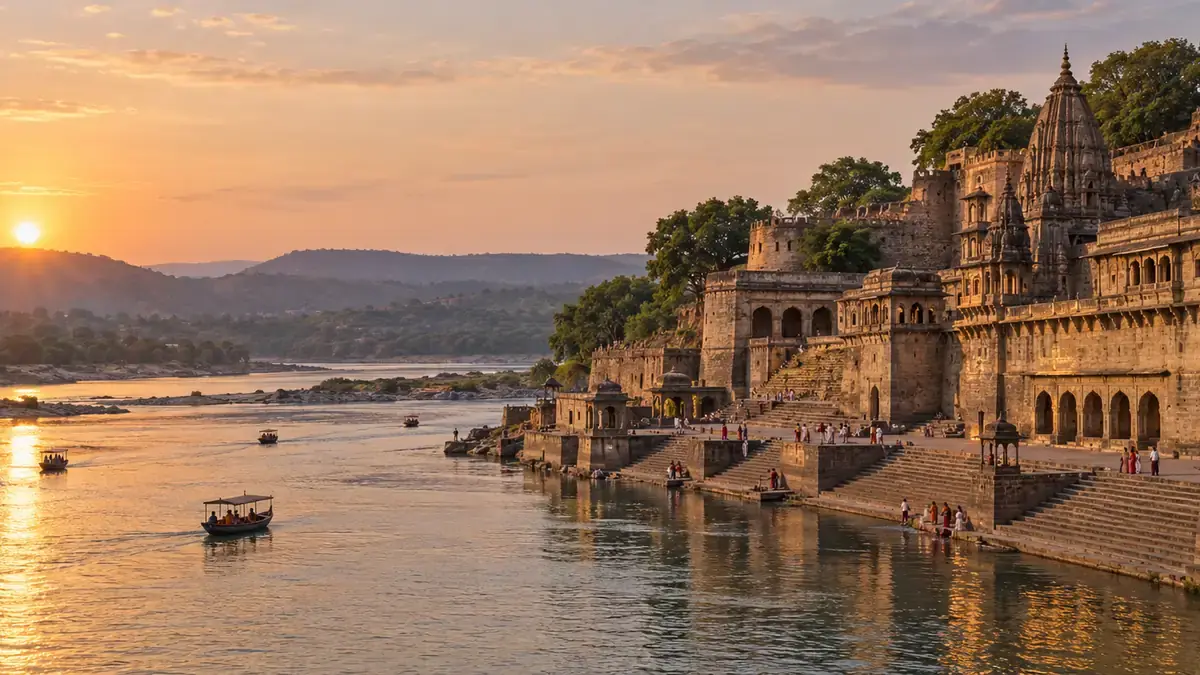
Maheshwar remains celebrated across India for its centuries-old handloom weaving traditions. Travelers visit working weaver colonies within the fort complex to purchase authentic Maheshwari silk and cotton sarees characterized by geometric border designs.
Bandhavgarh National Park and Tiger Reserve Safaris
Bandhavgarh National Park protects 1,536 square kilometers across the Vindhya Hills of Umaria district, harboring the highest recorded density of wild tigers in India. The park features an isolated 105-square-kilometer tourism core characterized by dense sal valleys and steep sandstone cliffs.
The park divides into three primary core safari zones: Tala, Magdhi, and Khitauli. Tala represents the historic heart of the reserve, where natural perennial streams and rocky outcrops create ideal habitats for resident breeding tigresses.
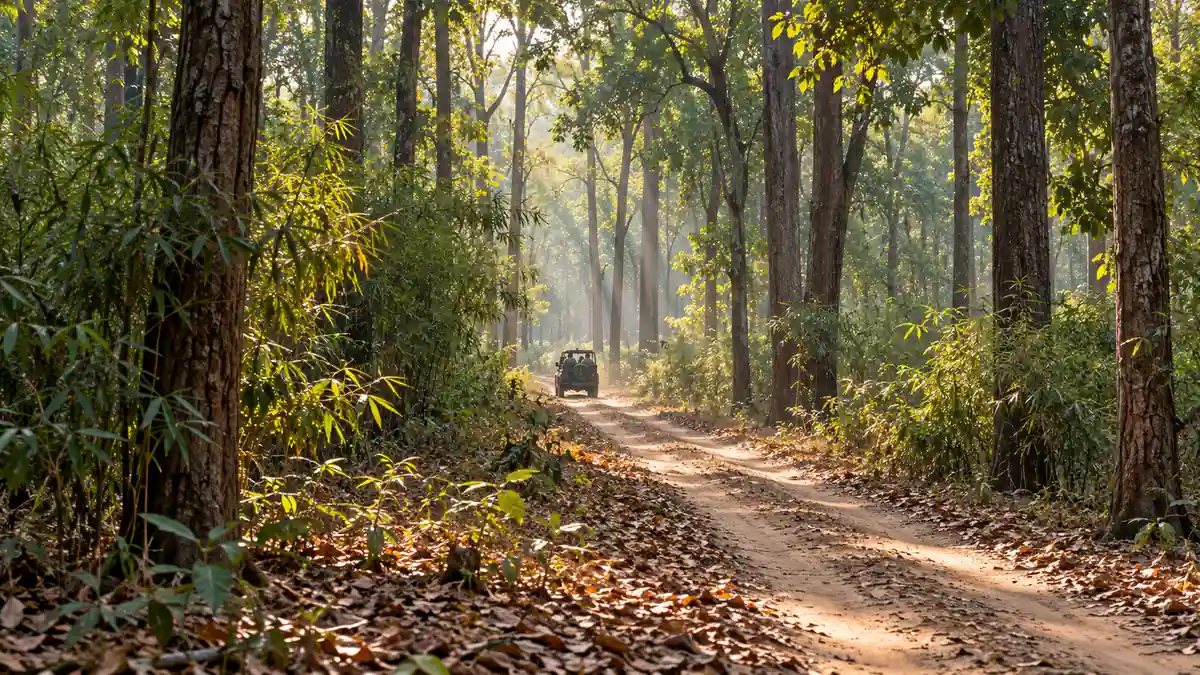
Tala also houses the extraordinary 10th-century Shesh Shaiya sculpture, an 11-meter reclining stone statue of Lord Vishnu resting upon the serpent Sheshanaga. A perennial natural freshwater spring emerges at Vishnu’s feet, forming the Charanganga River that irrigates the surrounding forest valleys.
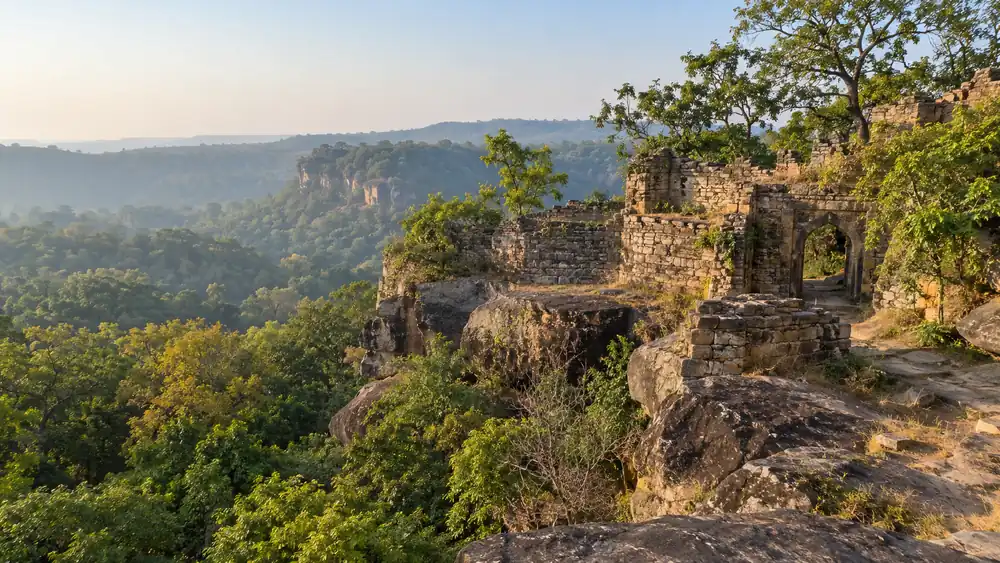
Tourists can plan zone bookings, gypsy vehicle allocations, and seasonal safari permits through our comprehensive Bandhavgarh National Park safari guide. Safari permits must be booked months in advance via the official Madhya Pradesh Forest Department Safari Booking Portal.
Kanha, Pench, and Central Indian Wildlife Corridors
Kanha National Park encompasses 940 square kilometers of protected sal forests and open savannah grasslands across the Maikal hills. Celebrated globally as the landscape that inspired Rudyard Kipling’s The Jungle Book, Kanha represents a conservation triumph for endangered species.
The park played a vital role in rescuing the hardground swamp deer, or Southern Barasingha, from near extinction. Today, hundreds of these majestic antlered deer graze across the open meadows of Kanha, Mukki, and Kisli safari zones alongside herds of chital and gaur.
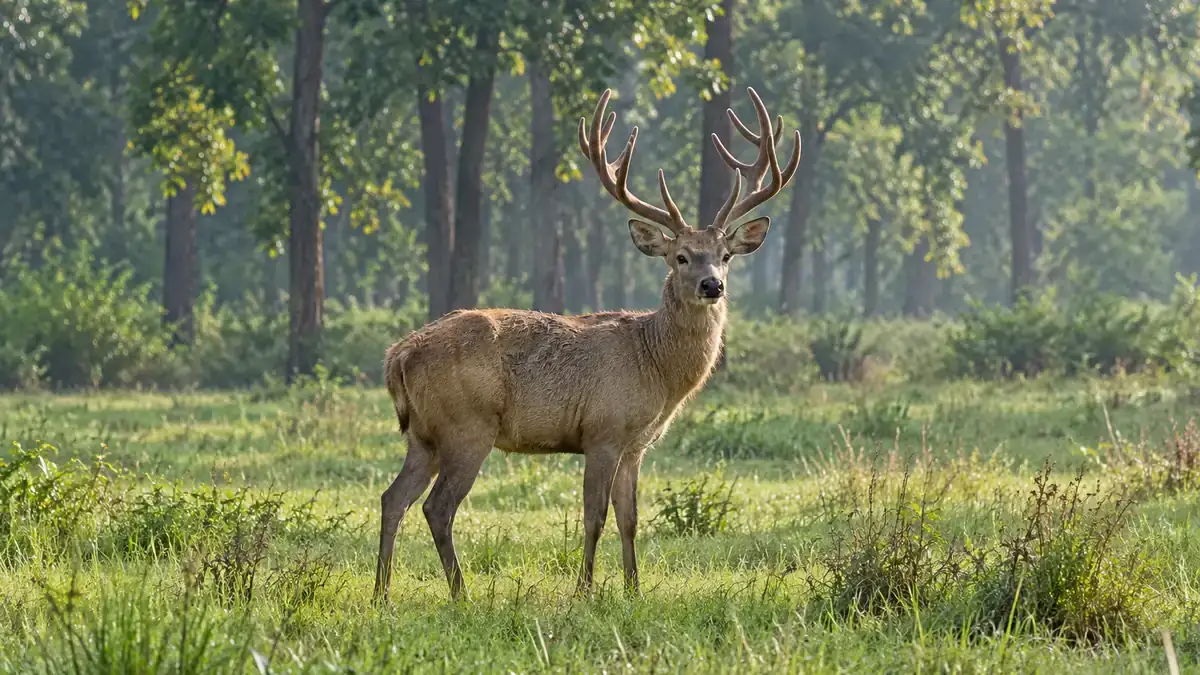
Travelers can review zone selection advice, lodge recommendations, and safari schedules in our Kanha National Park safari guide. Early morning winter drives through Kanha often reveal big cats moving through frost-dusted golden grasslands surrounded by towering sal trees.
South along the Maharashtra border lies Pench National Park, characterized by open teak canopies and the meandering Pench River basin. Pench supports high densities of spotted deer, sambar, wild boars, and Indian leopards, making tiger tracking highly productive across the Turia zone.
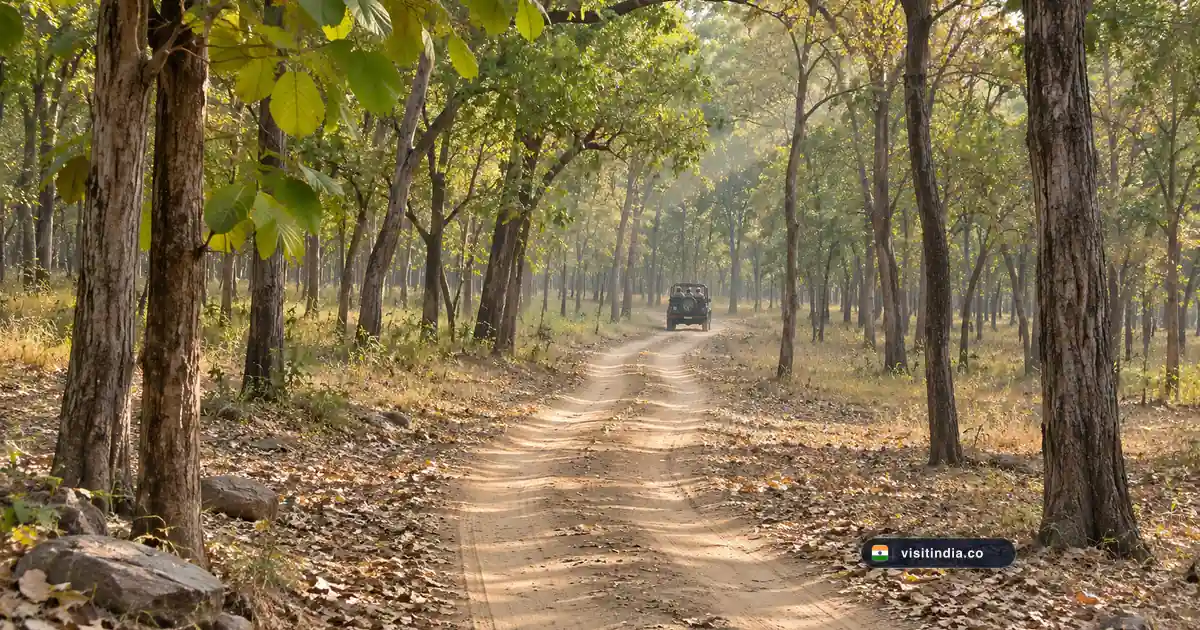
The surrounding forest corridors connect Pench with Kanha and Tadoba, providing crucial migration paths for dispersing big cats. Government naturalists operate regular morning and afternoon open-top gypsy safaris through certified park gates from October through June.
Panna, Satpura, and Kuno Conservation Landscapes
Beyond its flagship tiger reserves, Madhya Pradesh manages several pioneering conservation landscapes that protect unique wildlife habitats. Panna National Park, situated along the Ken River near Khajuraho, achieved global acclaim for successfully re-establishing a thriving tiger population after local extirpation.
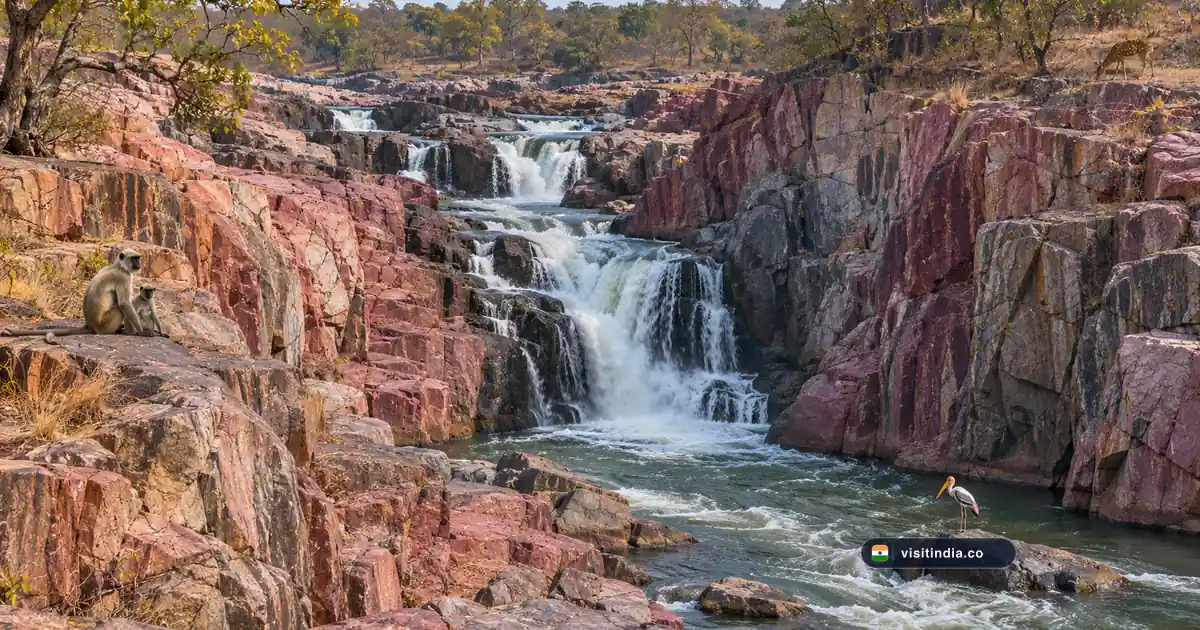
Panna features deep gorges, cascading waterfalls, and vertical sandstone cliffs that provide vital nesting grounds for endangered vulture species. For gate logistics, online permits, and the multi-coloured granite canyon of Raneh Falls, see our dedicated Panna tiger safari and Raneh Falls guide. Visitors enjoy scenic boat safaris along the Ken River to spot marsh crocodiles and migratory water birds alongside jeep tracking drives.
Further southwest, Satpura National Park encompasses rugged sandstone peaks, narrow gorges, and dense teak forests surrounding the Denwa River reservoir. Satpura is one of the few national parks in India permitting guided walking safaris and canoe expeditions, offering quiet encounters with leopards and sloth bears. Comprehensive permit steps and gate selections for both reserves are covered in our Pench and Satpura safari booking guide, detailing walking trails and Denwa boat crossings.
In northern Madhya Pradesh, Kuno National Park has gained global recognition as the home of India’s Project Cheetah. The park’s expansive grasslands and open deciduous woodlands were specifically restored to support the reintroduction of wild African cheetahs to the subcontinent.
Travelers planning multi-park wilderness expeditions can confirm gate availability and conservation schedules directly with the Madhya Pradesh Tourism Development Corporation. Official booking windows open four months ahead of each travel season.
Regional Gastronomy: Malwa Street Food to Bhopali Nawabi Flavors
The culinary traditions of Madhya Pradesh reflect the state’s cultural convergence, blending vegetarian Malwa specialties, Bundelkhand hearty fare, and royal Bhopali Nawabi dishes. Every region presents distinct spices, grains, and signature preparation styles.
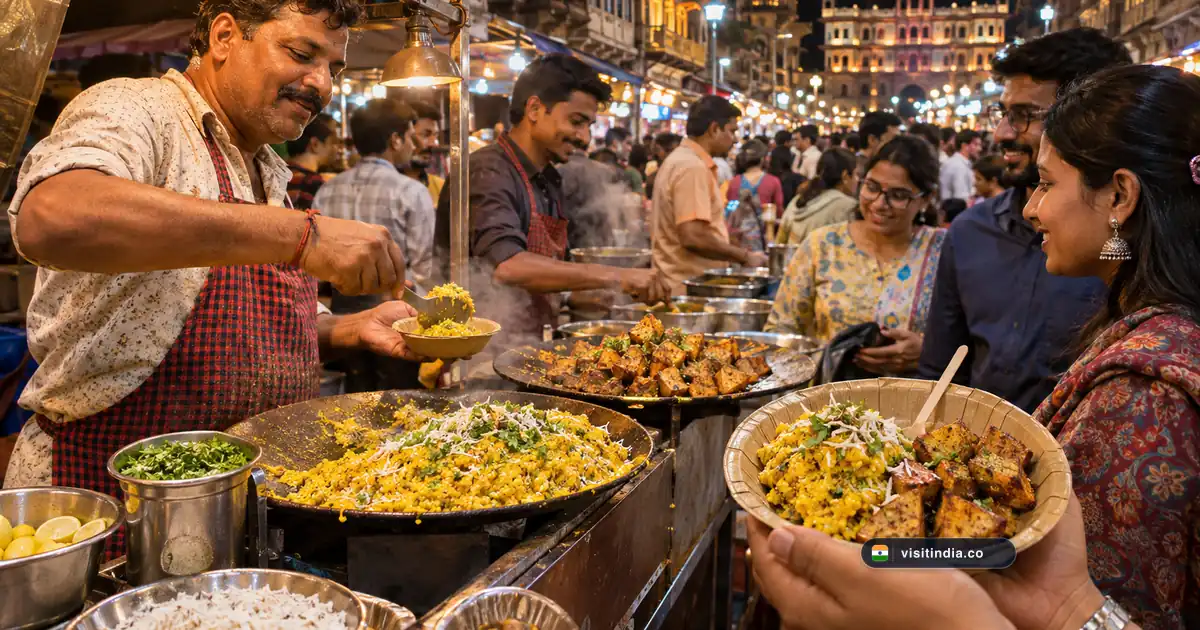
In Indore and the Malwa region, mornings begin with steaming Indori Poha topped with crispy sev, pomegranate pearls, and tangy jeeravan masala, served beside warm golden jalebis. Another iconic regional specialty is Bhutte Ka Kees, made from grated sweet corn slow-cooked in milk with mustard seeds and green chilies.
Dal Bafla represents the state’s signature celebratory feast, originating from rural wheat-farming traditions. Wheat dough balls are boiled in water, roasted over cow-dung embers or baked until golden, bathed in pure desi ghee, and served with spiced tuvar dal and garlic chutney.
When night falls, Indore transforms into a street food destination centered on Sarafa Bazaar and Chappan Dukan (56 Shops). Jewelers shutter their jewelry stalls at 8:00 PM, allowing food carts to take over the streets until 2:00 AM, serving dahi vadas, garadu (fried spiced yam), kulfi, and oversized jalebas.
In Bhopal, the culinary heritage takes inspiration from the kitchens of the Muslim Begums. The historic food lanes of Chatori Gali feature rich meat preparations including Bhopali Gosht Korma, slow-cooked Rogan Josh, spicy seekh kebabs, and sweet Mawa Bati dumplings soaked in fragrant sugar syrup.
Cultural Festivals, Khajuraho Dance, and Tribal Celebrations
Madhya Pradesh hosts an active annual calendar of classical music gatherings, dance spectacles, and traditional tribal cultural fairs. These celebrations reflect centuries of artistic patronage maintained by ancient royal courts and indigenous forest communities.
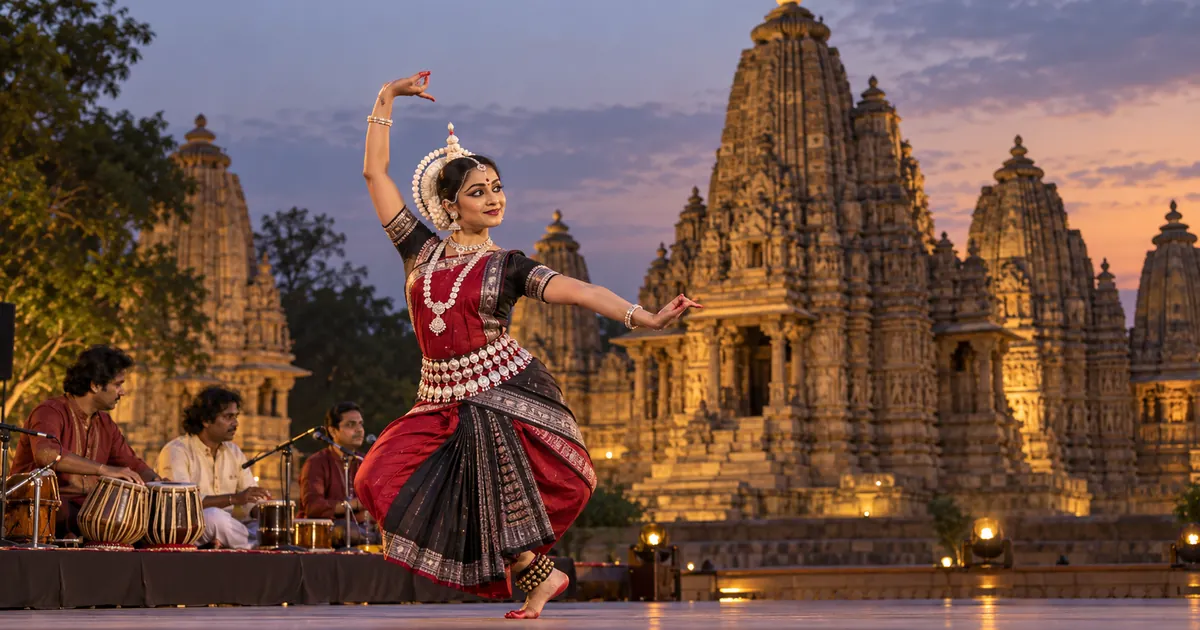
Every February, the week-long Khajuraho Dance Festival brings India’s foremost classical dancers to perform on an open-air stone stage against the floodlit backdrop of Chitragupta and Vishwanatha temples. The festival celebrates Bharatanatyam, Odissi, Kathak, and Kuchipudi dance styles under star-filled winter skies.
Travelers can plan ticket bookings and performance itineraries using our dedicated Khajuraho Dance Festival guide. Cultural authorities manage access through official ticketing desks, drawing thousands of art connoisseurs and international photographers.
In Gwalior, the annual Tansen Samaroh takes place every December near the historic tomb of legendary musical maestro Mian Tansen. Leading vocalists and instrumentalists gather from across India to perform Hindustani classical ragas in marathon open-air music sessions.
Across the western districts of Jhabua and Alirajpur, indigenous Bhil and Bhilala communities celebrate the festive Bhagoria Festival in the week preceding Holi. The fair functions as a harvest celebration and courtship tradition, filled with synchronized group dancing, rhythmic brass flute music, and colorful traditional attire.
Every twelve years, Ujjain hosts the sacred Simhastha Kumbh Mela along the banks of the holy Shipra River. The month-long spiritual congregation attracts millions of sadhus, ascetics, and pilgrims, marking one of the largest peaceful human gatherings on the planet.
Luxury Rail Journeys and Regional Heritage Corridors
Madhya Pradesh features prominently on several of India’s world-class luxury tourist train routes, offering travelers a regal vantage point for exploring central heritage citadels. These luxury tourist trains combine fine dining, private sleeping cabins, and guided monument excursions.
The celebrated Maharajas’ Express includes Madhya Pradesh destinations on its flagship itineraries, stopping at Gwalior Fort, the palaces of Orchha, and the carved temples of Khajuraho. Guests disembark for private royal receptions and chartered sightseeing before re-boarding for evening five-course dinners.
Travelers considering experiential train journeys can compare route options and carriage amenities in our comprehensive key details for India Luxury Trains. These services provide hassle-free transit between distant regional monuments without repetitive hotel check-ins.
Independent travelers can replicate these luxury corridors using India’s high-speed broad-gauge rail network. Express lines connect major tourist hubs, allowing tourists to combine urban heritage exploration with peaceful wildlife safari lodges.
Official preservation schedules and monument entry regulations for all heritage properties are documented by the Archaeological Survey of India Official Portal. Visitors can review digital ticketing guidelines and photography permits prior to departure.
Recommended Madhya Pradesh Travel Circuits and Itineraries
Because Madhya Pradesh spans vast geographic distances, designing an itinerary requires grouping nearby destinations into logical regional circuits. The three curated routes below accommodate various travel styles and vacation timeframes:
Circuit 1: The 5-Day Malwa Heritage and Jyotirlinga Trail
A cultural road circuit focused on the historic cities, temple shrines, and street food corridors of western Madhya Pradesh. This self-contained route utilizes four-lane divided expressways linking Indore, Ujjain, and Mandu:
- Day 1: Arrival in Indore and Street Food Trail: Land at Indore Devi Ahilyabai Holkar Airport. Explore the historic Rajwada Palace and Lal Bagh Palace in the afternoon. Spend the evening sampling street delicacies at Sarafa Night Bazaar using our detailed Indore Sarafa Bazaar and Chhappan Dukan food guide.
- Day 2: Ujjain Spiritual Pilgrimage: Drive 55 kilometers north along the expressway to Ujjain. Visit the sacred Mahakaleshwar Jyotirlinga, explore the grand Mahakal Lok corridor, and attend evening river aarti at Ram Ghat.
- Day 3: Ujjain to Mandu Fortress: Drive 150 kilometers southwest to the medieval hilltop fortress of Mandu. Tour the floating Jahaz Mahal, Hindola Mahal, and the royal palace complex.
- Day 4: Mandu to Maheshwar and Omkareshwar: Visit Rani Roopmati’s Pavilion for sunrise views across the Narmada valley. Drive down to Maheshwar to explore Ahilya Fort and weaver workshops, then continue to Omkareshwar for night stay.
- Day 5: Omkareshwar Darshan and Return to Indore: Take a morning boat across the Narmada River to offer prayers at Omkareshwar Jyotirlinga and Mamleshwar Temple. Drive 80 kilometers back to Indore Airport for evening departure flights.
Circuit 2: The 7-Day Central Heritage and Wildlife Triangle
A balanced northern itinerary combining medieval fortresses, UNESCO monuments, and tiger tracking. This route connects historic Bundelkhand bastions with productive safari reserves along paved state corridors:
- Day 1: Delhi to Gwalior: Board the morning high-speed train from New Delhi to Gwalior. Explore the monumental Gwalior Fort, Man Mandir Palace, Sas Bahu Temples, and Gopachal Jain colossi.
- Day 2: Gwalior to Orchha: Drive 120 kilometers south past Jhansi to the medieval river town of Orchha. Tour the multi-tiered Jahangir Mahal and Raja Mahal, and attend the evening guard of honor aarti at Ram Raja Temple.
- Day 3: Orchha Riverfront to Khajuraho: Photograph the 14 royal chhatris along the Betwa River at sunrise. Drive 170 kilometers east to Khajuraho and watch the evening sound-and-light show on the Western Group lawns.
- Day 4: Khajuraho UNESCO Temples: Spend the morning inspecting the sculpted friezes and soaring shikharas of Kandariya Mahadeva and Lakshmana temples. Tour the Eastern Group Jain sanctuaries in the afternoon.
- Day 5: Khajuraho to Panna National Park: Take a short 30-kilometer drive to Panna Tiger Reserve. Undertake an afternoon jeep safari through Madla zone and enjoy an evening boat ride along the Ken River.
- Day 6: Panna to Bandhavgarh Tiger Reserve: Drive 220 kilometers southeast through Vindhyan forests to Bandhavgarh National Park. Check into a wilderness safari lodge near Tala gate and relax.
- Day 7: Bandhavgarh Safaris and Departure: Undertake an early morning tiger tracking safari in Tala or Magdhi zone. Transfer 165 kilometers southwest to Jabalpur Dumna Airport for onward flights to Delhi or Mumbai.
Circuit 3: The 10 to 12-Day Grand Madhya Pradesh Odyssey
A comprehensive central Indian journey linking ancient rock art, royal palaces, sacred rivers, and dense tiger reserves. This overland itinerary allows travelers to explore the state without backtracking:
- Days 1-2: Bhopal, Bhimbetka, and Sanchi: Arrive in Bhopal. Tour the Great Stupa at Sanchi, the Paleolithic cave art at Bhimbetka, and Bhojpur Temple. Visit the Madhya Pradesh Tribal Museum and Upper Lake.
- Days 3-4: Jabalpur Marble Rocks and Kanha: Travel by express train to Jabalpur. Boat through the towering white Marble Rocks gorge at Bhedaghat and view Dhuandhar Falls. Drive south into Kanha National Park for evening rest.
- Days 5-6: Deep Wilderness Safaris in Kanha: Undertake morning and afternoon jeep safaris across Mukki and Kisli zones. Track Royal Bengal tigers, observe hardground barasingha herds, and spot wild gaurs in the sal forests.
- Days 7-8: Bandhavgarh Tiger Country: Drive north to Bandhavgarh National Park. Conduct game drives through Tala zone to view the 10th-century Shesh Shaiya statue and track predator movements across the Chakradhara meadows.
- Days 9-10: Khajuraho and Orchha Heritage: Drive northwest to explore the UNESCO temples of Khajuraho. Continue westward to Orchha to tour Jahangir Mahal, Ram Raja Temple, and riverside cenotaphs.
- Days 11-12: Gwalior Fort and Departure: Complete your journey at Gwalior. Explore the cliffside citadel and Jai Vilas Palace before boarding evening return trains or flights back to New Delhi.
Seasonal Weather and Best Time to Visit Madhya Pradesh
Madhya Pradesh experiences an inland continental climate with three pronounced seasons: a pleasant cool winter, a sweltering dry summer, and a humid monsoon. The comparison table below highlights conditions across the travel calendar:
| Season | Calendar Months | Temperature Range | Wildlife & Sightseeing Conditions | Traveler Verdict |
|---|---|---|---|---|
| Winter Peak | October to March | 10°C to 28°C (Pleasant daytime) | National parks open; clear skies; ideal outdoor walking | Peak season for heritage touring, temple visits, and safaris |
| Summer Pre-Monsoon | April to June | 30°C to 45°C (Intense dry heat) | Waterholes shrink; maximum tiger sighting frequency | Best season for dedicated wildlife photographers |
| Monsoon Greenery | July to September | 24°C to 34°C (Moderate to heavy rains) | Core park zones closed; lush landscapes; flowing waterfalls | Ideal for Mandu, Pachmarhi, and scenic monsoon road trips |
The winter season from October through March represents the finest window for general travel across Madhya Pradesh. Daytime temperatures remain comfortable for walking across open stone temple terraces in Khajuraho, climbing the ramparts of Gwalior Fort, and undertaking chilly open-jepsy morning safaris.
Summer from April through June brings intense heat, with midday temperatures routinely exceeding 42°C across the Malwa and Bundelkhand plains. However, this period offers the highest probability for spotting tigers, as drying forest foliage and shrinking waterholes force predators to congregate near predictable water bodies.
Monsoon arrives in late June and lasts through September, transforming the dry central plateau into a verdant landscape. While core national park zones remain closed for the breeding season, this is the prime time to visit the hill station of Pachmarhi and the romantic waterfalls and misty palaces of Mandu.
Transportation Logistics, Expressways, and High-Speed Rail
Reaching and navigating Madhya Pradesh has become significantly faster in recent years due to substantial investments in modern civil airports, four-lane expressways, and semi-high-speed rail networks. Coordinated intercity schedules ensure reliable transfers between major regional hubs.
Commercial Aviation Gateways
Madhya Pradesh operates five primary civil airports that provide convenient entry points across different geographic sectors. Scheduled domestic carriers connect these air gateways to major metropolitan centers nationwide:
- Indore Devi Ahilyabai Holkar Airport (IDR): The state’s busiest aviation hub, offering nonstop domestic flights from Delhi, Mumbai, Bengaluru, Hyderabad, Goa, and Ahmedabad. Serves as the primary gateway for Ujjain, Mandu, Maheshwar, and Omkareshwar.
- Bhopal Raja Bhoj Airport (BHO): Located 15 kilometers northwest of the capital, handling daily direct flights connecting to Delhi, Mumbai, Bengaluru, and Hyderabad. Convenient for Sanchi, Bhimbetka, and Bhojpur.
- Gwalior Airport (GWL): Serves northern Madhya Pradesh with direct air links to Delhi, Mumbai, Bengaluru, and Ayodhya. Ideal for Gwalior Fort, Morena, and Orchha excursions.
- Jabalpur Dumna Airport (JLR): The essential aviation hub for eastern wildlife circuits, providing scheduled connections from Delhi and Mumbai for travelers bound for Kanha, Bandhavgarh, and Pench.
- Khajuraho Airport (HJR): Operates seasonal winter scheduled flights connecting directly to New Delhi and Varanasi, landing just five kilometers from the UNESCO temple complex.
Broad-Gauge Railway Hubs and High-Speed Trains
Operated under the West Central and Western Railway zones, the state’s electrified broad-gauge rail network connects central India with all four national quadrants. Daily superfast expresses link regional junctions with coastal and northern transit points:
- Rani Kamlapati Railway Station (RKMP): Located in Bhopal, this newly redeveloped world-class station serves as the central hub for semi-high-speed rail travel.
- Bhopal Junction (BPL): A major junction handling dozens of long-distance express and superfast trains daily along the primary north-south Delhi-Chennai corridor.
- Indore Junction (INDB): Connects western Madhya Pradesh directly to Mumbai, Rajasthan, and Gujarat.
- Jabalpur Junction (JBP): Serves as the primary railhead for travelers transferring to Kanha and Bandhavgarh national parks.
- Vande Bharat Express Corridors: Multiple semi-high-speed train services connect Bhopal Rani Kamlapati to New Delhi (Hazrat Nizamuddin), Jabalpur, and Indore. Detailed national high-speed train networks and ticketing procedures are outlined in our guide to Vande Bharat Express tourist routes.
Highway Corridors and Bus Transit
The state road network carries substantial passenger traffic across newly expanded multi-lane highways. Well-maintained toll corridors link all 55 district headquarters with the capital:
- National Highway 44 (North-South Corridor): Crosses central Madhya Pradesh from Gwalior in the north through Sagar, Jabalpur, and Seoni to Maharashtra.
- National Highway 46: Forms the vital central artery connecting Gwalior, Bhopal, Hoshangabad, and Betul.
- National Highway 52: Links Indore north to Rajasthan and south toward Maharashtra.
- Bhopal-Indore Highway: A four-lane access-controlled roadway providing smooth two-and-a-half-hour road connections between the political and commercial capitals.
- Bus Networks: The Madhya Pradesh State Tourism Development Corporation (MPSTDC) and certified private operators run regular air-conditioned sleeper coaches connecting major towns with surrounding states.
Frequently Asked Questions About Madhya Pradesh Travel
How many days are needed to visit Madhya Pradesh?
A comfortable introductory trip covering the Malwa cultural circuit or the northern heritage triangle requires five to seven days. Exploring the state’s major tiger reserves alongside UNESCO World Heritage monuments requires ten to twelve days.
What is the best time of year to visit Madhya Pradesh?
The best time to visit is during the cool winter months from October to March, when pleasant daytime temperatures remain ideal for temple tours and outdoor safaris. Dedicated wildlife photographers often prefer visiting during the hot summer months of April and May for peak tiger sightings around forest waterholes.
Which national park in Madhya Pradesh is best for tiger sightings?
Bandhavgarh National Park offers the highest statistical density of Royal Bengal tigers, making its Tala and Magdhi zones leading choices for big cat sightings. Kanha and Pench national parks also provide excellent predator encounters across dense sal and teak forests.
How do travelers travel between Khajuraho, Orchha, and Gwalior?
Travelers can easily connect these three historic destinations by road via smooth four-lane state highways, with private taxi transfers taking approximately three to four hours per leg. Alternatively, frequent broad-gauge express trains link Gwalior, Jhansi (the railhead for Orchha), and Khajuraho.
What are the top spiritual pilgrimage destinations in Madhya Pradesh?
The top spiritual pilgrimage centers are the sacred Jyotirlinga shrines of Mahakaleshwar in Ujjain and Omkareshwar along the Narmada River. Other prominent holy sites include the Ram Raja Temple in Orchha, the Ramayana pilgrimage sites in Chitrakoot, and the sacred river source at Amarkantak.